Quartz Labware and Borosilicate Glass: Which Material Suits Your Lab Work
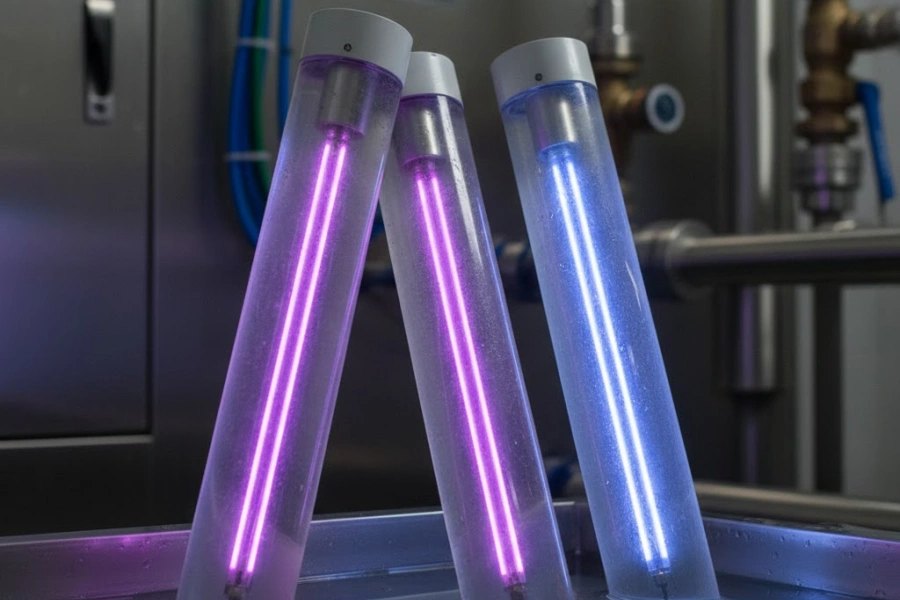
Choosing the wrong vessel material costs experiments. When temperature, chemistry, or optical precision push beyond ordinary thresholds, the material in

Choosing the wrong vessel material costs experiments. When temperature, chemistry, or optical precision push beyond ordinary thresholds, the material in

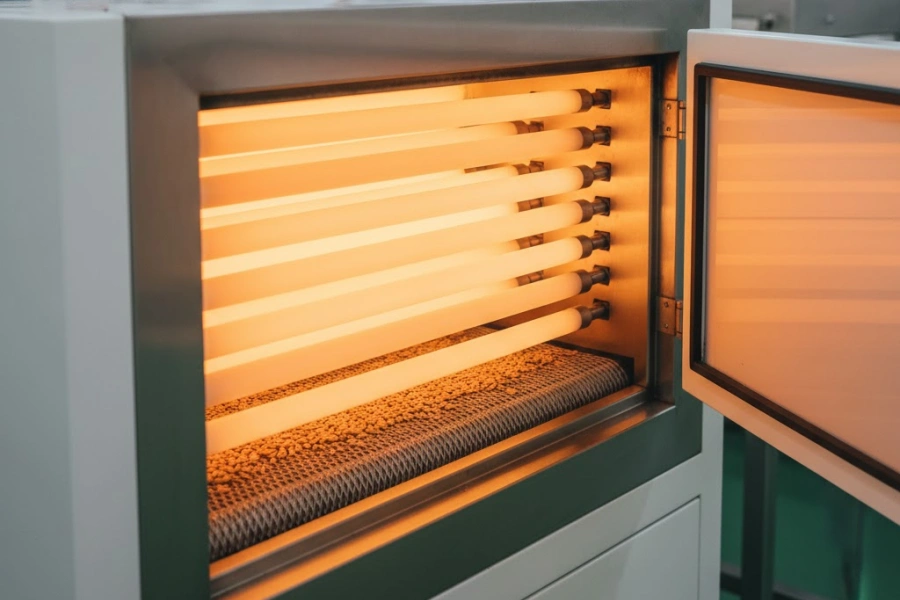
Quartz rods fail silently — and temperature is almost always the reason. Knowing the precise thermal limits prevents irreversible material

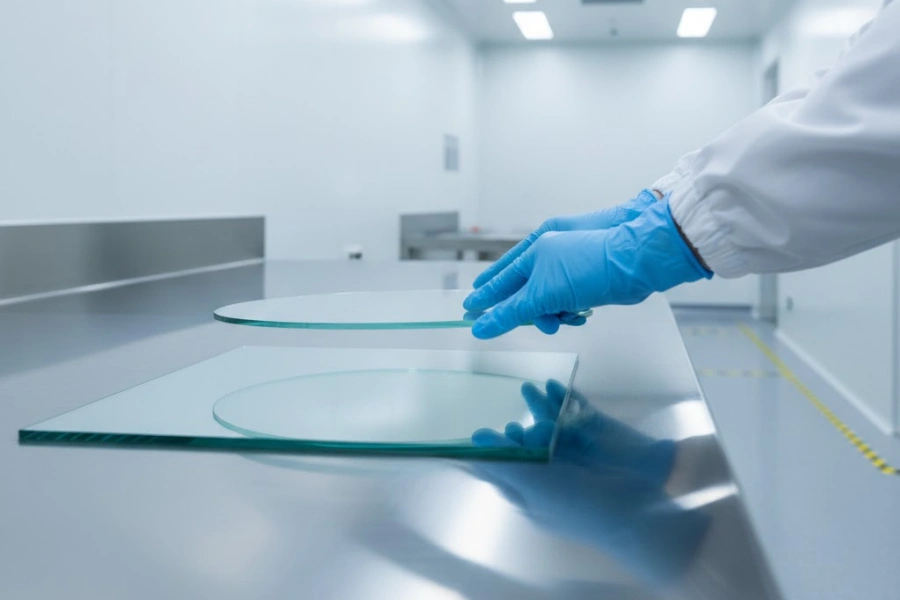
Choosing the wrong petri dish material compromises experimental integrity. This comparison cuts through ambiguity and delivers material-specific answers grounded in

Most laboratories assume plate readers deliver accurate UV data by default — yet systematic errors traced to unvalidated quartz microplates

Fused quartz, borosilicate glass, alumina ceramic, sapphire, and stainless steel each occupy a distinct position in the high-temperature and high-purity

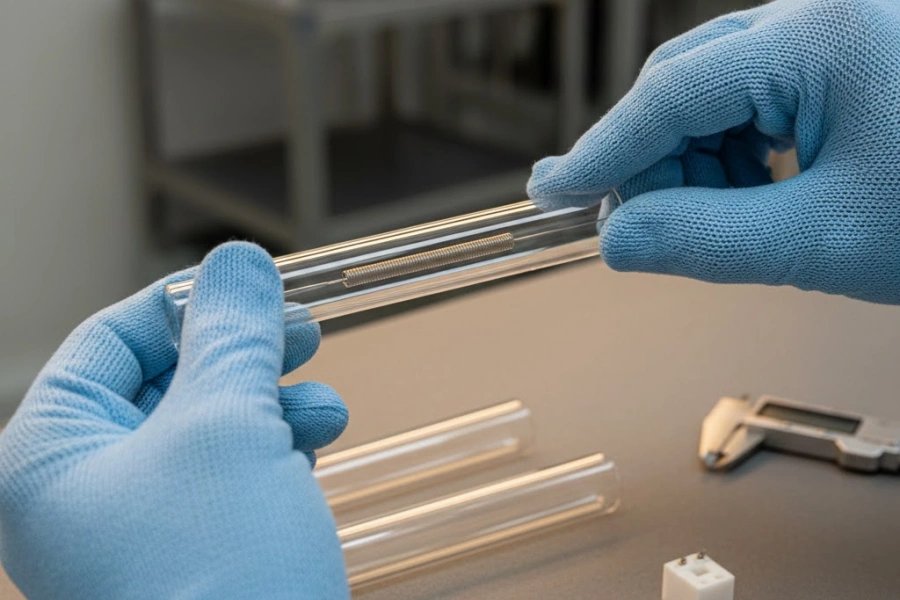
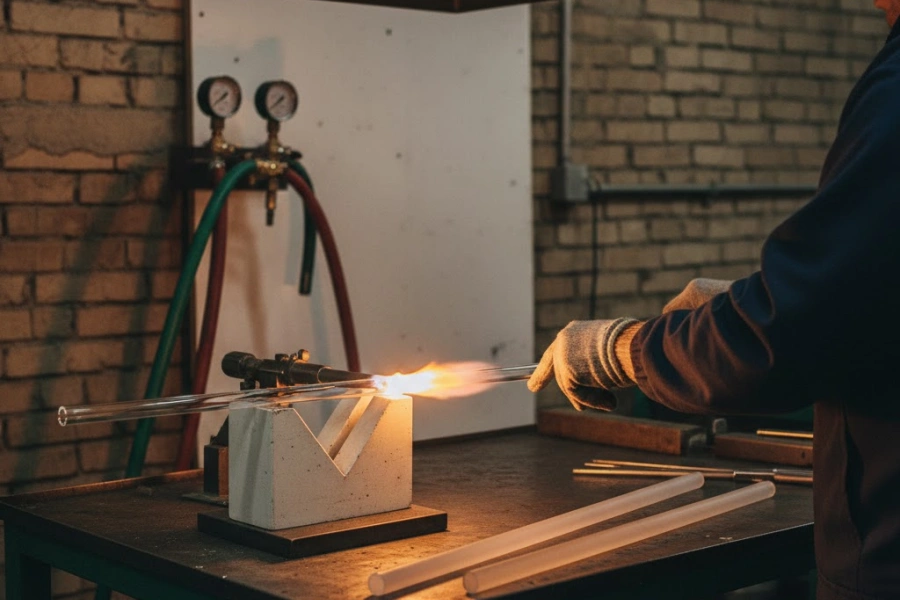
Difficulty arises when high-temperature quartz fabrication demands precision without contamination. Conventional flame tools introduce mismatch, instability, or impurities. Consequently, material

Most laboratories and procurement teams treat these two materials as interchangeable — that assumption leads to analytical errors, premature tube

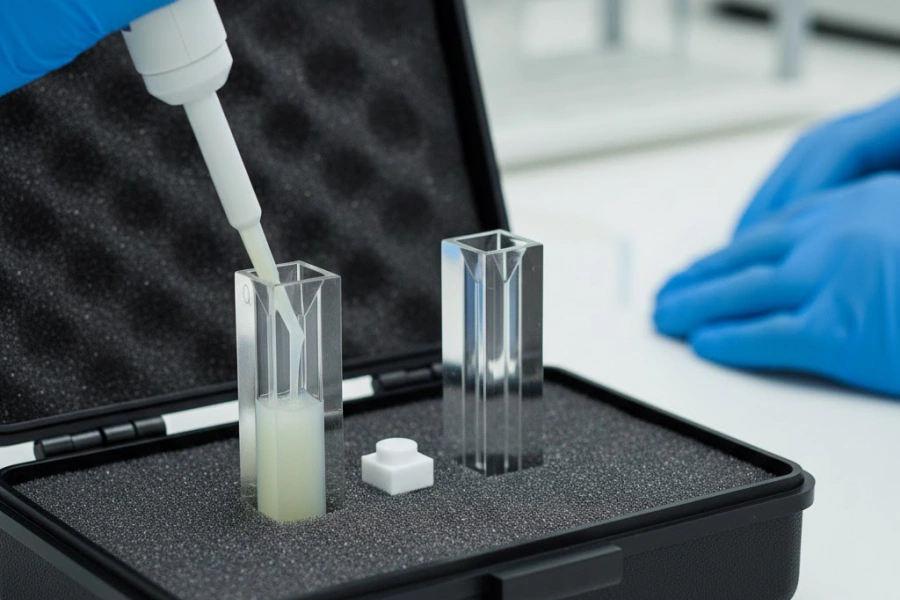
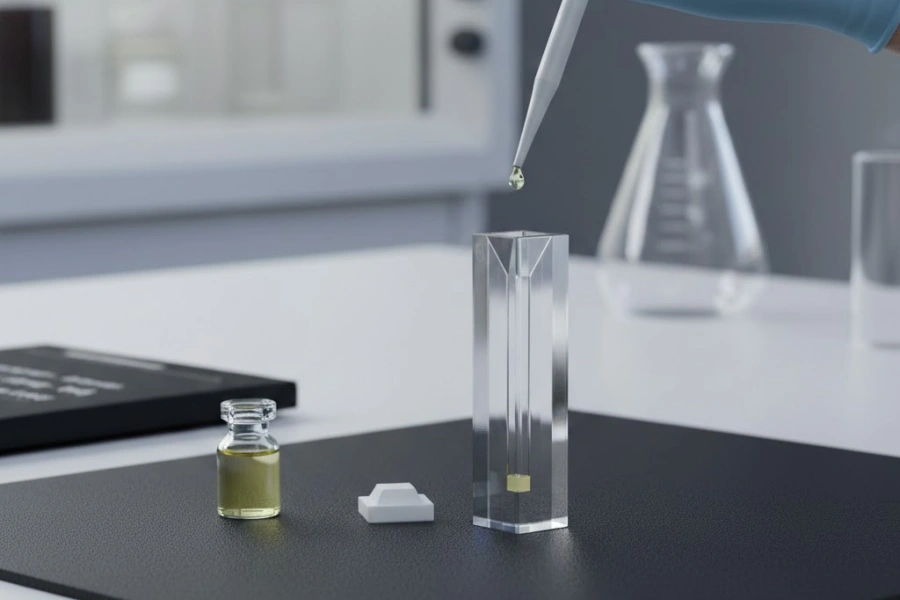
Choosing the wrong cuvette material corrupts spectral data and wastes precious samples. The differences between quartz, glass, and plastic are

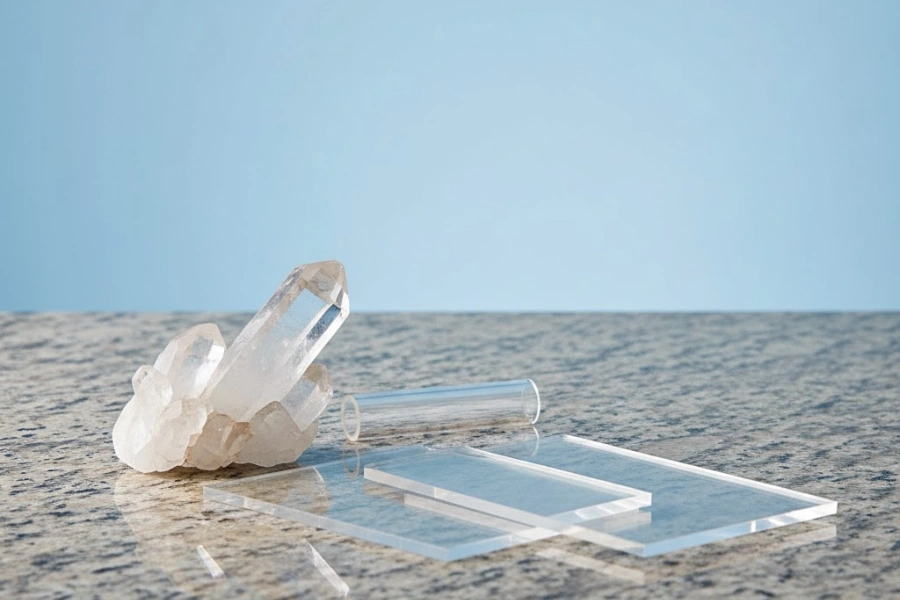
Engineers specifying optical substrates face a persistent dilemma: no single material seems to satisfy both UV transmission and thermal stability
TOQUARTZ: Quartz Glass Solution
Typically replies within minutes
Hi,This is Haber Ma ,Product Engineer at TOQUARTZ™.How Can I Help You ?
WhatsApp Us
🟢 Online | Privacy policy
WhatsApp us
Tell us what you need — Receive tailored pricing and lead time with 6hours.
* Check email after submit. Not received? Verify address.