Choosing the wrong bottle material contaminates results, wastes reagents, and compromises safety — yet the distinction between quartz and borosilicate is routinely underestimated.
Both materials appear visually identical on a laboratory shelf, yet their physical and chemical properties diverge sharply across optical performance, thermal tolerance, ionic purity, and chemical resistance. This article provides a complete, data-anchored comparison across every technically significant dimension, equipping laboratory professionals with the precise knowledge needed to match container material to analytical demand.
The comparison begins at the molecular level, where compositional differences establish the performance ceiling for every property that follows.
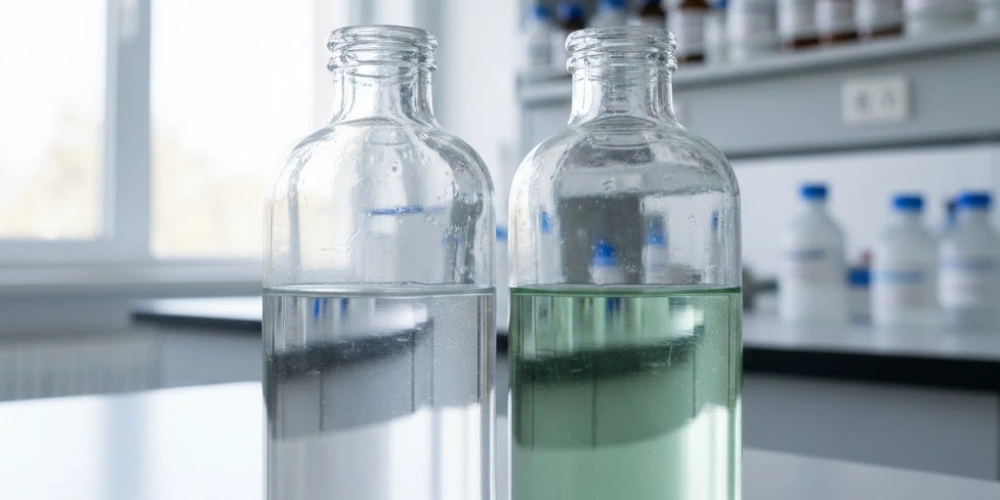
The Fundamental Material Composition of Quartz and Borosilicate Glass
Among all the variables that distinguish laboratory glassware, material composition is the most foundational — and the most consequential for downstream performance.
Fused quartz is produced by melting naturally occurring high-purity silica (SiO₂) or synthetic silicon dioxide at temperatures exceeding 1,700 °C, yielding a glass network with SiO₂ content typically ≥99.95%. This extreme purity means the structural network consists almost entirely of covalently bonded Si-O tetrahedra, with virtually no network modifiers present. Borosilicate glass, by contrast, is a multi-component system incorporating SiO₂ (typically 70–80%), B₂O₃ (10–13%), Na₂O (4–8%), and Al₂O₃ (2–4%). The boron trioxide component acts as a network former alongside silica, while sodium and aluminium oxides function as modifiers that disrupt the pure Si-O network. This compositional architecture improves processability and reduces the melting temperature to approximately 820–850 °C, making borosilicate far more economical to manufacture. However, the presence of mobile network modifiers — particularly Na⁺ and B³⁺ — introduces vulnerability to leaching, alkaline attack, and UV absorption that fused quartz does not share. The purity gap between ≥99.95% SiO₂ and a multi-oxide borosilicate formulation is not a marginal difference; it is the structural origin of every performance distinction discussed in this article.
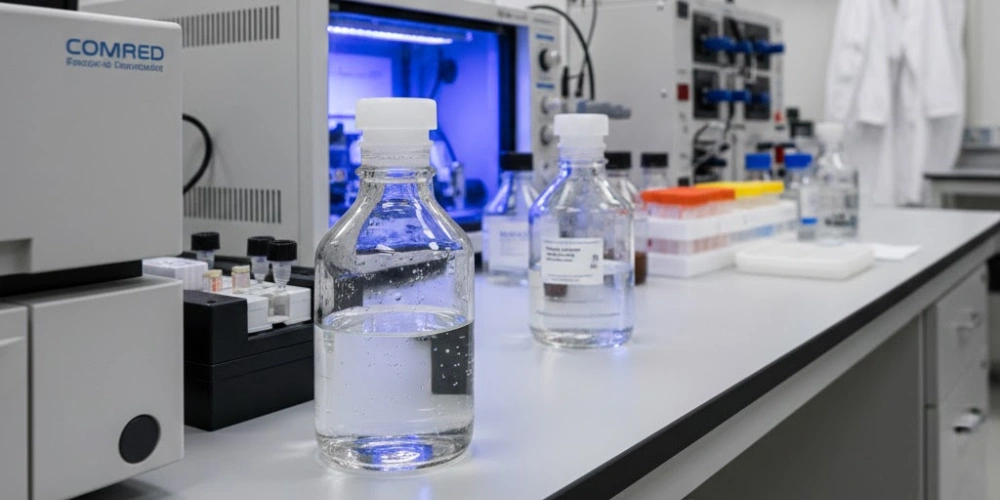
UV-to-Infrared Optical Transmittance in Quartz Reagent Bottles and Borosilicate Reagent Bottles
Optical transmittance is the most frequently cited technical differentiator between the two materials, and it is the property most directly responsible for driving demand toward quartz in spectroscopic laboratories. Understanding the transmittance profile across the full UV-to-infrared spectrum clarifies exactly where each material performs — and where it fails.
Deep-UV Transmittance Below 300 nm
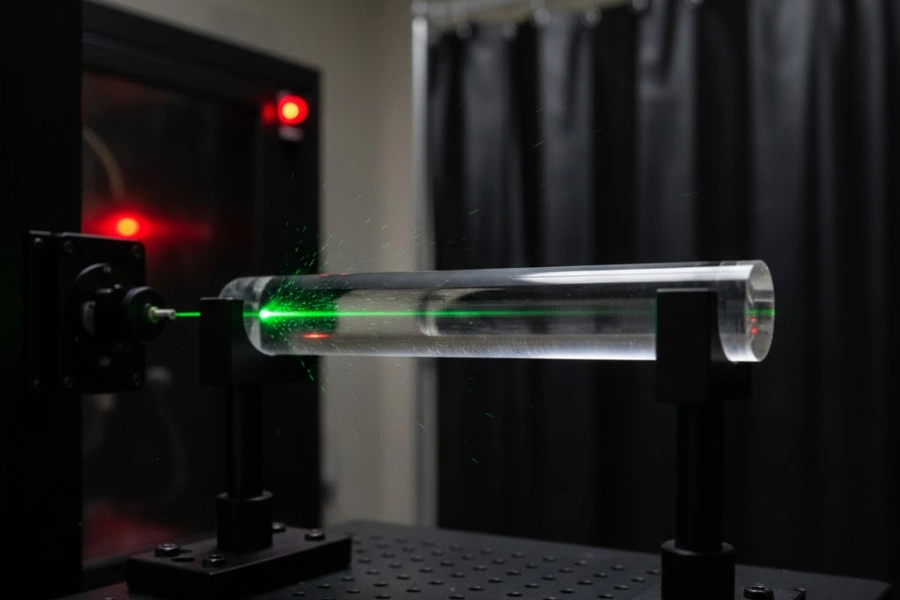
Fused quartz transmits light efficiently from approximately 150 nm through the deep-UV region, with transmittance values typically exceeding 85% at 200 nm and remaining above 90% between 220 and 300 nm for standard optical-grade material. This performance is a direct consequence of the absence of UV-absorbing impurity ions within the Si-O network.
Borosilicate glass, by contrast, exhibits a sharp absorption edge that renders it effectively opaque below approximately 300–320 nm. The UV cutoff arises from electronic transitions associated with Fe²⁺/Fe³⁺ trace impurities, Na⁺ absorption bands, and intrinsic B-O bond absorptions concentrated in the deep-UV region. At 254 nm — a wavelength critical for nucleic acid quantification and aromatic compound detection — borosilicate transmittance falls below 10%, making it functionally unusable for deep-UV analytical work.
Laboratory professionals performing UV absorbance measurements below 300 nm who have inadvertently used borosilicate containers report systematically elevated baseline readings and non-linear calibration curves — artifacts that disappear entirely upon switching to quartz reagent bottle. This material-induced measurement error is entirely avoidable once the transmittance boundary is understood.
Deep-UV Transmittance Comparison
| Wavelength (nm) | Fused Quartz Transmittance (%) | Borosilicate Transmittance (%) |
|---|---|---|
| 200 | ~85 | <2 |
| 220 | ~90 | <5 |
| 254 | ~92 | <10 |
| 280 | ~93 | ~15 |
| 300 | ~93 | ~40 |
Visible and Near-Infrared Transmittance Comparison
In the visible light range (400–700 nm), both fused quartz and borosilicate glass achieve transmittance values between 90% and 95%, making the performance gap functionally negligible for visible-wavelength applications. Consequently, colorimetric assays, turbidity1 measurements, and standard photometric analyses conducted in the 400–700 nm window do not require the additional expense of quartz containers.
The distinction re-emerges, though to a lesser degree, in the near-infrared (NIR) region between 700 and 2,500 nm. Fused quartz maintains transmittance above 80% across most of this range, with a notable absorption band near 2,730 nm associated with Si-OH overtones. Borosilicate glass introduces additional absorption features in the NIR attributable to B-OH and Na-related vibrations, reducing transmittance in selected NIR sub-bands by 5–15% compared to quartz. For NIR spectroscopy applications above 2,000 nm, this difference becomes analytically meaningful and should be factored into container selection.
Visible and NIR Transmittance Comparison
| Wavelength Range | Fused Quartz Transmittance (%) | Borosilicate Transmittance (%) | Practical Impact |
|---|---|---|---|
| 400–700 nm (Visible) | 90–95 | 90–94 | Negligible difference |
| 700–1,500 nm (NIR) | 85–93 | 80–90 | Minor; application-dependent |
| 1,500–2,500 nm (NIR) | 75–85 | 65–78 | Moderate; NIR spectroscopy relevant |
| >2,500 nm (Mid-IR) | Decreasing | Decreasing | Both limited; specialist optics needed |
Fluorescence Interference and Background Noise in Spectroscopic Applications
Borosilicate glass exhibits measurable autofluorescence when excited by UV or visible laser sources, a phenomenon attributable to trace transition metal impurities — particularly Fe²⁺, Mn²⁺, and rare-earth contaminants — incorporated during the multi-component glass melting process. Under 488 nm or 532 nm laser excitation, borosilicate containers generate a broad fluorescence background spanning 500–700 nm, with intensities that can exceed the Raman signal from dilute analytes by one to two orders of magnitude.
Fused quartz, with its ≥99.95% SiO₂ purity and near-complete absence of fluorescent impurity ions, produces background fluorescence signals typically 10–50 times lower than borosilicate under equivalent excitation conditions. This difference is not merely statistical — in quantitative fluorescence assays with analyte concentrations below 1 µg/mL, container autofluorescence can constitute the dominant source of measurement uncertainty when borosilicate is used. In Raman spectroscopy, where signal-to-noise ratios are inherently limited, the choice of container material can determine whether a target peak is detectable or buried.
The practical consequence of this property extends beyond dedicated spectroscopy instruments. Any assay involving fluorescent labels, luminescent probes, or photon-counting detection should be conducted in quartz vessels to eliminate container-sourced background interference as an experimental variable.
Fluorescence and Spectroscopic Performance Summary
| Parameter | Fused Quartz | Borosilicate Glass |
|---|---|---|
| Autofluorescence intensity (relative) | 1× (reference) | 10–50× higher |
| UV cutoff wavelength (nm) | ~150 | ~300–320 |
| Suitability for Raman spectroscopy | Excellent | Poor |
| Suitability for fluorescence assays <1 µg/mL | Excellent | Unreliable |
| Background noise source | Negligible | Fe²⁺, Mn²⁺, rare-earth ions |
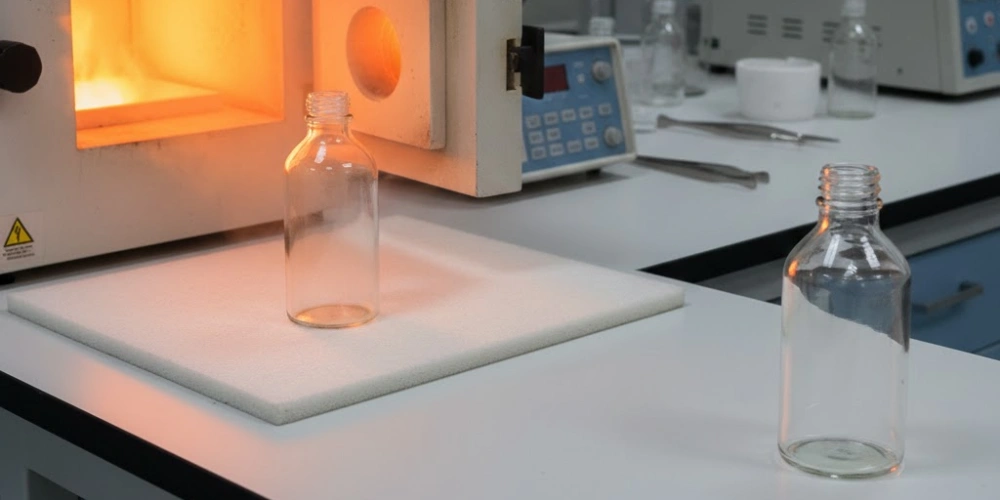
Thermal Resistance and Thermal Shock Tolerance Across Both Bottle Types
Thermal performance governs the safe operating range of any laboratory vessel and directly determines which heating, digestion, and rapid-cooling procedures each material can sustain without structural failure. The contrast between fused quartz and borosilicate across this dimension is substantial and consequential.
Maximum Service Temperatures for Quartz and Borosilicate Vessels
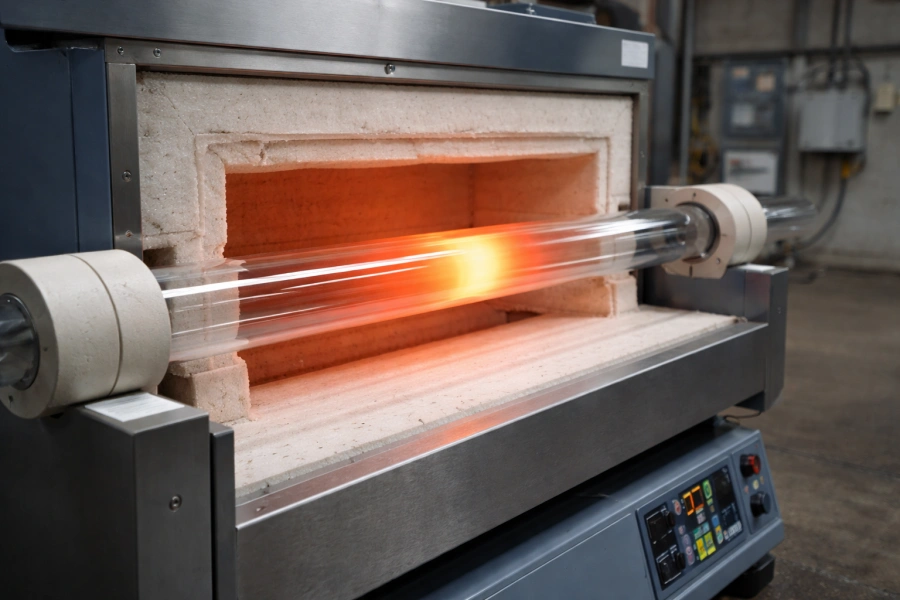
Fused quartz retains structural integrity at continuous service temperatures up to 1,050 °C, with short-duration tolerance extending to approximately 1,200 °C before softening becomes detectable. This exceptional performance reflects the high bond energy of the Si-O network and the near-absence of network modifiers that would lower the glass transition temperature. The strain point of fused quartz lies at approximately 1,070 °C, and its annealing point at approximately 1,140 °C.
Borosilicate glass operates within a far more restricted thermal envelope. Continuous service temperatures are limited to approximately 500 °C, with short-term tolerance reaching 600 °C under controlled conditions. Above these thresholds, the Na₂O and B₂O₃ components begin to migrate within the glass network, inducing phase separation and permanent structural change. The strain point of standard borosilicate (Pyrex-type) glass falls at approximately 515 °C, and the softening point at approximately 820 °C.
The 550 °C gap in continuous service temperature between the two materials is not an incremental difference — it defines entirely separate categories of thermal application. Procedures such as muffle furnace ashing, high-temperature acid digestion, and calcination at 800–1,000 °C are accessible only to quartz vessels.
Thermal Service Temperature Parameters
| Parameter | Fused Quartz | Borosilicate Glass |
|---|---|---|
| Continuous service temperature (°C) | ≤1,050 | ≤500 |
| Short-term maximum temperature (°C) | ~1,200 | ~600 |
| Strain point (°C) | ~1,070 | ~515 |
| Annealing point (°C) | ~1,140 | ~560 |
| Softening point (°C) | ~1,665 | ~820 |
Thermal Expansion Coefficients and Thermal Shock Resistance
The coefficient of thermal expansion (CTE) is the single most predictive parameter for thermal shock resistance in glass vessels. Fused quartz exhibits a CTE of approximately 0.55 × 10⁻⁶ /°C, one of the lowest values recorded for any glass material. Borosilicate glass, while already considered a low-expansion glass compared to soda-lime formulations, carries a CTE of approximately 3.3 × 10⁻⁶ /°C — six times higher than fused quartz.
Thermal shock resistance is governed by the relationship between CTE, tensile strength, and thermal conductivity. For a rapid temperature change ΔT, the induced thermal stress σ scales proportionally with CTE × E × ΔT (where E is Young's modulus). With a CTE six times lower, quartz accumulates thermal stress at a fraction of the rate of borosilicate under equivalent temperature excursions. Quantitatively, standard fused quartz can withstand thermal shocks exceeding ΔT = 1,000 °C without fracture, whereas borosilicate tolerates approximately ΔT = 160–180 °C under comparable conditions. Laboratory operations involving rapid transfer from a 900 °C furnace to a room-temperature surface — a routine step in gravimetric analysis — are structurally safe for quartz vessels but will fracture borosilicate with high probability.
The practical significance of this difference is reinforced by common laboratory experience: borosilicate vessels retrieved from drying ovens at 180 °C and placed on cold ceramic benchtops routinely develop hairline fractures, while equivalent quartz vessels remain undamaged after years of identical treatment.
Thermal Expansion and Shock Resistance Comparison
| Parameter | Fused Quartz | Borosilicate Glass |
|---|---|---|
| CTE (×10⁻⁶ /°C) | ~0.55 | ~3.3 |
| Thermal shock resistance ΔT (°C) | >1,000 | ~160–180 |
| Risk of fracture at ΔT = 200 °C | Negligible | Moderate to high |
| Suitable for furnace-to-bench transfer | Yes | No |
| Suitable for rapid quench in cold water | Yes | No |
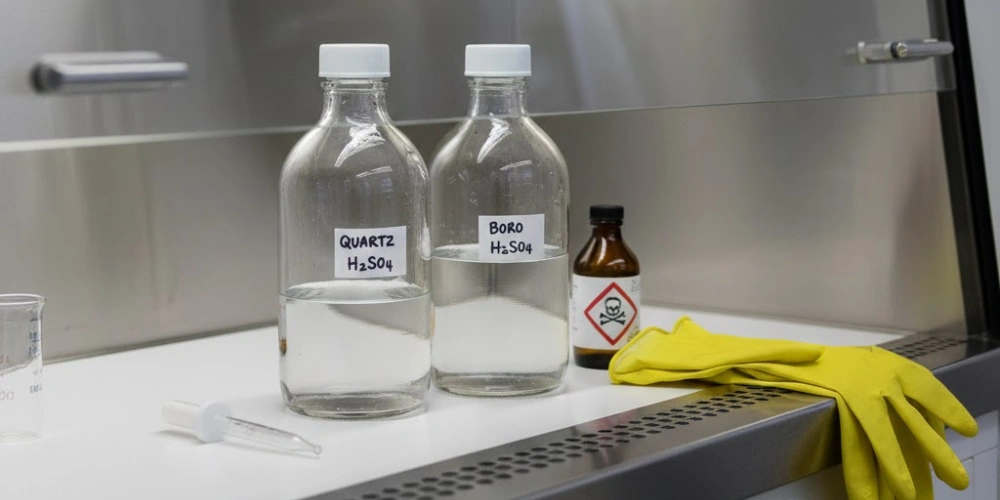
Chemical Resistance of Quartz Reagent Bottles Against Aggressive Reagents
Chemical compatibility determines which reagents can be safely stored, processed, and analysed in each container type — and where containment failure or analytical contamination becomes likely. This dimension carries direct implications for laboratory safety and data integrity alike.
Resistance to Mineral Acids Including Hydrofluoric Acid
Fused quartz demonstrates outstanding resistance to most mineral acids at both ambient and elevated temperatures. In hydrochloric acid (HCl) at concentrations up to 37% and temperatures up to 100 °C, the silica dissolution rate remains below 0.02 mg/cm²/day. Resistance to nitric acid (HNO₃) across all concentrations is similarly exceptional, with no measurable etching observed during standard digestion durations. Concentrated sulfuric acid (H₂SO₄) at temperatures below 300 °C does not attack fused quartz at analytically significant rates, and aqua regia2 (3:1 HCl:HNO₃) — among the most aggressive mixed-acid systems used in trace metal digestion — produces only negligible surface dissolution in quartz under standard laboratory exposure conditions.
Borosilicate glass shares reasonable mineral acid resistance for dilute to moderate concentrations, but diverges from quartz under concentrated acid and elevated temperature conditions. The B₂O₃ component is susceptible to acid hydrolysis at elevated temperatures, and prolonged exposure to hot concentrated HCl or H₂SO₄ above 150 °C measurably increases surface roughness and ionic release.
A critical point that applies equally to both materials: hydrofluoric acid (HF) dissolves fused silica and borosilicate glass without discrimination. The reaction SiO₂ + 4HF → SiF₄↑ + 2H₂O proceeds readily at room temperature, and even dilute HF solutions (0.5%) will etch quartz surfaces within minutes. Neither material is HF-compatible; PTFE or platinum vessels are the only appropriate containers for fluoride-containing systems.
Mineral Acid Resistance Comparison
| Acid System | Fused Quartz Resistance | Borosilicate Resistance |
|---|---|---|
| HCl (conc., ≤100 °C) | Excellent (<0.02 mg/cm²/day) | Good |
| HNO₃ (all concentrations) | Excellent | Good |
| H₂SO₄ (<300 °C) | Excellent | Moderate above 150 °C |
| Aqua regia (room temperature) | Excellent | Moderate |
| HF (any concentration) | Not compatible | Not compatible |
| H₃PO₄ (hot, concentrated) | Moderate | Poor |
Alkali Solutions and High-pH Environments
Both fused quartz and borosilicate glass are susceptible to hydroxide ion attack, but the mechanisms and rates differ significantly between the two materials. In fused quartz, the OH⁻ ion attacks Si-O-Si linkages through a nucleophilic substitution mechanism, progressively dissolving surface silica as silicate anions (SiO₄⁴⁻). The dissolution rate of fused quartz in 0.1 M NaOH at 25 °C is approximately 0.04–0.08 µm/hour, increasing sharply with both concentration and temperature.
For borosilicate glass, alkali attack follows a more complex pathway. The B₂O₃ component undergoes preferential hydrolysis in alkaline media, releasing boric acid and borate ions at rates substantially higher than the concurrent silica dissolution. In 1 M NaOH at 60 °C, mass loss from borosilicate surfaces can reach 0.5–1.2 mg/cm²/hour — significantly faster than the equivalent attack on fused quartz under identical conditions. This preferential leaching of boron creates surface depletion zones that alter the glass network structure and accelerate subsequent ion release, making borosilicate particularly unsuitable for prolonged contact with alkaline process solutions.
Practically, fused quartz should be considered alkali-resistant only at concentrations ≤0.1 M and temperatures ≤40 °C for durations under 4 hours. Neither material should be considered alkali-stable for concentrated NaOH or KOH applications.
Alkali Resistance Parameters
| Condition | Fused Quartz Dissolution Rate | Borosilicate Dissolution Rate |
|---|---|---|
| 0.1 M NaOH, 25 °C | 0.04–0.08 µm/hr | 0.10–0.20 µm/hr |
| 1 M NaOH, 60 °C | 0.5–1.0 µm/hr | 1.5–3.0 µm/hr (+ B leaching) |
| 10 M NaOH, 25 °C | Rapid attack | Rapid attack + structural damage |
| Acceptable concentration limit | ≤0.1 M, short contact | ≤0.05 M, short contact |
Organic Solvents and High-Purity Solvent Storage
Both fused quartz and borosilicate glass exhibit broad resistance to common organic solvents including methanol, ethanol, acetonitrile, acetone, dichloromethane, and tetrahydrofuran (THF). Neither material undergoes measurable structural dissolution upon contact with these solvents at ambient temperature. From a mechanical compatibility standpoint, either vessel type can accommodate routine organic solvent handling without safety concerns.
However, a critical distinction emerges at the trace contamination level. Borosilicate glass in contact with high-purity organic solvents releases measurable quantities of Na⁺ (typically 5–50 ppb after 24-hour contact) and B³⁺ (2–20 ppb) through ion exchange with residual moisture films. These leached ions are inconsequential in preparative or synthetic chemistry but represent a serious interference source in HPLC mobile phase preparation, LC-MS analysis, and any trace-metal-sensitive analytical workflow. Fused quartz, with its near-complete absence of mobile network modifier ions, releases Na⁺ below 0.1 ppb and B³⁺ below 0.05 ppb under equivalent storage conditions — a reduction of two orders of magnitude that is analytically decisive for ultra-trace work.
The solvent purity requirements of modern analytical chemistry — particularly methods targeting sub-ppb detection limits — effectively mandate quartz containers at the mobile phase preparation and standard storage stages, regardless of the organic solvent's apparent compatibility with borosilicate.
Organic Solvent Compatibility and Ionic Leaching
| Parameter | Fused Quartz | Borosilicate Glass |
|---|---|---|
| Structural solvent resistance | Excellent | Excellent |
| Na⁺ leaching into solvent (ppb, 24 hr) | <0.1 | 5–50 |
| B³⁺ leaching into solvent (ppb, 24 hr) | <0.05 | 2–20 |
| Suitability for HPLC mobile phase storage | Excellent | Marginal for trace work |
| Suitability for LC-MS solvent preparation | Excellent | Not recommended |
Trace Metal Contamination and Ionic Leaching From Reagent Bottle Surfaces
Beyond organic solvent storage, ionic contamination from container surfaces constitutes one of the most pervasive and underappreciated sources of analytical error in modern laboratory practice. The distinction between quartz and borosilicate at the sub-ppb level is not a theoretical concern — it is a documented, measurable source of systematic bias in trace element analysis.
Ion Dissolution Mechanisms in Borosilicate Glass
The ionic dissolution of borosilicate glass proceeds through two concurrent mechanisms operating at the glass-solution interface. The first is a selective ion-exchange reaction, in which hydronium ions (H₃O⁺) from the solution phase displace Na⁺ and Ca²⁺ ions from the glass network, creating a silica-rich leached layer depleted of modifier cations. This process is diffusion-controlled, meaning the leaching rate is proportional to the square root of contact time in the early stages, transitioning to a slower linear regime as the leached layer thickens. The second mechanism is network hydrolysis, in which water molecules attack Si-O-Si and B-O-Si linkages, dissolving silica and borate species simultaneously and releasing Al³⁺ from the alumina component.
Quantitative leaching data from standardised extraction tests (ISO 720 / USP Type I glass) confirm that borosilicate glass releases Na⁺ at 5–100 ppb, B³⁺ at 2–30 ppb, Al³⁺ at 1–15 ppb, and Ca²⁺ at 0.5–5 ppb into ultrapure water after 1-hour contact at 121 °C. Under ambient laboratory conditions, equilibrium leaching into room-temperature ultrapure water over 24 hours produces Na⁺ concentrations of 5–50 ppb — already at or above the detection thresholds for sodium in ICP-OES methods.
The temperature dependence of leaching is particularly consequential: for every 10 °C increase in contact temperature, ionic release rates approximately double, meaning heated digestion procedures in borosilicate vessels generate contamination levels that can completely mask analyte signals at ppb concentrations.
Borosilicate Leaching Profile in Ultrapure Water
| Ion | Leaching Rate (ppb, 24 hr, 25 °C) | Leaching Rate (ppb, 1 hr, 121 °C) | Detection Risk in ICP Analysis |
|---|---|---|---|
| Na⁺ | 5–50 | 50–200 | High |
| B³⁺ | 2–20 | 20–80 | High |
| Al³⁺ | 1–10 | 10–50 | Moderate |
| Ca²⁺ | 0.5–5 | 5–20 | Moderate |
| Si⁴⁺ | 1–5 | 5–15 | Low (matrix-dependent) |
Ionic Purity Advantages of High-Purity Quartz Surfaces
The ionic purity of fused quartz derives directly from its compositional architecture: with SiO₂ content at ≥99.95% and total metallic impurities typically below 50 ppb by weight, there are simply insufficient modifier ions present to support the ion-exchange leaching mechanism that dominates borosilicate dissolution. The only leachable species from fused quartz surfaces is silicic acid (H₄SiO₄), which is released at rates of approximately 0.5–2 ppb Si per 24 hours into ultrapure water at ambient temperature — a level that is analytically negligible for all elements except silicon itself.
Blank subtraction data from ICP-MS method validation studies consistently demonstrate that procedural blanks prepared in fused quartz containers are 10–100 times lower than equivalent blanks prepared in borosilicate for Na, B, Al, and Ca. In semiconductor industry applications targeting parts-per-trillion (ppt) contamination specifications, the ionic background from a borosilicate container exceeds the entire contamination budget for Na and B by a factor of 10–1,000, making quartz the only technically viable option regardless of cost considerations.
The surface chemistry of fused quartz also confers a stability advantage during acid leaching procedures. After cleaning with 10–20% HNO₃, the fused quartz surface repassivates with a thin, dense Si-OH layer that minimises subsequent metal adsorption — a property exploited in ultra-clean sample preparation protocols for environmental and semiconductor trace analysis.
Ionic Leaching Comparison in Ultrapure Water (24 hr, 25 °C)
| Ion | Fused Quartz (ppb) | Borosilicate Glass (ppb) | Reduction Factor |
|---|---|---|---|
| Na⁺ | <0.1 | 5–50 | 50–500× |
| B³⁺ | <0.05 | 2–20 | 40–400× |
| Al³⁺ | <0.02 | 1–10 | 50–500× |
| Ca²⁺ | <0.01 | 0.5–5 | 50–500× |
| Total metallic impurities (ppb w/w) | <50 | 5,000–20,000 | 100–400× |
Mechanical Strength and Surface Hardness Between the Two Bottle Materials
Mechanical performance is a practical consideration in daily laboratory handling, though it represents a dimension where the performance gap between the two materials is narrower — and in some respects reversed.
-
Surface hardness: Fused quartz registers a Vickers hardness of approximately 1,000–1,100 HV, compared to 580–650 HV for borosilicate glass. The higher hardness of quartz means its surface is more scratch-resistant under abrasive contact, which is advantageous in high-throughput environments where vessels contact metal racks or ceramic surfaces frequently. However, higher hardness also correlates with reduced fracture toughness, meaning quartz vessels propagate cracks more readily once a surface flaw is initiated. The implication is that surface protection during storage and handling is more critical for quartz than for borosilicate, despite quartz's higher hardness rating.
-
Flexural and tensile strength: Borosilicate glass exhibits flexural strength values of approximately 60–70 MPa, while fused quartz shows a slightly broader range of 50–80 MPa depending on surface condition and manufacturing method. In practice, these values are close enough that neither material holds a decisive mechanical advantage under normal laboratory stress conditions. The critical variable in real-world fracture is not bulk strength but surface flaw density — quartz vessels with pristine surfaces outperform borosilicate, while quartz with surface scratches or etch pits from prior chemical exposure may perform worse.
-
Young's modulus and rigidity: Fused quartz has a Young's modulus of approximately 72 GPa, nearly identical to borosilicate at 63–70 GPa. This similarity means both materials respond to mechanical loading with comparable deformation characteristics, and neither can be considered meaningfully more rigid than the other in standard vessel geometries. The elastic properties of both materials are sufficient for all standard laboratory vessel formats, and mechanical rigidity does not serve as a differentiating selection criterion in any routine laboratory context. From a handling-safety standpoint, both materials require equivalent precautions against impact and mechanical shock; neither provides a meaningful margin of safety over the other in the event of accidental dropping.
Laboratory Applications Where Quartz Reagent Bottles Outperform Borosilicate
With the preceding technical parameters established, their translation into specific laboratory workflows becomes unambiguous. Each application domain below is defined by a combination of the properties discussed above — optical, thermal, chemical, or ionic — that makes borosilicate performance insufficient.
Atomic Absorption and ICP Spectroscopy Sample Preparation
In atomic absorption spectrometry (AAS) and inductively coupled plasma optical emission spectrometry (ICP-OES) or mass spectrometry (ICP-MS), sample preparation involves digesting solid matrices in concentrated acid systems and diluting digests to target analyte concentrations typically in the range of 0.1–100 ppb. At these concentration levels, any ionic contribution from the container material becomes a direct interference.
The Na⁺ leaching from borosilicate vessels (5–50 ppb at ambient conditions) overlaps directly with typical sodium analyte concentrations in environmental and biological matrices, generating positive bias that cannot be distinguished from the sample signal without exhaustive blank correction procedures. Similarly, B³⁺ release at 2–20 ppb from borosilicate containers exceeds the ICP detection limit for boron (typically 0.5–1 ppb for ICP-MS), effectively precluding accurate boron determination in any sample prepared in borosilicate. The same logic applies to Al³⁺ and Ca²⁺ contamination affecting aluminium and calcium analyte channels.
Laboratories that have transitioned from borosilicate to fused quartz sample preparation vessels for ICP-MS work consistently report procedural blank reductions of 10–50 times for Na, B, and Al, directly improving method detection limits and reducing the frequency of re-analysis attributed to blank contamination events.
ICP and AAS Container Requirements
| Analyte | Borosilicate Blank Contribution (ppb) | Quartz Blank Contribution (ppb) | Analytical Impact |
|---|---|---|---|
| Na | 5–50 | <0.1 | Critical: borosilicate unusable |
| B | 2–20 | <0.05 | Critical: borosilicate unusable |
| Al | 1–10 | <0.02 | Significant interference |
| Ca | 0.5–5 | <0.01 | Moderate interference |
| Si | 1–5 | 0.5–2 | Minor; matrix-dependent |
UV Photochemistry and Deep-UV Laser Applications
Photochemical reaction systems operating below 300 nm require containers that transmit the irradiation wavelength without absorbing the incident photon flux. In UV photocatalysis studies (typically 254 nm or 365 nm), photodegradation kinetics experiments, and actinometry procedures, the container wall must not attenuate the UV intensity reaching the reaction solution.
Borosilicate glass, with its absorption edge at 300–320 nm, acts as an effective UV filter at the wavelengths most commonly used in photochemical research. A standard borosilicate vessel wall 2 mm thick transmits less than 5% of incident radiation at 254 nm, reducing the effective photon dose delivered to the reaction mixture by more than 95% relative to the nominal lamp output. This introduces a systematic underestimation of photolysis rate constants and quantum yield3 measurements that cannot be corrected without knowledge of the exact spectral attenuation of the vessel.
In deep-UV laser systems using excimer lasers (ArF at 193 nm, KrF at 248 nm), fused quartz is the only glass material compatible with the beam path. Borosilicate would absorb the laser pulse, inducing rapid thermal degradation of the vessel wall and potentially fracturing the container due to the combined thermal and photochemical stress.
UV Photochemistry Application Requirements
| Application | Required UV Range (nm) | Fused Quartz Suitable | Borosilicate Suitable |
|---|---|---|---|
| UV photocatalysis (TiO₂) | 254–365 | Yes | No (254 nm blocked) |
| DNA/RNA quantification (absorbance) | 260 | Yes | No |
| Actinometry (ferrioxalate) | 254–436 | Yes | Partial (>320 nm only) |
| ArF excimer laser (193 nm) | 193 | Yes | No |
| KrF excimer laser (248 nm) | 248 | Yes | No |
High-Temperature Digestion and Acid Dissolution Procedures
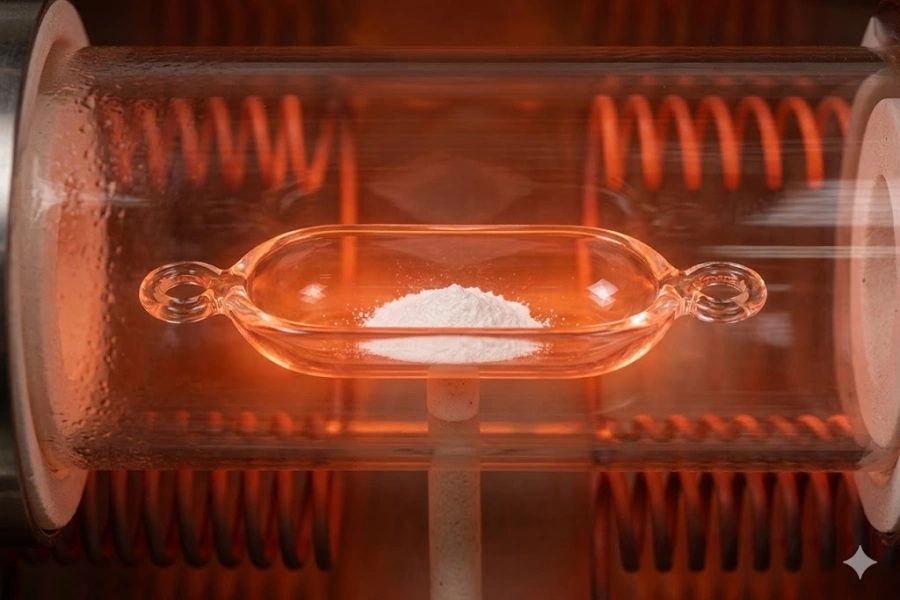
Geological sample dissolution, environmental matrix digestion, and certified reference material preparation frequently require sustained heating at temperatures between 300 °C and 900 °C in the presence of concentrated mineral acids. These combined thermal and chemical stresses eliminate borosilicate from consideration on both counts simultaneously.
At 300 °C in concentrated HNO₃ or H₂SO₄, borosilicate vessels have already exceeded their continuous service temperature limit and are approaching the onset of B₂O₃ volatilisation. Above 450 °C, borosilicate softens progressively, losing dimensional stability and releasing volatile boron species that contaminate both the sample and the laboratory atmosphere. Fused quartz vessels, operating comfortably at these temperatures, maintain structural integrity and chemical inertness through the full temperature range of standard acid dissolution procedures.
In closed-vessel microwave digestion systems, while temperatures typically remain below 300 °C, the combination of elevated temperature, elevated pressure, and aggressive acid matrices accelerates ionic leaching from borosilicate walls to levels that compromise digestion blanks. Quartz vessels used in the same systems produce blanks consistently below 0.1 ppb for all critical analytes, confirming that the material choice is analytically decisive even in moderate-temperature pressurised digestion.
Semiconductor Wet Process and Ultra-High-Purity Chemical Storage
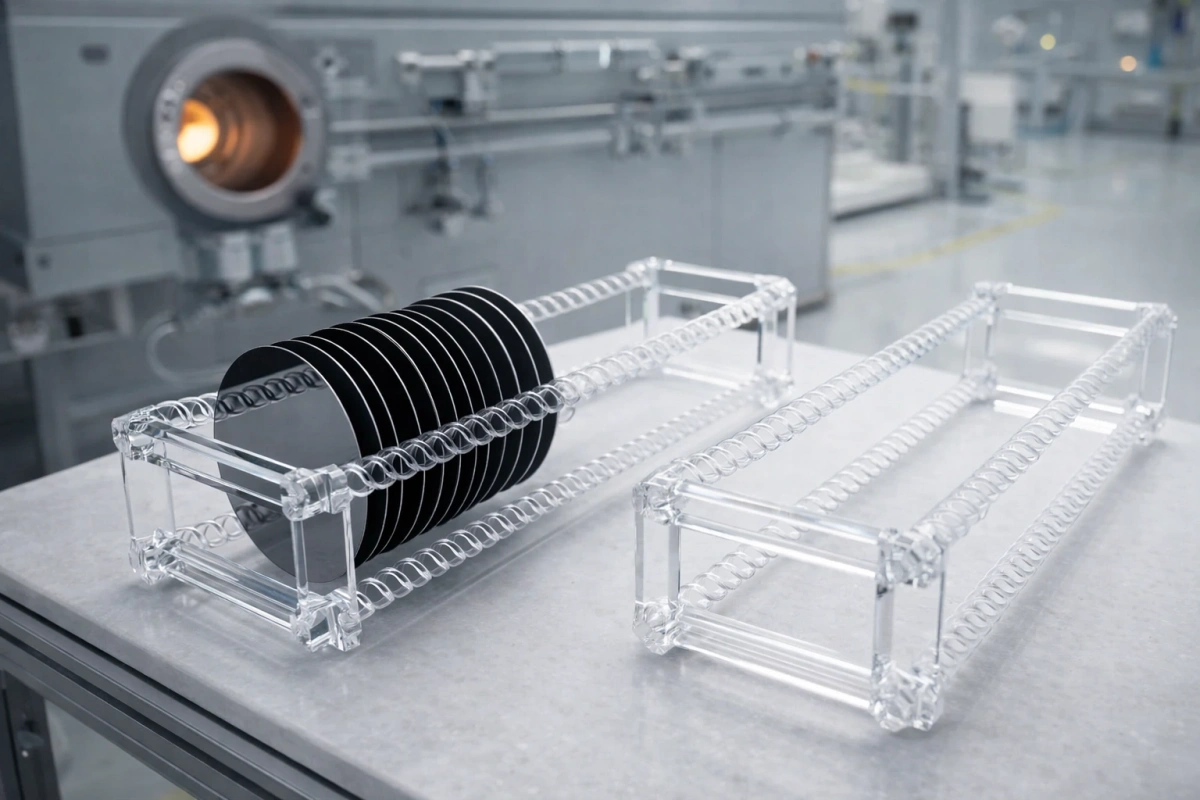
Semiconductor wafer fabrication imposes the most stringent contamination specifications of any industrial application of laboratory glassware. RCA cleaning protocols (SC-1: NH₄OH/H₂O₂/H₂O; SC-2: HCl/H₂O₂/H₂O) require chemical purity at parts-per-trillion (ppt) levels for critical metal contaminants including Na, Fe, Al, and Ca. A single Na⁺ ion deposited on a 300 mm silicon wafer surface during cleaning can create a device-killing defect in advanced node transistor structures.
Borosilicate containers, releasing Na⁺ at 5–50 ppb into cleaning solutions, exceed the entire contamination budget for sodium in semiconductor-grade processes by a factor of 5,000–50,000 times above specification. Even after extensive acid pre-cleaning of borosilicate vessels, steady-state Na⁺ leaching remains above 1–5 ppb — still thousands of times above ppt-level requirements. Fused quartz, with Na⁺ contributions below 0.1 ppb and further reducible to below 10 ppt through rigorous HNO₃ cleaning protocols, is the only glass-based material that can approach semiconductor contamination specifications. In production environments, fused quartz containers for chemical storage are considered a non-negotiable process requirement, not a materials preference.

Scenarios Where Borosilicate Reagent Bottles Remain the Practical Choice
Objective material selection acknowledges that quartz does not represent the optimal choice across every laboratory context, and that borosilicate glass delivers fully adequate performance for a substantial range of routine analytical and preparative applications.
-
Routine organic synthesis and preparative chemistry: The storage of organic reagents, solvent systems, and reaction intermediates in synthetic chemistry does not impose ionic purity requirements that borosilicate cannot meet. At concentrations typical of preparative work (millimolar to molar), the ppb-level ionic contribution of borosilicate is analytically negligible. Borosilicate is mechanically robust, widely available, and chemically inert for the vast majority of organic chemistry applications at ambient temperature — properties that make it the rational default for synthetic laboratory environments.
-
Visible-wavelength colorimetric assays: Any spectrophotometric method operating above 320 nm — encompassing the majority of clinical, environmental, and food chemistry colorimetric protocols — does not require UV transmittance, and borosilicate glass is fully adequate across this wavelength range. Standard UV-Vis assays for total protein (Bradford at 595 nm), glucose (enzymatic at 505 nm), and nitrate (reduction methods at 540 nm) are routinely and accurately performed using borosilicate containers without any analytical penalty. The transmittance performance of borosilicate in the visible range is functionally equivalent to quartz, and the cost differential cannot be justified by performance data.
-
Aqueous buffer and reagent storage at neutral pH: Laboratory-prepared buffers, salt solutions, and reagent stocks maintained at pH 5–9 and ambient temperature generate negligible ionic leaching from borosilicate surfaces. Under these conditions, Na⁺ release drops to the low ppb range, which is inconsequential for assays targeting analyte concentrations in the µg/mL to mg/mL range. For routine biological assay reagents, cell culture supplements, and chromatographic buffer preparation, borosilicate provides a cost-effective and chemically appropriate storage solution. The thermal properties of borosilicate are also entirely sufficient for autoclave sterilisation at 121 °C/15 psi, making it the standard material for biological laboratory glassware without qualification.
Cost Differential and Value Assessment for Quartz Reagent Bottles
The economic dimension of material selection cannot be separated from the technical performance data presented above, though it must be evaluated after — not instead of — the performance requirements are established.
Fused quartz reagent vessels are manufactured through a fundamentally more demanding production process than borosilicate glassware. The requirement for natural high-purity silica feedstock or synthetic SiO₂ precursors, combined with melting temperatures exceeding 1,700 °C (compared to approximately 1,200–1,300 °C for borosilicate), results in significantly higher energy consumption, equipment wear, and reject rates during forming. The high viscosity of fused silica at working temperatures limits the geometry complexity achievable in routine production, and the narrow forming window demands greater process control. These factors combine to produce fused quartz labware at a cost premium of typically 5–20 times the equivalent borosilicate item, with the multiplier increasing for larger volumes, tighter dimensional tolerances, and optical-grade surface specifications.
The cost differential is justifiable — and routinely justified — in every application where borosilicate performance is quantifiably insufficient. In ICP-MS trace analysis, a single invalid sample run caused by borosilicate contamination consumes instrument time, reagents, and analyst hours that quickly exceed the cost difference between the two vessel types. In semiconductor processing, the device yield cost of a single contamination event attributable to Na⁺ from a borosilicate container is orders of magnitude greater than the cost of the vessel itself. The economically rational decision framework is therefore not "quartz is expensive" but rather "what is the cost of the contamination or analytical error that borosilicate will introduce in this specific application?" Where that cost is non-trivial, the quartz premium is self-liquidating.
A Practical Selection Framework for Quartz and Borosilicate Reagent Bottles
Consolidating the technical data presented throughout this article into an actionable selection framework requires evaluating four independent parameters for each intended application: the operating wavelength range, the process temperature, the ionic purity requirement, and the chemical environment. Each parameter maps directly to a performance advantage identified in the preceding sections.
The wavelength criterion is binary: any application requiring optical transmission below 320 nm mandates quartz, without exception. Applications confined to wavelengths above 320 nm are compatible with borosilicate from an optical standpoint. The temperature criterion follows an equally clear threshold: sustained operation above 500 °C, short-term exposure above 600 °C, or any procedure involving thermal shock exceeding ΔT = 200 °C requires quartz. Below these thresholds, borosilicate is thermally adequate. The ionic purity criterion requires quantitative evaluation against method detection limits: if any analyte channel in the intended method is susceptible to interference from Na⁺, B³⁺, or Al³⁺ at concentrations above 1 ppb, borosilicate containers will compromise the method. The chemical environment criterion applies HF and concentrated hot alkali as absolute disqualifiers for both materials, with quartz offering superior performance across all other aggressive acid systems. Applying all four criteria simultaneously — wavelength, temperature, ionic purity, and chemical environment — produces an unambiguous material selection for any analytical application without requiring subjective judgement.
Material Selection Decision Matrix
| Selection Criterion | Condition | Recommended Material |
|---|---|---|
| Operating wavelength | <320 nm required | Fused Quartz |
| Operating wavelength | >320 nm sufficient | Borosilicate |
| Process temperature | >500 °C sustained | Fused Quartz |
| Process temperature | <500 °C | Borosilicate adequate |
| Thermal shock | ΔT >200 °C | Fused Quartz |
| Ionic purity requirement | <1 ppb for Na, B, Al | Fused Quartz |
| Ionic purity requirement | >1 ppb tolerance | Borosilicate adequate |
| Chemical environment | HF present | Neither (use PTFE/Pt) |
| Chemical environment | Conc. hot acid (>150 °C) | Fused Quartz |
| Chemical environment | Conc. alkali | Neither (short contact only) |
| Application type | Semiconductor wet process | Fused Quartz |
| Application type | Routine organic synthesis | Borosilicate |
| Application type | ICP/AAS trace metal analysis | Fused Quartz |
| Application type | Visible colorimetric assay | Borosilicate |
Conclusion
The comparison between fused quartz and borosilicate reagent vessels is ultimately a comparison between compositional purity and manufacturing economy. Fused quartz, by virtue of its ≥99.95% SiO₂ composition, delivers superior performance across UV transmittance, thermal resistance, ionic cleanliness, and chemical durability under aggressive conditions. Borosilicate glass, as a multi-component system, sacrifices performance in each of these dimensions in exchange for processability and cost efficiency. The selection decision requires no compromise: for deep-UV spectroscopy, high-temperature digestion, ICP trace analysis, and semiconductor processing, quartz is technically mandated. For routine visible-wavelength assays, organic chemistry storage, and biological buffer preparation, borosilicate is entirely appropriate. Matching material to requirement — rather than defaulting to one material universally — is the technically and economically optimal approach.
FAQ
Is quartz glass the same as fused silica?
Fused silica and fused quartz are closely related but not identical. Both consist of amorphous SiO₂, but fused silica is produced from synthetic silicon tetrachloride precursors and achieves higher purity (SiO₂ ≥99.999%), while fused quartz is produced from natural crystalline quartz and typically achieves SiO₂ ≥99.95%. Both materials are referred to interchangeably in many laboratory contexts, though optical-grade fused silica offers marginally superior UV transmittance and lower fluorescence than standard fused quartz.
Can a quartz reagent bottle be used in an autoclave?
Fused quartz is thermally compatible with standard autoclave conditions (121 °C, 15 psi, 20–30 minutes) without structural risk, given its exceptional thermal shock resistance and continuous service temperature limit of 1,050 °C. However, the alkaline condensate generated during steam sterilisation (pH typically 6.5–7.5) has negligible chemical impact on quartz surfaces at 121 °C and short durations. Autoclaving is safe for quartz vessels, though it is rarely necessary given quartz's primary applications in trace metal and spectroscopic work where contamination from steam sterilisation is itself a concern.
Does quartz glass react with sodium hydroxide?
Yes. Fused quartz is not alkali-inert. Hydroxide ions attack Si-O-Si bonds through a nucleophilic hydrolysis mechanism, dissolving surface silica as silicate anions. At 0.1 M NaOH and 25 °C, the dissolution rate is approximately 0.04–0.08 µm/hour. Concentrated NaOH and elevated temperatures produce rapid, measurable surface degradation. Quartz vessels should not be used for prolonged contact with alkaline solutions above 0.1 M or at temperatures above 40 °C. Neither quartz nor borosilicate is appropriate for concentrated alkali service; PTFE or platinum containers are the correct alternatives.
What is the difference in thermal shock resistance between quartz and borosilicate glass?
Fused quartz withstands thermal shocks exceeding ΔT = 1,000 °C without fracture, attributable to its extremely low coefficient of thermal expansion (CTE ≈ 0.55 × 10⁻⁶ /°C). Borosilicate glass, with a CTE approximately six times higher (≈3.3 × 10⁻⁶ /°C), tolerates thermal shocks of approximately ΔT = 160–180 °C before fracture risk becomes significant. This means procedures involving transfer from a 900 °C furnace to a room-temperature surface are routine and safe for quartz but destructive for borosilicate.
References:
-
Turbidity is an optical property of a solution that quantifies the degree to which light is scattered by suspended particles, measured photometrically and used as an indicator of microbial growth, water quality, and reaction progress. ↩
-
Aqua regia is a highly corrosive mixture of concentrated hydrochloric and nitric acids capable of dissolving noble metals including gold and platinum, and is widely used in trace element sample preparation. ↩
-
Quantum yield is a dimensionless parameter expressing the efficiency of a photochemical process, defined as the number of defined events occurring per photon absorbed by the system under investigation. ↩