In precision industries, choosing the right material is crucial for optimal performance. Fused quartz curved plates, known for their unique properties, are ideal for high-temperature and optical applications. This article explores the key properties of fused quartz curved plates and their applications across various sectors.
Fused quartz curved plates are highly valued for their durability, thermal stability, and optical transparency. They are essential in industries like semiconductor manufacturing, laser systems, and medical research.

What Are the Key Properties of Fused Quartz Curved Plates?
Offering an exceptional combination of physical, optical, thermal, and chemical properties, fused quartz curved plates make a top choice for high-precision applications.These plates are prized for their excellent dimensional stability and resistance to high temperatures, which are critical in industrial settings. Their optical clarity across a wide range of wavelengths ensures precise performance in optical devices. Additionally, their low thermal expansion prevents distortion during rapid temperature changes. Understanding these key properties is essential for selecting the right material for demanding applications in fields like semiconductor manufacturing, laser processing, and more.
Mechanical Characteristics of Fused Quartz Curved Plates
Fused Quartz Curved Plates stand out for their remarkable mechanical strength, providing durability and resistance to stress in challenging environments. Their combination of hardness and toughness ensures long-lasting structural integrity.
Hardness and Toughness of Bending Quartz Plates
Fused quartz curved plates are known for their impressive toughness, even though quartz is generally considered brittle. These plates are capable of enduring significant mechanical stress, making them well-suited for harsh environments where mechanical loads are frequent. Despite their brittle nature, they exhibit exceptional resistance to breakage under bending forces. This unique combination of properties allows them to withstand stress while maintaining structural integrity. The mechanical toughness of fused quartz is particularly valuable in industries such as aerospace and electronics, where materials are subjected to both high stress and high precision demands.
In environments that require materials to maintain strength under pressure, fused quartz curved plates excel. Their durability is reinforced by their resistance to crack propagation, which helps them stay intact even under extreme mechanical stress. When combined with other mechanical properties, such as compressive and flexural strength, fused quartz plates perform effectively in various industrial applications. This toughness is enhanced by the controlled crystallization processes used during production. As a result, these plates can perform reliably in environments that demand both strength and flexibility.
The toughness of fused quartz is also a function of its molecular structure, which provides a balance between rigidity and flexibility. The material's unique arrangement of atoms allows it to absorb and distribute mechanical stress without compromising its shape. This is particularly useful in environments where materials are expected to handle dynamic forces, such as during manufacturing processes involving high levels of vibration or shock. The high fracture toughness of fused quartz ensures that it will last longer than many other brittle materials under comparable conditions. For industries requiring long-term performance and low maintenance, fused quartz curved plates are an excellent choice.
Compressive and Flexural Strengths
Fused quartz curved plates exhibit exceptional compressive strength, allowing them to withstand significant pressure without permanent deformation. This strength is critical in industrial settings where components are subjected to high levels of mechanical stress, especially in applications where components must retain their integrity under extreme conditions. The ability of fused quartz to resist compression makes it an ideal material for components in mechanical, chemical, and electronic applications, where material performance is non-negotiable.
In addition to compressive strength, the flexural strength of fused quartz plates ensures that they can endure bending forces without breaking. Flexural strength refers to the material's ability to resist bending and retain its shape under external loads. When fused quartz plates are exposed to bending forces, they maintain their structural integrity due to this property, making them indispensable in many precision engineering applications. This characteristic is particularly beneficial in systems requiring frequent assembly and disassembly or in systems that must support heavy loads for extended periods.
The combination of compressive and flexural strengths gives fused quartz curved plates a distinct advantage in a variety of applications. Their ability to resist deformation under pressure and bending ensures that they will perform reliably in mechanical systems that involve complex loads and forces. Furthermore, these strengths ensure that the material can be used in more demanding environments where the risk of mechanical failure is high. The high reliability of fused quartz curved plates under stress enhances the overall stability of systems that use them, contributing to improved operational efficiency and safety.
Thermal Expansion Coefficient and Stability
Fused quartz is renowned for having one of the lowest thermal expansion coefficients among all materials, ensuring that it maintains dimensional stability even in the face of significant temperature fluctuations. This low thermal expansion coefficient is crucial in preventing distortion or warping of materials during high-temperature processes. In industrial applications where temperature variations are common, fused quartz plates retain their shape and functionality, preventing costly maintenance or replacement issues.
The material's low thermal expansion coefficient ensures that even when exposed to rapid changes in temperature, fused quartz does not expand or contract excessively. This characteristic makes it ideal for high-precision applications that require stable measurements, such as in scientific experiments or manufacturing processes. Fused quartz can handle both extreme heat and cold without losing its dimensional integrity, ensuring that the material performs optimally across a wide temperature range. The stability of fused quartz under temperature stress also improves the accuracy of equipment that uses this material, making it an essential component in precision instruments.
In addition to thermal expansion resistance, fused quartz exhibits excellent thermal stability, meaning that it retains its mechanical and physical properties even at high temperatures. This stability is especially beneficial in applications where equipment is exposed to high-heat conditions, such as in furnace chambers or high-temperature reactors. The inherent thermal stability of fused quartz contributes to its long-lasting performance in demanding environments, making it a reliable material for industrial, scientific, and engineering applications where temperature control is critical.
Optical Qualities of Fused Quartz Curved Plates
Known for their superior transparency, Fused Quartz Curved Plates allow light to pass across a broad range of wavelengths, from UV to infrared. This optical capability makes them indispensable for precise light control and sensor applications.
Optical Transparency and Light Transmittance
Fused quartz curved plates are highly transparent to light, allowing maximum light transmission across a broad range of wavelengths. This property is essential in optical systems where clear, undistorted light transmission is needed for precise measurements or analysis. The material's ability to transmit light from ultraviolet (UV) to infrared (IR) wavelengths makes it indispensable for high-performance optical devices. Whether used in spectroscopy, imaging systems, or other optical applications, fused quartz maintains consistent transmission across the entire light spectrum, ensuring that the light passing through remains clear and undistorted.
The transparency of fused quartz also enables accurate optical analysis by allowing for clear light transmittance without significant loss. This is crucial for applications such as optical sensing and UV sterilization, where precise light transmission is required. Fused quartz maintains its transparency over a wide range of temperatures and environmental conditions, ensuring reliable performance in demanding applications. The uniformity of light transmittance in fused quartz plates allows them to be used in applications that rely on the exact characteristics of light for measurement, such as in photometric and spectroscopic systems.
The superior optical transparency of fused quartz is also complemented by its minimal absorption and scattering, ensuring that light energy is transmitted efficiently. In addition, its ability to resist oxidation and other forms of degradation ensures that its optical properties remain stable over time. This makes fused quartz an ideal material for long-term use in high-performance optical devices, where consistent, high-quality light transmission is essential.
Ultraviolet and Infrared Transmittance
Fused quartz plates are highly effective at transmitting ultraviolet (UV) and infrared (IR) light1, two important ranges for specialized applications in medical and industrial fields. UV2 light transmission is crucial in applications such as sterilization, water purification, and photolithography3, while IR transmission plays an important role in various thermal imaging and heating applications. The ability of fused quartz plates to transmit UV light with high efficiency makes them ideal for systems that require controlled UV exposure, such as in UV sterilization chambers, analytical instruments, and laboratory setups. In addition, the plates’ transmission of IR light allows them to be used in high-temperature environments where IR radiation is necessary for process control or monitoring. This ability to transmit both UV and IR wavelengths ensures that fused quartz is adaptable for a wide range of technological applications.
Fused quartz's high transmittance in both UV and IR spectra ensures reliable performance in environments where precise light control is critical. This property allows fused quartz to be used in specialized applications, such as in the manufacturing of optical fibers, lasers, and other precision optical devices that require accurate wavelength transmission. The material's ability to deliver these wavelengths efficiently makes it indispensable in many advanced technologies and industries.
Light Scattering and Reflection Properties
Fused quartz's ability to scatter and reflect light plays a vital role in optical applications where precise light control is essential. This property helps in the uniform distribution of light in systems such as UV sterilization devices, optical sensors, and lasers. The scattering and reflection properties of fused quartz ensure that light is directed and managed efficiently, enhancing the performance of the system.
In UV sterilization applications, for instance, the scattering ability of fused quartz ensures that UV light is evenly distributed throughout the chamber, preventing shadow zones and maximizing sterilization effectiveness. Additionally, the material's reflective capabilities ensure that unwanted wavelengths of light are redirected away from sensitive areas, which is crucial for applications requiring selective wavelength usage. This feature makes fused quartz an excellent choice for optical applications where both transmission and redirection of light are required.
The reflective and scattering properties of fused quartz also contribute to its efficiency in optical devices, where precise control of light is necessary for optimal system performance. This is particularly useful in scientific instruments, such as spectrometers and photometers, where light management is crucial for accurate readings. Fused quartz's ability to manage light through scattering and reflection ensures it maintains high performance even in complex optical systems.
Thermal Attributes of Fused Quartz Curved Plates
Fused Quartz Curved Plates excel in maintaining structural integrity even under extreme thermal conditions. Their excellent thermal shock resistance and minimal expansion under high temperatures ensure their reliability in industrial and scientific applications.
High Temperature Resistance and Thermal Stability
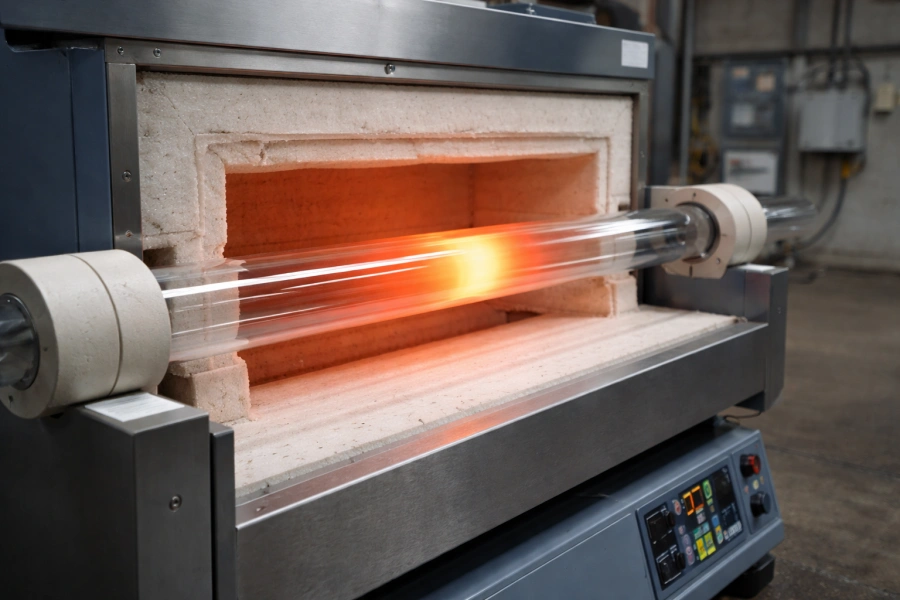
Fused quartz curved plates are known for their excellent high-temperature resistance, allowing them to maintain structural integrity even when exposed to temperatures exceeding 1,000°C. This makes them an ideal material for use in high-temperature applications such as furnaces, reactors, and other thermal processing environments. The high thermal stability of fused quartz ensures that it will not deform, crack, or lose its mechanical properties, even when exposed to extreme temperature fluctuations. This capability is critical for industries that require precise control of high-temperature processes, such as semiconductor manufacturing and materials processing.
The thermal stability of fused quartz is enhanced by its low coefficient of thermal expansion, which ensures that it does not experience significant dimensional changes under thermal stress. This property allows the material to maintain its form and function in harsh environments where other materials might fail due to thermal expansion. This unique combination of high-temperature resistance and low thermal expansion makes fused quartz particularly valuable in applications where both temperature fluctuations and mechanical precision are critical.
Fused quartz’s ability to withstand extreme heat makes it indispensable in high-performance applications such as chemical vapor deposition4 (CVD) and other high-temperature industrial processes. Its stable physical properties ensure that components made from fused quartz will retain their reliability and accuracy over long periods of use in harsh conditions. The superior thermal stability of fused quartz is crucial in maintaining consistent performance in high-temperature environments, enhancing the longevity and reliability of systems in which it is used.
Thermal Conductivity and Coefficient of Thermal Expansion
The low thermal conductivity of fused quartz curved plates plays a key role in their ability to isolate heat and prevent unwanted heat transfer. This makes them an excellent choice for applications where temperature regulation is critical. In processes where precise control over temperature is necessary, fused quartz minimizes heat loss, ensuring that thermal energy is efficiently maintained within a controlled environment. This property is particularly beneficial in applications such as thermal insulation in furnaces or heat shields in high-temperature machinery.
Alongside its low thermal conductivity, fused quartz also features one of the lowest coefficients of thermal expansion among known materials. This ensures that even with drastic temperature changes, fused quartz will experience minimal dimensional changes, providing high dimensional stability. In high-precision industries, this level of stability is crucial to prevent any unwanted variation in material size or shape during thermal processing, which could lead to inaccuracies in the final product.
The combination of these two properties—low thermal conductivity and low thermal expansion—makes fused quartz an ideal material for environments where heat control is a primary concern. Whether used in high-temperature furnaces, chemical reactors, or laser processing systems, fused quartz ensures that temperature fluctuations do not compromise the system's integrity or performance. Its unique ability to minimize heat transfer while maintaining its dimensional stability in extreme conditions makes it a reliable material for precision industrial applications.
Thermal Shock Resistance
Fused quartz curved plates are exceptionally resistant to thermal shock, meaning they can withstand rapid temperature changes without cracking or breaking. This resistance to sudden temperature changes is a critical property for materials used in high-temperature environments, where thermal shocks are common, such as in chemical vapor deposition (CVD) systems, glass manufacturing, or high-temperature testing. Thermal shock resistance is an important characteristic for any material used in industrial processes that involve heat cycling or fluctuating temperatures.
The ability of fused quartz to resist thermal shock is due to its low coefficient of thermal expansion, which allows it to expand and contract without stressing the material. Unlike other materials that may crack under rapid thermal fluctuations, fused quartz maintains its structural integrity, even when exposed to sudden, extreme temperature changes. This makes it especially valuable in processes that require quick heating and cooling cycles, such as in semiconductor manufacturing, thermal testing, or precision machining.
Thermal shock resistance extends the lifespan of components made from fused quartz by reducing the likelihood of failure during high-temperature operations. In addition to its low thermal expansion, the inherent strength of fused quartz enables it to absorb thermal stresses without compromising its performance. This durability and resistance to thermal shock make fused quartz an indispensable material in industries that rely on repeated temperature cycling and precise temperature management.
Chemical Resilience of Fused Quartz Curved Plates in Harsh Environments
Fused Quartz Curved Plates exhibit outstanding resistance to corrosion, acids, and alkalis, making them highly durable even in aggressive chemical environments, such as laboratories and chemical processing industries.
Corrosion Resistance and Acid and Alkali Resistance
Fused quartz curved plates are highly resistant to corrosion, particularly when exposed to acids, alkalis, and other corrosive chemicals. This resistance to chemical attack makes fused quartz an excellent material for use in chemical processing plants, laboratories, and other environments where materials are subjected to harsh chemical exposure. The chemical stability of fused quartz ensures that it will not degrade or lose its functionality, even in the most demanding conditions.
The corrosion resistance of fused quartz extends to its ability to withstand both strong acids and bases, which are commonly encountered in industrial processes. This makes it particularly useful in applications where chemical stability is paramount, such as in acid baths, chemical reactors, and cleaning systems. Fused quartz’s resistance to corrosion allows it to maintain its structural integrity and performance in environments where other materials would degrade quickly.
In addition to its resistance to acids and alkalis, fused quartz is also highly resistant to wear and aging. This resistance to degradation ensures that it maintains its chemical and physical properties over time, even under prolonged exposure to harsh environments. As a result, fused quartz plates provide reliable, long-lasting performance, even in environments where other materials would require frequent replacement or maintenance.
Compatibility with Chemical Solvents
Fused quartz curved plates are compatible with a wide range of chemical solvents, making them highly versatile for use in various industrial applications. Their ability to withstand exposure to corrosive substances without degrading or reacting with the solvent allows them to be used in environments where other materials would be damaged. This property is essential for industries that handle aggressive chemical substances, including chemical manufacturing, pharmaceuticals, and material processing.
The high chemical compatibility of fused quartz ensures that it will not react with solvents, maintaining its physical and chemical properties even in challenging conditions. This resistance is due to the stable SiO₂ structure of fused quartz, which is not easily broken down by most chemicals. This characteristic makes fused quartz an ideal material for applications involving chemical processing, solvent handling, and laboratory experiments, where material stability is crucial.
In addition to its resistance to chemical solvents, fused quartz offers minimal interaction with the substances it comes into contact with, preventing contamination or material degradation. This ensures that processes remain efficient and free from impurities, making it a highly reliable material for a wide range of chemical applications. Its compatibility with solvents also extends the operational lifespan of components made from fused quartz, reducing the need for frequent maintenance or replacement.
Material Aging and Degradation Mechanisms
Fused quartz curved plates are highly resistant to aging, meaning they maintain their mechanical and optical properties even after prolonged use. Unlike many other materials that degrade over time when exposed to high temperatures or chemical environments, fused quartz retains its strength and functionality for extended periods. This resistance to aging makes fused quartz an ideal material for applications requiring long-term reliability, such as in scientific equipment, optical instruments, and high-temperature systems.
The durability of fused quartz over time is due to its stable SiO₂ molecular structure, which resists degradation and aging processes that typically affect other materials. This property ensures that components made from fused quartz will perform consistently over the course of their use, reducing the need for costly replacements or repairs. In environments where materials are exposed to prolonged thermal or chemical stress, fused quartz stands out for its long-lasting performance.
Fused quartz’s resistance to material aging is particularly valuable in applications where precise measurements and consistent performance are critical. This includes industries such as aerospace, electronics, and scientific research, where material degradation can lead to system failures or inaccuracies. The superior aging resistance of fused quartz ensures that it maintains its integrity and reliability in these demanding industries, providing a material solution that supports long-term operational success.
How Do Fused Quartz Curved Plates Apply in Precision Industries?
Fused quartz curved plates are utilized in a wide array of precision industries, where their unique properties are put to the test in high-performance environments. These applications range from semiconductor manufacturing to laser systems, where the material's thermal stability, optical clarity, and resistance to chemical corrosion are crucial. In industries like biotechnology, medical equipment, and scientific research, the plates' durability and precision make them indispensable. They ensure the accuracy of optical measurements and maintain structural integrity in extreme conditions. Exploring the diverse ways these plates are used reveals why they are the go-to material for precision applications across various sectors.
Performance of Fused Quartz Curved Plates in Semiconductor and Precision Manufacturing
With their high optical clarity and thermal stability, Fused Quartz Curved Plates are essential components in semiconductor manufacturing, ensuring precise performance in processes like wafer production and photolithography.
Applications in CVD (Chemical Vapor Deposition) Processes
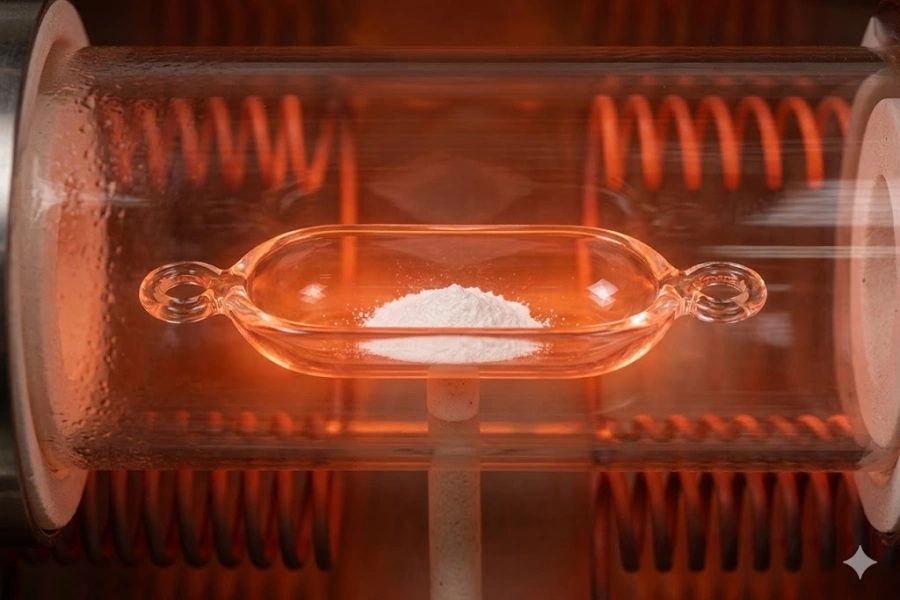
Fused quartz curved plates are integral components in Chemical Vapor Deposition (CVD) processes, where they serve as substrates or parts within high-temperature systems. CVD is a process used to produce thin films or coatings by exposing a substrate to reactive gases, and fused quartz’s high-temperature resistance makes it an ideal material for this environment. These plates maintain their integrity even when exposed to the extreme conditions typically found in CVD chambers, which include corrosive gases and high temperatures. The low thermal expansion and thermal shock resistance of fused quartz ensure that it remains dimensionally stable throughout the deposition process.
In CVD systems, fused quartz plates can also be used as part of the reaction chamber walls, where their ability to withstand corrosion and high temperatures prevents material degradation. The excellent thermal conductivity of fused quartz aids in the even distribution of heat across the surface, promoting uniform coating or film growth. The material's ability to resist contamination during the process is critical, as even small impurities can affect the quality of the coating or film being produced.
Fused quartz plates provide long-term reliability in CVD processes due to their chemical and thermal stability. These properties allow them to perform efficiently over extended periods, reducing the need for frequent maintenance or replacement. Their role in ensuring the precision and integrity of the process makes them an indispensable component in industries such as semiconductor manufacturing, where the quality of the coatings is paramount to product performance.
Use in Semiconductor Wafer Processing and Lithography Systems
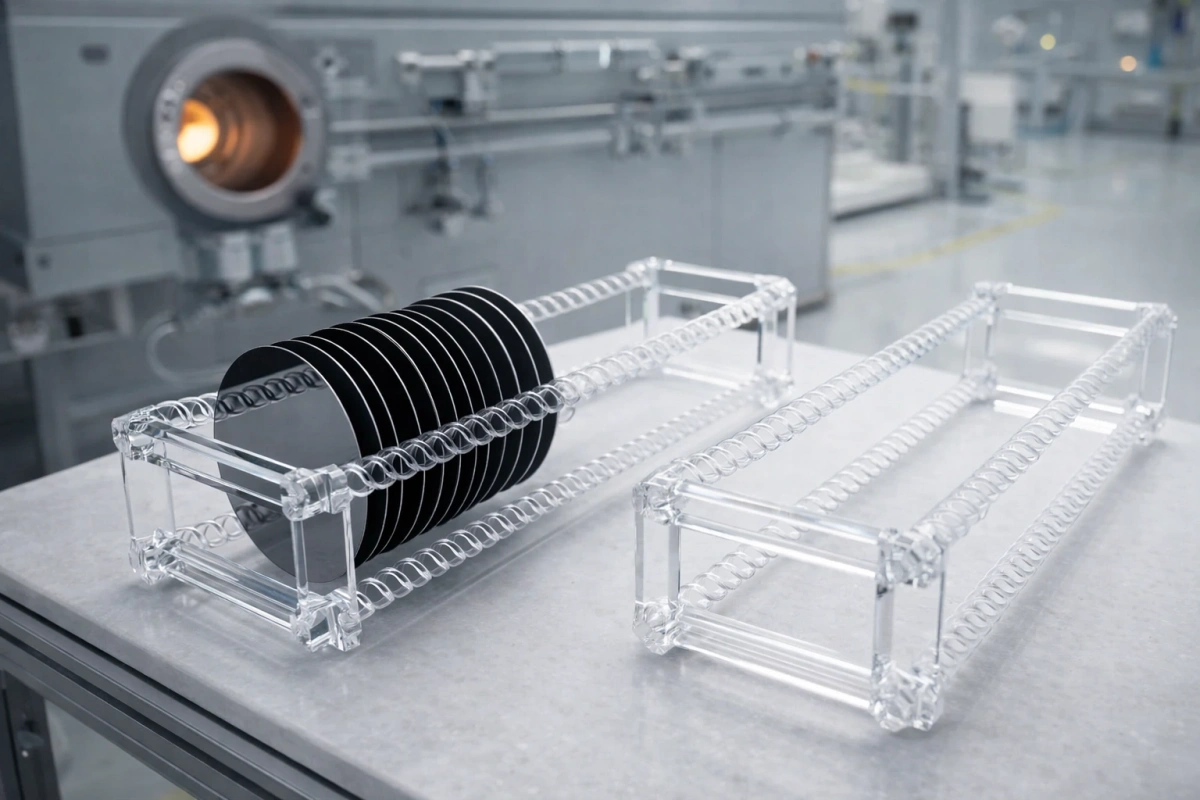
Fused quartz curved plates are widely used in semiconductor wafer processing and photolithography systems, where high precision and stability are required. In these systems, fused quartz plates are used as optical components such as lenses, masks, or windows, where their ability to transmit light accurately without distortion is critical. Fused quartz’s high transparency in the UV and infrared spectra makes it an excellent choice for semiconductor wafer processing, where precise optical transmission is necessary for photolithography and patterning applications.
In semiconductor wafer processing, fused quartz plates play a vital role in ensuring the accuracy of patterning and analysis during photolithography, a process used to transfer circuit patterns onto semiconductor wafers. The high optical clarity of fused quartz ensures that patterns are transferred without any optical distortion, maintaining the integrity of the microstructures being etched onto the wafer. Furthermore, the material’s low thermal expansion ensures that the plates maintain their shape, even when subjected to the temperature fluctuations common in semiconductor manufacturing processes.
Fused quartz plates are also used in the construction of photomasks, which are essential for the transfer of circuit patterns onto semiconductor wafers. The material’s resistance to high temperatures and its ability to withstand exposure to ultraviolet radiation make it ideal for use in these demanding applications. The stability and precision of fused quartz ensure that the resulting semiconductor devices meet the stringent requirements of the electronics industry.
Functional Use of Fused Quartz Curved Plates in Laser and Optical Systems
Fused Quartz Curved Plates provide reliable performance in laser systems and optical devices, where their thermal stability and transparency are crucial for ensuring accuracy in demanding applications.
Applications in Laser Processing
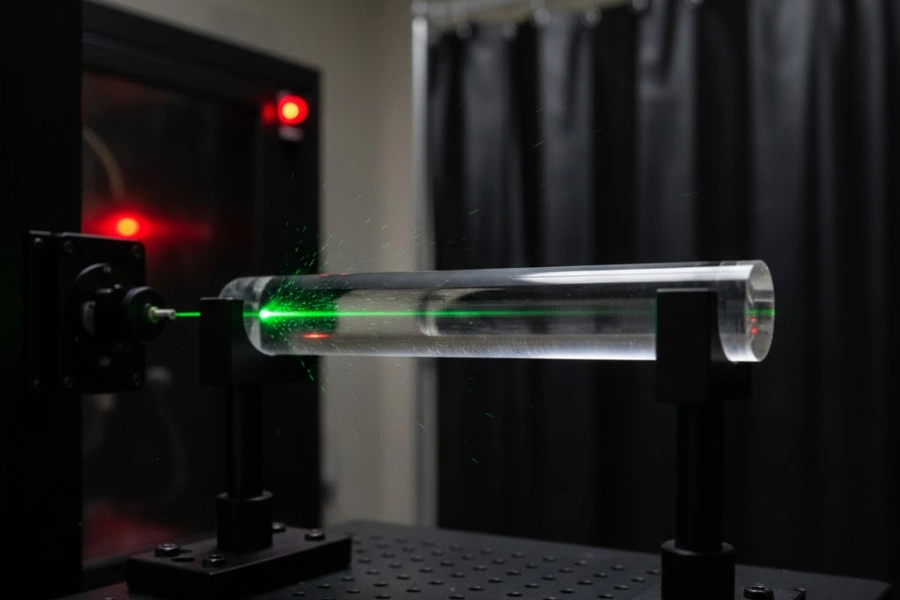
Fused quartz curved plates are extensively used in laser processing applications, where their ability to withstand high temperatures and offer precise optical transmission is crucial. In laser cutting, welding, and engraving processes, fused quartz’s transparency and resistance to thermal stress ensure that it can be used as a part of optical systems that direct or focus laser beams. The material’s high thermal stability ensures that it does not deform under the intense heat produced by laser systems, making it suitable for use in both the equipment and in the materials being processed.
The optical properties of fused quartz are essential for precision laser systems. As a high-transparency material, it ensures that the laser light is transmitted efficiently and accurately, without interference. In addition, the material’s resistance to thermal shock and mechanical stresses ensures that it remains stable, even in environments where rapid heating and cooling cycles occur.
Fused quartz is used not only in laser systems but also in components such as lenses, mirrors, and optical windows, which are crucial for directing and focusing laser beams with high precision. The material’s stability and optical performance make it an essential part of laser processing equipment, ensuring that the laser systems function reliably and efficiently over time.
Key Materials for Precision Optical Devices and Equipment
Fused quartz is a critical material for precision optical devices, such as lenses, mirrors, and windows, where both transparency and thermal stability are required. In optical devices, fused quartz’s ability to transmit light across a broad spectrum, from ultraviolet to infrared, makes it an ideal choice for high-performance applications. Its low thermal expansion ensures that optical components made from fused quartz maintain their precise shape and alignment, even under varying temperature conditions.
Fused quartz’s high thermal stability ensures that optical systems using this material remain stable, even under extreme conditions. The material’s ability to withstand high temperatures without deforming is essential in applications such as infrared optics, laser systems, and high-temperature observation instruments. This resistance to thermal deformation ensures that fused quartz optical components maintain the accuracy and performance required in high-precision optical devices.
The superior optical clarity and resistance to thermal shock of fused quartz make it an indispensable material in the production of high-quality optical components. Whether used in lenses for microscopes, telescopes, or laser systems, fused quartz guarantees high optical performance and long-term reliability. Its ability to withstand the harsh environments typical of advanced optical equipment ensures that it continues to perform reliably in a range of industrial and scientific applications.
High-Temperature Endurance of Fused Quartz Curved Plates in Industrial Settings
Fused Quartz Curved Plates are well-suited for high-temperature applications, where their ability to withstand thermal shock and maintain structural integrity makes them invaluable in furnaces and heat treatment systems.
Applications in High-Temperature Furnaces and Heat Treatment
Fused quartz curved plates are widely used in high-temperature furnaces and heat treatment systems, where their ability to resist thermal shock and maintain structural integrity is crucial. These systems typically involve rapid heating and cooling cycles, which can put significant stress on materials. Fused quartz’s resistance to thermal shock allows it to endure these stress-inducing conditions without cracking or breaking, ensuring that the furnace or heat treatment system operates smoothly.
In addition to their resistance to thermal shock, fused quartz plates also provide excellent thermal insulation, which is essential in high-temperature environments. The material’s low thermal conductivity ensures that heat is effectively contained within the system, improving energy efficiency and reducing heat loss. This property is particularly valuable in industries such as glass manufacturing, metal processing, and ceramics, where precise temperature control is necessary for product quality.
The durability of fused quartz in high-temperature furnaces and heat treatment systems extends the lifespan of these critical components. Its ability to maintain its properties even under prolonged exposure to extreme temperatures ensures that fused quartz remains a reliable material for high-performance applications. The material’s thermal stability, combined with its low expansion coefficient, ensures that the heat treatment process is efficient and that the products being processed maintain their desired characteristics.
Important Role in Scientific Experiments and Industrial Testing
Fused quartz plates play an essential role in scientific experiments, particularly those conducted under extreme conditions, where precision and stability are crucial. These plates are used in laboratories and research facilities to provide reliable, accurate results in high-temperature and high-pressure experiments. The excellent thermal stability and resistance to chemical corrosion of fused quartz ensure that it remains effective even in the most demanding scientific environments.
In industrial testing, fused quartz plates are used to simulate extreme conditions or as substrates for materials testing. Their ability to withstand high temperatures, chemical exposure, and mechanical stresses makes them ideal for use in testing the performance of new materials or products. Whether used in stress testing, durability testing, or material characterization, fused quartz plates provide the accuracy and reliability needed for precise scientific and industrial analysis.
Fused quartz’s resistance to aging and its long-term durability make it a dependable choice for long-term scientific and industrial testing. Researchers can trust that fused quartz will maintain its integrity and provide stable, consistent results over time, even when subjected to harsh testing environments. This reliability ensures that scientific experiments and industrial tests using fused quartz plates yield trustworthy data for critical applications.
Application of Fused Quartz Curved Plates in Medical and Biotech Research
In medical devices and biotechnology research, Fused Quartz Curved Plates are trusted for their precision and stability, ensuring optimal performance in high-precision analytical instruments and equipment.
Applications in High-Precision Medical Equipment
Fused quartz curved plates are used in medical devices, particularly those that require high precision and resistance to high temperatures. In diagnostic equipment, fused quartz plates are used for optical analysis, where their ability to transmit light without distortion ensures accurate readings. Their high thermal stability allows these devices to operate effectively even in high-temperature environments, such as those found in sterilization or diagnostic testing equipment.
Medical devices often require materials that are not only durable but also capable of withstanding rigorous conditions such as exposure to chemicals and frequent sterilization cycles. Fused quartz’s chemical resistance and durability make it an ideal material for use in such environments. The material’s resistance to thermal shock and its ability to maintain its integrity under temperature fluctuations further enhance its suitability for medical applications.
In addition to their role in diagnostic equipment, fused quartz plates are also used in high-precision medical devices, such as lasers and analytical instruments, where optical clarity and temperature resistance are critical. Their ability to withstand repeated exposure to high temperatures, chemicals, and mechanical stresses ensures that they provide long-term reliability in sensitive medical applications.
Use in Biotechnology Research and Analytical Equipment
Fused quartz curved plates are widely used in biotechnology research, where they serve as substrates or optical elements in analytical instruments. In biotechnology, precise measurements and the ability to resist chemical exposure are crucial, and fused quartz provides these properties. Whether used in DNA analysis, chromatography, or protein assays, fused quartz ensures that the analytical equipment performs with high accuracy and stability.
Biotechnology research often involves complex experiments that require materials capable of withstanding harsh chemicals, temperature fluctuations, and mechanical stresses. Fused quartz’s resistance to chemical corrosion and its stability at high temperatures make it an ideal material for these applications. Additionally, its optical properties ensure that light-based analytical techniques, such as fluorescence microscopy, can be performed accurately.
Fused quartz is also used in analytical equipment that requires extreme precision, such as mass spectrometers and high-performance liquid chromatography (HPLC) systems. Its low thermal expansion ensures that measurements remain consistent, even when exposed to temperature changes, making it essential for ensuring the accuracy of experimental results in biotechnology and scientific research.
Conclusion
Fused quartz curved plates are an essential material in precision industries, offering unmatched durability, thermal stability, and optical clarity. These properties make them ideal for high-precision applications in semiconductor manufacturing, laser systems, medical devices, and more.
Ready to make an informed choice on fused quartz curved plates for your application?
Leverage the expertise of TOQUARTZ's engineering team, backed by over 20 years of manufacturing experience, for a complimentary consultation on your custom quartz glass requirements.
FAQ (Frequently Asked Questions)
How do the optical properties of fused quartz affect its use in laser systems?
Fused quartz’s high optical transparency and minimal light scattering make it ideal for laser systems, where precision in light transmission is essential.
How can I determine if fused quartz is suitable for my semiconductor application?
Choosing the right fused quartz plate for semiconductor applications depends on factors like thermal shock resistance and high-temperature stability. Consult with a specialist to ensure optimal material selection.
What is the typical lead time for custom fused quartz curved plates?
The lead time for custom orders varies based on size, specifications, and complexity. On average, expect a lead time of 2-4 weeks for custom-made fused quartz curved plates.
How does fused quartz compare to other materials like sapphire for high-temperature applications?
While sapphire is highly durable, fused quartz offers superior thermal shock resistance and lower thermal expansion, making it a better choice for applications involving rapid temperature changes.
References:
-
Discover how infrared (IR) light works and why it's crucial for advanced medical and industrial technologies, enhancing your understanding of its practical uses. ↩
-
Learn how UV light works and why it's essential for sterilization and water purification, helping you understand its practical benefits and safety. ↩
-
Discover how photolithography shapes modern electronics and manufacturing, and why it's essential for creating microchips and advanced devices.
Fused quartz's ability to efficiently transmit both UV and IR light makes it versatile for use in a wide array of industries. ↩ -
Learn about chemical vapor deposition to see how it utilizes materials like fused quartz for advanced manufacturing processes. ↩