Quartz tubes with flanges are essential components in Chemical Vapor Deposition (CVD) systems, where high precision and material integrity are paramount. The right selection of quartz tube with flanges can influence the efficiency and effectiveness of the CVD process. In this article, we will explore the key properties of these tubes, their critical applications, the customization options available, and the common challenges faced in CVD applications.
Summary:
Quartz tubes with flanges offer high temperature resistance, thermal stability, and chemical purity, making them indispensable for high-precision CVD applications. Understanding their properties and customization options is essential for optimizing CVD processes.

As CVD processes evolve, selecting the correct quartz tube with flanges becomes a critical decision. This article delves into the features, applications, challenges, and customization options of quartz tubes, aimed at helping you make the best choices for your specific needs.
Overview of Quartz Tubes with Flanges for CVD Applications
Quartz tubes with flanges are crucial for a variety of CVD systems. These tubes must meet rigorous demands of high temperature resistance, chemical stability, and dimensional precision. Understanding their key characteristics, and the role of flanges, is essential for making the right selection.
What Are Quartz Tubes with Flanges?
Quartz tubes are cylindrical forms made from fused silica, a high-purity material known for its excellent thermal and chemical resistance. They are commonly used in various industrial applications where high temperature and chemical stability are required. When equipped with flanges, these tubes become essential components in Chemical Vapor Deposition (CVD) systems. A quartz tube with flanges for CVD plays a crucial role in facilitating secure connections between the tube and reactor, ensuring optimal system performance.
Flanges provide a secure, leak-free seal that ensures no gases escape, thus preventing contamination during CVD processes. They are available in various sizes and materials to meet the specific needs of each CVD system. By ensuring a tight connection, flanges play an important role in optimizing the performance of the quartz tube within the system.
Quartz tubes are often custom-designed to meet the specific requirements of the CVD process. The dimensions of the tube, as well as the design and size of the flanges, are tailored to fit perfectly into the reactor chamber. Customization ensures that the quartz tube and flanges work together seamlessly, maintaining the integrity of the process.
The addition of flanges also enhances the adaptability of quartz tubes in CVD systems. With flanges, these tubes can be integrated into a wide range of reactors, allowing manufacturers to configure their systems according to the requirements of their specific processes.
Key Characteristics of Quartz Tubes for CVD
Quartz tubes used in CVD1 systems must meet specific criteria to ensure optimal performance under extreme conditions. These characteristics include thermal stability, chemical resistance, and optical clarity. Additionally, the tubes must maintain dimensional accuracy to prevent any operational issues during the deposition process.
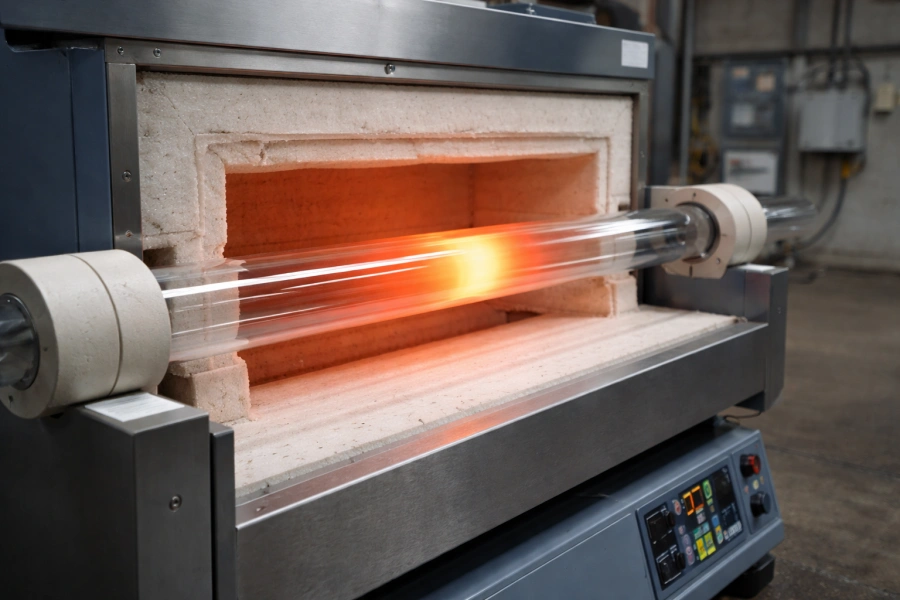
Quartz tubes have an inherent ability to resist high temperatures, which is crucial for CVD applications. These tubes can withstand temperatures up to 1200°C, making them ideal for high-temperature deposition processes. This high-temperature resistance ensures that the quartz tube remains intact without deforming or breaking, even when exposed to extreme conditions.
The low thermal expansion of quartz is another key characteristic that enhances its performance. Quartz tubes expand very little under heat, maintaining their shape even when exposed to rapid temperature changes. This feature is particularly important in CVD, where temperature fluctuations are frequent and can otherwise affect the quality of the deposited films.
Chemical resistance is also vital in ensuring the longevity and effectiveness of quartz tubes used in CVD. Quartz is resistant to most reactive gases, ensuring that the tube will not degrade or react with the gases used in the deposition process. The ability of quartz tubes to maintain their integrity in such environments ensures a stable and efficient CVD process.
The Role of Flanges in Quartz Tubes for CVD Systems
Flanges are essential components in the integration of quartz tubes into CVD systems. They allow for a stable and leak-proof connection between the tube and the reactor, which is crucial for maintaining the controlled environment needed for the deposition process. The flanges are designed to prevent any leakage of gases, which could lead to contamination or performance issues.
These flanges are available in various sizes and materials, ensuring that they are compatible with different reactor configurations. Depending on the specific needs of the system, the flanges can be tailored to provide the best fit and sealing capacity. The role of flanges in ensuring leak-free and secure connections cannot be understated, as they directly affect the overall efficiency of the CVD system.
Flanges also help to manage the mechanical stresses that arise when the CVD reactor is pressurized. The flanges are designed to absorb and distribute these stresses, ensuring that the quartz tube remains intact and functional throughout the process. Custom-designed flanges are available to meet the needs of specific reactors, allowing manufacturers to select the best components for their systems.
Finally, the integration of flanges into the quartz tube design ensures that the system operates at peak performance. Properly fitted flanges help prevent system downtime due to leaks or mechanical failures, which can be costly in CVD applications. Customizing both the quartz tube and the flange design ensures optimal performance and reliability in the CVD process.
Essential Properties of Quartz Tubes for CVD
Quartz tubes used in CVD systems must possess specific properties to perform well under harsh conditions. These properties include high-temperature resistance, chemical stability, and dimensional precision. Understanding these essential properties is key to ensuring the performance of the quartz tube in CVD applications.
High-Temperature Resistance of Quartz Tubes
Quartz tubes are renowned for their high-temperature resistance, which makes them essential for CVD applications that require the deposition of materials at elevated temperatures. The ability to withstand extreme heat is a critical feature for ensuring that the tubes perform consistently and reliably throughout the deposition process.
The high-temperature resistance of quartz tubes allows them to handle temperatures that can reach up to 1200°C. This property is vital in applications such as semiconductor manufacturing, where precise control over temperature is necessary to produce high-quality thin films. The resistance to heat ensures that the quartz tube does not degrade or deform during the high-temperature cycles of the CVD process.
Quartz tubes can also withstand sudden temperature fluctuations, which is a common occurrence in CVD systems. This resistance to thermal shock is another reason why quartz is preferred in these applications. Quartz tubes maintain their structural integrity even when exposed to rapid temperature changes, which is essential for the efficiency and consistency of the deposition process.
The high-temperature resistance of quartz is further enhanced by its low thermal expansion. This ensures that the quartz tube remains stable and intact, even under extreme heating and cooling cycles. The combination of high-temperature resistance and low thermal expansion makes quartz tubes ideal for use in high-precision CVD systems where reliability is paramount.
Thermal Stability and Low Expansion for CVD Applications
Thermal stability is a critical property of quartz tubes, ensuring that they can perform effectively under the high-temperature conditions found in CVD applications. The low thermal expansion of quartz ensures that the tubes maintain their shape and size, even when subjected to rapid heating and cooling.
Quartz’s low thermal expansion coefficient is essential for preventing deformation or breakage during temperature fluctuations. In CVD applications, where rapid temperature changes are common, this stability is necessary to maintain the accuracy of the process. Quartz tubes will not experience the dimensional changes that other materials might undergo, ensuring that they can be used reliably in these systems.
The low thermal expansion of quartz is particularly important in CVD applications that require precise control over the deposition process. Any distortion in the quartz tube can affect the consistency and quality of the deposited material. Quartz tubes, however, maintain their dimensional integrity, ensuring that the deposition process proceeds without interruption.
This thermal stability also contributes to the overall durability of the quartz tube. By withstanding thermal stresses without compromising its shape or functionality, quartz tubes offer a longer lifespan in CVD applications. This property makes quartz a cost-effective solution for high-temperature deposition processes.
Chemical Resistance and Purity Considerations in CVD
The chemical resistance of quartz is one of its most important features in CVD applications. Quartz must be able to resist the various gases and chemicals used in the deposition process without degrading or contaminating the system. This resistance ensures that the CVD process can be conducted without introducing impurities into the deposited material.
Quartz is highly resistant to many chemicals, including reactive gases that are commonly used in CVD processes. This makes it ideal for applications where the deposition of thin films requires exposure to aggressive chemical environments. The chemical resistance of quartz ensures that the tube maintains its integrity, preventing any chemical reactions that could affect the quality of the deposition.
Purity is another crucial factor in CVD applications. Impurities in the quartz tube can lead to contamination of the deposition material, resulting in lower-quality products. High-purity quartz tubes are essential for ensuring that the CVD process remains uncontaminated, enabling the production of high-quality films with consistent properties.
The combination of chemical resistance and purity makes quartz tubes the ideal material for CVD applications in industries such as semiconductor manufacturing. These industries require materials that can withstand harsh chemical environments while maintaining the highest levels of purity. Quartz tubes fulfill this requirement, ensuring the success of the deposition process.
Key Applications of Quartz Tubes with Flanges in CVD
Quartz tubes with flanges are used in a wide range of industries for CVD applications. These include semiconductor manufacturing, material science, and industrial coatings, where high purity, thermal resistance, and dimensional precision are essential.
Semiconductor Manufacturing: Precision and Purity Requirements
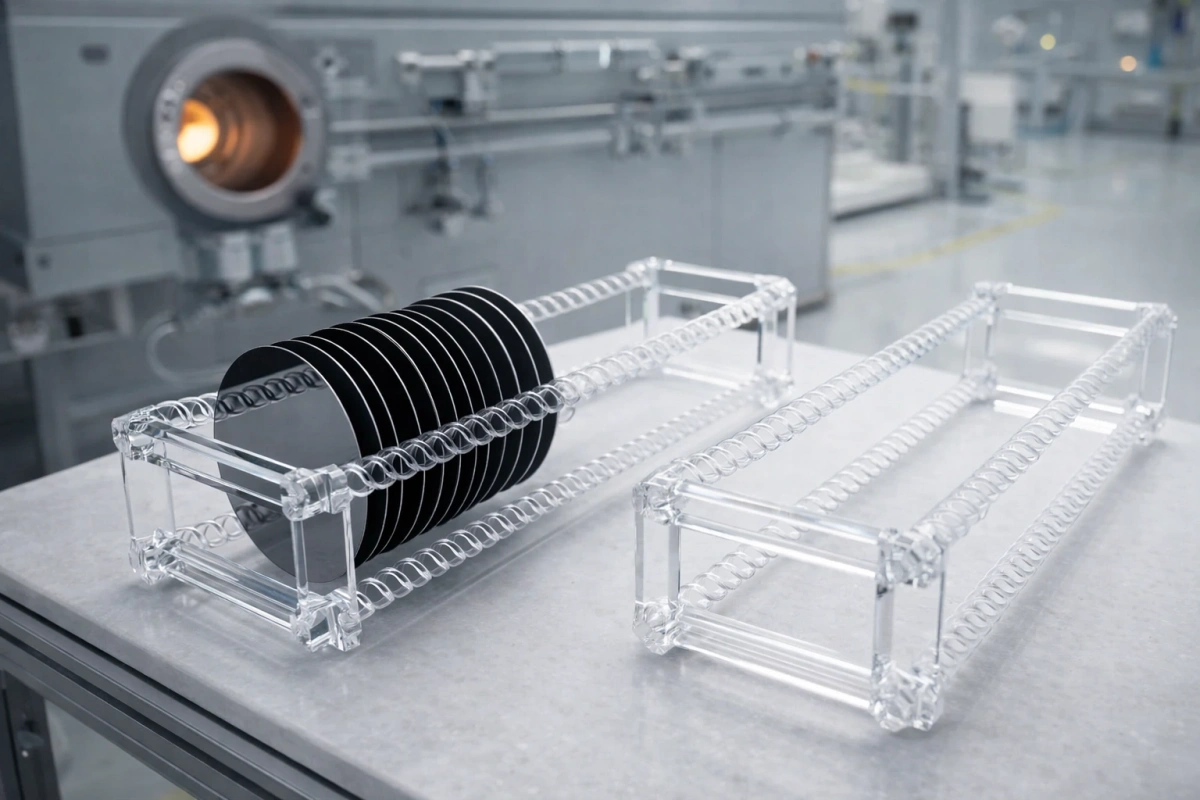
Quartz tubes are extensively used in semiconductor manufacturing, where the need for precision and purity is paramount. These tubes are used in CVD processes to deposit thin films on semiconductor wafers, which must be done in an environment that minimizes contamination.
In semiconductor manufacturing, the quartz tubes must be able to withstand high temperatures and reactive gases without introducing impurities into the system. Any contamination in the deposition process can result in defects in the semiconductor material, which can affect the performance of the chips. The high-purity nature of quartz ensures that the tubes do not contribute any unwanted materials to the deposition environment.
The precision required in semiconductor manufacturing extends to every aspect of the process, including the quartz tube. The tubes must be dimensionally accurate to ensure that the deposition occurs evenly across the wafer. Any variation in the tube’s dimensions can result in uneven deposition, leading to poor-quality semiconductor products.
Quartz tubes play a crucial role in ensuring that the semiconductor deposition process remains free from contamination and that the thin films are deposited accurately. By providing a stable and clean environment, quartz tubes help ensure the production of high-quality semiconductor wafers.
Chemical Vapor Deposition Processes in Material Science
In material science, quartz tubes are used to deposit coatings on various substrates, including metals and ceramics. These coatings provide essential properties such as corrosion resistance, wear resistance, and electrical conductivity, making them vital for a wide range of applications.
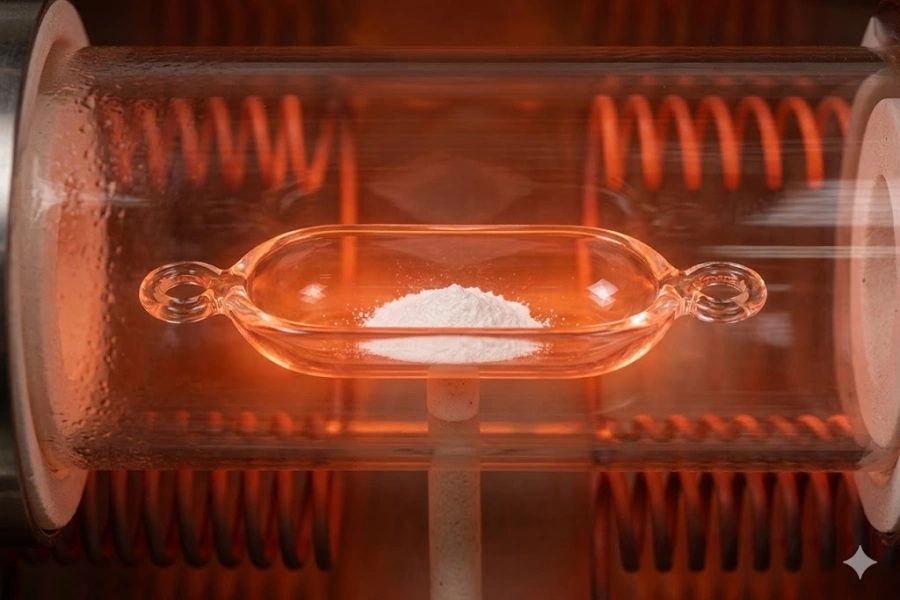
Quartz tubes are an ideal choice for material deposition due to their high thermal stability and chemical resistance. These properties ensure that the quartz tube can withstand the high temperatures and reactive gases typically used in CVD processes. The ability of quartz to resist degradation or chemical reactions ensures that the deposited coatings remain intact and maintain their desired properties.
In material science, quartz tubes are used in various processes to coat substrates for applications in industries such as automotive, aerospace, and electronics. The ability to deposit uniform coatings with quartz tubes is essential for ensuring the quality and reliability of the final product. The versatility and performance of quartz tubes make them an invaluable tool in the advancement of material science.
The non-reactive nature of quartz ensures that it does not interact with the materials being deposited, preventing contamination. This is crucial for ensuring that the coatings retain their intended properties and performance characteristics. By using quartz tubes, manufacturers can achieve consistent and high-quality results in their CVD applications.
Industrial CVD Applications: From Coating to Thin Film Deposition
Quartz tubes are also used in various industrial applications, including the production of thin films for solar panels, optical coatings, and decorative coatings for metals and plastics. These applications rely on the ability of quartz tubes to provide a controlled environment for the deposition of high-quality films.
The versatility of quartz tubes makes them suitable for a wide range of industrial CVD applications. Whether for thin film deposition on solar panels or for protective coatings on metals, quartz tubes provide the thermal stability and chemical resistance required for these processes. The consistent performance of quartz tubes ensures that the deposition process remains efficient and reliable.
In industrial CVD applications, quartz tubes are used to create coatings that enhance the properties of the materials being coated. For example, thin films deposited on solar panels improve their efficiency, while coatings on metal substrates enhance their durability and resistance to corrosion. The ability of quartz tubes to maintain a stable deposition environment ensures that these coatings are deposited consistently and accurately.
Quartz tubes also help improve the overall quality of industrial coatings. By maintaining the integrity of the deposition environment, quartz tubes ensure that the coatings adhere properly to the substrates and retain their desired properties. This results in higher-quality, more reliable coatings for industrial applications.
Customization and Sizing Options for Quartz Tubes in CVD
Quartz tubes used in CVD systems can be customized to meet the specific needs of each application. Custom dimensions, materials, and flange configurations ensure that the tubes fit perfectly into the CVD system.
Custom Dimensions and Configurations for Specific CVD Needs
Quartz tubes can be fabricated to meet the specific dimensions and design requirements of different CVD systems. Customization allows for better integration into various reactor setups, ensuring that the tube fits perfectly into the system and functions optimally.
The customization process involves adjusting the length, diameter, and wall thickness of the quartz tube to suit the specific needs of the CVD system. This ensures that the tube can withstand the specific operating conditions, including temperature and pressure, without affecting the performance of the reactor. Customization can also include modifications to the surface finish of the quartz tube, further enhancing its suitability for particular applications.
The flexibility of quartz tube customization allows manufacturers to create tubes that meet the precise needs of their CVD process. By tailoring the dimensions of the tube, it is possible to optimize the deposition process for different materials and substrates. The ability to adjust the tube design ensures that it will work effectively within the reactor, contributing to the efficiency and success of the CVD process.
Custom quartz tubes also help improve the consistency and quality of the deposition process. When the tube is designed specifically for the system, it ensures that the deposition environment is stable and reliable. This leads to more consistent results and a higher-quality final product.
Tailoring Flanges for Enhanced Compatibility
Flanges can be customized to fit the specific design of the CVD reactor, ensuring that the quartz tube is securely connected to the system. Tailoring the flanges allows for a perfect fit, preventing leaks and ensuring that the deposition process occurs in a stable environment.
Custom flanges are essential for ensuring a leak-free connection between the quartz tube and the reactor. The design and material of the flange must be carefully selected to ensure that it can withstand the operating conditions of the reactor, including temperature and pressure. By tailoring the flanges to the specific reactor design, manufacturers can ensure optimal performance.
The size of the flange is also important in achieving a secure connection. Flanges come in various sizes, and the right size must be selected to ensure that the quartz tube is tightly sealed to the reactor. Custom flanges allow for precise fitting, ensuring that the system operates without leaks or contamination.
Flanges are also designed to absorb mechanical stresses that occur during the CVD process. The flanges must be able to withstand the pressure created by the reactor and prevent any deformation or damage to the quartz tube. Customizing the flanges helps ensure that the system remains intact and that the quartz tube performs optimally during the deposition process.
Factors Influencing Size and Design Selection in CVD Systems
The size and design of the quartz tube and flange are influenced by several factors, including the type of reactor, the pressure conditions, and the specific gases being used. These factors determine the dimensions and material selection for the quartz tube and flanges.
The reactor size plays a critical role in determining the size of the quartz tube. The tube must fit into the reactor chamber without interfering with the reactor's operation. Similarly, the pressure conditions within the reactor will influence the thickness and material of the quartz tube and flange. Customizing the tube design based on these factors ensures that the system functions efficiently.
The type of gases used in the CVD process also affects the selection of quartz tube and flange materials. Some gases may be more aggressive than others, requiring more resistant materials. Custom-designed quartz tubes and flanges can be tailored to meet these specific requirements, ensuring that the system remains stable and reliable under all conditions.
Other factors, such as the chemical properties of the gases being deposited, also play a role in the selection of the quartz tube and flange materials. Customization helps ensure that the system remains compatible with the deposition materials and that the CVD process proceeds without contamination or other issues.
Conclusion
Selecting the right quartz tube with flanges for CVD applications is critical for ensuring high-quality, efficient deposition processes in various industries. Understanding the properties, customization options, and challenges of quartz tubes helps ensure that your CVD system operates at its best.
Contact TOQUARTZ today to explore high-purity quartz tubes tailored to your specific CVD needs. Enjoy fast delivery and expert support from our experienced team.
FAQ (Frequently Asked Questions)
Q: What are the key characteristics of quartz tubes for CVD?
A: Quartz tubes used in CVD must have high-temperature resistance, chemical stability, and optical transparency. The flanges ensure a secure, leak-free connection to the reactor.
Q: How can I choose the right size and flange type for my CVD system?
A: The right size and flange type depend on the reactor's dimensions and the process requirements. Customization options ensure compatibility with different system designs.
Q: What are the challenges in using quartz tubes for CVD applications?
A: Common challenges include thermal shock, contamination, and flange compatibility. These can be addressed through high-quality materials and careful design.
Q: How does high-purity quartz improve the quality of CVD processes?
A: High-purity quartz prevents contamination, ensuring the quality and consistency of the deposited material, especially in sensitive applications like semiconductor manufacturing.
References:
-
Learn about CVD to understand why quartz tubes are essential for high-performance material processing in demanding environments. ↩