
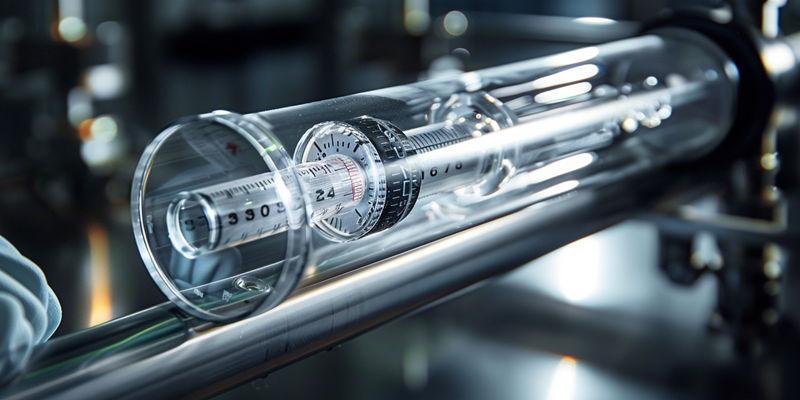
What Is the Pressure Inside a Quartz Tube?
Quartz tube internal pressure ranges: 10⁻⁶ mbar vacuum to 15 MPa positive, spatial gradients (10-300%), temperature effects (P∝T), transient vs steady-state behavior analysis.
Quartz tube internal pressure ranges: 10⁻⁶ mbar vacuum to 15 MPa positive, spatial gradients (10-300%), temperature effects (P∝T), transient vs steady-state behavior analysis.
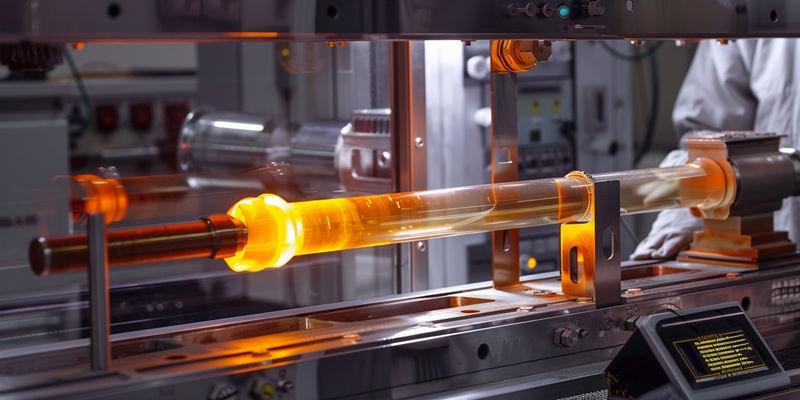
Quartz tube softening point melting point differ due to quartz’s amorphous structure, causing gradual softening before reaching full melting in high-heat use.
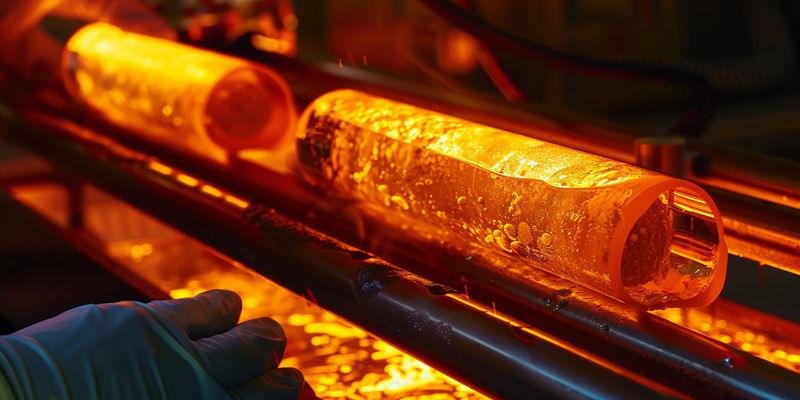
Discover the 5 root causes of quartz tube deformation above 1200°C: viscosity drop, gravity stress, OH content, impurities, and geometry effects explained.
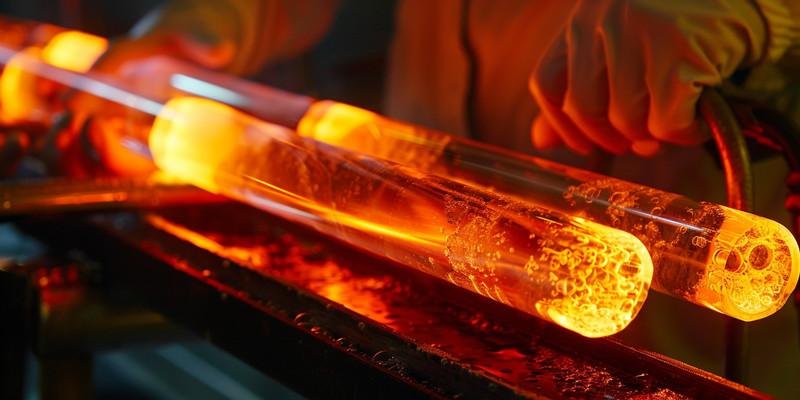
Discover why quartz tube softening point (1270°C) differs from melting point (1730°C) and how this 460°C gap impacts your furnace operating limits.
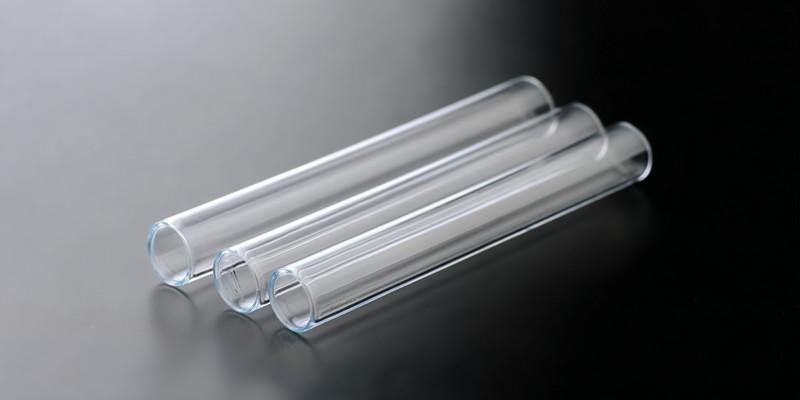
Wall thickness optimization: 1.5-2.5mm for 50mm tubes balances 25-35 MPa stress vs. strength. D/t ratios 20-30 explained with thermal cycling vs. high-temp specs.
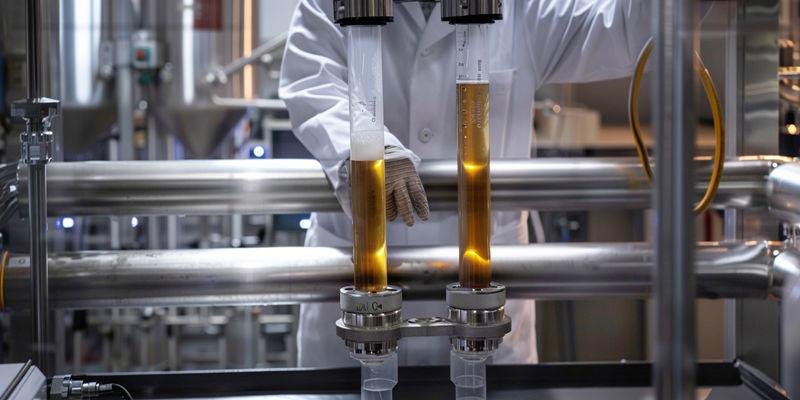
How atmospheres change quartz performance: vacuum creates 100-150°C hot spots, H₂ erosion doubles per 50°C, moisture accelerates corrosion 3-4×. ISO 695 data.
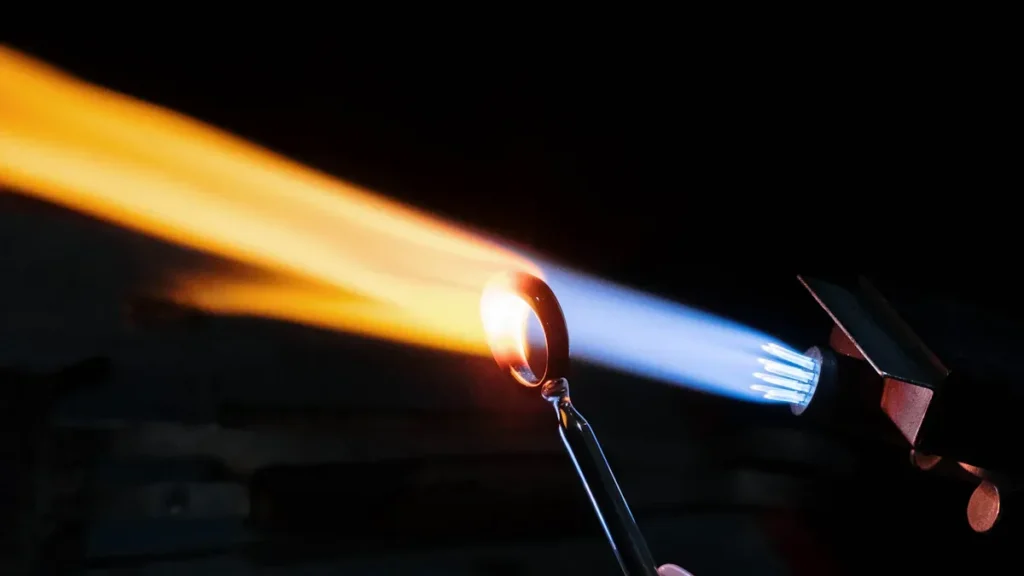
Understand why quartz tubes fail: devitrification creates 180-220 MPa stress from thermal expansion mismatch, contamination accelerates crystallization 10-50×.
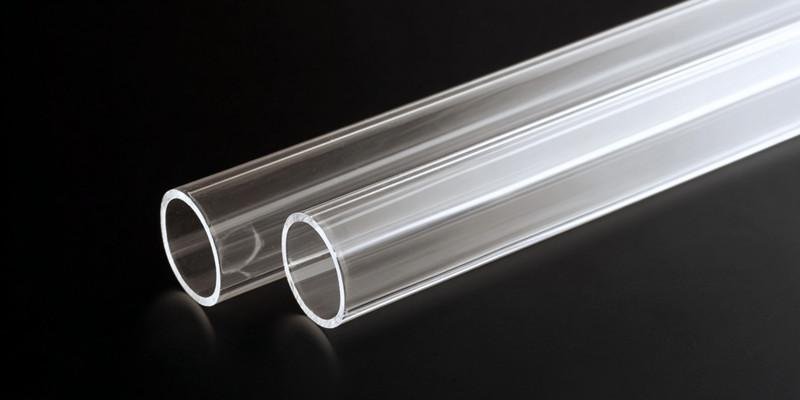
Why quartz tubes fail at rated temperatures: vacuum reduces limits 200°C, hydrogen causes erosion, halogens restrict to 900°C. Environment-specific ratings.
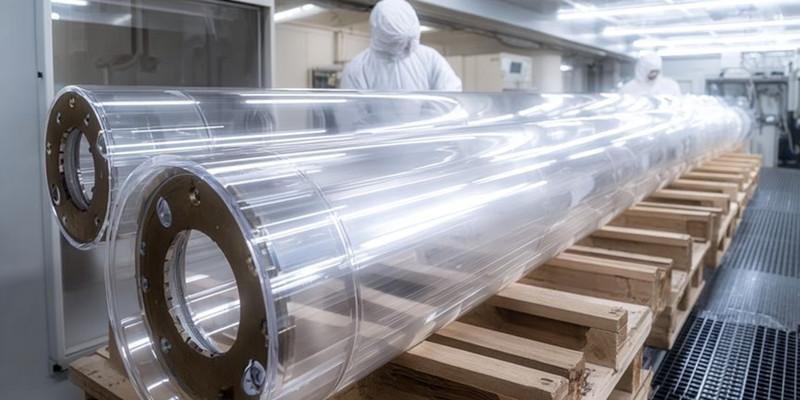
Quartz tubes withstand 1100-1200°C atmospheric, 1000°C vacuum, 1000-1050°C reducing atmospheres. Learn temperature limits by operating environment.