
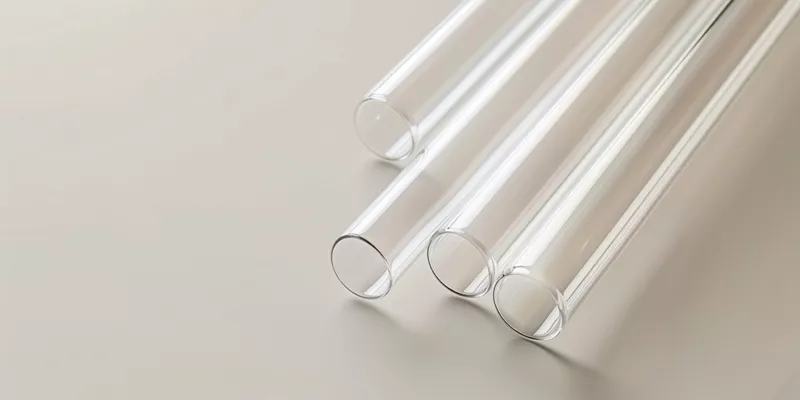
What Are Quartz Tubes Made Of?
Complete guide to quartz tube composition: silicon dioxide purity levels, natural vs synthetic sources, impurity profiles, and ISO standards for material verification.
Complete guide to quartz tube composition: silicon dioxide purity levels, natural vs synthetic sources, impurity profiles, and ISO standards for material verification.
Essential dimensional tolerance guide for laboratory quartz tubes. Prevent leaks, fractures & instrument failures with proper specifications & standards.
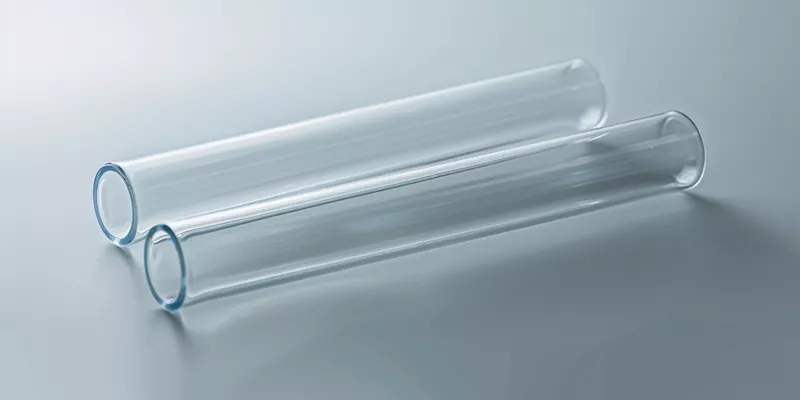
Quartz or borosilicate? Complete performance comparison for lab applications. ISO standards, temperature resistance, chemical purity & selection guide.
Maximize quartz tube lifespan in high-temperature labs. Discover temperature differentials, annealing protocols & ASTM C1525 testing for thermal shock.
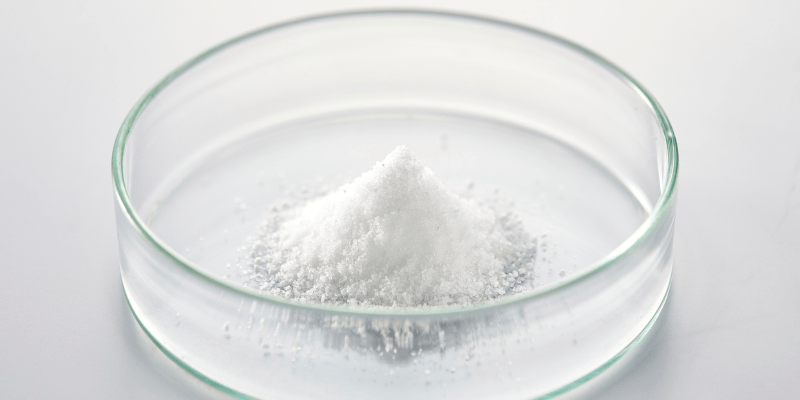
Complete guide to quartz tube purity requirements for analytical labs. Compare Type I vs Type III specifications, OH content impact & ISO 12123 standards.
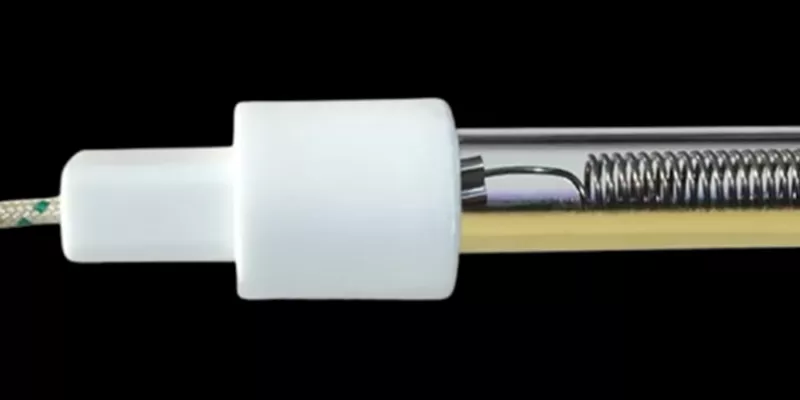
Optimize infrared efficiency: How quartz tube transmission (>95% at 2.5-4.0 μm) and OH content impact heating element wavelength performance and energy costs.
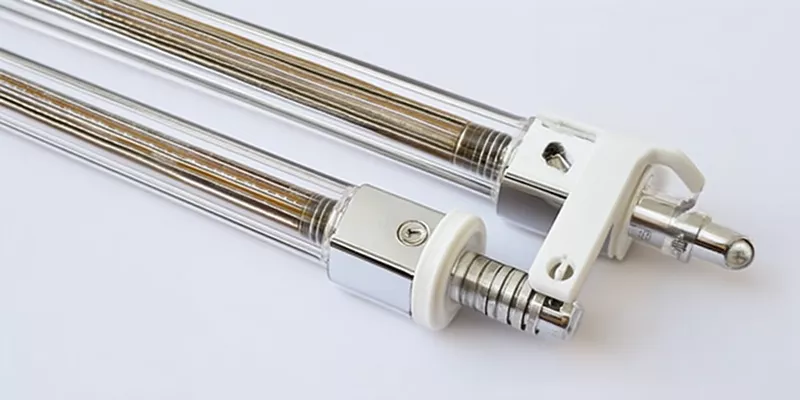
Optimize quartz heating tube specifications: wall thickness ratios, dimensional tolerances, and coil clearances that prevent failure and extend MTBF.
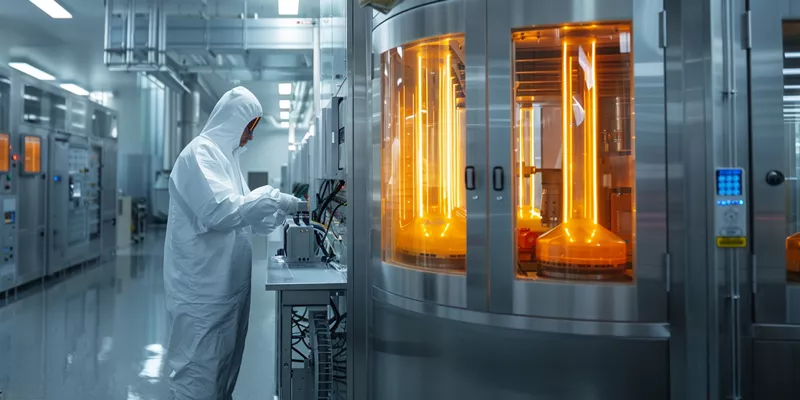
Learn how 99.98% SiO₂ purity prevents devitrification and extends heating element service life by 25-35%. Includes material grade selection framework.
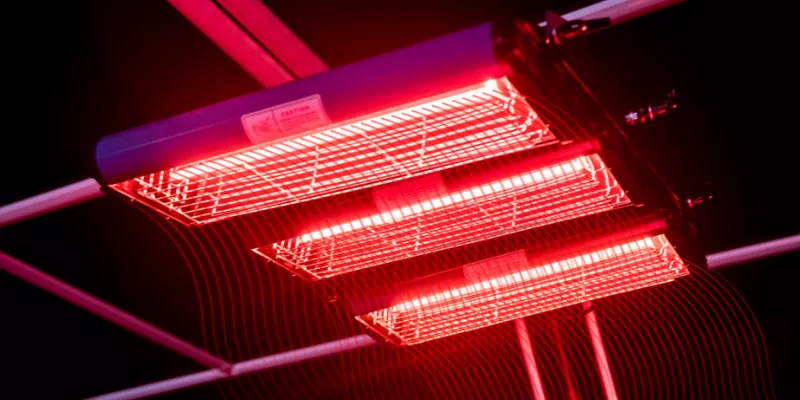
Discover why quartz glass heating elements achieve 35-55% higher energy efficiency than ceramic. Compare thermal expansion, IR transparency, and service life.