
What Purity Level of Quartz Tubes Prevents Contamination in Trace Analytical Applications?
Complete guide to quartz tube purity requirements for analytical labs. Compare Type I vs Type III specifications, OH content impact & ISO 12123 standards.
Complete guide to quartz tube purity requirements for analytical labs. Compare Type I vs Type III specifications, OH content impact & ISO 12123 standards.
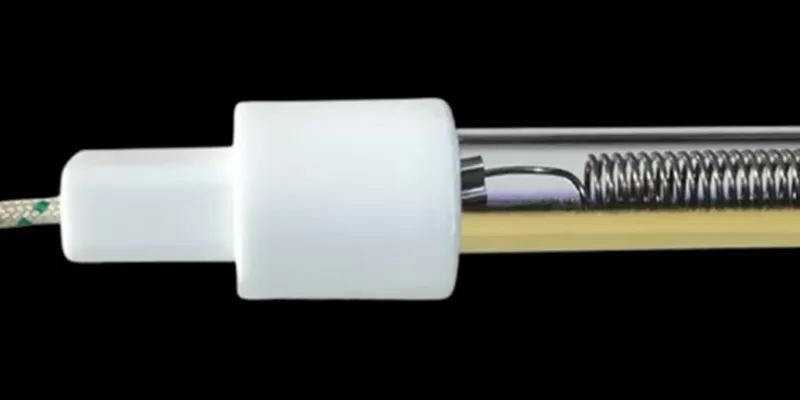
Optimize infrared efficiency: How quartz tube transmission (>95% at 2.5-4.0 μm) and OH content impact heating element wavelength performance and energy costs.
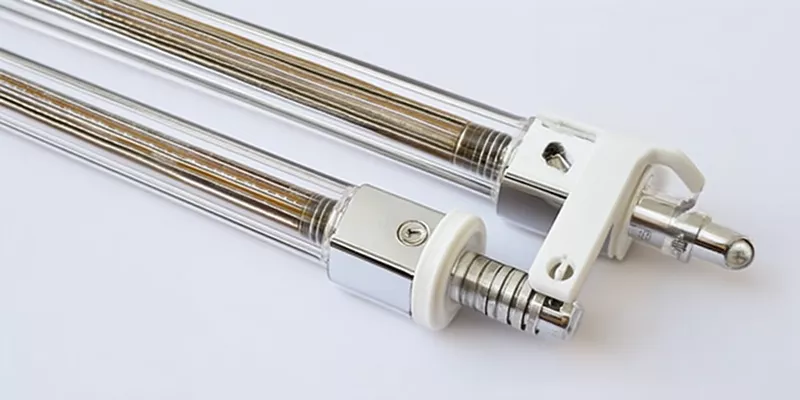
Optimize quartz heating tube specifications: wall thickness ratios, dimensional tolerances, and coil clearances that prevent failure and extend MTBF.
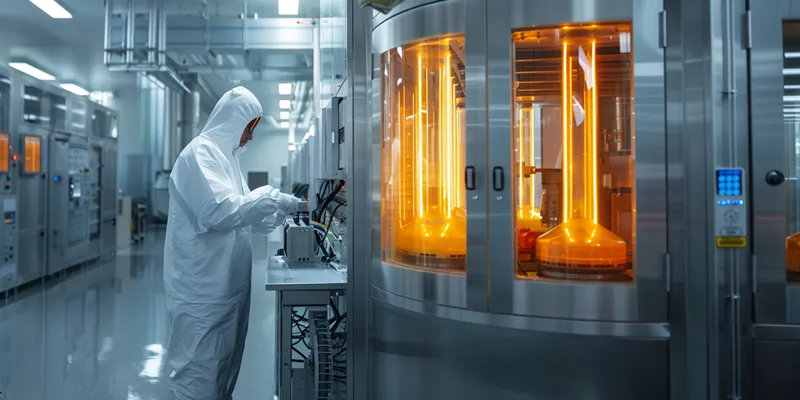
Learn how 99.98% SiO₂ purity prevents devitrification and extends heating element service life by 25-35%. Includes material grade selection framework.
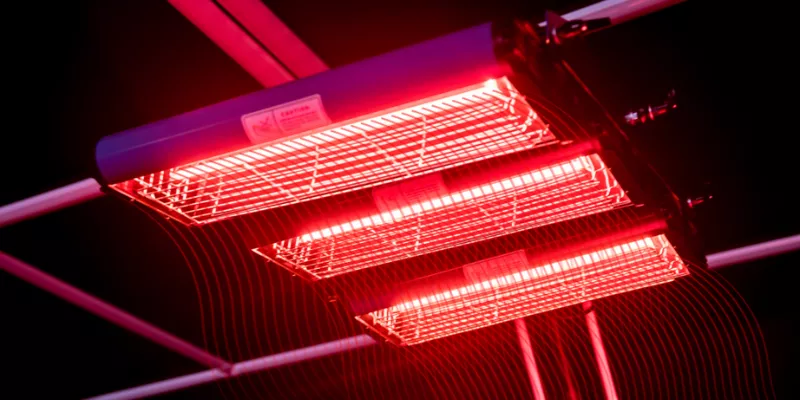
Discover why quartz glass heating elements achieve 35-55% higher energy efficiency than ceramic. Compare thermal expansion, IR transparency, and service life.
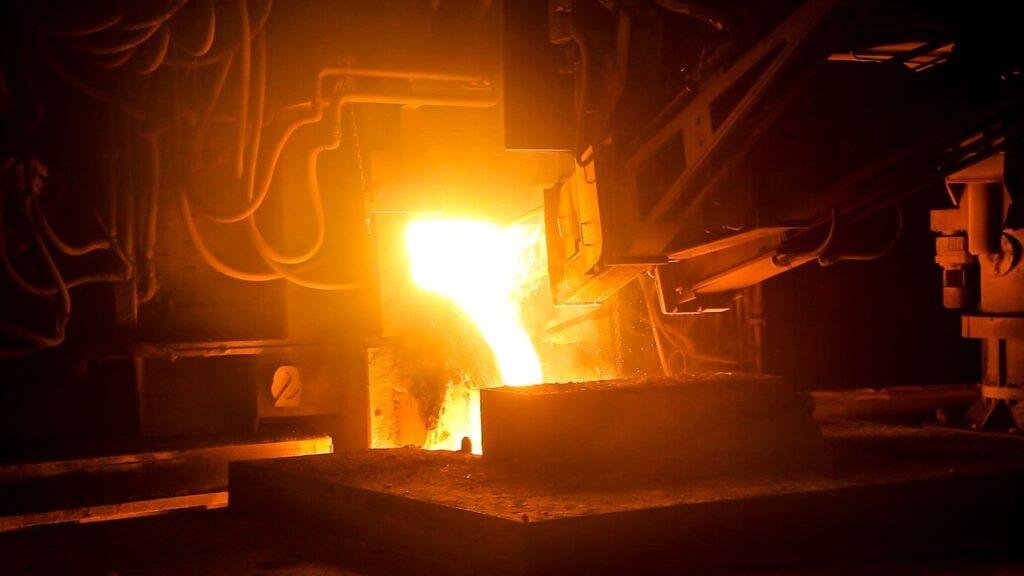
Discover the essential specifications, purity levels, and ISO 7991 thermal expansion limits that ensure quartz tubes maintain integrity in > 1000 °C furnace applications.
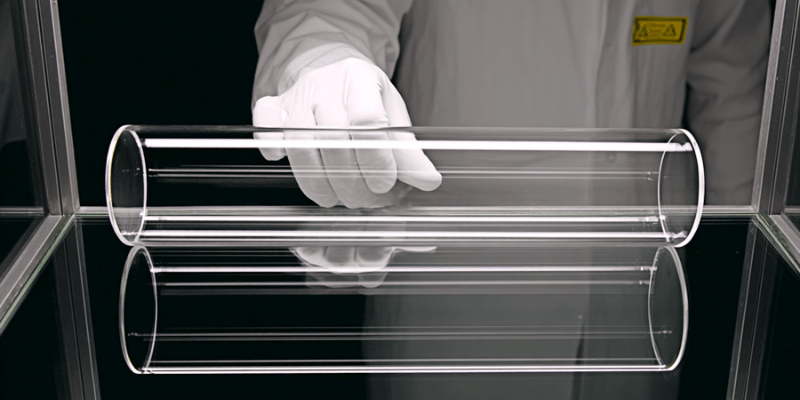
Expert guide to selecting high-purity quartz tubes for chemical processing reactors. Learn SiO₂ purity requirements, chemical resistance standards, wall thickness optimization, and how to prevent devitrification failures.
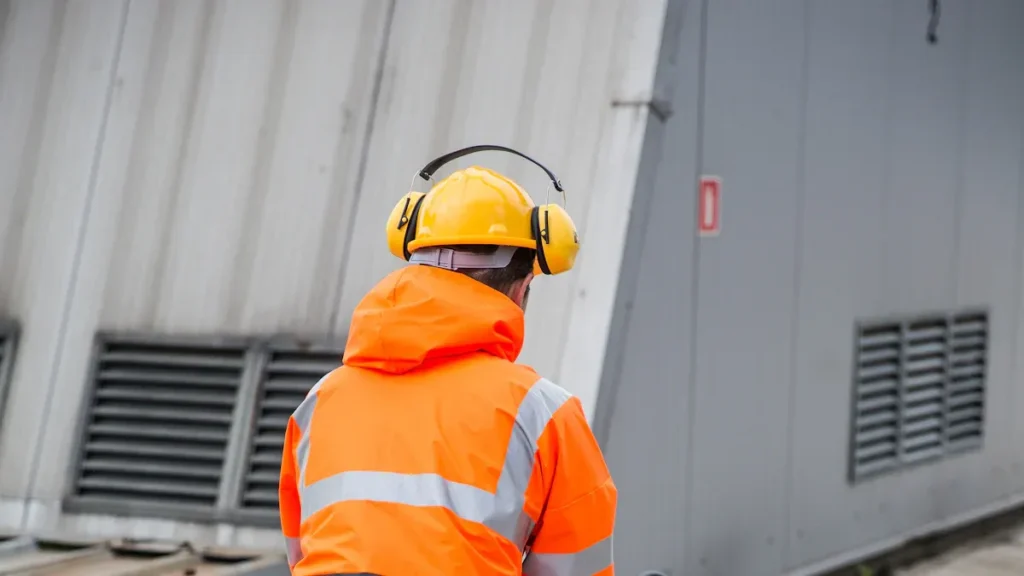
ISO 9001, ISO 12123 & SEMI F-78 guide for industrial quartz tubes. Reduce field failures 73% through proper certification verification. Purity, testing standards.
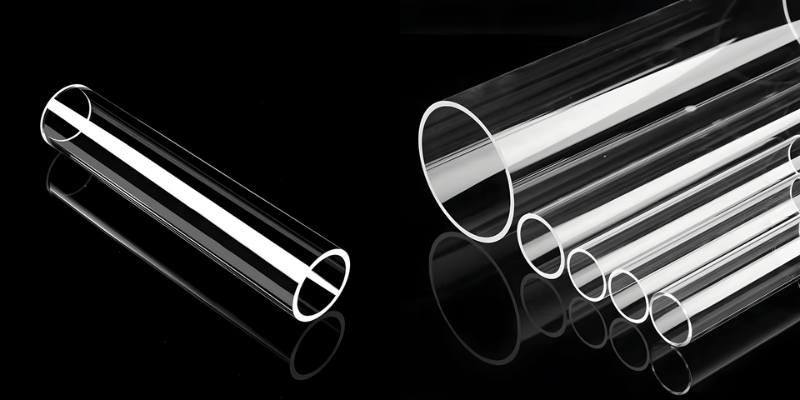
A quartz tube is high-purity fused silica glass with ≥99.98% SiO₂ composition. Discover critical properties: thermal expansion α=0.5×10⁻⁶ K⁻¹, 1200°C max operating temperature, >80% UV transmission, and acid resistance per ISO/ASTM standards. Learn electrical vs flame fusion methods, OH content specs, and material selection criteria for semiconductor, furnace, and optical applications.