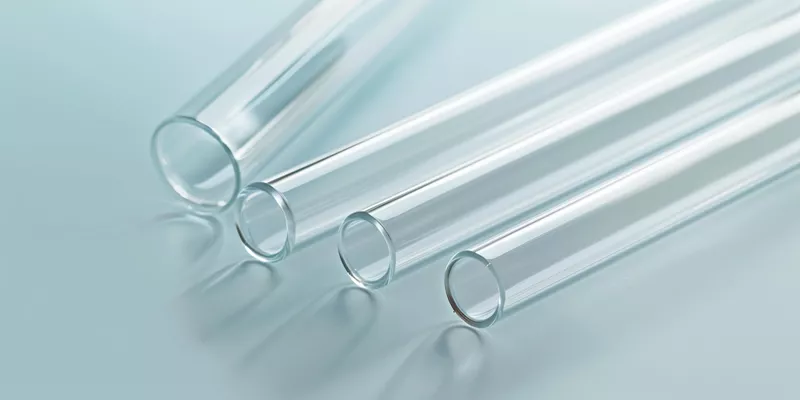
Optical transmission requirements determine which quartz tube best suits a UV chemical reaction. Engineers must match the tube’s transmission properties to the specific UV wavelength used, since even a small mismatch can block critical UV light and lower reaction efficiency. Not all quartz tubes perform the same—factors like manufacturing method, purity, and OH content change how much UV passes through. For example, when a quartz tube blocks certain UV wavelengths, the chemical reaction may slow down or stop.
Aspect | Description |
|---|---|
UV Wavelength Penetration | Certain UV wavelengths are blocked by the quartz tube and surrounding medium, reducing effectiveness |
Aqueous Environment | Substances in water, such as ferrocyanide, can absorb UV below 220 nm, limiting available wavelengths |
Experimental Setup | Using mineral water in the quartz attenuator changes how UV light initiates reactions |
Careful selection of quartz tube UV transmission photoreactor materials ensures that the desired UV light reaches the reaction zone for optimal results.
Key Takeaways
Select quartz tubes with low OH content for optimal UV transmission. Low OH levels allow over 90% UV light to pass, enhancing reaction efficiency.
Regular cleaning of quartz tubes is essential. Weekly maintenance can retain over 85% transmission, ensuring stable photoreactor performance.
Choose high-purity quartz to minimize metallic impurities. This improves UV transmission and supports effective chemical reactions.
Consider wall thickness carefully. Thinner walls maximize UV delivery, while thicker walls provide structural strength but reduce transmission.
Request spectrophotometric certification for quartz tubes. This ensures they meet strict UV transmission standards, leading to reliable reactor operation.
Why Does UV Transmission Vary Significantly Between Quartz Tube Types?
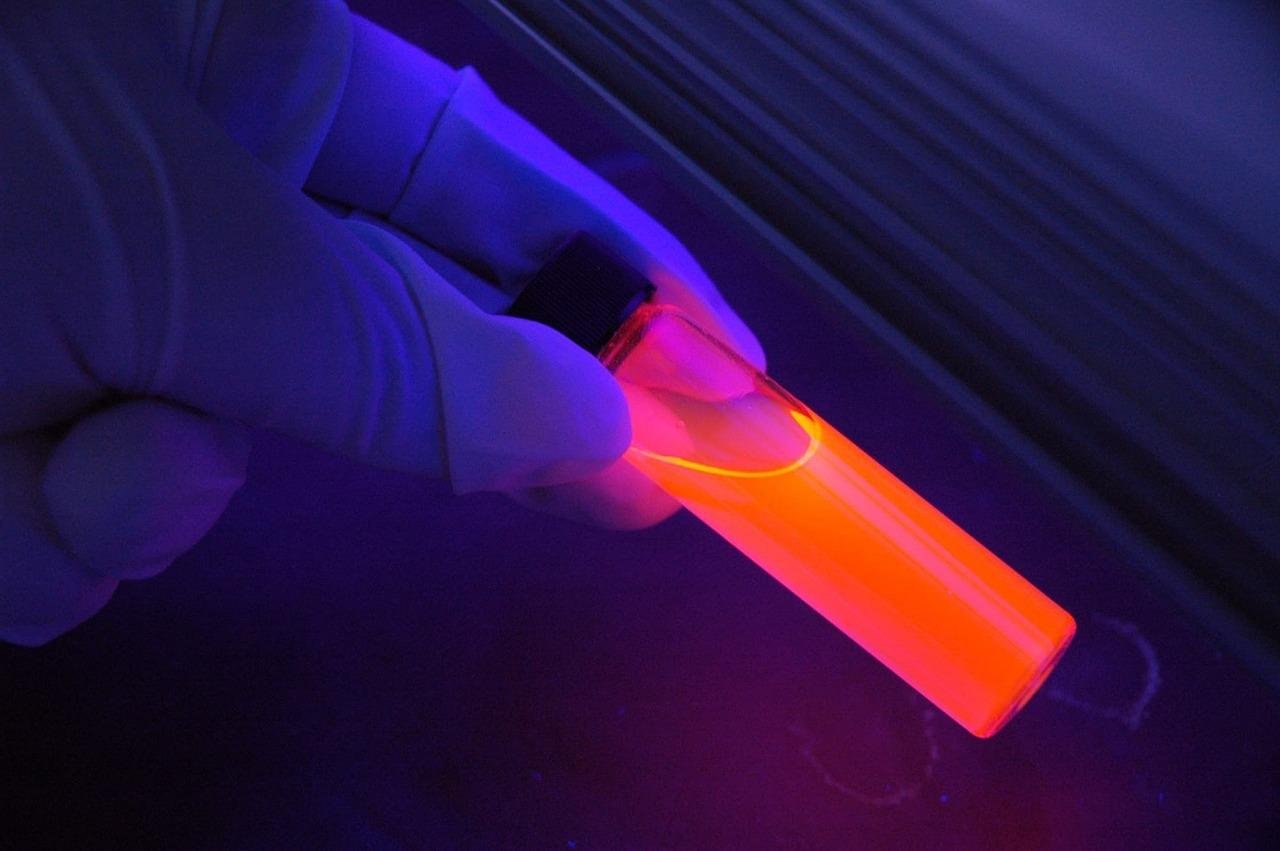
Quartz tube UV transmission photoreactor performance depends on the type of quartz used. The manufacturing method, OH content, and purity grade all play a role in how much UV light passes through the tube. These factors directly affect the efficiency and outcome of UV-driven chemical reactions.
OH Content Absorption Mechanisms in UV Spectrum
OH content in quartz tubes changes how much UV light can pass through. Hydroxyl groups inside the quartz absorb UV light, especially in the UV-C range, which reduces the amount of energy reaching the reaction zone. When the OH content is high, the absorption bands become stronger and extend further into the UV spectrum, causing a significant drop in transmission.
For example, electrically fused quartz with less than 30 ppm OH content can achieve over 90% transmission at 254 nm through a 10 mm wall, while flame-fused quartz with 150-200 ppm OH content only allows 65-75% transmission at the same wavelength and thickness. This difference means that photoreactors using high-OH quartz tubes may need more energy to achieve the same reaction rates, increasing operational costs and reducing efficiency. Lower OH content leads to higher UV transmission, which improves the performance of the quartz tube UV transmission photoreactor.
Key points to remember about OH content and UV absorption:
Low OH content (<30 ppm) allows >90% UV transmission at 254 nm
High OH content (150-200 ppm) reduces transmission to 65-75%
Lower OH content improves photoreactor efficiency and reduces energy use
Metallic Impurity Effects on UV-Visible Transmission
Metallic impurities in quartz tubes also affect UV-visible transmission. Elements like iron, aluminum, and titanium create absorption bands that block UV light, especially at shorter wavelengths. These impurities can limit the effectiveness of a quartz tube UV transmission photoreactor by reducing the amount of usable UV light.
For instance, UV grade synthetic fused silica with low metallic impurity content maintains about 50% transmittance at 170 nm, while infrared grade fused quartz with higher impurities restricts UV transmittance to about 250 nm. This means that even small amounts of metallic impurities can shift the transmission cutoff to longer wavelengths, making the tube less suitable for deep-UV applications. High-purity quartz with minimal metallic content ensures better UV transmission and more reliable photochemical reactions.
Quartz Type | UV Transmission Rate | Purity Grade |
|---|---|---|
Low OH-content quartz | >70% at 233.7 nm | High |
High-grade quartz (UVA, UVB) | 90%-94% | Very High |
High-grade quartz (UVC) | 85%-90% | Very High |
ISO 9050 Optical Transmission Testing Methodology
Testing the optical transmission of quartz tubes ensures that they meet the required standards for UV applications. The ISO 9050 standard provides a reliable method for measuring how much UV light passes through a quartz tube. This method helps engineers compare different tubes and select the best one for their photoreactor.
ISO 9050 uses spectrophotometric analysis to measure transmission at specific wavelengths, such as 254 nm for germicidal UV applications. By following this standard, manufacturers can certify that their quartz tubes meet strict transmission requirements, which is essential for consistent photoreactor performance. Accurate testing and certification help prevent unexpected losses in UV transmission that could impact chemical reaction outcomes.
Summary of ISO 9050 testing methodology:
Measures UV transmission at defined wavelengths
Ensures quartz tubes meet application-specific standards
Supports reliable selection for photoreactor projects
What Transmission Specifications Are Critical for Different UV Wavelength Ranges?
Selecting the right transmission specifications for quartz tubes is essential for efficient UV chemical reactions. Each UV wavelength range—UV-C, UV-B, and deep-UV—requires different transmission levels to ensure the desired reaction occurs. Engineers must also consider how wall thickness and uniformity affect light delivery and reactor performance.
Wavelength-Dependent Absorption in Fused Silica
Wavelength-dependent absorption in fused silica determines how much UV light reaches the reaction zone.
UV grade fused silica offers high transmittance in the UV spectrum, but transmission dips can occur due to hydroxyl ion impurities, especially at certain wavelengths. Reducing these impurities through advanced manufacturing improves UV transmission, which is vital for chemical reactions that rely on specific UV wavelengths.
Engineers must also minimize metallic impurities and ensure the material resists solarization to maintain effective UV transmission.
The following table summarizes how different glass types perform across UV wavelength ranges:
Glass Type | UV-C Transmission | UV-B Transmission | Deep-UV Transmission |
|---|---|---|---|
8337B | High | N/A | High |
RayVolution® D 99 | High | N/A | Highest |
SCHOTT 8347 | High | N/A | N/A |
Wall Thickness Optimization for Transmission vs. Structural Strength
Wall thickness plays a critical role in balancing UV transmission and structural strength.
Thicker quartz walls provide greater mechanical stability but reduce the amount of UV light that passes through, especially at shorter wavelengths. Each additional millimeter of wall thickness can decrease 254 nm transmission by 2-4%, so engineers often choose thin-wall designs (1-2 mm) when maximum photon delivery is needed and structural demands allow.
Optimizing wall thickness ensures the quartz tube UV transmission photoreactor delivers enough UV energy for efficient reactions while maintaining safety and durability.
Key considerations for wall thickness optimization include:
Thicker walls increase strength but lower UV transmission
Thin walls (1-2 mm) maximize photon delivery for UV-C and deep-UV applications
Every extra millimeter can reduce 254 nm transmission by up to 4%
Transmission Uniformity Requirements for Photoreactor Scale-Up
Transmission uniformity becomes increasingly important when scaling up photoreactor designs.
Uniform UV transmission ensures that all parts of the reactor receive the same amount of light, which leads to consistent chemical reactions and product quality. Engineers use baffles or fluidic dampers to help distribute flow and light evenly, especially at high flow rates, and may scale up by increasing the number of channels or enlarging microchannel dimensions.
Proper distribution of flow and light is essential for reliable operation in large-scale systems.
The table below highlights the main requirements for transmission uniformity in scaled-up reactors:
Requirement | Impact on Scale-Up |
|---|---|
Uniform light and flow distribution | Ensures consistent reaction conditions |
Use of baffles/fluidic dampers | Achieves even flow at high rates |
Scaling out (more channels) or up (larger) | Maintains uniformity as size increases |
How Does Surface Condition Affect Long-Term UV Transmission Performance?
Surface condition plays a critical role in the long-term performance of quartz tubes in UV photochemical reactors. Over time, fouling, inorganic deposits, and solarization can significantly reduce UV transmission, impacting reactor efficiency and product quality. Understanding these mechanisms and implementing effective maintenance strategies helps engineers sustain optimal reactor operation.
Organic Fouling Mechanisms in UV Photochemical Service
Organic fouling often develops on quartz tube surfaces during UV photochemical processes.
Researchers have observed that fouling reduces optical transmission through quartz jackets, as measured by in situ UV intensity monitoring. Fouling typically follows a zero-order process after an induction period, with organic materials loosely adhering to the quartz surface, especially when lamps are off. Impaction of preexisting particles can also create uneven fouling patterns, leading to localized drops in UV intensity.
Fouling can cause substantial reductions in local UV intensity within the irradiated zone over periods ranging from 1 to 28 days, depending on water quality and operating conditions.
Key points to remember about organic fouling include:
Fouling reduces UV transmission over days to weeks
Organic materials accumulate faster when lamps are off
Heterogeneous fouling leads to uneven UV exposure
Solarization Resistance and Color Center Formation
Solarization refers to the gradual formation of color centers in quartz due to prolonged UV exposure.
High-intensity UV light can create oxygen-deficient defect sites within the quartz, which absorb both UV and visible light. Standard purity quartz may lose 5-10% transmission after 1,000 hours of high-power UV exposure, while high-purity grades show better resistance due to fewer defects.
Solarization leads to permanent transmission loss, which can impact the efficiency of UV-driven chemical reactions.
The table below summarizes the effects of solarization on different quartz grades:
Quartz Grade | UV Exposure (hours) | Transmission Loss (%) | Solarization Resistance |
|---|---|---|---|
Standard Purity | >1,000 | 5-10 | Moderate |
High Purity (99.999%) | >1,000 | <5 | High |
Cleaning Protocol Development for Transmission Maintenance
Regular cleaning protocols help maintain high UV transmission in quartz tube UV transmission photoreactor systems.
Weekly chemical cleaning, such as dilute acid washes followed by deionized water rinses, has proven effective in retaining over 85% of initial transmission after 5,000 operating hours. Installations that clean less frequently, such as monthly, often see transmission retention drop to 65-70%.
Transmission monitoring with UV sensors can trigger cleaning when transmission falls 10% below baseline, ensuring timely maintenance.
To summarize best practices for cleaning and maintenance:
Weekly cleaning maintains >85% transmission
Transmission sensors enable proactive maintenance
Proper cleaning extends tube service life
What Advanced Quartz Tube Designs Optimize UV Photoreactor Performance?

Modern UV photoreactor designs use advanced quartz tube configurations to improve light delivery, cooling, and irradiation uniformity. Engineers select these designs to match the needs of different chemical reactions and reactor scales. Each configuration offers unique benefits for optimizing the performance of a quartz tube UV transmission photoreactor.
Double-Wall Annular Tube Design for High-Power UV Applications
Double-wall annular tubes help manage high-power UV applications by separating the lamp and reaction zones.
The inner tube, often with a thin wall, houses the UV lamp and maximizes light transmission, while the outer tube contains the reactants and provides structural support. The space between the two tubes allows for efficient cooling fluid circulation, which removes excess heat generated by the UV lamp and maintains stable reaction temperatures.
This design enables precise temperature control, keeping the reaction zone within ±2°C, and supports high UV transmission rates above 88% through the thin inner wall.
A summary of the double-wall annular tube design features appears below:
Thin inner wall maximizes UV transmission
Cooling fluid in the annular space removes heat
Stable temperature control improves reaction consistency
Spiral Geometry Impact on Photochemical Conversion Efficiency
Spiral geometry in quartz tubes increases the efficiency of photochemical reactions.
By extending the path length and enhancing radial exposure, spiral tubes ensure that reactants receive more uniform and prolonged UV irradiation. Studies show that an optimized spiral photocatalytic reactor achieves 100% degradation efficiency for acetaldehyde, outperforming conventional reactors of the same size.
This improvement results from better mixing and more even light distribution, which boosts the overall conversion rate.
The following table highlights the impact of spiral geometry on reactor performance:
Design | Conversion Efficiency | Key Benefit |
|---|---|---|
Conventional Tube | Lower | Limited light exposure |
Spiral Tube | 100% (acetaldehyde) | Enhanced mixing and irradiation |
Surface Texturing Effects on Volumetric UV Distribution
Surface texturing on quartz tubes changes how UV light spreads through the reactor.
Textured surfaces scatter incoming UV light, creating a more uniform volumetric distribution and reducing shadowed areas within the reaction zone. This approach can improve irradiation uniformity by 35-50%, although it may lower total transmission by 10-20% due to increased scattering losses.
Engineers often use surface texturing for slow photochemical reactions, where uniform exposure is more important than maximum photon flux.
Key points about surface texturing include:
Improves volumetric UV distribution by up to 50%
Reduces total transmission by up to 20%
Best suited for slow, uniform photochemical processes
How Should Chemical Engineers Specify UV-Grade Quartz Tubes for Photoreactor Projects?
Chemical engineers must select UV-grade quartz tubes with precision to ensure optimal performance in photoreactor systems. The right specifications help maintain high transmission, structural integrity, and thermal stability during UV chemical reactions. Engineers rely on certification, material properties, and quality assurance to achieve reliable results.
Spectrophotometric Certification Requirements for UV-Grade Tubes
Spectrophotometric certification verifies that quartz tubes meet strict transmission standards for UV applications. Engineers request certification at specific wavelengths, such as 254 nm, to confirm that the tube allows enough UV light to pass through for efficient reactions. Manufacturers use spectrophotometric analysis to measure transmission at intervals across the operating range, ensuring no hidden absorption features affect performance.
Certification also includes documentation of base material purity, refractive index, and resistance to radiation and corrosion. Engineers review these reports to match tube properties with process requirements, such as continuous use at high temperatures or exposure to acids. Incoming inspection with transmission measurements establishes a baseline for ongoing quality control.
The following table highlights key specification parameters and their importance:
Specification Parameter | Value/Description |
|---|---|
Transmittance | ≥90% (visible), ≥85% (infrared) |
Base Material | High-purity synthetic quartz (SiO₂ ≥ 99.99%) |
Radiation Stability | Withstands γ-ray and X-ray exposure |
Corrosion Resistance | Resistant to acids (except HF) |
Balancing Transmission, Structural, and Thermal Management Requirements
Engineers balance transmission, structural, and thermal management requirements when specifying quartz tubes for UV reactors. High optical transmission ensures that the quartz tube UV transmission photoreactor delivers enough energy for chemical reactions, while wall thickness and bubble density affect mechanical strength and defect risk. Thermal shock resilience and OH⁻ concentration play a role in maintaining tube performance under temperature changes.
Selecting the right wall thickness helps prevent breakage during pressure fluctuations and thermal cycling. Engineers also consider thermal expansion rates and material purity to avoid long-term degradation. Data from industry studies show that tubes with optimized wall thickness and low bubble density maintain stable transmission and structural integrity over thousands of operating hours.
To summarize the balancing process, consider these key points:
High transmission maximizes reaction efficiency
Wall thickness and bubble density ensure structural safety
Thermal shock resilience supports long-term reliability
Parameter | Importance in Balancing Requirements |
|---|---|
Optical Transmission | Ensures clarity and performance in thermal and optical systems |
Wall Thickness | Affects structural integrity and thermal management |
Thermal Shock Resilience | Critical for maintaining performance under temperature changes |
OH⁻ Concentration | Influences thermal shock resistance and overall quality |
Bubble Density | Affects structural integrity and potential defects |
Selecting the right quartz tube for UV chemical reactions depends on optical transmission requirements. Engineers achieve better results when they choose tubes that match the UV wavelength and maintain high purity. Certified quartz tubes offer strong UV transmittance, heat resistance, and chemical stability, which improve the performance of a quartz tube UV transmission photoreactor.
Quartz transmits UV light better than plastic or regular glass.
High-purity quartz remains transparent down to 190 nm and resists most chemicals.
Certified quartz tubes allow over 90% UV permeability and withstand high temperatures.
Using technical standards and certification ensures reliable reactor operation and consistent chemical outcomes.
FAQ
Why do engineers prefer low-OH quartz tubes for UV-C applications?
Low-OH quartz tubes allow over 90% of UV-C light at 254 nm to pass through. This high transmission increases reaction efficiency and reduces energy use in photoreactors.
Why does wall thickness affect UV transmission in quartz tubes?
Thicker quartz walls block more UV light. Each extra millimeter can lower 254 nm transmission by up to 4%. Engineers choose thin walls when they need maximum UV delivery.
Why is regular cleaning important for quartz tube performance?
Organic and inorganic fouling can reduce UV transmission by 8-20% over time. Regular cleaning helps maintain high transmission, which keeps photoreactor efficiency stable.
Why should engineers request spectrophotometric certification for quartz tubes?
Spectrophotometric certification confirms that each tube meets strict UV transmission standards. This ensures reliable reactor performance and prevents unexpected losses in chemical yield.
Why do metallic impurities lower UV transmission in quartz tubes?
Metallic impurities, such as iron or titanium, create absorption bands in the UV range. Even small amounts can reduce transmission by 10-25%, making the tube less effective for UV-driven reactions.