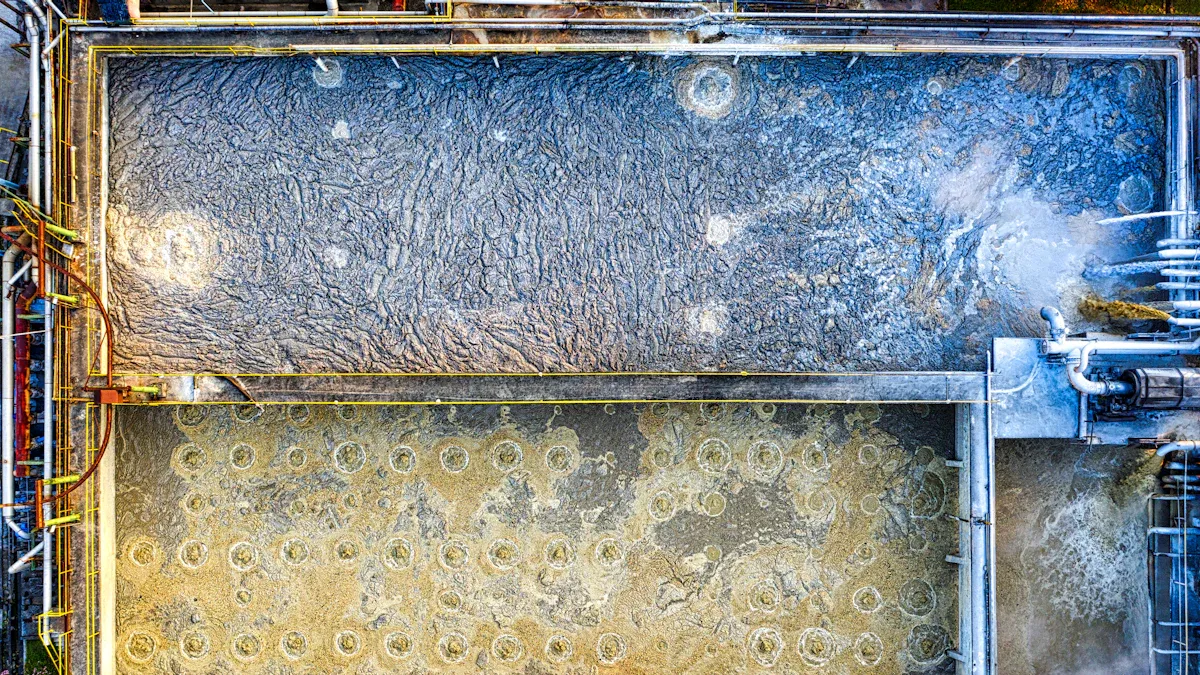
Quartz tubes chemical resistance outperforms metals and ceramics in demanding chemical processing environments. Their amorphous structure and high purity shield against most acids and alkalis, preserving equipment and product quality. Engineers rely on quartz tubes for processes involving hydrochloric, sulfuric, and nitric acids, while noting the need for proper specification when facing hydrofluoric acid. The table below highlights how quartz tubes respond to common corrosive chemicals:
Acid/Alkali | Resistance Status |
|---|---|
Hydrochloric Acid (HCl) | Resistant |
Sulfuric Acid (H₂SO₄) | Resistant |
Nitric Acid (HNO₃) | Resistant |
Hydrofluoric Acid (HF) | Not Resistant |
Industry standards and material certification ensure reliable performance in harsh conditions.
Key Takeaways
Quartz tubes resist most acids and alkalis, making them ideal for harsh chemical processing environments.
Their unique amorphous structure prevents chemical attack, outperforming metals and ceramics in durability.
High purity quartz tubes ensure minimal contamination and longer service life, especially in alkaline conditions.
Engineers must specify parameters like purity and wall thickness to ensure optimal performance in chemical reactors.
Certification and rigorous testing validate quartz tube quality, ensuring reliability and safety in critical applications.
Why Does Quartz Glass Resist Most Acids and Alkalis in Chemical Processing?
Quartz glass stands out in chemical processing because it resists most acids and alkalis far better than metals or ceramics. This resistance comes from its unique structure and high purity, which prevent chemical attack even under harsh conditions. Engineers choose quartz tubes for demanding environments where long service life and product purity matter most.
Understanding the Amorphous Structure That Prevents Chemical Attack
The amorphous structure of quartz glass blocks corrosive chemicals from penetrating its surface. Unlike metals or ceramics, quartz glass has a continuous network of silicon and oxygen atoms with no grain boundaries, which stops acids and alkalis from finding weak spots. This structure gives quartz tubes chemical resistance that outperforms stainless steel by 150 times and ceramics by 30 times, making them ideal for reactors and distillation columns.
Quartz glass contains more than 99.98% pure SiO₂, as verified by ISO 12123 standards, which means very few impurities can trigger corrosion. The non-porous nature of quartz prevents molecular penetration, so even after 1000 hours in 5% sodium hydroxide at 95°C, weight loss remains below 0.01 mg/cm² according to ISO 695 testing. This low weight loss translates to multi-year service life, even in continuous acid or base exposure.
Quartz tubes chemical resistance depends on this amorphous, high-purity structure, which keeps equipment safe and reliable in aggressive chemical environments.
Key points to remember about the amorphous structure:
No grain boundaries or pores for chemicals to attack
High purity SiO₂ blocks impurity-driven corrosion
Outperforms metals and ceramics in long-term chemical resistance
Hydrolytic Resistance Classification and ISO 720 Performance Data
Hydrolytic resistance measures how well quartz glass withstands attack from water and steam. Quartz glass achieves the highest possible rating, Class HGA 1, under ISO 720 testing, which sets it apart from other glass types. This classification means quartz tubes maintain their integrity even in high-humidity or steam-rich environments.
ISO 720 testing involves exposing glass to 121°C steam for 60 minutes and measuring the amount of alkali extracted. Quartz glass consistently shows less than 10 µg Na₂O per gram of glass, which confirms its superior hydrolytic resistance. Other glass types do not reach this level of performance, making quartz the preferred choice for processes where water purity and equipment longevity are critical.
The following table highlights the hydrolytic resistance classification:
Glass Type | Hydrolytic Resistance (ISO 720) |
|---|---|
Quartz Glass | Class HGA 1 |
Other Glasses | N/A |
Quartz tubes chemical resistance ensures that even in steam or hot water, the material remains stable and does not leach contaminants into the process.
Temperature-Dependent Corrosion Mechanisms in Quartz Glass
Temperature plays a major role in how quartz glass resists corrosion during chemical processing. Quartz glass maintains its structure and chemical resistance at temperatures up to 1200°C, while conventional glass softens and loses integrity at much lower temperatures. This high-temperature stability allows quartz tubes to perform reliably in reactors, furnaces, and other demanding applications.
As temperature increases, the behavior of quartz glass changes in unique ways. For example, the rate of slow crack growth in fused silica actually decreases with rising temperature at constant water vapor pressure, which means the material becomes more resistant to crack propagation under stress. This property helps quartz tubes last longer in environments where both heat and chemicals challenge equipment durability.
The table below compares key properties of quartz glass and conventional glass at high temperatures:
Property | High-Temperature Quartz Glass | Conventional Glass |
|---|---|---|
Softening Point | Up to 1200°C | 500–650°C |
Structural Integrity | Maintains under extreme conditions | Softens and warps |
Chemical Resistance | High | Low |
Application Suitability | Semiconductor, Aerospace | General Use |
Quartz tubes chemical resistance, combined with their ability to withstand extreme heat, makes them essential for advanced chemical processing systems.
What Are the Specific Limitations of Quartz Tube Chemical Resistance?
Quartz tubes offer outstanding chemical resistance, but certain chemicals and conditions can compromise their durability. Engineers must understand these limitations to select the right materials for aggressive processing environments. The following sections explain how hydrofluoric acid, high-temperature alkalis, and concentrated phosphoric acid interact with quartz tubes.
Hydrofluoric Acid Attack Mechanism and Corrosion Rate Data
Hydrofluoric acid presents a unique challenge for quartz tubes. Even at low concentrations and room temperature, HF dissolves quartz by breaking the silicon-oxygen bonds, forming volatile silicon tetrafluoride gas. This reaction leads to rapid etching and corrosion, which can cause equipment failure if not properly managed.
Corrosion rates for quartz tubes exposed to HF range from 0.1 to 1.0 mm per hour, depending on acid concentration and temperature. Engineers often observe visible surface damage and thinning of tube walls after short exposure periods. In chemical processing, this means HF must be strictly isolated from quartz components to prevent catastrophic damage.
The following table summarizes the effects of key chemicals on quartz tubes:
Chemical | Effect on Quartz Tubes |
|---|---|
Hydrofluoric acid (HF) | Dissolves quartz, etches and corrodes even at low concentrations |
Hot concentrated phosphoric acid (H₃PO₄) | Attacks and damages surface above 150 °C |
Strong alkalis (NaOH, KOH) | Good resistance at room temperature; etches surface at high temperatures |
High-Temperature Alkaline Devitrification Thresholds
Strong alkalis such as sodium hydroxide and potassium hydroxide interact with quartz tubes differently at elevated temperatures. At room temperature, quartz resists these bases well, but above 1000 °C, devitrification can begin. This process transforms the amorphous silica into crystalline beta-cristobalite, which weakens the tube and shortens its service life.
Surface contamination from alkali elements accelerates devitrification, especially during thermal cycling through the inversion temperature range near 250 °C. Engineers notice spalling and mechanical failure when quartz tubes experience repeated heating and cooling. Heating fused quartz to 2000 °C can cause dissociation or sublimation, leading to haze or smoke and further structural changes.
Key points to remember about alkaline devitrification:
Devitrification starts near 1000 °C and worsens with alkali contamination
Phase transformation to beta-cristobalite compromises tube strength
Thermal cycling increases risk of spalling and mechanical failure
Phosphoric Acid Concentration and Temperature Interaction Effects
Phosphoric acid affects quartz tubes based on both concentration and temperature. At room temperature, quartz tubes show minimal reaction to phosphoric acid, maintaining their chemical resistance. When temperatures exceed 150 °C and acid concentration rises above 85%, corrosion begins to damage the quartz surface.
This interaction demonstrates the importance of controlling both process temperature and acid concentration. Engineers must monitor these variables to prevent unexpected tube degradation in reactors or distillation columns. Selecting alternative materials for high-temperature, high-concentration phosphoric acid environments ensures long-term equipment reliability.
Condition | Quartz Tube Response |
|---|---|
Room temperature, low concentration | Minimal impact, maintains resistance |
>150 °C, high concentration (>85%) | Corrosion and surface damage observed |
How Does Purity Grade Affect Chemical Resistance in Industrial Applications?
Purity grade plays a critical role in determining how quartz tubes perform in harsh chemical environments. Higher purity means fewer impurities that can trigger corrosion or reduce service life. Industrial users must understand these differences to select the right quartz tubes for their specific applications.
Metallic Impurity Effects on Alkali-Catalyzed Devitrification
Metallic impurities such as aluminum, iron, and titanium can significantly impact the durability of quartz tubes in alkaline environments. Even small amounts of these metals act as catalysts, increasing the risk of devitrification when exposed to strong bases at high temperatures. This process transforms the amorphous silica structure into crystalline forms, which weakens the tube and shortens its lifespan.
ASTM C225 testing shows that each 0.01% increase in metallic impurities can reduce service life by 8-15% in alkali-rich conditions. Industrial applications that require long-term exposure to caustic solutions benefit from quartz tubes with the highest possible purity. By minimizing metallic content, manufacturers help ensure that the tubes maintain their structural integrity and resist chemical attack.
Key points to remember about metallic impurities:
Metallic impurities accelerate devitrification in alkali environments.
Higher purity quartz tubes last longer and resist chemical changes.
ASTM C225 testing helps verify impurity levels and predict service life.
OH Content Impact on Hydrolytic Resistance Performance
The hydroxyl (OH) content in quartz tubes affects how well they resist attack from water and steam. Lower OH content, typically found in electrically fused quartz, leads to better hydrolytic resistance. This means the tubes are less likely to leach contaminants or degrade when exposed to hot water or steam.
ISO 719 and ISO 720 tests measure hydrolytic resistance by evaluating how much alkali is extracted from the glass under controlled conditions. Quartz tubes with less than 30 ppm OH content consistently show superior performance, with minimal alkali extraction and longer service life. High OH content, often present in flame-fused quartz, can increase the risk of surface degradation in humid or high-temperature environments.
OH Content | Hydrolytic Resistance | Service Life in Steam/Water |
|---|---|---|
<30 ppm (Low) | Excellent | Extended |
150–200 ppm (High) | Moderate | Reduced |
This table highlights the direct relationship between OH content and hydrolytic durability, guiding engineers in material selection for moisture-prone processes.
Transparent vs. Opaque Quartz Chemical Durability Comparison
Transparent and opaque quartz tubes differ in their chemical durability due to their internal structure. Transparent quartz contains fewer bubbles and voids, which reduces the surface area exposed to corrosive chemicals. Opaque quartz, with more internal voids, can allow chemicals to penetrate deeper, increasing the risk of attack.
Testing shows that transparent quartz tubes offer up to 40% better chemical durability than opaque grades. This advantage becomes especially important in processes where purity and long-term stability are critical. Engineers often choose transparent quartz for applications that demand the highest resistance to acids, alkalis, and thermal cycling.
Summary of key differences:
Transparent quartz: Fewer voids, higher chemical durability, preferred for critical applications.
Opaque quartz: More voids, increased risk of chemical attack, suitable for less demanding environments.
Selecting the right type of quartz ensures optimal performance and extends equipment life, especially where quartz tubes chemical resistance is essential.
What Quality Standards Validate High-Purity Quartz Tube Performance for Chemical Processing?
High-purity quartz tubes must meet strict quality standards to ensure reliable performance in chemical processing. These standards help engineers compare products and select materials that resist corrosion and maintain purity. Understanding the main testing protocols and certification practices is essential for anyone specifying quartz tubes for harsh environments.
ISO 695 Alkali Resistance Testing Protocol and Classification Criteria
ISO 695 sets the benchmark for evaluating how well quartz tubes resist alkali attack. The protocol requires boiling glass samples in a solution of sodium carbonate and sodium hydroxide for three hours. After testing, engineers measure the weight change to classify the glass as A1, A2, or A3, with A1 showing the least weight loss and the highest resistance.
Most high-purity quartz tubes achieve the A1 classification, which means they lose very little weight during the test. This result demonstrates strong resistance to alkali corrosion, making these tubes suitable for demanding chemical processes. The classification system allows engineers to compare different materials and select the best option for their application.
Key points about ISO 695:
Boiling in alkali solution for 3 hours
Classification based on weight loss: A1 (best), A2, A3
A1 quartz tubes offer top-level alkali resistance
This protocol gives a clear, data-driven way to judge quartz tubes chemical resistance in real-world conditions.
ASTM C225 Acid Durability Requirements for Chemical Service
ASTM C225 provides a standard method for testing the acid durability of glass used in chemical service. The test exposes glass samples to strong acids and measures the amount of material lost over time. Lower weight loss means better acid resistance and longer service life in harsh environments.
Engineers rely on ASTM C225 results to ensure that quartz tubes can withstand continuous exposure to acids like sulfuric or nitric acid. The standard helps manufacturers prove that their products meet industry expectations for durability. Data from these tests often guide purchasing decisions for critical process equipment.
Test Standard | Test Focus | Performance Indicator | Application |
|---|---|---|---|
ASTM C225 | Acid durability | Weight loss (mg/cm²) | Chemical reactors, pipelines |
This table highlights how ASTM C225 links test results to real-world chemical processing needs.
Third-Party Certification vs. Supplier Self-Reported Data
Certification plays a vital role in verifying the quality of quartz tubes. Third-party certification involves independent labs testing the tubes and confirming that they meet all relevant standards. This process ensures that the data is accurate and unbiased.
Supplier self-reported data may not always reflect true performance, especially for critical applications. Engineers often require third-party certificates to guarantee traceability and compliance with ISO and ASTM standards. This approach reduces risk and builds confidence in the material selection process.
Summary of certification best practices:
Third-party certification ensures unbiased, accurate results
Traceability supports quality control and regulatory compliance
Engineers should prioritize certified products for critical use
Choosing certified quartz tubes helps maintain safety, reliability, and long-term performance in chemical processing.
How Should Engineers Specify Chemical-Resistant Quartz Tubes for Process Equipment?
Engineers must carefully define their requirements when selecting quartz tubes for chemical reactors and process equipment. The right specifications help ensure long-term performance, safety, and compliance with industry standards. Understanding which parameters and documentation to request can make a significant difference in equipment reliability.
Critical Specification Parameters for Chemical Reactor Tube Selection
Engineers consider several critical parameters when choosing quartz tubes for chemical processing. Purity, wall thickness, and OH content each play a vital role in determining how well the tubes perform under harsh conditions. High-purity quartz, with at least 99.995% SiO₂, provides excellent chemical resistance and stability at elevated temperatures.
Wall thickness affects both thermal cycling and pressure resistance. Thinner walls, typically between 2.5 and 3.5 mm, allow for better thermal shock performance, while thicker walls, ranging from 5 to 6.5 mm, offer greater strength for high-pressure applications. Low OH content is essential for maintaining chemical integrity, especially in high-temperature or moisture-rich environments.
Key specification parameters to consider include:
Purity (≥99.995% SiO₂) for maximum chemical resistance
Wall thickness tailored to process needs (2.5–6.5 mm)
Low OH content for improved durability
Dimensional tolerances and surface finish for precise fit and function
A well-defined specification ensures that quartz tubes meet the demands of the process and maintain their performance over time.
Material Certification Requirements and Testing Standards
Material certification and adherence to recognized testing standards provide confidence in the quality and suitability of quartz tubes. Certification confirms the chemical composition and verifies that the tubes meet strict purity and performance requirements. Batch-specific certificates and OH content analysis help reduce the risk of contamination and signal loss.
Industry standards such as ASTM E1479 and ASTM C162 set benchmarks for purity and thermal stability. For example, ASTM E1479 requires SiO₂ purity of at least 99.99%, while ASTM C162 ensures dimensional stability at continuous operating temperatures up to 1200°C. ASTM C1525 evaluates thermal shock resistance, confirming that the tubes can withstand rapid temperature changes without cracking.
Requirement | Cause | Effect |
|---|---|---|
Material Certification | Confirms chemical composition | Ensures suitability for application |
OH Content Analysis | Prevents absorption and signal loss | Maintains optical performance |
Batch-Specific Purity Certificates | Verifies impurity levels | Reduces risk of contamination |
Process Documentation | Details manufacturing protocols | Supports repeatable quality |
Proper certification and testing protect process integrity and support regulatory compliance.
Cleaning Protocols and Documentation to Maintain Chemical Resistance
Cleaning protocols and documentation practices play a crucial role in preserving quartz tubes chemical resistance. Approved cleaning chemicals, structured processes, and thorough rinsing with deionized water help prevent surface contamination. Quality assurance protocols and regular surface inspections verify that cleaning is effective and that the tubes remain free from residues.
Maintaining detailed cleaning logs and batch records supports traceability and helps identify any issues that may arise during operation. Documentation of quality assurance reports and contamination testing provides evidence of compliance and supports audits. These practices ensure that quartz tubes continue to deliver reliable performance in demanding chemical environments.
Cleaning Protocols | Documentation Practices |
|---|---|
Use approved chemicals for cleaning | Maintain detailed cleaning logs |
Rinse with deionized water and dry with filtered air | Keep batch records for traceability |
Implement quality assurance protocols | Document QA reports to support audits |
Conduct surface inspections to ensure cleanliness | Verify cleaning effectiveness through testing |
By following these protocols and maintaining accurate records, engineers help extend the service life of quartz tubes and protect process quality.
Quartz tubes chemical resistance makes them indispensable in corrosive processing environments. Industry studies show that quartz tubes resist most acids and alkalis, maintain stability at high temperatures, and minimize contamination risks. Their high purity and compliance with international standards ensure safe chemical storage and transport.
Key reasons for their essential role include:
Outstanding durability in harsh chemical conditions
Reliable performance at extreme temperatures
Certification and rigorous testing for quality assurance
Best Practice | Description |
|---|---|
Rigorous Quality Control | Ensures purity and performance |
Compliance with Standards | Guarantees reliability and safety |
Chemical Compatibility | Matches process requirements |
Engineers achieve long-term safety and cost benefits by specifying certified quartz tubes and validating suppliers.
FAQ
Why do engineers prefer quartz tubes over stainless steel in corrosive environments?
Engineers choose quartz tubes because they resist acids and alkalis much better than stainless steel. Quartz does not corrode or leach metals, which protects both equipment and product purity in harsh chemical processes.
Why is high purity important for quartz tube performance?
High purity quartz contains fewer metallic impurities. This reduces the risk of corrosion and devitrification, especially in alkaline environments. High purity ensures longer service life and better chemical resistance.
Why can’t quartz tubes handle hydrofluoric acid?
Hydrofluoric acid attacks the silicon-oxygen bonds in quartz. This reaction forms volatile silicon tetrafluoride gas, which quickly damages the tube. Engineers avoid using quartz with HF to prevent rapid corrosion.
Why does quartz maintain its strength at high temperatures?
Quartz has a unique amorphous structure. This structure allows it to keep its shape and resist chemical attack even at temperatures up to 1200°C. Most other materials soften or degrade much sooner.
Why do industry standards matter when selecting quartz tubes?
Industry standards like ISO 695 and ASTM C225 verify chemical resistance and purity. Certified tubes meet strict requirements, which helps engineers trust their performance and safety in critical chemical processing applications.