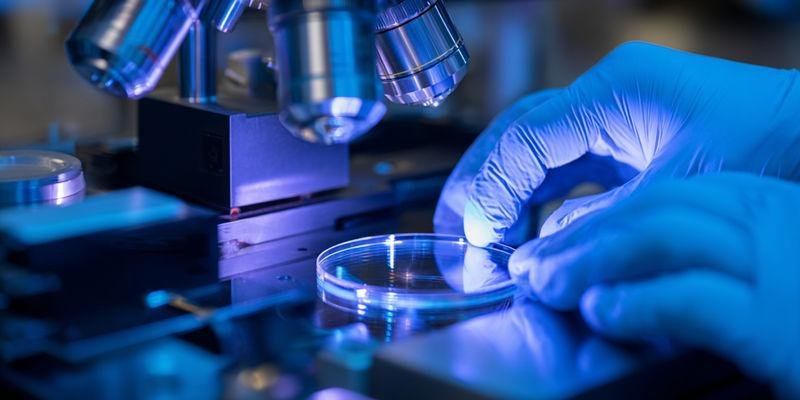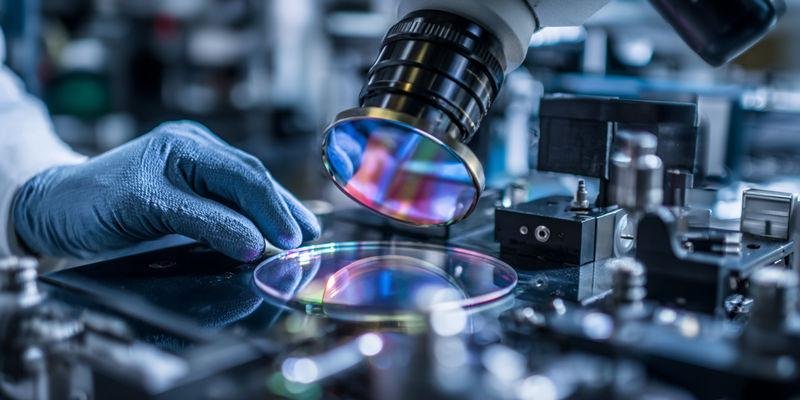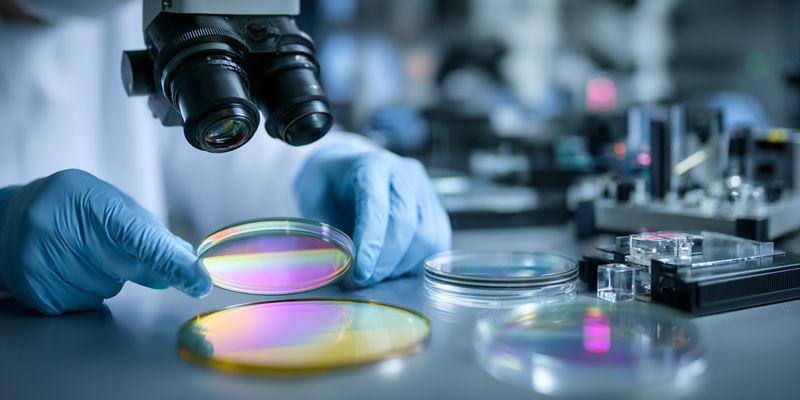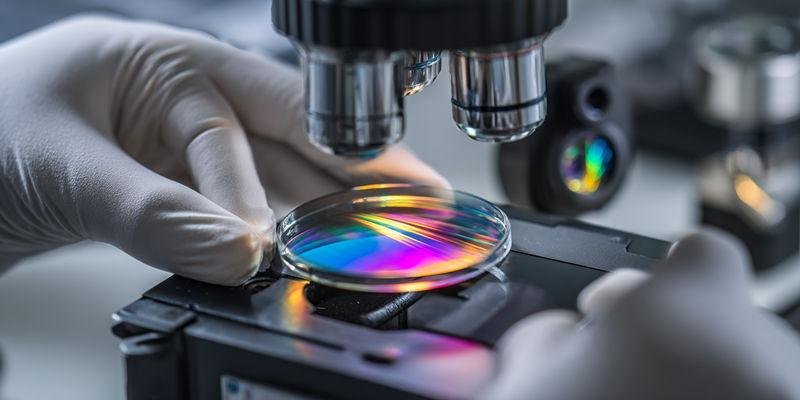

Quartz tube transmission performance factors include surface contamination, UV solarization, high-temperature devitrification, thermal cycling, and chemical attack. Each factor affects the quality and service life of quartz tubing by changing optical properties, purity, and optical clarity. High transmittivity, strong thermal shock resistance, and superior optical performance allow quartz to transmit light efficiently. The table below shows how these factors support long-term reliability and cost-effective operation. Regular inspection and prevention keep optical systems performing at a high level.
Factor | Evidence |
|---|---|
High Transmittivity | The averaged transmittivity of a 5mm thick quartz tube sample in the visible spectrum is 94%. |
Thermal Shock Resistance | The thermal expansion coefficient of the quartz tube is only 5.4×10⁻⁷K−1 (0∼1000°C), providing excellent thermal shock resistance. |
Greenhouse Effect | The quartz tube acts as a radiative insulator due to the greenhouse effect, enhancing thermal insulation. |
Gravity-Driven Design | The driven force of the SPSR is gravity, greatly simplifying the system configuration. |
Controlled Flow Pattern | The flow pattern of solid particles in the quartz tube is a kind of plug flow, optimizing heat transfer. |
Key Takeaways
Surface contamination can reduce light transmission by up to 30%. Regular cleaning and proper handling prevent this loss.
UV solarization creates defects in quartz that degrade optical performance. Monitoring UV exposure and using doping strategies can help maintain quality.
High-temperature devitrification transforms quartz into crystalline forms, harming performance. Operators should monitor temperature and contamination levels to prevent this.
Thermal cycling can cause micro-cracks in quartz tubing. Regular inspections and controlled heating can enhance thermal stability.
Chemical attacks from substances like hydrofluoric acid can permanently damage quartz. Using protective coatings and following strict cleaning protocols can extend service life.
How Does Surface Contamination Reduce Quartz Tube Transmission?
Surface contamination stands as the most common threat to quartz tube performance. Oils, particulates, and residues can reduce light transmission by 5-30%, often without damaging the fused silica glass itself. Cleaning and prevention restore optical clarity and maintain the quality of high-purity quartz tubing.
Fingerprint Oil Contamination Mechanisms and Prevention Protocols
Fingerprint oils contain sodium and potassium salts that form thin films on quartz tubing. These films scatter light, causing up to 18% loss in UV transmission and 8% in visible wavelengths. The effect grows more severe in high-purity fused silica, where even small amounts of contamination disrupt optical properties.
Operators can prevent fingerprint contamination by wearing powder-free gloves and cleaning tubes before installation. Using isopropanol and lint-free wipes removes most residues, while acetone eliminates stubborn oils. Regular training and strict handling protocols protect the purity and performance of quartz tubing.
Key Takeaways:
Fingerprint oils reduce optical clarity and light transmission.
Gloves and proper cleaning maintain fused silica quality.
Prevention protocols extend the service life of quartz tubes.
Process Vapor Deposition Rates and Cleaning Cycle Optimization
Process vapors deposit metals and chemicals on quartz tubing during operation. These deposits lower optical performance, especially in high-temperature or UV-rich environments. For example, UV lamp envelopes can lose 10-25% transmission over 2,000-5,000 hours due to metal vapor buildup.
Cleaning cycles should match the contamination rate. Monthly cleaning restores transmission in most optical systems, while quarterly cycles suit moderate environments. Field data from TOQUARTZ shows that 65% of contaminated tubes regain over 95% of original performance after cleaning, saving both material and labor costs.
Contaminant-Specific Cleaning Methods for Transmission Restoration
Different contaminants require specific cleaning methods to restore quartz tube performance. Hydrocarbon oils dissolve in organic solvents like acetone or isopropanol, while silicone residues need stronger solvents or plasma oxidation. Inorganic salts wash away with water or dilute acid, followed by a deionized rinse.
Following ASTM E1438 and ISO 9050 standards ensures safe and effective cleaning. Proper cleaning not only restores optical clarity but also preserves the thermal and optical properties of fused quartz tubing. High-purity fused silica glass regains its original light transmission and quality after targeted cleaning.
How Does UV Solarization Degrade Quartz Tube Transmission?
UV solarization presents a major challenge for quartz tubing in high-intensity light applications. This process causes permanent defects in quartz, especially at wavelengths below 400 nm, leading to a steady decline in optical clarity and light transmission. Understanding the mechanisms and prevention strategies helps maintain the quality and performance of high-purity quartz tube systems.
E' Center and NBOHC Formation Mechanisms in UV-Exposed Quartz
Quartz tubing exposed to strong UV light develops two main types of defects: E' centers and non-bridging oxygen hole centers (NBOHCs). E' centers form when high-energy UV photons break Si-O bonds in fused silica glass, creating oxygen vacancies. NBOHCs arise when the rupture of Si-O bonds leaves behind non-bridging oxygen atoms, both of which disrupt the optical properties of high-purity fused silica.
These defects absorb light in the UV and visible spectrum, causing a drop in uv transmission and overall optical performance. The presence of E' centers and NBOHCs leads to color center formation, which reduces light transmission and optical clarity. High-purity quartz tubing, prized for its purity and quality, becomes more vulnerable to these changes as the number of defects increases.
Key Points:
E' centers and NBOHCs form from broken Si-O bonds in quartz.
These defects absorb UV and visible light, reducing transmission.
Maintaining high-purity fused silica quality requires minimizing defect formation.
Temperature Acceleration Effects on Solarization Kinetics
Temperature plays a critical role in the rate of UV solarization in quartz tubing. As the temperature rises, the formation of E' centers and NBOHCs accelerates, causing faster degradation of optical performance. For example, quartz tubes operating at 800°C degrade up to eight times faster than those at 200°C, shortening their service life.
The relationship between temperature and defect formation follows Arrhenius kinetics, where each 50°C increase can double the rate of solarization. This effect is especially pronounced in high-purity quartz tubing used in UV lamp envelopes and photochemical reactors. Operators must monitor both temperature and exposure time to predict when maintenance or replacement is needed.
Cerium and Fluorine Doping Strategies for Lifetime Extension
Cerium and fluorine doping offer effective ways to extend the operational lifetime of quartz tubing exposed to UV. Cerium-doped quartz blocks harmful UV radiation, reducing the formation of E' centers and NBOHCs. Fluorine strengthens the Si-O bonds in fused quartz, making the material more resistant to UV-induced damage.
These doping strategies help maintain light transmission and optical clarity, even in demanding environments. Cerium-doped quartz tubing, for example, preserves visible light transmission while blocking damaging UV, which is crucial for applications that require both durability and high optical quality. Maintenance schedules should include regular transmission measurements and follow ASTM C1525 and ISO 9001 protocols for quality assurance.
Summary of Doping Benefits:
Cerium and fluorine doping reduce UV-induced defect formation.
Doped quartz tubing maintains optical performance and extends service life.
Regular monitoring ensures continued quality and reliability.
How Does High-Temperature Devitrification Affect Quartz Tube Transmission?
High-temperature devitrification poses a serious risk to quartz tube performance in demanding environments. This process transforms amorphous quartz into crystalline forms, causing severe optical and mechanical degradation. Understanding the factors that drive devitrification helps operators maintain high-purity quartz tubing and prevent costly failures.
Cristobalite Nucleation and Growth: Temperature-Time-Contamination Relationships
Cristobalite forms in quartz tubing when temperature, exposure time, and contamination levels reach critical thresholds. Higher temperature accelerates nucleation and growth, while longer exposure increases the risk of devitrification. Contaminants, especially alkali metals, act as catalysts, making the transformation from fused silica glass to crystalline quartz much faster.
The growth rate of cristobalite depends on environmental conditions. High temperature and low viscosity in quartz promote rapid crystal growth, and the presence of hydroxyl content further enhances devitrification. Operators must monitor both the quartz purity level and the surrounding environment to reduce the risk of performance loss.
Factor | Influence on Cristobalite Nucleation and Growth Rates |
|---|---|
Temperature | |
Exposure Time | Longer exposure time contributes to cristobalite development |
Contamination Levels | Increased contamination promotes nucleation and growth |
Visual Inspection Criteria for Devitrification Detection and Replacement Timing
Visual inspection remains the first line of defense against devitrification in quartz tubing. Operators look for signs such as white haze, milky opacity, or visible crystallization, which indicate the presence of cristobalite. SiO₂ purity of at least 99.99% is essential to prevent these changes and maintain optical clarity.
Routine checks should follow established standards. ISO 7991 and ISO 12123 recommend evaluating optical and thermal properties, wall uniformity, and chemical resistance. Replacement becomes necessary when the tube shows significant performance degradation, microcracks, or fails to meet transmission benchmarks.
Key inspection steps include:
Identify optical and thermal changes using ISO 9050 or ASTM E228.
Verify wall uniformity and purity with SEMI E172 and ICP analysis.
Replace quartz tubing if crystallization or transmission loss exceeds 8% at 350 nm.
Alkali Metal Contamination Sources and HF Acid Cleaning Protocols
Alkali metal contamination often comes from fingerprints, cleaning residues, or furnace atmospheres. These contaminants lower the quartz purity level and trigger devitrification at lower temperatures. Operators must use strict cleaning protocols to remove both organic and inorganic residues from fused quartz tubing.
The recommended cleaning process starts with an alkaline detergent to remove organic matter, followed by an acid detergent for acid-labile residues. A final rinse with deionized water ensures no contaminants remain on the quartz surface. Hydrofluoric acid cleaning proves highly effective in restoring the optical properties of high-purity quartz and extending the service life of fused silica glass.
Warm or hot 1% Alconox® or Liquinox® removes organic residues.
Warm or hot 2% Citranox® eliminates acid-labile contaminants.
Thorough rinsing with deionized water completes the process.
How Do Thermal Cycling and Mechanical Stress Reduce Quartz Tube Transmission?
Thermal cycling and mechanical stress challenge the stability of quartz tubing in demanding environments. Repeated heating and cooling cycles can create micro-cracks and stress birefringence, which reduce light transmission and overall performance. Understanding these effects helps operators maintain the purity and optical properties of fused quartz tubing.
Micro-Crack Propagation from Surface Defects During Thermal Transients
Surface defects in quartz tubing act as starting points for micro-crack formation during rapid temperature changes. When quartz tubes experience repeated heating and cooling, these micro-cracks grow and scatter light, causing a gradual decline in transmission. The risk increases with deeper scratches or chips, especially in high-purity fused quartz, where even small flaws can compromise thermal stability.
Operators can reduce micro-crack propagation by inspecting quartz tubing for surface defects before installation. Using fluorescent dye penetrant or oblique lighting helps identify flaws larger than 0.1 mm, which should be rejected to maintain thermal shock resistance. Controlled ramp rates during heating and cooling cycles also limit stress buildup, preserving the fused quartz structure and extending service life.
Key Points:
Surface defects trigger micro-crack growth during temperature changes.
Inspection and controlled ramp rates improve thermal stability.
Maintaining high-purity fused quartz reduces transmission loss.
Wall Thickness Effects on Thermal Stress and Transmission Trade-offs
Wall thickness plays a critical role in balancing thermal shock resistance and optical transmission in quartz tubing. Thicker walls absorb more thermal stress, increasing resistance to rapid temperature changes, but may reduce light transmission due to greater material absorption. High-purity fused quartz with optimized wall thickness offers both stability and strong optical performance.
The following table summarizes the effects of wall thickness and material quality:
Aspect | Effect on Thermal Stress Resistance | Effect on Optical Transmission |
|---|---|---|
Wall Thickness | Thicker walls absorb more stress | May reduce due to increased material absorption |
Material Quality | Higher quality improves resistance | High purity enhances transmission |
Overall Weight | Increased weight may hinder rapid temperature changes | N/A |
Operators should select wall thickness based on the application's required thermal properties and desired light transmission. Optimizing these factors ensures that quartz tubing maintains both thermal stability and high optical clarity.
Annealing Protocols for Stress Relief and Transmission Recovery
Annealing restores the thermal stability and optical properties of quartz tubing after repeated thermal cycling. This process involves heating fused quartz tubes to 1,100–1,150°C for several hours, then cooling them slowly to relieve internal stress and heal micro-cracks. Proper annealing can recover up to 50% of lost transmission and extend the service life of high-purity quartz tubing.
Operators should follow ASTM C598 protocols for annealing and stress relief. Scheduling periodic annealing after 5,000–10,000 cycles helps maintain the performance and thermal shock resistance of quartz tubes. Regular monitoring and maintenance ensure that fused quartz tubing continues to deliver reliable light transmission and stability in demanding environments.
How Do Chemical Attack and Atmospheric Exposure Degrade Quartz Tube Transmission?
Chemical attack and atmospheric exposure stand among the most significant quartz tube transmission performance factors. These threats cause irreversible surface damage, reducing the performance and lifespan of quartz tubing. Operators must understand the mechanisms and prevention strategies to protect quartz and maintain high optical clarity.
Hydrofluoric Acid Etching Mechanisms and Exposure Limit Guidelines
Hydrofluoric acid attacks quartz tubing by breaking down the fused silica structure, leading to surface roughening and micro-pitting. This process reduces light transmission by 5-20% and permanently alters the quartz surface. Even low concentrations of hydrofluoric acid vapor can cause measurable damage over time.
Operators should follow strict exposure guidelines to limit chemical attack. ISO 695 and ASTM C225 recommend avoiding direct contact between quartz and hydrofluoric acid whenever possible. Sealed housings and gas purge systems help prevent acid vapors from reaching quartz tubing, extending service life.
Key Points:
Hydrofluoric acid causes irreversible etching of fused quartz.
Exposure limits and sealed housings improve chemical resistance.
Regular inspection prevents unexpected performance loss.
High-Temperature Hydroxylation Effects on Infrared Transmission
High temperatures and atmospheric moisture increase hydroxyl content in quartz tubing. Hydroxyl groups penetrate the fused silica surface, raising absorption at key infrared wavelengths. Over 2,000-5,000 hours, this process can reduce infrared transmission by 5-15%, especially at 2,200 nm and 2,730 nm.
The impact of hydroxylation appears most clearly in infrared applications. Tubes may retain over 92% transmission in the visible and uv range while losing significant performance in the infrared. Operators should monitor infrared transmission regularly and select low-hydroxyl quartz grades for critical applications.
Protective Coating Strategies for Chemical Resistance Enhancement
Protective coatings provide a barrier against chemical attack and atmospheric exposure. Thin metal oxide coatings, such as alumina or titania, increase chemical resistance and slow down surface degradation. These coatings can extend the lifespan of quartz tubing by two to five times in harsh environments.
Operators should apply coatings in situations where chemical exposure cannot be avoided. Regular inspection and maintenance schedules, based on ISO 9050 and ASTM G1, ensure that coatings remain intact and effective. By combining coatings with sealed housings and gas purges, operators maximize the resistance and performance of fused quartz tubing.
Summary of Protective Strategies:
Metal oxide coatings enhance chemical resistance.
Maintenance schedules ensure coating effectiveness.
Combined strategies protect quartz tubing in aggressive environments.
Quartz tube transmission performance depends on surface contamination, UV solarization, devitrification, thermal cycling, and chemical attack. Regular inspection and cleaning keep quartz tubing clear and reliable. Operators use visual checks and cleaning cycles to maintain quartz clarity. The table below shows when to clean, anneal, or replace quartz based on transmission loss and operational time.
Procedure | Frequency | Target Outcome |
|---|---|---|
Megasonic Clean | Every cycle | Remove residues |
Piranha Soak | Weekly | Eliminate organic film |
Visual Inspection | Every use | Verify clarity |
End-of-life markers include transmission loss of 8 percent, operational time over 2,000 hours, or visible crystallization. Spectral transmission measurements and multi-parameter monitoring help optimize quartz tube management.
FAQ
What causes the most rapid loss of light transmission in quartz tubes?
Surface contamination leads to the fastest transmission loss. Oils, dust, and residues can reduce light passage by up to 30%. Cleaning restores most of the original clarity.
Regular inspection and cleaning cycles prevent costly downtime.
Key Points:
Surface contamination is the main cause
Up to 30% loss possible
Cleaning restores clarity
What is the best way to detect devitrification in quartz tubes?
Visual inspection remains the most reliable method. Operators look for white haze or milky spots on the tube surface.
Transmission measurements at 350 nm help confirm early devitrification.
Sign | What It Means |
|---|---|
White haze | Early devitrification |
Milky opacity | Advanced devitrification |
What maintenance schedule maximizes quartz tube lifespan?
A regular schedule includes monthly cleaning, quarterly transmission checks, and annual visual inspections.
Field data shows tubes last up to 5,000 hours with this approach.
Operators should replace tubes if transmission drops by more than 10%.
Maintenance Summary:
Monthly cleaning
Quarterly checks
Annual inspection
What are the signs of chemical attack on quartz tubes?
Chemical attack appears as surface roughness, pitting, or a drop in infrared transmission.
Hydrofluoric acid and alkali exposure cause the most damage.
Transmission loss above 5% signals the need for immediate action.
Key Signs:
Surface roughness
Pitting
Transmission loss
What protective measures help prevent quartz tube degradation?
Operators use gloves, sealed housings, and gas purges to protect tubes.
Protective coatings and regular cleaning cycles extend service life.
Data shows these measures can double tube lifespan in harsh environments.
Measure | Effect |
|---|---|
Gloves | Prevents fingerprints |
Coatings | Blocks chemicals |
Gas purge | Reduces moisture |