
Quartz tubes are widely used in high-temperature applications, such as industrial furnaces and chemical reactors. But how much pressure can quartz tubes withstand in these extreme environments? In this article, we explore the pressure limits of quartz tubes, focusing on the factors that affect their pressure resistance, the role of material properties, and their suitability for high-pressure systems.
Quartz tubes can handle significant pressure, but their capacity depends on factors like material quality, wall thickness, and temperature. Understanding these factors is essential for selecting the right quartz tube for high-pressure applications.
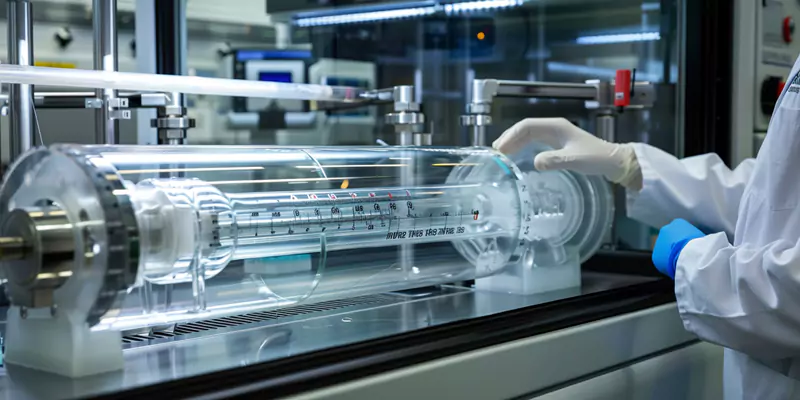
When choosing quartz tubes for high-pressure systems, it's crucial to understand the pressure limits they can handle. This article delves into the physical properties of quartz tubes and explains how different factors affect their ability to withstand pressure.
Understanding Quartz Tube Pressure Limits
Crucial in various industrial applications, quartz tubes are especially important in those requiring high pressure and temperature resistance. Understanding their pressure limits is essential to ensure the safety and efficiency of systems using these tubes. In this section, we will explore the key factors that influence the pressure resistance of quartz tubes.
Key Factors Affecting Pressure Resistance in Quartz Tubes
The pressure resistance of quartz tubes is influenced by several factors. These include the material’s purity, wall thickness, and temperature conditions. The quality of the quartz used in manufacturing the tube plays a crucial role in determining its ability to withstand high pressure. Higher purity quartz typically results in better pressure resistance, while the thickness of the walls provides added strength to the tube structure.
Temperature also plays a significant role in determining pressure resistance. As the temperature of the quartz tube rises, its internal structure can weaken, making it more susceptible to pressure failure. Therefore, when selecting quartz tubes for high-pressure applications, it is essential to account for both operating temperature and the material’s pressure capacity.
Finally, the design of the tube itself affects its ability to resist pressure. A well-designed tube with uniform wall thickness and strong structural integrity will perform better under pressure. Any design flaws, such as weak points or irregularities, can lead to catastrophic failure when the tube is exposed to high pressures.
How Wall Thickness and Material Quality Influence Pressure Capacity
The wall thickness of a quartz tube directly impacts its pressure resistance. Thicker walls generally allow the tube to withstand higher pressures because they provide more material to absorb stress. However, increasing the wall thickness may also increase the overall weight and reduce the tube’s ability to handle rapid temperature changes.
Material quality is equally important when evaluating the pressure capacity of quartz tubes. Fused silica, known for its high purity and strength, is commonly used in high-pressure applications. The higher the quality of the quartz, the better it will resist the internal stresses caused by high-pressure environments.
It is essential to consider both wall thickness and material quality together when choosing quartz tubes. While a thicker wall can provide additional strength, it must be made from high-quality quartz to ensure the tube’s overall pressure resistance. The combination of these factors is what ultimately determines the tube’s suitability for demanding applications.
Pressure Ratings Based on Temperature Conditions
Temperature is one of the most critical factors affecting the pressure ratings of quartz tubes. As temperature increases, the ability of quartz to resist pressure decreases. For instance, at high temperatures, quartz becomes more flexible, which can result in a reduction in its ability to withstand pressure.
The pressure rating of a quartz tube is typically specified for a particular temperature range. When operating outside of this range, the tube may not be able to handle the pressure it is rated for. It is essential to always check the manufacturer’s guidelines to ensure the tube will perform safely under expected temperature conditions.
In addition to the pressure rating, the temperature tolerance of the tube is crucial. Different applications require specific temperature ranges, and choosing a tube with the correct temperature tolerance is vital to prevent failure. When selecting quartz tubes, understanding both their pressure and temperature limits is key to making the right choice.
Temperature and Pressure Relationship in Quartz Tubes
The relationship between temperature and pressure is critical when evaluating the performance of quartz tubes. As temperature increases, the structural integrity of quartz tubes can be affected, reducing their ability to withstand pressure. Here, we examine how different temperature conditions influence the pressure ratings of quartz tubes.
Impact of High-Temperature Environments on Pressure Ratings
High-temperature environments can significantly affect the pressure ratings of quartz tubes. As the temperature rises, the material undergoes thermal expansion, which can weaken the tube’s structure. This increased thermal stress may cause the quartz to become more brittle or less resistant to pressure.
The higher the operating temperature, the more stress is placed on the quartz tube, potentially reducing its overall pressure resistance. For applications where high temperatures are a factor, it is crucial to choose a quartz tube with a high melting point and excellent thermal stability. These tubes are specifically designed to handle both extreme heat and pressure without compromising structural integrity.
In many industrial settings, quartz tubes are subjected to extreme temperature changes. Rapid heating and cooling cycles can cause thermal shock, which can weaken the tube over time. Therefore, it is essential to choose quartz tubes that can handle both high temperatures and significant thermal cycling while maintaining their pressure resistance.
How Temperature Fluctuations Affect Quartz Tube Strength
Temperature fluctuations are one of the primary challenges that quartz tubes face in high-pressure applications. When a tube is rapidly heated or cooled, the material can experience stress that affects its strength. The internal structure of the quartz may expand or contract unevenly, leading to potential weaknesses that make the tube more vulnerable to pressure failure.
These fluctuations can also lead to thermal shock, which is when the quartz tube fractures due to rapid temperature changes. Over time, repeated thermal cycling can weaken the tube and reduce its ability to handle pressure. This is especially critical in industries where consistent and reliable pressure resistance is required.
To mitigate the impact of temperature fluctuations, quartz tubes should be designed with the right thermal expansion properties. Selecting tubes that are resistant to thermal shock and have a low coefficient of thermal expansion can significantly improve their performance in high-pressure applications.
Comparing Pressure Resistance at Different Temperature Ranges
The pressure resistance of quartz tubes varies depending on the temperature range in which they operate. At lower temperatures, quartz maintains its structural integrity and pressure resistance more effectively. However, as temperatures increase, the pressure resistance typically decreases, which can limit the tube's applications in extreme conditions.
Comparing the pressure ratings of quartz tubes at different temperature ranges helps engineers determine the best material for their specific needs. A quartz tube rated for high temperatures will generally have a lower pressure rating at those temperatures compared to one designed for lower temperature environments. Understanding these limitations is crucial for making informed decisions.
For applications involving extreme temperature conditions, such as high-temperature furnaces or chemical reactors, selecting the right quartz tube is essential. Ensuring the tube is rated for both the expected pressure and temperature conditions will prevent failure and maintain operational safety.
Design Considerations for Pressure Resistance in Quartz Tubes
The design of quartz tubes plays a significant role in their ability to handle high pressure. Factors like wall thickness and geometry can determine the overall strength and pressure resistance. This section delves into the key design elements that improve the pressure resistance of quartz tubes.
Importance of Wall Thickness and Diameter in Pressure Handling
Wall thickness and diameter are fundamental design factors that affect a quartz tube's ability to handle pressure. A thicker wall allows the tube to withstand greater internal pressure by providing more material to absorb stress. Similarly, the diameter of the tube also plays a role, as larger diameters require thicker walls to handle the same pressure.
The relationship between wall thickness and diameter must be balanced to achieve the optimal pressure resistance. If the wall is too thin or the diameter too large, the tube may be more susceptible to failure under pressure. Therefore, engineers must carefully calculate the required thickness and diameter based on the intended application and the expected pressure conditions.
In some cases, the geometry of the tube may also need to be considered. Tubes with non-circular cross-sections or additional reinforcements may provide better pressure handling capabilities. By optimizing the design, quartz tubes can be made stronger and more reliable for high-pressure applications.
The Role of Quartz Tube Geometry in High-Pressure Applications
Quartz tube geometry plays a significant role in determining its performance under pressure. The shape and design of the tube affect how stress is distributed throughout the material. Tubes with irregular or complex geometries may experience uneven stress distribution, leading to weak points that are more likely to fail under pressure.
For high-pressure applications, a uniform geometry with consistent wall thickness is often the best design choice. This ensures that stress is evenly distributed, reducing the likelihood of failure. Additionally, tube ends should be reinforced to withstand the concentrated pressure at these points.
The role of geometry extends beyond just the tube shape. Reinforced connectors and flanged ends can also improve the tube’s ability to handle pressure. By choosing the right design elements, engineers can enhance the overall pressure resistance of quartz tubes.
Stress Distribution and Mechanical Support for Improved Pressure Resistance
The distribution of stress within a quartz tube is essential for its ability to withstand high pressures. Stress concentrations at weak points or junctions in the tube can lead to cracks or fractures, compromising the tube’s performance. Ensuring even stress distribution helps prevent such issues.
Mechanical support, such as the use of clamps or external braces, can also improve pressure resistance. These supports help to maintain the tube's structural integrity under pressure by redistributing forces more evenly. Properly designed mechanical supports can extend the lifespan of quartz tubes and prevent premature failure.
Stress analysis and proper mechanical support design are critical when selecting quartz tubes for high-pressure applications. By ensuring that the tube is well-supported and stress is evenly distributed, e
Material Properties that Impact Quartz Tube Pressure Ratings
The material properties of quartz tubes are fundamental to their pressure resistance. The purity and structural integrity of the quartz affect its ability to withstand pressure. We will discuss how the material properties of quartz, including the influence of fused silica, impact pressure resistance.
The Significance of Fused Silica in High-Pressure Performance
Fused silica is one of the most commonly used materials for quartz tubes, especially in high-pressure applications. Its excellent thermal stability and high purity make it ideal for withstanding the stresses of extreme temperatures and pressures. Fused silica has a very low coefficient of thermal expansion, which reduces the likelihood of thermal shock during rapid temperature changes.
In addition to its low thermal expansion, fused silica also possesses outstanding chemical resistance, making it suitable for harsh chemical environments. This resistance ensures that the quartz tube maintains its structural integrity even in the presence of corrosive substances, which is crucial in many industrial processes.
The purity of fused silica also plays a significant role in its pressure resistance. Higher purity quartz tubes can withstand greater pressures because they are free from impurities that may create weak points within the material. For applications where both high pressure and temperature are involved, fused silica provides an optimal balance of strength, durability, and performance.
Why Impurities Can Alter Pressure Resistance in Quartz Tubes
Impurities in quartz tubes can significantly reduce their pressure resistance. Even small amounts of impurities can introduce weak points in the material that are more susceptible to breaking under high pressure. These impurities often create internal stresses that can lead to fractures or failures during use.
For high-pressure applications, it is essential to use quartz tubes with high purity levels to ensure maximum strength and durability. Impurities such as metal ions or other contaminants can negatively impact the material's mechanical properties, weakening the tube’s overall pressure capacity. As a result, when selecting quartz tubes for critical applications, purity should be a key consideration.
It is important to note that impurities can also affect the thermal properties of quartz tubes. As impurities cause localized heating or thermal expansion variations, they can further compromise the tube's ability to handle pressure. Choosing high-purity fused silica quartz tubes is crucial for maintaining the required performance standards in high-pressure environments.
How Optical Properties of Quartz Influence Pressure Resistance
While optical properties might not immediately seem related to pressure resistance, they play an indirect role in the performance of quartz tubes. For instance, quartz tubes with higher optical transparency are typically made from purer materials, which means fewer impurities that could weaken the structure under pressure. Purity in the quartz material leads to better overall mechanical properties, including improved pressure resistance.
The refractive index and optical clarity of quartz tubes can also impact their ability to withstand high-pressure applications. Tubes used in optical applications are often subjected to physical stresses that affect their internal structure. Maintaining high-quality optical properties ensures the integrity of the tube, which in turn can help it perform better under pressure.
Additionally, quartz’s ability to transmit light without distortion or absorption is a result of its high purity, which ensures that the tube’s structure is consistent. This consistency helps to prevent weak spots that could fail under extreme pressure conditions. Thus, the optical properties of quartz provide indirect insight into its pressure performance capabilities.
Pressure Testing Methods for Quartz Tubes
Testing quartz tubes for their pressure capacity is essential to verify their suitability for high-pressure applications. Various methods are used to determine the maximum pressure a tube can handle, including burst testing and standardized pressure tests. This section will explore the key pressure testing methods for quartz tubes.
Standardized Pressure Testing Protocols for Quartz Tubes
Pressure testing protocols are critical for determining the performance and reliability of quartz tubes under varying pressure conditions. Standardized tests, such as burst testing, are commonly used to assess a tube’s ability to withstand extreme pressures. These protocols are designed to simulate real-world conditions and ensure that the tubes will perform as expected during operation.
In burst testing, a quartz tube is subjected to increasing internal pressure until it fails. The point at which the tube bursts is carefully measured to determine its maximum pressure capacity. This test helps engineers understand the tube’s breaking point and ensures it can safely handle the pressures it will encounter during its service life.
It’s important to note that there are different testing standards for quartz tubes, depending on their intended use. For example, industrial-grade tubes may undergo different testing methods compared to laboratory-grade tubes. Using standardized protocols ensures that the tubes meet the necessary performance criteria for their specific applications.
The Role of Burst Testing in Determining Maximum Pressure Limits
Burst testing is one of the most widely used methods for evaluating the pressure limits of quartz tubes. In this test, the tube is subjected to internal pressure until it fails. The pressure at which the tube bursts is recorded, and this value is used to determine the tube's maximum pressure rating.
While burst testing provides valuable data, it is important to remember that it simulates a catastrophic failure scenario. In practical applications, the pressure exerted on the quartz tube may never reach its burst limit, but the test still provides useful information about its overall strength and durability.
In addition to burst testing, engineers may also use other methods to evaluate the tube's pressure resistance, such as cyclic pressure testing. This method involves subjecting the tube to repeated pressure cycles to assess its ability to handle fluctuations in pressure over time. These tests provide a more comprehensive understanding of the tube’s performance under varying conditions.
Experimental Approaches to Simulate Real-World Pressure Conditions
To more accurately simulate real-world pressure conditions, engineers often use experimental setups that replicate the specific environments in which the quartz tubes will be used. These setups can include temperature-controlled chambers and high-pressure vessels designed to apply consistent pressure over time. By using these experimental methods, engineers can gain a more accurate understanding of how the quartz tubes will perform in actual applications.
In some cases, it may be necessary to test the quartz tubes under extreme or variable conditions, such as fluctuating temperatures or varying pressure gradients. These tests help engineers understand how the tubes will behave under the most demanding conditions. They also provide valuable insights into the potential failure modes of the tubes and help to identify areas where design improvements may be needed.
Experimental approaches also allow for testing tubes with various coatings or modifications that may alter their pressure resistance. For example, coatings designed to enhance chemical resistance or thermal stability can be tested to determine how they affect the tube’s overall pressure performance. By simulating real-world conditions as closely as possible, these experiments provide critical data to inform material selection and design decisions.
Practical Applications of High-Pressure Quartz Tubes
Quartz tubes are widely used in industries that require high-pressure resistance, such as in chemical reactors and high-temperature furnaces. Understanding the practical applications of these tubes can help determine where and how they are best utilized. Here, we highlight common industrial uses of quartz tubes under high-pressure conditions.
Using Quartz Tubes in High-Temperature Furnaces
Quartz tubes are widely used in high-temperature furnaces due to their excellent thermal properties and high melting point. They can withstand temperatures exceeding 1,000°C, making them ideal for industrial applications involving high heat, such as metal processing, glass manufacturing, and chemical reactions. The ability to resist both high temperatures and high pressures makes quartz tubes an essential component in these industries.
In furnace applications, quartz tubes are used to house materials that need to be heated to very high temperatures. Their transparent nature allows for visual monitoring of processes, ensuring that operators can closely observe the material inside the tube. Additionally, quartz tubes provide a stable and reliable environment for chemical reactions, preventing contamination and ensuring the purity of the materials being processed.
Quartz tubes’ resistance to thermal shock is another important property for high-temperature furnace applications. Furnaces often experience rapid temperature fluctuations, and quartz tubes can handle these changes without cracking or failing. This durability makes them an excellent choice for demanding high-pressure, high-temperature environments.
Industrial Applications Requiring High-Pressure Quartz Tubes
High-pressure quartz tubes are used in various industrial applications, such as chemical vapor deposition (CVD)1, where precise control over both pressure and temperature is crucial. In CVD processes, quartz tubes provide the necessary resistance to pressure and temperature fluctuations while maintaining the purity of the deposited material. This makes them indispensable in industries such as semiconductor manufacturing and materials science.
Quartz tubes are also used in other high-pressure systems, such as reactors and sterilization chambers. In these applications, the tubes are exposed to both high-pressure environments and high-temperature conditions. Their ability to maintain their structural integrity under these conditions ensures that the processes inside the reactors or chambers run smoothly and safely.
When selecting quartz tubes for industrial applications, it’s essential to consider both the pressure and temperature ratings to ensure that the tubes will perform as expected. High-quality quartz tubes designed for industrial applications can withstand the most demanding environments, providing reliable performance and longevity.
Best Practices for Selecting Quartz Tubes for High-Pressure Systems
Choosing the right quartz tube for high-pressure systems requires careful consideration of several factors, including material properties, wall thickness, and pressure ratings. First, ensure that the quartz tube is made from high-purity fused silica, as this material provides the best performance under pressure. Additionally, the wall thickness should be chosen based on the expected pressure conditions and temperature range.
It’s also important to consider the specific application when selecting quartz tubes. For example, tubes used in CVD processes may require different specifications compared to those used in high-temperature furnaces. Be sure to check the manufacturer’s guidelines and testing data to ensure that the tube meets the requirements of your particular application.
Finally, it’s essential to consider the overall design and geometry of the quartz tube. Tubes with reinforced ends or additional mechanical supports may be needed to ensure optimal performance in high-pressure systems. By considering all of these factors, you can select the best quartz tube for your high-pressure application and ensure reliable, long-lasting performance.
Common Mistakes When Selecting Quartz Tubes for High-Pressure Applications
Choosing the right quartz tube for high-pressure applications can be challenging, and many engineers make mistakes during the selection process. Overestimating pressure ratings or using substandard tubes can lead to system failures. This section outlines the most common mistakes and how to avoid them.
Overestimating Pressure Ratings: How to Avoid Miscalculations
One common mistake when selecting quartz tubes for high-pressure applications is overestimating the pressure ratings of the tubes. It’s crucial to understand the actual conditions under which the tubes will operate, including temperature fluctuations, chemical exposure, and mechanical stresses. Many engineers make the mistake of assuming that a quartz tube can handle more pressure than it actually can, leading to safety risks and potential failure during operation.
To avoid this, it's important to thoroughly test and verify the pressure ratings under real-world conditions. Burst tests, as well as tests under varying temperature conditions, provide a more accurate understanding of the tube’s capabilities. Relying on manufacturer specifications without considering the actual operational environment can lead to significant issues in the long term.
Engineers should also account for factors such as material degradation over time. Even high-quality quartz tubes can degrade due to prolonged exposure to high pressures and temperatures. This degradation can reduce the tube’s ability to handle pressure, so it’s essential to take this into consideration when making selection decisions.
The Risk of Using Substandard Quartz Tubes in Critical Systems
Another major mistake is selecting substandard quartz tubes for critical applications where safety is paramount. Quartz tubes are often used in high-pressure and high-temperature environments, and choosing a tube that doesn't meet the required specifications can lead to catastrophic failures. Low-quality quartz tubes may not be able to withstand the pressure, resulting in cracks, leaks, or even ruptures, all of which can cause significant damage to equipment and jeopardize safety.
Substandard quartz tubes may have poor material properties, such as low purity or inconsistent wall thickness, which can lead to weak points in the structure. This can be particularly dangerous in systems involving chemical reactions or in high-temperature furnaces, where failure can lead to both equipment damage and hazardous situations for workers.
To mitigate this risk, it is vital to choose quartz tubes from reputable manufacturers that provide detailed material certifications and testing results. Ensuring that the tubes meet industry standards for high-pressure performance is essential for safe operation.
Incorrect Pressure Testing: What You Need to Know
Incorrect pressure testing is a frequent issue that can lead to misjudgments about a quartz tube's pressure resistance. While burst testing is a standard method, it's important to simulate real-world conditions as accurately as possible. Many tests are conducted under ideal conditions, which may not reflect the true operational environment. For instance, fluctuations in pressure or temperature, which are common in industrial applications, may not be properly accounted for in testing scenarios.
To ensure that the pressure testing is accurate, engineers must perform tests that simulate the exact conditions under which the quartz tubes will be used. This includes accounting for both thermal and pressure variations. Additionally, pressure testing should be repeated periodically to ensure that the tubes continue to meet safety standards, particularly in systems with prolonged usage.
Another critical aspect of pressure testing is verifying the uniformity of the quartz tube’s thickness. Even small variations in wall thickness can significantly impact the tube’s pressure resistance. Testing should include checks for consistency across the entire length of the tube to prevent weak spots from forming.
How to Maintain and Extend the Lifespan of High-Pressure Quartz Tubes
Proper maintenance is essential for extending the lifespan of quartz tubes in high-pressure systems. Thermal shock, pressure damage, and improper handling can all decrease the tube’s efficiency over time. In this section, we discuss how to properly maintain and care for high-pressure quartz tubes.
Preventing Thermal Shock and Pressure Damage
One of the primary ways to extend the lifespan of high-pressure quartz tubes is to prevent thermal shock and pressure damage. Thermal shock occurs when a quartz tube is exposed to rapid temperature changes, which can cause it to crack or fracture. This is particularly common when a tube is suddenly moved from a hot environment to a cold one, or vice versa.
To minimize the risk of thermal shock, it's important to gradually adjust the temperature when transitioning between environments. Engineers can design systems that ensure slow and controlled heating or cooling of the quartz tube. In addition, quartz tubes should be handled with care to avoid impacts that could induce stress, especially when under high-pressure conditions.
Pressure damage can occur if the quartz tube is subjected to pressures higher than its rated capacity. To prevent this, engineers should carefully monitor the pressure levels within the system and perform regular maintenance checks. Over time, pressure fluctuations can cause wear on the tube, which may not be immediately visible but could weaken its ability to perform safely.
Cleaning and Handling Best Practices
Proper cleaning and handling are critical for extending the lifespan of quartz tubes. Contamination from dust, oils, or chemicals can weaken the material over time and affect its pressure resistance. It's important to follow proper cleaning protocols using non-abrasive materials and solvents that do not damage the quartz surface. Harsh chemicals or abrasive cleaning methods can introduce microcracks and impair the tube’s structural integrity.
Handling quartz tubes with care is equally important. Because quartz is a brittle material, improper handling can lead to cracks or fractures, even if the tube is not exposed to high pressure or temperature. Always wear gloves when handling quartz tubes to avoid contaminating them with oils from your hands, and use protective equipment such as padded supports during transport.
Ensuring that quartz tubes are stored correctly is another aspect of maintenance. They should be stored in a cool, dry environment away from direct sunlight and in a manner that prevents them from rolling or being impacted by heavy objects. Proper storage practices help maintain the tube’s integrity, ensuring that it performs optimally over time.
Storing Quartz Tubes for Long-Term Use in High-Pressure Systems
Proper cleaning and handling are critical for extending the lifespan of quartz tubes. Contamination from dust, oils, or chemicals can weaken the material over time and affect its pressure resistance. It's important to follow proper cleaning protocols using non-abrasive materials and solvents that do not damage the quartz surface. Harsh chemicals or abrasive cleaning methods can introduce microcracks and impair the tube’s structural integrity.
Handling quartz tubes with care is equally important. Because quartz is a brittle material, improper handling can lead to cracks or fractures, even if the tube is not exposed to high pressure or temperature. Always wear gloves when handling quartz tubes to avoid contaminating them with oils from your hands, and use protective equipment such as padded supports during transport.
Ensuring that quartz tubes are stored correctly is another aspect of maintenance. They should be stored in a cool, dry environment away from direct sunlight and in a manner that prevents them from rolling or being impacted by heavy objects. Proper storage practices help maintain the tube’s integrity, ensuring that it performs optimally over time.
Comparing Quartz Tubes with Other Materials for High-Pressure Applications
While quartz tubes offer excellent pressure resistance, they are not the only material used in high-pressure applications. Other materials, like ceramics, also offer specific advantages. This section compares quartz tubes with alternative materials and discusses when each material is most suitable for high-pressure environments.
Why Quartz Tubes Outperform Other Glass Materials Under Pressure
Quartz tubes have several advantages over other glass materials when used in high-pressure applications. One key benefit is their superior thermal stability. Quartz can withstand extreme temperatures without losing its structural integrity, whereas many other glass materials can degrade or shatter under high heat. This makes quartz ideal for high-temperature industrial processes that also involve significant pressure.
In addition to thermal stability, quartz tubes are highly resistant to thermal shock, which makes them ideal for environments where rapid temperature changes are common. Materials like borosilicate glass, while also heat resistant, are not as durable under thermal shock conditions as quartz. This makes quartz the more reliable option for high-pressure applications that require both heat resistance and durability.
Another significant advantage of quartz is its low coefficient of thermal expansion. This means that quartz tubes expand and contract less when subjected to temperature fluctuations compared to other glass materials. This property helps to maintain the tube's structural integrity under pressure, making quartz an excellent choice for high-pressure systems.
The Pros and Cons of Quartz Tubes Compared to Ceramic Tubes
When choosing between quartz tubes and ceramic tubes for high-pressure applications, it is important to weigh the pros and cons of each material. Quartz tubes offer superior transparency and are ideal for applications where visual monitoring of processes is essential. Ceramic tubes, on the other hand, tend to be opaque, limiting their use in processes that require optical clarity.
Quartz tubes are also more flexible in terms of customization, as they can be made in a variety of shapes and sizes to suit specific applications. Ceramic tubes, while strong and resistant to high pressures, are typically more rigid and less customizable. However, ceramics may offer higher chemical resistance than quartz in some applications, which can be a deciding factor depending on the chemical environment.
Both quartz and ceramic tubes have excellent pressure resistance, but quartz tubes tend to outperform ceramics in terms of thermal shock resistance. Ceramics are more susceptible to cracking under rapid temperature changes, making quartz a safer option for systems that involve fluctuating temperatures.
When to Choose Quartz Tubes Over Other High-Pressure Materials
Choosing quartz tubes over other high-pressure materials depends on the specific needs of the application. If the system involves high temperatures, thermal shock, or the need for optical clarity, quartz tubes are the best choice. Their superior thermal stability, resistance to cracking, and ability to maintain integrity under pressure make them ideal for many industrial processes, including chemical vapor deposition (CVD) and high-temperature furnaces.
For environments that require higher chemical resistance, ceramic tubes may be a better choice, especially if the pressure is moderate. However, for systems that demand both high pressure and high temperature, quartz tubes provide the best balance of properties. They are also more cost-effective in many high-pressure applications due to their availability and ease of customization.
Ultimately, the choice between quartz and other materials depends on factors such as the specific temperature and pressure conditions, the need for optical transparency, and the chemical environment of the application. Each material has its strengths and weaknesses, but for most high-pressure, high-temperature applications, quartz tubes remain the preferred choice.
Conclusion
Quartz tubes are an excellent choice for high-pressure applications, provided they are selected and tested correctly. By understanding the factors that influence pressure resistance and following best practices, engineers can ensure the reliable performance of these essential components in demanding environments.
"Navigating the complexities of material selection presents a significant engineering challenge. Leverage the expertise of TOQUARTZ's engineering team, backed by 20+ years of manufacturing experience, for a complimentary consultation on your custom quartz glass requirements."
FAQ (Frequently Asked Questions)
1. What is the typical pressure rating for quartz tubes used in high-pressure systems?
Quartz tubes can typically withstand pressures ranging from 100 psi to over 2000 psi, depending on their material properties and thickness. The exact pressure rating depends on the tube's design, including wall thickness and diameter, as well as the operational temperature. Always ensure that the tube is tested under actual working conditions to confirm its pressure resistance.
2. How do I choose the right quartz tube for my high-pressure application?
When selecting a quartz tube for high-pressure applications, consider factors such as the maximum pressure, temperature range, and chemical exposure in the system. It is also essential to factor in the tube's wall thickness and material quality, as these affect its pressure resistance. Consult with suppliers to ensure the tube meets the necessary industry standards and specifications for your specific application.
3. What is the role of burst testing in determining the pressure limits of quartz tubes?
Burst testing helps determine the maximum pressure a quartz tube can withstand before it fails. The test involves applying pressure until the tube bursts, revealing its pressure capacity. This method provides a clear, real-world indication of the tube's performance under extreme pressure conditions.
4. Can quartz tubes be used in dynamic pressure conditions?
Quartz tubes can handle dynamic pressure conditions, but their performance depends on factors like the rate of pressure change and temperature fluctuations. When used in dynamic environments, it's crucial to select tubes with higher thermal stability and strength. Regular testing should be conducted to ensure they maintain their integrity in such conditions.
5. How can impurities in quartz affect its pressure resistance?
Impurities in quartz can weaken its structure, reducing its ability to withstand high pressures. These impurities create points of weakness in the material, making it more prone to fractures under pressure. To ensure optimal pressure resistance, always use high-purity fused silica or quartz in pressure-sensitive applications.
6. How do I test the pressure resistance of a quartz tube in my system?
To test the pressure resistance of a quartz tube, conduct a burst test or pressure cycle test under the system's actual operating conditions. These tests simulate real-world pressure fluctuations and temperature extremes to assess the tube's durability. Ensure that the testing setup mirrors the conditions that the tube will face in your specific application.
7. What factors influence the pressure resistance of quartz tubes?
The primary factors affecting the pressure resistance of quartz tubes include wall thickness, material purity, and operating temperature. Thicker walls and higher purity quartz generally provide better pressure resistance. Additionally, ensuring that the tube is used within its specified temperature and pressure limits will maximize its performance.
8. How do I maintain quartz tubes for high-pressure systems?
To maintain quartz tubes in high-pressure systems, ensure that they are regularly inspected for cracks, chips, and wear. Prevent thermal shock by gradually heating and cooling the tubes during operation. Proper storage in a clean, dry environment will also extend the lifespan of the tubes.
9. What is the difference between quartz tubes and ceramic tubes for high-pressure applications?
Quartz tubes generally offer better thermal shock resistance and optical clarity, making them ideal for high-pressure systems involving high temperatures and visual monitoring. Ceramic tubes are typically more resistant to certain chemicals and may offer higher strength in some applications. The choice between the two depends on the specific needs of the system, including temperature, pressure, and chemical exposure.
10. When should I replace a quartz tube in a high-pressure system?
A quartz tube should be replaced if it shows signs of cracking, discoloration, or degradation, especially if it can no longer withstand the required pressure. It is also important to replace the tube if it fails pressure tests or if its performance has diminished over time due to wear. Regular inspections and testing will help determine the right time for replacement.
References:
-
Learn about CVD, its processes, and how it plays a vital role in modern manufacturing and material science. ↩