
- Home
- /
- Types
- /
- Quartz Cuvette
- /
- Quartz Flow-Through Cuvette
- /
- Optical Quartz Flow Through...
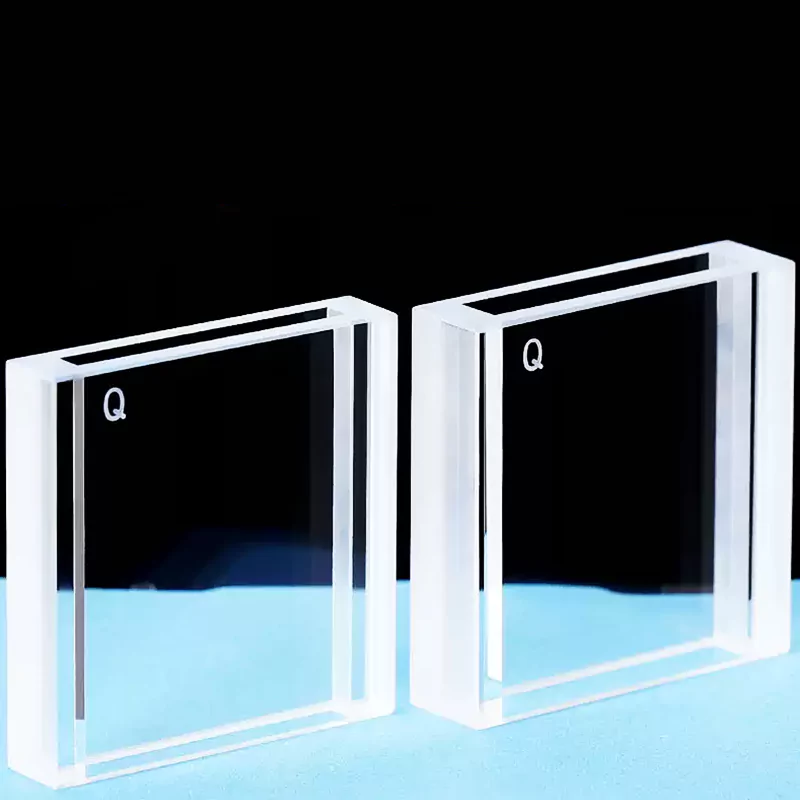
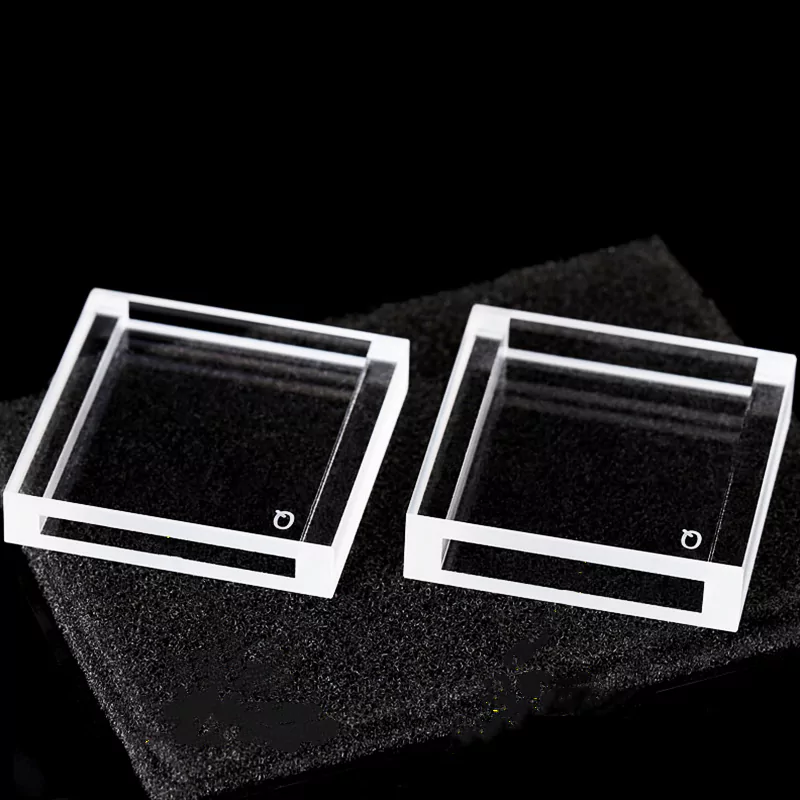
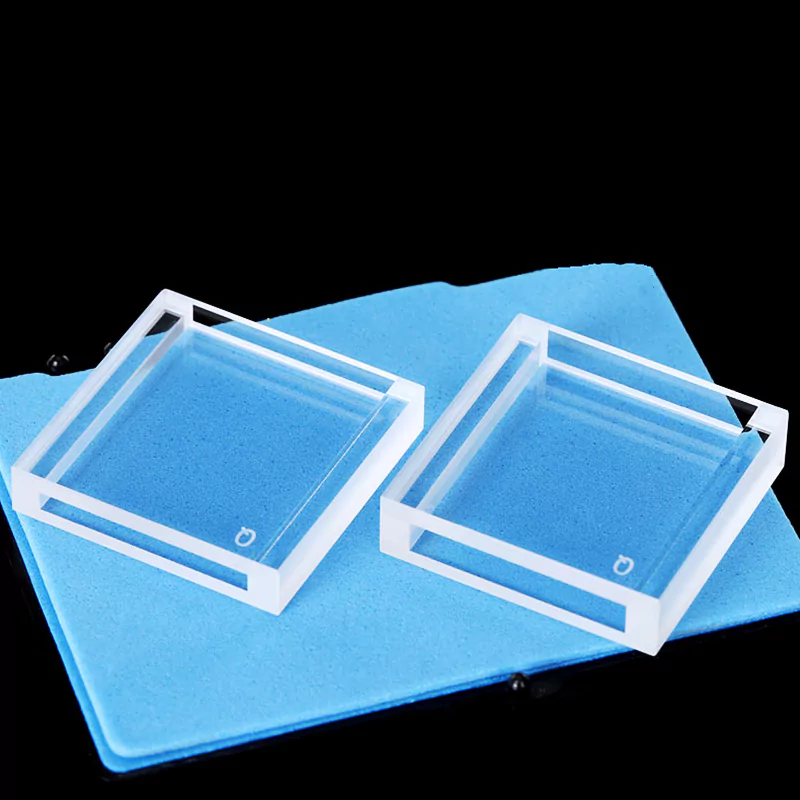
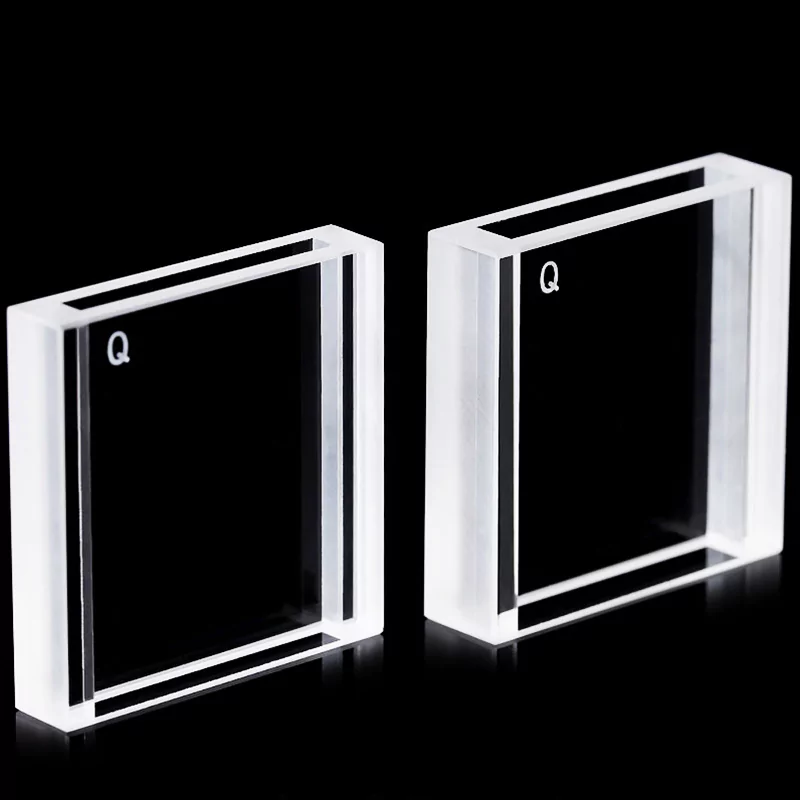
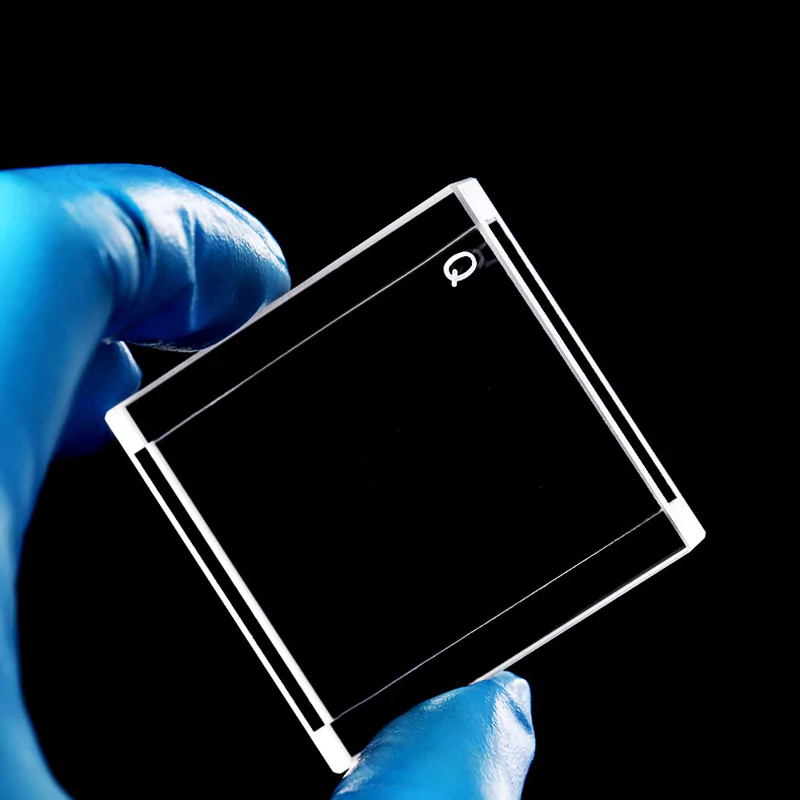
Optical Quartz Flow Through Cuvette Both Ends Open for Research Facilities-TOQUARTZ®
Features of Quartz Flow Through Cuvette Both Ends Open
TOQUARTZ® Quartz Flow Through Cuvette Both Ends Open combines precise optical performance with robust material properties, addressing the requirements of laboratories and industrial monitoring systems where accuracy, durability, and consistency are critical.
Thermal and Mechanical Stability
- Withstands service temperatures up to 1100 °C without deformation.
- Fracture strength reaches ≥350 MPa, preventing structural failures.
- Thermal conductivity of 120–160 W/m·K supports stable operation.
Optical Transmission
- Transmission range 120–4500 nm, covering UV-Vis-NIR applications.
- Transmittance deviation ≤ 0.3%, ensuring stable analytical results.
- Supports optical path lengths for your specific requirements, suitable for varied tests.
Chemical Resistance and Clean Integration
- Resistant to most acids and bases, excluding hydrofluoric acid.
- Both-ends-open design reduces dead volume by over 20% compared to closed-end types.
- Enables rapid solvent exchange, improving system throughput in continuous flow.
- SiO2 Purity ≥99.98%, up to 99.995%
- Chemical Resistance to Harsh Reagents
- Customization Services Available
Technical Specifications & Dimensions of Quartz Flow Through Cuvette Both Ends Open
Technical Specifications
| Property | Specification |
| Physical Properties | Density 2.2 g/cm^3; Thermal conductivity 120–160W/m·K; Maximum service temperature 1100°C; Thermal expansion ≤0.55×10^-6/K; Refractive index (589nm) 1.458. |
| Chemical Properties | Purity ≥99.99% SiO2; Acid/base resistance (except HF); Stable against molten salts; Resistant to fluorinated gases; Alkali resistance index >99% |
| Optical Properties | Transmission range 120–4500nm; UV transmittance >85% at 200nm; Visible light transmission >92% at 400–700nm; NIR transmission stable to 2500nm; Transmittance deviation ≤0.3%. |
| Mechanical Properties | Fracture strength ≥350MPa; Hardness (Mohs) 7; Elastic modulus 72GPa; Poisson’s ratio 0.17; Tensile strength 50MPa. |
| Durability & Stability | >200 sterilization cycles without degradation; Corrosion loss rate <0.01mg/cm^2·day; Long-term dimensional stability under continuous flow; Low background fluorescence; Wear resistance suitable for high flow rates. |
Size Chart
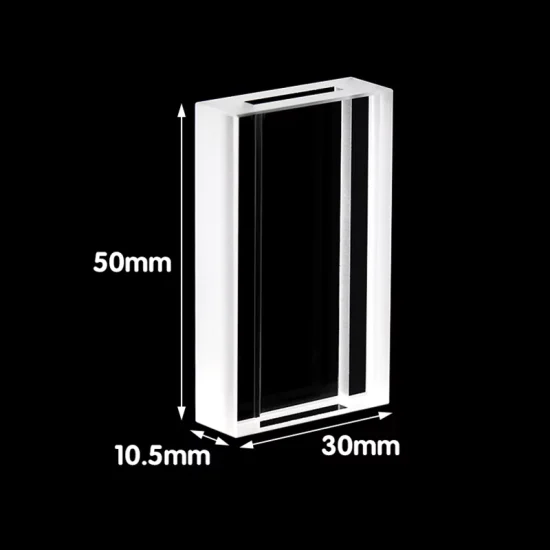
| Model | Description | Path Length |
Volume | Outline Dimension |
| AT-BSM-8035-2 | 2500μl Quartz Flow Through Cuvette Both Ends Open | 2.5mm | 2500μl | 50x30x10.5mm |
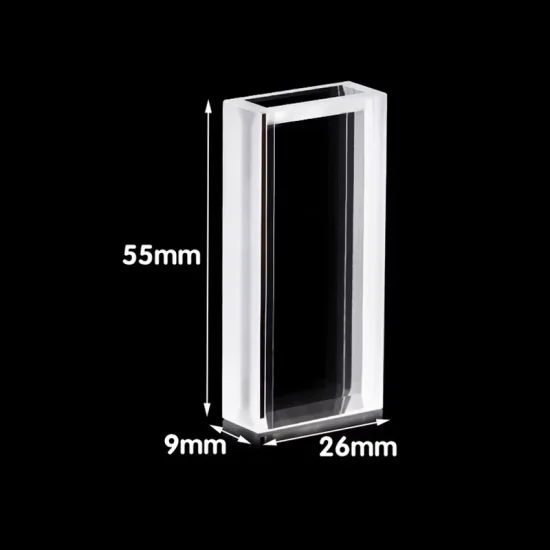
| Model | Description | Path Length |
Volume | Outline Dimension |
| AT-BSM-8035-3 | 3000μl Quartz Flow Through Cuvette Both Ends Open | 3mm | 3000μl | 55x26x9mm |
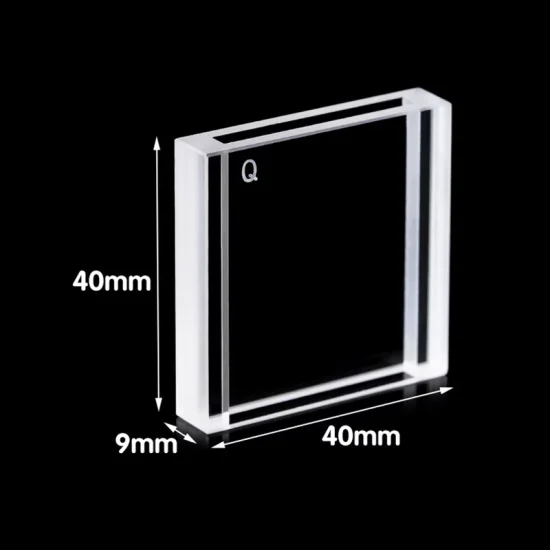
| Model | Description | Path Length |
Volume | Outline Dimension |
| AT-BSM-8035 | 3500μl Quartz Flow Through Cuvette Both Ends Open | 3mm | 3500μl | 40x40x9mm |
| Model | Description | Path Length |
Volume | Outline Dimension |
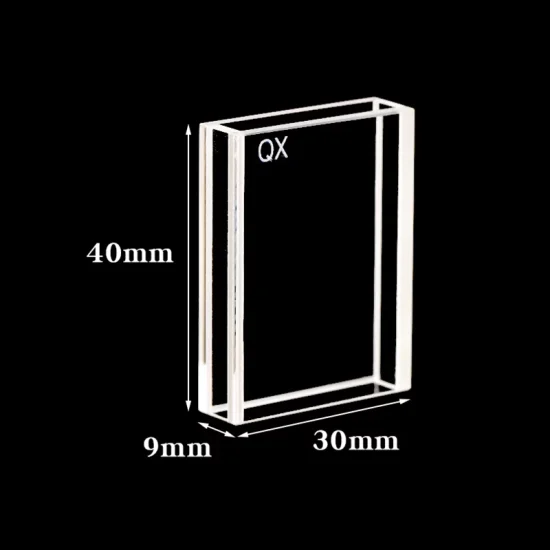
| AT-BSM-8035-4 | 5000μl Quartz Flow Through Cuvette Both Ends Open | 26/4mm | 5000μl | 40x30x9mm |
| Model | Description | Path Length |
Volume | Outline Dimension |
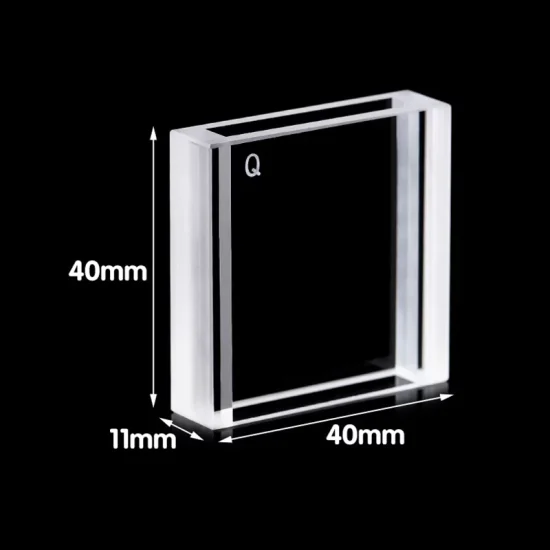
| AT-BSM-8035-1 | 6200μl Quartz Flow Through Cuvette Both Ends Open | 5mm | 6200μl | 40x40x11 |
| Model | Description | Path Length |
Volume | Outline Dimension |
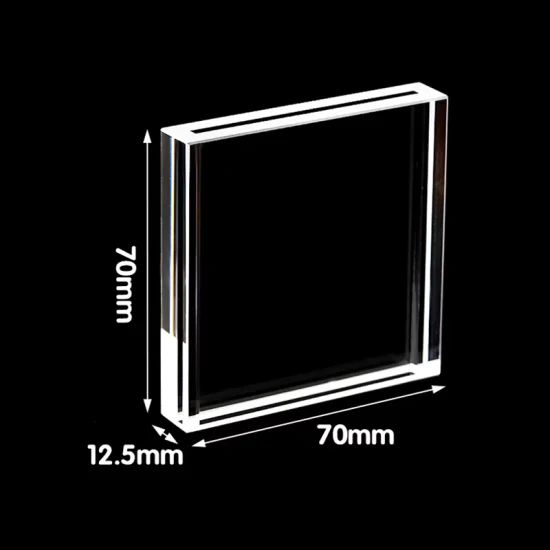
| AT-BSM-8035-5 | 9700μl Quartz Flow Through Cuvette Both Ends Open | 2.5mm | 9700μl | 70x70x12.5mm |
| Model | Description | Path Length |
Volume | Outline Dimension |
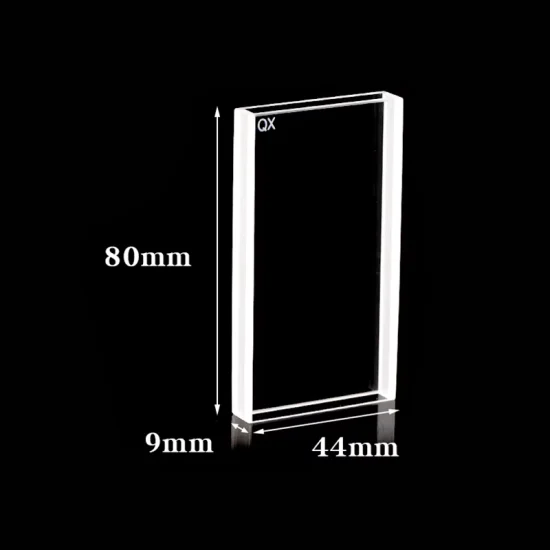
| AT-BSM-8035-6 | 16000μl Quartz Flow Through Cuvette Both Ends Open | 5mm | 16000μl | 80x44x9mm |
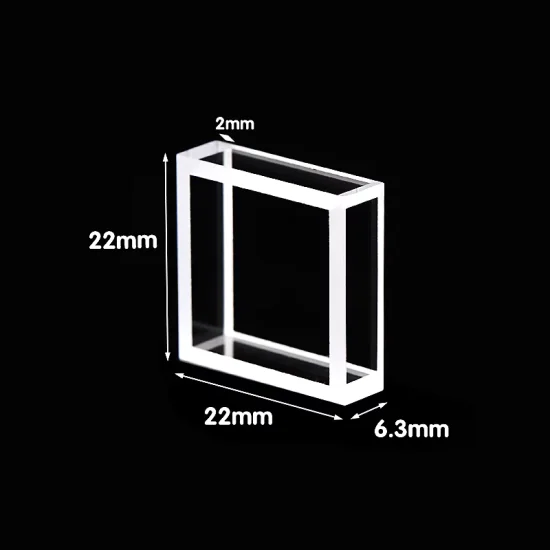
| Model | Description | Path Length |
Volume | Outline Dimension |
| AT-BSM-8035-7 | 18000μl Quartz Flow Through Cuvette Both Ends Open | 18mm | 18000μl | 22x22x6.3mm |
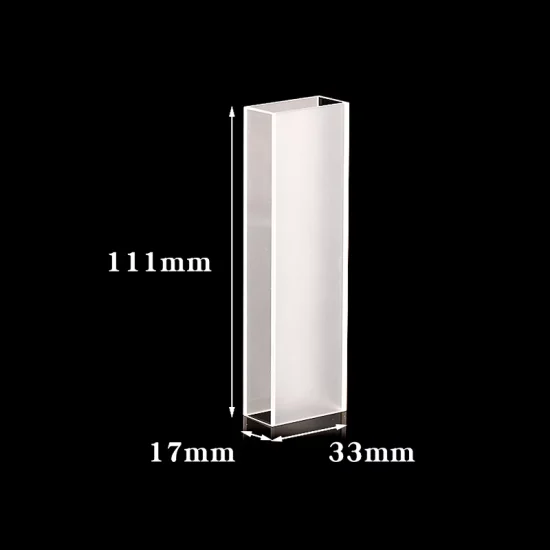
| Model | Description | Path Length |
Volume | Outline Dimension |
| AT-BSM-8035-8 | 46000μl Quartz Flow Through Cuvette Both Ends Open | 30mm | 46000μl | 111x17x33mm |
TOQUARTZ® Solving Challenges in Spectroscopic Analysis with Quartz Flow Through Cuvette Both Ends Open
Wastewater COD/BOD Monitoring with Quartz Flow Through Cuvette Both Ends Open
Key Advantages
-
Open-Slot Flushing
– Allows full rinse in <2 minutes, reducing cleaning cycles by 60%. -
pH Resilience
– Maintains optical clarity across effluent pH 2–12 without baseline drift. -
Anti-Clog Geometry
– Reduces particle blockage, extending service life beyond 8,000 hours.
TOQUARTZ® solution
A municipal wastewater lab previously replaced sealed glass cuvettes every 6 weeks due to fouling and clogging. Baseline drift caused data interruptions, delaying regulatory reporting. After adopting TOQUARTZ® Quartz Flow Through Cuvette Both Ends Open, replacement intervals extended beyond 6 months, rinse time per cycle dropped to under 2 minutes, and annual downtime losses decreased by over 50%.
Beverage Color and Turbidity Testing with Quartz Flow Through Cuvette Both Ends Open
Key Advantages
-
Rapid Sample Exchange
– Cuts rinse time to <3 minutes, boosting throughput by 60%. -
Low Carryover Design
– Reduces cross-sample contamination to <1% in QC workflows. -
Residue-Resistant Channel
– Prevents sugar and additive buildup for consistent readings.
TOQUARTZ® solution
A beverage QC facility reported sealed cuvettes required 10–15 minutes of rinsing to remove sticky residues, limiting testing to 20 samples per shift. With TOQUARTZ® Quartz Flow Through Cuvette Both Ends Open, sample changeover dropped to under 3 minutes, enabling 35+ samples per shift and eliminating carryover that previously distorted turbidity values by up to 5%.
Fermentation Broth Monitoring with Quartz Flow Through Cuvette Both Ends Open
Key Advantages
-
Clog-Free Channel
– Handles viscous broths with suspended cells without flow blockage. -
Quick Rinsing Cycle
– Cleaning time reduced by 50%, supporting continuous assays. -
Optical Stability
– Maintains transmittance deviation ≤0.3% in high-turbidity media.
TOQUARTZ® solution
A biotech lab monitoring yeast fermentation reported closed-end cuvettes clogged every 2 hours, causing 4–5 interruptions per day. Each cleaning required 15 minutes, reducing experiment efficiency by nearly 25%. By switching to TOQUARTZ® Quartz Flow Through Cuvette Both Ends Open, uninterrupted monitoring extended over 10 hours, cleaning downtime was halved, and data collection per batch increased by 40%.
Customization Solutions for Your Specific Applications
Path Length Options
Different path length choices allow precise adjustment for varied analytical sensitivity.
-
Accuracy Control
– Ensures consistent absorbance in specialized testing workflows. -
Flexible Choice
– Matches system requirements for different measurement ranges. -
Stable Output
– Delivers reproducible results across diverse application scenarios.
Optical Window Design
Custom optical windows ensure reliable light transmission for advanced spectroscopy.
-
Clear Transmission
– Maximizes accuracy in UV-Vis-NIR detection processes. -
Surface Integrity
– Minimizes scratches that reduce measurement consistency. -
Durability Assured
– Supports repeated cleaning cycles without optical distortion.
Volume and Geometry
Different internal volumes and cuvette geometries optimize performance in specific assays.
-
Flow Efficiency
– Improves liquid exchange and reduces carryover contamination. -
Compact Form
– Fits into small-scale research and portable analyzers. -
Design Versatility
– Adjusts to industrial or academic laboratory applications.
Product Usage Guideline
Proper Handling
-
Careful Placement
– Always place the cuvette gently in holders to avoid chipping the open edges. -
Avoid Direct Contact
– Do not touch optical windows with bare hands to prevent smudges. -
Use Clean Tools
– Employ dedicated pipettes or tubing to introduce and remove samples. -
Check Alignment
– Ensure the cuvette channel is properly aligned with the light beam.
Cleaning Procedures
-
Immediate Rinse
– Flush with deionized water immediately after use to prevent residues. -
Mild Detergent
– Apply neutral pH solutions for routine cleaning, followed by thorough rinsing. -
Chemical Soaks
– For stubborn fouling, use dilute acid or base compatible with quartz. -
Air Drying
– Allow to dry in a dust-free space, avoiding forced heat or wiping abrasively.
Storage Recommendations
-
Protective Case
– Store in a padded container to protect the open slot edges. -
Clean Environment
– Keep away from dust, grease, and corrosive vapors. -
Stable Conditions
– Maintain storage at moderate room temperature and humidity. -
Labeling System
– Mark each cuvette by path length to prevent misuse in experiments.
Troubleshooting Guidelines
-
Low Transmission
– Inspect windows for scratches or deposits and clean if needed. -
Flow Irregularities
– Check for bubbles or residues blocking the open channel. -
Baseline Drift
– Verify cleanliness and ensure the cuvette is fully rinsed before reuse. -
Leakage or Overflow
– Adjust liquid flow rate to match the open channel geometry.
Quartz Flow Through Cuvette Both Ends Open – Get Expert Support Now
Contact us today for technical consultation and custom solutions.
Why Partner with TOQUARTZ
Direct Factory Advantage
As a direct manufacturer, we can cut out the numerous intermediate links.
Engineering Expertise
Technical team guides clients from material selection to design optimization, translating specs into deliverables.
Flexible Manufacturing
Handling standard & custom orders via small-batch expertise and prototyping rigor to meet urgent deadlines.
Quality
Assurance
Pre-shipment 3-step validation:
1. dimensional accuracy,
2. material purity ,
3. performance thresholds
Global Supply Chain
Reliable global logistics to industrial hubs (DE/US/JP/KR priority) with trackable milestones.
Releted Products
As a specialized manufacturer with direct factory capabilities, TOQUARTZ provides both standard and custom quartz solutions with engineering support throughout the specification and implementation process.
FAQ
Q: How does the transparent wall of Quartz Flow Through Cuvette Both Ends Open benefit spectroscopic analysis?
A: The transparent walls provide clear optical windows that maintain accurate light transmission across UV-Vis ranges. This ensures reliable baseline stability during absorbance measurements. Users can visually inspect flow and detect bubbles or residues easily.
Q: Is Quartz Flow Through Cuvette Both Ends Open suitable for turbid or particle-rich samples?
A: Yes, the open channel design reduces clogging when handling turbid wastewater, fermentation broth, or colored solutions. Unlike narrow closed cells, it allows suspended particles to pass or be rinsed quickly. This improves measurement reliability in challenging matrices.
Q: Can Quartz Flow Through Cuvette Both Ends Open handle frequent solvent changes?
A: Yes, its geometry minimizes residual liquid and supports rapid solvent exchange. This is especially useful in pharmaceutical and beverage QC labs where multiple samples are tested in sequence. It helps reduce cross-contamination and improves workflow efficiency.
Q: What is the impact of two open ends on sample carryover in Quartz Flow Through Cuvette Both Ends Open?
A: The both-ends-open structure significantly reduces liquid retention compared with closed designs. Carryover between samples is minimized, often to less than 1%. This ensures higher accuracy in comparative testing.
Q: In what industries is Quartz Flow Through Cuvette Both Ends Open most commonly applied?e in industrial monitoring?e Quartz Flow Cell Counting Cuvette support fluorescence detection?
A: It is frequently used in environmental water testing, beverage color measurement, fermentation monitoring, and chemical dye studies. These industries benefit from the open-slot design for rapid rinsing and low dead volume. Its versatility supports both research and industrial workflows.
Contact our engineering team for technical consultation and pricing. We’ll help you select the optimal specifications for your application requirements.