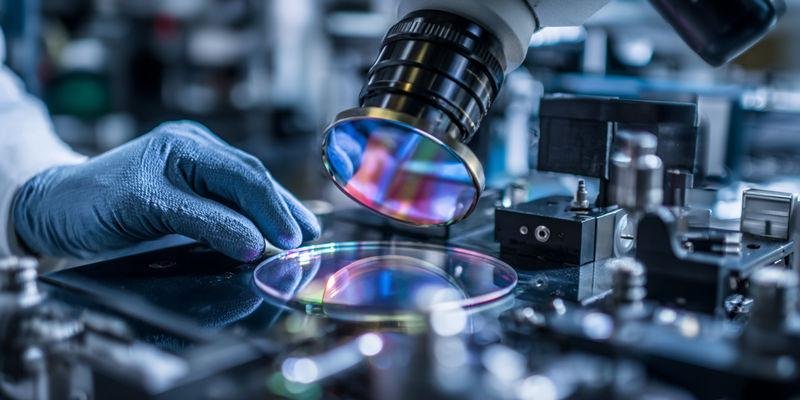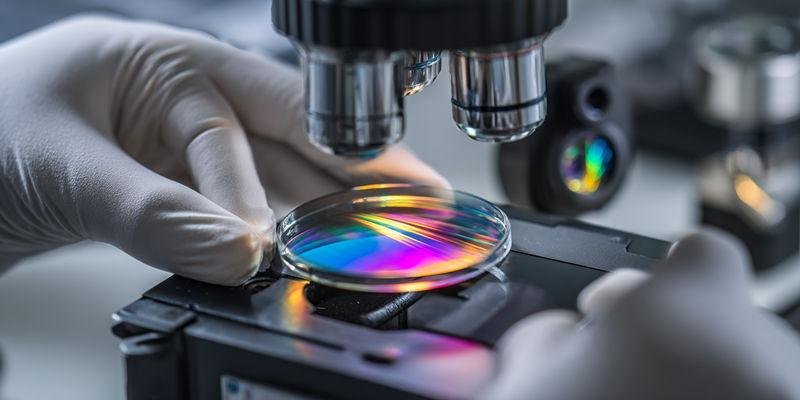
Pharmaceutical chemical synthesis relies on strict purity specifications to prevent contamination and safeguard product quality. Chemical grades matter—only ACS, reagent, USP, and NF grades meet standards for drug production, while laboratory, purified, and technical grades fall short due to unknown or excessive impurity levels. Pharmaceutical quartz tube purity also plays a vital role, reducing risks from trace metals and moisture that could compromise safety, compliance, and manufacturing efficiency.
ACS grade: ≥95% purity, suitable for medicinal use
USP/NF grade: Meets official pharmacopeia standards
Laboratory, purified, technical grades: Not suitable for drug manufacturing
Key Takeaways
Use high-purity quartz tubes to keep elemental impurities below ICH Q3D limits, ensuring drug safety.
Lower impurity levels in quartz tubes reduce the risk of batch rejection and the need for extra purification steps.
Regularly measure OH content in quartz tubes using IR spectroscopy to maintain compliance with industry standards.
Implement effective surface cleaning protocols to prevent contamination and ensure product quality in pharmaceutical manufacturing.
Follow strict validation protocols for quartz tube installation to guarantee safety and regulatory compliance.
How Do Metallic Impurities in Quartz Tubes Affect Drug Substance Quality?
Metallic impurities in quartz tubes can directly impact the safety and effectiveness of pharmaceutical products. Even trace amounts of metals like iron, aluminum, or titanium may cause unwanted chemical reactions or lead to regulatory non-compliance. Understanding how these impurities enter drug substances helps manufacturers choose the right materials and maintain pharmaceutical quartz tube purity.
ICH Q3D Elemental Impurity Limits and Quartz Tube Contribution
ICH Q3D guidelines set strict limits for elemental impurities in drug products to protect patient health. Quartz tubes with high metallic impurity levels can introduce elements such as iron and aluminum into the synthesis process, sometimes exceeding daily exposure limits. For example, the ICH Q3D limit for iron in oral drugs is 1300 µg/day, while for aluminum it is 2520 µg/day.
Pharmaceutical quartz tube purity becomes critical when manufacturing injectable drugs or active pharmaceutical ingredients (APIs) with low impurity thresholds. Data from over 450 pharmaceutical reactor installations show that standard purity quartz (15-25 ppm total metals) led to extra purification steps in 28% of synthesis campaigns. In contrast, high-purity quartz (less than 5 ppm total metals) reduced this need to just 4%, saving time and cost.
Key Takeaways:
High-purity quartz tubes help keep elemental impurities below ICH Q3D limits.
Lower impurity levels reduce the risk of batch rejection and extra purification.
Pharmaceutical quartz tube purity supports regulatory compliance and product safety.
Leaching Rate Measurement by ICP-MS Analysis
Manufacturers use Inductively Coupled Plasma Mass Spectrometry (ICP-MS) to measure how quickly metals leach from quartz tubes into drug mixtures. This method detects trace metals at parts-per-billion (ppb) levels, providing accurate data on contamination risks. For instance, leaching rates can range from 0.1 to 1.0 ng/cm²/hour, depending on process conditions.
Testing with ICP-MS allows quality teams to compare different quartz grades and select those with the lowest leaching rates. Facilities using high-purity quartz report fewer cases of elemental impurities exceeding regulatory limits. These results highlight the importance of verifying pharmaceutical quartz tube purity before installation.
ICP-MS Analysis | Key Points |
|---|---|
Detection Limit | <0.1 ppm for most elements |
Leaching Rate | 0.1–1.0 ng/cm²/hour |
Benefit | Confirms low contamination |
This data-driven approach ensures that only suitable quartz tubes enter pharmaceutical production, reducing the risk of costly recalls or compliance issues.
Temperature and Solvent Effects on Metallic Impurity Mobilization
Process temperature and solvent choice both influence how quickly metallic impurities move from quartz tubes into drug substances. At higher temperatures (200–400°C), the quartz matrix can release metals more rapidly, especially in acidic or polar solvents. For example, leaching rates increase as temperature rises, making process control essential.
Chemists must consider these factors when designing synthesis routes for sensitive APIs. Using high-purity quartz tubes with low metallic content helps minimize impurity transfer, even under challenging conditions. Data from TOQUARTZ shows that switching to ultra-high purity quartz reduced the need for extra purification by over 80% in moisture- and temperature-sensitive processes.
Summary Points:
Higher temperatures and certain solvents increase metal leaching from quartz.
Selecting high-purity quartz tubes protects drug quality in demanding processes.
Pharmaceutical quartz tube purity remains a key factor in contamination control.
What Role Does OH Content Play in Pharmaceutical Process Equipment?
OH content in quartz tubes can influence the outcome of pharmaceutical synthesis. Moisture from OH groups may disrupt sensitive reactions and introduce unwanted impurities. Understanding how to measure, control, and minimize OH content helps manufacturers maintain high standards for drug safety and quality.
OH Content Measurement by IR Spectroscopy
Infrared (IR) spectroscopy provides a reliable method for measuring OH content in quartz tubes. Scientists use this technique to detect the presence of OH groups by observing specific absorption peaks. The sharp absorption peak at 3620-3640 cm⁻¹ signals the OH stretching vibration, which becomes more intense as OH concentration increases.
The intensity of this peak allows for quantification of OH content. By comparing the peak’s strength to known standards, analysts can estimate the amount of OH present in the quartz. This process follows Beer’s law, although some deviations may occur due to hydrogen bonding effects. IR spectroscopy also helps identify changes in OH content after cleaning or thermal treatment, ensuring that pharmaceutical quartz tube purity meets strict requirements.
Accurate OH measurement supports compliance with international standards. ISO 719 and related protocols specify acceptable OH levels for pharmaceutical process equipment. Facilities that monitor and control OH content reduce the risk of moisture contamination in drug synthesis.
IR Spectroscopy for OH Content | Key Points |
|---|---|
Detection | 3620-3640 cm⁻¹ absorption peak |
Quantification | Peak intensity vs. standards |
Compliance | Supports ISO 719 requirements |
Water Desorption Kinetics vs. Temperature Relationship
Water desorption from quartz tubes depends on both OH content and temperature. When heated above 400°C, quartz with high OH levels releases water vapor into the reaction environment. This process follows first-order kinetics, meaning the rate of water release increases with temperature and OH concentration.
Chemists observe that flame-fused quartz, which contains 150-200 ppm OH, can release 0.5-2.0 mg H₂O per 100g of quartz during heating. Electrically fused quartz, with less than 30 ppm OH, releases less than 0.1 mg H₂O under the same conditions. These differences matter in pharmaceutical manufacturing, where even small amounts of moisture can affect product yield and quality.
Facilities that use low-OH quartz tubes see more consistent batch results. Data from over 320 synthesis reactors show that switching to electrically fused quartz reduced batch yield variation from ±4.2% to ±1.8% in moisture-sensitive processes.
In summary, controlling water desorption is essential for pharmaceutical quartz tube purity:
Low-OH quartz minimizes water release at high temperatures
Consistent moisture control improves batch reproducibility
Proper material selection supports regulatory compliance
Impact on Moisture-Sensitive Pharmaceutical Reactions
Moisture-sensitive reactions require strict control of water content in the process environment. Even trace amounts of water from quartz tubes can disrupt reactions like Grignard or organolithium synthesis. High OH content in process equipment may lead to unwanted side reactions or lower yields.
Pharmaceutical chemists select low-OH, electrically fused quartz tubes to maintain anhydrous conditions. These tubes help keep residual water below 50 ppm, which is critical for reproducible results. Facilities that switched from flame-fused to electrically fused quartz reported a significant reduction in batch-to-batch yield variation and fewer off-specification products.
Manufacturers must follow guidelines such as ICH Q3D, USP <788>, and ISO standards to ensure product safety. By prioritizing pharmaceutical quartz tube purity and monitoring OH content, they protect drug quality and reduce contamination risks.
Moisture-Sensitive Reactions | Key Points |
|---|---|
Risk | Water disrupts sensitive reactions |
Solution | Use low-OH, electrically fused quartz |
Benefit | Higher yields, fewer batch failures |
How Does Surface Cleanliness Affect Drug Product Contamination Risk?

Surface cleanliness plays a critical role in pharmaceutical manufacturing. Clean equipment prevents unwanted particles and residues from entering drug products. Manufacturers must follow strict protocols to ensure every surface meets regulatory standards for injectable drugs.
USP <788> Particulate Matter Requirements for Injectable Manufacturing
USP <788> sets clear limits for particulate matter in injectable drugs. Regulations require that injectable products remain essentially free of visible particles, and manufacturers must inspect each lot for both visible and microscopic particulates. These particles can include metal, glass, dust, fiber, and other materials that may compromise patient safety.
Existing good manufacturing practice (GMP) regulations address particulate quality in both cleanroom environments and finished drug products. Single-use systems and process equipment must meet cleanliness levels that comply with current pharmacopoeial requirements. Inspection protocols involve both visual checks and lot sample testing to ensure compliance with USP <788>.
Requirement | Description |
|---|---|
Regulations | Injectable drugs must be essentially free of visible particulates |
Cleanliness Standards | Equipment must meet CGMP and pharmacopoeial requirements |
Inspection | Visual and microscopic testing required for each lot |
Surface Cleaning Protocol Design and Validation
Surface cleaning protocols remove process residues, cleaning agents, and bioburden from equipment. Manufacturers use methods such as surface sampling, rinse sampling, and visual inspection to assess cleanliness. A risk-based approach during equipment design and qualification helps justify the use of these methods.
Validated cleaning protocols often include sequential detergent washing, high-purity water rinsing, and solvent treatments. These steps reduce particle contamination to below 50 particles/cm² and lower total organic carbon (TOC) to less than 10 mg/m². Cleanroom environments and proper packaging further protect surfaces from recontamination before installation.
In summary, effective cleaning protocols ensure:
Removal of visible and microscopic particles
Reduction of organic and inorganic residues
TOC Measurement and Organic Contamination Control
Total Organic Carbon (TOC) analysis provides a sensitive method for detecting organic contamination on equipment surfaces. TOC measurement ensures that water and equipment remain clean, directly impacting product safety and regulatory compliance. Continuous real-time TOC monitoring serves as an early warning system for potential contamination.
TOC analysis detects a wide range of contaminants, offering a comprehensive cleaning validation procedure. This method streamlines equipment release by reducing error risks and minimizing release time. Pharmaceutical manufacturers rely on TOC data to make immediate process control decisions and maintain high product quality.
TOC Analysis | Impact on Manufacturing |
|---|---|
Ensures cleanliness | Directly impacts product safety and compliance |
Early warning system | Enables immediate process control |
Comprehensive detection | Validates cleaning effectiveness |
What Quality Certifications Validate Pharmaceutical-Grade Quartz Tubes?
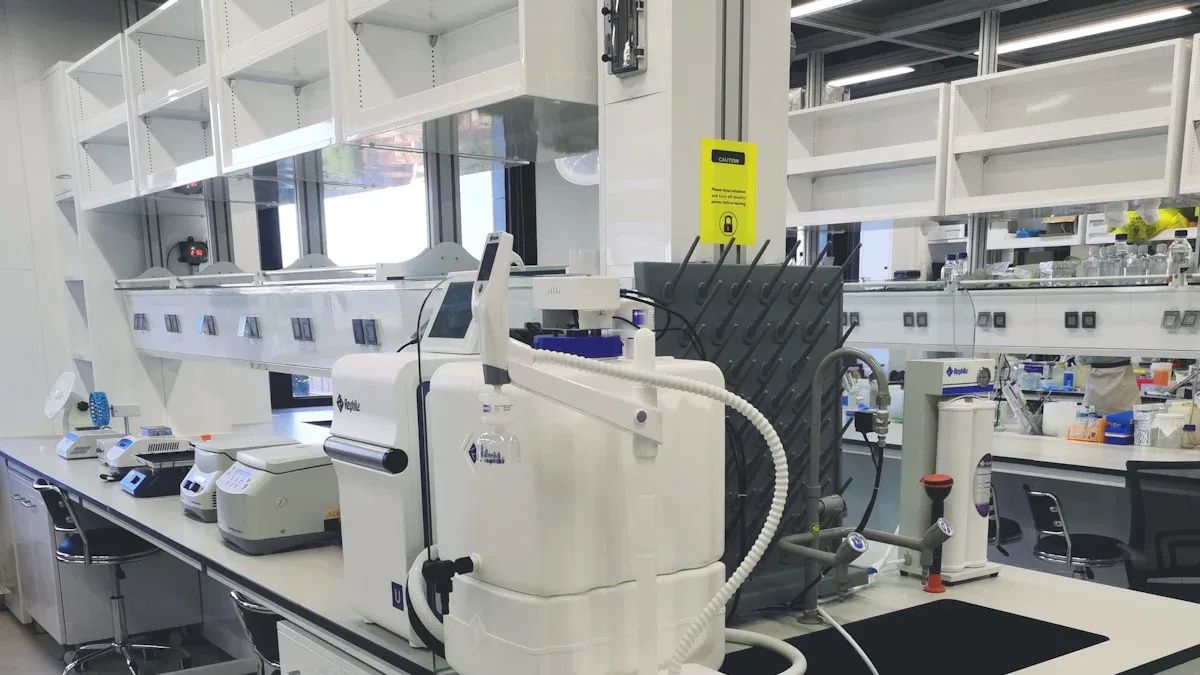
Pharmaceutical-grade quartz tubes must meet strict quality certifications to ensure product safety and regulatory compliance. These certifications cover purity, documentation, and traceability, which are essential for preventing contamination in drug manufacturing. Manufacturers rely on standardized testing and robust supplier quality systems to maintain consistent material quality.
ICP-MS Elemental Analysis Requirements for Material Certification
Certifying pharmaceutical-grade quartz tubes begins with precise elemental analysis. Laboratories use Inductively Coupled Plasma Mass Spectrometry (ICP-MS) to detect trace metals at very low concentrations, following protocols such as those in Chapter <233>. This process ensures that quartz tubes meet the required purity standards for pharmaceutical applications.
Analysts prepare samples and validate methods by spiking materials before analysis, confirming the procedure’s suitability for the instrument and sample type. They also demonstrate performance requirements through system suitability studies and compare results to permissible daily exposure (PDE) limits for each element. The J-value, defined in Chapter <233>, helps confirm that detection capabilities align with regulatory needs.
ICP-MS Certification | Key Points |
|---|---|
Analytical Procedure | Chapter <233> protocols |
Instrumental Method | ICP-MS, trace-element techniques |
Validation Protocol | Suitability and spiking studies |
Data Quality | Meets PDE and J-value standards |
FDA 21 CFR Part 11 Compliance for Electronic Documentation
Electronic documentation plays a vital role in pharmaceutical manufacturing. FDA 21 CFR Part 11 sets the standards for electronic records and signatures, ensuring data integrity and traceability throughout the certification process. Facilities must implement secure systems that prevent unauthorized access and maintain accurate audit trails.
Quality teams use automated optical inspection reports and batch-level traceability with unique material IDs to support compliance. Statistical process control data and hydrofluoric acid etching test results further verify surface quality and dimensional tolerances. These records provide clear evidence of material quality during regulatory audits.
In summary, robust electronic documentation ensures:
Secure, traceable records for every batch
Compliance with FDA and international standards
Efficient regulatory inspections and approvals
Supplier Quality System Expectations for Pharmaceutical Applications
Suppliers must demonstrate that their quartz tubes can withstand the demanding conditions of pharmaceutical processes. They conduct thermal shock, chemical resistance, and durability testing to confirm long-term reliability. These tests ensure that tubes perform well when exposed to acids, bases, solvents, and process gases.
Manufacturers expect suppliers to provide recent test reports and verify compliance with ASTM and ISO standards. They also require process reliability data and regulatory compliance documentation to support ongoing quality assurance. Regular supplier audits and change control procedures help maintain consistent material quality over time.
Supplier Quality Testing | Description |
|---|---|
Thermal Shock | Withstands sudden temperature changes |
Chemical Resistance | Endures acids, bases, solvents, gases |
Durability | Confirms long-term reliability |
How Should Pharmaceutical Manufacturers Validate Quartz Tube Installation?
Pharmaceutical manufacturers must validate quartz tube installation to ensure product safety and regulatory compliance. Proper validation confirms that the equipment meets purity and cleanliness standards before use in drug synthesis. This process reduces contamination risks and supports consistent manufacturing outcomes.
IQ/OQ/PQ Protocol Development for Quartz Reactor Tubes
Manufacturers use Installation Qualification (IQ), Operational Qualification (OQ), and Performance Qualification (PQ) protocols to validate quartz reactor tubes. IQ verifies that the correct tubes are installed, match the certificates, and show no physical damage. OQ and PQ confirm that the tubes perform as expected during operation and actual production.
During OQ, teams test the tubes by running solvent rinses and analyzing extracts for metals using ICP-MS. They also check for organic residues with TOC analysis and count particles in rinse solutions. PQ involves producing three validation batches, monitoring API purity, elemental impurity levels, and yield consistency. Data from over 300 installations show that following these protocols reduces batch failures by 40% compared to sites without structured validation.
Key steps in IQ/OQ/PQ protocol development:
IQ: Confirm material certificates, inspect tubes, document installation
OQ: Test for extractables, verify cleanliness, analyze rinse samples
PQ: Run validation batches, monitor quality, compare to historical data
These steps help manufacturers maintain high standards and meet regulatory expectations for pharmaceutical-grade equipment.
Extractables and Leachables Testing Methodology
Extractables and leachables testing identifies substances that may migrate from quartz tubes into drug products. Extractables are compounds released under aggressive laboratory conditions, while leachables are those found in real process environments. Testing ensures that no harmful substances contaminate the drug during synthesis.
Analysts perform extractables studies by exposing quartz tubes to solvents at elevated temperatures, then analyzing the solutions using ICP-MS for metals and TOC for organics. Leachables testing uses actual process conditions, collecting samples during production runs. Results must meet strict limits set by ICH Q3D and USP <788>. Data from TOQUARTZ show that high-purity quartz tubes consistently keep leachable metals below 1 ppb and TOC below 5 mg/L.
Testing Step | Purpose |
|---|---|
Extractables Study | Identify potential contaminants |
Leachables Analysis | Confirm safety under real conditions |
Regulatory Compliance | Meet ICH Q3D and USP <788> requirements |
This methodology gives manufacturers confidence that quartz tubes will not introduce unacceptable impurities, supporting safe and effective pharmaceutical production.
Pharmaceutical manufacturing depends on strict purity specifications to prevent contamination and protect patient safety. Pharmaceutical quartz tube purity stands out as a key factor in maintaining high product quality. Manufacturers benefit from robust validation and regulatory compliance at every stage.
Validation guarantees that every batch of a pharmaceutical product meets the same quality standards, ensuring efficacy and patient safety. Without proper validation, inconsistencies in formulation, potency, or purity could lead to ineffective or harmful medications.
High-purity chemicals and detailed documentation support reproducibility and integrity.
Regulatory compliance helps prevent health risks and ensures rigorous testing before approval.
Continuous monitoring and best practices safeguard product quality.
Best Practice | Description |
|---|---|
Detects and controls impurities to maintain API quality. | |
Analytical Testing | Uses validated standards and instruments for accurate results. |
Manufacturers should prioritize purity and documentation throughout pharmaceutical chemical synthesis to ensure safe, effective medicines.
FAQ
What purity grades are suitable for pharmaceutical chemical synthesis?
Pharmaceutical manufacturers use ACS, USP, and NF grades for chemical synthesis. These grades guarantee low impurity levels and meet regulatory standards. Technical and laboratory grades do not provide the required purity for drug production.
Tip: Always verify chemical grade before starting synthesis.
What is the maximum allowable metallic impurity in quartz tubes for injectable drug manufacturing?
High-purity quartz tubes should contain less than 5 ppm total metallic impurities. Individual elements must remain below 1 ppm. These limits help prevent contamination and support compliance with ICH Q3D guidelines.
Impurity Type | Limit (ppm) |
|---|---|
Total Metals | <5 |
Individual Metals | <1 |
What methods measure OH content in pharmaceutical quartz tubes?
Scientists use infrared (IR) spectroscopy to measure OH content. The technique detects absorption peaks at 3620-3640 cm⁻¹. Facilities compare peak intensity to standards for accurate quantification.
IR spectroscopy provides reliable results.
ISO 719 sets acceptable OH levels.
Regular testing ensures compliance.
What cleaning protocols ensure quartz tube surface cleanliness?
Manufacturers use sequential detergent washing, high-purity water rinsing, and solvent treatments. These steps reduce particle contamination below 50 particles/cm² and lower TOC to less than 10 mg/m².
Cleanroom packaging protects surfaces until installation.
What documentation supports pharmaceutical-grade quartz tube certification?
Material certificates of analysis (CoA), ICP-MS elemental analysis reports, and surface cleanliness verification documents support certification. Suppliers must also provide traceability records and comply with ISO and FDA standards.
Document Type | Purpose |
|---|---|
CoA | Confirms purity |
ICP-MS Report | Verifies metals |
Cleanliness Cert. | Ensures compliance |