Quartz infrared tube heating elements are increasingly popular in high-temperature applications due to their efficiency, stability, and ability to handle extreme temperatures. But how exactly do these elements work, and what makes quartz an ideal material for infrared heating? In this article, we’ll explore the science behind quartz infrared tube heating elements and their applications in various high-temperature industries.
This article dives into the operation of quartz infrared tube heating elements, focusing on their high-temperature performance, energy conversion efficiency, and role in modern heating systems.
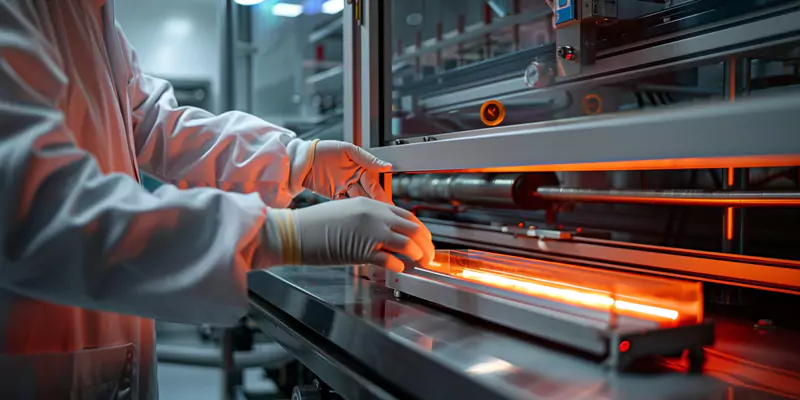
What Are Quartz Infrared Tube Heating Elements?
Quartz infrared tube heating elements utilize the unique properties of quartz to efficiently convert electrical energy into infrared radiation. These heating elements are commonly used in high-temperature applications where other materials would fail, thanks to quartz's outstanding thermal stability and infrared transparency. Their design allows them to heat surrounding areas rapidly and uniformly, making them ideal for both industrial and commercial heating systems.
Overview of Quartz Infrared Tube Heating Elements
Quartz infrared tubes are made from fused quartz material that emits infrared radiation when heated. The ability of quartz to withstand extremely high temperatures, along with its efficient infrared transmission, makes it an ideal material for high-temperature applications. Quartz heating elements are capable of reaching temperatures up to 1,100°C (2,012°F) without compromising their structural integrity, providing reliable and long-lasting performance in demanding conditions.
The primary reason quartz is used in infrared heating elements is its exceptional thermal stability. Unlike other materials, quartz does not degrade when exposed to high temperatures for extended periods, ensuring that it maintains its efficiency over time. This makes quartz a preferred choice in industries requiring high-performance heating elements.
Additionally, quartz's ability to efficiently transmit infrared radiation makes it ideal for applications such as industrial curing, drying, and high-precision processes. It allows the infrared energy to pass through the material with minimal absorption, leading to faster heating times and more efficient energy use.
How Quartz Differs from Other Heating Materials
Quartz stands out from metals and ceramics due to its superior ability to transmit infrared radiation. While metals, such as steel and aluminum, are good heat conductors, they tend to absorb much of the infrared energy, limiting their efficiency. In contrast, quartz allows infrared radiation to pass through with minimal absorption, which increases the overall heating efficiency.
Unlike ceramics, which can suffer from thermal shock and crack under rapid temperature changes, quartz remains stable under such conditions. Its low thermal expansion means it does not crack or degrade even when exposed to extreme temperature fluctuations, making it highly durable in demanding environments.
The efficiency of quartz heating elements is further enhanced by their ability to distribute heat evenly. This uniform heat transfer ensures that energy is directed precisely where it is needed, improving performance in both industrial and commercial applications.
The Science Behind Quartz Infrared Tube Heating Elements
The scientific principles that allow quartz infrared tube heating elements to work efficiently are rooted in their unique physical properties. Quartz’s low thermal expansion, high temperature stability, and infrared transparency play crucial roles in ensuring that these elements operate effectively in extreme conditions. This section will delve into the physical properties of quartz and how they directly contribute to its performance as an infrared heating element.
Physical Properties that Enable Quartz’s Infrared Transparency
Quartz is highly transparent to infrared radiation1, which allows infrared light to pass through without significant absorption. This transparency ensures that energy generated by the heating element is transmitted efficiently to the target materials, enhancing the heating process. By allowing infrared radiation to pass through, quartz prevents energy loss that would otherwise occur with materials that absorb the radiation.
This infrared transparency also leads to direct and effective heating. The heat generated by quartz infrared tubes is transmitted directly to the materials, bypassing the need to first heat the surrounding air. This results in more focused and faster heating, which is crucial in high-speed industrial applications such as drying and curing.
Moreover, the high infrared transparency of quartz contributes to its energy efficiency. Since minimal energy is absorbed by the quartz itself, more of the energy is directed to the target materials, resulting in faster heating times and reduced energy consumption. This makes quartz an ideal material for applications where energy efficiency and precise heating are critical.
The Role of Quartz’s Low Thermal Expansion in Heating
One of the key advantages of quartz is its low thermal expansion coefficient. This means that quartz does not expand or contract significantly when exposed to high temperatures, making it stable under rapid temperature fluctuations. This stability ensures that quartz heating elements can withstand extreme temperature changes without losing their structural integrity.
The low thermal expansion of quartz also prevents cracking and warping, which are common issues with other materials exposed to high heat. This makes quartz an excellent choice for industries where high-temperature fluctuations are common, such as semiconductor manufacturing and high-precision laboratory work.
In addition, the low thermal expansion of quartz leads to more efficient and reliable performance over time. Heating elements made from quartz can operate at high temperatures for extended periods without degrading, reducing the need for frequent replacements and lowering maintenance costs.
How Quartz’s High Temperature Stability Enhances Performance
Quartz can withstand temperatures up to 1,100°C (2,012°F) without deteriorating, which makes it ideal for high-temperature applications. This high thermal stability ensures that quartz heating elements can function effectively over long periods, even in environments where other materials might degrade. In industries like semiconductor manufacturing, where precise and reliable heating is essential, this property is particularly valuable.
Quartz’s high temperature stability also makes it suitable for industrial applications such as metal processing, curing, and drying. The material’s ability to maintain its structure and performance at high temperatures allows for more efficient and consistent heating, improving overall system performance.
The high temperature stability of quartz also contributes to its durability. Heating elements made from quartz can withstand continuous high temperatures without failure, reducing the need for maintenance and increasing the lifespan of the heating system.
How Quartz Infrared Tube Heating Works: The Heat Transfer Mechanism
Quartz infrared tube heating elements work by emitting infrared radiation2, which is absorbed by surrounding materials, causing them to heat up. This section will explore how the heat transfer mechanism works in quartz infrared tubes, focusing on the process of infrared radiation and its interaction with the environment. Additionally, we will discuss how the efficiency of quartz as a heating element is maximized through its unique properties.
Heat Transfer through Infrared Radiation
Quartz infrared tubes emit infrared radiation that directly heats objects or materials without significantly heating the surrounding air. This direct heat transfer is highly efficient, as it bypasses the intermediate step of heating air, which can result in energy losses in traditional heating systems. The efficiency of this process is enhanced by quartz’s ability to transmit infrared radiation without substantial absorption.
This direct heating mechanism leads to faster response times in heating systems. By emitting energy directly to the target materials, quartz infrared tubes enable quicker heating, making them ideal for time-sensitive applications. In industries such as food processing or pharmaceutical production, where precision and speed are crucial, quartz’s infrared radiation provides a distinct advantage.
Furthermore, the direct heat transfer through infrared radiation minimizes energy loss, making quartz infrared heating systems more energy-efficient. The ability to focus energy where it is needed reduces overall energy consumption and improves the cost-effectiveness of the heating process.
Quartz's Efficiency in Transferring Heat to Surroundings
Quartz heating elements are effective in transferring heat to their surroundings due to their high thermal conductivity and low thermal resistance. This means that quartz can quickly and evenly distribute heat, reducing the time required to heat up a material or space. In industrial settings, this efficiency leads to faster processing times and reduced energy consumption.
The high thermal conductivity of quartz also ensures uniform heat distribution, which is critical for applications requiring consistent heating. Whether used in curing, drying, or metal processing, quartz helps maintain a steady temperature, which improves product quality and reduces inconsistencies.
In addition to improving heating speed and uniformity, quartz’s efficient heat transfer also reduces the need for supplementary heating elements. This lowers overall system costs, making quartz infrared heating elements an economical choice for industries where energy efficiency and operational cost reduction are priorities.
The Mechanism of Energy Conversion in Quartz Infrared Tubes
The energy conversion process in quartz infrared tubes involves converting electrical energy into heat, which is then emitted as infrared radiation. This process is highly efficient due to quartz’s ability to transmit energy without significant loss. The conversion efficiency of quartz heating elements is one of the key factors that make them so effective for high-temperature applications.
Quartz infrared tubes are designed to absorb electrical energy and convert it into heat efficiently. This conversion process is optimized by quartz’s high thermal stability and infrared transparency, which ensures that the energy is used effectively for heating. This makes quartz an ideal material for high-precision and high-performance heating systems.
The mechanism of energy conversion in quartz infrared tubes is further enhanced by the uniformity of heat distribution. The heat generated by the quartz tube is evenly spread across the material, ensuring consistent and effective heating. This consistency is particularly important in applications such as semiconductor manufacturing, where uniform heat is essential for process reliability.
Key Properties of Quartz that Enhance Heating Efficiency
Quartz’s superior performance as an infrared heating element can be attributed to several key properties. These include its high temperature stability, transparency to infrared energy, and low thermal expansion. In this section, we will examine how these properties combine to enhance heating efficiency and make quartz the material of choice for high-performance heating systems.
The Role of Thermal Stability in Heating Efficiency
Thermal stability is one of the most important properties of quartz when it comes to heating efficiency. Quartz can maintain its integrity at high temperatures, which ensures consistent heat output over extended periods. This stability reduces the risk of material failure and ensures that the heating system operates efficiently without the need for frequent replacements.
The thermal stability of quartz allows it to operate in extreme conditions without degrading, making it a reliable material for long-term use. In high-temperature applications such as industrial ovens and furnaces, quartz heating elements continue to function effectively, ensuring that production processes run smoothly.
Furthermore, thermal stability helps minimize energy loss. Since quartz maintains its structural integrity at high temperatures, it can efficiently transfer heat to the surrounding environment without wasting energy. This improves the overall efficiency of the heating system, making quartz infrared tubes a cost-effective solution for energy-intensive applications.
Transparency to Infrared Energy and Its Impact on Performance
Quartz’s ability to transmit infrared radiation without absorbing it leads to higher heating efficiency. By allowing infrared energy to pass through, quartz ensures that the heat is directed precisely where it is needed, without energy loss. This results in faster heating times and more efficient energy use, which is especially important in applications requiring high precision.
The transparency of quartz to infrared radiation also helps maintain the temperature consistency of the heating system. Unlike materials that absorb infrared energy, quartz ensures that the emitted radiation is effectively utilized, improving the uniformity of heat distribution. This makes quartz ideal for precision heating applications such as semiconductor processing or laboratory equipment.
Additionally, the infrared transparency of quartz allows for faster heating and lower energy consumption. The ability to focus energy directly on the target material reduces the need for excess energy, making quartz a more sustainable option for industries looking to minimize their energy footprint.
Low Thermal Expansion and High Durability in Heating Elements
Quartz’s low thermal expansion means that it remains structurally stable even when subjected to rapid changes in temperature. This property is critical in high-temperature environments where other materials might fail due to thermal stress. The high durability of quartz makes it ideal for use in heating elements that are exposed to harsh operating conditions.
The low thermal expansion of quartz also ensures that its heating elements maintain their shape and performance over extended periods. This stability leads to reduced maintenance costs, as quartz heating elements are less likely to suffer from the cracking and warping that affect other materials under temperature stress.
Furthermore, quartz’s durability allows it to withstand repeated heating and cooling cycles without losing efficiency. This makes quartz an excellent choice for applications that require long-term, continuous use in high-temperature settings.
Quartz Infrared Tube Heating Elements’ Efficiency in Various Applications
Quartz infrared tube heating elements are used in a wide range of applications, from industrial heating to semiconductor manufacturing. In this section, we will explore how quartz infrared tubes enhance heating efficiency in different sectors, including their role in energy conservation and high-performance systems.
Industrial Heating Efficiency with Quartz Tubes
In industrial applications, quartz infrared tubes are often used for curing, drying, and metal processing. Their ability to quickly and evenly heat materials makes them ideal for these high-temperature environments. Quartz tubes provide uniform heating, improving the consistency and quality of industrial processes.
Quartz’s efficiency in transferring heat directly to the target material makes it an excellent choice for applications where precision and speed are critical. The ability to achieve fast heating times without energy loss enhances productivity in industries such as automotive, electronics, and packaging.
Moreover, quartz infrared tubes help reduce energy consumption in industrial heating systems. Their high efficiency ensures that less energy is wasted, lowering operational costs and contributing to more sustainable production practices.
Enhancing Heating Efficiency with Quartz Infrared Tubes in Semiconductor Applications
Quartz infrared tubes are essential in semiconductor manufacturing, where precise and consistent heating is required. Quartz’s high temperature stability and infrared transparency allow for uniform heating, which is crucial for the delicate processes involved in semiconductor production. This results in more efficient and reliable manufacturing processes.
In semiconductor applications, quartz heating elements ensure that the delicate components are heated evenly, preventing overheating or underheating that could compromise the product’s integrity. The ability to maintain a consistent temperature is critical in ensuring the accuracy and performance of semiconductor devices.
The use of quartz infrared tubes in semiconductor applications also improves the energy efficiency of the manufacturing process. By directly heating the materials with minimal energy loss, quartz reduces the overall energy consumption and lowers production costs, making it a cost-effective solution for semiconductor manufacturers.
Reducing Energy Consumption in Commercial Heating Systems
Quartz infrared heating systems are used in commercial heating applications, where energy efficiency is a key concern. By efficiently converting electrical energy into infrared radiation, quartz heating elements reduce energy consumption and lower operational costs. The use of quartz can also reduce the environmental impact of heating systems.
In commercial applications such as restaurants, warehouses, and greenhouses, quartz infrared tubes provide quick, efficient heating with minimal energy waste. Their ability to focus heat directly on the target area reduces the need for excess energy, improving overall system efficiency.
Quartz infrared heating systems also contribute to a more sustainable energy footprint. Their high efficiency means that less energy is required to achieve the desired temperature, helping businesses reduce their carbon emissions and energy costs.
Quartz vs Other Materials: Why Quartz Outperforms Metals and Ceramics
Quartz outperforms metals and ceramics in several key areas, such as thermal stability, infrared transparency, and resistance to thermal shock. In this section, we will compare quartz to other common heating materials, highlighting its advantages in terms of performance and durability.
Comparison of Quartz, Metals, and Ceramics in Heating Applications
While metals are good conductors of heat, they absorb much of the infrared radiation, reducing efficiency. Ceramics, on the other hand, can crack under rapid temperature changes. Quartz offers the best of both worlds by efficiently transmitting infrared radiation while maintaining its structural integrity at high temperatures.
Metals may be effective at conducting heat but fail to transmit infrared energy as efficiently as quartz. Quartz’s ability to allow infrared radiation to pass through with minimal absorption means that it is more efficient at directly heating materials, making it ideal for high-precision heating applications.
Ceramics, though often used for heating, can suffer from thermal shock, making them less reliable in dynamic temperature conditions. Quartz, with its low thermal expansion, is much more stable under such conditions, offering better performance and durability in high-temperature environments.
Advantages of Quartz Over Other Materials in Thermal Performance
Quartz provides superior thermal performance compared to metals and ceramics, particularly in applications where infrared transparency and high temperature stability are crucial. Its ability to transmit infrared energy without significant absorption makes it a more efficient heating element, especially in high-precision applications.
The thermal conductivity of quartz also contributes to its high efficiency. Unlike metals that absorb energy, quartz efficiently transfers heat, directing it precisely where it is needed. This makes quartz an ideal material for industries that require uniform and reliable heating.
In addition, quartz’s durability in high-temperature environments allows it to perform over long periods without degradation, making it more cost-effective in the long term compared to other materials. This stability ensures that quartz can deliver reliable performance in demanding industrial processes.
Case Study: Successful Implementation of Quartz Tubes in High-Temperature Systems
A case study in industrial heating demonstrated how quartz infrared tubes provided better performance than traditional ceramic heating elements. The quartz tubes offered faster heating times, improved energy efficiency, and a longer lifespan, reducing the need for maintenance and replacement.
In the case study, quartz infrared tubes were used in a high-temperature curing process for industrial coatings. The tubes provided consistent heating, which improved the quality of the coatings and reduced the overall energy consumption of the system. This led to significant cost savings for the company and improved the overall efficiency of the production process.
The case study also highlighted the long-term benefits of using quartz in high-temperature applications. The ability of quartz tubes to withstand prolonged exposure to high temperatures without degrading ensured that the system operated effectively for a longer period, reducing maintenance costs and downtime.
Future Trends in Quartz Infrared Heating Technology
The future of quartz infrared heating technology looks promising, with ongoing research and development aimed at enhancing the performance of quartz heating elements. This section will explore the future trends in quartz infrared heating, including technological advancements and their potential impact on energy efficiency.
Advancements in Quartz Tube Heating Technology
Researchers are continuously working to improve the efficiency of quartz infrared heating technology. New developments in materials and design are expected to enhance the thermal performance and energy efficiency of quartz tubes, making them even more suitable for high-temperature applications .
The Future of Energy-Efficient Quartz Heating Systems
As industries move toward more sustainable solutions, quartz infrared heating systems are expected to play a key role in reducing energy consumption. The development of more efficient quartz materials will further increase the energy savings and environmental benefits of quartz heating systems .
How Research is Improving Quartz Heating Element Performance
Ongoing research in quartz heating element technology is focused on optimizing the materials used in quartz tubes. This research is expected to lead to advancements in quartz’s infrared transparency and thermal stability, further improving the efficiency and performance of quartz infrared tubes .
Conclusion
Quartz infrared tube heating elements are essential for high-temperature applications. Their ability to provide efficient, stable, and reliable heating makes them the ideal choice for industries that require precision and performance.
Unlock the full potential of your heating systems with TOQUARTZ's high-performance quartz infrared tubes. With over 20 years of experience and factory-direct supply, we offer custom solutions and fast delivery to meet your specific needs.
FAQ
What are the key benefits of using quartz in infrared heating elements?
Quartz offers superior infrared transparency, high temperature stability, and low thermal expansion, which ensure efficient and reliable heating in high-temperature applications.
How do quartz infrared tube heating elements compare to ceramic heating elements?
Quartz infrared tubes provide higher infrared transparency and better durability under high temperatures, making them more efficient than ceramic heating elements for many applications.
What are the customization options for quartz infrared tube heating elements?
TOQUARTZ offers custom quartz infrared tube heating elements tailored to your specifications, including custom lengths, diameters, and thermal properties.
When should quartz infrared tubes not be used?
Quartz infrared tubes may not be suitable for applications that require extreme resistance to aggressive chemicals, or where very high temperatures exceed the material's limits.
References: