
Blogs
What Temperature Can Quartz Tubes Withstand in Different Operating Environments?
Why quartz tubes fail at rated temperatures: vacuum reduces limits 200°C, hydrogen causes erosion, halogens restrict to 900°C. Environment-specific ratings.
Why quartz tubes fail at rated temperatures: vacuum reduces limits 200°C, hydrogen causes erosion, halogens restrict to 900°C. Environment-specific ratings.
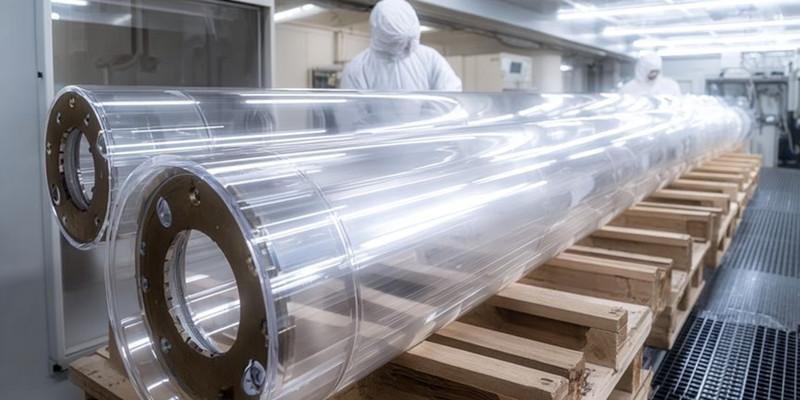
Quartz tubes withstand 1100-1200°C atmospheric, 1000°C vacuum, 1000-1050°C reducing atmospheres. Learn temperature limits by operating environment.
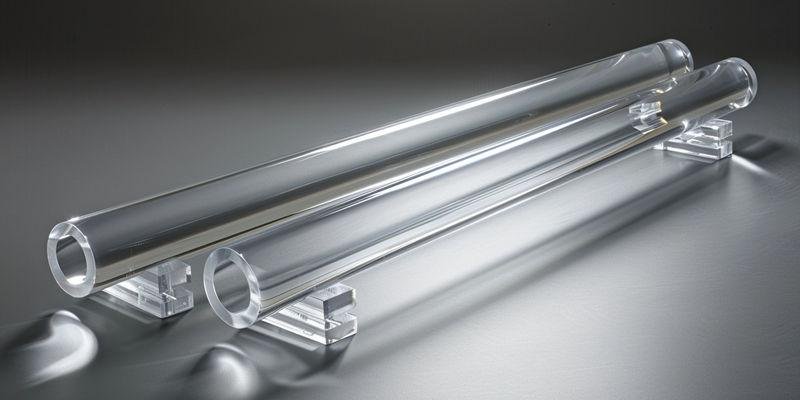
Quartz vs glass tube application selection depends on temperature, purity, chemical resistance, and optical needs for each use case.
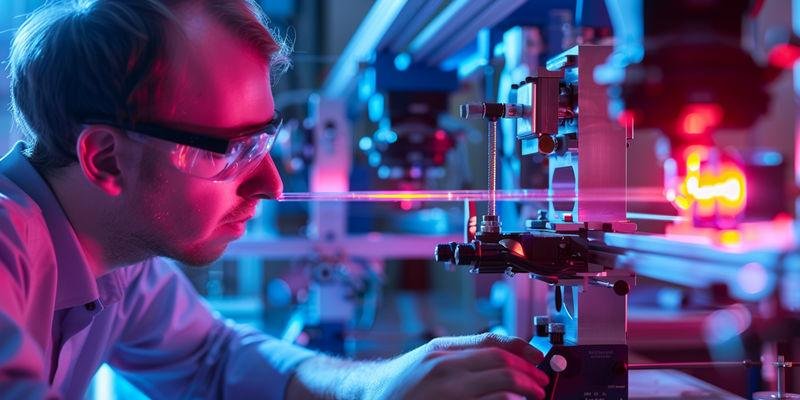
Compare optical transmission: quartz 185-2500nm (85-92% UV) vs glass 350-2000nm (<5% UV). Iron content, OH impact & wavelength-specific material selection.
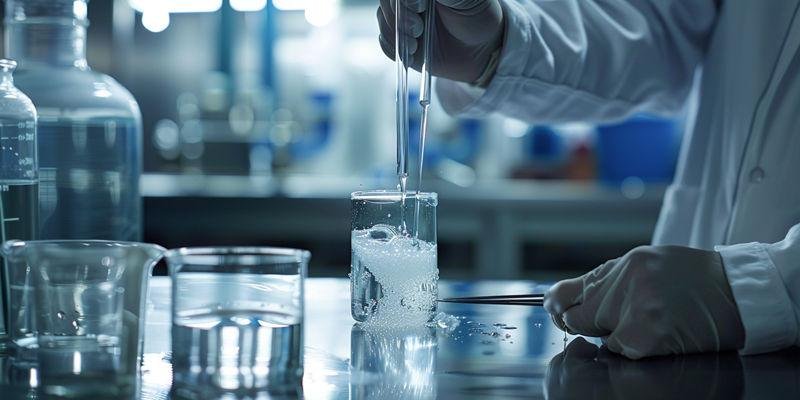
Compare acid resistance: quartz (99.98% SiO₂) lasts 10,000-15,000h vs glass 800-1,500h in 70% HNO₃. Understand Na₂O leaching, attack rates & service life.

Compare rapid heating capability: quartz tubes enable 500°C/min vs glass limited to 150°C/min. Understand thermal stress, cycle life & process throughput.
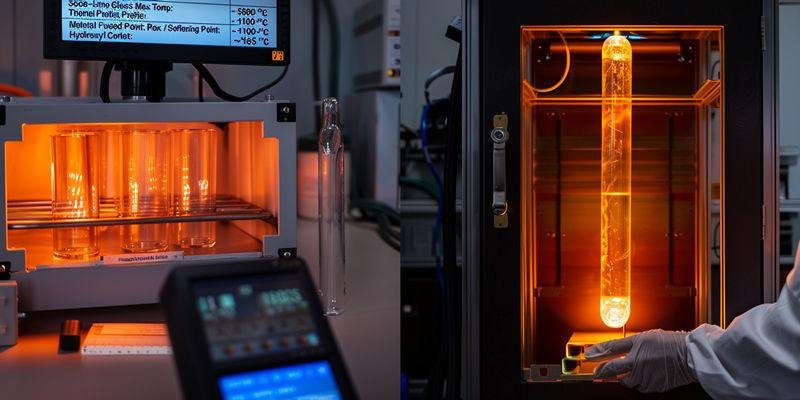
Compare quartz (1665°C softening) vs borosilicate glass (820°C) for high-temp tubes. Learn composition differences affecting thermal cycling & deformation.
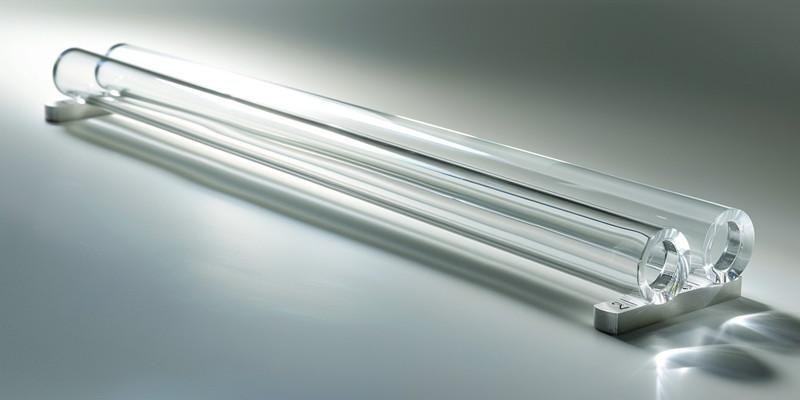
Learn fundamental differences: composition (99.98% vs 80% SiO₂), temperature limits (1200°C vs 500°C), UV transmission (85% vs <5%), applications & costs.
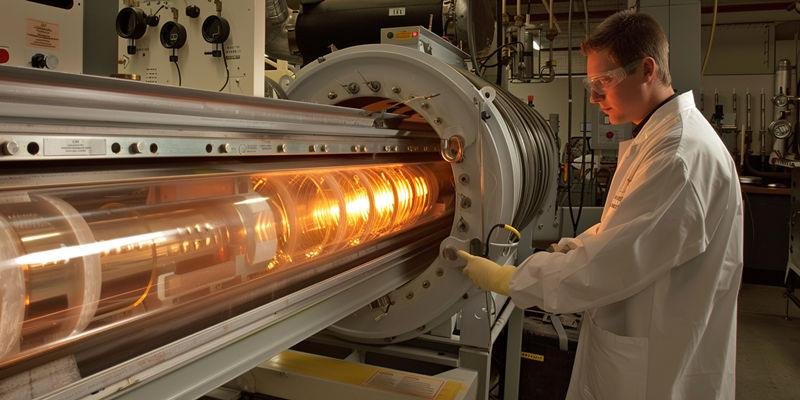
Specification guide: Wall thickness calculations, OH content by temperature, tolerance requirements & L/D ratios for reliable high-temperature tube performance.