
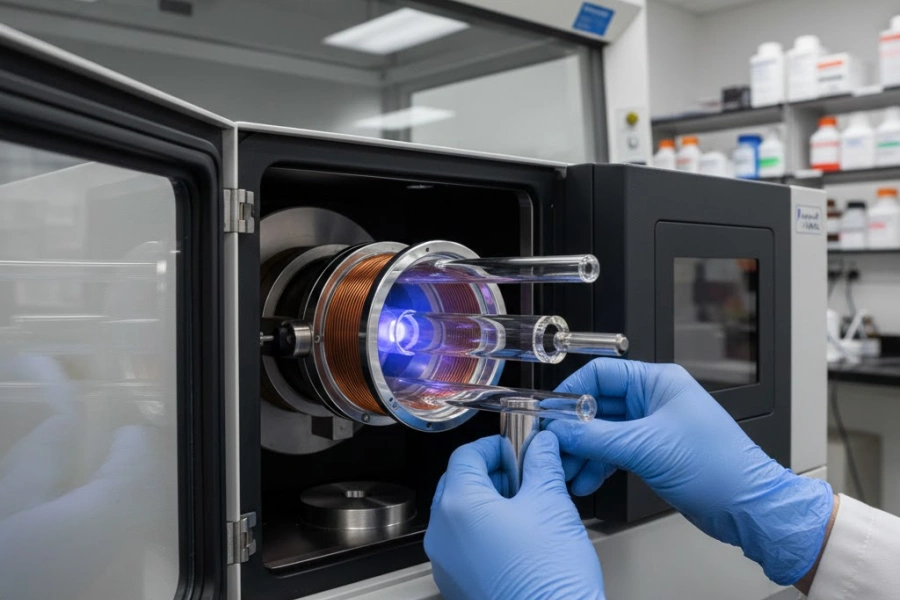
Transparent Quartz Tubes: 5 High-Performance Industrial Applications
Transparent quartz tubes fail in ways ordinary glass never predicts — and understanding where they excel prevents costly specification errors […]
Transparent quartz tubes fail in ways ordinary glass never predicts — and understanding where they excel prevents costly specification errors […]
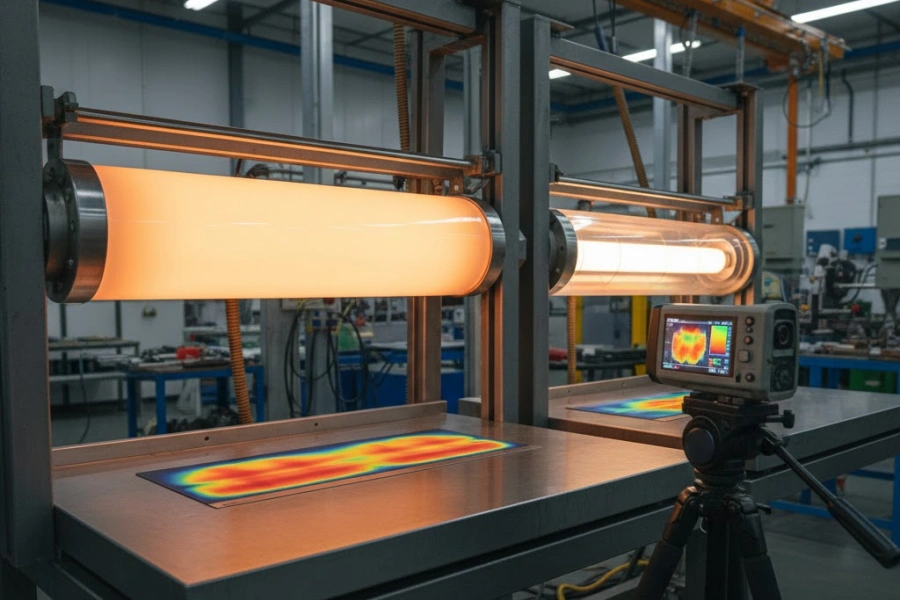
Engineers specifying quartz tube materials frequently encounter performance failures traceable to a single misunderstood distinction. Choosing the wrong variant between
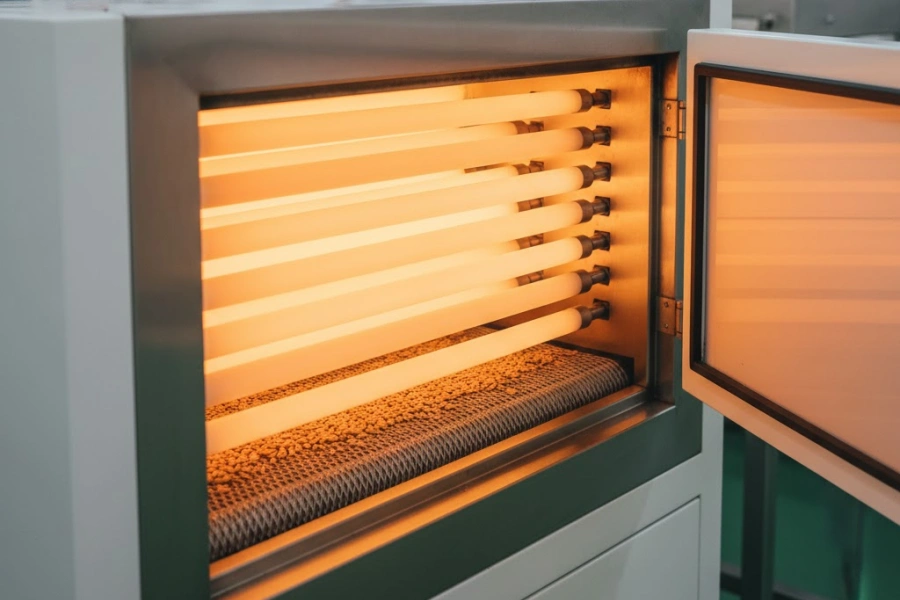
Selecting the wrong tube material in high-temperature or high-precision industrial systems causes energy loss, contamination, and premature equipment failure. Opaque
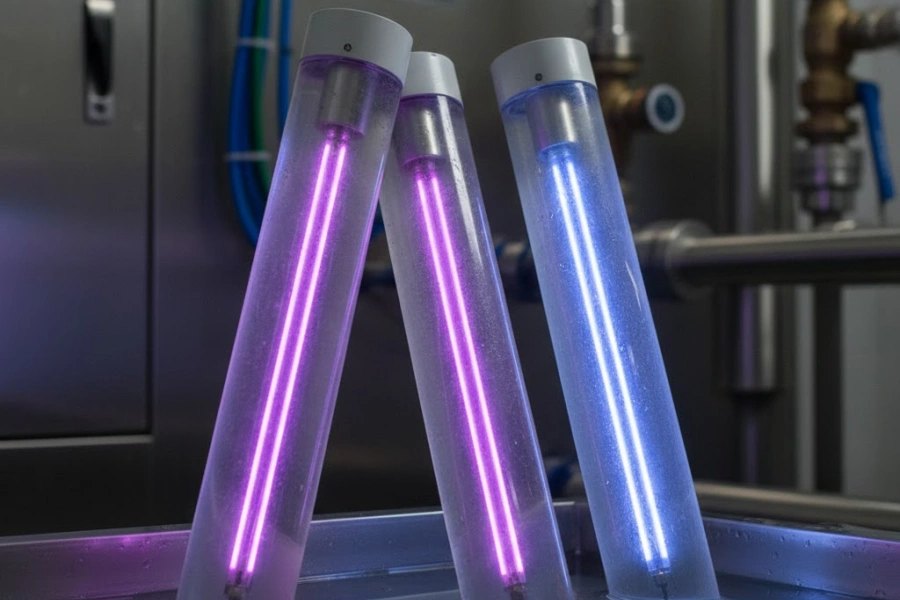
Fused quartz manifasts UV transparency, thermal resilience, and chemical inertness that make it the baseline material for serious UV system
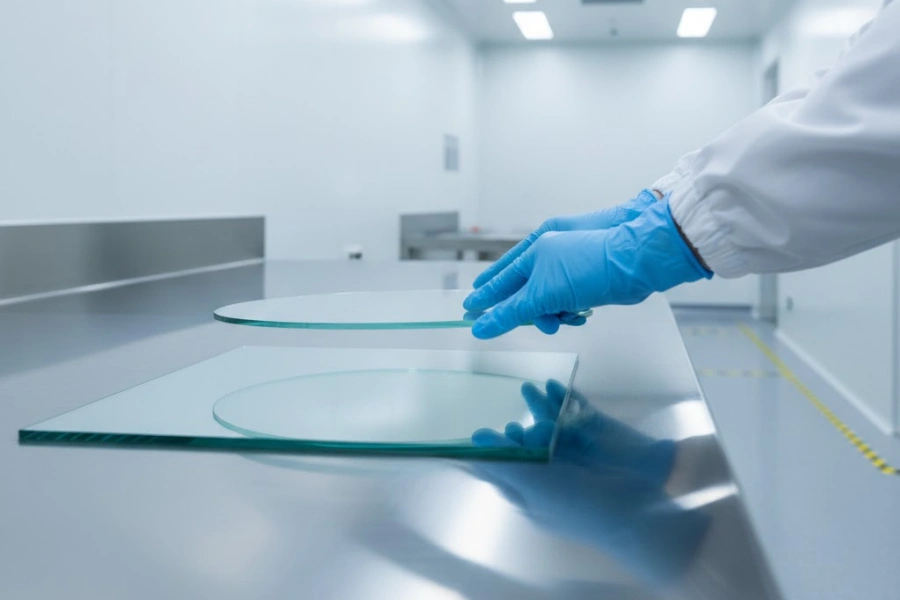
Precision optical systems fail not from poor design, but from material mismatch. When standard substrates cannot meet geometric or spectral
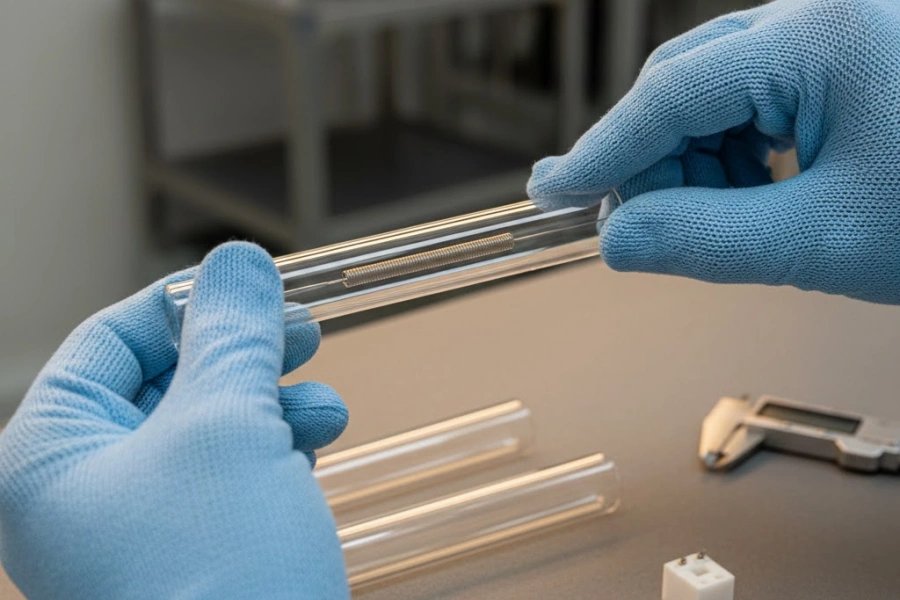
Semiconductor fabrication demands measurement precision that most industrial environments never encounter. When temperature deviates by even a few degrees, entire
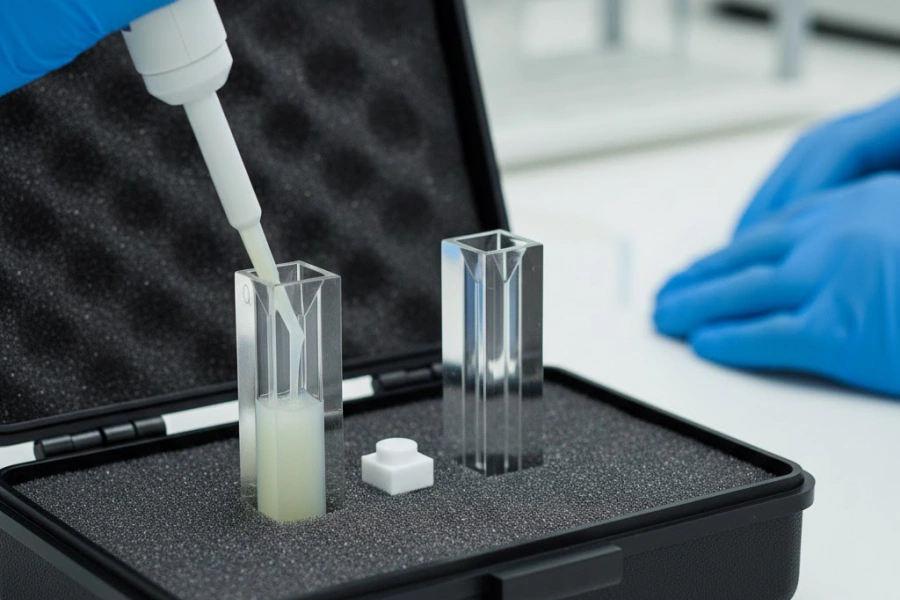
Choosing the wrong cuvette material corrupts spectroscopic data silently — and most researchers only discover the error after results become

Laboratories and fabs worldwide depend on a material most people overlook — yet without it, precision science would stall at
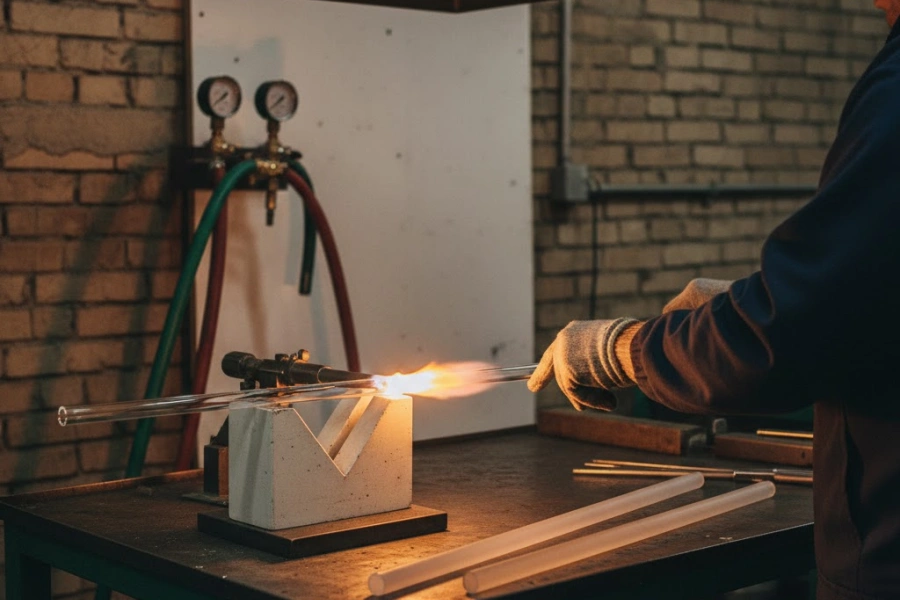
Precision demands a process — and quartz demands more precision than almost any other industrial material. Without a rigorous, stage-by-stage