Choosing the wrong petri dish material compromises experimental integrity. This comparison cuts through ambiguity and delivers material-specific answers grounded in measurable physical and chemical data.
Both borosilicate glass and fused silica quartz are chemically inert, thermally superior to standard soda-lime glass, and widely used across academic and industrial laboratories. Yet their performance boundaries diverge sharply at the thresholds that matter most — temperature, optical transmission, and ionic purity. The sections below map each material's properties to specific laboratory demands, so the selection rationale becomes reproducible rather than intuitive.
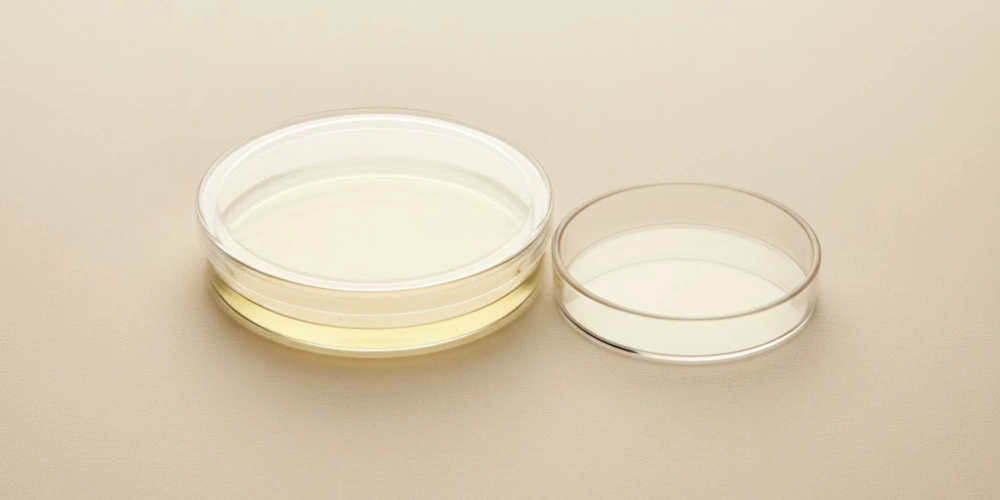
What Distinguishes Borosilicate Glass from Fused Silica Quartz
Material identity precedes all performance comparison. Without a precise understanding of what each substrate is made of and how it is produced, any downstream property comparison risks being misattributed or misapplied in a laboratory context.
The Compositional Makeup of Borosilicate Glass
Borosilicate glass is an engineered silicate system in which silicon dioxide (SiO₂) constitutes approximately 80% by weight, with boron trioxide (B₂O₃) contributing roughly 13%. The remaining fraction consists of sodium oxide (Na₂O, ~4%) and aluminum oxide (Al₂O₃, ~3%), each included to stabilize the melt viscosity and improve workability during forming.
The deliberate incorporation of B₂O₃ into the silica network disrupts the regular tetrahedral arrangement of SiO₄ units, producing a more open and thermally resilient glass structure. This structural modification is what separates borosilicate from ordinary soda-lime glass in terms of thermal shock resistance. Commercial formulations marketed under trade names such as Pyrex (Corning) and DURAN (Schott) represent mature, standardized iterations of this composition.
It is worth noting that the presence of network modifiers — Na⁺ in particular — introduces mobile ions into the glass matrix. Under sustained thermal stress or chemical attack, these ions can migrate to the surface and enter solution, a behavior with measurable consequences in trace-sensitive applications.
The Purity Basis of Fused Silica in Quartz Petri Dishes
Fused silica, the material from which a quartz petri dish is fabricated, is essentially pure amorphous silicon dioxide with SiO₂ content ≥ 99.9%. Unlike borosilicate glass, it contains no intentional network modifier oxides. The absence of boron, sodium, aluminum, and potassium is not incidental — it is the defining characteristic that drives both its performance advantages and its cost premium.
Two distinct production routes exist. Natural fused silica is derived from high-purity quartz crystal feedstock that is melted at temperatures exceeding 1,720°C, whereas synthetic fused silica (also called synthetic fused quartz or flame-fused silica) is produced from chemical vapor deposition of silicon tetrachloride (SiCl₄), yielding even lower metallic impurity levels. Commercially, grades such as GE Quartz 214, Heraeus Suprasil, and Tosoh ES represent benchmarks for optical and semiconductor-grade applications.
The term "quartz" in laboratory glassware refers specifically to this fused, amorphous form — not to crystalline α-quartz. This distinction matters when evaluating UV transmission data, since crystalline quartz has different birefringent optical properties compared with the isotropic amorphous form used in petri dish fabrication.
How Raw Material Purity Affects Fabrication and Cost
The processing requirements for fused silica explain a significant portion of the cost differential between a standard borosilicate petri dish and a quartz petri dish. Borosilicate glass softens at approximately 820°C and can be formed using conventional flame-working and pressing equipment. Fused silica, by contrast, requires forming temperatures above 1,700°C, demanding specialized furnace infrastructure and hydrogen-oxygen flame systems.
Thermal forming at these elevated temperatures increases energy consumption by a factor of roughly 3–5× compared with borosilicate processing. Additionally, the viscosity behavior of fused silica near its working temperature is far less forgiving; the forming window is narrow, which elevates rejection rates during manufacturing. For high-purity synthetic grades, the chemical vapor deposition feedstock itself carries a substantial raw material cost. These compounding factors — energy, equipment, yield, and feedstock — collectively explain why fused silica labware commands a price premium that is not arbitrary but structurally determined.
Compositional Comparison of Borosilicate Glass and Fused Silica Quartz
| Property | Borosilicate Glass | Fused Silica (Quartz) |
|---|---|---|
| SiO₂ Content (wt%) | ~80 | ≥99.9 |
| B₂O₃ Content (wt%) | ~13 | None |
| Na₂O Content (wt%) | ~4 | <1 ppm |
| Al₂O₃ Content (wt%) | ~3 | Trace |
| Forming Temperature (°C) | ~820 | >1,700 |
| Primary Production Method | Melt casting / pressing | Flame fusion / CVD |
| Common Trade Grades | Pyrex, DURAN | GE 214, Suprasil, Tosoh ES |
Thermal Performance of Borosilicate Glass versus Quartz Petri Dishes
Temperature tolerance is one of the most consequential selection criteria when specifying labware for high-heat processes. The property data for these two material classes diverge substantially once operating conditions exceed 500°C, and understanding where each material reaches its reliable performance boundary prevents both equipment damage and experimental failure.
Continuous Use Temperature Limits in Each Material
Borosilicate glass carries a continuous service temperature ceiling of approximately 500°C, beyond which the glass begins to exhibit accelerated viscous deformation and increased susceptibility to nucleation of crystalline phases. In standard furnace-based applications such as low-temperature ashing or drying at 250–350°C, borosilicate performs reliably.
Fused silica, by contrast, maintains structural integrity at continuous service temperatures up to 1,050–1,100°C, with short-term excursions tolerated up to approximately 1,200°C before devitrification risk becomes significant. This means that muffle furnace operations — routinely conducted at 600–900°C for sample ashing, gravimetric analysis, or thermal decomposition studies — lie well within the fused silica working range but exceed the safe ceiling for borosilicate glass entirely.
In practice, the temperature boundary at 500°C functions as a clear decision threshold: any protocol requiring furnace exposure above this value necessitates fused silica. Below it, borosilicate remains a structurally adequate and economically rational choice.
Thermal Shock Resistance and Coefficient of Thermal Expansion
The coefficient of thermal expansion (CTE) is the quantitative basis for comparing thermal shock resistance between these two materials. Borosilicate glass exhibits a CTE of approximately 3.3 × 10⁻⁶ /°C, which is already low relative to soda-lime glass (~9 × 10⁻⁶ /°C). Fused silica, however, carries a CTE of only 0.55 × 10⁻⁶ /°C — roughly six times lower than borosilicate.
This six-fold difference in dimensional response to temperature change translates directly into thermal shock performance. When a vessel is subjected to rapid temperature transitions — such as transferring a sample directly from a high-temperature furnace to a room-temperature surface — the temperature gradient across the material wall generates differential thermal stresses. A lower CTE means smaller stress gradients, and therefore a substantially reduced probability of crack initiation. Fused silica's resistance to thermal shock is quantified by its thermal shock parameter, which exceeds that of borosilicate glass by more than an order of magnitude in some standardized test protocols.
Laboratories working with sequential heat-and-quench cycles, or those where rapid cooling is part of a processing protocol, will observe measurably lower rates of vessel failure when using fused silica compared with borosilicate.
Autoclave and Dry Heat Sterilization Compatibility
A frequently asked question in laboratory specification is whether either material survives repeated autoclave cycles. Standard autoclave sterilization at 121°C, 15 psi, for 20–30 minutes represents a negligible thermal challenge for both borosilicate glass and fused silica. At this temperature, neither material approaches its performance limit, and both can withstand hundreds of autoclave cycles without measurable dimensional or chemical degradation.
The meaningful divergence emerges with dry heat sterilization, which is conducted at 160–180°C for standard protocols and at 250°C for endotoxin destruction (depyrogenation). Borosilicate glass tolerates the 180°C range without concern; however, repeated depyrogenation cycles at 250°C over extended periods begin to approach the lower bound of concern for some borosilicate formulations. Fused silica is entirely unaffected at these temperatures. For processes requiring sterilization at temperatures above 300°C — occasionally employed in specialized glassware preparation protocols — fused silica is the only viable option between the two materials.
Thermal Property Comparison of Borosilicate Glass and Fused Silica
| Thermal Property | Borosilicate Glass | Fused Silica (Quartz) |
|---|---|---|
| Max Continuous Use Temperature (°C) | ~500 | ~1,050–1,100 |
| Short-Term Peak Temperature (°C) | ~550 | ~1,200 |
| CTE (×10⁻⁶ /°C) | ~3.3 | ~0.55 |
| Autoclave Compatibility (121°C) | Yes | Yes |
| Dry Heat Sterilization (180°C) | Yes | Yes |
| Depyrogenation (250°C) | Marginal (repeated cycles) | Yes |
| Muffle Furnace Use (>500°C) | No | Yes |
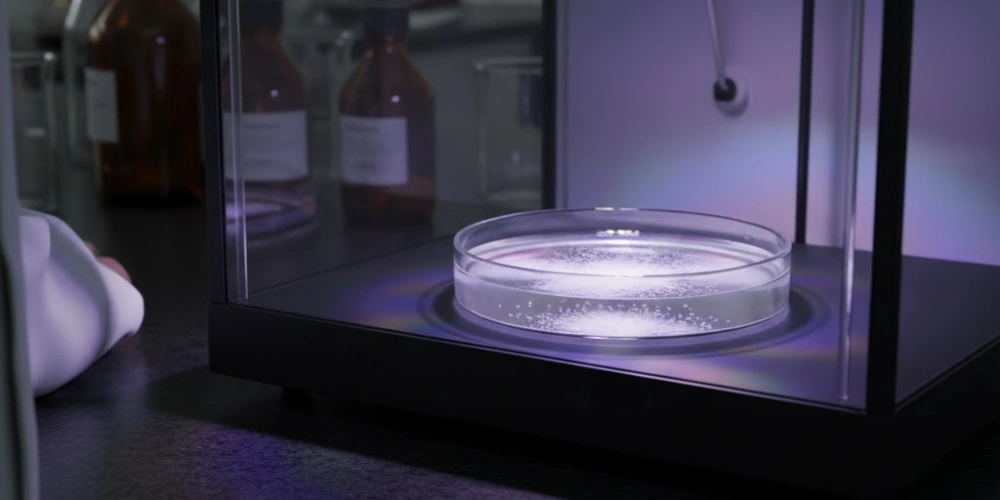
UV and Optical Transmission in Borosilicate Glass and Quartz Petri Dishes
Optical transmission properties are rarely the primary selection criterion for standard laboratory glassware, yet they become the decisive factor in any protocol where photon delivery to the sample is part of the experimental design. For such applications, the choice of vessel material is not a preference — it is a constraint imposed by physics.
Ultraviolet Cutoff Wavelengths for Both Materials
Borosilicate glass transmits visible and near-UV radiation effectively, but its transmission drops sharply below approximately 280–300 nm. At 254 nm — the emission line of low-pressure mercury lamps commonly used in UV germicidal and photochemical applications — borosilicate glass transmits less than 5% of incident radiation. At wavelengths below 250 nm, transmission is effectively zero for standard borosilicate formulations.
High-purity fused silica, by contrast, maintains transmission above 85% down to approximately 180 nm, with some synthetic grades rated to 150 nm in the vacuum ultraviolet range. At 254 nm, fused silica transmits approximately 90% of incident radiation, representing an 18-fold increase over borosilicate glass at the same wavelength. At 220 nm — relevant for deep-UV photolithography and certain spectroscopic applications — fused silica remains substantially transparent while borosilicate glass is entirely opaque.
These data establish a clear wavelength threshold: any protocol involving UV irradiation below 300 nm requires fused silica vessel material. Using borosilicate glass in such experiments does not merely reduce efficiency — it effectively eliminates UV delivery to the sample entirely, rendering the experiment invalid.
Practical Implications for Photocatalysis and UV Irradiation Experiments
In heterogeneous photocatalysis — one of the most active research areas in environmental and energy chemistry — reaction quantum efficiency depends directly on photon flux delivered to the catalyst surface. Titanium dioxide (TiO₂) photocatalysis, for example, has a primary absorption edge at approximately 387 nm (for anatase phase), but many research protocols use UV sources with significant output below 300 nm to maximize radical generation rates.
When a borosilicate vessel is used in such a setup, all sub-300 nm photons are absorbed by the vessel wall rather than reaching the catalyst. Measured degradation rate constants for model pollutants such as methylene blue or phenol can differ by a factor of 3–8× between experiments conducted in borosilicate glass versus fused silica vessels under identical irradiation conditions, based on reported photocatalytic benchmarking literature. This discrepancy, if unrecognized, generates irreproducible results across laboratories using different vessel materials.
Similarly, in UV inactivation studies of microorganisms — where dose-response relationships are quantified in mJ/cm² at 254 nm — the use of a borosilicate petri dish functionally delivers near-zero UV dose regardless of lamp intensity. A quartz petri dish eliminates this variable entirely, ensuring that measured inactivation kinetics reflect actual UV exposure rather than the transmission properties of the container.
Infrared Transmission and Spectroscopic Applications
Beyond the ultraviolet, fused silica maintains useful transmission characteristics extending into the near-infrared (NIR) range up to approximately 3,500 nm (3.5 μm). This broad transmission window makes fused silica vessels appropriate for applications where the vessel material must not contribute spectral background or absorb probe radiation. Borosilicate glass, by comparison, exhibits broad IR absorption bands associated with Si–O–B stretching vibrations and hydroxyl groups, which can interfere with NIR measurements in the 2,700–3,000 nm region.
In Raman spectroscopy, the glass matrix of borosilicate can contribute fluorescence background that elevates the baseline signal, particularly when using 532 nm excitation sources. Fused silica produces a far lower and more predictable background signal, which matters in low-concentration analyte detection or when the spectral region of interest overlaps with glass emission bands.
For FTIR-based sample analysis where thin-layer or surface-resident samples are prepared in a petri dish prior to measurement, the spectral neutrality of fused silica ensures that background subtraction artifacts are minimized. This is a nuanced but practically significant distinction in analytical chemistry workflows.
UV and Optical Transmission Properties Compared
| Optical Property | Borosilicate Glass | Fused Silica (Quartz) |
|---|---|---|
| UV Transmission at 254 nm (%) | <5 | ~90 |
| UV Transmission at 300 nm (%) | ~20–40 | ~92 |
| Lower Transmission Cutoff (nm) | ~280–300 | ~150–180 |
| NIR Transmission Range (μm) | Up to ~2.5 | Up to ~3.5 |
| Raman Background (532 nm excitation) | Moderate–High | Low |
| Suitable for UVC Protocols | No | Yes |
| Suitable for Deep-UV (< 250 nm) | No | Yes |
Chemical Resistance Profiles Across Borosilicate Glass and Quartz Petri Dishes
Chemical compatibility is a foundational parameter in labware selection, particularly when vessel contact with reactive media is sustained or when downstream analysis is sensitive to trace contamination. Both materials share a silica backbone, yet their resistance behaviors diverge meaningfully across acid, alkali, and high-purity process environments.
Acid Resistance Compared Between the Two Materials
Both borosilicate glass and fused silica demonstrate good resistance to most common mineral acids — hydrochloric acid (HCl), sulfuric acid (H₂SO₄), and nitric acid (HNO₃) — at concentrations and temperatures encountered in standard laboratory settings. At room temperature, neither material shows significant etching or weight loss upon prolonged contact with these acids. However, neither material is resistant to hydrofluoric acid (HF), which attacks the Si–O–Si network directly regardless of compositional purity. This is a common misconception that warrants explicit correction: no silica-based vessel provides HF containment.
The distinction between the two materials emerges in high-concentration, elevated-temperature acid exposures and in applications sensitive to ionic leaching. Borosilicate glass releases measurable quantities of Na⁺, B³⁺, and Al³⁺ ions into acidic solutions, particularly under thermal stress or prolonged contact. Reported sodium ion release rates for borosilicate glass in dilute HCl at 95°C range from 0.1 to 0.5 μg/cm²/day depending on surface finish and glass age. For trace metal analysis at sub-ppb detection thresholds, these leachate levels are analytically significant.
Fused silica, with ionic impurity levels below 1 ppm for most metallic species, releases negligible quantities of metals into acidic media under the same conditions. This makes fused silica the appropriate choice whenever the analytical blank contribution from vessel material must be controlled below parts-per-trillion levels.
Alkali Resistance and the Silica Dissolution Problem
Strong alkali solutions — particularly NaOH and KOH at concentrations above 1 M — attack the silica network of both materials through hydroxide-mediated cleavage of Si–O–Si linkages. This is an inherent limitation of all silica-based labware and should not be attributed to impurity content. The general reaction produces soluble silicate species (SiO₃²⁻), which increase with alkali concentration, temperature, and contact duration.
Borosilicate glass is more susceptible to alkali attack than fused silica, for two compounding reasons. First, the network-modifying oxides (Na₂O, B₂O₃) dissolve preferentially in alkaline conditions, accelerating structural degradation and releasing boron and sodium into solution. Second, the less densely cross-linked silica network in borosilicate glass provides less resistance to hydroxide penetration. Weight loss measurements in 10% NaOH at 95°C show borosilicate glass losing approximately 5–10× more mass per unit surface area per unit time compared with high-purity fused silica.
For applications involving alkaline digestion, base-mediated synthesis, or prolonged contact with pH >12 solutions, fused silica provides meaningfully longer service life and lower contamination risk. Nevertheless, both materials are unsuitable for sustained high-concentration caustic immersion, and alternative materials (PTFE, zirconium oxide) should be considered when extended strong-alkali contact is unavoidable.
Metal Ion Contamination Risks in Semiconductor and High-Purity Processes
In semiconductor device fabrication and advanced materials processing, metallic contamination at the wafer surface is measured in atoms/cm² and tolerated only at levels below 10¹⁰ atoms/cm² for many critical process steps. A single ppb of sodium contamination in a wet cleaning bath can result in measurable threshold voltage1 shifts in gate oxide devices, making vessel material selection a process control parameter rather than a convenience consideration.
The RCA cleaning sequence — Standard Clean 1 (SC-1: NH₄OH/H₂O₂/H₂O) and Standard Clean 2 (SC-2: HCl/H₂O₂/H₂O) — is conducted at 70–80°C, conditions under which borosilicate glass releases sodium and boron at rates that exceed allowable contamination budgets for sub-10 nm node fabrication. Fused silica, with alkali metal impurity levels measured in the sub-ppm to ppb range, maintains vessel-derived contamination below process sensitivity thresholds in all standard wet bench operations.
Beyond wafer processing, similar purity requirements apply in ICP-MS sample preparation for geological and environmental trace analysis, where containerware-derived Na⁺, K⁺, and B contamination creates systematic positive bias in analyte measurements. In these analytical contexts, a quartz petri dish functions as both a sample container and a contamination control measure.
Chemical Resistance Comparison of Both Materials
| Chemical Resistance Parameter | Borosilicate Glass | Fused Silica (Quartz) |
|---|---|---|
| Resistance to Dilute HCl / H₂SO₄ / HNO₃ | Good | Excellent |
| Resistance to Concentrated Mineral Acids (RT) | Good | Excellent |
| Resistance to HF (any concentration) | None | None |
| Resistance to Strong Alkali (>1M NaOH) | Moderate | Good |
| Na⁺ Leaching in Dilute HCl at 95°C (μg/cm²/day) | 0.1–0.5 | <0.001 |
| B³⁺ Leaching into Acidic Media | Measurable | Negligible |
| Suitability for ICP-MS Sample Prep | Limited | Appropriate |
| Suitability for Semiconductor Wet Cleaning | Not recommended | Appropriate |
Mechanical Strength and Surface Characteristics of Both Materials
Physical durability and surface properties are secondary selection factors for most laboratory applications, but they carry practical weight in workflows involving mechanical handling, repeated cleaning cycles, or surface-sensitive biological assays.
-
Hardness and scratch resistance: Fused silica exhibits a Vickers hardness of approximately 1,050–1,100 HV, compared with 600–700 HV for borosilicate glass. In practical terms, fused silica is more resistant to surface scratching from abrasive cleaning tools, pipette tips, and bench contact, which preserves optical clarity and reduces crack initiation sites over the vessel lifetime. However, both materials are brittle; neither tolerates impact loading, and both fracture with similar fragility when dropped on hard surfaces.
-
Surface energy and biological adhesion: The surface energy of fused silica (~70–75 mJ/m²) is marginally higher than that of borosilicate glass (~65–70 mJ/m²) in the as-manufactured state. Both surfaces are hydrophilic, but fused silica's surface hydroxyl (silanol, Si–OH) density is higher, which affects protein adsorption behavior and cell adhesion in biological assays. Experiments requiring controlled or minimal cell adhesion may observe different attachment rates between the two substrates — a relevant consideration in surface-sensitive assays even though the magnitude of the difference is typically small without surface functionalization.
-
Surface finish and optical scatter: High-purity fused silica can be polished to surface roughness values (Ra) below 0.5 nm, which is relevant in applications where surface-scatter-induced photon loss must be minimized. Borosilicate glass petri dishes produced by standard pressing methods typically carry Ra values of 5–20 nm on contact surfaces. For optical-path-sensitive applications, the superior polishability of fused silica reduces stray light and measurement artifacts in transmission-mode measurements.
The mechanical properties of both materials are well-characterized and stable across repeated thermal cycling within their respective use temperature ranges. Neither material undergoes meaningful fatigue-related strength degradation under normal laboratory handling conditions when no impact or point-loading events occur.
Application-Specific Suitability Matching Borosilicate Glass with Quartz Petri Dishes
With the material property landscape fully established, the practical question becomes: which substrate is appropriate for a given experimental protocol? The following assessment translates the quantitative performance data presented above into scenario-based selection logic, covering the full range of laboratory use cases from routine biology to advanced semiconductor processing.
Standard Cell Culture, Microbiology, and General Lab Use
For the broad category of applications encompassing standard mammalian cell culture, bacterial and fungal microbiology, general wet chemistry, and routine sample containment, borosilicate glass petri dishes satisfy all functional requirements without exception. These protocols operate at temperatures well below 300°C, involve chemical environments within the resistance envelope of borosilicate glass, and require no UV transparency below 300 nm.
The analytical blank contribution of borosilicate glass in these applications is inconsequential. Cell culture media, agar formulations, and standard chemical reagents are neither sensitive to sub-ppm ionic contamination from the vessel nor subjected to conditions that accelerate glass leaching. The mechanical durability of borosilicate glass is fully adequate for repeated autoclave sterilization cycles at 121°C over hundreds of uses.
Selecting fused silica for these applications provides no measurable experimental benefit and introduces unnecessary cost. The appropriate material for standard cell culture, microbiology, and general laboratory use is borosilicate glass.
High-Temperature Processes Requiring Quartz Petri Dishes
Any protocol that subjects the petri dish to temperatures exceeding 500°C exits the reliable service range of borosilicate glass and enters the exclusive domain of fused silica. The following process categories fall unambiguously into this range.
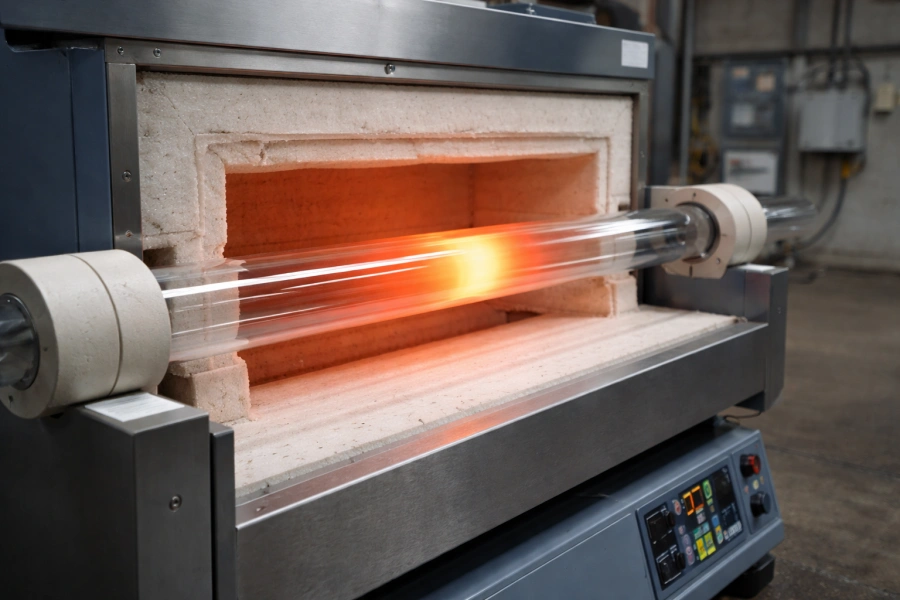
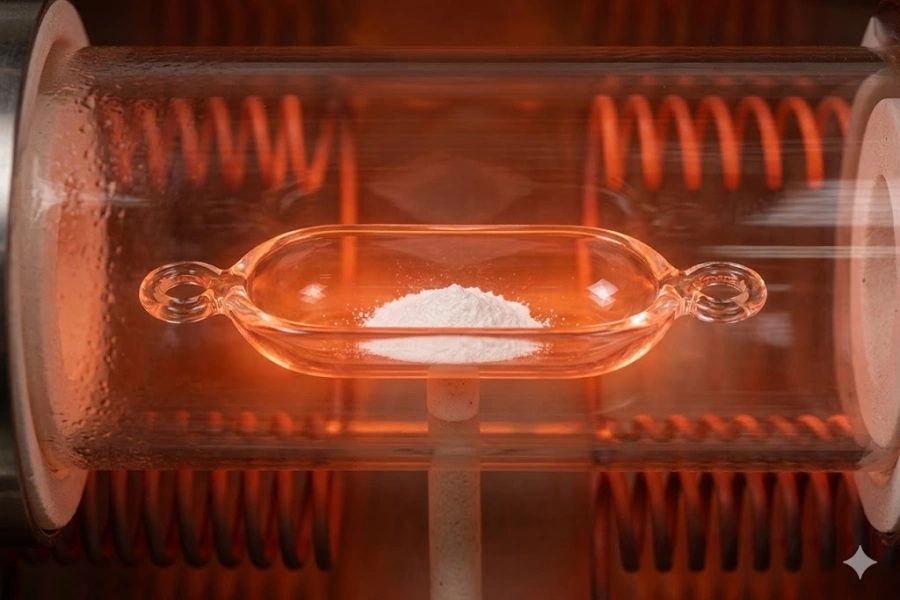
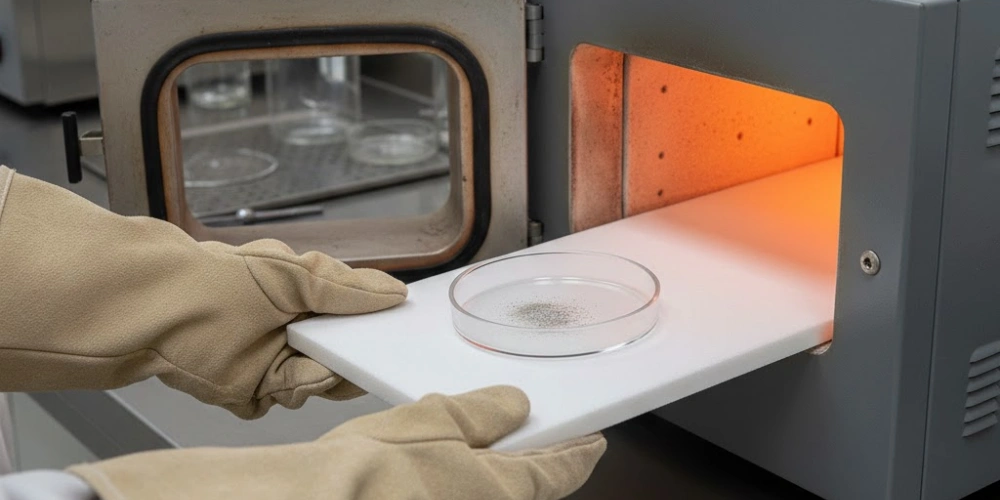
Muffle furnace ashing for gravimetric determination of residue on ignition (ROI), loss on ignition (LOI), and ash content analysis is routinely conducted at 550–900°C. Thermogravimetric analysis (TGA) sample staging, calcination of inorganic precursors, and annealing of thin-film specimens on substrate wafers often require sustained exposure at 600–1,000°C. In all these cases, a quartz petri dish provides the sole silica-based vessel option that maintains dimensional and structural integrity throughout the process. Dry heat depyrogenation at 250°C, while technically within a borderline zone for borosilicate, is more reliably handled by fused silica when cycles are frequent or protocol durations are extended. The temperature threshold of 500°C is the operational decision boundary: above it, fused silica; below it, borosilicate is sufficient.
UV-Dependent Experimental Systems and Optical Studies
The UV transmission data presented earlier establishes a clear wavelength-based selection rule: whenever the experimental protocol involves photon delivery at wavelengths below approximately 300 nm, only fused silica provides adequate transmission. This encompasses a broader range of applications than is sometimes recognized.
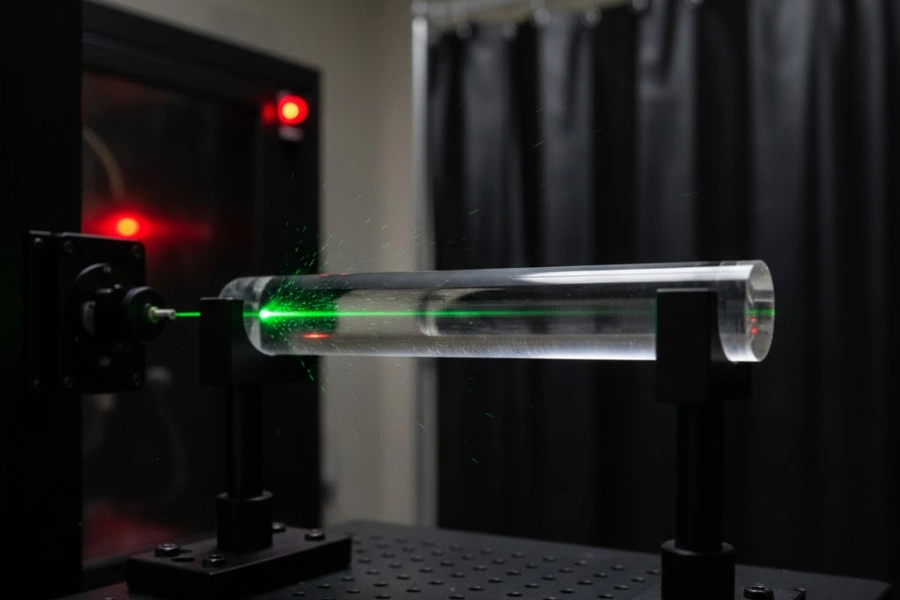
Photocatalytic degradation studies employing TiO₂, ZnO, or bismuth-based catalysts under UV illumination require vessel transparency across the UV-A and UV-B spectrum (315–400 nm) and often into UV-C (100–280 nm). Solar simulator experiments that reproduce the full terrestrial spectrum must ensure vessel transparency across the AM1.52 spectral range, which includes UV components down to approximately 280 nm. UV-C germicidal irradiation assays — measuring log-reduction values for pathogen inactivation under 254 nm lamp output — are entirely invalidated when conducted in borosilicate glass, as essentially no germicidal radiation reaches the sample. A quartz petri dish in these protocols is not a performance upgrade — it is a prerequisite for experimental validity. Optical characterization workflows in which the dish sits within a spectrophotometric beam path also benefit from fused silica's low scatter and flat transmission baseline.
Semiconductor Fabrication and Trace Metal-Sensitive Analyses
The contamination control requirements of semiconductor processing and ultra-trace analytical chemistry place both application categories beyond the ionic purity limits of borosilicate glass. Any workflow in which the acceptable metallic contamination threshold is at or below 10 ppb in solution, or 10¹⁰ atoms/cm² on a surface, should specify fused silica vessel material exclusively.
In front-end-of-line (FEOL) semiconductor processing, silicon wafer cleaning steps routinely use heated acid and peroxide mixtures that leach ionic species from container walls. The Na⁺ and B contamination introduced by borosilicate glass at processing temperatures of 70–80°C is measurable by TXRF and ICP-MS at concentrations that are unacceptable for sub-28 nm device nodes. A quartz petri dish used in these processes introduces no detectable Na, K, or B above measurement backgrounds. For ICP-MS and ICP-OES sample preparation — where geological, environmental, or biological matrices are acid-digested prior to measurement — borosilicate vessel leachate creates positive bias in Na, B, and Al measurements that cannot be background-subtracted without reference to vessel-specific blanks. Fused silica eliminates this systematic error at its source.
Application-Based Material Selection for Borosilicate Glass and Quartz Petri Dishes
| Application Scenario | Operating Condition | Recommended Material | Rationale |
|---|---|---|---|
| Standard cell culture / microbiology | <150°C, visible light | Borosilicate Glass | No performance gap; cost-efficient |
| General wet chemistry | <300°C, dilute acids/bases | Borosilicate Glass | Adequate chemical resistance |
| Dry heat sterilization (≤180°C) | <180°C | Borosilicate Glass | Within thermal limits |
| Depyrogenation (250°C, repeated) | 250°C cycling | Fused Silica (Quartz) | Margin safety at extended cycling |
| Muffle furnace ashing / LOI | 550–900°C | Fused Silica (Quartz) | Only viable silica option |
| Annealing / calcination | 600–1,100°C | Fused Silica (Quartz) | CTE and temperature ceiling |
| UV-C germicidal assays (254 nm) | Sub-300 nm UV | Fused Silica (Quartz) | Borosilicate blocks UVC entirely |
| Photocatalysis (TiO₂, ZnO) | UV-A/UV-C irradiation | Fused Silica (Quartz) | Required for valid photon dosimetry |
| Solar simulator experiments | Full UV spectrum | Fused Silica (Quartz) | Transparency below 300 nm required |
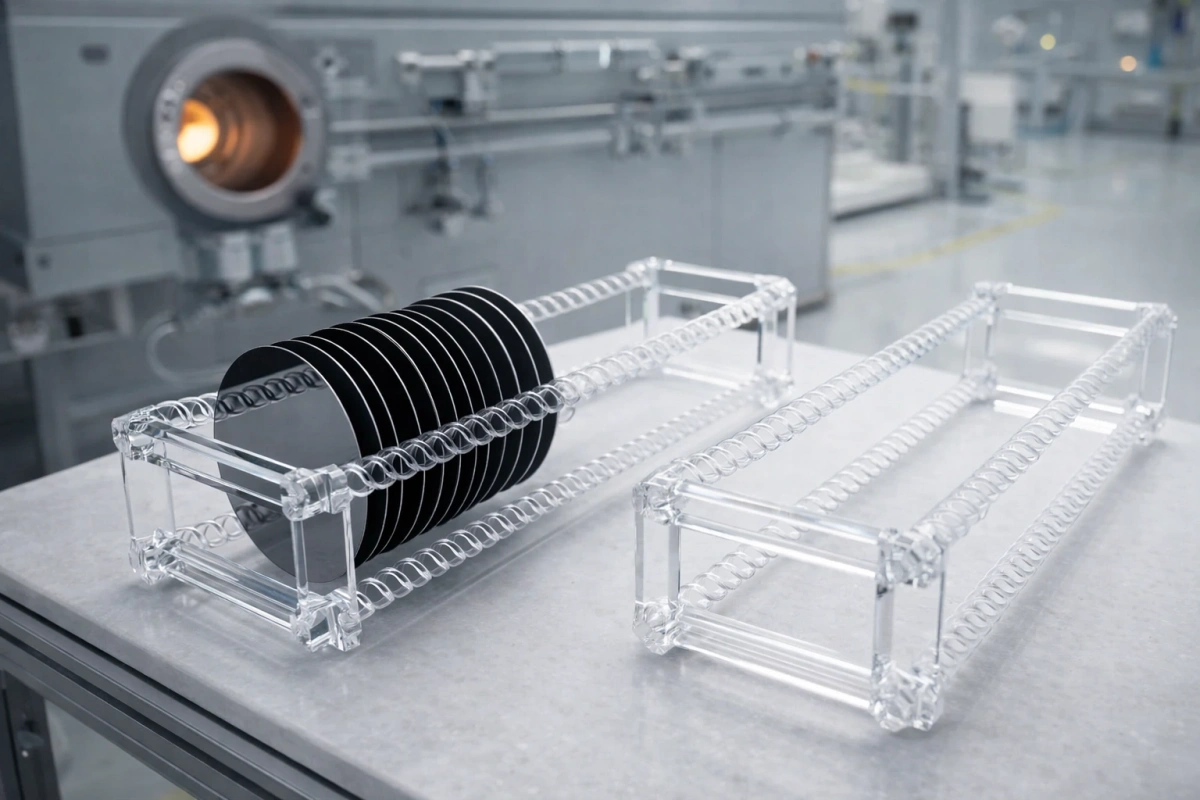
| Semiconductor wafer cleaning | 70–80°C, RCA chemistry | Fused Silica (Quartz) | Ionic purity requirement |
| ICP-MS / ICP-OES sample prep | Acid digestion | Fused Silica (Quartz) | Eliminates Na/B blank contribution |
| Raman / FTIR sample staging | Spectroscopic path | Fused Silica (Quartz) | Lower spectral background |
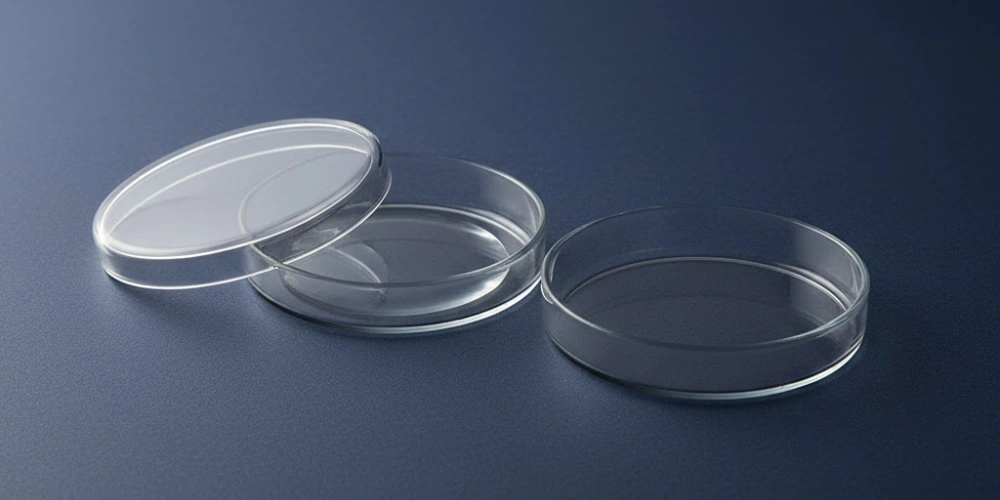
Cost-Benefit Assessment Between Borosilicate Glass and Quartz Petri Dishes
The price differential between these two material classes is substantial and merits analytical treatment rather than dismissal. For laboratory budget management, the relevant question is not whether fused silica is more expensive — it is — but whether the specific experimental requirement activates a performance threshold that only fused silica can meet, thereby rendering the cost comparison irrelevant to the selection outcome.
Price Differential and the Premium Justification Threshold
A standard 90 mm borosilicate glass petri dish with cover occupies a well-established commodity price tier. A fused silica petri dish of equivalent external dimensions commands a significantly higher price, with the multiplier increasing for smaller batch quantities and higher purity grades (synthetic versus natural fused silica). The cost gap widens further for non-standard sizes and custom geometries, where fused silica fabrication costs are dominated by skilled labor and extended forming time.
The premium is justified whenever the application activates a performance requirement that borosilicate glass physically cannot satisfy. A UV-C irradiation experiment conducted in a borosilicate dish produces invalid data regardless of how many replicate runs are performed — the vessel itself is the experimental confound. In this scenario, the cost of fused silica is not a premium; it is the cost of doing the experiment correctly. Similarly, a semiconductor cleaning step that introduces boron contamination above process specification represents a yield risk whose financial consequence vastly exceeds any vessel cost differential. The cost-benefit threshold, therefore, is not defined by price alone but by the consequence of using the wrong material. When borosilicate glass is functionally adequate — as it is for the majority of standard laboratory protocols — the premium for fused silica provides no return on investment and should not be incurred.
Durability, Reusability, and Long-Term Total Cost Considerations
Unit purchase price is a less complete cost metric than total cost of ownership when labware undergoes repeated high-stress cycles. Fused silica's thermal shock resistance translates into measurably longer service life in applications involving repeated heating and cooling cycles. In muffle furnace protocols conducted at 700°C with ambient cooling, borosilicate glass vessels — if they survive at all — typically develop micro-crack networks within a small number of cycles, necessitating replacement. Fused silica vessels subjected to the same protocol can complete hundreds of cycles without visible degradation when handling and thermal ramp rates are controlled.
Breakage rate data from high-temperature laboratory workflows consistently show fused silica vessels achieving 5–10× longer mean service life compared with borosilicate glass in furnace applications. Amortized across this service life differential, the effective cost per use of fused silica becomes substantially lower than the unit price comparison implies. For facilities running continuous or high-frequency furnace programs — such as catalyst development laboratories, ceramic research groups, or analytical testing services — the total cost calculation may favor fused silica on purely economic grounds, independent of any material performance argument.
Cost and Durability Comparison of Borosilicate Glass and Quartz Petri Dishes
| Cost / Durability Parameter | Borosilicate Glass | Fused Silica (Quartz) |
|---|---|---|
| Relative Unit Cost (90 mm, with cover) | Low (baseline) | High (5–20× baseline) |
| Typical Furnace Cycle Lifetime (>500°C) | Low (few cycles) | High (100+ cycles) |
| Autoclave Cycle Durability | High | High |
| Cost Per Use in High-Temperature Applications | High (short lifespan) | Low (long lifespan) |
| Premium Justification | When performance gap is not activated | When UV, temperature, or purity threshold is active |
| Replacement Frequency in Furnace Use | Frequent | Infrequent |
Dimensional Standards and Available Specifications for Both Materials
Specification availability is a practical constraint that affects procurement planning independently of material performance. Both borosilicate glass and fused silica petri dishes are produced in a range of standard diameters, but the depth of inventory and customization flexibility differ considerably between the two material classes.
-
Standard diameter range: Borosilicate glass petri dishes are manufactured and stocked in a full range of diameters — 35 mm, 60 mm, 90 mm, 100 mm, and 150 mm — across multiple suppliers globally. Fused silica petri dishes are available in the same nominal diameters from specialized labware suppliers, though the 90 mm and 100 mm sizes account for the majority of fused silica inventory. Sub-35 mm and above-150 mm sizes in fused silica are typically special-order or custom items.
-
Cover availability and wall thickness: Both materials are produced with and without covers (lids). Borosilicate glass petri dishes follow standardized wall thickness conventions (typically 1.0–1.5 mm for the base, 0.8–1.2 mm for the cover). Fused silica dishes are also produced in these conventional wall thicknesses, though thicker-walled variants (2.0–3.0 mm) are available for applications demanding enhanced thermal mass or mechanical protection during furnace loading and unloading. Wall thickness uniformity is generally tighter for fused silica due to stricter manufacturing quality control.
-
Custom geometry and dimensional tolerances: Borosilicate glass petri dishes are produced in very high volumes using automated pressing and annealing equipment, making non-standard geometries rare and economically impractical. Fused silica, being produced in lower volumes with manual or semi-automated forming techniques, accommodates custom dimensions, non-circular geometries, and specific depth-to-diameter ratios with greater feasibility. This customization flexibility is relevant in semiconductor and MEMS3 applications where wafer staging or specialized substrate handling geometries may not correspond to standard petri dish formats. Dimensional tolerances for standard fused silica dishes are typically ±0.2–0.5 mm on outer diameter and ±0.1–0.3 mm on wall thickness, which is adequate for all standard laboratory and most precision industrial applications.
The practical takeaway is that standard-diameter fused silica petri dishes are readily available for routine procurement, while highly customized or unusually sized configurations require direct engagement with specialist manufacturers and lead times that may extend to several weeks.
A Direct Comparison Summary of Borosilicate Glass and Quartz Petri Dishes
Drawing together the material science, performance data, and application mapping presented throughout this article, the selection logic between these two materials resolves into a small number of clear, quantifiable criteria rather than a complex multi-variable optimization.
Borosilicate glass remains the appropriate default material for the overwhelming majority of standard laboratory operations. It handles temperatures up to 500°C, resists most common chemical environments, tolerates repeated autoclave sterilization, and provides decades of reliable service in cell culture, microbiology, general chemistry, and sample containment. Its cost efficiency is genuine, and the performance it delivers within its operating envelope is fully adequate.
Fused silica becomes the required material — not merely the preferred one — when any of three performance thresholds is crossed: operating temperature above 500°C, UV irradiation involving wavelengths below 300 nm, or ionic contamination sensitivity at the ppb level or below. In these conditions, borosilicate glass either fails structurally, blocks the necessary radiation, or introduces measurable ionic contamination that compromises analytical validity. No adjustment of experimental protocol or process optimization circumvents these physical constraints.
Full Property Summary of Borosilicate Glass and Fused Silica Quartz Petri Dishes
| Performance Category | Borosilicate Glass | Fused Silica (Quartz) | Decision Threshold |
|---|---|---|---|
| Max Continuous Temperature (°C) | ~500 | ~1,050–1,100 | >500°C → Fused Silica |
| CTE (×10⁻⁶ /°C) | 3.3 | 0.55 | Rapid cycling → Fused Silica |
| UV Transmission at 254 nm (%) | <5 | ~90 | <300 nm UV → Fused Silica |
| Lower UV Cutoff (nm) | ~280–300 | ~150–180 | Deep UV → Fused Silica |
| SiO₂ Purity (wt%) | ~80 | ≥99.9 | Sub-ppb purity → Fused Silica |
| Na⁺ Leaching (μg/cm²/day, 95°C HCl) | 0.1–0.5 | <0.001 | Trace metal analysis → Fused Silica |
| Vickers Hardness (HV) | 600–700 | 1,050–1,100 | Abrasion-sensitive → Fused Silica |
| Autoclave Compatibility | Yes | Yes | Either material |
| HF Resistance | None | None | Neither material |
| Standard Size Availability | Full range | Full range (90/100 mm dominant) | Custom sizes → consult supplier |
| Relative Unit Cost | Low | High (5–20×) | Cost-sensitive routine use → Borosilicate |
| Furnace Cycle Longevity | Low | High | High-frequency furnace → Fused Silica |
Conclusion
The choice between borosilicate glass and fused silica petri dishes is resolved by three quantifiable parameters: the maximum process temperature, the minimum UV wavelength involved, and the tolerable ionic contamination level. When all three fall within borosilicate's operating envelope, it is the economically rational selection. When any one parameter crosses its respective threshold — 500°C, 300 nm, or sub-ppb ionic sensitivity — fused silica transitions from an option to a requirement. The property data and application mapping presented in this article provide a reproducible, criterion-based framework that eliminates ambiguity from this selection decision across all standard laboratory and industrial process contexts.
FAQ
Is quartz the same as fused silica?
In the context of laboratory labware, "quartz" and "fused silica" refer to the same material class: amorphous silicon dioxide (SiO₂) produced by melting high-purity quartz feedstock or by chemical vapor deposition. Both terms describe a non-crystalline, high-purity form of SiO₂, and are used interchangeably by most labware manufacturers. The distinction that occasionally arises is between natural fused quartz (from mined crystal) and synthetic fused silica (from CVD), where the latter carries higher purity specifications.
Can borosilicate glass petri dishes be used in a muffle furnace?
Borosilicate glass petri dishes are not suitable for muffle furnace use at temperatures above approximately 500°C. At higher temperatures, borosilicate glass undergoes viscous deformation and is at significant risk of cracking upon cooling due to residual thermal stress. Muffle furnace operations — which typically operate at 550–900°C — require fused silica vessels. Using borosilicate in this temperature range will result in vessel failure and potential sample contamination.
What is the UV cutoff wavelength of borosilicate glass versus quartz?
Borosilicate glass transmits UV radiation only down to approximately 280–300 nm, with transmission below 5% at 254 nm. Fused silica (quartz) transmits effectively from the visible range down to approximately 150–180 nm, with approximately 90% transmission at 254 nm. For any UV irradiation protocol involving wavelengths below 300 nm — including UV-C germicidal applications and most photocatalysis experiments — only fused silica provides adequate transmission.
Are quartz petri dishes chemically resistant to hydrofluoric acid?
No. Hydrofluoric acid (HF) attacks the Si–O–Si backbone of all silica-based materials, including high-purity fused silica. Neither borosilicate glass nor fused silica provides HF resistance. For applications involving HF, platinum, PTFE, or PFA vessels are the appropriate container materials. This is a frequently misunderstood point: the higher purity of fused silica does not confer resistance to any reagent that chemically attacks the silica network itself.
References:
-
Threshold voltage in semiconductor devices is a well-defined electrical parameter whose sensitivity to ionic contamination is addressed in microelectronics and device physics literature. ↩
-
AM1.5 is the internationally standardized solar irradiance spectrum used in photovoltaic and solar energy research, defined by ASTM and IEC standards and referenced widely in renewable energy literature. ↩
-
Microelectromechanical systems (MEMS) fabrication processes and substrate geometry requirements are documented extensively in microsystems engineering and semiconductor technology literature. ↩