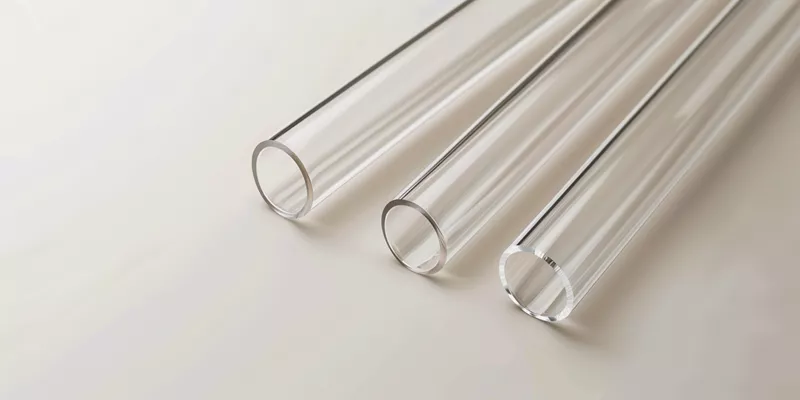
Quartz tube thermal cycling in chemical reactors creates unique challenges for equipment reliability. Engineers observe that quartz glass resists rapid temperature changes due to its special thermal properties. Careful attention to operational procedures and manufacturing quality helps maximize tube lifespan and maintain consistent performance.
Key Takeaways
Quartz glass withstands rapid temperature changes better than other materials, making it ideal for chemical reactors.
Engineers should monitor heating and cooling rates to prevent cracks and extend the life of quartz tubes.
Regular inspections and careful handling of quartz tubes can reduce the risk of thermal fatigue and improve reliability.
Using high-purity materials and precise manufacturing processes enhances the durability of quartz tubes in extreme conditions.
Implementing site-specific temperature cycling procedures helps optimize performance and prevent unexpected failures.
Why Does Quartz Glass Withstand Rapid Temperature Changes Better Than Other Materials?
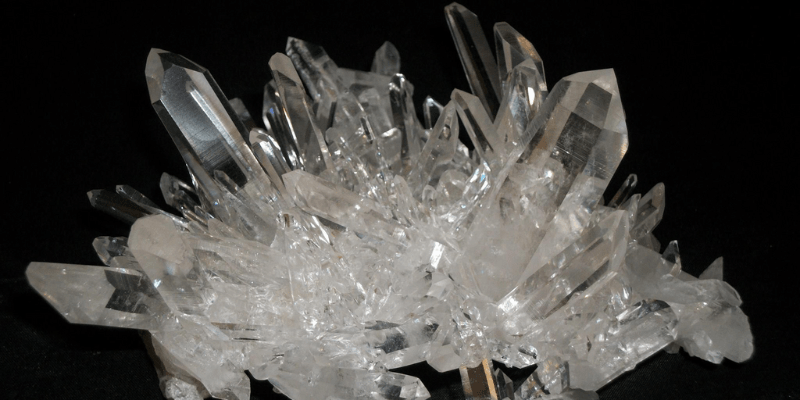
Quartz glass stands out in chemical reactor applications because it resists cracking during rapid temperature changes. Its unique physical properties allow engineers to use it in processes that demand frequent heating and cooling. Understanding why quartz tube thermal cycling works so well helps operators choose the right material for long-term reliability.
Thermal Expansion Coefficient Impact on Stress Generation
Quartz glass has a very low thermal expansion coefficient, which means it expands and contracts much less than other materials when heated or cooled. This property reduces the stress that builds up inside the tube during temperature changes, making quartz tube thermal cycling safer and more reliable. Engineers often select quartz tubes for reactors that experience extreme temperature swings.
When a material expands too much, cracks can form and lead to equipment failure. Borosilicate glass and stainless steel have higher thermal expansion coefficients, so they are more likely to break under rapid temperature changes. Quartz glass, with its minimal expansion, avoids these problems and maintains its strength over many cycles.
The following table highlights the differences in thermal expansion coefficients:
Material | Thermal Expansion Coefficient (×10⁻⁶/K) |
|---|---|
Quartz Glass | 0.5 |
Borosilicate Glass | 3.3 |
Stainless Steel (304) | 17.3 |
ASTM C1525 Thermal Shock Resistance Testing and R-Parameter Analysis
Engineers use ASTM C1525 testing to measure how well materials resist thermal shock. Quartz glass scores much higher than borosilicate glass in these tests, thanks to its strong structure and low expansion rate. The R-parameter combines tensile strength, thermal conductivity, and expansion coefficient to show how well a material survives sudden temperature changes.
A high R-parameter means the material can handle rapid heating and cooling without cracking. Quartz tube thermal cycling benefits from an R-parameter of 1500-2000 W/m, while borosilicate glass only reaches 200-400 W/m. This difference explains why quartz tubes last longer in reactors that cycle temperatures quickly.
Here are the main points engineers consider:
Quartz glass has a high R-parameter, making it ideal for thermal cycling.
Borosilicate glass and stainless steel have lower resistance to thermal shock.
ASTM C1525 testing helps select the best material for reactor tubes.
Comparative Performance vs. Borosilicate Glass and Stainless Steel
Quartz glass outperforms borosilicate glass and stainless steel in chemical reactor environments where temperature changes happen fast. Operators see fewer failures and less downtime when they use quartz tubes for processes that require frequent cycling. The low expansion and high thermal shock resistance make quartz the preferred choice.
Borosilicate glass offers some thermal stability but cannot match the durability of quartz in extreme conditions. Stainless steel expands much more, which leads to cracking and contamination risks during rapid temperature changes. Quartz tube thermal cycling ensures consistent performance and longer service life.
The table below compares the key properties:
Property | Quartz Glass | Borosilicate Glass | Stainless Steel |
|---|---|---|---|
Thermal Expansion | Very low | Low | High |
Thermal Shock Resistance | Excellent | Good | Poor |
Service Life in Cycling | Long | Moderate | Short |
What Thermal Cycling Failure Modes Affect Long-Term Quartz Tube Reliability?
Quartz tubes in chemical reactors face several failure modes during repeated temperature cycling. Engineers must understand these mechanisms to improve tube reliability and prevent unexpected shutdowns. Careful analysis of devitrification, thermal fatigue, and OH migration reveals why certain operational and manufacturing practices matter.
Devitrification Kinetics and Temperature-Time Relationship
Devitrification occurs when the amorphous structure of quartz slowly transforms into crystalline forms under high temperatures. This process begins above 1050°C and accelerates with longer exposure times, especially in the presence of alkali contamination. The transformation causes internal stresses and weakens the tube, often reducing its strength by up to 60% according to ASTM E1876 fracture testing.
Engineers observe that tubes exposed to peak temperatures of 1150-1200°C during daily cycling show mean failure times of 8,000-12,000 hours, while tubes held at constant temperature last up to 24,000 hours. The presence of sodium, potassium, or lithium at concentrations as low as 10 ppm can trigger devitrification, leading to volume changes and crack formation. This failure mode explains why cumulative high-temperature exposure, rather than just cycle count, determines tube lifespan.
The following table summarizes key factors affecting devitrification:
Factor | Impact on Reliability |
|---|---|
Peak Temperature | Higher temperatures accelerate change |
Exposure Time | Longer exposure increases risk |
Alkali Contamination | Even low levels trigger devitrification |
Volume Change | Causes internal stress and cracks |
Thermal Fatigue Crack Growth Mechanisms in Cyclic Service
Thermal fatigue describes the gradual growth of cracks in quartz tubes due to repeated heating and cooling cycles. Each cycle creates stress at surface defects, which can expand into larger cracks over time. Engineers find that critical flaw sizes as small as 50-100 µm can initiate failure when stress concentrations exceed 50 MPa.
Data from reactor facilities show that tubes with surface defects or manufacturing flaws fail much sooner than flawless tubes. The accumulation of microcracks during quartz tube thermal cycling leads to sudden breakage, often during startup or shutdown events. Operators must monitor tube condition and minimize mechanical damage to reduce the risk of fatigue failure.
Key points to remember about thermal fatigue include:
Surface defects act as crack initiation sites
Stress concentrations above 50 MPa accelerate crack growth
Regular inspection and gentle handling extend tube life
OH Migration Effects in Flame-Fused vs. Electrically Fused Quartz
OH migration refers to the movement of hydroxyl ions within quartz tubes at elevated temperatures. This phenomenon affects flame-fused quartz more than electrically fused quartz, leading to structural changes and reduced durability. Engineers notice that tubes with higher OH content experience more rapid degradation during thermal cycling.
Flame-fused quartz contains more hydroxyl ions due to its manufacturing process, making it more susceptible to changes at high temperatures. Electrically fused quartz, with lower OH levels, maintains its structure better and lasts longer in reactor environments. Choosing the right fusion method helps prevent premature tube failure and supports consistent performance.
The table below compares the effects of OH migration:
Quartz Type | OH Content | Thermal Cycling Durability |
|---|---|---|
Flame-Fused Quartz | High | Lower |
Electrically Fused Quartz | Low | Higher |
How Do Heating and Cooling Rates Impact Quartz Tube Service Life?
Heating and cooling rates play a critical role in determining how long quartz tubes last in chemical reactors. Rapid temperature changes can create dangerous stresses inside the tube walls, leading to cracks and early failure. Understanding why controlled ramp rates matter helps engineers extend the service life of quartz tubes and avoid costly downtime.
Thermal Gradient Calculation Across Tube Wall Thickness
Thermal gradients develop when the outside and inside of a quartz tube heat or cool at different rates. This difference creates stress across the wall, which can cause microcracks if the gradient becomes too large. Engineers calculate the maximum safe temperature difference using the formula ΔT_max = σ_tensile × (1-ν) / (α × E), which for quartz means a typical safe gradient of about 100-120°C.
A higher thermal gradient increases the risk of failure during quartz tube thermal cycling. Data shows that exceeding this threshold leads to microcrack formation and reduces tube lifespan by up to 50%. Operators must monitor temperature changes closely, especially during startup and shutdown.
The table below summarizes key factors affecting thermal gradients:
Factor | Effect on Tube Life |
|---|---|
Wall Thickness | Thicker walls increase risk |
Heating/Cooling Rate | Faster rates raise gradients |
Tube Material | Quartz tolerates higher ΔT |
Ramp Rate Optimization Based on Tube Geometry
Ramp rate optimization ensures that heating and cooling do not exceed the tube’s stress limits. Engineers recommend limiting temperature ramp rates to 50°C per minute or less to minimize thermal shock, especially for thick-walled or square tubes. Square tubes are more sensitive because stress concentrates at the corners, making them more likely to crack.
Gradual temperature changes help distribute stress evenly and prevent sudden failures. For thin-walled tubes, slightly faster ramp rates may be safe, but thick-walled or complex shapes require slower changes. Reactor design and tube geometry both influence the best ramp rate for each application.
Key points for optimizing ramp rates include:
Limit ramp rates to 50°C/min or less
Square tubes need extra caution due to corner stresses
Gradual heating and cooling extend tube service life
Emergency Shutdown Procedures to Minimize Thermal Shock Damage
Emergency shutdowns often force rapid cooling, which can damage quartz tubes. Sudden temperature drops create steep thermal gradients, leading to immediate stress and possible cracking. Plants that implement controlled shutdown procedures see fewer tube failures and longer equipment life.
Operators should use automated systems to slow cooling rates during emergencies whenever possible. Holding the temperature at intermediate steps before full shutdown helps reduce the risk of thermal shock. Consistent procedures protect both the tubes and the overall reactor system.
The following table highlights best practices for emergency shutdowns:
Procedure | Benefit |
|---|---|
Automated ramp-down control | Reduces operator error |
Intermediate temperature holds | Lowers thermal gradient |
Monitoring for hot spots | Prevents localized stress |
What Manufacturing Processes Improve Thermal Cycling Resistance?
Manufacturing processes play a crucial role in how well quartz tubes handle repeated heating and cooling. Engineers focus on reducing internal stress, improving surface quality, and maintaining precise dimensions to boost tube reliability. These steps help prevent early failures and extend the life of tubes in demanding chemical reactor environments.
Annealing Cycle Design for Residual Stress Reduction
Annealing removes internal stresses that form during the manufacturing of quartz tubes.
Engineers use a carefully controlled process that includes slow heating to 1100°C, holding at this temperature, and then cooling in stages to minimize permanent stress. The cooling rates change at different temperature ranges: from 1100°C to 950°C at 15°C per hour, from 950°C to 750°C at 30°C per hour, and from 750°C to 450°C at 60°C per hour, followed by natural cooling to room temperature.
This process ensures that residual stress drops below 5 MPa, which greatly improves the tube’s resistance to thermal cycling.
Here is a summary of the annealing stages:
Stage | Description |
|---|---|
Heating Stage | Slow heating to 1100°C, with a temperature rise of 4.5/R²°C/min, where R is the radius of the product. |
Constant Temperature | Maintains the highest annealing temperature to ensure uniform heating before cooling. |
Cooling Stage | Slow cooling rates to minimize permanent stress: 1100°C to 950°C at 15°C/hour, 950°C to 750°C at 30°C/hour, 750°C to 450°C at 60°C/hour. |
Natural Cooling | Power is turned off below 450°C, allowing natural cooling to room temperature. |
Surface Treatment Effects on Crack Initiation Resistance
Surface treatments help prevent cracks from starting on quartz tubes.
Flame polishing and chemical etching remove microcracks and surface flaws, which are common sites for crack growth during quartz tube thermal cycling. Data shows that tubes with polished surfaces have failure rates 3.2 times lower in accelerated cycling tests compared to untreated tubes.
These treatments make the tube surface smoother and more resistant to damage.
To highlight the benefits, consider these key points:
Flame polishing removes microcracks and sharp edges
Chemical etching smooths the surface at a microscopic level
Treated tubes last much longer in thermal cycling environments
Dimensional Tolerance Impact on Thermal Stress Distribution
Dimensional tolerance affects how stress spreads across the tube during heating and cooling.
If wall thickness varies by more than ±0.3 mm, stress can concentrate in certain areas, leading to early failure. Advanced manufacturing keeps wall thickness within ±0.2 mm, which helps distribute stress evenly and increases tube life.
Precise dimensions support consistent performance in chemical reactors.
The table below summarizes the impact of dimensional tolerance:
Tolerance Level | Effect on Stress Distribution |
|---|---|
±0.2 mm | Even stress, longer tube life |
>±0.3 mm | Localized stress, higher failure risk |
How Should Chemical Plants Implement Thermal Cycling Protocols for Maximum Tube Life?
Chemical plants rely on precise temperature cycling protocols to extend the service life of quartz tubes. These protocols help prevent early failures and maintain safe, efficient reactor operations. Understanding why site-specific procedures and monitoring matter can make a significant difference in long-term reliability.
Developing Site-Specific Temperature Cycling Procedures
Every chemical plant faces unique challenges, so engineers must develop temperature cycling procedures tailored to their specific reactors and processes. They start by selecting the correct size of quartz tubes and determining the right amounts of materials for each reaction. Careful preparation, including sealing, vacuum treatment, and controlled heating, ensures that each tube performs as expected.
Plants must adjust ramp rates based on the physical and chemical properties of the materials inside the reactor. This customization helps prevent issues like material spillage or contamination, which can occur if the temperature changes too quickly. By using a temperature-controlled furnace and quenching at the right time, operators can optimize the process for both safety and tube longevity.
The following summary highlights the key steps for developing effective procedures:
Select appropriate tube size and material quantities
Seal and vacuum-treat tubes before use
Customize ramp rates to reactor and material needs
Use controlled heating and quenching for best results
Condition Monitoring and Predictive Replacement Criteria
Condition monitoring allows engineers to detect early signs of quartz tube degradation during thermal cycling. Fiber Bragg Grating (FBG) sensors provide real-time temperature and strain data, making them valuable for identifying material changes before failure occurs. These sensors offer advantages such as compact size, corrosion resistance, and the ability to measure conditions along the entire tube.
Plants use this data to set predictive replacement schedules, replacing tubes before they reach critical failure points. This proactive approach reduces unplanned downtime and improves overall reactor safety. Regular monitoring also helps operators spot hot spots or uneven heating, which can signal the start of tube degradation.
The table below summarizes key monitoring technologies and their benefits:
Technology | Key Benefit |
|---|---|
FBG Sensors | Early detection of degradation |
Temperature Mapping | Identifies hot spots |
Predictive Analytics | Schedules timely replacement |
Quartz tube thermal cycling impacts reactor reliability through material properties, manufacturing precision, and operational discipline. Selecting high-purity silica, optimizing sintering, and using advanced impurity control technologies all help extend tube life. Plants should also follow these best practices:
Choose tubes with low thermal expansion and high softening points.
Use gradual temperature changes and preheating to reduce thermal shock.
Handle tubes carefully and ensure quality assurance.
Strategy | Benefit |
|---|---|
Controlled ramp rates | Lower risk of thermal shock failure |
High-purity materials | Improved high-temperature stability |
Precise manufacturing | Even stress distribution, longer service life |
Engineers who follow these guidelines can reduce failure risks and maximize the performance of quartz tubes in demanding chemical reactor environments.
FAQ
Why do quartz tubes last longer than borosilicate glass tubes in reactors?
Quartz tubes have a much lower thermal expansion coefficient. This property allows them to handle rapid temperature changes without cracking. Engineers choose quartz for processes that require frequent heating and cooling because it offers greater durability.
Why is devitrification a concern during thermal cycling?
Devitrification changes quartz from an amorphous to a crystalline structure. This transformation weakens the tube and increases the risk of cracks. High temperatures and alkali contamination speed up this process, reducing tube reliability.
Why should plants control heating and cooling rates for quartz tubes?
Rapid temperature changes create large thermal gradients in quartz tubes. These gradients cause internal stress and can lead to microcracks. Controlled ramp rates help prevent early tube failure and extend service life.
Why does wall thickness affect quartz tube performance during cycling?
Thicker walls develop higher temperature gradients during heating and cooling. This increases stress inside the tube and raises the risk of cracking. Engineers calculate safe ramp rates based on wall thickness to protect the tube.
Why is condition monitoring important for quartz tubes in reactors?
Condition monitoring detects early signs of tube degradation. Sensors track temperature and strain, helping engineers replace tubes before failure. This proactive approach reduces downtime and improves reactor safety.