The quartz tube cylinder plays a pivotal role in high-temperature, chemical, and optical applications. As technology advances, selecting the right quartz tube cylinder becomes critical. This article breaks down the essential factors to consider in 2025 when choosing the best quartz tube cylinder for your specific requirements.
The quartz tube cylinder is essential in high-temperature processes, chemical environments, and optical systems. Understanding its unique properties and applications helps engineers make informed decisions for specific needs.

What is a Quartz Tube Cylinder?
A cylindrical form of high-purity fused silica, a quartz tube cylinder is known for its excellent thermal stability and optical clarity, making it widely used in various industries. Understanding its composition and characteristics is essential for making informed decisions regarding its use in high-performance applications.
Definition and Composition of Quartz Tube Cylinders
Quartz tube cylinders are made from high-purity fused silica, known for its superior thermal stability. The unique properties of fused silica enable these tubes to withstand high temperatures without deforming. Additionally, quartz’s low thermal expansion ensures that the tubes remain stable under rapid temperature changes, making them ideal for demanding industrial applications.
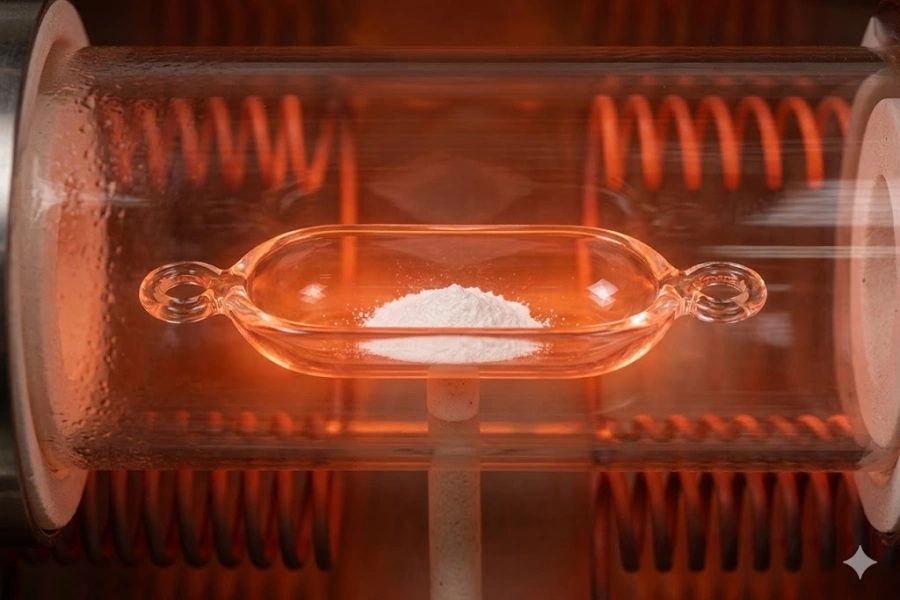
These cylinders are often used in environments where high precision and reliability are required. They are engineered to handle extreme chemical conditions without degrading, which is crucial for industries such as pharmaceuticals and chemicals. The purity of the material also ensures minimal contamination during critical processes.
Quartz tube cylinders can be designed to meet specific requirements. They are customizable in terms of size, thickness, and length to suit various applications. This versatility makes them invaluable in industries where standard solutions are insufficient, allowing engineers to tailor products to exact specifications.
Common Forms and Shapes of Quartz Tube Cylinders
Quartz tube cylinders come in a variety of shapes and sizes, depending on the application’s needs. The standard cylindrical shape is preferred in industries where consistent fluid flow is required. It ensures even distribution, especially in chemical reactions or fluid transport processes.
Custom quartz tube cylinders can be designed with unique specifications, including different diameters and wall thicknesses. This customization allows the tubes to perform optimally in niche applications, such as gas exchanges or highly sensitive laboratory procedures. Such flexibility ensures that every application can be addressed with the right quartz tube.
Quartz tubes are also available in different surface finishes and internal geometries. Some designs may include roughened or frosted surfaces, while others may feature specific bore sizes to facilitate precise fluid or gas flow. This range of options makes quartz tube cylinders adaptable to a variety of industrial needs, ensuring maximum efficiency.
Key Differences Between Quartz Tube Cylinders and Other Tube Types
Quartz tube cylinders differ from glass or plastic tubes in several critical ways. First, quartz has much better thermal shock resistance, allowing it to survive rapid temperature changes that would break other materials. This makes quartz tube cylinders ideal for high-temperature environments, such as furnaces and reactors.
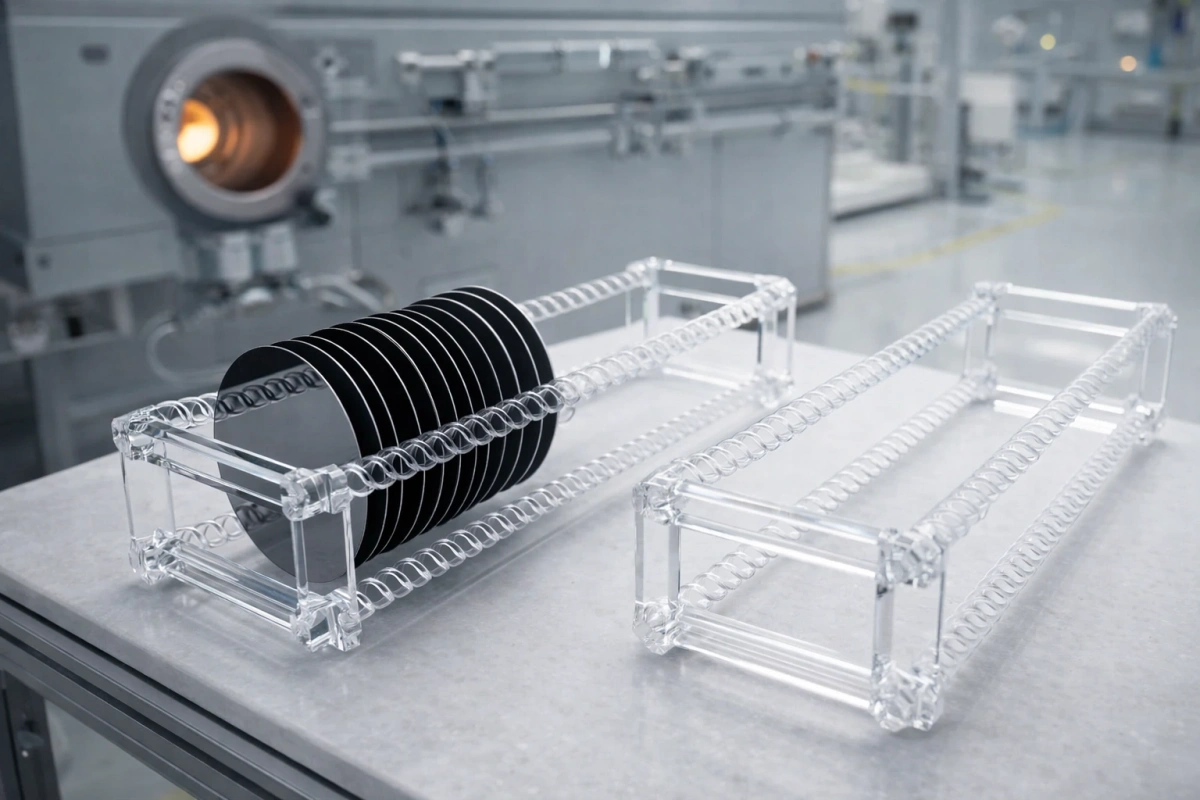
Additionally, quartz tubes are chemically inert, meaning they do not react with most chemicals. This resistance makes quartz tubes perfect for industries dealing with aggressive chemicals, like chemical processing or semiconductor manufacturing1. Plastic and glass tubes, in comparison, can degrade or leach chemicals when exposed to harsh substances.
Lastly, quartz tube cylinders have superior optical transparency compared to other materials. This clarity is essential for applications involving UV light transmission or other precise optical systems. Glass and plastic tubes, on the other hand, may absorb or distort light, making quartz the preferred choice in industries that rely on precise optical measurements.
Key Properties of Quartz Tube Cylinders and Their Relevance
Quartz tube cylinders are chosen for their exceptional thermal resistance, mechanical strength, and chemical stability. These properties make them ideal for extreme conditions, including high temperatures and aggressive chemicals. Understanding these key characteristics helps in selecting the right tube for your specific application.
Thermal Resistance and Its Importance in High-Temperature Applications
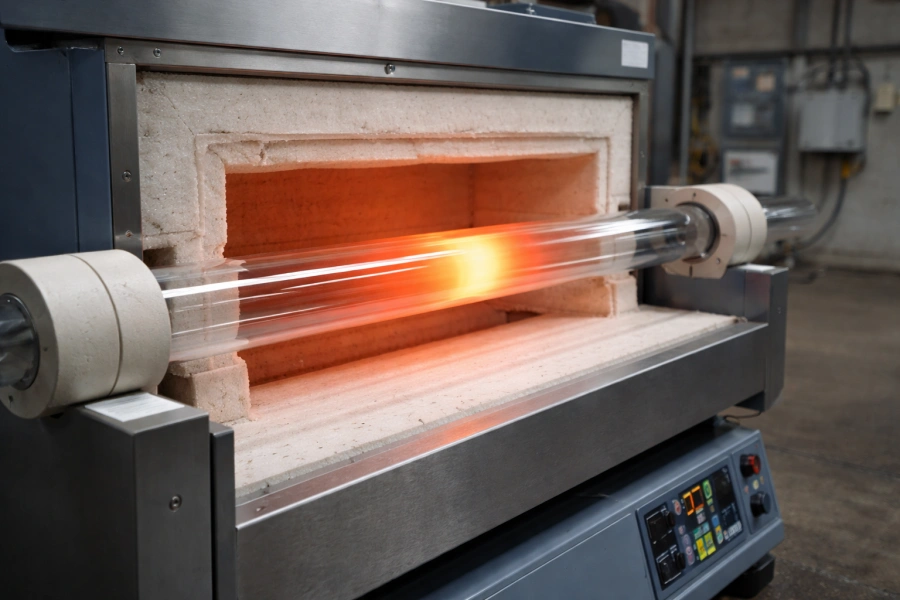
Quartz tube cylinders are known for their ability to withstand extreme temperatures, often exceeding 1,000°C. This makes them indispensable in industries that operate at high temperatures, such as semiconductor manufacturing or metal processing. Their ability to maintain structural integrity in such harsh conditions ensures consistent performance in critical processes.
In high-temperature applications, quartz tube cylinders are used in furnaces, kilns, and other heat-intensive environments. Their thermal stability ensures that they do not warp or degrade over time, providing long-term reliability. This makes them a cost-effective solution for high-temperature applications where other materials might fail.
The high thermal resistance of quartz tubes also plays a key role in maintaining safety and operational efficiency. By ensuring that tubes can handle intense heat without compromising their structure, quartz tubes reduce the risk of failure and downtime. This reliability is essential for industries that cannot afford interruptions in their high-temperature processes.
Mechanical Strength and Durability
Quartz tube cylinders are engineered to withstand significant mechanical stress, making them ideal for both structural and chemical applications. Their strength comes from the unique properties of fused silica, which is a very tough material. This allows quartz tubes to remain intact even under high pressure or external force.
The durability of quartz tubes also ensures that they perform reliably over long periods of time. Even in harsh environments where other materials might show signs of wear and tear, quartz maintains its integrity. This resilience makes quartz tube cylinders a preferred option in industries like chemical manufacturing, where equipment is constantly exposed to challenging conditions.
Mechanical strength is particularly important when quartz tube cylinders are used in critical applications, such as reactors or high-pressure systems. In these environments, the tubes must be able to withstand both high temperatures and significant mechanical forces. The mechanical properties of quartz tubes ensure that they remain reliable and safe even under the most demanding conditions.
Chemical Resistance and Its Role in Various Environments
Quartz tube cylinders offer exceptional chemical resistance, allowing them to perform well in environments where other materials would corrode or degrade. This resistance makes quartz tubes ideal for chemical processing, where exposure to strong acids, bases, and solvents is common. The tubes can endure such harsh chemicals without losing their structural integrity.
In industries like pharmaceuticals or food processing, where purity is crucial, quartz tube cylinders are an excellent choice. Their inert nature ensures that they do not leach chemicals or contaminants into sensitive products. This makes quartz tubes ideal for applications where chemical purity is non-negotiable.
Furthermore, quartz tubes are resistant to corrosion from high-temperature chemicals. They maintain their stability even when exposed to aggressive substances at elevated temperatures. This property ensures that quartz tube cylinders provide long-lasting and reliable performance in environments that challenge other materials.
How to Choose the Right Quartz Tube Cylinder Based on Application
Selecting the right quartz tube cylinder depends heavily on the specific needs of the application. Factors like temperature resistance, pressure tolerance, and optical clarity all play a crucial role. Tailoring the choice to these requirements ensures optimal performance in demanding environments.
Choosing Based on Temperature and Pressure Resistance
When selecting quartz tube cylinders for high-temperature applications, it is crucial to consider their ability to handle both temperature and pressure. For industries like semiconductor manufacturing, tubes need to withstand intense heat while maintaining structural integrity under pressure. These tubes must also resist thermal shock, which can occur when materials experience sudden temperature changes.
The selection process should focus on finding quartz tubes that can perform in environments with extreme temperature fluctuations. Temperature resistance ensures the material can maintain its shape and function under sustained heat, while pressure resistance ensures the tube doesn’t break or deform under mechanical stress. These two properties together are critical for maintaining the safety and efficiency of high-pressure systems.
For applications in glass or ceramics industries, quartz tube cylinders must also be chosen based on their ability to handle both elevated pressures and temperatures. In these industries, tubes often work with molten substances or chemicals that exert significant force. Therefore, tubes that can withstand both pressure and high heat will ensure smooth and uninterrupted operations.
Selecting by Optical Transmission Requirements
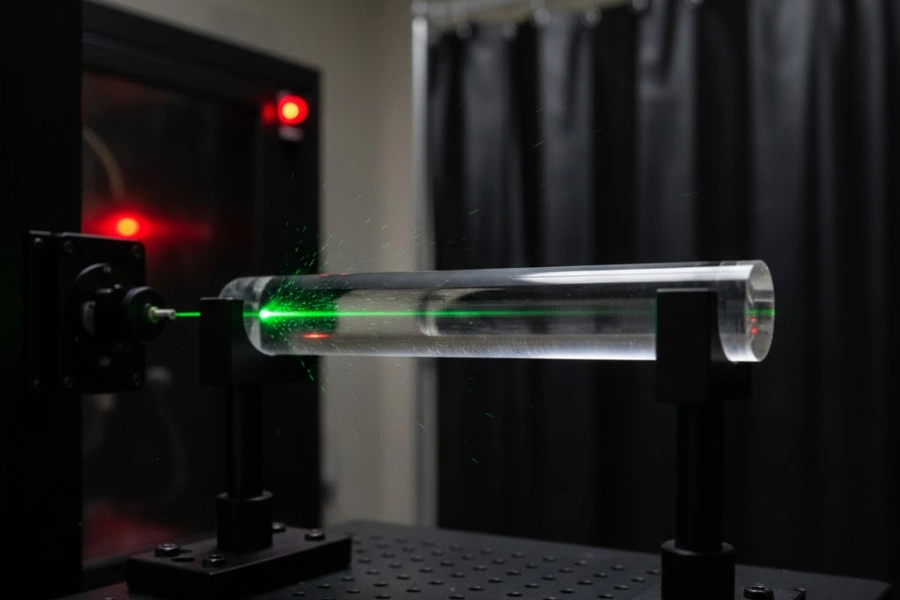
In optical systems, quartz tube cylinders are selected for their ability to transmit light with minimal absorption. This is crucial for applications like UV sterilization or spectroscopy, where precise light transmission is necessary for accurate results. The high optical clarity of quartz tubes ensures that light passes through without distortion, making them ideal for these specialized uses.
When selecting quartz tubes based on optical transmission requirements, the key factors to consider are the tube's transparency across specific wavelengths. UV light, for example, requires a quartz tube that can transmit light at specific frequencies without significant absorption. Therefore, the tube must meet the required transmission characteristics for the specific optical application.
In some cases, the optical properties of quartz tubes must be tailored to the exact needs of the system. For instance, certain quartz tube cylinders are coated or treated to improve light transmission or to prevent unwanted scattering. These enhancements ensure that the tube meets the precise demands of high-performance optical systems.
Evaluating Chemical Compatibility for Different Applications
Quartz tube cylinders must be chosen with careful consideration of the chemicals they will come into contact with. Certain industries, such as pharmaceuticals or chemical processing, require tubes that can withstand harsh solvents and reagents without degrading. The chemical resistance of the quartz tube ensures it will maintain its integrity, even in aggressive environments.
The ability to resist chemical reactions with reagents is crucial for maintaining the purity of the products in industries like pharmaceuticals. Quartz tubes are preferred in such environments because they do not introduce contaminants into sensitive products. This ensures that the products remain uncontaminated, providing high-quality results.
Quartz tubes also perform well in environments that involve corrosive gases or liquids. Their inert nature makes them suitable for use in environments like reactors or chemical vessels, where other materials might corrode over time. Choosing a quartz tube with the right chemical resistance is essential for ensuring long-term reliability and minimizing maintenance costs.
What Factors Should Be Considered When Selecting Quartz Tube Cylinders?
When choosing a quartz tube cylinder, factors like material purity, size, and supplier reputation should be evaluated. Precision and durability are crucial for applications that require high performance. Ensuring the right specifications will lead to enhanced efficiency and reliability in your operations.
Purity Levels and Their Impact on Performance
Quartz tube cylinders must be chosen with careful consideration of the chemicals they will come into contact with. Certain industries, such as pharmaceuticals or chemical processing, require tubes that can withstand harsh solvents and reagents without degrading. The chemical resistance of the quartz tube ensures it will maintain its integrity, even in aggressive environments.
The ability to resist chemical reactions with reagents is crucial for maintaining the purity of the products in industries like pharmaceuticals. Quartz tubes are preferred in such environments because they do not introduce contaminants into sensitive products. This ensures that the products remain uncontaminated, providing high-quality results.
Quartz tubes also perform well in environments that involve corrosive gases or liquids. Their inert nature makes them suitable for use in environments like reactors or chemical vessels, where other materials might corrode over time. Choosing a quartz tube with the right chemical resistance is essential for ensuring long-term reliability and minimizing maintenance costs.
Size and Tolerances: Why Precision Matters
The diameter and wall thickness of quartz tube cylinders are critical factors that influence their performance in various applications. Even slight variations in size can significantly affect the tube's efficiency and functionality, particularly in precision-dependent environments like laboratories or semiconductor manufacturing. When tolerances are not met, the quartz tube may fail to fit properly within systems, leading to reduced efficiency and potential system failures.
Moreover, precise tolerances are necessary to ensure the proper sealing of quartz tubes in flow cells and reactors. A mismatch in dimensions can cause leaks or improper fluid flow, ultimately compromising the entire system's reliability. For applications that require high accuracy, such as spectrophotometry or gas analysis, even minor dimensional inconsistencies can result in inaccurate readings.
Ultimately, selecting a quartz tube cylinder with the right size and tolerances is essential for maintaining process integrity. Working with a supplier who can guarantee these specifications is vital for achieving the required results. This level of precision ensures that the quartz tube cylinders perform as intended in specialized applications without any disruptions.
Supplier Reputation and Customization Capabilities
Partnering with reputable suppliers is crucial for ensuring the quartz tube cylinders meet specific application requirements. A reliable supplier will have a proven track record of delivering high-quality products that adhere to industry standards. Their expertise and customer service can help guide you through the selection process, ensuring that your needs are met precisely.
Customization is another critical factor when selecting quartz tube cylinders. Suppliers that offer tailored solutions can provide specific shapes, sizes, and material specifications that are required for unique applications. Whether you need a tube with specialized connectors, a specific wall thickness, or unique tolerances, custom solutions ensure that your quartz tube cylinders perform optimally.
Additionally, working with suppliers who have strong customization capabilities gives you the flexibility to adapt your equipment to evolving needs. A supplier who can provide engineering support and precise customization ensures that you receive the most appropriate solution for your specific requirements. This can be especially beneficial in industries like chemical processing or semiconductor manufacturing, where precision and performance are non-negotiable.
Comparing Quartz Tube Cylinders: Which One Fits Your Needs?
Not all quartz tube cylinders are the same. Comparing different types—such as fused quartz vs. synthetic quartz or transparent vs. opaque—helps determine which fits your application best. Making the right choice ensures optimal performance, cost-efficiency, and longevity.
Fused Quartz vs Synthetic Quartz Tube Cylinders
Fused quartz tube cylinders are renowned for their exceptional thermal stability, making them ideal for high-temperature environments. These tubes have superior optical clarity, which is necessary for applications that require precise light transmission, such as UV sterilization and optical systems. Fused quartz is also highly durable, ensuring that the tube maintains its integrity over time, even in extreme conditions.
In contrast, synthetic quartz tube cylinders are generally more affordable but may have lower purity levels. While they are still suitable for many applications, they may not offer the same level of performance in high-precision or high-temperature environments. The balance between cost and performance is crucial when selecting the right type of quartz tube for your specific needs.
Choosing between fused quartz and synthetic quartz involves understanding the trade-offs in terms of both performance and cost. For applications that require the highest level of performance, such as high-temperature reactors or precise optical instruments, fused quartz is the better option. However, for more general applications where cost-efficiency is key, synthetic quartz tubes may provide a sufficient solution.
Transparent Quartz vs Opaque Quartz Tube Cylinders
Transparent quartz tube cylinders are primarily used in applications where optical clarity and light transmission are critical. These tubes allow light to pass through with minimal absorption, making them perfect for UV and infrared transmission. In applications such as optical analysis or UV sterilization, transparent quartz tubes enable accurate measurements and reliable performance.
Opaque quartz tube cylinders, on the other hand, are better suited for applications where light interference needs to be minimized. These tubes are often used in infrared heating systems or situations where the light emitted by the tube should not be transmitted. The opacity ensures that heat is retained within the tube, making it ideal for energy-efficient heating applications.
When choosing between transparent and opaque quartz tubes, it’s essential to consider the specific needs of your application. Transparent tubes provide unmatched clarity for light transmission, while opaque tubes are ideal for heat retention and controlling light interference. Understanding these differences helps ensure that the right material is chosen for the intended use.
Standard Quartz Tubes vs Custom Manufactured Tubes
Standard quartz tube cylinders are often suitable for most applications, especially those that require basic functionality. These tubes are mass-produced with standard sizes and specifications, making them cost-effective and readily available. For many industrial applications, such as general fluid flow or chemical processing, these standard tubes offer sufficient performance.
However, for specialized applications, custom manufactured quartz tube cylinders may be necessary. Custom tubes allow for precise control over the tube's dimensions, material composition, and other features. Whether you need tubes with unique shapes, specific tolerances, or specific optical properties, custom manufacturing ensures that the quartz tube meets the exact needs of your application.
Opting for custom manufactured quartz tube cylinders provides flexibility and ensures that the tubes perform optimally in specialized environments. These tubes can be tailored for high-performance applications like semiconductor processing, optical systems, or laboratory testing, where precision and customization are essential for achieving the best results.
Cost and Performance Considerations for Quartz Tube Cylinders
The cost of a quartz tube cylinder is closely tied to its material quality, size, and customization options. Performance aspects like durability and thermal resistance should also be factored into the overall cost assessment. Balancing cost and performance ensures value without compromising quality.
Understanding Cost Factors in Quartz Tube Cylinder Manufacturing
The cost of quartz tube cylinders is primarily influenced by material purity, size, and the complexity of the design. Higher purity quartz, such as fused silica, typically costs more due to the additional processing required to achieve such high levels of purity. Custom-designed quartz tubes, which require additional engineering and production processes, also contribute to higher costs.
In addition to material purity and size, the complexity of the tube design can significantly impact the cost. Tubes with unique geometries, thicker walls, or specialized features such as specific connectors or internal coatings require more intricate manufacturing. These design elements often add to the overall price of the tube but are necessary for achieving specific performance characteristics.
Understanding the factors that influence the cost of quartz tube cylinders helps in making an informed purchasing decision. While custom tubes or higher-purity options may incur higher initial costs, they often provide better performance, leading to long-term cost savings. The upfront investment can be worthwhile if the tubes provide the required durability and efficiency in high-demand applications.
How to Choose Between Standard and Custom Quartz Tube Cylinders
Standard quartz tube cylinders are typically used for common applications that don’t require precise customization. These tubes are readily available and are suitable for basic industrial applications. For example, a standard quartz tube may be adequate for routine laboratory tests, where basic thermal or chemical properties are sufficient.
However, for specialized applications, custom quartz tube cylinders offer distinct advantages. Custom tubes allow for precise control over the tube’s dimensions, material composition, and other critical features. Whether you need a tube with a specific wall thickness, custom length, or specific optical properties, custom solutions ensure that the tube meets the precise demands of your process.
The decision between standard and custom quartz tube cylinders ultimately depends on the application’s requirements. While standard tubes are cost-effective for general use, custom tubes provide the necessary specifications for high-performance systems where precision and reliability are paramount.
Evaluating Long-Term Durability and Total Cost of Ownership
While custom or high-purity quartz tube cylinders may involve a higher initial cost, their durability can lead to significant long-term savings. These tubes are less likely to degrade over time, reducing the need for frequent replacements and minimizing downtime. In high-demand applications, the initial investment in a durable quartz tube can result in substantial cost savings in the long run.
The long-term performance of quartz tube cylinders also ensures consistent efficiency in industrial processes. Tubes that perform well over extended periods of time reduce the risk of equipment failure and process interruptions. This reliability makes them an attractive option for industries where continuous operations are essential.
When evaluating the total cost of ownership, it's important to consider the long-term durability of the quartz tube cylinders. Although the upfront cost may be higher for custom or high-purity tubes, their performance, longevity, and reduced maintenance requirements make them a cost-effective choice over time.
How to Ensure the Quality of Quartz Tube Cylinders from Your Supplier?
Quality assurance is crucial when sourcing quartz tube cylinders. It involves checking certifications, adherence to industry standards, and evaluating supplier testing protocols. Ensuring that your supplier meets these standards guarantees the high performance and reliability of the product.
Key Certifications and Industry Standards
Choosing a supplier that adheres to recognized industry certifications, such as ISO or ASTM, ensures that quartz tube cylinders meet the required performance and safety standards. These certifications are a guarantee that the tubes have been manufactured under stringent quality control measures and meet specific material requirements. Compliance with industry standards provides peace of mind, knowing that the tubes will perform as expected.
In addition to certifications, suppliers should also provide detailed information about their manufacturing processes and quality assurance methods. This transparency helps verify that the tubes are produced under consistent and controlled conditions, ensuring their reliability and longevity. Having access to this information helps buyers make informed decisions about which supplier to choose.
Industry standards and certifications are essential when selecting quartz tube cylinders for high-stakes applications like semiconductor manufacturing or medical equipment production. These certifications assure buyers that the tubes will meet critical performance criteria, ensuring that they can perform reliably in demanding environments.
Quality Assurance Methods for Quartz Tube Cylinders
Reputable suppliers employ rigorous testing methods to ensure their quartz tube cylinders meet specific quality benchmarks. These tests may include mechanical strength assessments to ensure the tubes can withstand external stress without failing. Thermal cycling tests may also be used to evaluate how well the tubes handle extreme temperature variations.
Optical clarity is another critical quality measure for quartz tube cylinders, particularly for applications that involve light transmission. Suppliers should perform tests to ensure that the quartz tubes maintain high transparency and minimal light distortion. Such testing ensures that the tubes will provide accurate results in optical applications like spectroscopy or UV sterilization.
Ensuring that quartz tube cylinders meet these quality benchmarks is essential for applications where performance and reliability are non-negotiable. Suppliers that use strict quality assurance methods help prevent defects and ensure that the tubes can perform optimally in a range of demanding environments.
Supplier Testing Protocols for Quartz Tube Cylinders
It is essential that suppliers follow rigorous testing protocols for each batch of quartz tube cylinders to ensure consistency and reliability. For critical applications such as semiconductor manufacturing or medical devices, where precision is paramount, the supplier should conduct thorough testing on every batch. These protocols should cover mechanical strength, chemical resistance, and optical clarity to ensure that each tube meets the required specifications.
The supplier should also provide comprehensive reports on testing results to verify that the tubes meet performance standards. These reports can include data on material composition, dimensional accuracy, and durability under stress. Transparent testing protocols help build trust with buyers and ensure that the tubes will perform reliably in high-stakes environments.
Ensuring that the supplier follows stringent testing protocols for quartz tube cylinders is crucial for applications where failure is not an option. By confirming that the tubes meet all necessary requirements, buyers can ensure that their operations will continue without unexpected disruptions or failures.
What Are the Common Mistakes to Avoid When Choosing Quartz Tube Cylinders?
Selecting the wrong quartz tube cylinder can lead to performance issues and costly errors. Common mistakes include overlooking application-specific requirements, ignoring size tolerances, and choosing based on price alone. Understanding the full scope of your needs will help avoid these pitfalls and ensure better long-term results.
Overlooking Application-Specific Requirements
Neglecting to consider the specific requirements of an application can lead to poor performance and potential failure of the quartz tube cylinder. For instance, high-temperature processes require quartz tubes that can withstand extreme conditions, and failing to account for this may result in the tube breaking or degrading. The same applies to applications that demand precise optical clarity or chemical resistance.
Each industry and application has unique needs that must be addressed during the selection process. Without understanding these specific needs, engineers may select a tube that does not meet the required performance standards, leading to inefficiencies or system malfunctions. For example, a tube that is not resistant to certain chemicals may corrode and fail, leading to costly repairs or replacements.
By taking the time to fully assess the specific application requirements, engineers can ensure that the quartz tube cylinders selected will perform optimally. This step is essential for avoiding unnecessary disruptions and ensuring the long-term success of the project.
Ignoring Size Tolerances and Material Purity
Selecting a quartz tube cylinder with the wrong dimensions or insufficient material purity can result in significant issues, particularly in high-precision applications. Size tolerances are especially important in applications where the tube must fit precisely within a system, such as in flow cells or reactors. Incorrect sizing can cause leaks, misalignment, or reduced efficiency.
Material purity is also a crucial consideration. Impurities in the quartz can affect the tube’s thermal, optical, and chemical properties, leading to subpar performance. High-purity quartz tubes are necessary for applications that require precise optical transmission or resistance to extreme temperatures and chemicals.
Ensuring that the quartz tube meets both the correct size and purity specifications is essential for achieving optimal performance. It is critical to work with a trusted supplier who can provide quartz tubes that adhere to the exact requirements of the application.
Choosing Based on Price Alone Without Considering Performance
While cost is an important factor in selecting quartz tube cylinders, focusing solely on price without considering performance can lead to compromised quality. Lower-cost tubes may offer savings initially, but they may not perform as well under demanding conditions, leading to frequent replacements or system failures.
Performance should be the primary consideration when selecting quartz tube cylinders. For applications requiring high-temperature resistance, optical clarity, or chemical stability, investing in higher-quality quartz tubes can provide long-term benefits. A reliable tube ensures the performance and efficiency of the overall system, reducing downtime and maintenance costs.
By considering both price and performance, engineers can make informed decisions that provide the best value for their investment. Choosing a quartz tube based on performance ensures that the application will continue to run smoothly without the risk of system breakdowns or failures.
Conclusion: Making the Right Choice for Your Quartz Tube Cylinder Needs
Choosing the right quartz tube cylinder requires understanding its properties, costs, and how it fits into your specific application. Focus on key factors such as purity, durability, and supplier reputation to ensure optimal performance.
Choosing the right quartz tube cylinder requires careful consideration of your specific needs. Leverage TOQUARTZ's engineering expertise and flexible manufacturing capabilities for your custom quartz tube cylinder solutions.
FAQ (Frequently Asked Questions)
What are the key performance factors for quartz tube cylinders in high-temperature applications?
Key factors include thermal resistance, mechanical strength, and durability. Higher-purity quartz tubes offer better performance under extreme conditions, making them ideal for high-temperature processes.
How do I select the best quartz tube cylinder supplier?
Look for suppliers with a strong reputation, certifications (e.g., ISO), and proven experience in your specific application. Ask for case studies or references to assess reliability.
Can I customize my quartz tube cylinder for a specific application?
Yes, many suppliers offer customization options, including adjustments to size, shape, and material purity to meet the specific needs of your application.
How does a quartz tube cylinder compare to other materials?
Quartz tubes outperform many other materials, such as glass and plastics, in terms of thermal stability, chemical resistance, and optical properties, making them ideal for high-performance applications.
References:
-
Discover how quartz tubes play a crucial role in semiconductor manufacturing, ensuring purity and reliability in high-tech industries. ↩