Choosing the right quartz glass tube for your application requires understanding the factors that affect its price. Prices typically span from $6 to $630+, depending on several key variables. This article breaks down these factors and provides insight into how to navigate price considerations for quartz glass tubes in 2025.
Quartz glass tube pricing is influenced by factors like material purity, size, and customization. Prices vary widely, ranging from $6 to $630+. Understanding these factors can help engineers make informed purchasing decisions.

Key Factors Influencing Quartz Glass Tube Pricing
The price of quartz glass tubes is driven by various factors that affect its manufacturing costs, application suitability, and market demand. These factors include material purity, size, and customization requirements.
Material Purity and Its Impact on Price
Material purity plays a significant role in determining quartz glass tube pricing. High-purity quartz, such as fused silica (99.99% SiO2), is more expensive to produce, but it offers superior performance. The higher the purity, the more expensive the quartz tube. Pure quartz is ideal for applications that require high optical transparency and thermal stability.
-
High Purity Quartz: High-purity quartz is essential for applications in industries like semiconductor manufacturing and medical instruments. It offers excellent optical clarity and thermal resistance, making it the go-to material for demanding environments. As such, high-purity quartz tubes are often priced at the higher end of the spectrum.
-
Standard Quartz: Standard quartz, which has a lower purity level, is more affordable and commonly used in less demanding applications. These tubes are suitable for general industrial use or basic laboratory experiments, where high optical properties and extreme temperature resistance are not as critical.
-
Purity vs. Performance: The higher the purity, the more reliable the quartz tube in extreme conditions. As a result, the price of high-purity quartz increases due to the additional processing required to achieve its superior quality.
Size and Customization Requirements
The size and customization of a quartz glass tube are key factors affecting its price. Larger tubes or those requiring custom specifications demand more material and longer production times. Custom quartz tubes can also include special features such as coatings, connectors, and unique diameters or lengths, which further drive up costs.
-
Standard Sizes: Standard quartz glass tubes come in a variety of sizes and are generally more affordable. They are produced in bulk, making them more accessible and available for general purposes. These tubes are often used for basic applications where the size and length are predetermined.
-
Custom Sizes: Custom quartz tubes involve additional manufacturing steps, including precise measurements and design adjustments. Custom sizes or tubes with special features like reinforced walls or coatings are more expensive due to the additional labor and raw material involved.
-
Customization Impact on Cost: Customization often involves more complex engineering and longer lead times. Tubes that require intricate adjustments, like specialty connectors or coatings, will come at a higher price due to the specialized labor and materials.
Manufacturing Methods and Their Cost Implications
The manufacturing method used to produce quartz glass tubes has a direct impact on their pricing. Simple methods like extrusion or drawing are less expensive, while more specialized methods such as glass blowing1 or custom molding increase production complexity and cost.
-
Standard Production Methods: Common methods such as extrusion and drawing are more affordable because they are faster and require less precision. These methods are ideal for mass production of standard quartz glass tubes, keeping the costs low.
-
Complex Manufacturing: Methods like glass blowing or precision molding require more labor, expertise, and equipment. These manufacturing processes are often used for custom-designed quartz tubes with tight tolerances or special features, and they contribute to a higher cost due to the added complexity.
-
Design Complexity and Cost: The more intricate the design, the more expensive the manufacturing process. For example, tubes with unique features such as thick walls, precise lengths, or multiple connectors will require more time and specialized equipment.
Price Variations Between Standard and High-Temperature Quartz Tubing
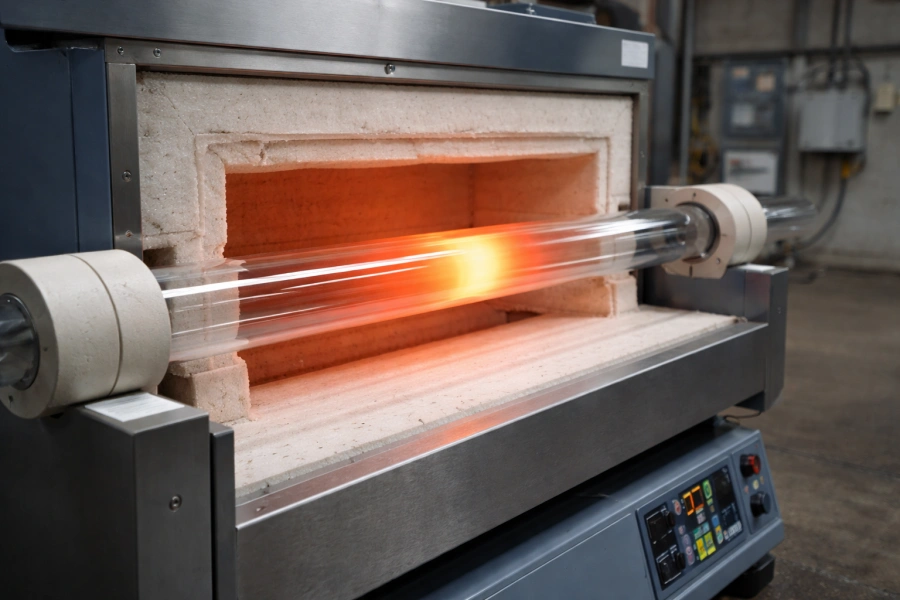
The price of high-temperature quartz tubing is generally higher than standard quartz tubes due to its superior properties required for extreme environments. High-temperature quartz tubes are designed to withstand temperatures upwards of 1,200°C, making them suitable for industries like semiconductor processing and high-temperature chemical reactions.
Thermal Resistance and Its Effect on Price
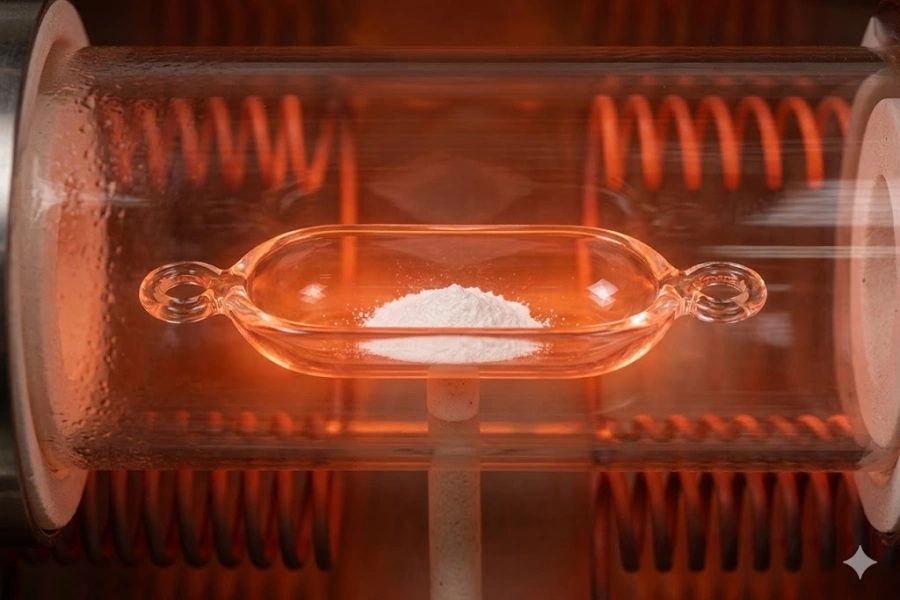
High-temperature quartz tubes are made from fused silica, a material known for its excellent thermal stability and low coefficient of thermal expansion. These tubes can withstand high thermal stress without breaking or deforming. The higher the temperature resistance, the higher the price of the quartz tube.
-
Standard Quartz Tubes: Standard quartz tubes are designed for moderate-temperature applications, with a typical temperature range up to 1,100°C. They are often used in basic industrial or scientific settings where extreme temperature resistance is not required.
-
High-Temperature Quartz Tubes: High-temperature quartz tubes are specifically designed to handle extreme temperatures, exceeding 1,200°C. They are essential for industries like semiconductor manufacturing, chemical processing, and other high-heat environments. Due to their specialized material composition and manufacturing process, these tubes are priced at the higher end of the market.
-
Performance at High Temperatures: High-temperature resistance is crucial for many industrial applications, which is why high-temperature quartz tubes are engineered for exceptional heat resistance. This level of durability and precision increases production costs, which directly impacts the final price.
Applications and Industries Using High-Temperature Quartz Tubing
High-temperature quartz tubes are critical in a wide range of industries, from semiconductor manufacturing to medical sterilization. These industries require quartz tubes that can withstand extreme conditions without failure.
-
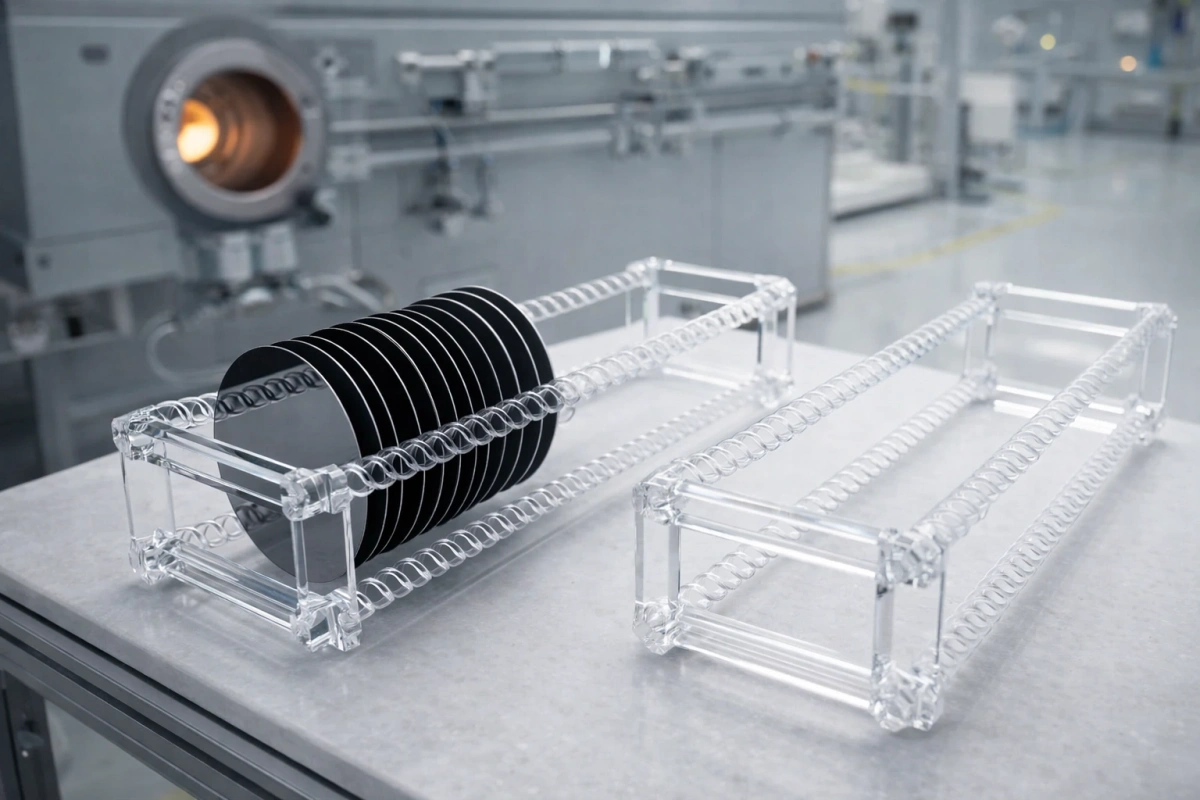
Semiconductor Industry: The semiconductor industry uses high-temperature quartz tubes for processes that involve precise thermal control and high heat loads. These applications require tubes that can handle intense heat while maintaining structural integrity.
-
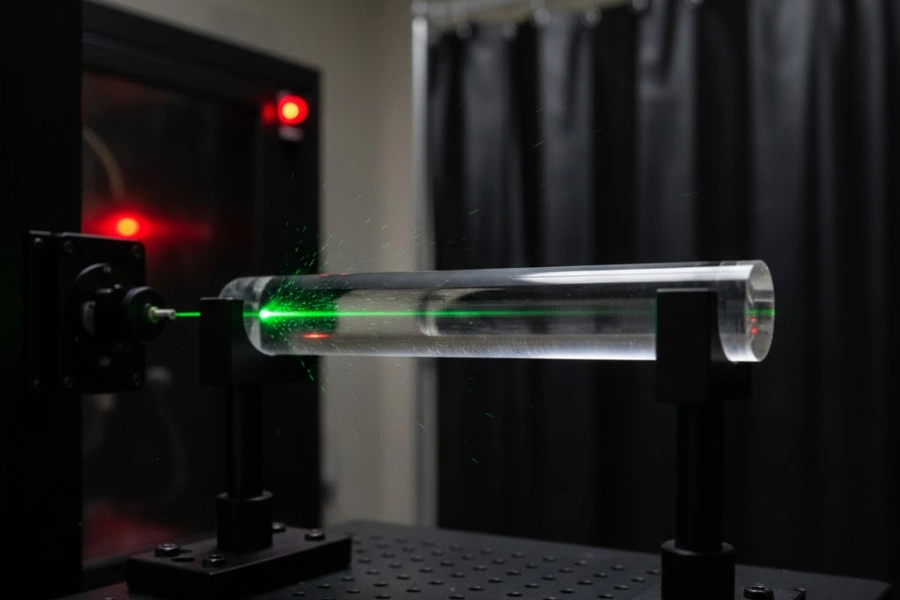
UV Sterilization: Quartz tubes with high-temperature resistance are widely used in UV sterilization applications, where they help maintain the effectiveness of UV light exposure. The ability of quartz to transmit UV light while withstanding high temperatures makes it ideal for this industry, though it raises the price.
-
Chemical Processing: High-temperature quartz tubes are also used in chemical reactors where high heat and corrosive materials are involved. The combination of high thermal resistance and chemical durability justifies the higher cost for this application.
Manufacturing Challenges of High-Temperature Quartz Tubes
Producing high-temperature quartz tubes requires careful consideration of both material properties and the manufacturing environment. Maintaining the purity of quartz while shaping it for specific applications presents several challenges that contribute to the cost.
-
Material Handling: The process of handling high-purity quartz in high-temperature environments is delicate and labor-intensive. Ensuring that the material remains free of impurities during the manufacturing process requires specialized equipment and skilled labor, which increases costs.
-
Shape and Size Precision: High-temperature quartz tubes need to be manufactured with high precision to ensure they maintain their structural integrity under thermal stress. Achieving the required tolerances and dimensions without defects increases production time and costs.
-
Controlled Environments: High-temperature quartz tube manufacturing often requires controlled environments, such as cleanrooms, to prevent contamination and ensure optimal material properties. These controlled environments add to the cost of production and, consequently, the price of the final product.
Custom Quartz Tubing and Its Cost Factors
Customization of quartz tubes adds another layer of cost. The more specialized the requirement, the higher the price. This includes unique shapes, sizes, or additional features such as special coatings or connectors.
Customization for Specific Applications
Many industries require quartz tubes with special features tailored to their specific needs. Customizations such as reinforced walls, special coatings, or unique diameters can significantly affect the price of the tubes.
-
Custom Coatings: Some applications require quartz tubes with specific coatings, such as anti-corrosion or UV protection. These coatings enhance the performance of the tubes but also add to their cost due to the extra materials and labor involved.
-
Special Designs: Quartz tubes designed for specialized applications, such as flow-through cells for analytical testing or UV sterilization systems, are often more expensive. The need for precise dimensions, additional connectors, or specialized materials increases both production time and material costs.
-
Tailored Features: Each customization adds a layer of complexity to the production process. Custom features can increase the price by requiring additional materials, more precise manufacturing techniques, and longer lead times.
The Role of Tight Tolerances and Their Price Impact
The Role of Tight Tolerances and Their Price Impact
High-precision quartz tubes, which require tight tolerances, are generally more expensive due to the higher level of craftsmanship and quality control required. This is particularly important for applications in the medical and scientific industries, where accuracy is critical.
-
Precision Machining: High-precision quartz tubes require advanced machining methods to achieve the required tolerances. This process is more time-consuming and requires specialized tools, contributing to the higher cost of these tubes.
-
Cost of Errors: Even slight errors in tolerance can lead to defects, which necessitate the use of more materials and additional labor to correct. This increases both production time and overall costs, making tight-tolerance tubes more expensive.
-
Demand for Accuracy: Certain industries, such as healthcare and scientific research, require exact dimensions to ensure proper functionality. This demand for precision adds to the cost, as manufacturers must ensure that each tube meets stringent specifications.
Lead Time and Its Relation to Pricing for Custom Quartz Tubing
The production lead time for custom quartz tubes is another factor influencing their price. Custom tubes with specialized designs or features typically take longer to produce, which contributes to their higher cost.
-
Shorter Lead Times: Standard quartz tubes can be produced quickly and are readily available from suppliers. Shorter production times reduce the overall cost by minimizing the labor and material usage associated with longer production runs.
-
Longer Lead Times: Custom orders with specific requirements, such as non-standard sizes or special coatings, often require longer lead times. The additional time required to manufacture these tubes contributes to their higher price, particularly for large or complex orders.
-
Impact on Costs: Longer lead times can also lead to higher inventory costs for suppliers and additional shipping expenses. For buyers, the increased lead time can result in higher overall costs, especially for time-sensitive projects.
How Quartz Glass Tube Pricing Compares Across Suppliers
Different suppliers offer varying prices for quartz glass tubes based on factors like location, supply chain efficiency, and production methods. Comparing prices across suppliers is essential for making the best purchasing decision.
Price Variability Between Domestic and International Suppliers
The price of quartz glass tubes can vary significantly depending on whether the supplier is domestic or international. This price difference is influenced by factors like location, shipping costs, and local production conditions.
-
Domestic Suppliers: Domestic suppliers often offer faster shipping times and lower import duties, making them a better choice for time-sensitive projects. However, they may charge slightly higher prices due to local manufacturing and labor costs.
-
International Suppliers: International suppliers may offer lower base prices for quartz tubes, but shipping costs, import duties, and longer lead times can increase the total cost of the order. Depending on the order size and urgency, this price difference can be substantial.
-
Trade-Offs in Selection: When selecting a supplier, it’s important to balance the price difference with shipping times and import fees. For urgent needs, domestic suppliers may offer a better value despite the slightly higher price per unit.
What Quality Indicators Should Be Considered When Comparing Prices?
When comparing quartz glass tube prices, it is essential to assess quality indicators like purity, dimensional accuracy, and thermal stability. These factors directly affect the tube's performance and its suitability for specific applications.
-
Purity: Higher purity quartz typically costs more due to the more refined manufacturing processes required. Purity is critical for applications where optical clarity or chemical stability is necessary.
-
Dimensional Accuracy: Tubes with tight tolerances and precise dimensions are more expensive due to the advanced machinery and techniques needed to achieve these standards. Accurate dimensions are especially important in high-precision industries like medicine and research.
-
Thermal Stability: Quartz tubes with higher thermal stability are better suited for high-temperature applications but often come at a premium price. Ensuring that the tubes can withstand temperature extremes without deformation adds to their value.
Case Study: Price Differences in Bulk Orders vs Small Orders
Bulk orders of quartz glass tubes tend to be more cost-effective due to the economies of scale involved. In contrast, smaller orders often incur higher per-unit prices.
-
Bulk Orders: Large orders benefit from reduced material, production, and shipping costs, resulting in a lower price per unit. Bulk ordering is ideal for companies looking to stock up on quartz tubes for ongoing projects.
-
Small Orders: Small orders are less efficient for manufacturers, as they don’t benefit from the same economies of scale. As a result, smaller orders generally have a higher cost per unit, especially for custom-designed tubes that require additional processing time.
-
Long-Term Savings: For companies that regularly use quartz glass tubes, placing bulk orders can lead to substantial long-term savings. However, smaller projects or one-time uses may not be suitable for bulk purchasing due to the higher initial investment required.
Future Trends in Quartz Glass Tube Pricing
The pricing of quartz glass tubes is expected to evolve due to various factors such as global supply chain disruptions, technological advances, and changing market dynamics.
How Global Supply Chain Disruptions Affect Quartz Glass Prices
Global supply chain disruptions, like those caused by the COVID-19 pandemic, can significantly impact the cost of raw materials and shipping, ultimately driving up quartz glass tube prices.
- Material Shortages: Limited availability of key raw materials can lead to increased costs.
- Logistical Delays: Shipping and transportation delays can add to costs, especially for international orders.
The Impact of Technological Advances on Quartz Glass Tube Pricing
Advancements in manufacturing technologies, such as automation and 3D printing, may lower production costs and, in turn, reduce the price of quartz glass tubes in the future.
- Automation: Reduces labor costs and increases production efficiency, potentially lowering prices.
- 3D Printing: Could allow for more precise and cost-effective customization, although still in early stages of development.
Predicting Price Fluctuations in the Next 5-10 Years
Quartz glass tube pricing will likely fluctuate in the next 5-10 years due to market conditions, technological developments, and global economic factors.
- Market Trends: Growing demand for high-performance materials may drive prices up, while new production technologies may offset this increase.
- Economic Conditions: Global economic conditions, such as inflation and energy prices, could further influence the price of quartz glass tubes.
Practical Tips for Optimizing Your Quartz Glass Tube Purchase
Optimizing your quartz glass tube purchase involves careful consideration of pricing, supplier reliability, and long-term cost efficiency.
Identifying the Right Supplier Based on Price and Quality
When selecting a supplier for quartz glass tubes, balance price with quality. Ensure the supplier provides high-quality materials, precise manufacturing, and reliable delivery.
- Supplier Research: Look for reviews and case studies that demonstrate the supplier's ability to meet specifications.
- Quality Control: Ensure the supplier follows stringent quality control procedures to ensure product reliability.
Negotiating Bulk Pricing for Cost Reduction
Negotiating bulk pricing can help reduce the per-unit cost, especially for large orders. Work with the supplier to secure favorable terms based on your order size.
- Volume Discounts: Many suppliers offer discounts for larger orders, helping to reduce overall costs.
- Contractual Negotiations: Establish long-term contracts with suppliers for consistent pricing and supply.
Evaluating Long-Term Cost Efficiency of Quartz Glass Tubes
Consider the long-term cost efficiency of quartz glass tubes when making your purchase. This includes evaluating the durability, lifespan, and performance of the tubes to ensure that the initial price is justified over time.
- Durability: Quartz glass tubes are known for their durability, but the higher the quality, the longer they will last without degrading.
- Performance: Evaluate the performance characteristics such as thermal stability and purity to ensure the tubes meet your application requirements.
Conclusion
Understanding the factors that influence quartz glass tube pricing can help you make informed purchasing decisions. By carefully evaluating material purity, size, customization needs, and manufacturing processes, you can secure the best value for your needs.
Optimize your quartz glass tube purchase with TOQUARTZ’s industry expertise. Our engineering team, with over 20 years of experience, provides custom quartz glass solutions tailored to your requirements. Contact us today for a consultation on your next project.
FAQ (Frequently Asked Questions)
What are the main factors that affect quartz glass tube pricing?
Material purity, size, and manufacturing methods are the primary factors that influence the pricing of quartz glass tubes. Custom specifications and high-temperature applications also significantly affect the cost.
How do I select the right supplier for quartz glass tubes?
When selecting a supplier, consider factors like price, quality, reliability, and delivery times. It’s essential to choose a supplier with a proven track record of providing high-quality quartz tubes.
What are the benefits of ordering quartz glass tubes in bulk?
Ordering quartz glass tubes in bulk often results in lower per-unit costs due to economies of scale. It also allows for better control over inventory and more predictable pricing.
How does the price of quartz glass tubes compare to other materials?
Quartz glass tubes are typically more expensive than glass tubes due to their superior thermal and optical properties. However, their longevity and performance in high-temperature environments justify the higher cost in specialized applications.
References:
-
Exploring this link will deepen your understanding of the art and science behind glass blowing, a fascinating craft with rich history. ↩