
Прецизионные линзы с оптическими характеристиками из кварцевых дисков опираются на выдающиеся оптические свойства кварцевого стекла. Этот материал обеспечивает высокую оптическую чистоту, исключительную оптическую прозрачность и постоянную однородность показателя преломления с точностью, достигающей 0,3 ppm абсолютно. Кварцевое стекло сохраняет высокое пропускание в видимом, инфракрасном и ультрафиолетовом диапазонах волн и сохраняет оптические свойства даже при повышенных температурах. Структура кварцевого стекла обеспечивает превосходную стойкость к лазерным повреждениям и минимальное двулучепреломление, что делает его идеальным для производства оптических приборов. Эти качества способствуют улучшению характеристик оптических приборов в современной оптике, особенно для требовательных оптических линз.
Основные выводы
Кварцевое стекло отличается высокой оптической чистотой и прозрачностью, что необходимо для получения четких изображений в современных оптических системах.
Поддержание равномерного показателя преломления в кварцевых дисках предотвращает искажение волнового фронта, обеспечивая точность изображения и высокое разрешение.
Передовые технологии производства, такие как контролируемое плавление и охлаждение, повышают однородность показателя преломления кварцевого стекла.
Стандарты ISO определяют однородность показателя преломления, гарантируя, что кварцевые линзы соответствуют строгим критериям производительности.
Низкое тепловое расширение кварцевого стекла позволяет линзам сохранять фокусировку и производительность при различных температурах.
Какой однородности показателя преломления достигают кварцевые дисковые линзы?
Оптические характеристики прецизионных линз из кварцевых дисков зависят от способности кварцевого стекла поддерживать равномерный коэффициент преломления по всей линзе. Это свойство обеспечивает прохождение света через линзу без искажений, что необходимо для получения точных изображений в современной оптике. Однородность показателя преломления, наряду с другими оптическими свойствами, такими как пропускание, термостабильность, устойчивость к лазерным повреждениям и двулучепреломление, определяет ценность кварцевого стекла при производстве оптических приборов.
Как изменение показателя преломления влияет на качество волнового фронта и разрешение изображения
Показатель преломления Изменения в кварцевом стекле могут вызвать искажение волнового фронта, что напрямую влияет на качество изображений, получаемых в оптических приборах. При изменении показателя преломления в линзе скорость света смещается, искривляя волновой фронт и создавая классические аберрации. Эти искажения могут привести к мягкости изображения, снижению контрастности и разрешения, особенно в высокоточной оптике.
Даже небольшие неоднородности могут внести значительный волновой фронт ошибки. Например, на стыке сцементированных кварцевых клиньев происходит угловое расщепление или сдвиг волновых фронтов. Обычные и необычные волны имеют разные коэффициенты преломления, что приводит к пространственному разделению и искажению. Разница в скоростях между этими волновыми фронтами вносит вклад в общую ошибку волнового фронта, что может ухудшить коэффициент Штреля и снизить функцию передачи модуляции (MTF) системы.
Ключевые моменты:
Искажение волнового фронта результаты изменения показателя преломления в кварцевом стекле.
Разрешение изображения уменьшается по мере увеличения ошибок волнового фронта.
Точная визуализация требует высокой однородности показателя преломления.
Эти отношения подчеркивают, почему кварцевые диски Оптические характеристики прецизионных линз зависят от строгого контроля однородности показателя преломления.
Методы производства для достижения превосходной однородности оптических линз
Производители используют передовые технологии для достижения превосходной однородности показателя преломления в кварцевом стекле. Температура плавления, скорость охлаждения и термообработка играют важнейшую роль в определении конечных оптических свойств линзового диска. Более высокая температура плавления и быстрая скорость охлаждения позволяют увеличить показатель преломления, а контролируемая термообработка помогает стабилизировать его.
Синтетический плавленый кварц, производимый пламенный гидролизобеспечивает наивысшую однородность благодаря однопакетной обработке и минимальным градиентам состава. Производители выбирают области булей с минимальными температурными градиентами во время плавления, чтобы обеспечить постоянную однородность. Интерферометрическое картирование выявляет подходящие зоны перед шлифовкой, что позволяет сохранить оптические характеристики, необходимые для современной оптики.
Производственный фактор | Влияние на однородность | Результирующие оптические характеристики |
|---|---|---|
Температура плавления | Повышение температуры увеличивает показатель преломления | Может вызвать неоднородность, если ее не контролировать |
Скорость охлаждения | Более быстрое охлаждение повышает показатель преломления | Может вводить градиенты |
Термообработка | Стабилизирует показатель преломления | Улучшает однородность |
Эти методы обеспечивают соответствие кварцевого стекла высоким требованиям, предъявляемым к производству оптических приборов.
Стандарты измерений: Протоколы испытаний на однородность ISO 11455
Производители используют протоколы ISO 11455 для измерения однородности показателя преломления в кварцевом стекле. Этот стандарт требует точного интерферометрического тестирования, часто с использованием интерферометрии Маха-Зендера на определенной длине волны. Этот процесс позволяет получить карту показателя преломления по всей прозрачной апертуре, выявляя даже незначительные отклонения, которые могут повлиять на оптические характеристики.
Испытания гарантируют соответствие кварцевых дисков строгим допускам, например Δn <2×10-⁶ для материала с ультрафиолетовым излучением. Результаты испытаний определяют выбор заготовок линз для высокоточной оптики, гарантируя, что только лучшие материалы перейдут на следующий этап производства. Последовательное применение этих стандартов обеспечивает надежность и производительность прецизионных линз с оптическими характеристиками кварцевых дисков.
Краткое изложение ключевых моментов:
ISO 11455 обеспечивает стандартизированный метод измерения однородности показателя преломления.
Интерферометрическое картирование Обнаруживает небольшие отклонения в кварцевом стекле.
Строгие допуски обеспечивают высокое качество оптических характеристик.
Эти протоколы помогают поддерживать высокие стандарты, необходимые для получения точных изображений в современной оптике.
Какие характеристики пропускания ультрафиолетового и инфракрасного излучения обеспечивают линзы из кварцевых дисков?
Кварцевое стекло выделяется в оптике своей способностью пропускать свет от глубокого ультрафиолета до инфракрасных длин волн. Такой высокий коэффициент пропускания делает его предпочтительным выбором для оптических приборов, требующих четкости и эффективности в широком спектральном диапазоне. В следующих разделах рассматриваются характеристики различных сортов кварцевого стекла, влияние примесей и то, как конструкция системы влияет на общее пропускание.
Кривые спектрального пропускания: Кварцевый диск УФ-класса против оптического класса против ИК-класса
Кварцевое стекло обеспечивает превосходное спектральное пропускание, но его характеристики зависят от марки. Кварцевое стекло УФ-класса обеспечивает пропускание более 85% при 193 нм, оптическое стекло поддерживает более 80% от 260 до 2500 нм, а ИК-стекло превосходит 85% при 2800 нм. Эти различия обусловлены процессом производства и чистотой сырья.
Инженеры выбирают подходящий сорт в зависимости от требований к длине волны. Например, кварцевое стекло ультрафиолетового класса поддерживает литографию в глубоком ультрафиолете, а ИК-класс подходит для тепловидения. Правильный выбор обеспечивает высокий коэффициент пропускания и оптимальную производительность в сложных условиях.
Кварцевое стекло | Пропускание ультрафиолетового излучения (193 нм) | Видимая передача (589 нм) | ИК-передача (2800 нм) | Приложение |
|---|---|---|---|---|
Ультрафиолетовый класс (JGS1) | >85% | >92% | 60-75% | Глубоковолновая визуализация, литография |
Оптический класс (JGS2) | 45-60% | >92% | 50-65% | Общая оптика, лазерная доставка |
IR-Grade (JGS3) | 30-50% | >91% | >85% | БИК-спектроскопия, тепловидение |
В этой таблице показано, как выбор марки кварцевого стекла напрямую влияет на пропускание и пригодность для использования в конкретных оптических приборах.
Как металлические примеси создают полосы поглощения в ультрафиолетовом диапазоне
Металлические примеси в кварцевом стекле могут создавать полосы поглощения, особенно в ультрафиолетовой области. Даже следовые количества алюминия или титана, часто менее 1 части на миллион, могут снизить пропускание на 15-30% при длине волны менее 250 нм. Эти примеси поглощают ультрафиолетовый свет, вызывая снижение чувствительности и эффективности системы.
Производители контролируют уровень примесей благодаря тщательному отбору сырья и передовым методам очистки. Минимизируя содержание металлов, они гарантируют, что кварцевое стекло сохранит высокий коэффициент пропускания, особенно для оптики, чувствительной к ультрафиолету. Этот процесс способствует производству надежных и эффективных оптических приборов.
Ключевые моменты:
Металлические примеси вызывают полосы поглощения в ультрафиолетовом диапазоне.
Низкий уровень примесей обеспечивают высокий коэффициент пропускания в кварцевом стекле.
Очистка необходим для оптики с ультрафиолетовым излучением.
Понимание роли примесей помогает инженерам выбрать лучшее кварцевое стекло для высокопроизводительных УФ-приложений.
Расчеты пропускания системы для многоэлементных линзовых сборок
Разработчики системы должны учитывать совокупное влияние каждого элемента объектива на общее пропускание. В многоэлементной системе даже небольшие потери в каждом элементе могут суммироваться, уменьшая общее количество света, достигающего детектора. Например, шестиэлементная система линз с использованием кварцевого стекла оптического класса при длине волны 193 нм пропускает только около 26% исходного света, в то время как кварцевое стекло УФ-класса с антибликовым покрытием может достигать 74% пропускания системы.
Эти расчеты служат основой для выбора материалов и покрытий для сложных оптических систем. Инженеры используют данные о передаче для оптимизации характеристик и обеспечения соответствия конечного прибора требованиям к чувствительности.
Коэффициент проектирования системы | Влияние на передачу | Результат |
|---|---|---|
Количество элементов | Большее количество элементов увеличивает потери | Более низкая общая передача |
Класс материала | Более высокий класс повышает пропускную способность | Повышенная эффективность системы |
Качество покрытия | Улучшенные покрытия уменьшают отражение | Повышенная светоотдача |
Тщательное планирование и выбор материала позволяют разработчикам оптики максимально использовать преимущества кварцевого стекла в современных оптических приборах.
Какие характеристики термооптической стабильности позволяют создавать атермические кварцевые дисковые линзы?
Кварцевое стекло обеспечивает исключительную термооптическую стабильность, что делает его лучшим выбором для атермических линз. Благодаря этой стабильности оптические приборы сохраняют фокусировку и производительность даже при изменении температуры. Инженеры полагаются на эти свойства при создании надежных систем для сложных условий эксплуатации.
Влияние термооптического коэффициента (dn/dT) на стабильность фокусного расстояния
Термооптический коэффициент (dn/dT) описывает, как показатель преломления кварцевого стекла изменяется с температурой. Низкое значение dn/dT означает, что линза сохраняет свои оптические свойства даже при колебаниях температуры. Такая стабильность очень важна для оптики, используемой в средах с большими перепадами температур.
Кварцевое стекло имеет dn/dT +1,0×10-⁵ K-¹, что гораздо ниже, чем у многих других оптических материалов. Это низкое значение приводит к меньшему смещению фокусного расстояния, сохраняя четкость и ясность изображения. Например, объектив с фокусным расстоянием 100 мм, изготовленный из кварцевого стекла, смещает фокус всего на 20 микрон в диапазоне 100°C, в то время как аналогичный объектив из стекла BK7 смещается на 350 микрон.
Ключевые моменты:
Низкий уровень dn/dT в кварцевом стекле обеспечивает стабильность фокусного расстояния.
Четкие изображения результат минимального смещения фокуса.
Лучшая производительность при изменении температуры.
Это свойство позволяет разработчикам создавать оптику, надежно работающую как в жарких, так и в холодных условиях.
Атермический дизайн линз: Характеристики кварца в сравнении с альтернативными оптическими материалами
Атермическая конструкция линз позволяет сохранять фокус стабильным, несмотря на изменения температуры. Кварцевое стекло отличается низким тепловым расширением и низким dn/dT. Эти характеристики делают его более стабильным, чем многие другие альтернативы.
Другие материалы, такие как стекло BK7 и сапфир, демонстрируют более высокие значения теплового расширения и dn/dT. Это приводит к большему смещению фокуса и менее надежной работе в условиях перепада температур. Кварцевое стекло позволяет линзовым системам сохранять качество изображения без сложных механизмов компенсации.
Материал | Тепловое расширение (α) | dn/dT | Смещение фокуса (100°C) | Тепловые характеристики |
|---|---|---|---|---|
Кварцевое стекло | 0.5×10-⁶ K-¹ | +1.0×10-⁵ K-¹ | 20 мкм | Превосходно |
Стекло BK7 | 7.1×10-⁶ K-¹ | +2.5×10-⁶ K-¹ | 350 мкм | Умеренный |
Сапфир | 5.0×10-⁶ K-¹ | +1.3×10-⁵ K-¹ | 260 мкм | Хорошо |
В этой таблице показано, как кварцевое стекло превосходит другие материалы при использовании атермических линз.
Результаты испытаний на температурную цикличность: Измерения смещения фокуса в соответствии с MIL-STD-810
Инженеры тестируют линзы из кварцевого стекла, подвергая их экстремальным температурным циклам в соответствии с такими стандартами, как MIL-STD-810. В ходе этих испытаний линзы перемещают между очень низкими и высокими температурами, проверяя изменения оптических характеристик. Кварцевое стекло неизменно демонстрирует исключительную стабильность во время таких циклов.
В одном из испытаний металлические линзы из кварцевого стекла выдержали 15 циклов от -195,8°C до 200°C. Объектив не показал значительных изменений оптических характеристик или физических повреждений. Этот результат свидетельствует о способности материала сохранять фокусировку и четкость изображения даже в суровых условиях.
Краткое описание результатов:
Без существенного изменения фокуса после многократных температурных циклов.
Нет физических повреждений наблюдается в линзах из кварцевого стекла.
Надежная работа для оптических приборов в экстремальных условиях.
Эти результаты подтверждают, что кварцевое стекло идеально подходит для оптики, которая должна работать в широком диапазоне температур.
Какие характеристики порога оптического повреждения обеспечивают применение мощных лазеров?
Кварцевое стекло обеспечивает превосходную защиту от повреждений, вызванных лазерным излучением, что делает его предпочтительным материалом для оптики мощных лазеров. Инженеры полагаются на его превосходную стойкость к лазерному излучению, чтобы обеспечить надежность оптических приборов в сложных условиях. Понимание того, как качество поверхности, подповерхностные повреждения и выбор материала влияют на производительность, помогает конструкторам создавать более безопасные и эффективные лазерные системы.
Измерение порога лазерно-индуцированного повреждения (LIDT) в соответствии с ISO 21254
LIDT определяет максимальную лазерную энергию, которую может выдержать материал, прежде чем произойдет повреждение. Стандарт ISO 21254 устанавливает стандарт для измерения этого порога в кварцевом стекле, обеспечивая последовательные и надежные результаты. Инженеры используют эти данные для выбора материалов, отвечающих требованиям мощной лазерной оптики.
Испытания включают облучение образцов кварцевого стекла контролируемыми лазерными импульсами и регистрацию уровня энергии, при котором появляются повреждения. Результаты показывают, что высокочистое кварцевое стекло достигает значений LIDT свыше 20 Дж/см² при длине волны 355 нм, что значительно выше, чем у многих других материалов. Такой высокий порог позволяет оптическим приборам безопасно работать при интенсивных мощностях лазера.
Ключевые моменты:
LIDT измеряет предельную энергию до повреждения материала.
ISO 21254 обеспечивает точность и повторяемость испытаний.
Высокий LIDT в кварцевом стекле обеспечивает превосходную стойкость к лазерному излучению.
Эти результаты служат ориентиром при выборе материала для применения в тех областях, где безопасность и эксплуатационные характеристики имеют решающее значение.
Как качество поверхности и подповерхностные повреждения влияют на порог повреждения
Качество поверхности и подповерхностные повреждения (SSD) играют важную роль в определении LIDT кварцевого стекла. Даже незначительные дефекты могут создавать слабые места, которые снижают порог повреждения. Более глубокие SSD, часто вызванные абразивными частицами при полировке, приводят к увеличению сигналов обнаружения и снижению LIDT.
Исследование трех групп образцов показало четкую зависимость между глубиной SSD и сигналом обнаружения. Группа 1 имела Глубина твердого диска 1,96 мкмв то время как группа 3 достигла 11,51 мкм, причем большая глубина дает более сильные сигналы и более низкие значения LIDT. Дефекты с высоким уровнем поглощения могут снизить LIDT более чем на 40%, что существенно ограничивает возможности системы.
Группа образцов | Глубина SSD (мкм) | Отношение сигналов обнаружения |
|---|---|---|
Группа 1 | 1.96 | Связанные с размером абразивной частицы |
Группа 2 | 7.28 | Большая глубина создает больший сигнал обнаружения |
Группа 3 | 11.51 | Большая глубина создает больший сигнал обнаружения |
Сохранение гладких поверхностей и минимизация SSD обеспечивают кварцевому стеклу максимально возможную стойкость к лазерному излучению.
Выбор материала для мощных ультрафиолетовых и инфракрасных лазерных линз
Выбор правильного сорта материала очень важен для мощных лазерных приложений. Кварцевое стекло UV-FS (KU-1) обеспечивает высокую прозрачность в ультрафиолетовой и видимой областях, без полос поглощения между 170 и 250 нм. UV-IR FS (Infrasil 302) обеспечивает превосходные свойства в диапазоне от глубокого ультрафиолета до среднего инфракрасного диапазона, не имея пузырьков и включений.
Инженеры выбирают эти марки в соответствии с длиной волны и мощностью, требуемыми для их лазерных систем. Оба материала обеспечивают долговечность и прозрачность, необходимые для передовой лазерной оптики, гарантируя долгосрочную производительность и безопасность.
Класс материала | Характеристики |
|---|---|
УФ-ФС (KU-1) | Высокая прозрачность в УФ/видимом диапазоне, отсутствие полос поглощения (170-250 нм), стабильность, отсутствие пузырьков/включений |
УФ-ИК ФС (Infrasil 302) | Отличные свойства, отсутствие полос поглощения от 250 нм, отсутствие пузырьков/включений, подходит для работы в диапазоне от DUV до среднего ИК-диапазона. |
Ключевые моменты:
Класс материала влияет на стойкость и прозрачность лазера.
УФ-ФС и УФ-ИК-ФС поддерживают мощные ультрафиолетовые и инфракрасные лазерные системы.
Правильный выбор обеспечивает надежную работу лазерной оптики.
Правильный выбор марки кварцевого стекла обеспечивает максимальную безопасность и эффективность работы мощных оптических приборов.
Какие характеристики двулучепреломления обеспечивают работу линз в независимости от поляризации?
Двулучепреломление может влиять на работу оптики, особенно в системах, требующих точного контроля поляризации. Кварцевое стекло обладает низким двулучепреломлением, что делает его подходящим для многих оптических приборов. Понимание того, как измерять, контролировать и применять характеристики двулучепреломления, помогает инженерам разрабатывать надежную лазерную оптику.
Методы измерения двулучепреломления под напряжением согласно ASTM C1093
Инженеры используют стандарт ASTM C1093 для измерения двулучепреломления под напряжением в кварцевом стекле. Этот стандарт основан на фотоупругих методах, которые выявляют внутренние напряжения, анализируя прохождение поляризованного света через линзу. Этот процесс помогает выявить области, где напряжение может повлиять на оптические характеристики.
Фотоупругое измерение заключается в помещении кварцевого диска между скрещенными поляризаторами и наблюдении за возникающими цветовыми узорами. Эти узоры указывают на величину и распределение остаточного напряжения, которое может быть выражено в нанометрах на сантиметр. Последовательное измерение гарантирует, что только диски с низким двулучепреломлением попадут в высокоточную оптику.
Метод измерения | Назначение | Ключевая информация |
|---|---|---|
Фотоупругий анализ | Выявляет внутреннее напряжение | Определяет зоны двулучепреломления |
Скрещенные поляризаторы | Визуализация моделей стресса | Количественная оценка напряжения в нм/см |
Стандарт ASTM C1093 | Обеспечивает согласованность | Руководство по выбору материала |
Такой подход позволяет производителям поддерживать строгий контроль качества и поставлять надежные оптические приборы.
Управление процессом отжига для минимизации остаточных напряжений в линзах из кварцевых дисков
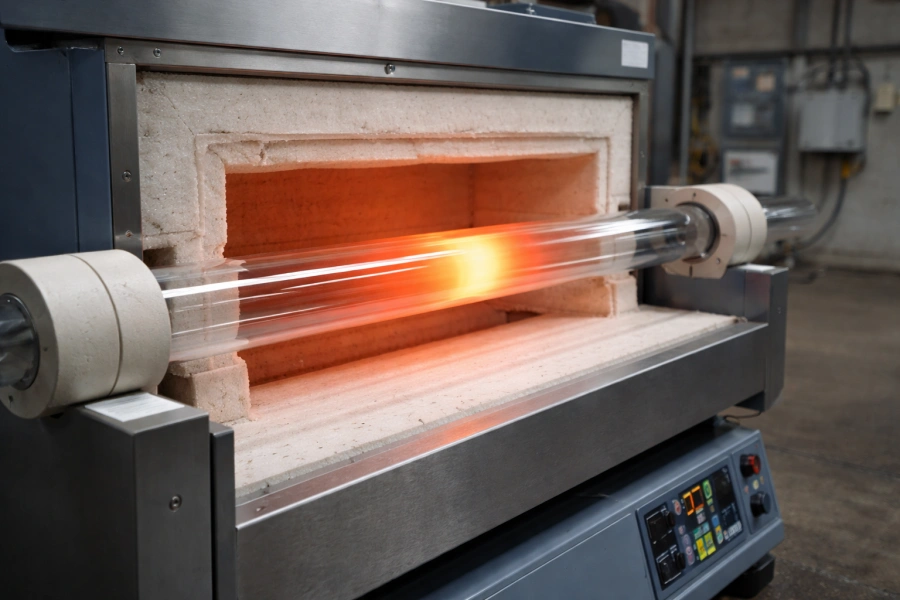
Процесс отжига играет важную роль в снижении остаточного напряжения и минимизации двулучепреломления в кварцевом стекле. Для достижения оптимальных результатов производители тщательно контролируют температуру и скорость охлаждения при отжиге. Медленный, поэтапный процесс охлаждения помогает предотвратить образование внутренних напряжений, которые могут ухудшить оптические характеристики.
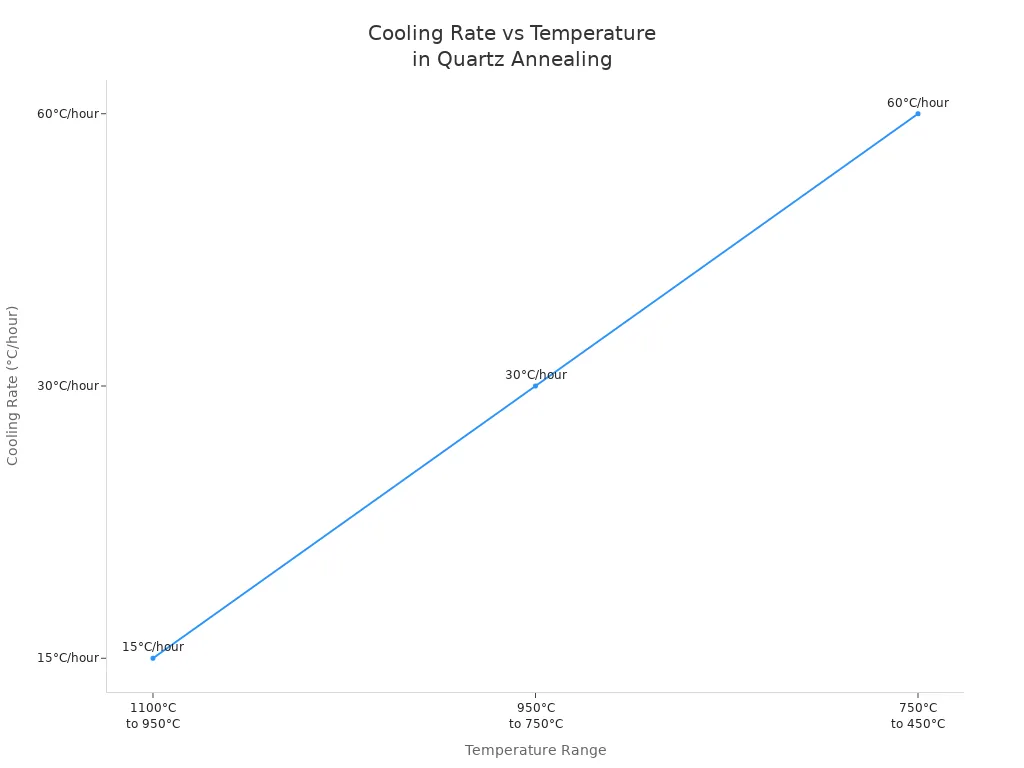
Наиболее эффективный график отжига предполагает нагрев кварцевого диска до 1100°C, затем поэтапное охлаждение: 15°C в час с 1100°C до 950°C, 30°C в час до 750°C и 60°C в час до 450°C, после чего следует естественное охлаждение ниже 450°C. Этот метод обеспечивает постепенное снятие напряжения и равномерное двулучепреломление по всей линзе. В следующей таблице приведены основные параметры:
Сцена | Диапазон температур | Скорость охлаждения |
|---|---|---|
Стадия нагрева | До 1100°C | 4,5/R²°C/мин |
Стадия охлаждения | 1100°C - 950°C | 15°C/час |
950°C - 750°C | 30°C/час | |
750°C - 450°C | 60°C/час | |
Стадия естественного охлаждения | Ниже 450°C | Изоляция до <100°C |
Ключевые моменты:
Контролируемый отжиг уменьшает остаточное напряжение и двулучепреломление.
Ступенчатое охлаждение предотвращает нарастание внутреннего напряжения.
Равномерное двулучепреломление поддерживает высококачественную оптику.
Этот процесс гарантирует, что кварцевое стекло отвечает строгим требованиям лазерной оптики и передовых оптических приборов.
Когда двулучепреломление имеет значение: Поляризационно-чувствительные и стандартные приложения для формирования изображений
Двулучепреломление становится критически важным в оптике, чувствительной к поляризации, например, в микроскопии или эллипсометрии. В этих системах даже небольшое двулучепреломление может исказить состояние поляризации и снизить точность измерений. Однако стандартные приложения для формирования изображений часто допускают более высокое двулучепреломление без существенного снижения производительности.
Разработчики должны согласовывать характеристики двулучепреломления с потребностями конкретного приложения. Для систем, чувствительных к поляризации, они указывают двулучепреломление под напряжением менее 5 нм/см, в то время как для стандартной визуализации допустимы значения до 10 нм/см. Такой тщательный отбор обеспечивает оптимальные результаты для каждого типа оптических приборов.
Резюме:
Поляризационно-чувствительная оптика требуют низкого двулучепреломления.
Стандартная визуализация может выдерживать более высокие значения.
Потребности в применении руководство по выбору и обработке материалов.
Понимая, когда двулучепреломление имеет значение, инженеры могут выбрать подходящее кварцевое стекло для решения любой оптической задачи.
Какие стандарты качества подтверждают оптические характеристики кварцевых дисковых линз?
Стандарты качества играют важную роль в обеспечении соответствия кварцевых дисковых линз требованиям современных оптических приборов. Производители используют сочетание международных и региональных стандартов для проверки каждого аспекта характеристик линз. Эти стандарты позволяют гарантировать, что каждая линза обеспечивает надежные результаты в передовых оптических приложениях.
Многостандартный подход к тестированию для полной проверки оптических характеристик
При проверке оптических характеристик линз из кварцевых дисков производители полагаются на многостандартный подход. Они используют международные стандарты, такие как ISO и ANSI, чтобы охватить все критические параметры, включая однородность показателя преломления, пропускание и порог лазерного повреждения. Такое комплексное тестирование гарантирует, что каждая линза соответствует строгим требованиям для использования в высокоточных оптических приборах.
Протоколы испытаний часто включают ISO 11455 для показателя преломления, ASTM E903 для пропускания и ISO 21254 для порога лазерного повреждения. Эти стандарты дают четкие указания по критериям измерения и приемки. Следуя этим протоколам, производители могут выявить и устранить любые проблемы с производительностью до того, как линзы поступят на рынок.
Ключевые моменты:
Несколько стандартов обеспечить тщательную валидацию.
ISO и ANSI охватывают глобальные и региональные требования.
Комплексное тестирование поддерживает надежную оптику.
Такой подход помогает производителям выпускать линзы, которые стабильно работают в сложных условиях.
Стандартный тип | Описание |
|---|---|
Стандарты ISO | Эти стандарты, признанные во всем мире, обеспечивают всеобъемлющую основу для оптических испытаний, охватывая такие критерии, как точность размеров и качество материалов. |
Стандарты ANSI | Эти стандарты, важные для Северной Америки, обеспечивают соответствие оптических компонентов специфическим региональным требованиям, уделяя особое внимание показателям производительности и правилам безопасности. |
Статистический контроль процессов для обеспечения стабильных оптических характеристик
Статистический контроль процесса (SPC) помогает производителям поддерживать постоянное качество при производстве линз. Они контролируют такие ключевые параметры, как коэффициент преломления и пропускание, используя данные в режиме реального времени. Этот процесс позволяет быстро обнаружить любые отклонения от заданных значений.
В SPC используются контрольные карты и индексы возможностей для отслеживания тенденций производительности. Например, значение Cpk 1,33 или выше указывает на то, что процесс стабильно производит линзы в пределах спецификации. Анализируя эти данные, производители могут корректировать процессы для предотвращения дефектов и поддержания высокого выхода продукции.
Ниже приводится краткое описание причинно-следственной связи между SPC и качеством линз:
Метод SPC | Контролируемый параметр | Причинный эффект |
|---|---|---|
Контрольные диаграммы | Показатель преломления | Обнаружение ранних сдвигов, предотвращение нестандартных линз |
Индексы возможностей (Cpk) | Трансмиссия | Обеспечивает стабильность процесса, поддерживает высокий выход продукции |
Данные в режиме реального времени | Порог лазерного повреждения | Обеспечивает быстрое реагирование, снижает количество брака |
SPC гарантирует, что каждая партия кварцевых дисковых линз соответствует высоким стандартам, предъявляемым к современным оптическим приборам.
Требования к сертификации: Оптические метрологические системы, отслеживаемые NIST
Сертификация с помощью метрологических систем, отслеживаемых NIST, обеспечивает уверенность в точности измерений. Производители используют калиброванное оборудование для проверки таких свойств линз, как коэффициент преломления, пропускание и двулучепреломление. Такая прослеживаемость связывает каждое измерение с национальными стандартами, обеспечивая надежность результатов.
Сторонние лаборатории часто проводят сертификацию, используя такие передовые инструменты, как интерферометры Маха-Зендера и спектрофотометры лазерного класса. Эти лаборатории выдают сертификаты, подтверждающие соответствие стандартам ISO, ANSI и ASTM. Клиенты могут ознакомиться с этими сертификатами, чтобы убедиться, что каждая линза соответствует требуемым спецификациям.
Резюме:
Системы, отслеживаемые NIST гарантируют точность измерений.
Сертификация третьей стороной подтверждает соответствие стандартам.
Сертифицированные линзы Обеспечивают гарантии для критически важных оптических приложений.
Сертификация поддерживает доверие и надежность в работе кварцевых дисковых линз.
Как оптические дизайнеры должны указывать требования к характеристикам кварцевых дисковых линз?
Разработчики оптики играют решающую роль в обеспечении соответствия кварцевых дисковых линз требованиям передовых приложений. Они должны указать четкие, измеримые требования к характеристикам, чтобы гарантировать стабильные результаты. Четко сформулированные спецификации помогают производителям поставлять линзы, которые поддерживают высокоточную оптику и надежные оптические приборы.
Создание спецификаций, основанных на характеристиках, для закупок линзовых дисков
Разработчики должны сосредоточиться на спецификациях, основанных на характеристиках, которые учитывают наиболее важные параметры для линз из кварцевого диска. К таким параметрам относятся оптическая чистота и прозрачность, термическая стабильность, механическая прочность и низкая дисперсия. Каждый фактор напрямую влияет на способность линзы эффективно пропускать свет, противостоять температурным изменениям, сохранять форму и минимизировать хроматические аберрации.
Подтвержденные данные промышленных испытаний показывают, что указание оптической чистоты обеспечивает высокий коэффициент пропускания, который необходим для точной визуализации. Термическая стабильность позволяет линзам работать в экстремальных условиях, а механическая прочность предотвращает деформацию во время использования. Низкая дисперсия уменьшает цветовое окаймление, повышая четкость изображения. Проектировщики, включающие эти требования в закупочную документацию, помогают производителям выбрать лучшие материалы и процессы для каждого конкретного случая применения.
Совет:
Определите измеримые цели для каждого параметра.
Запросить сертификацию оптических и механических свойств.
Включите контекст приложения таких как диапазон длин волн, температура и потребности в визуализации.
Следуя этим шагам, дизайнеры могут гарантировать, что каждая линза отвечает требованиям современной оптики.
В таблице ниже приведены основные рабочие параметры и их влияние на качество объектива:
Параметр | Описание |
|---|---|
Оптическая чистота и прозрачность | Обеспечивает высокий коэффициент пропускания и минимизирует поглощение света, что очень важно для точной визуализации. |
Термическая стабильность | Устойчив к перепадам температур, что делает его пригодным для использования в экстремальных условиях. |
Механическая прочность | Высокая прочность и устойчивость к деформации, обеспечивающая стабильность размеров в сложных условиях эксплуатации. |
Низкая дисперсия | Смягчает хроматические аберрации, повышая четкость и резкость изображения. |
Четкий процесс составления спецификации приводит к улучшению взаимодействия с поставщиками и повышению качества оптических приборов.
Прецизионные линзы с оптическими характеристиками из кварцевых дисков обеспечивают непревзойденные преимущества для передовой оптики. Кварцевое стекло отличается высокой оптической чистотой, термической стабильностью и превосходной лазерной стойкостью. В приведенной ниже таблице указаны основные преимущества:
Преимущество | Описание |
|---|---|
Высокая оптическая чистота | Отличное пропускание в ультрафиолетовом и видимом спектре. |
Термическая стабильность | Чрезвычайно низкое тепловое расширение, стабильность при высоких температурах. |
Отличная химическая стойкость | Высокая устойчивость к коррозии обеспечивает длительный срок службы. |
Превосходная стойкость к лазерному излучению | Выдерживает высокие плотности энергии, идеально подходит для лазерной оптики. |
Инженеры должны всегда уточнять и проверять ключевые параметры при выборе прецизионных линз с оптическими характеристиками кварцевых дисков для критически важных применений.
ЧАСТО ЗАДАВАЕМЫЕ ВОПРОСЫ
Почему кварцевые диски идеально подходят для производства прецизионных линз?
Кварцевые диски отличаются высокой оптической чистотой, стабильным коэффициентом преломления и превосходным пропусканием в диапазоне от УФ до ИК. Эти свойства обеспечивают четкость изображения и надежность работы в передовых оптических системах.
Каков типичный диапазон пропускания для кварцевых дисковых линз?
Кварцевые дисковые линзы пропускают свет от 185 нм в УФ-диапазоне до 3500 нм в ИК-диапазоне. Кварц ультрафиолетового класса достигает пропускания более 85% при 193 нм, что позволяет использовать его в глубоком ультрафиолете и видимом диапазоне.
Какие стандарты подтверждают оптическое качество кварцевых дисковых линз?
Производители используют стандарты ISO 11455 для показателя преломления, ASTM E903 для пропускания, ISO 21254 для лазерного повреждения и ASTM C1093 для двулучепреломления. Эти стандарты обеспечивают стабильные и высококачественные оптические характеристики.
Каков порог лазерного повреждения для кварцевых дисков высокой чистоты?
Высокочистые кварцевые диски выдерживают лазерный флюенс свыше 20 Дж/см² при длине волны 355 нм. Этот высокий порог обеспечивает безопасную работу в мощных лазерных системах.
Что должны указывать оптические дизайнеры при заказе кварцевых дисковых линз?
Проектировщики должны указать однородность показателя преломления, пропускание на применяемых длинах волн, порог лазерного повреждения, двулучепреломление под напряжением и термическую стабильность. Запрос сертификации и данных испытаний гарантирует, что линза соответствует всем требованиям.