Certain industrial processes fail not because of engineering errors, but because the wrong material was specified. When thermal stability, optical transmission, and chemical purity all converge as non-negotiable requirements, pure quartz glass is the material that cannot be substituted.
Pure quartz glass — composed of silicon dioxide at purity levels reaching 99.999% — serves as a structural and optical backbone across semiconductor fabrication, solar energy, ultraviolet disinfection, laboratory analysis, aerospace optics, fiber optics, chemical processing, and medical devices. Each of these sectors places demands on materials that ordinary glass, ceramics, or metals simply cannot fulfill.
Across all of these sectors, the recurrence of quartz glass as a preferred engineering material is not coincidental. It reflects a convergence of properties — extreme thermal resilience, broad-spectrum optical transparency, near-zero thermal expansion, and chemical inertness — that make it uniquely qualified for environments where material failure is not an option.
What Pure Quartz Glass Is and Why Industries Care About Its Purity
Foundational to every application discussed below is an understanding of what separates pure 석영 유리 from ordinary silica-based materials — and why purity, measured at the parts-per-billion level, carries such consequential weight in industrial specifications.
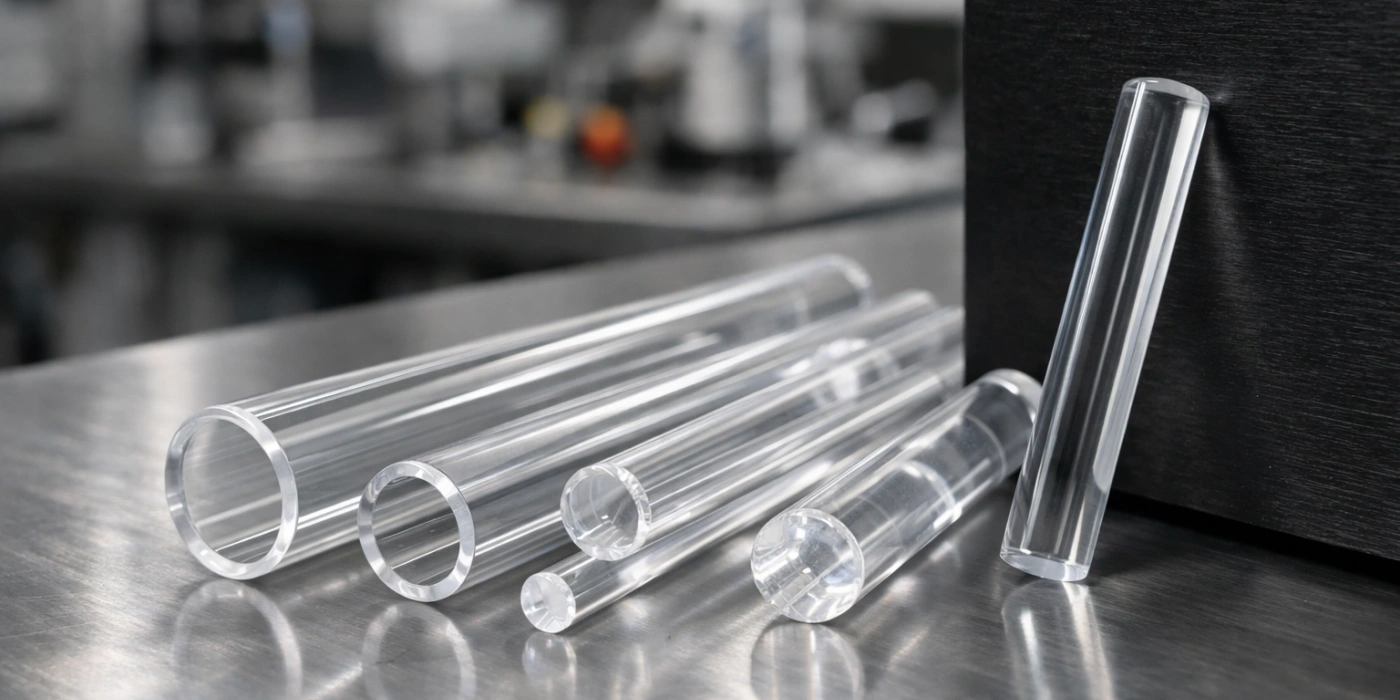
Pure quartz glass — also referred to as fused silica or fused quartz depending on the feedstock origin — is produced by melting high-purity silicon dioxide (SiO₂) at temperatures exceeding 1,700 °C and allowing it to solidify into a non-crystalline, amorphous solid. Unlike soda-lime glass, which contains sodium oxide, calcium oxide, and other network modifiers that lower melting point and alter properties, quartz glass retains an SiO₂ concentration typically between 99.9% and 99.9999%, with metallic impurities controlled at the parts-per-billion (ppb) level. Consequently, even trace concentrations of aluminum, iron, titanium, or hydroxyl groups measurably alter its optical transmission, thermal behavior, and surface reactivity.
The distinction between "natural fused quartz" (derived from mined quartz crystal) and "synthetic fused silica" (produced from chemical vapor deposition of silicon tetrachloride) further reflects how purity is engineered to application-specific tolerances. Synthetic grades achieve metallic impurity levels below 1 ppb, making them indispensable in processes where contamination at the atomic scale has macroscopic consequences — a logic that runs through every industry examined in this article.
Semiconductor Manufacturing Built Around Pure Quartz Glass
Among all industrial consumers of high-purity silica materials, semiconductor fabrication places the most uncompromising demands on material cleanliness, thermal stability, and geometric precision. The presence of quartz glass components throughout a chip manufacturing facility is not incidental — it reflects decades of process engineering that identified quartz as the only structural material capable of surviving repeated thermal cycling above 1,000 °C in chemically aggressive atmospheres while introducing zero metallic contamination to the silicon wafer surface.
The semiconductor industry's dependence on quartz glass is fundamentally a contamination-control problem. A single iron atom introduced onto a silicon wafer surface at concentrations exceeding 10¹⁰ atoms/cm² can generate recombination centers that degrade minority carrier lifetime, directly reducing transistor switching speed and increasing leakage current. Accordingly, every quartz component in a fab is specified with metallic impurity budgets measured in parts per trillion.
Diffusion Furnace Tubes and Thermal Processing Chambers
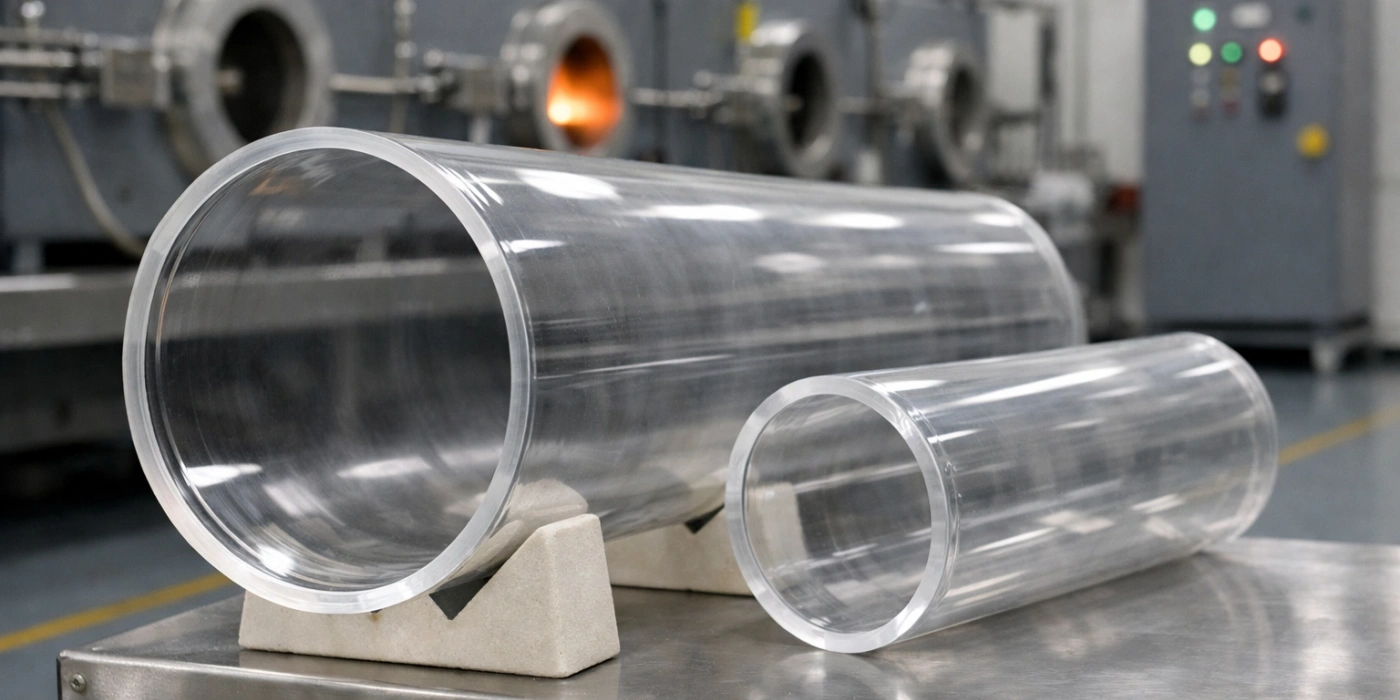
그리고 diffusion furnace tube is the most tonnage-intensive quartz glass component in semiconductor manufacturing, and its performance requirements define the upper boundary of what the material must deliver.
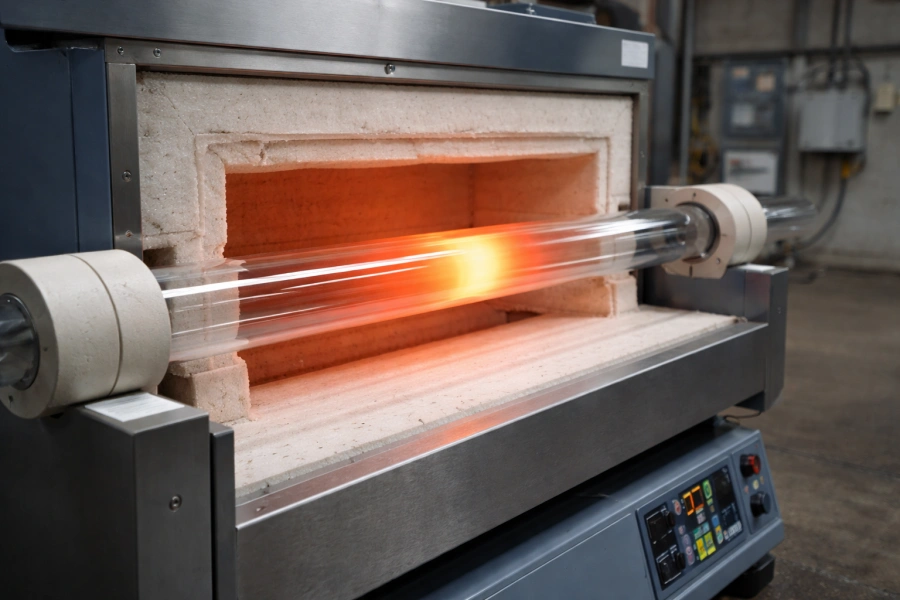
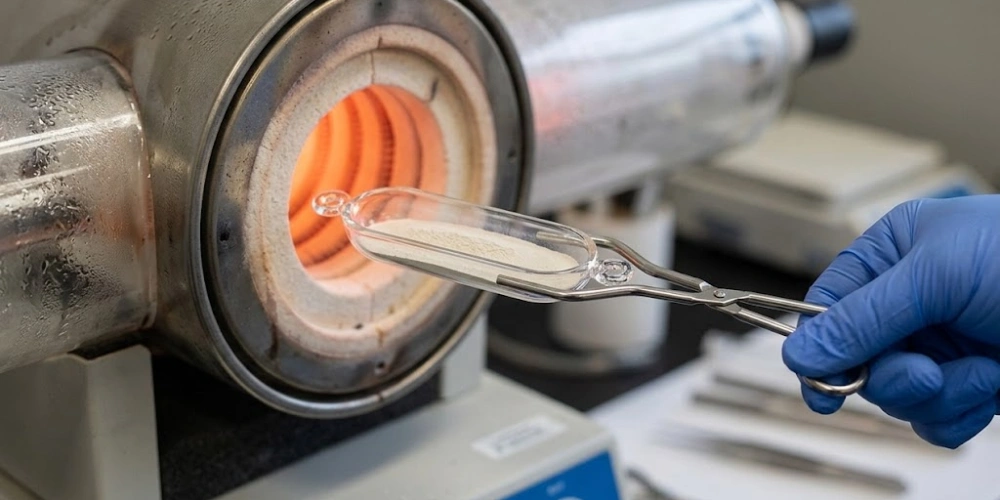
In thermal oxidation and dopant diffusion processes, silicon wafers are loaded into quartz furnace tubes — typically 150 mm to 300 mm in inner diameter and up to 2,500 mm in length — and subjected to temperatures between 800 °C and 1,200 °C in atmospheres of oxygen, steam, nitrogen, or dopant gases such as phosphine (PH₃) or diborane (B₂H₆). The quartz tube must maintain dimensional stability across thousands of thermal cycles without devitrifying (crystallizing) at its inner surface, as any crystallization event releases particulate silica that deposits on wafer surfaces. High-purity fused quartz tubes used in this application carry total metallic impurity specifications of less than 20 ppm for all elements combined, with iron and aluminum each held below 1 ppm.
Prolonged exposure to water vapor during wet oxidation accelerates hydroxyl (OH) incorporation into the quartz network, which gradually lowers the material's viscosity at operating temperature and accelerates deformation. Manufacturers therefore specify "dry" synthetic fused silica grades with OH content below 10 ppm for high-temperature oxidation tubes, extending tube service life from several hundred cycles to over one thousand cycles before geometric distortion necessitates replacement.
The internal surface finish of a diffusion tube — typically ground to a roughness of Ra ≤ 0.8 µm — also influences contamination performance, as a smoother surface reduces particle adhesion and simplifies cleaning between process runs.
Quartz Boats, Carriers and Wafer Handling Components
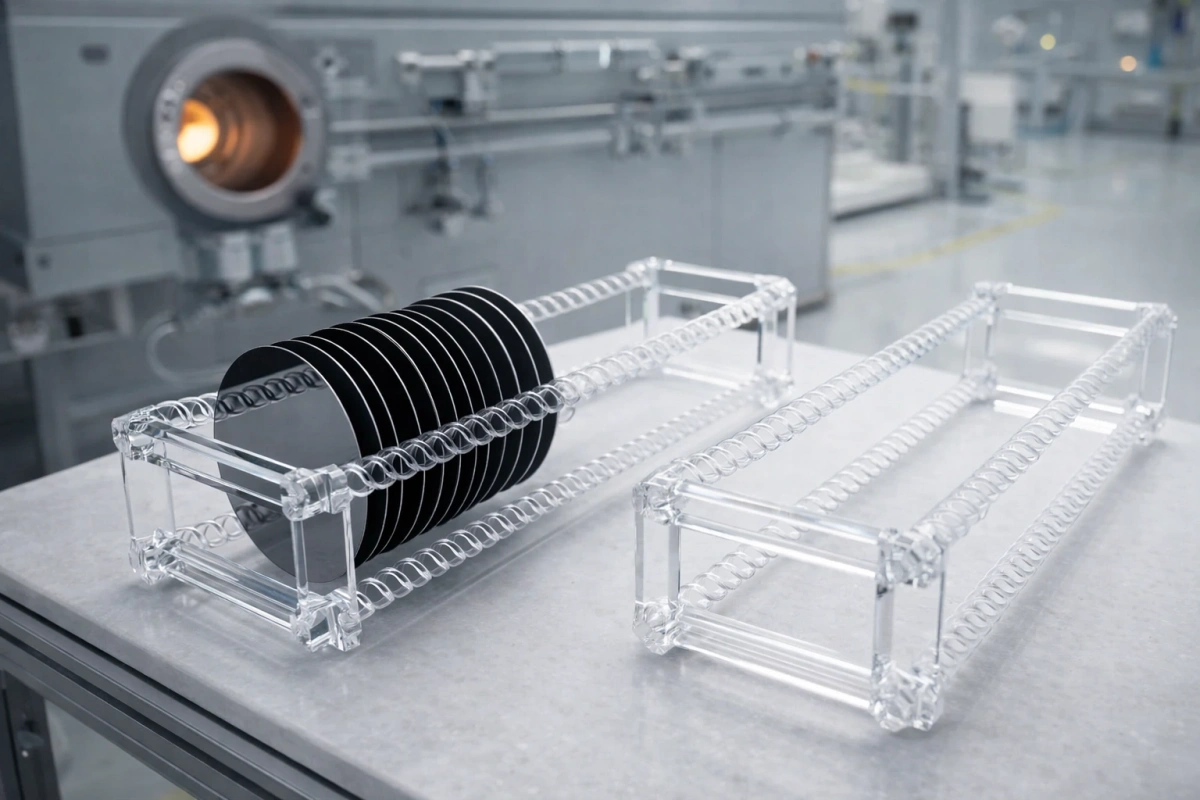
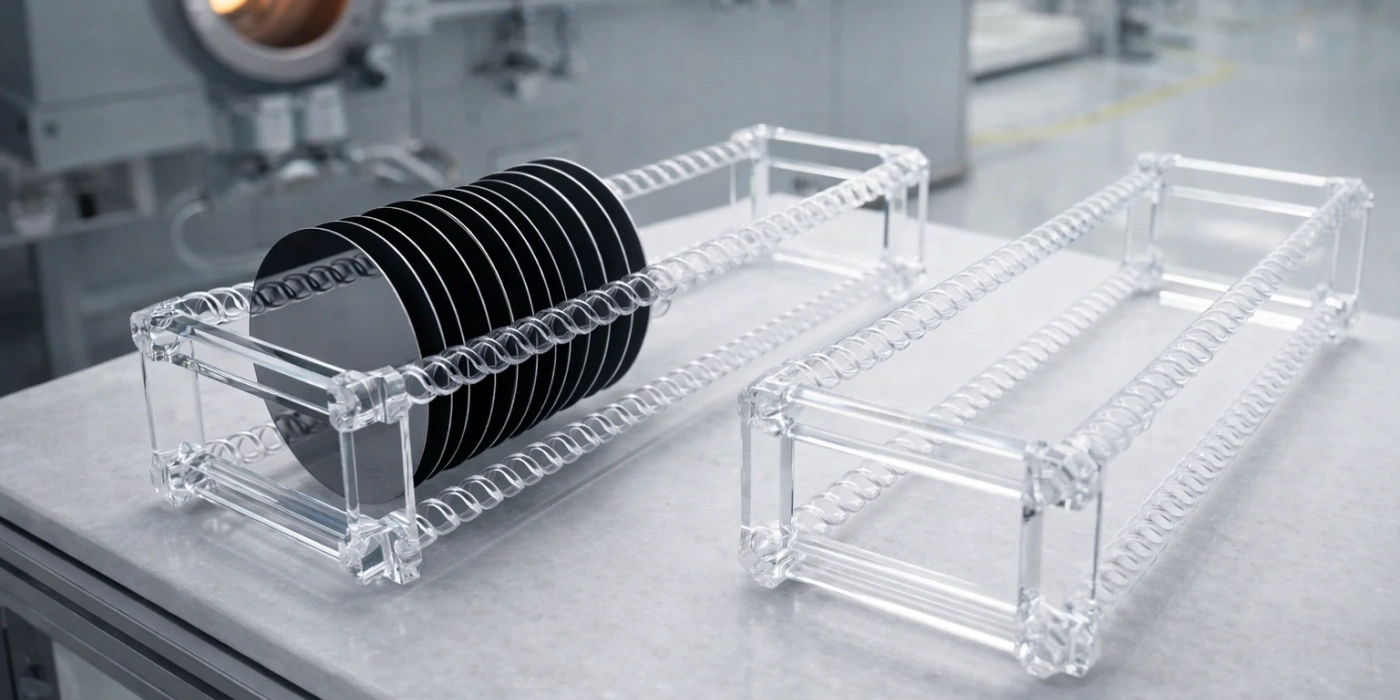
Quartz wafer boats and carriers are the components that place pure quartz glass in direct physical contact with the silicon wafer surface, making their purity specification arguably more critical than that of the furnace tube itself.
A standard quartz wafer boat for 300 mm wafer processing holds between 25 and 50 wafers in precision-machined slots, with slot pitch tolerances of ±0.05 mm to maintain uniform wafer spacing during thermal processing. Spacing uniformity directly governs the thermal mass distribution within the furnace load, which in turn determines dopant concentration uniformity across the wafer batch — a parameter measured as within-batch sheet resistance variation (Δρ_s/ρ_s), targeted below ±2% in advanced logic processes. Any dimensional drift in the quartz boat arising from contamination-induced devitrification or thermal creep introduces spacing non-uniformity that propagates directly into electrical parameter variation across the final devices.
The quartz material used for wafer boats in leading-edge fabs — processing at 7 nm node and below — specifies total metallic impurity below 5 ppm, with particular attention to sodium (Na) and potassium (K), alkali metals that are mobile in SiO₂ at processing temperatures and can drift through gate oxides to create threshold voltage instability in finished transistors. Cleaning protocols for quartz boats include HF/HNO₃ acid sequences that selectively dissolve surface contamination layers without attacking the bulk quartz structure, a chemical selectivity enabled precisely by quartz's resistance to all common acids except hydrofluoric acid.
Beyond wafer boats, the quartz hardware family includes susceptors, flanges, and gas injection nozzles — collectively constituting a quartz component inventory that for a 300 mm fab can exceed several hundred individual parts requiring periodic replacement.
Photolithography and Optical Transmission in Chip Fabrication
The role of quartz glass in photolithography represents a fundamentally different class of performance requirement — one governed not by thermal endurance but by optical transmission at deep ultraviolet wavelengths where virtually all other optical materials become opaque.
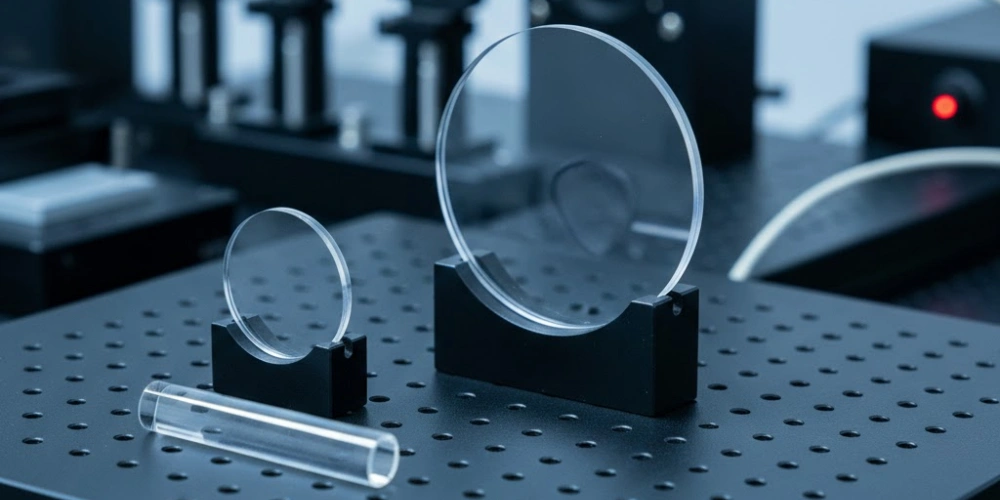
Deep ultraviolet (DUV) lithography at 193 nm — the wavelength used in ArF excimer laser steppers that pattern the majority of chips manufactured today — requires lens elements, reticle substrates, and optical windows fabricated from synthetic fused silica with OH content carefully tuned between 600 and 1,000 ppm. At this wavelength, the transmission of a 10 mm thick fused silica element exceeds 99.5% per surface, compared to less than 10% for standard borosilicate glass. Chromium impurity in particular must be held below 0.01 ppm, as Cr³⁺ absorbs strongly at 193 nm and induces compaction under laser irradiation, shifting the focal plane of the optical column by measurable fractions of a nanometer per million pulses.
Extreme ultraviolet (EUV) lithography at 13.5 nm moves beyond the transmission window of any solid optical material, requiring reflective optics rather than transmissive ones — but fused silica remains the substrate of choice for EUV reticle blanks and low-thermal-expansion mirror substrates due to its near-zero coefficient of thermal expansion (CTE ~0.55 × 10⁻⁶/°C), which prevents thermally induced wavefront aberrations under intense EUV illumination.
Synthetic fused silica's combined performance across furnace tube endurance, wafer boat precision, and lithographic optical transmission confirms its position as the structural and optical backbone of every major node in chip manufacturing.
Key Quartz Glass Specifications in Semiconductor Processes
| Process Application | 작동 온도(°C) | Metallic Impurity Limit (ppm) | OH Content Specification (ppm) | Critical Failure Mode |
|---|---|---|---|---|
| Thermal oxidation tube | 800-1,200 | < 20 total | < 10 (dry grade) | Devitrification, creep |
| Dopant diffusion tube | 900-1,100 | < 10 total | < 10 | Contamination, distortion |
| Wafer boat (300 mm) | 800–1,100 | < 5 total | < 30 | Slot pitch drift |
| DUV lithography lens | Room temp – 60 | < 0.01 (Cr) | 600–1,000 | Compaction, absorption |
| EUV reticle substrate | Room temp – 40 | < 0.1 total | < 50 | 열팽창 |
Solar Energy Production Reliant on High-Purity Quartz Glass
Photovoltaic cell efficiency begins not at the cell surface but deep upstream in the silicon crystal growth process, where the purity of the quartz container directly determines the purity of the silicon ingot inside it. The solar energy industry's reliance on high-purity quartz components is therefore a first-principles consequence of semiconductor-grade silicon production physics.
The solar sector currently consumes an estimated 120,000 to 150,000 tonnes of quartz crucibles and quartz process components annually, driven by the global expansion of monocrystalline silicon wafer capacity. This demand is structurally non-substitutable: no commercially viable alternative material matches the combination of chemical inertness toward molten silicon, dimensional stability at 1,450 °C, and sufficient purity to maintain solar-grade silicon specifications.
Quartz Crucibles in the Czochralski Crystal Growth Process
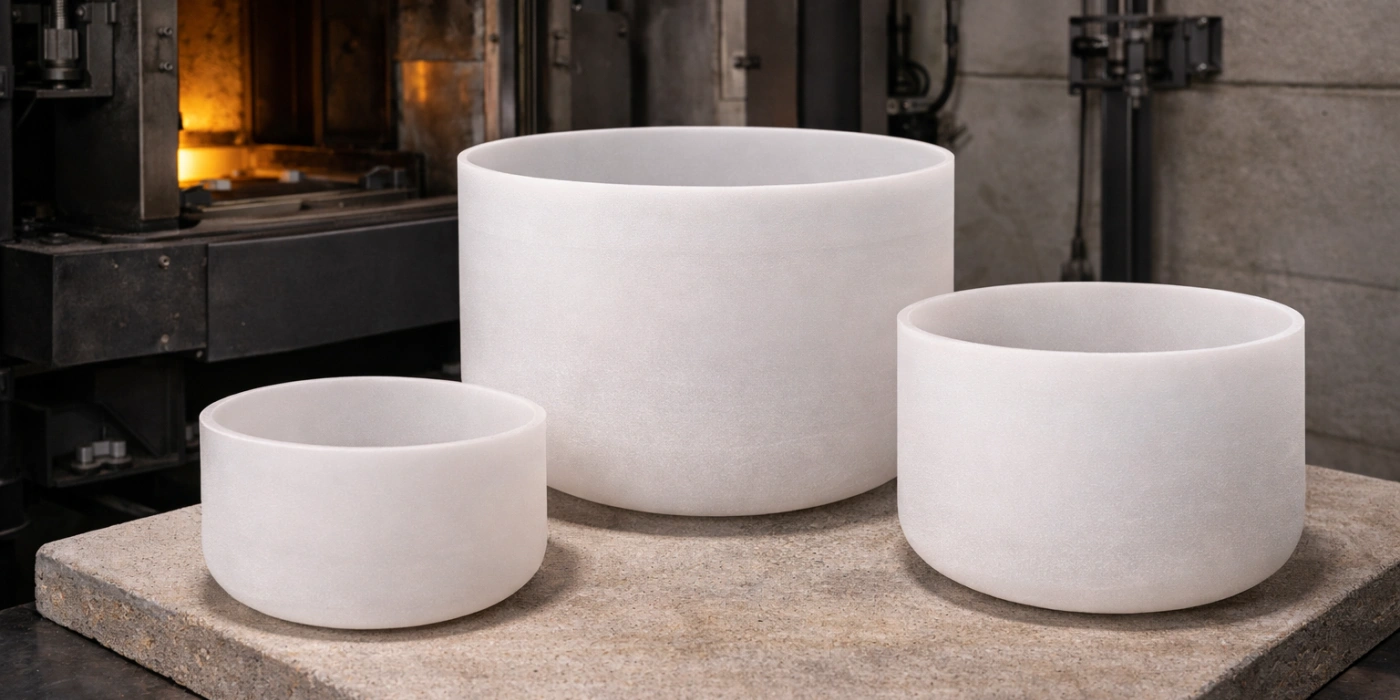
The Czochralski (CZ) method for growing monocrystalline silicon ingots places a quartz crucible at the literal center of the process — submerged in molten silicon at 1,412 °C to 1,450 °C for continuous periods of 40 to 120 hours per growth run.
A standard solar-grade CZ quartz crucible ranges from 18 inches (457 mm) to 32 inches (813 mm) in diameter, with wall thickness between 10 mm and 16 mm, and must maintain structural integrity throughout the entire melt-and-pull cycle without fracturing, deforming, or releasing contaminating inclusions into the silicon melt. The inner surface of the crucible reacts slowly with molten silicon to release oxygen — a process that is both unavoidable and deliberately managed, since controlled oxygen concentrations in the range of 10¹⁷ to 10¹⁸ atoms/cm³ in the grown crystal provide beneficial strengthening through oxygen precipitation during subsequent device processing. However, metallic impurities released from the crucible — particularly iron, aluminum, calcium, and titanium — are unconditionally detrimental, as they introduce deep-level recombination centers in the silicon that reduce minority carrier diffusion length and, consequently, solar cell open-circuit voltage (V_oc) and conversion efficiency.
A crucible with Fe contamination above 0.05 ppm can introduce sufficient iron into the silicon melt to reduce minority carrier lifetime below 100 µs in the grown crystal, translating to a measurable reduction in finished solar cell efficiency of 0.3% to 0.8% absolute — a commercially significant penalty across a production run of millions of cells.
Quartz Components in the Siemens Polysilicon Deposition Reactor
Upstream of the CZ growth step, the Siemens process for producing polycrystalline silicon feedstock — the raw material for both solar and semiconductor silicon — relies on quartz glass components within a chemical vapor deposition reactor environment where no metallic alternative survives the process chemistry.
In the Siemens process, trichlorosilane (SiHCl₃, TCS)1 is thermally decomposed on heated silicon rods at temperatures of 1,050 °C to 1,150 °C inside a sealed quartz-lined reactor bell jar, depositing high-purity polysilicon at deposition rates of 3 to 7 µm/min. The quartz liner and observation windows of the reactor must withstand sustained exposure to TCS, hydrogen chloride (HCl), and hydrogen (H₂) at elevated temperature and pressure without introducing chloride-reactive metallic impurities that would contaminate the growing polysilicon deposit. Any metal contamination at this stage propagates through all downstream processing — crucible growth, wafer sawing, and cell fabrication — making Siemens reactor quartz components an upstream quality gate for the entire photovoltaic supply chain.
The quartz observation windows used in Siemens reactors — typically 50 mm to 80 mm in diameter and 15 mm to 25 mm thick — must additionally maintain optical clarity across the 900–1,200 nm near-infrared range used for pyrometric temperature measurement of the silicon rods, as opacity from surface deposition or thermal damage would disable real-time process control.
Quartz Component Performance in Solar Silicon Production
| 구성 요소 | Process Environment | 작동 온도(°C) | Service Life (Runs) | 주요 순도 요건 |
|---|---|---|---|---|
| CZ crucible (24 inch) | Molten Si, Ar atmosphere | 1,412–1,450 | 1 (single-use) | Fe < 0.05 ppm |
| CZ crucible (32 inch) | Molten Si, Ar atmosphere | 1,412–1,450 | 1 (single-use) | Fe < 0.03 ppm |
| Siemens reactor liner | TCS/HCl/H₂ vapor | 1,050–1,150 | 50-200 | Total metals < 5 ppm |
| Reactor observation window | TCS/H₂ atmosphere | 800–900 | 100–300 | NIR transmission > 85% |
| Quartz process tube | H₂ annealing atmosphere | 900-1,100 | 200–500 | Al < 1 ppm |
Ultraviolet Disinfection Systems Enabled by Pure Quartz Glass
The effectiveness of ultraviolet disinfection — across water treatment, medical sterilization, and food safety — is governed entirely by the photon flux delivered to the target medium at germicidal wavelengths. Without a material capable of transmitting UV-C radiation at 254 nm with high efficiency and sustained stability, none of these disinfection systems would function.
Ordinary borosilicate glass transmits less than 5% of incident radiation at 254 nm due to iron and other transition metal impurities that absorb strongly in the UV-C band. Pure quartz glass, by contrast, achieves transmission values of 85% to 92% at this wavelength for a 2 mm wall thickness — a difference that is not a marginal engineering advantage but a categorical enabler. The global UV disinfection market processes an estimated 300 million cubic meters of water per day using quartz-sleeved UV lamp systems, a scale that underscores the industrial significance of this single optical property.
UV-C Transmission and the Role of OH Content in Quartz Tubes
The optical behavior of quartz glass in the UV-C range is not uniform across all grades — it is precisely controlled by hydroxyl (OH) content and synthetic purity, parameters that distinguish application-fit materials from unsuitable ones.
"Wet" synthetic fused silica, produced by flame hydrolysis of silicon tetrachloride in an oxygen-hydrogen flame, incorporates OH concentrations of 600 to 1,200 ppm. This high OH content generates an absorption band centered at approximately 245 nm that reduces transmission precisely in the germicidal UV-C window. Consequently, "dry" synthetic or natural fused quartz with OH content below 30 ppm is specified for UV lamp sleeve applications, achieving transmission at 254 nm of 88% to 92% through a standard 1.5 mm wall. The difference between a wet-grade and dry-grade quartz sleeve translates to a 15% to 25% difference in germicidal UV output, which directly determines the required lamp power and reactor size for a given disinfection dose target.
Beyond initial transmission, UV lamp sleeves must maintain their optical performance over extended service lives — typically 9,000 to 12,000 operating hours for municipal water treatment applications. High-purity quartz with total metallic impurity below 20 ppm resists "solarization" — the gradual UV-induced formation of color centers that absorb UV radiation and reduce transmission over time — far more effectively than lower-purity grades.
The OH content specification for UV sleeve quartz therefore functions as a dual control parameter: it simultaneously governs initial transmission performance and long-term transmission stability.
Water Treatment, Medical Sterilization and Food Safety Applications
The deployment of quartz UV sleeves spans a wide range of environments, each imposing distinct mechanical and thermal demands alongside the fundamental optical requirement.
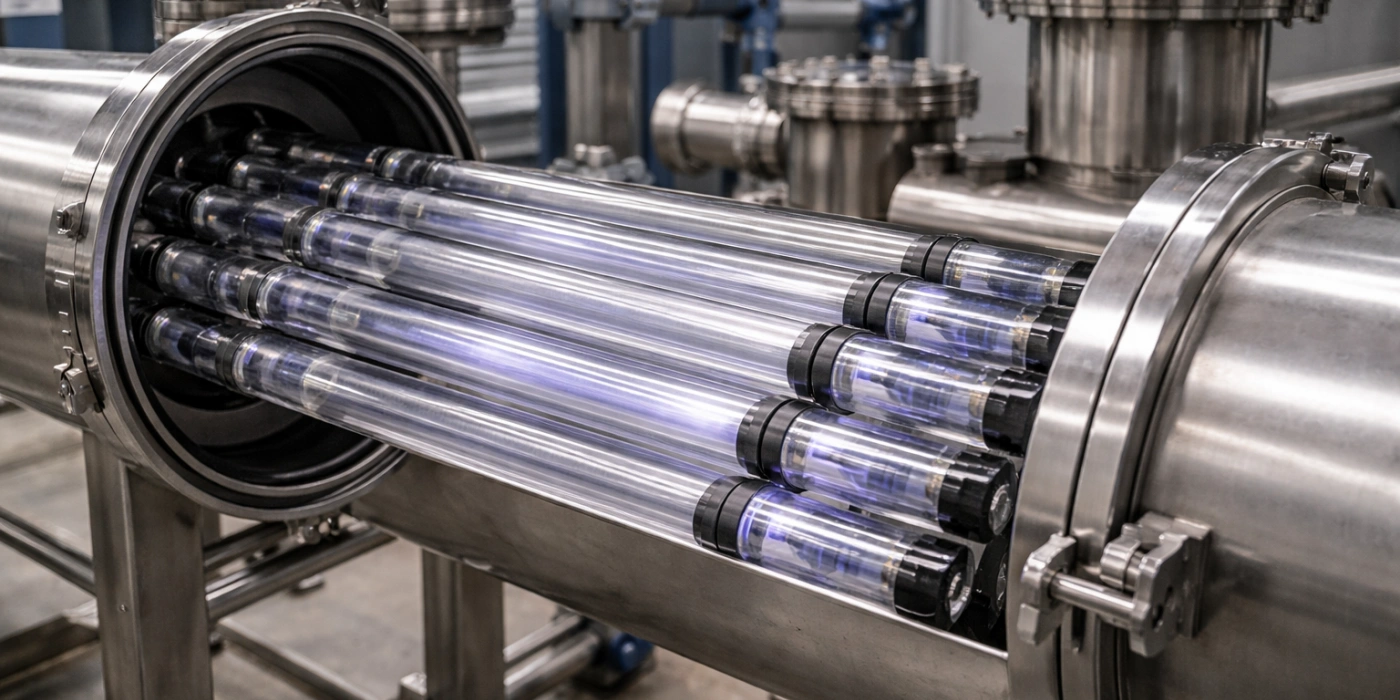
Municipal water treatment systems operate quartz sleeve arrays in continuous-flow reactors, where sleeves of 22 mm to 35 mm outer diameter and 1,000 mm to 1,500 mm active length surround low-pressure or medium-pressure mercury vapor lamps. The sleeves must withstand thermal shock when cold water contacts the outer surface of a lamp running at 800 °C to 900 °C surface temperature, a condition that makes quartz's low thermal expansion coefficient (0.55 × 10⁻⁶/°C, compared to 3.3 × 10⁻⁶/°C for borosilicate) essential to preventing sleeve fracture during startup and flow variation events. A typical medium-pressure UV reactor for a 50,000 m³/day water treatment facility contains 12 to 48 quartz sleeves, with a system UV dose target of 40 mJ/cm² for Cryptosporidium inactivation per WHO guidelines.
Medical and pharmaceutical sterilization applications impose additional requirements on quartz sleeve geometry and surface quality. Laminar flow biological safety cabinets and HVAC air disinfection systems in hospital operating theaters use quartz-sleeved UV-C lamps rated at 95% transmission retention after 8,000 hours, with surface contamination specifications requiring total extractable metallic ions below 0.5 µg/cm². In fill-finish pharmaceutical manufacturing suites, quartz UV windows in isolator walls must pass FDA 21 CFR Part 11 validation protocols demonstrating consistent UV dose delivery within ±5% over 12,000-hour lamp cycles.
Food safety applications — including surface disinfection on conveyor belts, packaging material treatment, and bottle sterilization in beverage production lines — use short quartz sleeves (150 mm to 400 mm) in pulsed UV systems that deliver peak irradiance values of 10⁴ to 10⁶ mW/cm², requiring quartz glass with compressive surface stress profiles that resist thermal shock under microsecond-duration pulse heating.
UV Quartz Sleeve Specifications Across Applications
| 애플리케이션 | Sleeve OD (mm) | Active Length (mm) | OH 함량(ppm) | UV-254nm Transmission (%) | 서비스 수명(시간) |
|---|---|---|---|---|---|
| Municipal water (LP lamp) | 22–26 | 800-1,500 | < 30 | 88–92 | 9,000–12,000 |
| Municipal water (MP lamp) | 28–35 | 500-900 | < 20 | 90-93 | 4,000-6,000 |
| Hospital air disinfection | 20–25 | 300-600 | < 30 | 88–91 | 8,000-10,000 |
| Pharma isolator | 22–30 | 400–800 | < 15 | 91–93 | 10,000–12,000 |
| Food/beverage pulsed UV | 15–22 | 150-400 | < 25 | 89–92 | 3,000–5,000 |
Laboratory Analytical Instruments Incorporating Pure Quartz Glass
Analytical chemistry's ability to characterize matter at trace concentrations — from environmental monitoring to pharmaceutical quality control — rests on optical and chemical components that interact with samples without contributing interference. The properties that make quartz glass uniquely suited to this requirement extend from its deep-UV optical transmission to its chemical inertness at temperatures exceeding 1,000 °C.
The combination of broad-spectrum optical transmission (from approximately 150 nm in the vacuum ultraviolet to beyond 3,500 nm in the mid-infrared), chemical resistance to virtually all analytical reagents except hydrofluoric acid, and thermal stability that permits direct flame and furnace contact makes it the standard material for sample cells, reaction vessels, and plasma torch components across analytical instrumentation platforms.
Spectrophotometry and Optical Cuvettes Across UV-Vis-NIR Ranges
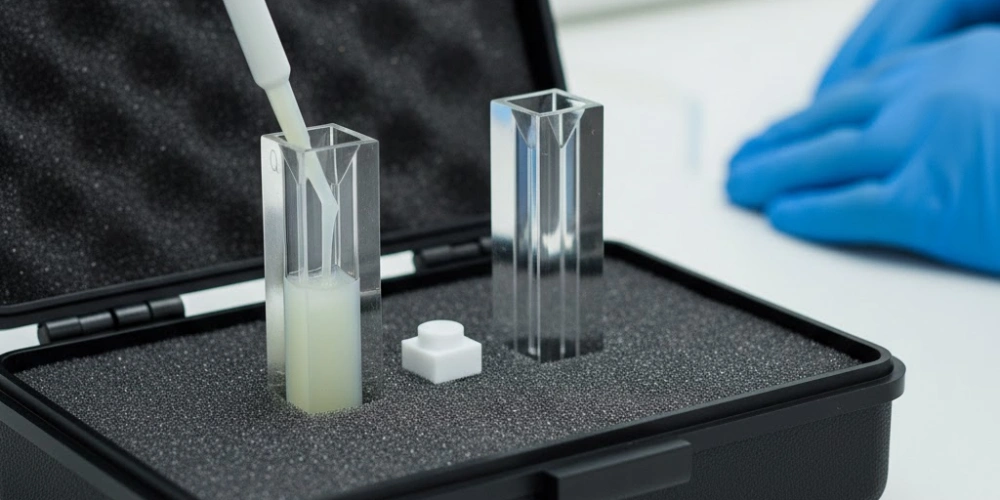
그리고 quartz spectrophotometer cuvette is perhaps the most ubiquitous single component made from pure quartz glass, present in virtually every analytical laboratory worldwide, and its performance governs the accuracy of absorbance measurements across the UV-Vis-NIR spectral range.
A standard quartz cuvette for UV-Vis spectrophotometry presents a rectangular form factor with four optically polished faces, a defined light path length of 1 mm, 2 mm, 5 mm, or 10 mm (with 10 mm being the most common for Beer-Lambert law measurements), and a working wavelength range of 190 nm to 2,500 nm. The optical path length tolerance is held to ±0.01 mm to ensure that absorbance values calculated using Beer-Lambert law (A = εlc) reflect genuine sample concentration rather than geometric variation between cuvettes. Matching pairs of cuvettes used in double-beam spectrophotometers are factory-matched to within ΔA ≤ 0.001 absorbance units at 220 nm and 700 nm — a specification achievable only through the optical homogeneity of high-purity fused silica, which exhibits refractive index variation (Δn) below 1 × 10⁻⁶ across the cuvette volume.
The PTFE stopper cap supplied with standard analytical cuvettes — a white polymer plug pressed into the open top aperture — serves a functional role beyond sealing: it prevents evaporative concentration changes in small-volume samples (as low as 70 µL in micro-cuvette formats) during measurements requiring equilibration times of 10 to 30 seconds. The combination of the quartz optical body and the chemically inert PTFE stopper defines a sample containment system with zero analyte adsorption and zero spectral interference across the entire working wavelength range.
Fluorescence cuvettes for fluorimetry require all four optical faces to be polished to the same quality standard, enabling 90° excitation-emission geometries with stray light levels below 0.1% of peak emission intensity — a requirement that doubles the polishing cost relative to standard absorbance cuvettes but is non-negotiable for quantitative fluorescence assays.
!Ring-Handle Quartz Boat Crucibles for Safe Transfer and Uniform Sample Distribution](https://toquartz.com/wp-content/uploads/2026/03/Ring-Handle-Quartz-Boat-Crucibles-for-Safe-Transfer-and-Uniform-Sample-Distribution.webp "Ring-Handle Quartz Boat Crucibles for Safe Transfer and Uniform Sample Distribution")
High-Temperature Reaction Vessels and Furnace Tubes in Research Settings
In preparative chemistry and materials science research, quartz glass reaction vessels enable experimental conditions that would destroy any polymeric container and contaminate samples from metallic or ceramic alternatives.
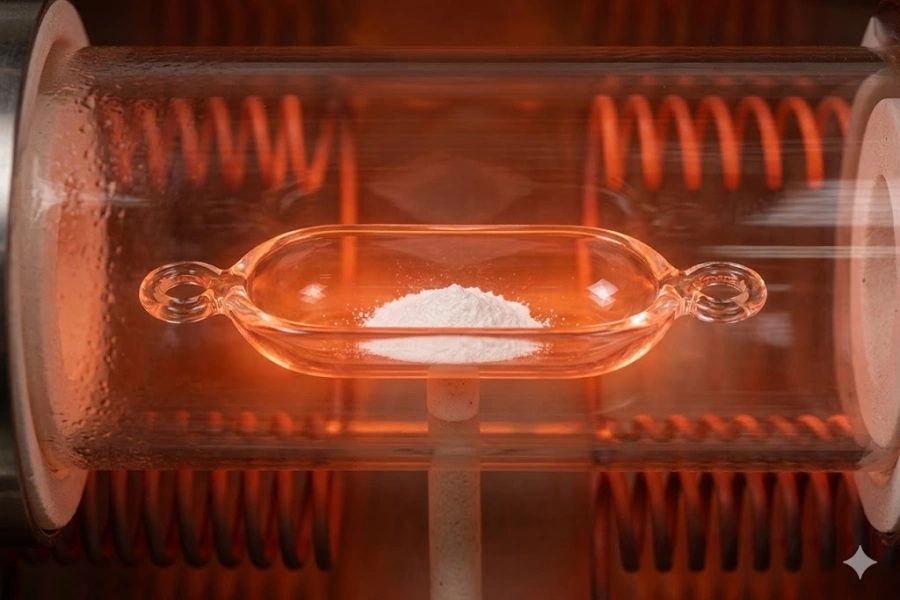
석영 연소 보트, 도가니및 evaporation dishes used in gravimetric analysis and ashing procedures are routinely subjected to temperatures of 900 °C to 1,200 °C in muffle furnaces, conditions under which the quartz remains dimensionally stable and chemically inert toward the oxide, sulfate, and carbonate analyte matrices generated during sample digestion. A quartz crucible used for loss-on-ignition (LOI) measurements in geological sample analysis introduces less than 0.002% mass change per heating cycle, compared to 0.01% to 0.05% for platinum crucibles subject to oxide surface growth and 0.1% to 0.5% for porcelain crucibles subject to glaze absorption. This near-zero blank contribution is essential when LOI values of geochemical interest fall below 0.1%.
Quartz reaction tubes used in temperature-programmed reduction (TPR), temperature-programmed oxidation (TPO), and chemical vapor deposition (CVD) experiments in heterogeneous catalysis research withstand continuous gas flows of H₂, O₂, NH₃, or halogen-containing precursors at temperatures up to 1,000 °C while contributing no detectable metallic background to downstream mass spectrometric or thermal conductivity detector signals. The standard quartz reactor tube for TPR/TPO measurements — 10 mm to 25 mm outer diameter, 300 mm to 600 mm length — is packed with catalyst samples of 50 mg to 500 mg and undergoes heating ramps of 2 °C/min to 20 °C/min, requiring the tube to survive up to 500 thermal cycles over a research instrument's lifetime without surface crystallization.
Quartz reaction vessels for hydrothermal synthesis — sealed quartz ampoules used in solid-state chemistry for crystal growth at pressures of 10 to 100 bar and temperatures of 300 °C to 700 °C — provide a transparent pressure vessel whose material contribution to the enclosed reaction chemistry is limited to controlled SiO₂ dissolution at rates below 5 mg/L under typical hydrothermal conditions.
Inductively Coupled Plasma Spectrometry and Trace Element Analysis
ICP-OES and ICP-MS instruments — the workhorses of trace element analysis across environmental, geological, clinical, and industrial quality control laboratories — contain multiple quartz glass components whose purity directly sets the instrument's detection limit for silicon and its contamination blank for all other elements.
그리고 quartz torch used in ICP instrumentation is a three-concentric-tube assembly — outer tube 18 mm to 22 mm diameter, injector tube 1.5 mm to 3 mm inner diameter — through which argon plasma gas flows at 12 to 18 L/min while sustaining a toroidal plasma at 6,000 K to 10,000 K. The torch outer tube experiences a surface temperature gradient from approximately 200 °C at the base to 800 °C at the plasma-adjacent tip, requiring the quartz to maintain dimensional stability while resisting attack from the trace acid matrices (1% HNO₃, 1% HCl) carried by the sample aerosol. A quartz torch constructed from material with metallic impurity above 50 ppm contributes measurable analyte backgrounds for elements including Al, Fe, Ca, and Na, raising the method detection limits for these elements and invalidating ultra-trace determinations at sub-ppb concentrations.
The quartz spray chamber — a cyclonic or double-pass chamber of 50 mL to 100 mL volume that conditions the sample aerosol before introduction into the plasma — presents a large quartz surface area in continuous contact with acidic sample solutions. Passivation of a new quartz spray chamber by repeated rinse cycles with 2% HNO₃ removes surface contamination from fabrication and stabilizes the silicon background signal, a process that typically requires 2 to 4 hours before trace-level measurements can proceed. After passivation, a properly cleaned quartz spray chamber contributes less than 0.1 µg/L silicon background to the sample stream.
The quartz components of an ICP system therefore function collectively as a contamination firewall: their combined blank contribution defines the floor below which no analyte concentration can be reliably quantified, making material purity specification the primary instrument design parameter for ultra-trace analysis capability.
Quartz Glass Components in Analytical Laboratory Instruments
| Instrument | 석영 부품 | Key Dimension | 작동 온도(°C) | Critical Specification |
|---|---|---|---|---|
| UV-Vis spectrophotometer | Standard cuvette | 10mm 경로 길이 | 15–40 | Path length tolerance ±0.01 mm |
| Fluorimeter | 4-face fluorescence cuvette | 10 mm × 10 mm | 15–40 | Stray light < 0.1% |
| Muffle furnace | Combustion crucible | 15–50 mL capacity | 900–1,200 | Mass change < 0.002%/cycle |
| TPR/TPO reactor | 반응관 | 10–25 mm OD | 최대 1,000 | Metallic blank undetectable |
| ICP-OES / ICP-MS | Plasma torch | 18–22 mm OD | 200–800 (wall) | Total metals < 20 ppm |
| ICP-OES / ICP-MS | Spray chamber | 50–100 mL | 15–25 | Si background < 0.1 µg/L |
!Quartz Glassware Optical Windows Mounted in Photonics Laser Laboratory](https://toquartz.com/wp-content/uploads/2026/02/Quartz-Glassware-Optical-Windows-Mounted-in-Photonics-Laser-Laboratory.webp "Quartz Glassware Optical Windows Mounted in Photonics Laser Laboratory")
Aerospace and Defense Optics Dependent on Synthetic Quartz Glass
Space and defense optical systems operate in environments that disqualify virtually every conventional optical glass: temperature excursions spanning −180 °C to +300 °C within a single orbital period, sustained proton and gamma radiation fluences that cause permanent absorption in conventional glass, and mechanical tolerances demanding dimensional stability at the sub-nanometer level over instrument lifetimes of 10 to 20 years. Synthetic fused silica meets this aggregate specification where no other bulk optical material does.
The aerospace sector specifies synthetic fused silica — rather than natural fused quartz — for virtually all optical components, because the tightly controlled OH content and sub-ppb metallic purity of CVD-derived material translates directly into predictable, reproducible optical and mechanical behavior across the full range of environmental stressors encountered in space and high-altitude defense applications.
Thermal Stability and Zero-Expansion Properties in Space Optics
The coefficient of thermal expansion (CTE) of synthetic fused silica — measured at 0.55 × 10⁻⁶/°C at 20 °C — is among the lowest of any optically transparent material, and this property is the primary reason it serves as the substrate for space telescope mirrors, satellite star tracker windows, and inertial navigation optical references.
A satellite in low Earth orbit (LEO) at 400 km altitude experiences thermal cycling from −90 °C to +100 °C over each 92-minute orbital period, generating approximately 5,000 thermal cycles per year. A primary mirror substrate with CTE of 0.55 × 10⁻⁶/°C changes its diameter by only 0.105 µm per meter per degree Celsius of temperature change — compared to 3.3 µm/°C for borosilicate glass (6× higher) and 23 µm/°C for aluminum (42× higher). For a 300 mm telescope primary mirror, this translates to a peak-to-valley surface deformation over the full orbital thermal range of approximately 10 nm, which is below the λ/20 wavefront error budget of a diffraction-limited optical system at visible wavelengths.
Space telescope primary mirrors fabricated from high-purity quartz glass undergo lightweighting — the machining of an open-back pocket structure that reduces mirror mass by 40% to 60% relative to a solid blank — while preserving the thermal and optical properties of the face sheet. Secondary mirror assemblies aboard Earth observation satellites use fused silica substrates precisely because dimensional stability under thermal cycling is non-negotiable when the required pointing accuracy is measured in micro-radians.
Radiation Hardness and Transmission in Satellite Sensor Windows
Beyond thermal behavior, synthetic quartz glass offers a radiation resistance that is essential for optical systems accumulating total ionizing doses (TID)2 of 10 to 100 krad(Si) over satellite mission lifetimes.
Conventional optical crown glass exposed to proton and gamma radiation at fluences typical of geosynchronous orbit (GEO) at 35,786 km altitude develops absorption bands centered at 320 nm, 410 nm, and 620 nm due to formation of color centers — specifically E' centers (oxygen vacancies) and non-bridging oxygen hole centers (NBOHC) — that progressively darken the glass and reduce sensor signal-to-noise ratio. Synthetic fused silica with OH content above 200 ppm exhibits significantly enhanced radiation resistance, because OH groups provide a recombination pathway for radiation-generated electron-hole pairs that suppresses color center formation. After exposure to 100 krad(Si) gamma dose, a radiation-hardened fused silica optical window retains greater than 90% transmission at 400 nm, compared to 40% to 60% for unprocessed crown glass under the same dose.
Earth observation multispectral imagers aboard reconnaissance and environmental monitoring satellites use fused silica windows as the primary entrance aperture for their focal plane assemblies, where the window must transmit from 350 nm (UV-A) to 2,500 nm (SWIR) without introducing spectral distortion to the radiometrically calibrated sensor response. The homogeneity of synthetic fused silica — refractive index variation Δn < 2 × 10⁻⁶ across a 200 mm aperture — ensures that the wavefront transmitted through the window introduces less than λ/10 peak-to-valley optical path difference at 633 nm.
Synthetic Quartz Glass Performance in Aerospace Applications
| 애플리케이션 | 구성 요소 | CTE(×10-⁶/°C) | Radiation Dose (krad) | Transmission Retention After Radiation |
|---|---|---|---|---|
| Space telescope | Primary mirror substrate | < 0.6 | 10-50 | N/A (reflective) |
| LEO Earth imager | Entrance window | < 0.6 | 5–30 | > 92% at 400 nm |
| GEO satellite sensor | Optical window | < 0.6 | 50-100 | > 90% at 400 nm |
| Star tracker | Lens element | < 0.6 | 10-30 | > 95% at 500 nm |
| Inertial navigation | Optical reference flat | < 0.6 | < 10 | > 98% at 633 nm |
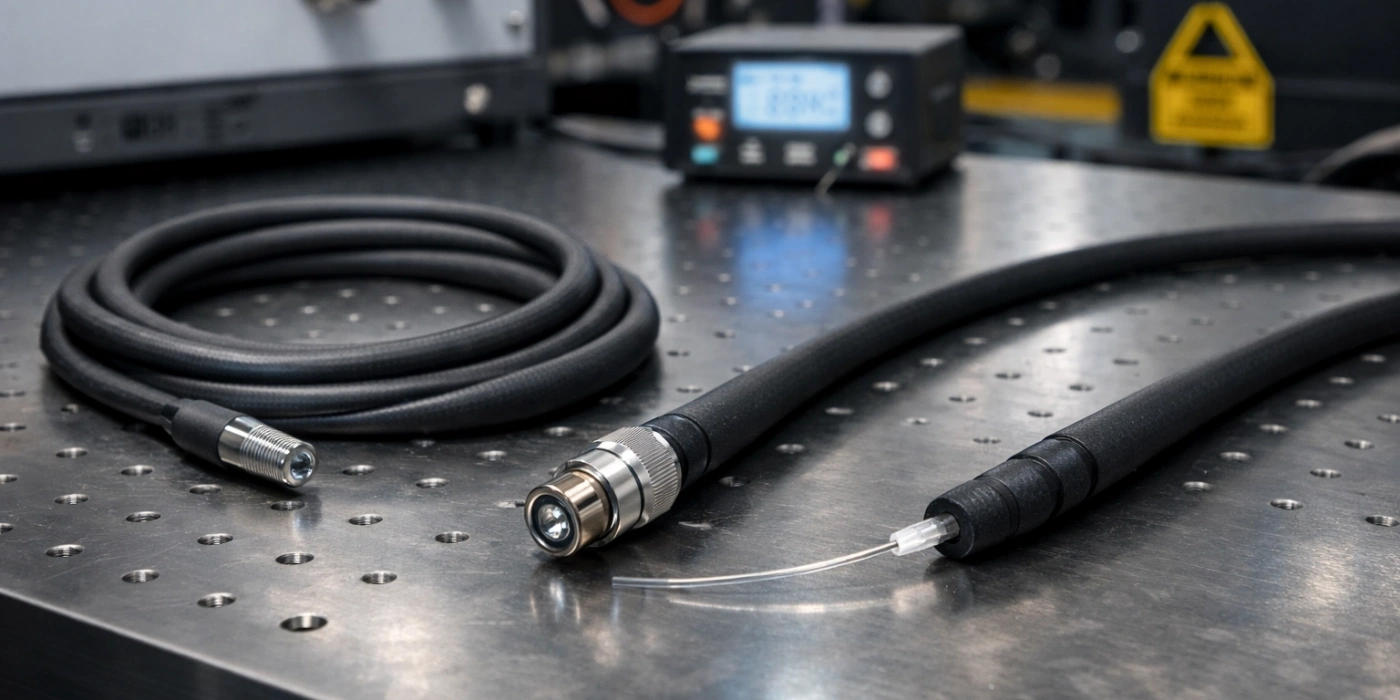
Fiber Optic Preforms and Telecommunication Infrastructure Built with Quartz Glass
Global digital communications infrastructure — from submarine cables carrying intercontinental internet traffic to metropolitan fiber networks connecting data centers — is physically constructed from high-purity fused silica glass. The optical fiber that transmits information as modulated light pulses is, at its material core, an ultrapure quartz glass filament drawn from a preform manufactured with contamination tolerances more stringent than pharmaceutical-grade materials.
This is the largest single-volume industrial application of high-purity synthetic SiO₂: global optical fiber production exceeded 550 million fiber-kilometers in 2023, each kilometer representing a preform-drawn silica filament of 125 µm outer diameter whose attenuation performance at 1,550 nm — the wavelength used for long-haul telecommunications — must be held below 0.2 dB/km to be commercially viable.
Optical Fiber Preform Fabrication and Ultra-Low Attenuation Requirements
The attenuation of light propagating through a silica optical fiber is governed by intrinsic Rayleigh scattering3 (unavoidable in any amorphous material), infrared absorption from Si-O bond vibrations, and extrinsic absorption from transition metal and OH impurities — the last two being controlled entirely by the purity of the SiO₂ used in preform fabrication.
The dominant extrinsic absorption in early optical fibers was the OH overtone absorption peak at 1,383 nm (the "water peak"), caused by OH concentrations as low as 1 ppb in the fiber core glass. Reduction of OH below 0.1 ppb in the core through elimination of water vapor contamination during modified chemical vapor deposition (MCVD), outside vapor deposition (OVD), or vapor axial deposition (VAD) processes was the key advance that enabled the "low-water-peak fiber" (ITU-T G.652.C/D standard) supporting wideband wavelength-division multiplexing (WDM) transmission across the full 1,260–1,625 nm spectral window. A standard single-mode fiber preform fabricated by OVD is a cylindrical fused silica blank of 60 mm to 150 mm diameter and 500 mm to 1,200 mm length, containing a germanium-doped (GeO₂) core region occupying the central 3% to 8% of the preform cross-section by area, with a target core-cladding refractive index difference (Δn) of 0.003 to 0.008.
The metallic impurity specification for fiber-grade fused silica is among the most demanding of any industrial material: total transition metals (Fe, Cu, Ni, Co, Cr, Mn, V) must each be below 0.01 ppb in the fiber core, because the absorption cross-section of Cu²⁺ at 1,310 nm is approximately 3 × 10⁻¹⁸ cm² — meaning a concentration of 0.01 ppb Cu in a 9 µm core fiber would contribute approximately 0.01 dB/km additional attenuation, already at the limit of acceptable excess loss for premium fiber grades.
Specialty Optical Fibers for Medical Imaging and Industrial Sensing
Beyond telecommunications, specialty quartz glass fibers serve in medical imaging, industrial laser delivery, and distributed physical sensing — each application demanding properties tailored beyond the standard telecommunications fiber specification.
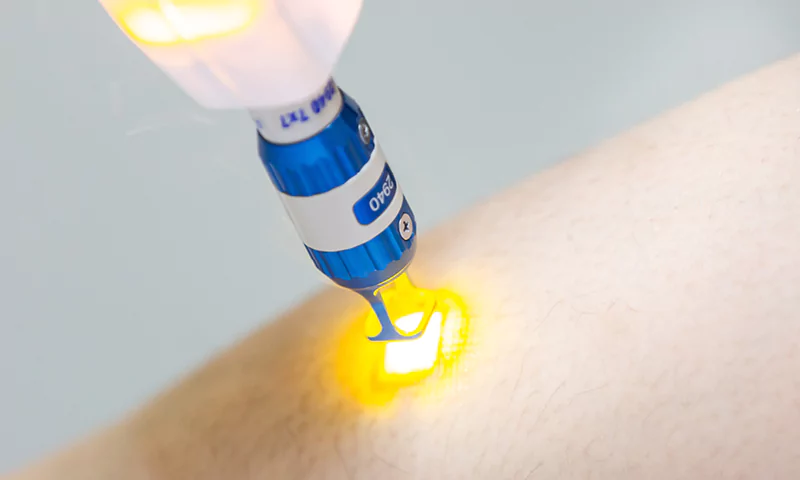
High-OH fused silica fibers — manufactured with hydroxyl content of 600 to 1,200 ppm — exhibit enhanced transmission in the ultraviolet range (200 nm to 400 nm) and are used as light guides in medical endoscopes, UV-induced fluorescence spectroscopy systems, and photodynamic therapy (PDT) delivery devices. A 400 µm core, 0.22 numerical aperture (NA) high-OH fused silica fiber transmits greater than 60% of incident power at 308 nm (XeCl excimer wavelength) over a 1-meter length, enabling therapeutic light delivery in ophthalmic and dermatological applications where UV-B and UV-C photons must be guided to tissue targets with minimal attenuation.
Industrial-grade fused silica fibers for high-power laser delivery — serving fiber laser cutting, welding, and additive manufacturing systems — are fabricated from synthetic fused silica with extremely low OH content (< 5 ppm) and minimal metallic impurities to prevent stimulated Raman scattering (SRS) and nonlinear absorption at the kilowatt-level continuous-wave power densities encountered in 1 kW to 20 kW fiber-coupled laser tools. Step-index fibers of 100 µm to 1,000 µm core diameter with pure silica core and fluorine-doped silica cladding deliver power densities of 10⁶ to 10⁸ W/cm² — conditions that would catastrophically damage polymer-clad fibers with metallic impurity above 0.1 ppm.
Distributed temperature sensing (DTS) and distributed acoustic sensing (DAS) systems deployed in oil and gas wellbores to depths of 5,000 m to 10,000 m use single-mode or multimode fused silica fibers as continuous linear sensors, resolving temperature or strain profiles with spatial resolution of 0.5 m to 1.0 m across fiber lengths up to 50 km. The ability of quartz glass fiber to maintain optical integrity at temperatures from −40 °C to +300 °C over 20-year deployment lifetimes, without compositional drift or mechanical fatigue, makes it uniquely suited for permanent infrastructure sensing where sensor replacement is physically or economically impractical.
Optical Fiber and Preform Quartz Glass Specifications
| Fiber Type | Core Diameter (µm) | OH 함량(ppm) | 총 금속 함량 (ppb) | Min. Attenuation (dB/km) | 기본 애플리케이션 |
|---|---|---|---|---|---|
| Standard SMF (G.652.D) | 9 | < 0.1 | < 0.01 per element | 0.18 at 1,550 nm | Telecom long-haul |
| Multimode (G.651) | 50 / 62.5 | < 0.5 | < 0.05 per element | 0.5–3.5 at 850 nm | Data center LAN |
| High-OH UV fiber | 200–1,000 | 600–1,200 | < 1 per element | 15–50 at 254 nm | Medical / UV spectroscopy |
| High-power laser fiber | 100–1,000 | < 5 | < 0.1 per element | < 10 at 1,064 nm | Industrial laser delivery |
| DTS sensing fiber | 9–62.5 | < 1 | < 0.1 per element | < 0.5 at 1,550 nm | Wellbore / infrastructure |
Chemical and Petrochemical Processing Utilizing Quartz Glass Equipment
Chemical and petrochemical processing environments subject materials to corrosive attack profiles that eliminate most engineering materials from consideration. Within laboratory-scale and pilot-plant chemical processing, quartz glass equipment serves a defined role where contamination-free contact with aggressive reagents at elevated temperature is the governing requirement.
-
Quartz distillation systems for ultra-pure acid production — used in semiconductor wet chemistry supply chains — consist of quartz boiling flasks, condensers, and receiver vessels that purify HNO₃, H₂SO₄, and HCl to SEMI-grade specifications (metallic impurities below 1 ppb per element). The quartz wetted surfaces contribute less than 0.01 ppb metallic contamination per batch, a blank level unachievable with stainless steel, PTFE-lined steel, or borosilicate glass systems. A standard quartz sub-boiling distillation apparatus processes 2 to 5 liters per hour of electronic-grade acid at temperatures of 80 °C to 340 °C depending on acid identity.
-
Quartz-lined reaction tubes in heterogeneous catalysis pilot plants withstand continuous exposure to synthesis gas (CO/H₂), ammonia, chlorine, and sulfur compound atmospheres at temperatures of 400 °C to 900 °C. The quartz lining prevents catalytic metal contamination from reactor wall material — a critical consideration in kinetics research where wall reactions on iron or nickel surfaces would obscure intrinsic catalyst activity. Quartz wool packing used to support catalyst beds in fixed-bed reactors provides an inert, high-surface-area support medium rated to 1,100 °C with no catalytic activity toward common industrial reaction systems.
-
Quartz observation windows and sight glasses in high-pressure photochemical reactors enable real-time optical monitoring of reaction progress through UV-Vis absorption or Raman spectroscopy during reactions involving strongly oxidizing or acidic media. Windows of 30 mm to 100 mm diameter, rated to pressures of 10 to 150 bar, are fabricated from 15 mm to 30 mm thick fused quartz blanks with polished optical faces and metal-sealed flanges that maintain optical access to the reaction chamber without compromising containment integrity.
These quartz components collectively serve a contamination-control function in chemical processing that parallels their role in semiconductor manufacturing: wherever a process requires that the material purity of the chemical product not be compromised by the reactor vessel, quartz glass provides the chemical resistance, thermal endurance, and near-zero contribution to product contamination that define it as the preferred engineering material.
Medical Device Manufacturing Requiring Quartz Glass Components
Medical device manufacturing demands materials that combine optical functionality, dimensional precision, chemical inertness toward biological fluids, and the ability to withstand repeated high-level disinfection without property degradation. Pure quartz glass satisfies this composite requirement across several distinct medical technology categories.
-
Quartz light guides in photodynamic therapy (PDT) and laser surgery systems transmit therapeutic wavelengths from 630 nm to 1,064 nm at power densities of 50 mW/cm² to 5,000 mW/cm² through fiber bundles or solid rod light guides of 1 mm to 10 mm diameter inserted into surgical access ports. The quartz material withstands autoclave sterilization at 134 °C and 3 bar for 18-minute cycles — a standard steam sterilization protocol defined in ISO 17665 — without dimensional change, surface degradation, or transmission loss, enabling multi-use instruments with validated sterility assurance levels (SAL) of 10⁻⁶.
-
UV phototherapy delivery systems for psoriasis, vitiligo, and neonatal jaundice treatment use narrowband UV-B lamps (311 nm peak emission) sleeved in pure quartz tubes that transmit this wavelength at 88% to 91% efficiency, while blocking the shorter UV-C wavelengths below 280 nm that cause DNA damage without therapeutic benefit. The quartz sleeve geometry — 20 mm to 30 mm outer diameter, 600 mm to 1,200 mm length — must maintain UV spectral stability over 3,000 to 5,000 treatment hours, after which transmission decay exceeding 10% triggers mandatory lamp replacement under IEC 60335-2 medical equipment safety standards.
-
Optical windows in endoscopic and laparoscopic instruments use polished fused quartz discs of 3 mm to 15 mm diameter as the terminal optical element in rigid endoscope rod lens systems, separating the optical column from the sterile surgical field. The quartz window provides a hermetic, zero-birefringence optical interface that resists scratching from contact with tissue and instrument surfaces far more effectively than borosilicate alternatives, with Vickers hardness of 1,050 HV versus 550–650 HV for borosilicate glass — a 60% to 90% hardness advantage that directly extends instrument service life and reduces scratch-induced image degradation over 3,000 to 10,000 sterilization cycles.
The biological inertness of quartz glass — its zero extractable metals profile in physiological saline after autoclaving and its absence of leachable organic compounds — meets ISO 10993 biocompatibility requirements for materials in permanent or long-term contact with human tissue, confirming its suitability for implantable light delivery devices and minimally invasive optical instruments.
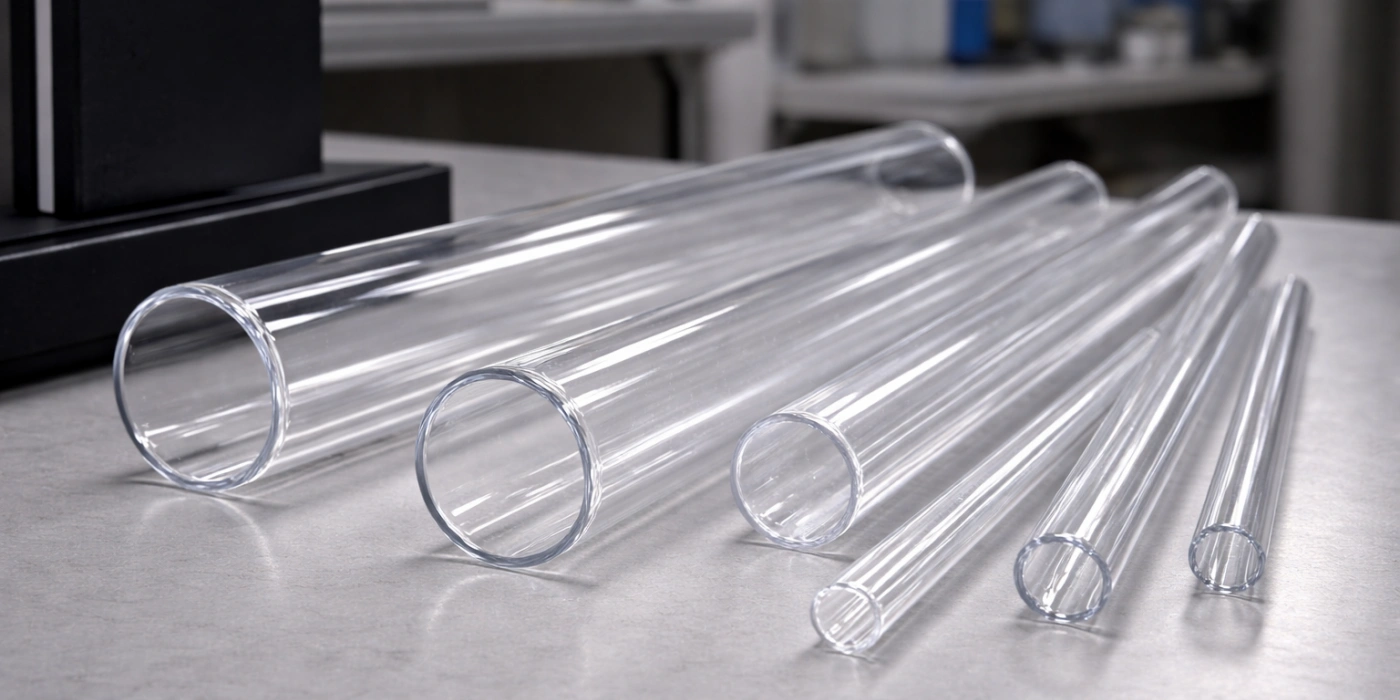
Thermal and Structural Performance Properties Across All Applications
Reviewing the spectrum of industrial sectors examined in this article, a consistent pattern emerges: the decision to specify high-purity quartz glass in each application is traceable to a finite set of material properties that collectively make it irreplaceable in demanding technical environments.
These properties — quantified in the table below — are not approximations but measurable, reproducible physical characteristics that define the operational envelope of every quartz glass component discussed throughout this article.
| 속성 | Pure Quartz Glass Value | 붕규산 유리 | 소다 라임 유리 | Aluminum (for reference) |
|---|---|---|---|---|
| CTE at 20 °C (×10⁻⁶/°C) | 0.55 | 3.3 | 9.0 | 23.0 |
| 연화점(°C) | ~1,665 | ~820 | ~730 | 660 (melting) |
| UV transmission at 254 nm (2 mm) | 88–92% | < 5% | < 1% | 0% |
| UV transmission at 193 nm (10 mm) | > 99% | < 1% | < 1% | 0% |
| Refractive index homogeneity (Δn) | < 2 × 10⁻⁶ | ~5 × 10⁻⁶ | ~10 × 10⁻⁶ | N/A |
| Vickers hardness (HV) | ~1,050 | 550–650 | 450–550 | 15–25 |
| Chemical resistance to HNO₃ | 우수 | Good | 보통 | Poor |
| SiO₂ content (typical %) | 99.9–99.9999 | ~81 | ~72 | 0 |
| Metallic impurity (synthetic grade) | < 1 ppb total | ~1,000 ppm | ~5,000 ppm | N/A |
The consistency of quartz glass adoption across sectors as different as semiconductor fabrication and medical device manufacturing reflects the material's unusual position as a multi-attribute leader: it does not merely excel in one dimension but simultaneously satisfies thermal, optical, chemical, and mechanical requirements at levels that competing materials fulfill only in isolation. Wherever those requirements converge — and in the industries surveyed here, they invariably do — pure quartz glass is not one option among many but the engineering material the process was built around.
결론
Pure quartz glass occupies a uniquely indispensable position in the materials landscape of advanced industry, not as a single-application specialty material but as a recurring solution to the recurring problem of combined extreme-environment performance. Semiconductor fabrication, solar silicon production, ultraviolet disinfection, laboratory analysis, aerospace optics, fiber optic infrastructure, chemical processing, and medical device manufacturing each draw on overlapping subsets of quartz glass's core properties — and each would face fundamental process limitations without it. The material's role is structural to modern technology: where thermal endurance, optical transparency, chemical purity, and dimensional stability must coexist, the answer consistently points back to pure quartz glass.
자주 묻는 질문
What is the difference between pure quartz glass and fused silica?
Pure quartz glass and fused silica are closely related terms describing the same amorphous SiO₂ material produced by melting silicon dioxide above 1,700 °C. The key distinction lies in feedstock: "fused quartz" refers to material made from natural quartz crystal, while "fused silica" refers to synthetically produced SiO₂ via chemical vapor deposition of silicon tetrachloride. Synthetic fused silica typically achieves metallic purity below 1 ppb total metals, while natural fused quartz contains 1 to 20 ppm total metallic impurities — a difference critical in semiconductor and fiber optic applications but less significant in UV disinfection or chemical processing contexts.
Why can ordinary glass not replace quartz glass in UV disinfection systems?
Ordinary borosilicate and soda-lime glass contain iron oxide and titanium dioxide impurities at concentrations of 100 to 1,000 ppm that absorb UV radiation below 300 nm almost completely. At the germicidal wavelength of 254 nm, a standard borosilicate glass transmits less than 5% of incident radiation through a 2 mm wall, compared to 88–92% for pure quartz glass of equivalent thickness. Using ordinary glass as a UV lamp sleeve would reduce germicidal output by over 90%, requiring lamp power increases of 10× to 20× to achieve the same disinfection dose — an engineering impossibility for municipal-scale water treatment.
Which industries consume the largest volumes of pure quartz glass annually?
By volume, the fiber optics and telecommunications sector consumes the largest mass of high-purity fused silica globally, with annual preform production supporting over 550 million fiber-kilometers of optical fiber. The solar photovoltaic industry is the second largest consumer by weight, driven primarily by quartz crucible consumption in Czochralski silicon crystal growth — estimated at 120,000 to 150,000 tonnes of crucibles annually. The semiconductor industry consumes lower absolute mass but specifies the highest purity grades, with total metallic impurity requirements at the sub-ppb level for advanced-node process components.
How does the purity of quartz glass affect performance in semiconductor fabrication?
In semiconductor fabrication, metallic contamination from quartz components degrades wafer electrical performance through multiple mechanisms. Iron contamination above 10¹⁰ atoms/cm² on silicon wafer surfaces generates recombination centers that reduce minority carrier lifetime, increasing transistor leakage current. Alkali metals — sodium and potassium — are mobile in SiO₂ at process tem peratures above 400 °C and can drift through gate dielectrics, causing threshold voltage shifts of 10 mV to 100 mV in completed devices. These contamination pathways explain why semiconductor-grade quartz specifies total metallic impurity below 5 to 20 ppm for process hardware, and below 0.01 ppb in optical lithography elements where compaction and UV absorption directly affect imaging resolution.
참조:
-
Trichlorosilane (SiHCl₃) is the primary silicon-bearing precursor gas decomposed inside Siemens reactors to deposit high-purity polysilicon feedstock for both solar and semiconductor applications. ↩
-
Total ionizing dose measures the cumulative energy deposited in a material by ionizing radiation, and it is the standard metric used to qualify optical components for radiation environments in satellite and defense systems. ↩
-
Rayleigh scattering is the intrinsic, wavelength-dependent light scattering caused by density fluctuations frozen into the amorphous silica structure during fiber drawing, setting the theoretical lower limit on optical fiber attenuation. ↩