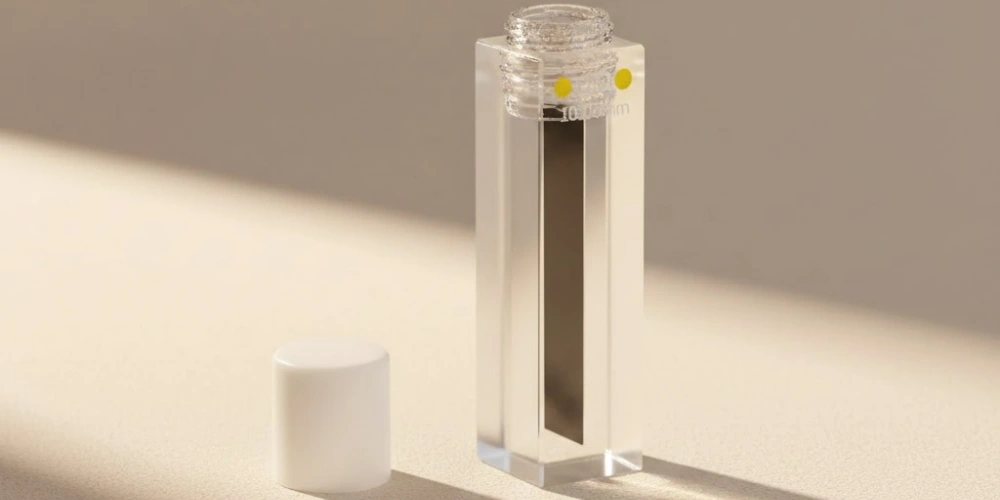
إن وضع تنسيق الكوفيت الخاطئ في جهاز بصري دقيق لا يؤدي ببساطة إلى إهدار العينة - بل يؤدي بصمت إلى إفساد البيانات التي قد يستغرق استرجاعها أسابيع. تفرض كل منصة أداة مجموعة محددة من شروط القبول الفيزيائية والبصرية، ولن تنتج نتائج موثوقة إلا الكوفيتات التي تستوفي الشروط الثلاثة في وقت واحد.
كوفيتات الكوارتز الدقيقة هي الأداة المفضلة حيثما تكون أحجام العينات نادرة، أو تكون تركيزات المواد المحللة شديدة، أو تكون شفافية الأشعة فوق البنفسجية أقل من 300 نانومتر غير قابلة للتفاوض. ومع ذلك، لا يتم افتراض التوافق أبدًا - يجب التحقق من التوافق مع ارتفاع الشعاع وهندسة الفتحة والحد الأدنى لحجم التعبئة لكل جهاز على حدة. تطبق الأقسام التالية هذا الإطار ثلاثي المعلمات على كل عائلة من المنصات الرئيسية بالتتابع، وتغطي أجهزة قياس الطيف الضوئي بالأشعة فوق البنفسجية والمرئية ومقاييس الفلورومتر المخصصة والمنصات التي لا ينطبق عليها القياس القائم على الكوفيت على الإطلاق.
صُممت هذه المقالة حول العلامات التجارية للأجهزة الأكثر ذكرًا في نتائج بحث جوجل، ولوحات أسئلة الناس أيضًا، ومنتديات المختبرات المتخصصة بما في ذلك ResearchGate وR/labrats على موقع Reddit، وتقدم هذه المقالة بيانات التوافق التي تم التحقق منها لكل من Agilent وShimadzu وPerkinElmer وThermoElmer وThermo Fisher وHoriba وHoriba وEdinburgh Instruments وVarian Cary Eclipse - مع مواصفات الأبعاد ومراجع الأجزاء الملحقة وعتبات حجم العمل لكل طراز.
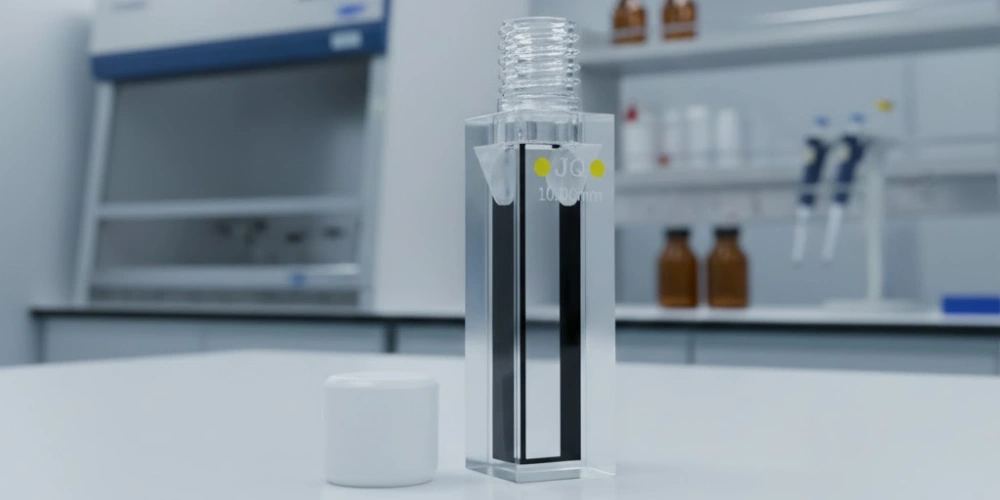
ما تتطلبه كوفيتات الكوارتز الدقيقة من أي جهاز مضيف
قبل أن يمكن تطبيق أي بيانات توافق خاصة بعلامة تجارية محددة بشكل مفيد، يجب تحديد المعلمات الفيزيائية الثلاثة التي تحكم ما إذا كان كفيت الكوارتز الدقيق سيعمل بشكل صحيح في جهاز معين بدقة.
-
ارتفاع الشعاع (البعد Z): البعد Z للكفيت هو المسافة العمودية من قاعدته إلى مركز نافذة القياس الشفافة. صُممت الغالبية العظمى من أجهزة قياس الطيف الضوئي بالأشعة فوق البنفسجية والمرئية ومقاييس الفلورومتر التي توضع فوق سطح الطاولة حول ارتفاع شعاع 8.5 مم. كوفيت كوارتز دقيق ذو بُعد Z منحرف بأكثر من 0.5 مم من ارتفاع شعاع الجهاز، سيؤدي إلى تشبيك شعاع الضوء بالجدار العلوي أو السفلي للكفيت مما يؤدي إلى ظهور تشوهات الضوء الشارد وكبح الامتصاص الحقيقي عن طريق 5-30% اعتمادًا على التركيز وطول المسار. هذه المعلمة الوحيدة هي السبب الجذري الأكثر شيوعًا لعدم توافق الكوفيت الصغير في جميع المنصات.
-
هندسة الفتحة (أبعاد حجرة الكوفيت): صُممت حجرات الكوفيت القياسية من أجل 12.5 مم × 12.5 مم البصمة الخارجية. تحافظ معظم كوفيتات الكوارتز متناهية الصغر الموجودة في السوق على هذا البعد الخارجي بحيث يمكن وضعها مباشرة في الحامل القياسي دون تكييف. التنسيقات شبه متناهية الصغر ذات البصمة الخارجية المخفضة لـ 8.5 مم × 8.5 مم أو أصغر تتطلب محول توسيط دقيق لجعل الكوفيت في محاذاة الشعاع. يُدخل المهايئ الذي تم تركيبه بشكل غير صحيح أخطاء إزاحة جانبية لا يمكن تمييزها وظيفيًا عن اختلال البعد Z في الطيف الناتج.
-
الحد الأدنى لحجم العينة بالنسبة إلى قطر الشعاع: يجب أن يمر الشعاع الساقط بالكامل عبر عمود السائل داخل الكوفيت. بالنسبة للكوفيتات الكوارتز الدقيقة ذات الأحجام العاملة التي تبلغ 10-70 ميكرولتريتراوح قطر الشعاع عند مستوى العينة من 2-4 مم في أجهزة الأشعة فوق البنفسجية والمرئية وتضيق إلى 1-2 مم في بصريات إثارة مقياس الفلورومتر المركزة. ينتج عن ملء الكوفيت أسفل خط مركز الشعاع - حتى ولو بمقدار 1 مم - أثرًا اصطناعيًا في الفضاء البخاري يظهر على شكل كتف امتصاص قابل للتكرار ولكن لا معنى له فيزيائيًا، خاصة بين 200-230 نانومتر.
يعني التفاعل بين هذه القيود الثلاثة أن التوافق ليس مسألة متغير واحد أبدًا. قد يظل كوفيت الكوارتز الدقيق الذي يفي بمتطلبات ارتفاع الحزمة يفشل في اختبارات هندسة الفتحة إذا تم استخدام محول غير قياسي، وقد يظل أداء الكوفيت الذي يفي بكل من القيدين الماديين دون المستوى إذا لم يتم احترام الحد الأدنى لحجم التعبئة لطول المسار المحدد المحدد.
توافق كوفيتات الكوارتز الدقيقة من أجيلنت عبر سلسلة كاري
من بين منصات أجهزة قياس الطيف الضوئي بالأشعة فوق البنفسجية والمرئية تظهر سلسلة Cary من Agilent باستمرار في أعلى مناقشات توافق الكوفيت على ResearchGate وR/موقع Reddit's r/labrats ونتائج Google People كما ورد في نتائج Google People also Asked. يمتد خط Cary من تكوينات من Cary 60 المدمجة أحادية الشعاع إلى Cary 5000 ذات الدرجة البحثية، ويحمل كل طراز أبعاد مقصورة متميزة وأنظمة بيئية ملحقة تؤثر بشكل مباشر على تنسيقات كوفيت الكوارتز الدقيقة التي يمكن استخدامها دون أي تنازلات بصرية. يعد فهم الاختلافات في كل نموذج أمرًا ضروريًا، لأن أجهزة Cary من مستويات مختلفة غالبًا ما تكون موجودة جنبًا إلى جنب في نفس المنشأة ولكنها غير قابلة للتبادل بصريًا من وجهة نظر الكوفيت الصغير.
كاري 60 - هندسة الحزمة الواحدة وخلوص فتحة الكوفيت الدقيقة
جهاز Cary 60 هو أكثر أجهزة الأشعة فوق البنفسجية والأشعة المرئية أحادية الشعاع انتشارًا في المختبرات التحليلية الروتينية، وارتفاع شعاعه الثابت الذي يبلغ 8.5 مم متوافق تمامًا مع البعد Z للأبعاد Z لأغلفة الكوارتز الدقيقة القياسية التي تحمل بصمة خارجية 12.5 مم × 12.5 مم.
تقبل حجرة الكوفيت القياسية الكوفيتات حتى عرض 12.5 مموهو ما يعني أن خلية كوارتز متناهية الصغر قياسية - مثل Hellma 105-QS بطول مسار 10 مم وحجم عمل 70 ميكرولتر - توضع مباشرةً في الحامل دون أي محول إضافي. ومع ذلك، تتطلب التنسيقات دون الميكروية ذات البصمة المنخفضة من Agilent حامل كوفيت الحجم الصغير (رقم الجزء 5190-0920)الذي يستخدم مشبك تثبيت محمل بنابض لتوسيط الكوفيت الأصغر عند ارتفاع الحزمة 8.5 مم. وبدون هذا الحامل، فإن الكوفيت الأصغر حجمًا الموضوع في الحجرة العارية سيقع خارج المحور بحوالي 2-3 مممما يجعل أي قياس امتصاصية أقل من 280 نانومتر غير موثوق به.
تعد قابلية تكرار وضع الكوفيت أكثر أهمية على Cary 60 من أي منصة Cary ثنائية الشعاعلأن تصميمه أحادي الحزمة يعني أن القياسات الفارغة والعينة تؤخذ بالتتابع من خلال المسار البصري نفسه؛ ولا يتم إلغاء أي إزاحة موضعية بين عمليتي الاستحواذ، وبدلاً من ذلك تتراكم مباشرةً في قيمة الامتصاص المبلغ عنها.
كاري 100 وكاري 300 - مقصورات مزدوجة الشعاع وحوامل الملحقات
أجهزة Cary 100 وCary 300 هي أجهزة ثنائية الحزمة تقسم شعاع المصدر إلى قنوات عينة وقنوات مرجعية في وقت واحد، وهو ما يعوض بطبيعته تقلبات المصباح قصيرة المدى ويقلل من الحساسية للتناقضات الطفيفة في وضع الكوفيت مقارنةً بأجهزة Cary 60.
يشترك كلا الطرازين في ارتفاع العارضة 8.5 مم ومقصورة عينة مصممة للبصمة القياسية 12.5 مم × 12.5 مم. يبلغ قياس حجرة Cary 100 حوالي عمق 120 ممفي حين أن مقصورة كاري 300 الأكبر حجمًا في 170 مم في العمق تستوعب مجموعة واسعة من حاملات الملحقات، بما في ذلك ملحق الحجم الصغير من Agilent (رقم القطعة 8453-68705)التي تدعم كوفيتات الكوارتز الدقيقة بأطوال مسارات تبدأ من 0.5 مم إلى 10 مم وأحجام العمل المنخفضة مثل 15 ميكرولتر. تقبل كلتا الأداتين هذا الملحق، لكن الحجرة الأعمق في Cary 300 توفر خلوصًا إضافيًا للتعامل مع الكوفيت دون إزعاج البصريات المجاورة. تتطلب أطوال المسارات الأقصر من 1 مم اهتمامًا دقيقًا: عند 0.5 مم، يكون عرض التجويف الداخلي 0.5 مم فقط، وتجعل القوى الشعرية الملء والتنظيف أكثر تطلبًا بشكل كبير.
لا يعوض التصحيح ثنائي الشعاع في Cary 100/300 عن الملء غير الكامللذا، فإن الحد الأدنى لحجم التعبئة الموصى به لكوفيت كوارتز دقيق بمسار 0.5 مم على أي من الجهازين هو 8 ميكرولتر فوق مركز الشعاع - وهو حد يجب احترامه بغض النظر عن مدى دقة وضع الكوفيت في غير ذلك.
كاري 4000 وكاري 5000 - مقصورات من الدرجة البحثية للأحجام الصغيرة جدًا
يمثل جهازا Cary 4000 و Cary 5000 منصة الأشعة فوق البنفسجية المرئية - الأشعة تحت الحمراء - الأشعة تحت الحمراء من Agilent، وكلاهما يوفران حجرة للعينات تقريبًا أربع مرات أكبر في الحجم الداخلي من كاري 60 - وهو فرق له عواقب عملية مباشرة على مجموعة من تنسيقات كوفيت الكوارتز الدقيقة التي يمكن استيعابها.
تقبل هذه الحجرة الموسعة مجموعة كاملة من تنسيقات كوفيت الكوارتز الصغيرة، بما في ذلك الخلايا شبه الدقيقة ذات الآثار الخارجية الصغيرة مثل 3.5 مم × 3.5 ممشريطة استخدام محول الدقة المناسب. يدعم Cary 5000 أطوال المسارات حتى 0.2 مم - أقصر طول مسار كوارتز دقيق متاح تجاريًا - وهو ما يتوافق مع حجم عمل يبلغ حوالي 3 ميكرولتر. بالنسبة لامتداد NIR 5000 الخاص بـ Cary 5000 إلى 3300 نانومتر، يظل الكوارتز هو المادة المناسبة للنوافذ حتى حوالي 3500 نانومتر؛ أبعد من هذا الطول الموجي, فلوريد الكالسيوم1 أو نوافذ فلوريد الباريوم أو فلوريد الباريوم مطلوبة، وهو قيد يؤثر على اختيار مادة جسم الكوفيت بدلاً من البصمة أو البعد Z.
يتوافق Cary 4000، الذي لا يمتد إلى ما بعد 900 نانومتر في الأشعة تحت الحمراء NIR، تمامًا مع نفس نطاق كفيت الكوارتز الدقيق مثل Cary 5000 في منطقة الأشعة فوق البنفسجية والمرئية وبالتالي فهو الخيار المفضل عندما لا يكون تمديد NIR مطلوبًا وتكون مساحة المقصورة هي الشاغل الأساسي.
سلسلة Agilent Cary Series - توافق كوفيت الكوارتز الدقيق
| نموذج الأداة | ارتفاع الشعاع (مم) | عمق الحجرة (مم) | الحد الأدنى. طول المسار (مم) | الحد الأدنى. حجم العمل (ميكرولتر) | محول للمايكرو الفرعي |
|---|---|---|---|---|---|
| كاري 60 | 8.5 | ~80 | 1 | 70 | نعم - 5190-5190-0920 |
| كاري 100 | 8.5 | ~120 | 0.5 | 15 | نعم - 8453-68705 |
| كاري 300 | 8.5 | ~170 | 0.5 | 15 | نعم - 8453-68705 |
| كاري 4000 | 8.5 | تمديد | 0.2 | 3 | نعم - خاص بالطراز |
| كاري 5000 | 8.5 | تمديد | 0.2 | 3 | نعم - خاص بالطراز |
مواصفات قبول سلسلة شيمادزو للأشعة فوق البنفسجية وكوفيت الكوارتز الصغير من شيمادزو
تستحوذ أجهزة شيمادزو للأشعة فوق البنفسجية والمرئية على حصة كبيرة من سوق المختبرات الأكاديمية والصناعية العالمية، وتعد سلسلة UV-1900 وUV-2600 وUV-3600 من بين النماذج الأكثر ذكرًا في مناقشات التوافق مع الكوفيت الصغير في منتديات Protocol Online وCHEMnetBASE. والأهم من ذلك، تختلف مواصفات ارتفاع الحزمة من شيمادزو عن معيار الأغلبية 8.5 مم الذي تستخدمه Agilent وPerkinElmer في عائلة طراز رئيسي واحد على الأقل - مما يجعل التحقق من ارتفاع الحزمة خطوة أولى أساسية قبل افتراض أن أي كوفيت كوارتز دقيق تم شراؤه لمنصة واحدة سينتقل بشكل نظيف إلى جهاز شيمادزو.
UV-1900i - ارتفاع الحزمة الثابتة وحامل الخلية الدقيقة MPC-3100
تعمل الأشعة فوق البنفسجية UV-1900i بارتفاع شعاع ثابت يبلغ 8.0 مم - 0.5 مم أقل من معيار 8.5 مم الذي تستخدمه معظم المنصات المنافسة - وهو فرق مهم بالنسبة للمختبرات التي تتشارك مخزون كفيت الكوارتز الدقيق عبر العديد من العلامات التجارية للأجهزة.
سيضع كفيت الكوارتز الدقيق الذي تمت معايرته على بُعد Z 8.5 مم، نافذته الشفافة 0.5 مم فوق مركز شعاع UV-1900i، مما يؤدي إلى اقتطاع الجزء العلوي من الشعاع وإدخال خطأ في الامتصاص يتراوح عادةً بين 3-8% بتركيزات أعلى من 1 وحدة حرارية شمسية. تعالج شيمادزو هذا الأمر باستخدام حامل الخلايا الدقيقة MPC-3100التي تمت معايرتها في المصنع على ارتفاع الحزمة 8.0 مم، والتي تقبل كوفيتات الكوارتز الدقيقة ذات الأبعاد الخارجية 12.5 مم × 12.5 مم، أطوال المسارات من 1 مم إلى 10 مموأحجام العمل من 35 ميكرولتر إلى 3500 ميكرولتر. بالنسبة لأطوال المسارات التي تقل عن 1 مم، لا توفر شيمادزو حاليًا حاملًا من الطرف الأول لجهاز UV-1900i؛ يمكن تكييف محولات الطرف الثالث من Hellma Analytics (السلسلة 100) إلى 8.0 مم، ولكن هذا يتطلب التحقق الصريح من البعد Z قبل الاستخدام.
يجب عدم الخلط بين UV-1900i وUV-1800iالذي يشترك في هيكل مماثل، ولكنه يعمل بارتفاع شعاع 8.5 مم - إن الجهازين غير قابلين للتبديل من وجهة نظر محول الكوفيت الصغير، كما أن الحوامل ذات التسميات الخاطئة في المرافق متعددة الأدوات هي مصدر موثق للخطأ المنتظم في القياس.
الأشعة فوق البنفسجية 2600 والأشعة فوق البنفسجية 2700 - استخدام الحزمة المتغيرة والطول الموجي الممتد للخلية الدقيقة
على عكس UV-1900i، تتميز UV-2600 وUV-2700 بخاصية آلية ارتفاع العارضة القابلة للتعديل التي يمكن ضبطها على 8.0 مم أو 8.5 مم، مما يجعلها أكثر منصات شيمادزو مرونة لاستيعاب كوفيتات الكوارتز الدقيقة من مختلف الشركات المصنعة دون الحاجة إلى حشو مخصص.
توسع الأشعة فوق البنفسجية 2700 نطاق القياس إلى 185 نانومتر في الأشعة فوق البنفسجية العميقة، وهي قدرة تفرض قيودًا إضافية على نقاء الكوارتز لأي كفيت يستخدم في منطقة الطول الموجي هذه. ينقل كوارتز Spectrosil B القياسي الكوارتز بشكل موثوق إلى ما يقرب من 170 نانومتر، ولكن الكوارتز الاصطناعي منخفض الدرجة مع شوائب معدنية مرتفعة سيظهر بداية امتصاص أعلى من 200 نانومتر، مما يخفي قمم التحليل في نطاق 185-200 نانومتر. بالنسبة للعمل بالأشعة فوق البنفسجية العميقة على جهاز الأشعة فوق البنفسجية 2700، فقط السيليكا المنصهرة بالأشعة فوق البنفسجية يجب استخدام الكوفيتات ذات الإرسال الموثق عند 185 نانومتر - التي تفي بمواصفات المواصفات البصرية ISO 9001. تقبل طرازا UV-2600 وUV-2700 محولات الكوفيت الصغيرة المتوافقة مع كلا ارتفاعي الشعاع؛ والملحق الخاص بهذين الطرازين هو MPC-3100 مع رقاقة ضبط الارتفاع المرفقة مع الأداة.
يجب على الباحثين الذين يقومون بنقل كوفيتات الكوارتز الدقيقة بين UV-1900i وUV-2600 داخل نفس المختبر إعادة ضبط ارتفاع الحزمة على UV-2600 قبل كل جلسة - وهي خطوة إجرائية يمكن التغاضي عنها بسهولة، ولكنها تنتج أخطاءً موضعية مضاعفة عند إغفالها.
الأشعة فوق البنفسجية-3600 بلس - قياس الأشعة تحت الحمراء الممتدة وحدود نافذة الكوارتز
إن جهاز UV-3600 Plus هو جهاز UV-3600 Plus الرائد من شيمادزو وهو جهاز ثلاثي الكاشفات ثلاثي الأشعة فوق البنفسجية - الأشعة المرئية - الأشعة تحت الحمراء 185 نانومتر إلى 3300 نانومتر باستخدام أنبوب مضاعف ضوئي (UV-Vis)، وكاشف InGaAs (NIR-I)، وكاشف PbS (NIR-II).
تعتبر كوفيتات الكوارتز الدقيقة مناسبة للاستخدام على جهاز UV-3600 Plus عبر نطاق الأشعة فوق البنفسجية والمرئية دون تحفظ، ولكن يبدأ الامتصاص الجوهري للكوارتز في التداخل بشكل ملحوظ فوق نطاق الأشعة فوق البنفسجية والمرئية تقريبًا 2700 نانومتر ويصبح باهظًا بعد 3500 نانومتر. بالنسبة لقياسات الأشعة تحت الحمراء في نطاق 2700-3300 نانومتر، فإن الخلايا الدقيقة لفلوريد الكالسيوم (CaF₂) هي البديل الصحيح. تتميز حجرة عينة الأشعة فوق البنفسجية 3600 بلاس بارتفاع شعاع 8.5 مم ويستوعب بصمة الكوفيت الصغير القياسية مقاس 12.5 مم × 12.5 مم مباشرةً، مع MPC-3100 الحامل الذي يوفر المقعد الصغير الحجم. الحجم الداخلي للمقصورة - تقريباً بعمق 240 مم - يوفر خلوصًا واسعًا حتى لأطول مجموعات محولات الكوفيتات الدقيقة دون تداخل ميكانيكي مع آلية التبديل التلقائي للكاشف.
تتطلب التنسيقات شبه الدقيقة في جهاز UV-3600 Plus نفس نهج المحول الخارجي المتبع في طرازات شيمادزو الأخرىمع التحقق من قياس البعد Z إلى 8.5 مم، مع التحقق من البعد Z إلى 8.5 مم مقابل موضع الحزمة الموثقة للأداة قبل أول عملية قياس.
سلسلة شيمادزو للأشعة فوق البنفسجية - توافق كوفيت الكوارتز الصغير
| نموذج الأداة | ارتفاع الشعاع (مم) | ارتفاع الشعاع قابل للتعديل | الحد الأدنى للأشعة فوق البنفسجية (نانومتر) | حامل الميكرو الأصلي | الحد الأدنى. طول المسار (مم) |
|---|---|---|---|---|---|
| الأشعة فوق البنفسجية 1800 | 8.5 | لا يوجد | 190 | MPC-3100 | 1 |
| UV-1900i | 8.0 | لا يوجد | 190 | MPC-3100 | 1 |
| الأشعة فوق البنفسجية 2600 | 8.0 / 8.5 | نعم | 185 | MPC-3100 + رقاقة MPC-3100 + رقاقة | 0.5 |
| الأشعة فوق البنفسجية 2700 | 8.0 / 8.5 | نعم | 185 | MPC-3100 + رقاقة MPC-3100 + رقاقة | 0.5 |
| UV-3600 Plus | 8.5 | لا يوجد | 185 | MPC-3100 | 0.5 |
سلسلة PerkinElmer LAMBDA من بيركين إلمر مزودة بكوارتز دقيق الكوارتز
تحتفظ سلسلة LAMBDA من PerkinElmer بحضور قوي في مختبرات مراقبة الجودة الصيدلانية ومختبرات توصيف المواد، حيث تظهر باستمرار في نتائج بحث Google ومناقشات تطوير الأساليب التنظيمية إلى جانب الاستفسارات المتعلقة بتوافق كوفيت الأشعة فوق البنفسجية والمرئية. تمثل أجهزة LAMBDA 265 و365 و465 ثلاثة مستويات من نفس بنية المنصة - يتشارك كل منها فلسفة بصرية مشتركة ولكنها تختلف اختلافًا كبيرًا في حجم حجرة العينة ونطاق الملحقات، وكلاهما ذو صلة مباشرة بإمكانية استخدام كوفيت الكوارتز الصغير عبر تدفقات العمل المختبرية المختلفة.
LAMBDA 265 - أبعاد المقصورة المدمجة وملاءمة الكوفيت الصغير
إن جهاز LAMBDA 265 هو الجهاز ثنائي الحزمة المبتدئ في تشكيلة بيركين إلمر الحالية، وحجرة العينة الخاصة به - التي تعمل بشكل كامل مع الكوفيتات القياسية التي يبلغ قطرها 1 سم - هي الأكثر ضيقًا من بين نماذج LAMBDA الثلاثة، حيث يبلغ عمقها الداخلي حوالي 100 مم.
يتم تثبيت ارتفاع شعاع LAMBDA 265 عند 8.5 مممطابقة للبُعد Z في كوفيتات الكوارتز الدقيقة القياسية دون الحاجة إلى تعديل. تقدم PerkinElmer حامل خلية صغيرة الحجم (B050555580) لهذه الأداة، التي تستوعب كوفيتات الكوارتز الدقيقة ذات البصمة 12.5 مم × 12.5 مم وأطوال المسارات من 1 مم إلى 10 مم، مع حد أدنى لحجم العمل يبلغ 35 ميكرولتر بطول مسار 10 مم. مع تركيب حامل الخلية الصغيرة، لا يوجد خلوص جانبي كافٍ لوضع كوفيت ثانٍ متزامن مع حامل الخلية الصغيرة، مما يعني أنه يجب أخذ القياسات الفارغة والعينة بالتتابع بدلاً من أخذها بالتوازي.
بالنسبة للعمل بالأشعة فوق البنفسجية ذات الإنتاجية العالية ذات الحجم الصغير التي تتطلب طرحًا سريعًا للأشعة فوق البنفسجية، فإن هندسة مقصورة LAMBDA 265 تجعلها أقل كفاءة من الناحية التشغيلية من LAMBDA 365 أو 465 - على الرغم من أن أداءها البصري الأساسي مكافئ في نفس نطاق الطول الموجي ومواصفات ارتفاع الحزمة.
LAMBDA 365 و LAMBDA 465 - مقصورات موسعة وملحقاتها الدقيقة متعددة الخلايا
تشترك LAMBDA 365 وLAMBDA 465 في حجرة عينة موسعة - تقريبًا 160 مم وعمق 210 ممعلى التوالي - مما يوفر مرونة تشغيلية أكبر بكثير لسير عمل كوفيت الكوارتز الدقيق مما يسمح به جهاز LAMBDA 265.
يحافظ كلا الطرازين على المعيار ارتفاع الشعاع 8.5 مم وتقبل نفس البصمة الخارجية (12.5 مم × 12.5 مم). ويتمثل الفرق الوظيفي الرئيسي في أن حجرة LAMBDA 465 تستوعب حجرة جهاز PerkinElmer ملحق النقل متعدد الخلايا المتعددةقابلة للتهيئة لاستيعاب ما يصل إلى ستة كوفيتات كوارتز دقيقة في وقت واحد في قرص دائري بمحرك للقياس المتسلسل الآلي دون تبديل الكوفيت يدويًا - يغطي أطوال المسارات من 0.5 مم إلى 10 مم عبر جميع المواضع الستة. يدعم LAMBDA 365 نسخة ذات أربعة مواضع من نفس القرص الدائري. بالنسبة إلى كوفيتات الكوارتز الدقيقة ذات أطوال مسارات 0.2 مم، لا يوفر أي من الطرازين حاملًا مدعومًا من المصنع؛ حيث تتطلب خلايا المسار القصير جدًا بهذه المواصفات رقع محاذاة مخصصة من موردين خارجيين.
يقلل القرص الدائري متعدد المواضع في جهاز LAMBDA 465 من التباين الموضعي بين القياسات المتتابعة إلى أقل من 0.1 مم، وهي مواصفات ذات صلة بالعمل الكمي عالي الدقة حيث يكون اتساق البعد Z بين العينة الواحدة بنفس أهمية قيمة البعد Z المطلقة.
سلسلة PerkinElmer LAMBDA - توافق كوفيت الكوارتز الدقيق
| نموذج الأداة | ارتفاع الشعاع (مم) | عمق الحجرة (مم) | حامل متعدد المواضع | الحد الأدنى. طول المسار (مم) | الحد الأدنى. حجم العمل (ميكرولتر) |
|---|---|---|---|---|---|
| لامبدا 265 | 8.5 | ~100 | لا يوجد | 1 | 35 |
| لامبدا 365 | 8.5 | ~160 | نعم - 4 مواضع | 0.5 | 15 |
| لامبدا 465 | 8.5 | ~210 | نعم - 6 مواضع | 0.5 | 15 |
أدوات ثيرمو فيشر المقترنة بأكياس الكوارتز الدقيقة
سلسلة GENESYS وسلسلة Evolution من ثيرمو فيشر هي منصات الأشعة فوق البنفسجية والمرئية المهيمنة في المختبرات التعليمية الجامعية ومؤسسات الأبحاث التعاقدية في جميع أنحاء أمريكا الشمالية وأوروبا، مما يولد عددًا كبيرًا من الأسئلة حول توافق الكوفيت على موقع Reddit's r/labrats ومنتدى مجتمع Thermo Fisher Scientific Community. إن فهم ارتفاع الحزمة وتكوينات الملحقات لكل نموذج مهم بشكل خاص لأن أجهزة GENESYS وEvolution كثيرًا ما تكون موجودة جنبًا إلى جنب في نفس المنشأة، ويتم نقل كوفيتات الكوارتز الدقيقة بشكل روتيني بين الأجهزة دون التحقق مما إذا كانت معلمات ارتفاع الحزمة متطابقة بالفعل عبر النماذج - وهو افتراض غير صحيح دائمًا.
GENESYS 150 و GENESYS 180 - اتساق ارتفاع الشعاع وملحقات الخلايا الدقيقة
يشترك جهازا GENESYS 150 و GENESYS 180 في هندسة مقعد بصري متطابق، مع ارتفاع شعاع ثابت 8.5 مم وحجرة الكوفيت القياسية التي تقبل البصمة الخارجية مقاس 12.5 مم × 12.5 مم دون تكييف.
توفر شركة ثيرمو فيشر ملحق الحجم الصغير (رقم الكتالوج 840-208300) لكلا الطرازين، مع دعم كوفيتات الكوارتز الدقيقة بأطوال مسارات من 1 مم إلى 10 مم والحد الأدنى لحجم العمل 40 ميكرولتر بطول مسار 10 مم. يمتد نطاق الطول الموجي لجينيسيس 180 إلى 190 نانومترمقارنةً بالحد الأدنى لجينيسيس 150 الذي يبلغ 198 نانومترلا يؤدي هذا الامتداد البالغ 8 نانومتر في الأشعة فوق البنفسجية العميقة إلى تغيير مواصفات حامل الكوفيت ولكنه يفرض نفس متطلبات نقاء الكوارتز من فئة الأشعة فوق البنفسجية الموصوفة لجهاز Shimadzu UV-2700 - ستنتج الكوفيتات ذات الامتصاص المرتبط بالشوائب فوق 192 نانومتر خطوط أساس مرتفعة بشكل مصطنع على GENESYS 180 عند أقصر أطوال موجاته. كلا الجهازين غير متوافقين مع الكوفيتات الصغيرة جدًا (بصمة أقل من 12.5 مم × 12.5 مم) بدون محول توسيط من طرف ثالث.
لا تقدم شركة Thermo Fisher حاليًا حامل خلايا فرعي متناهي الصغر من الطرف الأول لخط GENESYSوهي الفجوة التي تميز هذه الأدوات عن منصات Cary 100/300 وLAMBDA 365/465 حيث تتوفر الملحقات الصغيرة المدعومة من الشركة المصنعة مباشرةً.
إيفولوشن 201 وإيفولوشن 220 - مواصفات حجرة البحث للعمل بالحجم الصغير
يمثل Evolution 201 وEvolution 220 منصتي الأشعة فوق البنفسجية والأشعة المرئية المزدوجة متوسطة المدى من Thermo Fisher، وكلاهما يتميزان بحجرة عينة أعمق بكثير من سلسلة GENESYS - تبلغ مساحة حجرة Evolution 220 حوالي 145 مم في العمقمقارنةً بجينيسيس 150/180 95 مم.
يسمح هذا العمق الإضافي لجهاز Evolution 220 باستيعاب نظام Thermo Fisher ملحق الصوت الصغير الصغير المزدوجالذي يضع اثنين من كوارتز الكوارتز الدقيق في العينة والحزم المرجعية في وقت واحد، مما يلغي خطوة الاستبعاد المتتابع للفراغات المتتابعة المطلوبة في حوامل الوضع الواحد ويقلل من وقت القياس لكل عينة وفقًا لذلك. يحافظ كلا الطرازين على المعيار ارتفاع الشعاع 8.5 مم. في الاستخدام الميداني المباشر، تستقر كوفيتات الكوارتز الدقيقة من Hellma Analytics - وتحديدًا سلسلة 100-QS بمسار 10 مم وحجم 3500 ميكرولتر، وسلسلة 105-QS بمسار 10 مم وحجم دقيق 70 ميكرولتر - مباشرة في الملحق المزدوج لـ Evolution 220 دون حشو. ويستخدم Evolution 201، الذي يفتقر إلى خيار الملحق المزدوج، حامل خلية دقيقة أحادية الموضع بنفس هندسة الفتحة وارتفاع الحزمة.
اتساق ارتفاع الشعاع في كلا نموذجي Evolution يعني أن أي كوفيت كوارتز دقيق تم التحقق من توافقه مع الأبعاد Z على Evolution 201 يمكن نقله مباشرةً إلى Evolution 220 دون إعادة التحقق - وهي ميزة عملية في المرافق متعددة الأدوات.
سلسلة Thermo Fisher GENESYS وسلسلة Evolution - توافق كوفيت الكوارتز الدقيق
| نموذج الأداة | ارتفاع الشعاع (مم) | عمق الحجرة (مم) | حامل ثنائي الموضع | الحد الأدنى للطول الموجي (نانومتر) | الحد الأدنى. حجم العمل (ميكرولتر) |
|---|---|---|---|---|---|
| جينيسيس 150 | 8.5 | ~95 | لا يوجد | 198 | 40 |
| جينيسيس 180 | 8.5 | ~95 | لا يوجد | 190 | 40 |
| التطور 201 | 8.5 | ~120 | لا يوجد | 190 | 35 |
| التطور 220 | 8.5 | ~145 | نعم | 190 | 35 |
منصات النانو دروب ولماذا لا تنطبق كوفيتات الكوارتز الدقيقة
ربما لا توجد أداة تولد المزيد من الارتباك في مناقشات قياس الأشعة فوق البنفسجية ذات الحجم الصغير أكثر من سلسلة Thermo Fisher NanoDrop - التي تظهر مرارًا وتكرارًا في لوحات الأشخاص الذين يتم سؤالهم أيضًا عن الاستفسارات التي تتضمن عمل الأشعة فوق البنفسجية الكوفيت الصغير، ومع ذلك تمثل بنية قياس مختلفة اختلافًا جوهريًا عن أي منصة قائمة على الكوفيت.
- مسار ضوئي قائم على قاعدة التمثال: جميع أدوات نانودروب نانو دروب - 1000 و2000 و2000 و2000ج و1000 - استخدام نظام قياس الركيزة الذي 1-2 ميكرولتر من العينة بالماصة مباشرة على سطح القاعدة السفلية. يُثبِّت التوتر السطحي عمود السائل في مكانه بينما تنزل قاعدة التمثال العلوية لتلامسه، مما يشكل جسر سائل ذاتي معايرة الطول الموجي. طول المسار غير ثابت ولكن يتم حسابه في الوقت الفعلي من طول موجة مرجعي يتراوح ديناميكيًا من 0.05 مم إلى 1 مم اعتمادًا على تركيز العينة. لا توجد فتحة كوفيت ولا حامل كوفيت ولا معلمة ارتفاع الحزمة لتحديدها - لأن العينة نفسها تعمل كعنصر بصري.
يشتمل جهاز NanoDrop 2000c على منفذ الكوفيت الثانويوهي الميزة الأكثر شيوعًا التي يتم الخلط بينها وبين التوافق مع الكوفيت الصغير. تم تصميم هذا المنفذ حصريًا من أجل كوفيات فلورية طول مسارها 10 مم باستخدام إثارة الصمام الثنائي الباعث للضوء عند 470 نانومتر أو 530 نانومتر - للكشف عن التألق فقط، وليس الامتصاص بالأشعة فوق البنفسجية. لا يتم توجيه أي مصباح ديوتيريوم للأشعة فوق البنفسجية عبر منفذ الكوفيت هذا تحت أي وضع تشغيل. يقبل المنفذ كوفيت ذو بصمة خارجية مقاس 10 مم × 10 مم؛ ولا يقبل أي شكل كوفيت كوارتز دقيق بأي تكوين، وتعديله للقيام بذلك لا يدعمه التصميم البصري للجهاز.
إن المكافئ الوظيفي لعمل الأشعة فوق البنفسجية الكوارتز الدقيقة بالأشعة فوق البنفسجية على أي منصة NanoDrop هو قياس الركيزة نفسها. بالنسبة للتطبيقات التي يمثل فيها تلوث الركيزة أو الترحيل بين العينات مصدر قلق - مثل محاليل البوليمر اللزجة أو هضم الأحماض النووية عالية التركيز مع المخازن اللزجة - فإن الحل الصحيح ليس إدخال كوفيت إلى NanoDrop ولكن نقل القياس إلى مقياس الطيف الضوئي للأشعة فوق البنفسجية والمرئية المخصص مع حامل كوفيت صغير معتمد، كما هو موضح في الأقسام السابقة.
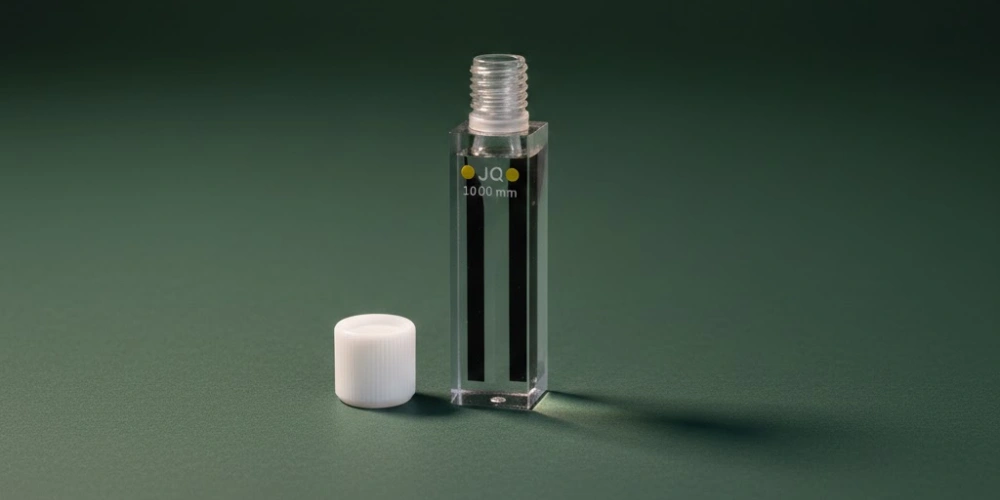
هوريبا فلوروميتر الفلوروميتر وكوفيت الكوارتز الصغير المتطلبات البصرية
يقدم الانتقال من قياس الامتصاص بالأشعة فوق البنفسجية والأشعة المرئية إلى قياس التألق هندسة بصرية مختلفة جذريًا تغير كل جانب من جوانب المتطلبات المفروضة على الكفيت. في قياس التألق، يدخل شعاع الإثارة من خلال وجه واحد من الكوفيت ويتم تجميع الانبعاث عند 90° من خلال وجه متعامد - مما يعني أن جميع الأوجه الرأسية الأربعة يجب أن تكون مصقولة إلى درجة التألق، وهو شرط يلغي الخلايا القياسية من فئة الأشعة فوق البنفسجية والمرئية ذات الوجهين المصقولين فقط. تُعدّ سلسلة أجهزة هوريبا فلوروماكس وسلسلة أكوالوغ من هوريبا أكثر منصات أجهزة قياس الفلورومتر التي يتم الاستشهاد بها في هذا السياق، حيث تظهر باستمرار في أعلى نتائج الاستشهادات بأدوات البحث العلمي من جوجل وفي المواضيع التقنية المخصصة للفلوروسنتس على موقع ResearchGate.
FluoroMax-4 وفلوروماكس بلس - الإرسال رباعي الأوجه ومحاذاة نافذة الكوفيت الصغير
يستخدم جهاز FluoroMax-4 وخليفته FluoroMax Plus تصميم أحادي الكرومتر من Czerny-Turner في كل من قناتي الإثارة والانبعاثات، مما ينتج شعاع إثارة مركز تقريبًا قطر 3 مم في موضع العينة - ضيقة بما يكفي لإزالة الجدران الداخلية لكوفيت التجويف الداخلي القياسي مقاس 10 مم × 10 مم، ولكنها متطلبة بما يكفي لإحداث تقطيع جزئي للجدار في كوفيت الكوارتز الصغير الذي يقل عرضه الداخلي عن 3 مم.
تقبل سلسلة FluoroMax كوفيتات قياسية مقاس 12.5 مم × 12.5 مم بارتفاع شعاع 8.5 مم. تقوم شركة هوريبا بتوريد حامل خلية فلورية صغيرة الحجم (الجزء F-3004)توسيط كوفيت كوارتز دقيق بطول مسار 10 مم عند ارتفاع الشعاع الصحيح وزاوية دوران صحيحة لتجميع الانبعاثات بزاوية 90 درجة، مع حد أدنى لحجم العمل يبلغ 70 ميكرولتر. بالنسبة للكوفيتات ذات التجويف الداخلي 3 مم × 3 مم أو أصغر، يشتمل الحامل على قناع محجوب يحجب ضوء الإثارة المتناثر على الحائط من دخول بصريات تجميع الانبعاثات. كوفيتات كوارتز دقيقة من الكوارتز من الدرجة الفلورية من Hellma (النوع 105.250-QS) مع أربعة أوجه مصقولة ومستوى تألق ذاتي معتمد أقل من 5 عدات/ثانية عند انبعاث 450 نانومتر هي الشكل المرجعي القياسي لإجراءات التحقق من صحة فلوروماكس.
يضيف جهاز FluoroMax Plus خيار مرشح قطع 350 نانومتر على قناة الانبعاثات - وهي ميزة مفيدة بشكل خاص عند العمل مع كوارتز الكوارتز الدقيق في نطاق الإثارة القريب من الأشعة فوق البنفسجية (300-350 نانومتر)، حيث يُظهر الكوارتز حتى الكوارتز من فئة الأشعة فوق البنفسجية ذروة تشتت رامان خافتة بالقرب من 30 نانومتر فوق الطول الموجي للإثارة التي يمكن أن تتداخل مع نطاقات انبعاث ضعيفة من التحليلات منخفضة التركيز.
هوريبا أكوالوغ - رسم خرائط ثنائية الأبعاد للانبعاثات وقيود الحجم لخلايا الكوارتز الدقيقة
إن Aqualog عبارة عن جهاز مصفوفة الإثارة-الانبعاثات (EEM)2 أداة باستخدام كاشف مصفوفة CCD بدلًا من جهاز المسح الأحادي للانبعاثات الأحادية، مما يمكّنه من الحصول على مشهد تألق ثنائي الأبعاد كامل - يغطي أطوال موجات الإثارة من 240 نانومتر إلى 600 نانومتر والانبعاثات من 212 نانومتر إلى 620 نانومتر - في عملية استحواذ واحدة تستغرق أقل من 0.1 ثانية.
تجعل هذه البنية المتزامنة للكشف المتزامن جهاز Aqualog حساسًا بشكل فريد لتشتت القطع الأثرية من جدران الكوفيت. تلتقط وحدة CCD طيف الانبعاثات بالكامل عند كل طول موجي للإثارة في وقت واحد، مما يعني أن أي تشتت رايلي أو مي من سطح غير مصقول بشكل كامل يظهر كخط عبر مصفوفة EEM بالكامل بدلاً من قطعة أثرية موضعية عند طول موجي واحد للانبعاث. لذلك يجب أن تفي كوفيتات الكوارتز الدقيقة المستخدمة في Aqualog بمواصفات خشونة السطح (Ra) أقل من 0.5 نانومتر على جميع الأوجه الأربعة - أكثر صرامة من Ra ≤ 2 نانومتر المقبول لعمل FluoroMax-4. تستوعب حجرة الكوفيت القياسية في Aqualog نفس البصمة 12.5 مم × 12.5 مم، مع ارتفاع شعاع 8.5 مم.
الحد الأدنى الموصى به لحجم العمل الموصى به لأكواب الكوارتز الدقيقة في Aqualog هو 150 ميكرولتر بطول مسار 10 مم - أعلى من جهاز فلوروماكس - لأن الاستحواذ المتزامن على جهاز EEM يتطلب بقاء عمود السائل دون عائق طوال فترة المسح الكامل للإثارة، مما يستبعد أحجام التعبئة الصغيرة جدًا التي يمكن تحملها لقياسات فلوروماكس أحادية الطول الموجي.
سلسلة مقاييس الفلورومتر من هوريبا - توافق كوفيت الكوارتز الدقيق
| نموذج الأداة | ارتفاع الشعاع (مم) | نطاق الإثارة (نانومتر) | الحد الأدنى. حجم العمل (ميكرولتر) | 4-طلاء الوجه 4 - مطلوب طلاء الوجه 4 - مطلوب | حامل الميكرو الأصلي |
|---|---|---|---|---|---|
| فلوروماكس فلوروماكس 4 | 8.5 | 200-900 | 70 | نعم | F-3004 |
| فلوروماكس بلس | 8.5 | 200-900 | 70 | نعم | F-3004 |
| أكوالوغ | 8.5 | 240-600 | 150 | نعم (Ra < 0.5 نانومتر) | مقصورة قياسية + محوّل |
نماذج أدوات إدنبرة للأدوات التي تقبل كوفيتات الكوارتز الدقيقة
تحتل شركة إدنبرة إنسترومنتس مكانة متخصصة في سوق التألق، حيث تعد منصتا FS5 و FLS1000 من الأدوات المفضلة لقياسات التألق والفسفور التي تم حلها زمنيًا في مجموعات أبحاث الكيمياء الفيزيائية وعلوم المواد على مستوى العالم. وتظهر كلتا الأداتين بانتظام في مناقشات الكوفيتات الدقيقة على موقع ResearchGate - خاصةً في المواضيع المتعلقة بقياسات العائد الكمي للجسيمات النانوية الغروية ومحاليل الصبغة العضوية - حيث تجعل ندرة العينات الخلايا ذات الحجم الدقيق ليس تفضيلاً بل ضرورة عملية لا يمكن الاستعاضة عنها بتنسيق أكبر حجمًا.
مقياس الطيف الضوئي FS5 - هندسة غرفة العينة وخيارات حامل الخلية الدقيقة
جهاز FS5 هو مقياس طيف فلور فلوري مدمج ثابت الحالة ومحلول زمنيًا يغطي نطاق إثارة 200-1000 نانومتر ونطاق الانبعاثات 200-1650 نانومترمع حجرة عينة مبنية حول بصمة قياسية مقاس 12.5 مم × 12.5 مم وارتفاع شعاع ثابت يبلغ 8.5 مم.
تقدم أدوات إدنبرة للأدوات حامل الكوفيت الصغير SC-05 خصيصًا للماكينة FS5، حيث تقبل كوفيتات الكوارتز الدقيقة بطول مسار 10 مم وحجم عمل أدنى من 45 ميكرولتر. يضع الحامل SC-05 نافذة الكوفيت الشفافة على بعد 8.5 مم بالضبط من القاعدة مع تفاوت ± 0.1 مم - أضيق بكثير من ± 0.3 مم المعتادة في محولات الطرف الثالث العالمية - وهي دقة مترتبة على ذلك لأن شعاع الإثارة في FS5 في موضع العينة يكون مركزًا على قطر يبلغ 2 مم. حتى أن خطأ البعد Z بمقدار 0.2 مم عند قطر الحزمة هذا ينقل مركز الحزمة من عمود السائل إلى جدار الكوفيت في خلية متناهية الصغر بارتفاع تجويف داخلي يبلغ 5 مم.
بالنسبة إلى الكوفيتات دون الميكروية ذات آثار أقدام أقل من 12.5 مم × 12.5 مم، لا تقدم شركة إدنبرة إنسترومنتس حاملًا من الطرف الأول للماكينة FS5 - يوفر مهايئ Hellma من النوع 105، الذي تم تحويله إلى 8.5 مم، الحل الوحيد الموثق من طرف ثالث مع توافق موثق مع FS5 عبر نطاق الانبعاثات الكامل للأداة.
FLS1000 - تكوين المقصورة المعيارية لخلايا الكوارتز ذات الحجم الصغير جدًا
إن FLS1000 هي منصة البحث المتميزة من إدنبرة إنسترومنتس (FLS1000)، والميزة المميزة لعمل الكفيت الصغير هي حجرة عينة معيارية بالكامل - يمكن إعادة تهيئة المقصورة بحوامل قابلة للتبديل لاستيعاب الكوفيتات القياسية وخلايا الكوارتز الدقيقة والمجالات المدمجة والمجالات المدمجة والكريستات المبردة وخلايا التدفق دون تحريك الجهاز أو إعادة تنظيمه بين التكوينات.
تمكّن البنية المعيارية لجهاز FLS1000 من قبول كوفيتات الكوارتز الدقيقة بأحجام عمل منخفضة تصل إلى 20 ميكرولتر بطول مسار 10 مم عند استخدام أجهزة إدنبرة للأجهزة حامل وحدة التخزين MH-10 مايكروالذي يتم تركيبه مباشرةً على سكة المنضدة الضوئية لجهاز FLS1000. في وضع TCSPC (عد الفوتون الأحادي المرتبط بالزمن)، تكون حساسية عد الفوتون في الجهاز عالية بما يكفي لاكتشاف التألق من العينات بتركيزات أقل من 1 نانومتر في كفيت كوارتز دقيق سعة 20 ميكرولتر - بشرط أن يكون التألق الذاتي للكفيت أقل من 50 فوتون/ثانية عند الطول الموجي للقياس، وهي عتبة تستبعد خلايا زجاج البورسليكات القياسية وتتطلب كوارتز صناعي من فئة الأشعة فوق البنفسجية (النوع Spectrosil 2000 أو ما يعادله) لجميع أعمال TCSPC التي تقل عن 400 نانومتر من الانبعاثات. تستوعب الحجرة المعيارية أيضًا كوارتزات الكوارتز شبه الدقيقة مع بصمة 3.5 مم × 3.5 مم باستخدام كتلة التمركز المرفقة مع حامل MH-10.
إن FLS1000 هو أحد أجهزة قياس الفلورومتر التجارية القليلة التي تتمتع بدعم موثق من الطرف الأول لتنسيقات كوفيت الكوارتز شبه الدقيقةمما يجعلها المنصة الموصى بها لتطبيقات التألق المُحلل زمنيًا، حيث تكون كل من ندرة العينات والدقة الزمنية العالية قيودًا متزامنة.
أدوات إدنبرة للأدوات - توافق كوفيت الكوارتز الدقيق
| نموذج الأداة | ارتفاع الشعاع (مم) | نطاق الانبعاثات (نانومتر) | الحد الأدنى. حجم العمل (ميكرولتر) | حامل الميكرو الأصلي | دعم التنسيق الصغير الفرعي |
|---|---|---|---|---|---|
| FS5 | 8.5 | 200-1650 | 45 | SC-05 | طرف ثالث فقط |
| FLS1000 | 8.5 | 200-1650 | 20 | MH-10 | نعم - الطرف الأول |
تركيب كوفيت كوارتز كاري كاري كاريت كوارتز الصغير من فاريان كاري كاري كاريت كوارتز الصغير والأداء
لا يزال جهاز Cary Eclipse، الذي تم تصنيعه في الأصل من قبل شركة Varian ويباع الآن تحت العلامة التجارية Agilent، أحد أكثر أجهزة قياس الفلورومتر انتشارًا في الطرق الطيفية المنشورة - ولا يزال يتم البحث عنه في الغالب تحت تسمية "Varian Cary Eclipse" على Google، مما يعكس عمق إرث قاعدته المثبتة. وتميزه بنية مصباح الزينون النبضي الخاص به من الناحية التشغيلية عن أجهزة قياس الفلورومتر ذات المصدر المستمر مثل فلوروماكس، مع عواقب مباشرة على كيفية تفاعل كوفيتات الكوارتز الدقيقة مع نظامه البصري عبر أوضاع التألق الفلوري والفسفوري والتلألؤ الكيميائي.
مواصفات مقصورة Cary Eclipse القياسية - حامل الكوفيت الصغير
تقبل حجرة العينة في Cary Eclipse بصمة الكوفيت القياسية مقاس 12.5 مم × 12.5 مم مع ارتفاع شعاع ثابت يبلغ 8.5 ممبما يتوافق مع منصتي FluoroMax-4 وFS5.
توفر شركة Agilent (Varian) حامل خلية صغيرة الحجم (رقم القطعة 040-503900-91) ل Cary Eclipse، التي تدعم كوفيتات الكوارتز الدقيقة بأطوال مسارات من 1 مم إلى 10 مم والحد الأدنى لحجم العمل 50 ميكرولتر بطول مسار 10 مم. يشتمل الحامل على آلية ضبط ذات محورين - التمركز الأفقي والارتفاع الرأسي - مما يسمح له باستيعاب كوفيتات الكوارتز الدقيقة ذات الأبعاد Z بين 8.0 مم و9.0 مم بدون رقائق، وهو نطاق ضبط ± 0.5 مم، وهو أوسع بشكل ملحوظ من حوامل المواضع الثابتة المزودة مع FluoroMax-4 وFS5. هذا التفاوت يجعل نظام حامل الكوفيت الصغير من Cary Eclipse الأكثر تسامحًا مع اختلاف التصنيع عبر ماركات الكوفيت من بين أجهزة قياس الفلورومتر التي تمت مناقشتها في هذه المقالة.
يوفر مصباح الزينون النبضي في Cary Eclipse من Cary Eclipse ذروة إشعاع أعلى بحوالي 75,000 مرة من مصباح الزينون المستمر المصدر - وهو رقم يعني أنه حتى حدث تقطيع شعاعي بسيط ناجم عن اختلال محاذاة البعد Z يمكن أن ينتج عنه تحريفات تحلل ضوئي في العينات الحساسة للضوء عند تركيزات حجمية دقيقة حيث تكون نسبة حجم الشعاع إلى العينة غير مواتية بالفعل.
أنماط التألق الفسفوري والتلألؤ الكيميائي - عتبة التألق الذاتي لكوفيت الكوارتز
تفرض قياسات التألق الفسفوري والتلألؤ الكيميائي على جهاز Cary Eclipse أكثر متطلبات مادة الكفيت صرامة من أي تقنية طيفية شائعة، لأن كلا الوضعين يعتمدان على اكتشاف الإشارات الضعيفة للغاية - غالبًا في نطاق 1-100 فوتون/ثانية - مقابل خلفية تتضمن انبعاث التلألؤ الضوئي الخاص بمادة الكوفيت.
تعتبر الكوفيتات الصغيرة المصنوعة من زجاج البورسليكات غير مناسبة بشكل قاطع للعمل على الفسفورية على كسوف كاري لأن زجاج البورسليكات يُظهر نطاق تلألؤ ضوئي واسع يتمركز بالقرب من 520 نانومتر بكثافة تقارب 500-2000 فوتون/ثانية في ظل الإثارة بالأشعة فوق البنفسجية، مما يطغى تمامًا على إشارات التألق الفسفوري من معظم المركبات العضوية. تُظهر كوفيتات الكوارتز الدقيقة المصنوعة من السيليكا الاصطناعية المنصهرة بالأشعة فوق البنفسجية (Spectrosil B أو ما يعادلها من النوع 214) مستويات تألق ذاتي أقل من 10 فوتونات/ثانية عند انبعاث 400 نانومتر تحت إثارة 300 نانومتر، مما يجعلها المادة الكفيتية الوحيدة القابلة للتطبيق في وضع كاري إكليبس الفسفوري. بالنسبة لقياسات التلألؤ الكيميائي - التي لا تتطلب مصدر إثارة وتعتمد كليًا على الانبعاث الذاتي للعينة - يتم إغلاق مصراع الإثارة، مما يزيل القلق بشأن التألق الذاتي للكفيت؛ وفي هذا الوضع، يمكن استخدام أي كفيت صغير شفاف بصريًا مع البعد Z والبصمة الصحيحة.
وتتمثل النتيجة العملية لهذه القيود الخاصة بالوضع في أن كفيت كوارتز دقيق واحد من الدرجة الفلورية يكفي لجميع أوضاع القياس الثلاثة على Cary Eclipseفي حين أن الخلية القياسية ذات الأشعة فوق البنفسجية والمرئية تقتصر على وضع التألق فقط وهي غير مناسبة تمامًا للعمل الفسفوري بغض النظر عن توافق أبعادها.
فاريان كاري إكليبس - توافق كوفيت الكوارتز الدقيق
| وضع القياس | الحد الأدنى. حجم العمل (ميكرولتر) | درجة الكوارتز المطلوبة | حد التألق الذاتي (فوتونات/ثانية) | نطاق البُعد Z (مم) |
|---|---|---|---|---|
| التألق | 50 | يفضل درجة الأشعة فوق البنفسجية | < 50 | 8.0-9.0 |
| التألق الفسفوري | 50 | سيليكا منصهرة بالأشعة فوق البنفسجية إلزامي | < 10 | 8.0-9.0 |
| التلألؤ الكيميائي | 50 | الدرجة القياسية مقبولة | لا يوجد قيد | 8.0-9.0 |
مواصفات أبعاد كوفيتات الكوارتز الدقيقة التي تحدد قابلية الاستخدام عبر العلامات التجارية
بعد تحديد التوافق من جانب الأداة عبر سبع منصات رئيسية، من الضروري اتباع نهج صارم بنفس القدر من جانب الكوفيت - على وجه التحديد، فهم كيفية ترجمة مواصفات الأبعاد المطبوعة على ورقة بيانات كوفيت الكوارتز الدقيق مباشرةً إلى نتائج توافق الأداة. هذا النهج الهندسي العكسي مهم بشكل خاص عندما يرث المختبر مجموعة من الكوفيتات غير الموسومة، أو يتلقى خلايا من مؤسسة متعاونة، أو يحتاج إلى اختيار تنسيق كوفيت كوارتز دقيق واحد يعمل عبر منصات أجهزة متعددة في وقت واحد دون الحاجة إلى تكوينات محول منفصلة لكل منها.
البُعد Z-البُعد Z باعتباره المعيار الوحيد الأكثر أهمية لمطابقة الأداة
إن البُعد Z - المسافة العمودية من قاعدة الكوفيت إلى مركز نافذة القياس الشفافة - هو المعلمة الأكثر مسؤولية عن فشل التوافق، وهو أيضًا المعلمة الأكثر شيوعًا التي يتم حذفها من أوراق بيانات الكوفيت المختصرة وإدخالات كتالوج الشراء.
من بين نماذج كوفيت الكوارتز الدقيقة الأكثر استخدامًا في مختبرات الأبحاث في أوروبا وأمريكا الشمالية، تتوزع قيم الأبعاد Z على النحو التالي هيلما 105-QS (مسار 10 ملم، 70 ميكرولتر) يحمل بُعد Z 8.5 مم؛ فإن هيلما 110-QS 110-QS (مسار 10 مم، 1400 ميكرولتر) يحدد أيضًا 8.5 مم؛ فإن ستارنا 29/ق/10 (مسار 10 مم، 3000 ميكرولتر قياسي، مدرج هنا للإحالة المرجعية) يحدد 8.5 مم؛ و ستارنا 9/ق/0.5 (0.5 مم مسار الخلية الدقيقة) يحدد 8.5 مم. ويعكس الاتساق تقاربًا غير رسمي في الصناعة حول ارتفاع الشعاع لأغلبية الأشعة فوق البنفسجية والمرئية. ومع ذلك، فإن هيلما 105.853-QS 105.853-QS (مسار 3 مم، خلية فائقة الصغر سعة 8 ميكرولتر) تحمل بُعد Z 8.0 مممحاذاة لارتفاع شعاع Shimadzu UV-1900i. ينتج عن وضع هذه الخلية المحددة في جهاز Agilent Cary 60 أو Thermo Fisher GENESYS 150 أو PerkinElmer LAMBDA 265 بدون رقاقة 0.5 مم أخطاء في الامتصاص تبلغ 5-12% بتركيزات أعلى من 0.5 وحدة حرارية.
إن الإجراء الوحيد الأكثر وقاية الذي يمكن للمختبر اتخاذه عند تلقي كوفيتات الكوارتز الدقيقة الجديدة هو قياس البعد Z مباشرة باستخدام مقياس عمق مُعاير وتسجيله على ملصق تخزين الكوفيت إلى جانب طول المسار، مما يلغي الحاجة إلى إعادة التحقق من مطابقة ارتفاع الشعاع في كل جلسة عمل للأداة.
طول المسار ومجموعات البصمة الخارجية في التنسيقات الدقيقة القياسية
ينطوي اختيار طول المسار في كوفيت الكوارتز الدقيق على مفاضلة مباشرة بين حساسية القياس والحد الأدنى لحجم العينة والتطبيق العملي للتعامل مع الكوفيت - وهي مفاضلة ذات عواقب قابلة للقياس على التوافق بين الأجهزة بما يتجاوز مسألة البعد Z.
عند أطوال المسارات 0.2 مم و0.5 مم، وعرض التجويف الداخلي يساوي طول المسار نفسه، وتهيمن القوى الشعرية على سلوك الملء: عادةً ما تتجاوز أزمنة الملء لتجويف بحجم عمل 0.5 مم عند حجم عمل 7 ميكرولتر 45 ثانية بالجاذبية وحدها، ومعدلات انحباس فقاعات الهواء أعلى بكثير من الأشكال ذات التجويف الأوسع. بالنسبة للأجهزة ذات فترات المسح التي تتجاوز 60 ثانية - مثل Agilent Cary 5000 في الوضع الكامل للأشعة فوق البنفسجية - الأشعة فوق البنفسجية - الأشعة تحت الحمراء - يمكن أن يفقد كفيت كوارتز دقيق بمسار 0.5 مم مملوء إلى الحد الأدنى لحجمه 0.5-1.51 تيرابايت 3 تيرابايت من حجمه إلى التبخر أثناء إجراء مسح واحد في درجة حرارة المختبر المحيطة (20-22 درجة مئوية)، مما ينتج عنه انحراف تصاعدي قابل للقياس في الامتصاص الظاهري فوق 300 نانومتر.
بالنسبة للقياسات التي تتطلب فترات مسح أطول من 60 ثانية، يُفضل بشدة أن تكون أطوال المسارات 1 مم أو أكثر بغض النظر عما إذا كان تركيز المادة المراد تحليلها سيسمح باستخدام مسار أقصر، لأن تغير التركيز الناتج عن التبخر خلال مدة المسح يقدم خطأً منتظمًا لا يمكن تصحيحه عن طريق الطرح الفارغ.
مواصفات طول مسار كوفيت الكوارتز الصغير وحجمه
| طول المسار (مم) | عرض التجويف الداخلي (مم) | الحد الأدنى. حجم العمل (ميكرولتر) | البصمة الخارجية (مم) | مخاطر التأثير الشعري |
|---|---|---|---|---|
| 0.2 | 0.2 | 3 | 12.5 × 12.5 | عالية جداً |
| 0.5 | 0.5 | 7 | 12.5 × 12.5 | عالية |
| 1 | 1.0 | 15 | 12.5 × 12.5 | معتدل |
| 2 | 2.0 | 30 | 12.5 × 12.5 | منخفضة |
| 10 (ميكرو قياسي) | 10.0 | 70 | 12.5 × 12.5 | ضئيل |
| 10 (متناهية الصغر) | 10.0 | 20-45 | 8.5 × 8.5 | ضئيل |
متطلبات مقياس الفلور مقابل الأشعة فوق البنفسجية والأشعة فوق البنفسجية والمرئية للجودة البصرية لكوفيت الكوارتز الدقيق
من الأسئلة التي تتكرر باستمرار عبر المنتديات المختبرية - خاصةً موقع ResearchGate والمجتمع التقني للتحليل الطيفي على الإنترنت - هو ما إذا كان يمكن نقل كفيت الكوارتز الدقيق المختار للعمل بالأشعة فوق البنفسجية والأشعة المرئية مباشرةً إلى قياسات التألق دون إعادة تقييم. والإجابة ليست بنعم أو لا بشكل قاطع؛ فالأمر يعتمد كليًا على عدد طلاء الوجه ومواصفات التألق الذاتي للخلية المحددة.
-
عدّ طلاء الوجه وتبعاته البصرية: تستخدم أجهزة قياس الطيف الضوئي بالأشعة فوق البنفسجية والمرئية هندسة الإرسال الخطي حيث يدخل الشعاع من خلال وجه واحد ويخرج من خلال الوجه المقابل. فقط وجهان يجب أن تكون مصقولة؛ يمكن طحن الجدران الجانبية المتبقية (متجمدة) دون التأثير على القياس. تستخدم مقاييس الفلورومتر هندسة تجميع بزاوية 90 درجة حيث يخرج الانبعاث من خلال وجه عمودي على شعاع الإثارة. سينتج كوفيت كوارتز دقيق ذو وجهين مصقولين فقط 10-50 × × خلفية مبعثرة أعلى في مقياس التألق مقارنةً بخلية مصقولة بأربعة أوجه ذات طول مسار مماثل، مما يؤدي بشكل فعال إلى دفن إشارات التألق الضعيفة من التحليلات منخفضة التركيز تحت قاعدة التشتت. لا يمكن إزالة هذا التشتت الزائد عن طريق الطرح الفارغ لأنه يختلف بشكل غير خطي مع شدة الإثارة.
-
مواصفات التألق الذاتي: لا يحمل الكوارتز الاصطناعي القياسي للأشعة فوق البنفسجية والأشعة المرئية من فئة الكوارتز الاصطناعية القياسية أي مواصفات للإشعاع الذاتي في ورقة البيانات الخاصة به لأن قياسات الأشعة فوق البنفسجية والأشعة المرئية هي قياسات نسبية بطبيعتها - يتم طرح تقلبات المصدر والتشتت الفارغ في كل عملية اقتناء. قياسات التألق هي قياسات كثافة مطلقة عند مستويات إشارة منخفضة، وحتى التلألؤ الضوئي الخافت من مادة الكوفيت يساهم بخلفية مضافة ثابتة لا يمكن طرحها بدون كوفيت فارغ مستقل بجودة بصرية مماثلة. خلايا السيليكا المنصهرة بالأشعة فوق البنفسجية ذات أشعة فوق البنفسجية مع تألق ذاتي معتمد أقل من 5-10 تعداد/ثانية في الطول الموجي للقياس - المدرجة باسم "درجة التألق" أو "درجة فلورية" في كتالوجات المنتجات - مطلوبة لجميع أعمال التألق الكمي، بما في ذلك جميع تنسيقات الحجم الصغير التي تمت مناقشتها في هذه المقالة.
-
قاعدة النقل عبر الأنظمة الأساسية: تتوافق كوفيت الكوارتز الدقيق المصقول رباعي الوجوه المصقول من الدرجة الفلورية مع كل من قياسات الأشعة فوق البنفسجية والأشعة المرئية والفلورية عبر جميع منصات الأجهزة التي تمت مناقشتها أعلاه، بشرط التحقق من البعد Z والبصمة الخارجية. لا يمكن إدخال كوفيت الكوارتز الصغير المصقول ثنائي الوجه بالأشعة فوق البنفسجية والأشعة المرئية المصقولة بالأشعة فوق البنفسجية والمرئية في حجرة مقياس الفلور للعمل الكمي تحت أي ظرف من الظروف. إن وضع العلامات على كل كوفيت عند الاستلام مع تحديد درجة صقله - بالإضافة إلى طول المسار والبعد Z - يزيل المصدر الأكثر شيوعًا للشذوذات الخلفية غير المبررة في الخلفية الفلورية في المختبرات متعددة الأجهزة حيث تتم مشاركة مخزون الكوفيت بين المنصات.
التحقق من محاذاة كفيت الكوارتز الدقيق قبل الاستحواذ الطيفي
بمجرد التأكد من معلمات الأبعاد والدرجة الضوئية مقابل مواصفات الأداة، يتم إجراء خطوة تحقق تجريبية واحدة - لا تتطلب أكثر من دقيقتان - التأكد من محاذاة كفيت الكوارتز الدقيق بشكل صحيح في الجهاز قبل قياس أي عينة.
املأ الكوفيت بالمذيب الفارغ إلى حجم العمل المقصود وقم بإجراء مسح أساسي عبر نطاق الطول الموجي الكامل للقياس. على كوفيت كوارتز صغير محاذاة بشكل صحيح في جهاز الأشعة فوق البنفسجية والمرئية، يجب أن يكون خط أساس الامتصاص الفارغ مسطحًا في حدود ± 0.002 ± 0.002 وحدة حسابية ما بين 250 نانومتر و700 نانومتر، مع عدم وجود ميل تصاعدي أقل من 230 نانومتر خارج نطاق الامتصاص المعروف للمذيب. على مقياس الفلورومتر، قم بتشغيل مسح الإثارة مع ضبط أحادي الانبعاث على الطول الموجي 30 نانومتر فوق ذروة تشتت الرامان المتوقعة؛ يجب أن تسجل الإشارة الفارغة أقل من 5 عدات/ثانية في قناة الانبعاثات.
يشير أي انجراف منتظم لأعلى في خط الأساس للأشعة فوق البنفسجية والمرئية تحت 230 نانومتر، أو أي ذروة تشتت غير متماثلة عند طول موجي غير متناسق مع موضع رامان، إلى عدم تطابق البعد Z أو خطأ في محاذاة وجه الكوفيت. يتطلب تصحيح مشكلات البُعد Z ضبط ارتفاع رفادة المهايئ في 0.1 مم بزيادات 0.1 مم وإعادة تشغيل الفراغ بعد كل تعديل - وهو إجراء يتقارب عادةً خلال ثلاث تكرارات. تمت محاذاة كفيت كوارتز دقيق متناهية الصغر تم التحقق من فراغه في حدود ± 0.1 مم من ارتفاع شعاع الجهاز سيؤدي إلى استنساخ الامتصاص بشكل أفضل من 0.3% RSD 0.3% عبر عشرة قياسات متتابعة لنفس العينة، مما يفي بمعيار القبول المذكور في معظم طريقة الأشعة فوق البنفسجية الدوائية3 عمليات التحقق من الصحة بما في ذلك جامعة جنوب المحيط الهادئ <857> و الحلقة 2.2.25 حلقة 2.2.25.
الخاتمة
يخضع توافق كوفيت الكوارتز الدقيق لتقاطع ثلاث معلمات من جانب الجهاز - ارتفاع الشعاع، وهندسة الفتحة، والحد الأدنى لحجم العينة - ومعلمتين من جانب الكوفيت - البعد Z وعدد تلميع الوجه. عبر المنصات السبعة التي تم فحصها هنا، يغطي ارتفاع الحزمة 8.5 مم غالبية أجهزة قياس الطيف الضوئي بالأشعة فوق البنفسجية والمرئية وجميع أجهزة قياس الفلورومتر التي تمت مراجعتها، مع وجود جهاز UV-1900i من شيمادزو كأهم استثناء عند 8.0 مم. تعمل أجهزة NanoDrop بالكامل بدون كوفيتات. تتطلب مقاييس الفلورومتر دون قيد أو شرط خلايا كوارتز مصقولة بأربعة أوجه من الدرجة الفلورية. يظل فحص التحقق الفارغ لمدة دقيقتين هو التأكيد النهائي على أن جميع معلمات الأبعاد والمواد قد تمت مطابقتها بشكل صحيح قبل بدء الحصول على العينة.
الأسئلة الشائعة
هل يمكن استخدام كوفيت الكوارتز الصغير الذي تمت معايرته من أجل Agilent Cary على جهاز Shimadzu UV-1900i دون تعديل؟
ليس بدون تصحيح الرقائق. تعمل سلسلة Cary على ارتفاع شعاع 8.5 مم، بينما تستخدم UV-1900i ارتفاع 8.0 مم. سيقع كوفيت الكوارتز الدقيق ذو البعد Z البالغ 8.5 مم بارتفاع 0.5 مم في حامل MPC-3100i الخاص بالأشعة فوق البنفسجية 1900i، مما يولد أخطاء في التقاط الشعاع ترفع قراءات الامتصاص بمقدار 3-8% بتركيزات أعلى من 1 وحدة مكافئة. تُصحح الرقاقة التي تم التحقق منها مقاس 0.5 مم الموضوعة أسفل مقعد الكوفيت البعد Z قبل الاستخدام.
هل يقبل منفذ الكوفيت NanoDrop 2000c كوفيت NanoDrop 2000c كوفيت الكوارتز الصغير لقياسات الامتصاص بالأشعة فوق البنفسجية؟
لا يوجه منفذ كوفيت NanoDrop 2000c كوفيت NanoDrop 2000c ضوء الإثارة المرئي القائم على الصمام الثنائي الباعث للضوء فقط (470 نانومتر أو 530 نانومتر) للكشف عن التألق؛ ولا يتم توجيه مصباح الديوتيريوم فوق البنفسجي من خلال هذا المنفذ تحت أي وضع تشغيل. تعتمد جميع قياسات الامتصاص بالأشعة فوق البنفسجية في أي طراز من طراز NanoDrop على قاعدة التمثال، مما يتطلب 1-2 ميكرولتر من العينة التي يتم ضخها مباشرةً على سطح القياس بدون كفيت.
ما هو الحد الأدنى لحجم العمل لكوفيت الكوارتز الصغير في جهاز Horiba FluoroMax-4؟
مع حامل الحجم الدقيق F-3004 من Horiba F-3004، يدعم FluoroMax-4 حجم عمل بحد أدنى 70 ميكرولتر في كفيت كوارتز دقيق بطول 10 مم بطول مسار 10 مم مع بصمة خارجية 12.5 مم × 12.5 مم. ويضمن مستوى التعبئة هذا مرور شعاع الإثارة 3 مم بالكامل عبر عمود السائل عند ارتفاع الشعاع 8.5 مم، مما يمنع التشوهات الناتجة عن التشتت الجداري في طيف الانبعاث.
هل يمكن تبديل كفيت الكوارتز الدقيق للأشعة فوق البنفسجية والأشعة المرئية بالأشعة فوق البنفسجية والمرئية بكفيت كوارتز دقيق من فئة التألق؟
في اتجاه واحد فقط. يتوافق كفيت الكوارتز الصغير من الكوارتز من درجة التألق - أربعة أوجه مصقولة، والتألق الذاتي أقل من 5-10 عدات/ثانية - مع كل من أجهزة قياس الطيف الضوئي بالأشعة فوق البنفسجية والمرئية ومقاييس التألق في جميع المنصات في هذه المقالة. لا يمكن استخدام خلية من فئة الأشعة فوق البنفسجية والأشعة المرئية ذات وجهين مصقولين لقياسات التألق الكمي؛ حيث تنتج جدرانها الجانبية غير المصقولة خلفية مبعثرة أعلى بمقدار 10-50 ضعفًا من خلية من فئة التألق ولا يمكن تصحيحها بإجراءات الطرح الفارغة القياسية.
المراجع:
-
فلوريد الكالسيوم هو مادة بصرية شفافة بالأشعة تحت الحمراء تستخدم على نطاق واسع في التحليل الطيفي لنطاقات الطول الموجي حيث يصبح امتصاص الكوارتز محظورًا فوق 3500 نانومتر.↩
-
إن مصفوفة الإثارة والانبعاثات (EEM) هي مجموعة بيانات ثنائية الأبعاد للانبعاثات الفلورية ترسم خريطة لشدة الانبعاثات عبر أطوال موجية متعددة للإثارة في وقت واحد، وتستخدم على نطاق واسع في تحليل التألق البيئي والكيميائي الحيوي.↩
-
طرق الأشعة فوق البنفسجية الدوائية - بما في ذلك USP <857> وEPE 2.2.25 - تحديد معايير أداء الأداة وتفاوتات محاذاة الكفيت للقياس الطيفي الكمي للأشعة فوق البنفسجية في مراقبة جودة المستحضرات الصيدلانية.↩