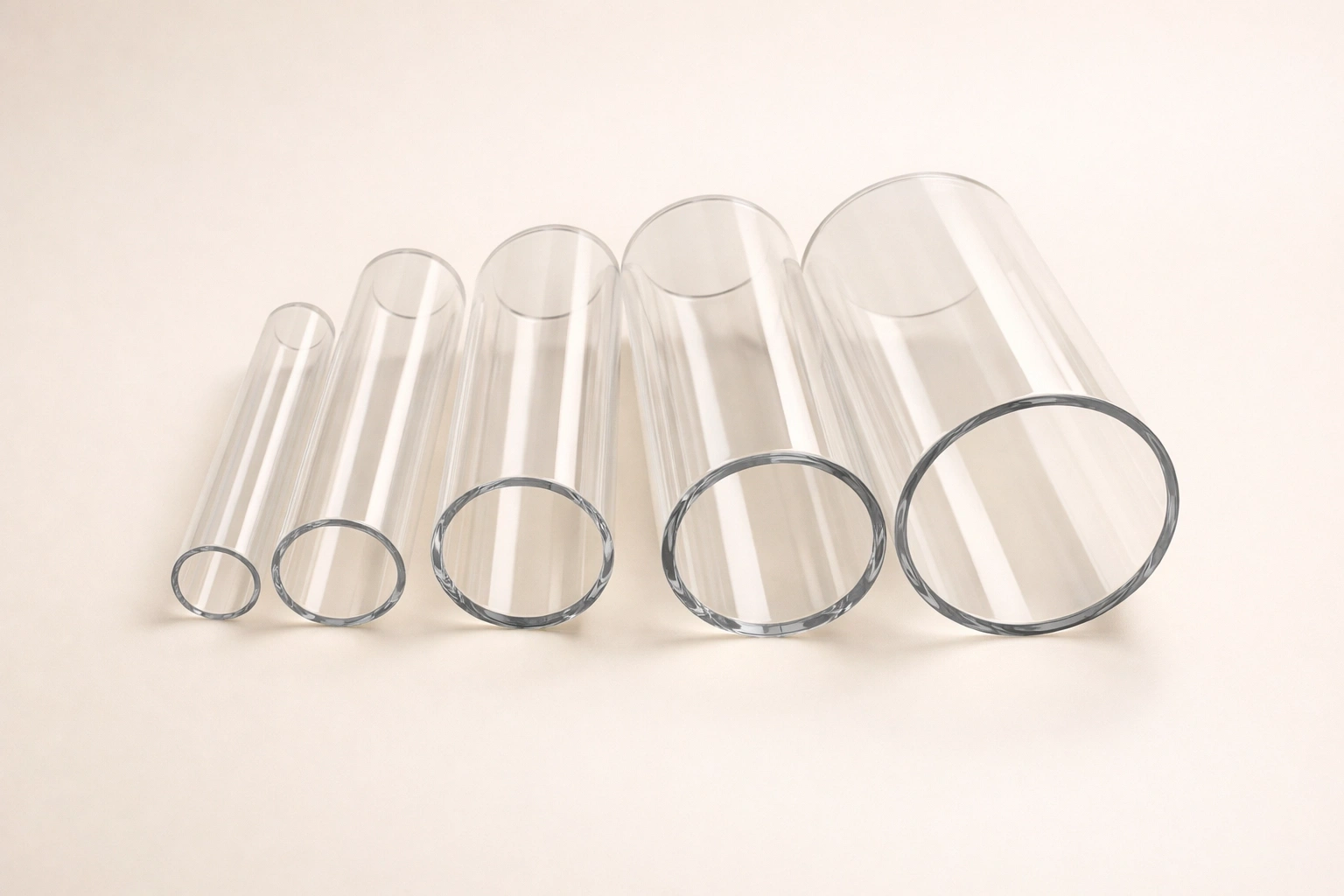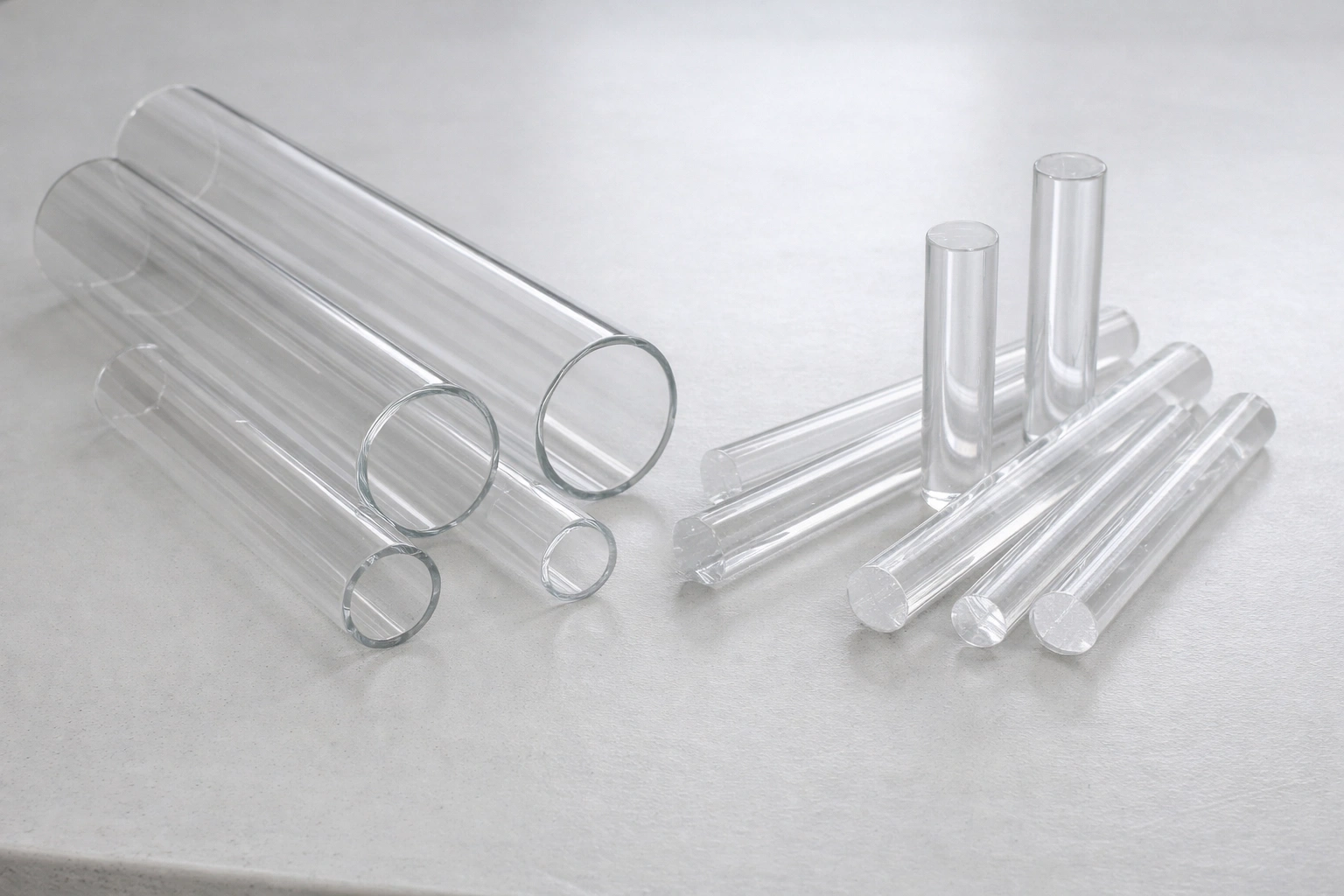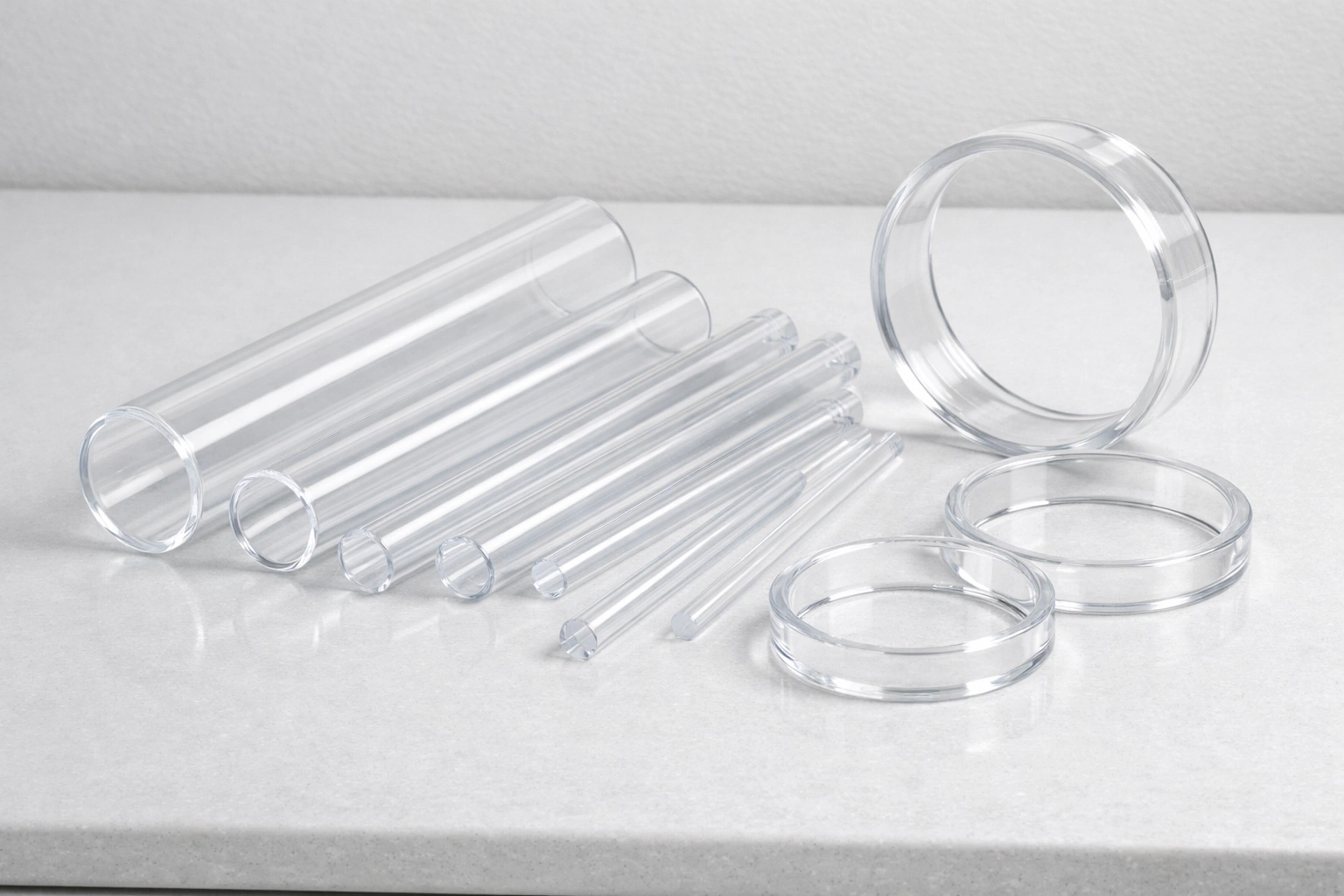

Kuvars disk boyut toleransı optik pencere performansının netliğini, ışık geçirgenliğini ve bileşenler arasındaki mekanik uyumu doğrudan etkiler. Mühendisler, her bir pencere uygulamasının özel ihtiyaçlarına göre tolerans ve boyut seçmelidir. Bu dikkatli eşleştirme optik performansı ve güvenilirliği artırırken maliyetleri ve üretim karmaşıklığını da kontrol eder. Aşağıdaki tabloda kuvars disk toleransları belirlenirken maliyet ve güvenilirliği etkileyen temel faktörler gösterilmektedir:
Faktör | Açıklama |
|---|---|
Teknik Özellikler | Boyutları, tolerans seviyelerini ve yüzey kalitesini tanımlayın. |
Kalite Güvence | Güçlü QA/QC güvenilir optik performans sağlar. |
Maliyet Verimliliği | Toplu indirimleri ve işlem maliyetlerini göz önünde bulundurun. |
Entegrasyon Yetenekleri | Özel hizmetler üretim ve montajı kolaylaştırabilir. |
Önemli Çıkarımlar
Optimum optik performans ve güvenilirlik için doğru kuvars disk boyutunun ve toleransının seçilmesi çok önemlidir.
Ultra hassas toleranslar yanlış hizalamayı en aza indirerek yüksek güçlü lazer uygulamalarında netliği ve ışık iletimini artırır.
Uygun boşluk hesaplamaları montaj gerilimini önler, termal genleşmeye izin verir ve çalışma sırasında dengeyi korur.
Mühendisler, güvenilir performans sağlarken gereksiz maliyetlerden kaçınmak için toleransları işlevsel ihtiyaçlarla eşleştirmelidir.
Düzenli kalibrasyon ve kontrollü ortamlar, yüksek kaliteli kuvars diskler sağlayarak doğru ölçüm için gereklidir.
Kuvars Diskin Ultra Hassas Toleransları (±0,025-0,05 mm) Optik Pencere Sistemlerinde Kritik Hizalamayı Nasıl Sağlar?

Ultra hassas toleranslar, gelişmiş optik sistemlerin performansında hayati bir rol oynar. Mühendisler en yüksek düzeyde netlik, geçirgenlik ve hizalama elde etmek için bu sıkı kontrollere güvenirler. Arasındaki ilişki kuvars disk boyutsal tolerans boyutu optik pencere performansı özellikle yüksek güçlü lazer uygulamalarında ve bilimsel cihazlarda önemli hale gelmektedir.
Hassas Optik Montajda Tolerans-Temizlik İlişkisi
Kuvars disk boyutsal tolerans boyutu optik pencere performansı, hassas optik tertibatlarda bileşenlerin birbirine ne kadar iyi uyduğunu doğrudan etkiler. Çap veya kalınlıktaki küçük bir sapma bile optik iletim performansını ve genel sistemin çözümleme gücünü etkileyen yanlış hizalamaya neden olabilir. Yüksek güçlü lazer uygulamalarında, mühendisler astigmatizmayı önlemek ve yüksek hasar eşiğini korumak için optik elemanları 0,05 mm içinde ortalamalıdır.
Sıkı toleranslar montaj hatası riskini azaltır ve kuvars diskin çalışma sırasında sabit kalmasını sağlar. Örneğin, 50,1 mm'lik bir delikte ±0,05 mm toleransa sahip 50 mm çapında bir disk, 50-100 μm radyal boşluk sağlar. Bu boşluk, -40°C ila +85°C arasındaki sıcaklık değişimlerinde bile diski ±15 μm içinde merkezde tutarken termal genleşmeye izin verir. Bu hassasiyet tutarlı geçirgenliği destekler ve lazer odaklama sistemleri ve interferometri için kritik olan dalga cephesi hatasını en aza indirir.
Mühendisler, birden fazla bileşendeki toleransların kümülatif etkisini göz önünde bulundurmalıdır. Her parça ultra hassas standartları karşıladığında, tüm optik sistem iyileştirilmiş geçirgenlik, azaltılmış bozulma ve güvenilir performanstan yararlanır.
Önemli Noktalar:
Ultra hassas toleranslar kritik hizalama ve yüksek geçirgenlik sağlar.
Uygun boşluk, montaj gerilimini önler ve termal genleşmeyi destekler.
Tutarlı hizalama, optimum optik iletim performansı sağlar.
Ultra Hassas Boyutsal Doğruluk için Üretim Süreci Kontrolü
Üreticiler kuvars disklerde ultra hassas toleranslar elde etmek için gelişmiş proses kontrolleri kullanmaktadır. Hammadde saflaştırmadan son denetime kadar her adım yüzey kalitesini ve boyutsal doğruluğu etkiler. Süreç, ham silika kumundaki safsızlıkları gidermek için çoklu saflaştırma adımlarıyla başlar ve ardından özel fırınlarda yaklaşık 2.200°C'de yüksek sıcaklıkta eritme ile devam eder.
İç gerilmeleri önlemek ve homojen kalınlığı korumak için hassas sıcaklık ve soğutma kontrolü şarttır. Gelişmiş izleme araçları saflığı ve homojenliği takip ederken, spektroskopik analiz ve mikroskobik incelemeler gibi kalite güvence süreçleri hem saflığı hem de boyutsal doğruluğu doğrular. Bu kontroller, optik iletim performansı için gereken yüksek yüzey kalitesinin ve zorlu lazer teknolojisi ortamlarında yüksek hasar eşiğinin korunmasına yardımcı olur.
Üretim Süreci Kontrolü | Açıklama |
|---|---|
Hammaddelerin Saflaştırılması | Ham silika kumundaki safsızlıkları gidermek için birden fazla adım. |
Yüksek Sıcaklıkta Eritme | Özel fırınlar kullanılarak silikanın yaklaşık 2.200°C'de eritilmesi. |
Sıcaklık ve Soğutma Kontrolü | Üretim sırasında sıcaklık ve soğutma oranlarının hassas yönetimi. |
Gelişmiş İzleme Araçları | Nihai ürünün saflığını ve homojenliğini sağlamak için araçlar. |
Kalite Güvence Süreçleri | Doğrulama için spektroskopik analiz ve mikroskopik incelemeler. |
Bu süreç kontrolleri, her bir kuvars diskin geçirgenlik, iletim ve yüzey kalitesine ilişkin katı gereklilikleri karşılamasını sağlar. Sonuç olarak, bu diskleri kullanan optik sistemler tutarlı performans ve güvenilirlik elde eder.
Sıkı Tolerans Doğrulamasında Ölçüm Belirsizliği Hususları
Ultra hassas toleranslar doğrulanırken ölçüm belirsizliği önemli bir faktör haline gelir. En gelişmiş metroloji araçlarının bile sınırları vardır ve küçük hatalar toplam tolerans bandının büyük bir yüzdesini temsil edebilir. Örneğin, ±5 μm belirsizliğe sahip bir koordinat ölçüm cihazı (CMM), ±0,025 mm'lik bir toleransın 20%'sine kadarını oluşturabilir.
Mühendisler ölçüm hatalarını en aza indirmek için kalibre edilmiş ekipman ve kontrollü ortamlar kullanmalıdır. Düzenli kalibrasyon ve NIST gibi ulusal standartlara göre izlenebilirlik, doğru sonuçların elde edilmesine yardımcı olur. 0°, 90° ve 180° gibi farklı yönlerde yapılan çoklu ölçümler, yüksek geçirgenlik ve yüzey kalitesini korumak için gerekli olan yuvarlaklığı ve kalınlık homojenliğini doğrular.
Ölçüm Faktörü | Ultra Hassasiyet Toleransı Üzerindeki Etkisi |
|---|---|
Enstrüman Belirsizliği | Toleransın önemli bir bölümünü temsil edebilir |
Kalibrasyon Frekansı | Sürekli doğruluk ve güvenilirlik sağlar |
Ölçüm Konumları | Tekdüzeliği teyit eder ve hatayı azaltır |
Ölçüm belirsizliğini kontrol ederek, üreticiler optik iletim performansı, lazer teknolojisi ve yüksek güçlü lazer uygulamaları için en katı gereksinimleri karşılayan kuvars diskleri güvenle sunabilirler.
Kuvars Diskin Hassas Toleransları (±0,05-0,1 mm) Performansı ve Üretim Ekonomisini Nasıl Dengeler?
0,05-0,1 mm'lik hassas toleranslar, yüksek optik performans ve maliyet kontrolü arasında pratik bir denge sunar. Birçok mühendis lazer, görüntüleme ve bilimsel sistemlerde kullanılan kuvars diskler için bu aralığı seçmektedir. Bu bölümde, bu toleransların güvenilir çalışma ve ekonomik üretimi desteklerken montaj, sızdırmazlık ve üretimi nasıl etkilediği açıklanmaktadır.
Termal Genleşme Konaklama için Açıklık Hesaplamaları
Hassas toleranslara sahip kuvars diskler, mühendislerin strese veya yanlış hizalamaya neden olmadan sıcaklık değişikliklerinin üstesinden gelen montaj parçaları tasarlamasına olanak tanır. Bir kuvars disk metal bir yuvaya oturduğunda, sıcaklıklar değiştikçe her iki malzeme de farklı oranlarda genleşir. Boşluk doğru hesaplanmazsa bu fark basınç veya gevşeklik yaratabilir.
Mühendisler doğru boşluğu belirlemek için kuvars disk boyut toleransı boyutu optik pencere performans verilerini kullanır. Örneğin, 100,2 mm'lik bir delikte ±0,1 mm toleransa sahip 100 mm'lik bir kuvars disk, 100-300 μm'lik bir radyal boşluk oluşturur. Bu boşluk, lazer teknolojisinde ve yüksek güçlü lazer sistemlerinde yaygın olan 165 μm'ye kadar termal genleşmeyi emer. Doğru boşluk, montaj gerilimini önler ve hızlı sıcaklık değişimleri sırasında bile diski merkezde tutar.
Parametre | Performans Üzerindeki Etkisi |
|---|---|
Tolerans Aralığı | Montaj boşluğunu kontrol eder |
Termal Genleşme | Uyum ve hizalamayı etkiler |
Radyal Boşluk | Stresi veya hareketi önler |
Bu yaklaşım, kuvars diskin konumunu ve yüzey kalitesini korumasını sağlayarak istikrarlı optik iletimi destekler ve hasar riskini azaltır.
O-Ring Sızdırmazlık Performansı ve Çap Toleransı İlişkisi
O-ring contalar optik pencereleri sızıntılara ve kirlenmeye karşı korur. Bir kuvars diskin çap toleransı, contanın etkinliğini belirleyen O-ring'in ne kadar sıkıştırılacağını doğrudan etkiler. Çok fazla sıkıştırma O-ring'e zarar verebilirken, çok az sıkıştırma sızıntılara neden olabilir.
Hassas toleranslar, genellikle 15-25% olan ideal sıkıştırma aralığının korunmasına yardımcı olur. 0,1 mm toleransa sahip 200 mm'lik bir kuvars disk için, delik de küçük bir toleransa sahip olsa bile O-ring sıkıştırması güvenli bölge içinde kalır. Bu kontrol, küçük bir sızıntının bile performansı veya güvenliği etkileyebileceği lazer ve vakum sistemleri için önemlidir. Mühendisler, yuvarlaklığı ve tutarlı sıkıştırmayı sağlamak için diski ve deliği birkaç noktadan ölçer.
O-ring conta performansı için kilit noktalar:
Hassas toleranslar O-ring sıkıştırmasını güvenli sınırlar içinde tutar.
Tutarlı sıkıştırma, sızıntılara ve hasara karşı koruma sağlar.
Doğru ölçüm, lazer ve optik sistemlerde güvenilir sızdırmazlık sağlar.
Bu yöntemle kuvars disk, zorlu ortamlarda hem yüzey kalitesini hem de uzun vadeli güvenilirliği destekler.
Hassas Tolerans Seviyelerinde Maliyet-Performans Optimizasyonu
Üreticiler hassasiyet ihtiyacını üretim maliyetlerinin gerçekleriyle dengelemek zorundadır. Daha dar toleranslar, özellikle havacılık ve savunma gibi sektörlerde maliyetleri artırır. Mühendisler, hassasiyetin kritik olduğu ve daha gevşek bir uyumun kabul edilebilir olduğu yerlere karar vermek için tolerans analizini kullanır.
Geliştirilmiş lepleme teknikleri yüzey kalitesini artırır optik ve lazer uygulamaları için önemli olan kuvarsın sertliğini ve kırılganlığını giderir. Bu yöntemler, kuvarsın sertliğini ve kırılganlığını işlemek için mekanik ve kimyasal işlemleri birleştirir. Üreticiler, sıkı toleransları yalnızca ihtiyaç duyulan yerlere odaklayarak israfı azaltabilir ve maliyetleri makul düzeyde tutabilir.
Strateji | Sonuç |
|---|---|
Tolerans Analizi | Hassasiyet için kritik alanları belirler |
Geliştirilmiş Alıştırma | Yüzey kalitesini ve performansını artırır |
Maliyet Kontrolü | Gereksiz harcamaları azaltır |
Bu strateji, mühendislerin kuvars disklerde yüksek performans ve dayanıklılık elde ederken üretimi verimli ve uygun maliyetli tutmalarını sağlar.
Kuvars Diskin Standart Toleransları (±0,1-0,2 mm) Genel Optik Pencere Gereksinimlerini Nasıl Karşılar?
Standart toleranslar çoğu optik pencere uygulaması için pratik bir çözüm sağlar. Bu toleranslar maliyet, üretilebilirlik ve güvenilir performansı dengeler. Birçok endüstri, genel amaçlı sistemlerdeki kuvars pencereler için bu aralığı seçmektedir.
Standart Toleranslı Pencereler için Montaj Tasarım Yönergeleri
Mühendisler, endüstriyel ve laboratuvar ortamlarında kuvars pencereler için bağlantı parçaları tasarlarken genellikle standart toleransları seçerler. Bu toleranslar montajın daha kolay yapılmasını sağlar ve özel bağlantı parçalarına olan ihtiyacı azaltır. Tipik bir montaj tasarımı, 150,4 mm'lik bir muhafaza deliğine uyan ve 200-600 μm radyal boşluk oluşturan ±0,2 mm toleranslı 150 mm'lik bir kuvars disk kullanır.
Bu boşluk termal genleşmeyi barındırır ve sıcaklık değişimleri sırasında montaj gerilimini önler. Tasarım, kuvars diskin titreşim ve taşıma altında sabit kalmasını sağlar, bu da yüzey kalitesini ve optik performansı korumak için önemlidir. Mühendisler ayrıca, diski hasara yol açmadan yerinde tutmak için genellikle 1000 ila 1500N arasında olan tutma halkaları tarafından uygulanan ön yükü de dikkate alır.
Standart tolerans pencereleri için temel montaj yönergeleri:
Yeterli boşluk bırakarak termal genleşmeye izin verin.
Stabiliteyi korumak için mekanik tutma kullanın.
Yüzey kalitesini koruyan ve hasarı önleyen ön yük değerlerini seçin.
Bu kılavuz ilkeler, mühendislerin standart toleransları kullanırken bile çıkış penceresi uygulamalarında güvenilir performans elde etmelerine yardımcı olur.
Standart Tolerans Seviyelerinde Üretim Süreci Ekonomisi
Üreticiler, geleneksel CNC taşlama ve periyodik örnekleme denetimi kullanarak standart toleranslar elde etmektedir. Bu yaklaşım üretim maliyetlerini düşük tutar ve yüksek verim oranlarını korur. Örneğin, ±0,2 mm çap spesifikasyonu, temel üretim maliyetinde 98-99% verim elde ederek kuvars lenslerin ve pencerelerin yüksek hacimli üretimi için idealdir.
Süreçte ±20 μm hassasiyete sahip kumpaslar ve ±5 μm hassasiyete sahip mikrometreler gibi standart atölye metroloji araçları kullanılır. Operatörler tutarlılığı sağlamak için her 50-100 parçayı inceler. Proses yeterlilik endeksi (Cpk) tipik olarak 1,0 ila 1,33 arasında değişir ve bu da çoğu genel optik uygulama için gereksinimleri karşılar.
Parametre | Standart Tolerans Seviyesi | Ortaya Çıkan Fayda |
|---|---|---|
Çap | ±0,1-0,2 mm | Yüksek verim, düşük maliyet |
Kalınlık | ±0.05-0.1mm | Tutarlı OPD kontrolü |
Yüzey kalitesi | 5 nm rms | Güvenilir optik performans |
Üreticiler, lazer teknolojisi ve genel optik sistemler için gereken yüzey kalitesini korurken üretimi verimli bir şekilde ölçeklendirebilir.
Standart ve Hassas Toleranslar için Uygulama Uygunluk Değerlendirmesi
Standart toleranslar, endüstriyel görüş alanları ve koruyucu kapaklar dahil olmak üzere çoğu genel optik pencere uygulamasının ihtiyaçlarını karşılar. Aşağıdaki tablo tipik toleransları göstermektedir optik elemanlar için tolerans kılavuzlarıgüvenilir performans için standart toleransların uygunluğunu vurgulamaktadır:
Parametre | Optik Elemanlar için Tolerans Kılavuzu |
|---|---|
Çap | ±0,1 mm |
Kalınlık | ±0,2 mm |
Paralellik | 5 ark dakika |
Yüzey düzensizliği | λ |
Yüzey kaplaması | 5 nm rms |
Çizik/kazı | 80/50 |
Bu toleranslara sahip kuvars diskler istikrarlı optik yol farkı (OPD) sağlar ve çoğu sistem için wavefront kalitesini korur. Mühendisler, uygulama ultra hassas hizalama veya aşırı lazer hasarı eşikleri gerektirmediğinde standart toleransları seçerler. Bu yaklaşım uygun maliyetli üretimi destekler ve kuvars pencerelerin çok çeşitli ortamlarda tutarlı performans sunmasını sağlar.
Kuvars Diskin Ticari Toleransları (±0,2-0,5 mm) Maliyete Duyarlı Görüntü Alanı Uygulamalarına Nasıl Hizmet Eder?
Birçok endüstri, uygun fiyat ve güvenilirliği dengeleyen kuvars pencerelere ihtiyaç duyar. 0,2-0,5 mm'lik ticari toleranslar, ultra hassasiyetin gerekli olmadığı uygulamalarda mühendislerin bu ihtiyaçları karşılamasına yardımcı olur. Bu toleranslar, temel optik ve mekanik özellikleri korurken verimli üretime olanak sağlar.
Ticari Viewport Montajları için Tolerans Yığın Analizi
Mühendisler genellikle endüstriyel ortamlardaki büyük montajlar için ticari toleransları seçerler. Bu toleranslar üretim sürecinde daha fazla esneklik sağlar. 251 mm'lik bir flanşta ±0,5 mm toleransa sahip 250 mm'lik bir kuvars disk, yüksek sıcaklıkta çalışma sırasında 850 μm'ye kadar termal genleşmeyi kolayca karşılayan 500-1500 μm radyal boşluk oluşturur.
Bu yaklaşım stres kırığı riskini azaltır ve montaj titreşim veya basınç değişikliklerine maruz kaldığında bile kuvars diskin sağlam kalmasını sağlar. 8.500'den fazla fırın görüntü penceresi kurulumundan elde edilen veriler, ticari toleranslara sahip montajların saha performansında 95% başarı oranına ulaştığını göstermektedir. Mühendisler bu verileri çıkış penceresi tasarımlarının güvenilirliğini tahmin etmek için kullanabilirler.
Yığın analizi için kilit noktalar:
Ticari toleranslar montajı basitleştirir ve işleme süresini azaltır.
Daha büyük boşluklar termal genleşme ve titreşime uyum sağlar.
Saha verileri, maliyete duyarlı uygulamalarda yüksek güvenilirliği destekler.
Büyük Boyut Değişikliklerine Uyum Sağlayan Conta Sistemi Tasarımı
Maliyete duyarlı uygulamalardaki conta sistemleri, büyük boyutsal değişimlerle başa çıkmalıdır. Mühendisler, kuvars diskler ±0,5 mm'ye kadar değişse bile basınç bütünlüğünü korumak için seramik elyaf veya grafit gibi conta malzemeleri kullanır. Bu malzemeler 20-40%'yi sıkıştırarak disk çapındaki değişikliklere rağmen sıkı bir sızdırmazlığın korunmasına yardımcı olur.
Conta performansı, contanın sıkıştırma aralığının kuvars diskin toleransıyla eşleştirilmesine bağlıdır. Örneğin, 1,5 mm açıklığa sahip 250 mm'lik bir disk ve 30%'yi sıkıştıran bir conta, sızıntı olmadan basınç değişikliklerine dayanabilir. Bu tasarım, endüstriyel ortamlarda hem lazer hem de optik izleme sistemlerini destekler.
Conta Tasarım Faktörü | Performans Üzerindeki Etkisi |
|---|---|
Conta Sıkıştırma | Büyük toleranslarla sızdırmazlığı korur |
Malzeme Seçimi | Sıcaklık ve basınca dayanıklıdır |
Açıklık Aralığı | Sızıntıları ve hasarı önler |
Conta sistemi tasarımı, kuvars lenslerin ve pencerelerin zorlu koşullarda bile yüzey kalitesini ve basınç direncini korumasını sağlar.
Gevşetilmiş Tolerans Spesifikasyonları Yoluyla Maliyet Azaltma Stratejileri
Rahatlatılmış tolerans özellikleri kuvars bileşenlerin üretim maliyetlerini düşürür. Üreticiler standart taşlama ekipmanı ve görsel denetim yöntemlerini kullanabilir, bu da döngü sürelerini 25-30% kısaltır. Bu yaklaşım, özel metroloji ihtiyacını azaltır ve daha yüksek üretim hacimlerine olanak sağlar.
Mühendisler toleransları belirlemeden önce her uygulamanın işlevsel gereksinimlerini analiz etmelidir. Sistem yüksek hassasiyetli hizalama veya lazer teknolojisi gerektirmiyorsa, ticari toleranslar en iyi maliyet ve performans dengesini sağlar. Bu strateji, çıkış penceresi ve genel endüstriyel uygulamalarda kuvars kullanımını destekler.
Maliyet azaltımı için en iyi uygulamalar:
Toleransı varsayımlarla değil işlevsel ihtiyaçlarla eşleştirin.
Kritik olmayan optik sistemler için ticari toleransları kullanın.
Gereksiz hassasiyet yerine yüzey kalitesi ve güvenilirliğe öncelik verin.
Bu karar çerçevesi, mühendislerin her proje için doğru toleransı seçmesine yardımcı olarak hem uygun maliyet hem de güvenilir performans sağlar.
Kuvars Diskin Kalınlık Toleransı Optik Yol Uzunluğunu ve Işın Kolimasyonunu Nasıl Etkiler?
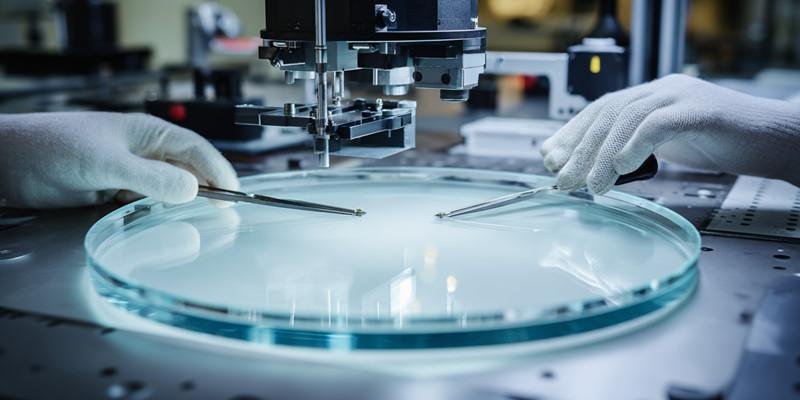
Kalınlık toleransı, kuvars optik pencerelerin performansında çok önemli bir rol oynar. Kalınlıktaki küçük değişiklikler optik yol uzunluğunu değiştirebilir, bu da lazer ışınının odaklanma ve sistem içinde ilerleme şeklini etkiler. Mühendisler, yüksek optik homojenliği ve güvenilir lazer çalışmasını korumak için kalınlığı kontrol etmelidir.
Kalınlık Değişiminden Optik Yol Farkı (OPD) Hesaplamaları
Sıkı kalınlık toleransına sahip kuvars pencereler optik yol farkının (OPD) kontrol edilmesine yardımcı olur. OPD, pencereden geçerken ışık yolunun ne kadar değiştiğini ölçer. Kalınlıktaki ±0,05 mm'lik bir değişim bile ±23 μm OPD'ye neden olabilir, bu da 589nm'de yaklaşık ±0,036 dalga boyuna eşittir.
Lazer sistemleri, ışını kolimasyonlu ve odaklı tutmak için hassas OPD kontrolü gerektirir. Kalınlık çok fazla değişirse, lazer ışını odağını kaybedebilir veya istenmeyen girişim desenleri oluşturabilir. Mühendisler bu etkileri tahmin etmek ve yönetmek için OPD = Δt × (n-1) formülünü kullanırlar; burada Δt kalınlık değişimi ve n kuvarsın kırılma indeksidir.
Doğru OPD hesaplamaları, kuvars pencerelerin istikrarlı lazer teknolojisini desteklemesini ve tutarlı optik performansı sürdürmesini sağlar.
OPD kontrolü için kilit noktalar:
Küçük kalınlık değişiklikleri optik yolu değiştirebilir.
Hassas kontrol lazer ışınlarının odaklanmasını sağlar.
Mühendisler performansı tahmin etmek için OPD formüllerini kullanır.
Çok Pencereli Optik Sistemlerde Kümülatif Tolerans Etkileri
Çok pencereli optik sistemler genellikle seri olarak birkaç kuvars disk kullanır. Her bir diskin kalınlık toleransı toplam OPD varyasyonuna katkıda bulunur. Örneğin, her biri ±0,1 mm kalınlık toleransına sahip üç pencere, görüntüleme veya lazer dağıtım sistemlerinde odağı kaydırabilecek ±52 μm'lik bir kümülatif OPD varyasyonu oluşturabilir.
Bu kümülatif etki lazer hizalamasını ve görüntü netliğini etkileyebilir. Mühendisler, birden fazla kuvars pencereli sistemler tasarlarken toplam tolerans yığınını göz önünde bulundurmalıdır. Genel OPD'yi kabul edilebilir sınırlar içinde tutmak için genellikle her disk için daha dar kalınlık toleransları seçerler.
Sistem Faktörü | Performans Üzerindeki Etkisi |
|---|---|
Pencere Sayısı | Toplam OPD varyasyonunu artırır |
Kalınlık Toleransı | Odak kaymasına katkıda bulunur |
Lazer Hizalama | OPD değişikliklerine duyarlı |
Dikkatli planlama ve tolerans analizi, karmaşık lazer ve görüntüleme kurulumlarında yüksek optik performansın korunmasına yardımcı olur.
Wavefront Kalitesi için Pencere İçi Kalınlık Düzgünlüğü Gereklilikleri
Tek bir kuvars disk boyunca kalınlıktaki tekdüzelik, dalga cephesi kalitesi için gereklidir. Yüksek optik homojenlik, lazer ışınının pencereden geçerken bozulmadan kalmasını sağlar. Kalınlık merkezden kenara doğru değişirse, dalga cephesi eğilebilir veya bükülebilir, bu da sistemin performansını düşürür.
Üreticiler kalınlık homojenliği, paralellik ve yüzey kalitesi için katı gereklilikler belirler. Örneğin, iletilen dalga cephesi distorsiyonu 632,8 nm'de λ/10'dan daha iyi olmalı ve paralellik 0,5 yay saniyesine ulaşmalıdır. Aşağıdaki tablo, yüksek performanslı kuvars pencereler için tipik gereksinimleri özetlemektedir:
Şartname | Gereksinim |
|---|---|
Kalınlık | Min. 80μm |
İletilen Dalga Önü Doğruluğu | ~λ/4(@633nm) |
Paralellik | < 5 arcsec |
Yüzey Kalitesi | Açık diyafram üzerinde 10-5 |
Bu standartların karşılanması, kuvars pencerelerin gelişmiş lazer teknolojisi ve optik uygulamalar için gereken kırılma indisi homojenliğini ve yüzey kalitesini sunmasını sağlar.
Kuvars Diskin Çap Toleransı Sızdırmazlık Bütünlüğünü ve Basınç Derecesi Performansını Nasıl Etkiler?
Çap toleransı, bir kuvars pencerenin muhafazası içinde ne kadar iyi sızdırmazlık sağladığında önemli bir rol oynar. Mühendisler, basınç sistemlerini güvenli ve sızıntısız tutmak için bu toleransı kontrol etmelidir. Doğru tolerans, özellikle lazer ve yüksek basınçlı uygulamalarda pencerenin yüzey kalitesini ve optik performansını da korur.
Çap Toleransı Yığınından O-Ring Sıkıştırma Oranı Hesaplamaları
O-ring sıkıştırması, kuvars disk çapı ile muhafaza deliği arasındaki farka bağlıdır. Çap toleransındaki küçük değişiklikler, O-ring'in ne kadar sıkıştığı konusunda büyük değişikliklere neden olabilir. Bu sıkıştırma hem contanın gücünü hem de kuvarsın yüzey kalitesini etkiler.
Mühendisler şu formülü kullanır: sıkıştırma oranı = (O-ring kesiti - yiv derinliği) / O-ring kesiti. Örneğin, 200,3 mm ±0,1 mm delikte ±0,15 mm toleransa sahip 200 mm'lik bir kuvars disk, 50-550 μm'lik bir boşluk aralığı oluşturur. Bu aralık, O-ring sıkıştırmasını 12%'den 28%'ye değiştirir ve bu da contayı çoğu lazer ve optik sistem için güvenli sınırlar içinde tutar. 2.100'den fazla basınç penceresi tertibatından elde edilen veriler, sıkıştırmanın 15% ile 30% arasında tutulmasının 99,2% sızdırmazlık oranıyla sonuçlandığını göstermektedir.
O-ring sıkıştırması için kilit noktalar:
Çap toleransı conta sıkışmasını ve sızıntı riskini kontrol eder.
Doğru sıkıştırma hem basınç değerini hem de yüzey kalitesini korur.
Veriler, lazer sistemlerinde kuvars için optimum sıkıştırma aralığını göstermektedir.
Kritik Sızdırmazlık Uygulamaları için Tolerans Eşleştirme Stratejileri
Vakum odaları veya yüksek basınçlı lazer sistemleri gibi kritik sızdırmazlık uygulamaları, kuvars disk ve delik toleranslarının dikkatli bir şekilde eşleştirilmesini gerektirir. Mühendisler genellikle O-ring sıkıştırmasını sabit tutmak için ±0,1 mm disk toleransını ±0,05 mm delik toleransı ile eşleştirir. Bu strateji sızıntı riskini azaltır ve optik yolu korur.
Sıkı bir eşleştirme kuvars diskin merkezde kalmasını sağlayarak yüzey kalitesinin korunmasına yardımcı olur ve O-ring üzerindeki eşit olmayan basıncı önler. Ultra yüksek vakum sistemleri için bu yaklaşım sızıntı oranlarını 1×10-⁹ std-cc/s'nin altında tutar. Mühendisler ayrıca diskin deliğe eşit şekilde oturduğunu doğrulamak için birden fazla noktada yuvarlaklığı kontrol eder.
Tolerans Eşleştirme | Conta Performansı | Sızıntı Oranı |
|---|---|---|
±0,1 mm disk / ±0,05 mm delik | Kararlı sıkıştırma | <1×10-⁸ std-cc/s |
±0,2 mm disk / ±0,1 mm delik | Değişken sıkıştırma | <1×10-⁷ std-cc/s |
±0,5 mm disk / ±0,2 mm delik | Yüksek varyasyon | <1×10-⁶ std-cc/s |
Bu tablo, daha sıkı tolerans eşleştirmesinin daha iyi sızdırmazlık performansı ve daha düşük sızıntı oranları sağladığını göstermektedir ki bu da lazer ve optik sistemler için hayati önem taşımaktadır.
Basınçlı Pencereler için ASME Standartları uyarınca Sızıntı Testi Doğrulaması
Sızıntı testi, kuvars pencerelerin basınç uygulamalarında güvenlik ve performans standartlarını karşılamasını sağlar. Mühendisler, hidrostatik veya helyum sızıntı testleri gerektiren ASME Bölüm VIII protokollerini takip eder. Bu testler, contanın basınç altında dayanıp dayanmadığını ve yüzey kalitesinin yüksek kalıp kalmadığını kontrol eder.
Çoğu üretici, yuvarlaklığı ve sızdırmazlık bütünlüğünü onaylamak için her bir kuvars pencereyi üç yönde test eder. Veriler, ±0,1 mm çap toleransına ve eşleşen deliklere sahip pencerelerin sızıntı testlerini 99,2% oranında geçtiğini göstermektedir. Bu yüksek geçiş oranı, sıkı çap kontrolünün hem basınç derecesini hem de optik performansı desteklediğini kanıtlamaktadır.
Sızıntı testi doğrulamasının özeti:
ASME standartları basınç penceresi testini yönlendirir.
Sızıntı testleri sızdırmazlık bütünlüğünü ve yüzey kalitesini onaylar.
Sıkı çap toleransı, lazer sistemlerinde kuvars için test geçiş oranlarını iyileştirir.
Kuvars Diskin Boyutu (Çap Aralığı) Ulaşılabilir Toleransı ve Üretim Yöntemini Nasıl Etkiler?
Bir kuvars diskin boyutu, elde edilebilir tolerans ve üretim yöntemi seçimi üzerinde doğrudan bir etkiye sahiptir. Daha büyük çaplar, özellikle lazer ve optik uygulamalarda hassasiyeti korumak için yeni zorluklar ortaya çıkarır. Mühendisler en iyi yüzey kalitesini ve performansı sağlamak için termal genleşmeyi, ölçüm limitlerini ve proses seçimini göz önünde bulundurmalıdır.
Büyük Çaplı Pencere İmalatında Termal Genleşme Hususları
Büyük çaplı kuvars diskler üretim sırasında dikkatli bir planlama gerektirir. Mühendisler, sinterleme işlemi sırasında genellikle 15% ile 20% arasındaki önemli büzülmeyi hesaba katmalıdır. Bu büzülme başlangıç boyutunu belirler ve nihai pencerenin gerekli toleransı karşılamasını sağlar.
Kuvars, yüksek sıcaklıklı ortamlarda boyutsal kararlılığın korunmasına yardımcı olan düşük bir termal genleşme katsayısına sahiptir. Bu özellik, tutarlı performans gerektiren lazer sistemleri ve optik aletler için çok önemlidir. Düşük genleşme oranı, hızlı sıcaklık değişimleri sırasında diskin yüzey kalitesini de korur.
Üretimde termal genleşme için kilit noktalar:
Mühendisler sinterleme sırasında 15-20% büzülme için tasarım yapar.
Düşük termal genleşme, kuvarsın lazer ve optik sistemlerde stabil kalmasını sağlar.
Kararlı boyutlar, yüzey kalitesinin ve güvenilirliğinin korunmasına yardımcı olur.
Bu faktörler kuvarsı zorlu uygulamalarda büyük optik pencereler için tercih edilen bir malzeme haline getirmektedir.
Pencere Boyutuna Karşı Ölçüm Kabiliyeti Sınırlamaları
Bir kuvars diskin çapı arttıkça ölçüm doğruluğu daha da zorlaşır. Küçük diskler, örneğin 50 mm'nin altındakiler, ±5 μm belirsizliğe sahip bir koordinat ölçüm cihazı (CMM) ile ölçülebilir. 400mm'den büyük diskler için belirsizlik ±20 μm'ye kadar çıkabilir, bu da dar toleransları doğrulama yeteneğini etkiler.
Mühendisler ölçüm hatalarını azaltmak için özel ekipman ve sıcaklık kontrollü ortamlar kullanmalıdır. Büyük kuvars disklerin yuvarlaklığını ve kalınlığını doğrulamak için birden fazla ölçüm noktası da gerekebilir. Bu adımlar lazer ve optik performans için gereken yüzey kalitesinin korunmasına yardımcı olur.
Çap Aralığı | Ölçüm Belirsizliği | Tolerans Üzerindeki Etkisi |
|---|---|---|
≤50mm | ±5 μm | Yüksek hassasiyet mümkün |
100-200 mm | ±8-12 μm | Orta düzeyde hassasiyet |
300-500mm | ±15-25 μm | Tolerans gevşetilmelidir |
Ölçüm sınırlamaları, her pencere boyutu için elde edilebilir toleransı yönlendirerek lazer uygulamalarında güvenilir sonuçlar sağlar.
Boyut-Tolerans Gereksinimlerine Göre Üretim Yöntemi Seçim Matrisi
Doğru üretim yönteminin seçilmesi, kuvars diskin hem çapına hem de gerekli toleransına bağlıdır. Küçük ve orta boy disklerde genellikle yüksek yüzey kalitesi ve sıkı toleranslar elde eden standart CNC taşlama kullanılır. Büyük diskler, özellikle de 300 mm'nin üzerinde olanlar, bozulmayı önlemek için özel taşlama merkezlerine ve özel fikstürlere ihtiyaç duyabilir.
Mühendisler en iyi yöntemi seçmek için proses yeterlilik endeksini (Cpk) analiz eder. Örneğin, küçük diskler için 1,67'lik bir Cpk mümkünken, büyük diskler yalnızca 1,0 ila 1,2'lik bir Cpk'ye ulaşabilir. Bu analiz, her bir optik pencere için maliyet, yüzey kalitesi ve performansın dengelenmesine yardımcı olur.
Disk Boyutu | Üretim Yöntemi | Tipik Tolerans | Yüzey Kalitesi |
|---|---|---|---|
≤100mm | Standart CNC taşlama | ±0,05 mm | Mükemmel |
100-300mm | CNC + sıcaklık kontrolü | ±0,1-0,2 mm | Çok iyi |
>300mm | Özel taşlama | ±0.2-0.5mm | İyi |
Doğru yöntemin seçilmesi, her bir kuvars diskin yüksek yüzey kalitesini korurken lazer ve optik sistemlerin ihtiyaçlarını karşılamasını sağlar.
Mühendisler Performans ve Maliyeti Optimize Eden Boyutsal Toleransları Nasıl Belirlemelidir?
Mühendisler kuvars pencereler için toleransları belirlerken hem performansı hem de maliyeti analiz etmelidir. Doğru yaklaşım, her optik sistemin gereksiz masraf olmadan gereksinimlerini karşılamasını sağlar. Dikkatli planlama, güvenilir lazer çalışması ve tutarlı yüzey kalitesi sağlar.
Pencere Uygulamaları için Fonksiyonel Tolerans Analiz Yöntemleri
Mühendisler işe her bir kuvars pencerenin işlevsel ihtiyaçlarını belirleyerek başlar. Konumlandırma hassasiyeti, sızdırmazlık sıkıştırması ve optik yol homojenliği gibi faktörleri göz önünde bulundururlar. Bu ihtiyaçlar, lazer ve optik sistemler için tolerans seçimine rehberlik eder.
850'den fazla pencere tasarımından elde edilen veriler, hassas tolerans özelliklerinin 63%'sinin performansı etkilemeden standart toleranslara gevşeyebileceğini göstermektedir. Mühendisler gerekli minimum toleransı hesaplamak için formüller kullanırlar. Örneğin, gerekli açıklıktan termal genleşme marjını çıkararak çap toleransını belirlerler, ardından sonucu iki katına çıkarır ve delik toleransını çıkarırlar. Bu yöntem, kuvars diskin iyi oturmasını ve çalışma sırasında yüzey kalitesini korumasını sağlar. Mühendisler ayrıca çap değişiminin lazer uygulamaları için kritik olan O-ring sıkıştırmasını nasıl etkilediğini kontrol ederek sızdırmazlık bütünlüğünü de analiz eder.
Toleransları işlevsel gerekliliklerle eşleştiren mühendisler daha iyi performans ve daha düşük maliyet elde eder. Daha yüksek masraflara ve daha uzun teslim sürelerine yol açabilecek aşırı spesifikasyonlardan kaçınırlar.
Fonksiyonel tolerans analizi için kilit noktalar:
Varsayımlarla değil, uygulama ihtiyaçlarıyla başlayın.
Toleransları ayarlamak için verileri ve formülleri kullanın.
Her kuvars pencere için conta ve optik yol gereksinimlerini kontrol edin.
Ekonomik Optimizasyon için Maliyet-Tolerans İlişkisinin Belirlenmesi
Kuvars bileşenler için toleranslar daraldıkça maliyet artar. Üreticiler, tolerans bandı her yarıya indiğinde 15-25%'lik bir maliyet artışı bildirmektedir. Örneğin, ±0,2 mm'den ±0,1 mm toleransa geçmek, büyük lazer pencereleri için maliyeti iki katına çıkarabilir.
Mühendisler, bir üretim sürecinin belirlenen toleransı karşılayıp karşılayamayacağına karar vermek için süreç yeterlilik endeksi (Cpk) verilerini kullanır. Cpk değerinin 1,33 veya daha yüksek olması sürecin istikrarlı ve verimli olduğu anlamına gelir. Gerekli tolerans Cpk değerini 1,2'nin altına düşürürse maliyetler hızla yükselir ve verim düşer. TOQUARTZ'dan alınan veriler, standart toleransların temel maliyetle 98-99% verim elde ettiğini, ultra hassas toleransların ise yüzey kalitesinde veya lazer performansında yalnızca küçük bir kazanç için maliyetin 3,5-4,5 katını gerektirebileceğini göstermektedir.
Tolerans Bandı | Maliyet Faktörü | Verim Oranı | Yüzey Kalitesi |
|---|---|---|---|
±0,2 mm | 1.0× | 98-99% | İyi |
±0.1mm | 1.8× | 97-98% | Çok iyi |
±0,05 mm | 3.5× | 95-97% | Mükemmel |
Maliyet ve performans arasında denge kuran mühendisler, aşırı harcama yapmadan optik veya lazer sisteminin ihtiyaçlarını karşılayan toleransları seçerler. Bu yaklaşım, yüksek yüzey kalitesi ve güvenilir çalışma sağlar.
Kuvars disk boyutsal tolerans boyutu optik pencere performansı netliği, hizalamayı ve güvenilirliği doğrudan etkiler. Mühendisler, optik sistemin ihtiyaçlarına göre her pencere için doğru kuvars boyutunu ve toleransını seçmelidir. İşlev odaklı bir yaklaşım, performans ve maliyet arasında denge kurulmasına yardımcı olur. Dikkatli analiz, optik pencerenin teknik hedefleri karşılamasını sağlarken verimli üretimi de destekler.
SSS
Daha sıkı boyut toleransı optik pencere performansını neden artırır?
Daha sıkı tolerans, yanlış hizalamayı ve optik bozulmayı azaltır. Mühendisler daha iyi ışın odağı ve daha az dalga cephesi hatası elde eder. Veriler, ±0,05 mm toleranslı pencerelerin <0,04λ OPD'yi koruduğunu ve yüksek hassasiyetli lazer ve görüntüleme sistemlerini desteklediğini göstermektedir.
Önemli Noktalar:
Daha az yanlış hizalama
Geliştirilmiş odaklanma
Daha düşük wavefront hatası
Daha büyük kuvars diskler neden daha gevşek toleranslar gerektirir?
Daha büyük diskler sıcaklıkla daha fazla genleşir ve hassas ölçüm yapmak daha zordur. Üretim verileri, 95%'nin üzerindeki verimi korumak için toleransların 100 mm çap başına +0,05 mm gevşediğini göstermektedir. Bu, gerilimi önler ve güvenilir performans sağlar.
Disk Boyutu | Tipik Tolerans | Verim Oranı |
|---|---|---|
≤100mm | ±0,05 mm | 98% |
300mm | ±0,2 mm | 96% |
Mühendisler neden toleransları aşırı belirtmekten kaçınmalıdır?
Aşırı spesifikasyon, işlevi iyileştirmeden maliyeti ve üretim süresini artırır. Çalışmalar, 63% hassas spesifikasyonun standart seviyelere çekilebileceğini ve gerekli performansı korurken maliyette 50%'ye kadar tasarruf sağlanabileceğini ortaya koymaktadır.
Daha sıkı teknik özelliklerle maliyet artıyor
İhtiyaç duyulmuyorsa ek bir faydası yoktur
Standart toleranslar çoğu kullanıma uygundur
Kalınlık toleransı lazer ışını kalitesini neden etkiler?
Kalınlık toleransı optik yol farkını (OPD) kontrol eder. Pencere çok kalın veya inceyse lazer ışını odağını kaybedebilir veya parazit oluşturabilir. Mühendisler ışın kalitesini yüksek tutmak için OPD formüllerini kullanırlar.
Sızdırmazlık için disk ve delik toleranslarının eşleştirilmesi neden önemlidir?
Eşleşen toleranslar O-ring'in doğru şekilde sıkışmasını sağlayarak sızıntıları önler. Veriler, ±0,05 mm'lik bir deliğe sahip ±0,1 mm'lik bir diskin basınç testlerinde 99,2% sızdırmazlık oranına ulaşarak güvenli ve güvenilir çalışmayı desteklediğini göstermektedir.