Кварцевые стержни выходят из строя бесшумно - и почти всегда причиной этого является температура. Знание точных температурных пределов позволяет предотвратить необратимую деградацию материала еще до ее начала.
В этой статье рассматривается полный диапазон тепловой эксплуатации стержней из плавленого кварца, включая порог непрерывной работы 1100°C и кратковременный потолок 1650°C, механизмы разрушения при девитрификации и тепловом напряжении, вызываемые чрезмерным нагревом, а также меры предосторожности, необходимые для сохранения целостности конструкции в промышленных и лабораторных условиях.
Термические пределы для кварцевых стержней - это не произвольные цифры, взятые из технических паспортов производителей. Они основаны на атомной структуре аморфного диоксида кремния и термодинамических границах, за которыми эта структура начинает необратимо реорганизовываться. Каждое значение температуры, обсуждаемое в этой статье, имеет конкретный физический смысл, и смешение этих значений в реальных приложениях неизменно приводит к преждевременному разрушению материала.
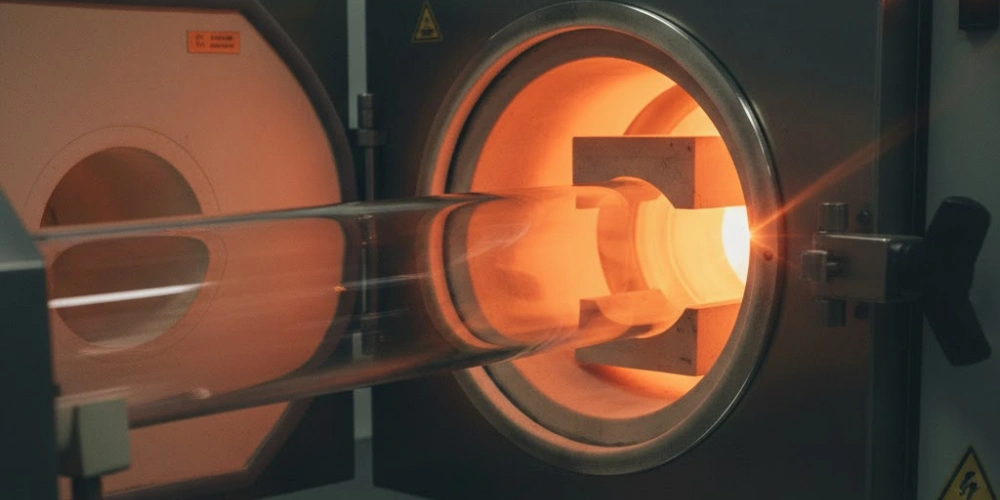
Кварцевые стержни достигают максимальной кратковременной температуры 1650°C
Термические границы плавленого кварца - одни из наиболее часто неправильно используемых параметров при выборе высокотемпературных материалов - требуют точного толкования, а не приближения. Безопасность эксплуатации определяется двумя различными температурными границами, и каждая из них применяется в принципиально разных условиях.
Порог непрерывного использования 1100°C и его физическое обоснование
Стержни из плавленого кварца рассчитаны на непрерывную работу при температуре до 1100°C. Этот потолок определяется не началом плавления, а кинетическим порогом, при котором структурная релаксация и девитрификация поверхности начинают накапливаться со скоростью, ставящей под угрозу долгосрочные эксплуатационные характеристики. При устойчивых температурах, превышающих это значение, сеть аморфного кремнезема приобретает достаточную тепловую энергию для атомной перестройки, которая может происходить в течение времени, необходимого для промышленной эксплуатации - обычно от нескольких часов до нескольких дней.
Экспериментальные данные исследований термического старения показывают, что образцы, выдержанные при температуре 1050°C в течение 200 часов, не демонстрируют значительной поверхностной кристаллизации, в то время как Образцы, выдержанные при 1150°C в течение эквивалентного времени, демонстрируют заметное зарождение кристобалита на свободных поверхностях. Переход не является резким; это процесс, зависящий от скорости и управляемый кинетикой Аррениуса, именно поэтому 1100°C рассматривается как консервативный операционный потолок, а не как жесткая физическая граница.
Порог 1100°C также совпадает с областью на кривой вязкость-температура плавленого кварца, где вязкость падает ниже примерно 10¹⁰-⁵ Па-с - значение, при котором ползучесть под механической нагрузкой становится несущественной в течение длительных периодов эксплуатации.
Краткосрочный потолок 1650°C и силы, стоящие за ним
При температуре около 1650°C плавленый кварц достигает точки размягченияопределяется как температура, при которой вязкость падает примерно до 10⁷-⁶ Па-с. Ниже этого порога вязкости материал уже не может выдерживать собственный вес при стандартной гравитационной нагрузке без ощутимой деформации. Кратковременное воздействие в диапазоне от 1600°C до 1650°C допустимо только в том случае, если механические нагрузки отсутствуют или незначительны, а продолжительность воздействия измеряется минутами, а не часами.
Температура размягчения высокочистого плавленого диоксида кремния обычно указывается в диапазоне от 1665°C до 1683°C в зависимости от содержания гидроксила и уровня примесей. Материалы с повышенным содержанием OH (более 1000 ppm) размягчаются при чуть более низких температурах из-за модифицирующего эффекта силанольных групп на тетраэдрический каркас SiO₂. Это различие становится критичным при выборе стержней для вакуумных ультрафиолетовых или высокотемпературных оптических применений, где выбор марки напрямую определяет тепловой потолок.
Термическое воздействие при таких экстремальных значениях следует воспринимать как переходное состояние. Каждый переход к потолку 1650°C ускоряет кумулятивное ухудшение качества поверхности и стабильности размеров, даже если ни одно воздействие не приводит к визуально заметным повреждениям.
Почему непрерывные и пиковые пределы температуры выполняют совершенно разные функции
Предел длительного использования 1100°C и предел кратковременного использования 1650°C касаются двух совершенно разных режимов отказаи рассматривать их как точки на одной линейной шкале - технически некорректное упрощение. Непрерывный предел регулирует деградацию в зависимости от времени - кинетику девитрификации, вязкую ползучесть и усталостное накопление. Кратковременный предел обозначает границу резкого ухудшения структуры - размягчения, провисания и потери контроля над размерами.
На практике, Кварцевый стержень, работающий при температуре 1080°C непрерывно в течение 500 часов, накапливает больше функциональных повреждений, чем тот, который подвергается воздействию температуры 1600°C в течение 30 секундпоскольку механизмы повреждения отличаются как по типу, так и по скорости. Инженеры, выбирающие плавленый кварц для циклических высокотемпературных процессов, должны оценивать оба параметра независимо друг от друга и разрабатывать тепловые профили, которые учитывают каждую границу в отдельности.
Температурные пределы кварцевого стержня с первого взгляда
| Параметр | Значение | Состояние |
|---|---|---|
| Температура непрерывной эксплуатации (°C) | 1100 | Устойчивая работа, от нескольких часов до нескольких месяцев |
| Кратковременная максимальная температура (°C) | 1650 | Переходное воздействие, минуты |
| Температура размягчения (°C) | 1665-1683 | В зависимости от класса |
| Рабочая точка - вязкость 10³ Па-с (°C) | ~2000 | Только операции по формовке стекла |
| Температура отжига - вязкость 10¹³ Па-с (°C) | ~1140 | Снятие стресса |
| Точка деформации - вязкость 10¹⁴-⁵ Па-с (°C) | ~1070 | Постоянное напряжение зафиксировано ниже этого значения |
Термические свойства, придающие кварцевому стержню термостойкость
Термические характеристики плавленого кварца, основанные на физике аморфного диоксида кремния, превосходят характеристики большинства огнеупорных керамик и стекол, которые трудно воспроизвести с помощью альтернативных материалов. Эти свойства не являются независимыми - они взаимодействуют, создавая систему материалов, способную выдерживать термические условия, которые привели бы к катастрофическому разрушению боросиликатного стекла или деформации большинства оксидных керамик.
Аморфная структура SiO₂ и ее роль в термической стабильности
Плавленый кварц - это некристаллическое твердое вещество, полностью состоящее из угловых делений Тетраэдры SiO₄1 расположенных в непрерывной случайной сети. В этой неупорядоченной архитектуре отсутствует дальнодействующая периодичность кристаллического кварца, и эта структурная неупорядоченность напрямую отвечает за его термическую стабильность. Не имея границ зерен, плоскостей спайности или периодических дефектов, плавленый кварц не имеет преимущественных путей для зарождения трещин или термического разложения при умеренных температурах.
Энергия связи Si-O составляет около 444 кДж/моль, что является одним из самых высоких показателей среди всех оксидных керамических систем. Такая прочность связей предотвращает термическую диссоциацию сети при температуре ниже 1700°CБлагодаря этому плавленый кварц обладает стабильностью, которая охватывает подавляющее большинство промышленных высокотемпературных процессов. Кроме того, отсутствие подвижных катионов - в отличие от содово-известковых или боросиликатных стекол - исключает ионную проводимость и деградацию под действием щелочи при повышенных температурах.
Эта структурная целостность сохраняется вплоть до температуры начала девитрификации, после которой аморфная сеть начинает реорганизовываться в кристаллический кристобалит - фазовый переход, кардинально меняющий механическое и оптическое поведение.
Ультранизкое тепловое расширение и устойчивость к термоударам
Коэффициент теплового расширения (CTE) плавленого кварца составляет приблизительно 0,55 × 10-⁶/°C.по сравнению с 3,3 × 10-⁶/°C для боросиликатного стекла и 8-12 × 10-⁶/°C для большинства технических керамик. Исключительно низкий показатель CTE является основной причиной того, что плавленый кварц выдерживает тепловой удар с показателем, определяемым как прочность на разрыв, деленная на произведение модуля упругости, CTE и теплопроводности, значительно превосходящим большинство конкурирующих материалов.
Когда кварцевый стержень погружается из комнатной температуры в печь с температурой 1000°C, дифференциальное расширение между его внешней поверхностью и сердцевиной остается настолько малым, что индуцированное тепловое напряжение остается намного ниже порога разрушения материала при растяжении, составляющего примерно 50-65 МПа. Такое же тепловое воздействие на стандартный алюминиевый стержень, имеющий CTE около 8 × 10-⁶/°C, создает напряжения в несколько раз выше и часто приводит к немедленному разрушению.
Однако устойчивость к тепловому удару не означает невосприимчивость к усталости. При многократном термоциклировании, даже в безопасных температурных пределах, постепенно накапливаются поверхностные микротрещины, которые со временем снижают эффективную вязкость разрушения.
Температура размягчения и температура плавления - два порога, которые должны различать инженеры
Плавленый кварц не имеет истинной кристаллографической точки плавления в обычном смысле этого словаПотому что он представляет собой аморфное твердое вещество, а не кристаллическую фазу. То, что в коммерческой литературе принято называть "температурой плавления" - примерно 1710°C - соответствует температуре, при которой вязкость становится достаточно низкой для того, чтобы материал мог без ограничений течь под собственным весом. Температура размягчения, приблизительно 1665°C, представляет собой более значимый порог для применения в несущих конструкциях.
Ниже точки размягчения, Плавленый кварц ведет себя как вязкоупругое твердое тело, скорость ползучести которого экспоненциально увеличивается с ростом температуры. В диапазоне от 1100°C до 1300°C ползучесть достаточно медленная, чтобы быть незначительной для коротких периодов эксплуатации, но становится значительной в течение периодов, превышающих несколько сотен часов. При температуре выше 1300°C скорость ползучести резко возрастает, и необратимая деформация становится заметной в течение нескольких часов даже при незначительной механической нагрузке.
Понимание этого различия предотвращает распространенную ошибку, заключающуюся в том, что любая температура ниже указанной "температуры плавления" 1710°C безопасна для использования в конструкциях - заблуждение, ставшее причиной преждевременного выхода из строя полупроводниковых диффузионных трубок во всем мире.
Тепловые свойства плавленого кварца в сравнении с другими высокотемпературными материалами
| Недвижимость | Плавленый кварц | Боросиликатное стекло | Глинозем (99%) | Плавленый диоксид кремния (УФ-класс) |
|---|---|---|---|---|
| CTE (10-⁶/°C) | 0.55 | 3.3 | 8.1 | 0.55 |
| Температура размягчения (°C) | 1665 | 820 | N/A (кристаллический) | 1670 |
| Температура непрерывного использования (°C) | 1100 | 500 | 1700 | 1100 |
| Теплопроводность (Вт/м-К) | 1.38 | 1.14 | 30 | 1.38 |
| Прочность на разрыв (МПа) | 50-65 | 40-60 | 150-200 | 50-65 |
| Устойчивость к тепловому удару | Превосходно | Умеренный | Плохо-умеренно | Превосходно |
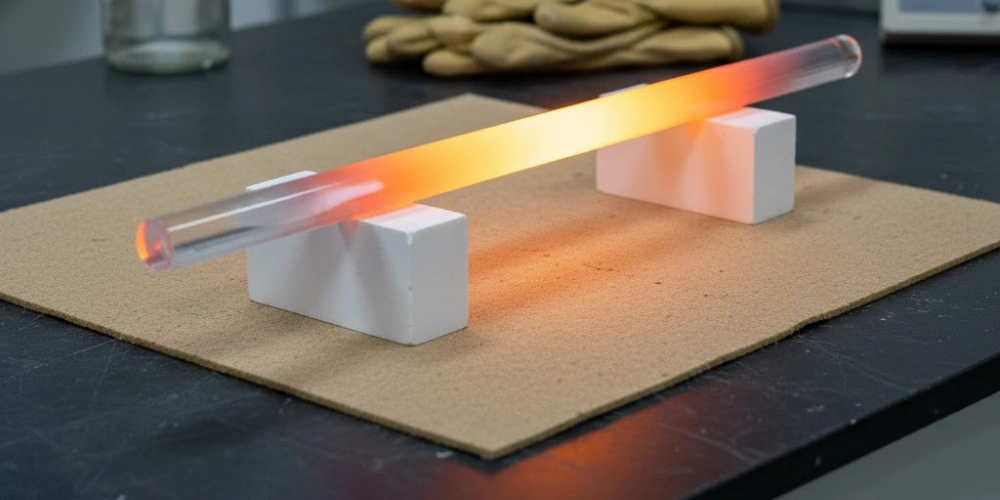
Девитрификация в кварцевых стержнях, вызванная чрезмерным нагревом
Девитрификация представляет собой наиболее коварную и опасную форму разрушения, возникающую при использовании высокотемпературных кварцевых материалов, непосредственно связанную с длительным выходом за пределы рабочего диапазона 1100°C. В отличие от разрушения, которое происходит сразу и визуально очевидно, девитрификация - это прогрессивная трансформация, которая нарушает целостность материала еще до того, как оператор обнаружит какие-либо видимые признаки.
Структурное определение девитрификации на атомном уровне
Девитрификация - это термически активируемое превращение аморфного диоксида кремния в кристаллический кристобалит (β-SiO₂).высокотемпературный полиморф, который зарождается преимущественно на свободных поверхностях и примесных участках в сети плавленого кварца. На атомном уровне этот процесс включает совместную перестройку тетраэдров SiO₄ из их случайной сетевой конфигурации в упорядоченное гранецентрированное кубическое расположение, характерное для β-кристобалита.
Превращение классифицируется как процесс зарождения и роста, подчиняющийся классической кинетике твердого тела. Скорость нуклеации достигает максимума при температуре от 1200°C до 1250°C.а скорость роста кристаллов достигает максимума вблизи 1450°C. Такая зависимость от температуры означает, что воздействие в диапазоне 1100-1300°C особенно опасно для зарождения - даже без быстрого роста, после образования ядер последующие циклы нагревания позволяют им вырасти в видимые кристаллические домены.
Очень важно, что при нормальных условиях эксплуатации девитрификация необратима. После образования кристобалитовых доменов в сети плавленого кварца никакая термическая обработка ниже точки размягчения не может восстановить исходную аморфную структуру.
Температура и продолжительность воздействия, необходимые для начала кристаллизации
Для начала заметной поверхностной кристаллизации на стержнях из высокочистого плавленого кварца требуется как температура, так и время, действующие в комбинации. При 1150°C заметное образование кристобалита на чистых, незагрязненных поверхностях обычно требует продолжительности воздействия более 100 часов. При 1200°C такая же степень кристаллизации может произойти в течение 20-40 часов. При 1300°C девитрификация поверхности становится видимой невооруженным глазом в течение 5-10 часов непрерывного воздействия.
Эти данные относятся к поверхностям, не содержащим металлических загрязнений и гидроксильных групп. Присутствие даже следовых количеств щелочных металлов - вплоть до 1 ppm натрия - сокращает время индукции кристаллизации на порядок при любой заданной температуре, поскольку ионы щелочи действуют как модификаторы сети, снижающие барьер энергии активации для тетраэдрической переориентации SiO₄.
Необходимо также признать кумулятивный характер термического воздействия. Кварцевый стержень, подвергнутый 50 циклам нагрева, каждый из которых достигает температуры 1180°C в течение 4 часов, накапливает такие же повреждения от девитрификации, как и при одном 200-часовом воздействии - этот факт часто упускается из виду при использовании оборудования для циклических процессов.
Загрязнение поверхности как катализатор ускоренной девитрификации
Загрязнение является единственной наиболее контролируемой переменной в кинетике девитрификации кварцевых стержней. Отпечатки пальцев являются одним из наиболее распространенных и вредных источников загрязнения поверхности - человеческий пот осаждает ионы натрия, калия и хлорида на поверхности кремнезема в концентрациях, достаточных для катализа зарождения кристобалита при температуре до 900°C. Этот порог примерно на 200°C ниже температуры начала девитрификации для чистой поверхности. Этот порог примерно на 200°C ниже температуры начала девитрификации для чистой поверхности.
Металлические загрязнения от контакта с инструментом - например, инструменты для обработки нержавеющей стали - откладывают на поверхности железо, хром и никель. Было показано, что загрязнение железом в концентрации всего 5 ppm снижает температуру начала девитрификации на 80-120°C. в контролируемых лабораторных исследованиях. Это объясняет, почему кварцевые компоненты в полупроводниковых диффузионных печах, которые должны обрабатываться в соответствии со специальными протоколами чистых помещений, демонстрируют значительно меньший срок службы при случайном использовании стандартной металлической оснастки.
Органические остатки смазочных материалов для обработки или атмосферных углеводородов разлагаются при первоначальном нагреве, оставляя углеродистые и металлические остатки, которые служат гетерогенными местами зарождения для роста кристобалита.
Визуальные и размерные признаки девитрифицированного кварцевого стержня
Самым ранним визуальным признаком девитрификации является слабое молочное или мутное окрашивание поверхности кварцевого стержня.Обычно он выглядит как неравномерная дымка, а не как однородное покрытие. Эта непрозрачность возникает в результате рассеяния проходящего света на границах кристобалита, которые имеют показатель преломления около 1,49 - немного выше, чем окружающий аморфный кремнезем 1,46. Несоответствие показателей преломления создает видимое рассеяние даже при толщине кристаллического слоя всего в несколько микрометров.
По мере девитрификации поверхность приобретает характерный вид Белый, матовый, с матовой текстурой что легко отличить от первоначального прозрачного, полированного огнем вида. В поперечном сечении поляризованная световая микроскопия выявляет кристаллические домены как двулучепреломляющие области на фоне оптически изотропной аморфной матрицы. Глубина девитрифицированного слоя обычно составляет от 10 мкм на ранних стадиях до нескольких сотен микрометров в сильно деградировавших образцах.
В размерном отношении девитрифицированные образцы могут иметь небольшую шероховатость поверхности, определяемую с помощью профилометрии, при этом средние значения шероховатости (Ra) увеличиваются от типичных значений в заводских условиях менее 0,1 мкм до 0,5-2,0 мкм в случаях умеренной девитрификации.
Деградация механической прочности и оптического пропускания после девитрификации
Кристобалит при охлаждении претерпевает вытесняющее фазовое превращение из β- в α-форму при температуре около 220°Cсопровождается объемным сжатием примерно на 2,8%. Это сжатие создает растягивающие микронапряжения на границе между девитрифицированным поверхностным слоем и нижележащим аморфным стержнем. Эти напряжения действуют как инициаторы образования трещин, снижая эффективный модуль упругости стержня на 30% - 60% в зависимости от глубины девитрифицированного слоя.
В оптических приложениях последствия не менее серьезны. Пропускание плавленого кварца в ультрафиолетовом диапазоне (200-300 нм) уменьшается на 15% - 40% на миллиметр толщины девитрифицированного поверхностного слоячто делает компоненты УФ-класса непригодными для прецизионных оптических приложений после даже умеренной кристаллизации. Для инфракрасных применений потери на рассеяние в диапазоне 3-5 мкм увеличиваются пропорционально размеру кристаллического домена.
Структурно, сочетание поверхностных микронапряжений и пониженной вязкости разрушения означает, что девитрифицированный кварцевый стержень значительно более восприимчив к разрушению при термоциклировании - именно в тех условиях, которые изначально ответственны за его деградацию, - создавая механизм самоускоряющегося разрушения.
Условия начала девитрификации для стержней из плавленого кварца
| Состояние поверхности | Температура начала (°C) | Время до видимой кристаллизации (часы) | Первичный катализатор |
|---|---|---|---|
| Чистый, незагрязненный | 1150-1200 | 80-150 | Только тепловая энергия |
| Загрязнение отпечатков пальцев | 900-950 | 10-30 | Ионы Na, K, Cl |
| Контакт с железным инструментом (5 ppm Fe) | 1030-1070 | 20-50 | Fe как катализатор нуклеации |
| Воздействие щелочных металлов (1 ppm Na) | 950-1000 | 5-15 | Модификация сети |
| Богатая OH поверхность (>500 ppm) | 1100-1130 | 50-100 | Подвижность силанольных групп |
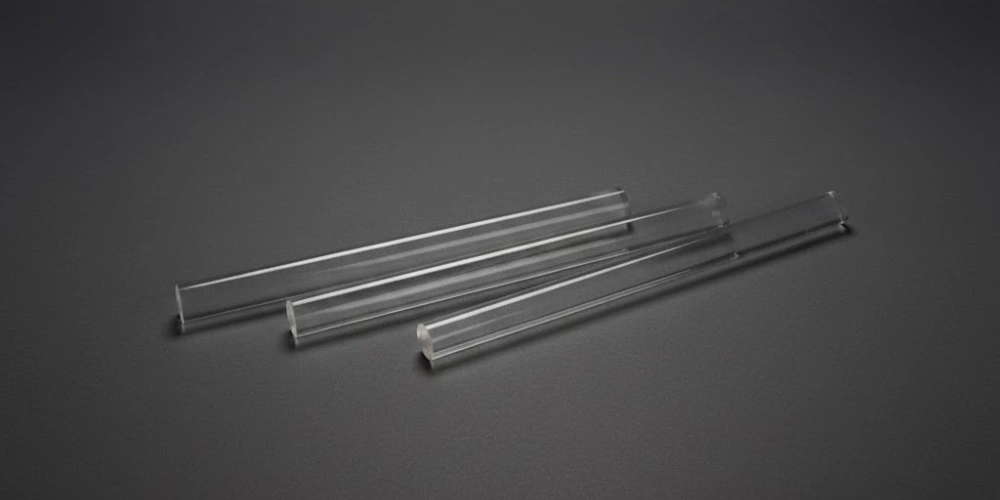
Термические напряжения и поведение при разрушении кварцевых стержней
Параллельно с химическим путем деградации, представленным девитрификацией, механическое разрушение под действием термически вызванных напряжений представляет собой не менее значительный и зачастую более резкий способ разрушения кварцевых стержней. В отличие от девитрификации, термическое разрушение может произойти уже при первом цикле нагрева, если температурные градиенты или геометрические параметры превышают критические пороги.
Формирование теплового градиента вдоль кварцевого стержня при локализованном нагреве
Когда к одному участку кварцевого стержня прикладывается тепло, а соседние участки остаются при более низких температурах, возникает тепловой градиент, который создает дифференциальные деформации расширения по всему материалу. Для стержня диаметром 10 мм и теплопроводностью 1,38 Вт/м-К локализованный нагрев со скоростью 20°C/мин в зоне 50 мм приводит к радиальному перепаду температур от 15°C до 25°C между поверхностью стержня и его центральной осью. Хотя низкий коэффициент трансформации плавленого кварца смягчает возникающие напряжения, устойчивые перепады выше 50°C на коротких осевых расстояниях могут вызвать растягивающие напряжения, приближающиеся к порогу разрушения материала.
Анализ методом конечных элементов узлов диффузионных трубок показал, что Температурные градиенты более 3°C/мм вдоль осевого направления кварцевого стержня создают концентрацию напряжений на геометрических разрывах - торцов, переходов диаметра и точек контакта с опорой - может превышать 40 МПа, приближаясь к нижней границе заявленных значений прочности на разрыв. Такое поведение особенно ярко выражено в стержнях с толщиной стенки менее 3 мм, где накопление тепла на поверхности по сравнению с сердцевиной происходит быстрее.
Проблема теплового градиента усугубляется в многозонных печах, где границы между нагретой и ненагретой зонами создают резкие осевые температурные переходы для любого стержня, проходящего через несколько зон.
Быстрая температурная цикличность и ее влияние на распространение трещин
Многократное термоциклирование - даже в пределах температур, которые по отдельности не привели бы к заметным повреждениям, - постепенно расширяет уже существующие поверхностные микротрещины за счет механизма усталости, аналогичного циклическому механическому нагружению. Каждый цикл нагрева и охлаждения генерирует импульс напряжения в кончиках трещин, и коэффициент интенсивности напряжения в этих кончиках постепенно накапливается с каждым циклом. Для поверхностных трещин начальной глубиной 10 мкм - типичных для полученной огневой полировки кварцевых поверхностей - моделирование механики разрушения показывает, что 1000 термических циклов от 25°C до 900°C могут увеличить глубину трещин до 25-40 мкм., снижая остаточную прочность на 20-35%.
Фаза охлаждения в каждом цикле обычно более разрушительна, чем фаза нагревания, поскольку внешняя поверхность охлаждается и сжимается быстрее, чем внутренняя, в результате чего поверхность оказывается в напряжении, а сердцевина остается в сжатом состоянии. Скорость охлаждения свыше 5°C/мин для стержней диаметром более 15 мм неизменно приводит к возникновению поверхностных растягивающих напряжений свыше 20 МПа в первые несколько миллиметров глубины - порог, достаточный для распространения ранее существовавших трещин в образцах с накопленными усталостными повреждениями.
В полупроводниковых печах, где кварцевые диффузионные трубки и опорные стержни могут подвергаться 500-2000 термическим циклам в течение срока службы, этот механизм усталости является доминирующей причиной внезапного разрушения, часто происходящего без предварительного визуального предупреждения.
Геометрические переменные - диаметр и толщина стенок как факторы допустимых напряжений
Геометрия кварцевого стержня оказывает прямое и количественное влияние на его устойчивость к термоиндуцированным нагрузкам. Для твердых стержней устойчивость к нагрузкам обратно пропорциональна диаметру: стержень диаметром 5 мм может выдерживать температурные градиенты примерно в 3 раза больше, чем стержень диаметром 25 мм, прежде чем достигнет эквивалентных уровней напряжения, поскольку абсолютная разница температур между стержнем и поверхностью уменьшается с увеличением площади поперечного сечения. Данные производителя постоянно показывают, что Стержни диаметром менее 8 мм можно нагревать со скоростью до 15°C/мин, не создавая концентрацию напряжений выше 15 МПаВ то время как стержни диаметром более 20 мм требуют скорости нагрева менее 5°C/мин для эквивалентных уровней напряжения.
Для полых кварцевых трубок, используемых в качестве стержнеподобных элементов конструкций, толщина стенки определяет как тепловой градиент по стенке, так и момент инерции, способный противостоять изгибу. Стенки толщиной менее 2 мм нагреваются и охлаждаются настолько быстро, что напряжения, вызванные градиентом, минимальны, но они практически не сопротивляются механическим нагрузкам при повышенных температурах, когда активно проявляется ползучесть. Стенки от 3 мм до 6 мм представляют собой оптимальный диапазон для большинства высокотемпературных конструкционных применений, балансируя между управлением тепловым градиентом и способностью выдерживать механические нагрузки.
Конические или ступенчатые переходы диаметра по длине стержня создают коэффициенты концентрации напряжений, в 1,5-2,5 раза превышающие номинальное тепловое напряжение, - геометрическое усиление, которое необходимо учитывать в любом прецизионном термическом приложении.
Параметры термического напряжения для стержней из плавленого кварца по диаметру
| Диаметр стержня (мм) | Максимальная безопасная скорость нагрева (°C/мин) | Максимальная безопасная скорость охлаждения (°C/мин) | Расчетный максимальный тепловой градиент (°C/мм) | Уровень риска переломов |
|---|---|---|---|---|
| < 5 | 20 | 15 | 8 | Низкий |
| 5-10 | 15 | 10 | 5 | Низкий-умеренный |
| 10-20 | 8 | 5 | 3 | Умеренный |
| 20-40 | 4 | 3 | 1.5 | Высокий |
| > 40 | 2 | 1.5 | 0.8 | Очень высокий |
Плавленый кварц и плавленый кварц демонстрируют разные тепловые потолки
Неясность между понятиями "плавленый кварц" и "плавленый кварц" - один из самых постоянных источников ошибок в спецификациях при закупке высокотемпературных материалов, и последствия этой путаницы напрямую проявляются в данных о тепловых характеристиках.
-
Плавленый кварц производится путем плавления природного кристалла кварца (SiO₂ с типичной чистотой 99,9-99,99%) в процессе электрического или пламенного плавления. Полученный материал содержит от 150 до 400 ppm гидроксильных (OH) групп и следовые металлические примеси на уровне 1-20 ppm. Температура его непрерывного использования составляет примерно 1050°C - 1100°C, а начало девитрификации происходит вблизи 1150°C при длительном нагреве.
-
Плавленый кварц (синтетический) производится из высокочистого тетрахлорида кремния (SiCl₄) или силановых прекурсоров посредством пламенный гидролиз2 или плазменного осаждения, что позволяет получить материал с чистотой более 99,999% SiO₂. В зависимости от способа производства содержание OH варьируется от менее 1 ppm (тип III, IV) до более 1000 ppm (тип II). Высокочистый плавленый кремнезем с низким содержанием ОН устойчив к девитрификации при температуре до 1200°C. и сохраняют превосходную стабильность размеров при температуре выше 1100°C. Таким образом, температура непрерывной эксплуатации для премиум-классов примерно на 50-100°C выше, чем у стандартного плавленого кварца.
Это различие имеет наибольшее значение при использовании полупроводников и оптических волокон, где рабочие температуры часто упираются в потолок 1100°C, а выбор марки материала напрямую определяет срок службы компонентов. Указание "кварцевый стержень" в общем виде без указания требуемой марки материала чревато приобретением стандартного плавленого кварца в тех случаях, когда технически требуется синтетический плавленый кварц.
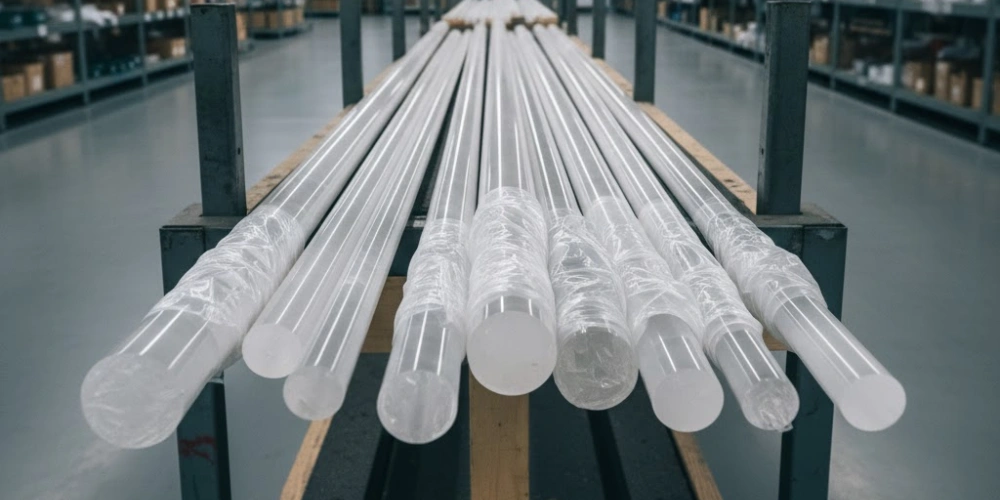
Уровни чистоты и их влияние на тепловые потолки из кварцевого стержня
Помимо широкой классификации плавленого кварца и плавленого кварца, специфический профиль примесей в конкретной партии материала количественно смещает границы тепловых характеристик в предсказуемых и измеримых направлениях.
-
Содержание гидроксила (OH) является наиболее влиятельной переменной примесей. Высокое содержание OH (более 800 ppm) снижает температуру размягчения примерно на 30-50°C по сравнению с материалом без OH, поскольку силанольные группы нарушают непрерывность сети SiO₂ и снижают среднюю связность сети. И наоборот, очень низкое содержание OH (менее 10 ppm) может повысить устойчивость к вязкой деформации при температурах выше 1200°C, но может повысить восприимчивость к уплотнению под воздействием излучения при использовании УФ-излучения.
-
Примеси щелочных металлов - В первую очередь натрий (Na), калий (K) и литий (Li) - действуют как модификаторы сети при концентрациях до 0,1 ppm, создавая неперекрывающиеся кислородные участки, которые увеличивают ионную подвижность и ускоряют кинетику девитрификации. Каждое увеличение содержания натрия на 1 ppm снижает эффективную температуру начала девитрификации примерно на 15-25°C. Материалы, предназначенные для эксплуатации при высоких температурах, должны иметь общее содержание щелочи менее 0,2 ppm.
-
Примеси переходных металлов - железо, титан и хром - поглощают инфракрасное излучение сильнее, чем окружающая кремнеземная матрица, создавая локальные горячие точки при радиационном нагреве. Измерения показали, что концентрация железа выше 3 ppm повышает локальную температуру поверхности на 40-80°C выше температуры основной массы в печках с инфракрасным нагревом, эффективно снижая практический тепловой потолок без изменения номинальных характеристик материала. Для применения при температурах выше 900°C общее содержание переходных металлов должно оставаться ниже 1 ppm.
Сертификаты чистоты, поставляемые с каждой партией материала, должны быть оценены в соответствии с этими эталонами, прежде чем заявления о тепловых характеристиках будут приняты за чистую монету.
Атмосферные условия, изменяющие тепловые характеристики кварцевых стержней
Газовая среда, окружающая кварцевый стержень при высокотемпературной эксплуатации, не является термически нейтральной - она химически и физически взаимодействует с поверхностью кремнезема, изменяя как эффективную температуру эксплуатации, так и кинетику деградации.
-
Вакуумные среды подавляют окислительные реакции на поверхности и устраняют поступление водяного пара - известного ускорителя поверхностных процессов гидроксилирование3 и девитрификации. В условиях вакуума выше 10-³ Па, начало поверхностной кристаллизации сдвигается вверх примерно на 50°C - 80°C относительно окружающей атмосферы, что увеличивает срок службы при температурах, близких к пределу непрерывного использования. Однако работа в вакууме при температурах выше 1200°C способствует испарению SiO с поверхности стержня со скоростью примерно 0,1 мкм/час, что приводит к постепенной потере массы и шероховатости поверхности в течение длительных периодов эксплуатации.
-
Атмосферы инертных газов (аргон, гелий, азот) в значительной степени повторяют эффект вакуума для подавления девитрификации, устраняя при этом испарительную потерю массы. Азотные атмосферы ниже 1300°C обычно безопасны; выше 1300°C в высокочистом азоте наблюдалось частичное нитридирование поверхности кремнезема с образованием следовых доменов нитрида кремния, которые изменяют локальные тепловые свойства.
-
Окислительные атмосферы (воздух, среда, обогащенная кислородом) способствуют поверхностному окислению любых восстановленных видов кремния, но в целом оказывают минимальное влияние на стехиометрический плавленый кварц при температурах ниже 1200°C. Выше этого порога парциальное давление кислорода влияет на равновесие между поверхностным SiO₂ и летучим SiO, при этом более высокое давление кислорода подавляет испарение.
-
Влажная и паровая атмосфера являются одними из самых агрессивных сред для кварцевых стержней. Водяной пар гидроксилирует поверхность кварца, увеличение концентрации OH на поверхности и ускорение начала девитрификации на 100-150°C по сравнению с сухой атмосферой. При длительной эксплуатации следует полностью избегать паровой среды выше 900°C.
-
Редуцирующие атмосферы (водород, образующий газ) при температурах выше 900°C может частично восстановить поверхностный SiO₂ до SiO, создавая слегка потемневший, субстехиометрический поверхностный слой с измененными оптическими и механическими свойствами. Парциальное давление водорода выше 10 кПа при 1000°C приводит к ощутимому уменьшению поверхности в течение 50 часов после воздействия.
Температурные диапазоны для кварцевых стержней в основных промышленных областях применения
В отраслях промышленности, где в наибольшей степени используются компоненты из плавленого кварца, термические требования, предъявляемые к стержням и трубкам, варьируются в широком диапазоне. В каждой отрасли действуют характерные температурные профили, частота циклов и атмосферные условия, которые взаимодействуют с термическими ограничениями материала в зависимости от отрасли.
-
Печи для диффузии и окисления полупроводников представляют собой наиболее требовательные к термическому режиму рутинные приложения. Кварцевые лодочки, трубки и опорные стержни в этих системах постоянно работают в диапазоне от 900 до 1150 °C, причем верхний конец этого диапазона упирается непосредственно в потолок девитрификации. Количество циклов в крупносерийных производствах может достигать 2000-3000 термических циклов в год, что делает термическую усталость основным механизмом, ограничивающим срок службы, а не однократное превышение температуры.
-
Ультрафиолетовые лампы и системы облучения микробов Работают при температурах оболочки от 600°C до 900°C - вполне в пределах безопасного диапазона непрерывной эксплуатации - но оптические требования этих приложений означают, что даже подкритическая девитрификация, вызванная загрязнением, а не перегревом, приводит к тому, что компоненты становятся нефункциональными еще до того, как произойдет механическое разрушение.
-
Лабораторные трубчатые печи и высокотемпературные реакционные сосуды обычно работают в диапазоне от 800°C до 1100°C. В исследовательских условиях тепловые протоколы часто неравномерны, а скорость нагрева часто применяется без строгого контроля скорости, что делает тепловой удар более распространенной причиной отказа, чем в промышленных условиях с автоматизированными температурными программами.
-
Изготовление преформ для оптического волокна В ходе операций обрушения и вытяжки стержни и оправки из плавленого кварца используются при температурах от 1400°C до 1800°C. При этих температурах материал намеренно эксплуатируется выше потолка непрерывной эксплуатации в течение контролируемых коротких периодов времени, полагаясь на отсутствие длительной механической нагрузки и защитное действие атмосферы инертного газа высокой чистоты для предотвращения девитрификации и испарительной потери массы.
-
Инфракрасные нагревательные элементы и излучающие трубки в промышленных печах работают в диапазоне от 700°C до 1050°C. Основной проблемой в таких приложениях является локальный перегрев в местах электрических соединений, где контактное сопротивление создает горячие точки, которые могут превышать основную рабочую температуру на 100-200°C.
Меры предосторожности при термическом обращении с кварцевыми стержнями в процессе эксплуатации
Преодолевая разрыв между теоретическим пониманием температурных ограничений и их правильным применением на практике, меры предосторожности, регулирующие физическое обращение и терморегулирование кварцевых стержней, являются самыми прямыми рычагами, позволяющими продлить срок службы. Неисправности, связанные с ошибками в обращении, составляют непропорционально большую долю преждевременных замен кварцевых компонентов как в промышленных, так и в лабораторных условиях.
Контролируемые режимы нагрева и охлаждения для предотвращения теплового шока
Контроль скорости нагрева и охлаждения является наиболее эффективным средством предотвращения разрушения кварцевых стержней от теплового удара. Для стержней диаметром от 10 до 20 мм рекомендуется максимальная скорость нагрева от 5°C до 8°C в минуту в диапазоне температур от окружающей среды до 600°C, где тепловые градиенты между поверхностью и стержнем наибольшие по отношению к теплопроводности материала. При температурах выше 600°C, когда радиационная теплопередача становится все более доминирующей и более равномерной, скорость нагрева до 10°C/мин обычно допустима для этого диапазона диаметров.
Фаза охлаждения требует такого же или большего контроля скорости, чем нагрев. Быстрая закалка от рабочей температуры - даже от 800°C - создает растягивающие напряжения на внешней поверхности стержня, поскольку она сжимается, опережая еще горячую внутреннюю поверхность. Для стержней, накопивших поверхностные микротрещины в результате предыдущей циклической обработки, Скорость охлаждения свыше 8°C/мин с температур выше 700°C ассоциируется со скоростью спонтанного разрушения от 15% до 25% за цикл в документальных записях по техническому обслуживанию технологического оборудования.
Предварительный нагрев кварцевых стержней перед установкой в горячую печь - по крайней мере, до 300°C выше температуры окружающей среды - значительно снижает импульс теплового удара, возникающий в первые несколько минут после установки, особенно если рабочая температура печи превышает 900°C.
Загрязнение при контакте с руками и его ускоряющее влияние на девитрификацию поверхности
Прямой контакт кожи с поверхностью кварцевых стержней при работе с ними является одной из наиболее предотвратимых причин ускоренной девитрификации в лабораторных и производственных условиях. Человеческий пот осаждает натрий в количестве примерно 0,1-1 мкг/см² за один контакт - количество, достаточное для катализации кристаллизации поверхности при температурах на 150-200°C ниже начала девитрификации чистой поверхности. В чистых полупроводниковых помещениях этот механизм загрязнения, по количественным данным, сокращает срок службы кварцевых компонентов на 40% - 60%, если стандартные перчатки для чистых помещений не используются постоянно.
Работа должна проводиться исключительно в чистых хлопчатобумажных или нитриловых перчатках без ворсаПри этом контакт следует по возможности ограничивать более холодными концевыми участками стержней. После любого непреднамеренного контакта с кожей пораженную поверхность следует очистить изопропиловым спиртом (IPA) полупроводникового качества и дать ей полностью высохнуть перед любым термическим воздействием. Невыполнение этого этапа очистки позволяет осажденным загрязнениям ковалентно соединиться с поверхностью кремнезема во время первого цикла нагрева, после чего их удаление без абразивной обработки практически невозможно.
Даже работа в перчатках приводит к загрязнению, если сами перчатки подвергались воздействию металлических инструментов, смазочных материалов или органических растворителей, что еще раз подчеркивает важность использования специального, чистого оборудования для работы с кварцевыми компонентами.
Размещение механических опор при повышенных рабочих температурах
Размещение и геометрия механических опорных конструкций для кварцевых стержней при повышенных температурах являются критически важными факторами, определяющими распределение напряжений и характер деформации ползучести. При температурах выше 900°C вязкость плавленого кварца достаточно низка, чтобы горизонтально ориентированный стержень диаметром 10 мм и длиной 500 мм, поддерживаемый только на концах, в течение 200 часов продемонстрировал заметный прогиб в середине пролета - прогиб, который навсегда нарушает размерную пригодность стержня и концентрирует напряжение в точках контакта с опорой.
Интервалы между опорами не должны превышать 200 мм для стержней диаметром менее 10 мм, работающих при температуре выше 1000°CДля минимизации концентрации напряжений точки контакта должны быть распределены по максимально возможной площади. Точечные контакты - такие, как создаваемые керамическими опорами с ножевой кромкой - создают контактное давление, которое может локально превышать предел текучести материала при сжатии при высокой температуре, вдавливая опору в поверхность стержня и создавая место концентрации напряжений, которое инициирует растрескивание при последующем охлаждении.
Материалы опор должны быть химически совместимы с плавленым кварцем - предпочтительны высокочистый глинозем или металлы платиновой группы. Опоры из карбида кремния, несмотря на их механические преимущества, вносят следы углеродных и кремниевых загрязнений на контактных поверхностях при температуре выше 1000°C.
Краткое описание мер предосторожности при термическом обращении с кварцевыми стержнями
| Параметр обработки | Рекомендуемая практика | Риск несоблюдения |
|---|---|---|
| Скорость нагрева (диам. 10-20 мм) | ≤ 8°C/мин при температуре ниже 600°C | Разрушение при тепловом ударе |
| Скорость охлаждения (диам. 10-20 мм) | ≤ 5°C/мин от > 700°C | Поверхностное растрескивание при растяжении |
| Тип перчаток | Чистый хлопок или нитрил | Ускорение девитрификации |
| Послеконтактная очистка | Протрите IPA перед нагревом | Начало каталитической кристаллизации |
| Максимальное расстояние между опорами (диам. 1000°C) | ≤ 200 мм | Постоянное ползучее провисание |
| Вспомогательный материал | Высокочистый глинозем или платина | Загрязнение поверхности и растрескивание |
| Предварительный нагрев перед установкой печи | ≥ 300°C выше температуры окружающей среды | Тепловой удар при вставке |
Долговечность кварцевых стержней при длительных высокотемпературных нагрузках
Срок службы любого высокотемпературного оборудования зависит от того, насколько условия эксплуатации соответствуют температурным пределам материала, а также от того, насколько строго контролируются условия эксплуатации и атмосферные условия.
-
Рабочая температура относительно потолка 1100°C является доминирующей переменной, ограничивающей срок службы. Кварцевый стержень, работающий при температуре 950°C в чистой, сухой инертной атмосфере, может прослужить от 18 до 36 месяцев при непрерывной эксплуатации. Тот же стержень, эксплуатируемый при температуре 1080°C в идентичных атмосферных условиях и условиях обращения, может подвергнуться оптической или механической деградации, связанной с девитрификацией, в течение 3-6 месяцев.
-
Количество термических циклов оказывает вторичное, но значительное влияние. Стержни, подвергшиеся 500 или более термическим циклам между температурой окружающей среды и рабочей температурой, накапливают достаточное количество поверхностных трещин, чтобы снизить эффективную прочность на излом на 20% - 40%, даже без какого-либо отдельного случая перегрева. Поэтому в областях применения с высокими циклами, таких как печь периодической обработки в производстве полупроводников, следует планировать профилактическую замену через определенные интервалы циклов, а не ждать видимых повреждений.
-
Управление атмосферой и загрязнением может продлить или сократить срок службы в 2-4 раза независимо от температуры. Стержни, эксплуатируемые в чистой, сухой среде инертного газа с соблюдением строгих протоколов обращения, значительно превосходят по сроку службы идентичные компоненты, используемые во влажном воздухе с неконтролируемым обращением, при сравнительных промышленных испытаниях.
-
Геометрия и конфигурация нагрузки определить, является ли деформация ползучести или концентрация напряжений в точке контакта основным механизмом окончания срока службы при температурах выше 900°C. Стержни диаметром более 20 мм в горизонтальных конфигурациях обычно демонстрируют несоответствие размеров, вызванное ползучестью, прежде чем поверхностная девитрификация становится визуально очевидной, что меняет последовательность режимов разрушения, наблюдаемую в компонентах меньшего диаметра.
Периодический осмотр, сочетающий визуальную оценку изменения прозрачности поверхности с измерением размеров для выявления провисания, вызванного ползучестью, является наиболее надежным методом прогнозирования оставшегося срока службы до наступления катастрофического отказа.
Заключение
Тепловые характеристики стержней из плавленого кварца ограничены двумя различными пределами: потолком непрерывной эксплуатации 1100°C, регулируемым кинетикой девитрификации и вязкой ползучестью, и кратковременным максимумом 1650°C, определяемым точкой размягчения материала. Превышение любого из этих пределов - даже кратковременное и многократное - приводит к прогрессирующей деградации материала через кристаллизацию кристобалита, термическое усталостное растрескивание или деформацию ползучести. Степень чистоты, атмосферная среда, управление загрязнением и геометрия опоры существенно изменяют эти пределы. Для надежной долгосрочной работы необходимо рассматривать каждую из этих переменных как параметр точного проектирования, а не как фоновое соображение.
ЧАСТО ЗАДАВАЕМЫЕ ВОПРОСЫ
Какова максимальная продолжительная рабочая температура для стержня из плавленого кварца?
Максимальная рабочая температура для стандартного стержня из плавленого кварца составляет около 1100°C. Выше этого значения кинетика девитрификации и вязкая ползучесть накапливаются со скоростью, которая ставит под угрозу структурные и оптические характеристики в течение практического срока службы.
Что вызывает девитрификацию кварцевых стержней и можно ли ее обратить вспять?
Девитрификация вызвана термически активированной кристаллизацией аморфного SiO₂ в кристобалит, ускоренной загрязнением поверхности щелочными металлами, отпечатками пальцев или контактом с металлическим инструментом. После образования доменов кристобалита превращение становится необратимым при нормальных условиях эксплуатации - никакая практическая термическая обработка ниже точки размягчения не может восстановить исходную аморфную структуру.
Влияет ли атмосфера, окружающая кварцевый стержень, на его тепловые пределы?
Атмосферные условия существенно влияют на эффективные тепловые характеристики. Вакуум и инертный газ подавляют начало девитрификации на 50-80°C по сравнению с окружающим воздухом, в то время как влажная или паровая атмосфера ускоряет начало кристаллизации на 100-150°C. Уменьшающая атмосфера при температурах выше 900°C может частично уменьшить поверхность кремнезема, изменяя оптические и механические свойства.
Как следует обращаться с кварцевыми стержнями, чтобы предотвратить преждевременную термическую деградацию?
С кварцевыми стержнями всегда следует работать в чистых хлопчатобумажных или нитриловых перчатках, чтобы предотвратить загрязнение кожи, которое может снизить температуру начала девитрификации на 150-200°C. Скорость нагрева и охлаждения должна быть ограничена 5-8°C в минуту для стержней диаметром от 10 до 20 мм, а механические опоры должны находиться на расстоянии не более 200 мм друг от друга для стержней малого диаметра, работающих при температуре выше 1000°C.
Ссылки:
-
Тетраэдры SiO₄ являются фундаментальными структурными единицами всех материалов на основе кремнезема, а их сетевая связность определяет термическую и механическую стабильность плавленого кварца.↩
-
Пламенный гидролиз - это процесс парофазного синтеза, используемый для получения высокочистого синтетического плавленого кварца, дающего материал со значительно меньшим содержанием металлических примесей, чем плавленый кварц природного происхождения.↩
-
Гидроксилирование - это химический процесс, при котором гидроксильные группы появляются на поверхности кремнезема в результате реакции с водяным паром, что ускоряет процесс девитрификации во влажной или насыщенной паром атмосфере.↩