Прозрачные кварцевые трубки выходят из строя способами, которые невозможно предсказать на примере обычного стекла, — и понимание их преимуществ позволяет избежать дорогостоящих ошибок при составлении технических заданий в отраслях, где от этого зависит многое.
В данной статье рассматриваются пять различных отраслей промышленности, в которых прозрачные кварцевые трубки выступают в качестве незаменимых с конструктивной и химической точек зрения компонентов. К ним относятся производство полупроводников, УФ-оптические системы, промышленная термическая обработка, аналитическое оборудование и инфраструктура солнечной энергетики.
Каждая область применения предъявляет уникальное сочетание тепловых, оптических, химических и геометрических требований, которым в настоящее время ни один альтернативный трубчатый материал не соответствует с аналогичной надёжностью. Рассмотрение ведётся от наиболее технически сложных условий эксплуатации к более широкому промышленному применению, что позволяет постепенно сформировать всеобъемлющую систему соотношений «материал—применение».
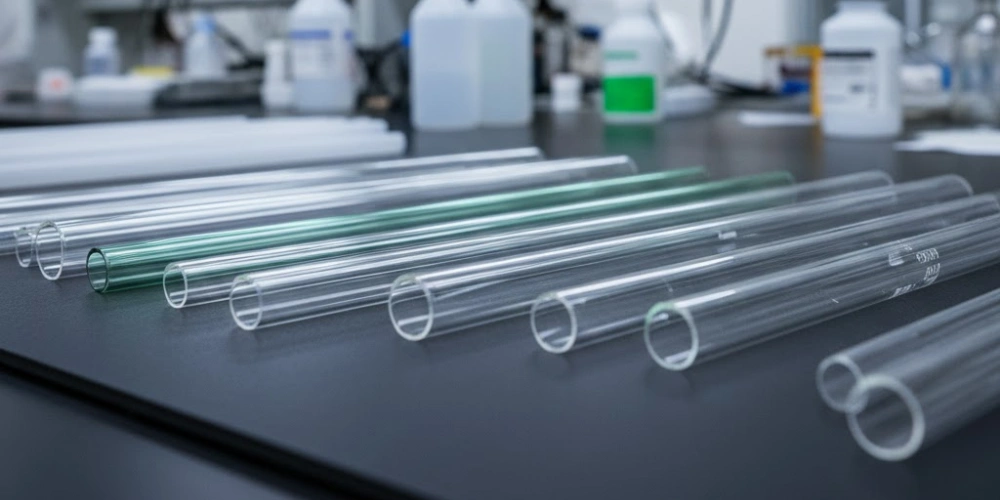
Чем прозрачные кварцевые трубки отличаются от трубок из других материалов
Среди всех неорганических трубчатых материалов, доступных инженерам и учёным, лишь немногие сочетают в себе оптическую прозрачность, чрезвычайную термостойкость и химическую инертность в рамках одной монолитной структуры так, как это делает кварц.
-
Оптическая прозрачность в широком спектральном диапазоне: Плавленое кварцевое стекло пропускает волны длиной от примерно 150 нм в области глубокого ультрафиолета до 3 500 нм в области ближнего инфракрасного излучения — это спектральное окно, которому не может сравниться боросиликатное стекло, которое начинает значительно поглощать излучение уже ниже 300 нм. Такая широта пропускания не является случайной — она обусловлена отсутствием примесей переходных металлов и аморфным расположением тетраэдров SiO₄, что предотвращает поглощение фононов решетки в видимом и ближнем ультрафиолетовом диапазонах.
-
Исключительная термическая стабильность и низкий коэффициент теплового расширения: Коэффициент теплового расширения (КТР) плавленого кварца составляет примерно 0,55 × 10⁻⁶/°C, что примерно в двадцать раз меньше, чем у натриево-кальциевого стекла. Следовательно, прозрачные кварцевые трубки может переноситься из печи с температурой 1 000 °C в атмосферу без разрушения — это свойство технически описывается как термоударная стойкость и количественно характеризуется параметром термоудара, превышающим 1 000 °C для плавленого кварца стандартного качества. Для сравнения: боросиликатное стекло выдерживает перепады температур примерно до 165 °C, прежде чем риск разрушения становится значительным.
-
Химическая инертность в агрессивных средах: Кварц устойчив практически ко всем минеральным кислотам при температурах ниже 300 °C, за исключением фтористоводородной кислоты и горячей фосфорной кислоты, которые непосредственно разрушают структуру SiO₂. Он не выщелачивает ионы щелочей, не выделяет тяжёлых металлов и не катализирует химические реакции — эти свойства делают его уникально подходящим для аналитических и технологических сред высокой чистоты, где загрязнение на уровне частей на миллиард имеет существенное значение.
-
Высокое удельное электрическое сопротивление и прозрачность для радиочастот: Благодаря объемному удельному сопротивлению, превышающему 10¹⁸ Ом·см при комнатной температуре, и пренебрежимо малым диэлектрическим потерям на радиочастотах кварцевые трубки пропускают радиочастотную энергию — это свойство непосредственно используется в конструкции горелок спектрометров с индуктивно связанной плазмой (ICP) и в оборудовании для плазменной обработки.
Эти четыре группы свойств в совокупности объясняют, почему, несмотря на наличие керамики на основе оксида алюминия, сапфира и различных специальных стекол, прозрачные кварцевые трубки по-прежнему занимают незаменимое место во всех областях применения, рассматриваемых ниже.
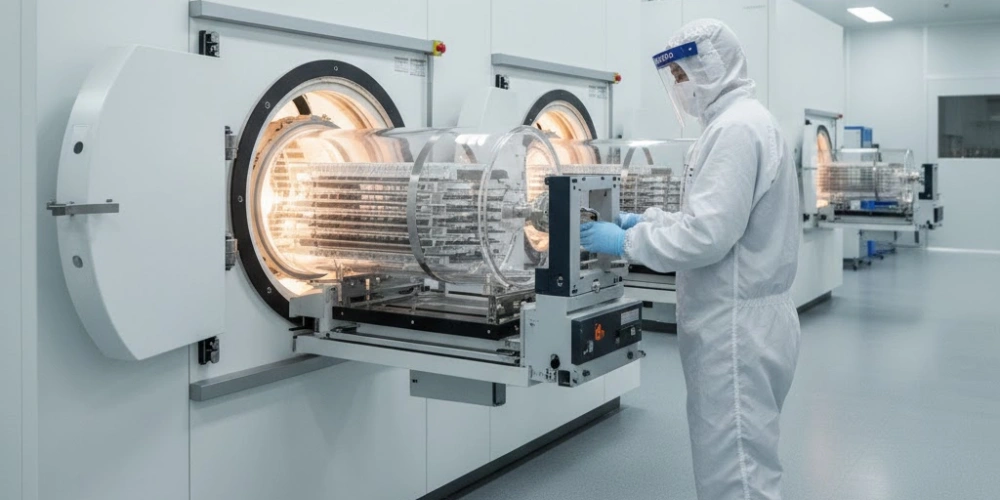
Прозрачные кварцевые трубки в печах для диффузии полупроводников
Производство полупроводников представляет собой наиболее сложную с технической точки зрения область применения для любого трубчатого материала, где допустимые пределы загрязнения измеряются в частях на триллион, а стабильность размеров должна сохраняться в течение тысяч термических циклов.
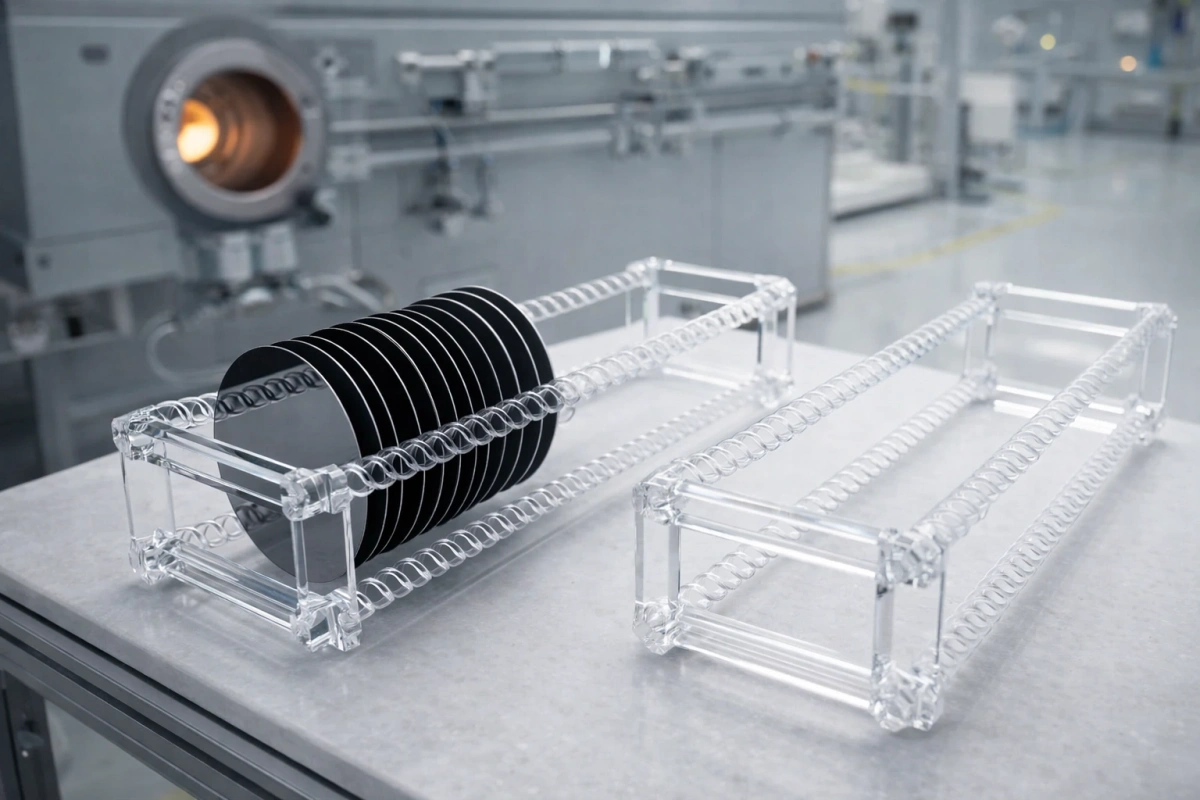
Прозрачные кварцевые трубки составляют физическое ядро горизонтальных и вертикальных диффузионных печей, одновременно выполняя функции резервуара для удержания технологической атмосферы, канала для теплового излучения и несущей конструкции для держателей кремниевых пластин. Прозрачность стенок труб — это не просто визуальное удобство: она позволяет проводить пирометрические измерения температуры через стенку трубы и обеспечивает оптическое определение конечной точки процесса без необходимости проникновения датчика внутрь.
Роль кварцевых технологических трубок в процессах термического окисления и диффузии
Кварцевая технологическая трубка в диффузионной печи является основным соединительным звеном между контролируемой газовой атмосферой и кремниевыми пластинками, подвергающимися термической обработке. В процессах термического окисления пластины загружаются в трубу на кварцевой лодке и подвергаются воздействию либо сухого кислорода, либо пара при температурах от 800 °C до 1 100 °C, в результате чего на поверхности пластины образуется точно контролируемый слой SiO₂.
Физическое расположение технологической трубы внутри печи точно определено: Трубка должна быть соосно выровнена с резистивными нагревательными элементами с точностью до долей миллиметра, что обеспечивает азимутальную равномерность температуры по всей партии пластин. В стандартной технологической трубе для 200-мм пластин внутренний диаметр обычно составляет 220–230 мм, толщина стенки — 6–8 мм, а активная нагреваемая длина — 900–1 200 мм. Любое отклонение толщины стенки, превышающее ±0,3 мм, приводит к появлению локальных температурных градиентов, которые распространяются в стопке пластин в виде неравномерностей профиля легирования.
Прозрачность стенок трубки позволяет инженерам-печникам визуально контролировать положение лодочки с пластинками без нарушения технологической атмосферы — это практическое преимущество, которого не могут обеспечить керамические или металлические футеровки печей.
Стандарты чистоты и чувствительность к загрязнениям при обработке пластин
Требования к чистоте кварцевых трубок полупроводникового качества относятся к числу самых строгих технических требований, предъявляемых к любым промышленным материалам. Общее содержание металлических примесей — сумма железа, алюминия, натрия, калия, кальция и титана — должно оставаться ниже 20 частей на миллион по массе в стандартном кварце технологического качества и ниже 5 ppm в трубках из синтетического плавленого кремнезема сверхвысокой чистоты, используемых для изготовления логических элементов передовых технологических узлов. При температурах обработки выше 900 °C даже следовые количества щелочных металлов на уровне 1 ppm могут диффундировать через стенку кварца в технологическую атмосферу, а затем — в кристаллическую решётку кремния, создавая электрически активные дефектные состояния, которые ухудшают подвижность носителей заряда.
Концентрация гидроксильной (OH) группы является не менее важным параметром технических характеристик. Кварц с высоким содержанием OH (свыше 150 ppm) демонстрирует снижение вязкости при повышенных температурах и при температуре 1 100 °C более подвержен деформации под собственным весом. Синтетический плавленый кварц с низким содержанием OH (менее 30 ppm) сохраняет структурную жесткость при постоянной термической нагрузке и поэтому предпочтительнее для изготовления печных труб, предназначенных для длительной эксплуатации.
Оптическая однородность — характеризующаяся отсутствием пузырьков, включений, полос и неоднородностей показателя преломления — проверяется методом осмотра в проходящем свете перед сертификацией трубок для использования в полупроводниковой промышленности, поскольку внутренние дефекты создают локальные «горячие точки», которые нарушают равномерность температуры в партии пластин.
Требования к тепловой однородности по всей длине трубы
Равномерность температуры по всей активной зоне печи напрямую зависит от стабильности размеров кварцевой трубки и однородности её стенок. Отраслевые технические требования к диффузионным печам для 300-миллиметровых пластин предусматривают равномерность температуры в пределах ±0,5 °C на плоской зоне шириной 500 мм — такой допуск предполагает колебания толщины стенок не более ±0,2 мм по всей длине трубы.
Низкий коэффициент теплового расширения (CTE) плавленого кварца (0,55 × 10⁻⁶/°C) является основным фактором, обеспечивающим такую тепловую однородность. Кварцевая технологическая трубка длиной 1 200 мм при нагреве от 25 °C до 1 000 °C расширяется в осевом направлении всего на 0,58 мм — это незначительное смещение по сравнению с расширением на 7,8 мм, которое продемонстрировала бы трубка из нержавеющей стали аналогичной длины в тех же условиях. Такая стабильность размеров гарантирует, что торцевые фланцы трубки, фитинги для ввода газа и положение упора лодочки для пластин остаются геометрически фиксированными на протяжении всего технологического цикла, что исключает смещение положения как источник технологических отклонений.
Однако многократные термоциклы приводят к накоплению усталости материала. Трубки, используемые в полупроводниковых технологических процессах, обычно выводятся из эксплуатации после 200–500 термоциклов в зависимости от пиковой температуры и скорости изменения температуры, при этом окончание срока службы определяется на основе планового визуального осмотра на предмет появления признаков девитрификации и проверки размеров с помощью контактного измерительного прибора.
Технические характеристики кварцевой трубки для печи диффузии полупроводников
| Параметр | Стандартный технологический класс | Класс сверхвысокой чистоты |
|---|---|---|
| Общее содержание металлических примесей (ppm) | ≤ 20 | ≤ 5 |
| Содержание OH (ppm) | 150–400 (с высоким содержанием OH) | < 30 (с низким содержанием OH) |
| Максимальная температура непрерывного использования (°C) | 1,100 | 1,100 |
| CTE (×10-⁶/°C) | 0.55 | 0.55 |
| Допуск на толщину стенки (мм) | ± 0,3 | ± 0,2 |
| Типичный цикл эксплуатации (термические циклы) | 200-300 | 300–500 |
| Уровень «Пузырь» | Класс B | Класс A |
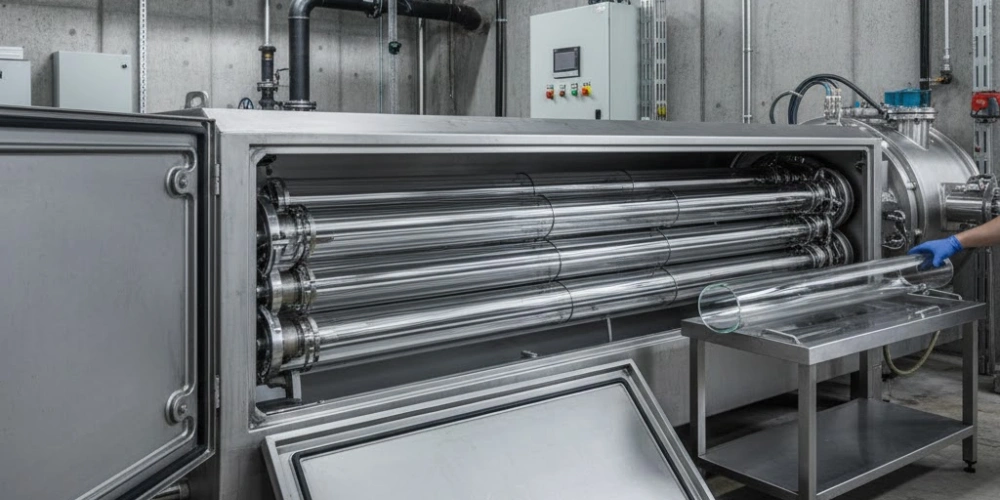
Свойства пропускания УФ-излучения, обеспечивающие возможность использования прозрачных кварцевых трубок в оптических системах
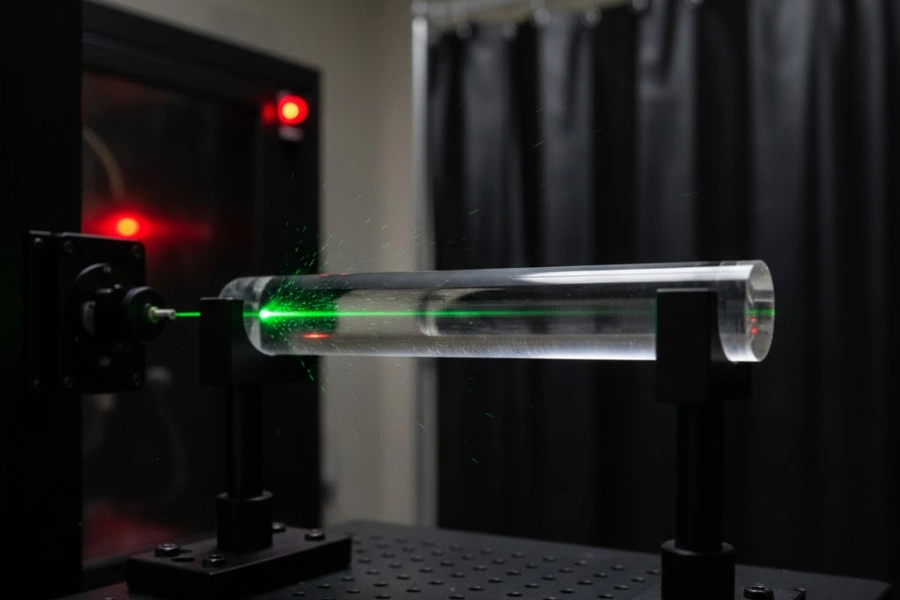
Оптические системы, работающие в диапазоне длин волн ниже 300 нм, накладывают спектральные ограничения, которые сразу же исключают из рассмотрения боросиликатное стекло, закаленное стекло и большинство полимерных материалов, в результате чего в качестве технически приемлемого материала для оболочки УФ-ламп и фотохимических реакторов остается плавленый кварц.
Оптическое преимущество прозрачных кварцевых трубок в УФ-системах заключается не просто в более высокой пропускаемости — оно отражает фундаментальное различие в структуре электронных зон. Широкая запрещенная зона аморфного SiO₂ (~9 эВ) предотвращает поглощение УФ-фотонов с длинами волн свыше 150 нм самой матрицей, тогда как боросиликатное стекло начинает значительно поглощать излучение с длинами волн выше примерно 300 нм из-за полос поглощения, связанных с ионами Fe²⁺ и группами OH⁻.
Спектральная пропускаемость плавленого кремнезема в УФ-диапазоне
Характеристики пропускания кварцевого стекла в ультрафиолетовом диапазоне не только количественно превосходят аналогичные показатели других материалов, но и имеют решающее значение при проектировании УФ-систем. Стандартный синтетический плавленый кремнезем обеспечивает коэффициент пропускания более 85% при длине волны 200 нм, более 90% при длине волны 220 нм и сохраняет коэффициент пропускания выше 90% во всем диапазоне УФ-А и УФ-В вплоть до 400 нм — показатели, которые для стандартного боросиликатного стекла снижаются до значений ниже 10% при длинах волн ниже 280 нм.
Различие между природным кварцем и синтетическим плавленым кремнеземом становится существенным в диапазоне самых коротких УФ-длин волн. Природный кварц содержит следовые примеси, в том числе Fe³⁺, которые приводят к появлению полосы поглощения с центром около 210 нм, что снижает коэффициент пропускания в глубоком УФ-диапазоне на 5–15% по сравнению с синтетическим материалом. Соответственно, для применений, работающих на длине волны 193 нм (длина волны эксимера ArF) или 172 нм (длина волны VUV-ксенонового эксимера), требуют использования трубок из синтетического плавленого кварца с содержанием OH выше 600 ppm, поскольку гидроксильные группы подавляют образование цветовых центров E′ — парамагнитных дефектов в виде кислородных вакансий, которые постепенно поглощают УФ-энергию и вызывают потерю пропускания, вызванную соляризацией.
Толщина стенки напрямую определяет оптическую эффективность системы. Стенка толщиной 1 мм из стандартного синтетического плавленого кварца пропускает примерно 91% излучения с длиной волны 254 нм за один проход, в то время как стенка толщиной 3 мм из того же материала снижает однопроходную пропускаемость примерно до 75% — разница составляет 16 процентных пунктов, что напрямую определяет дозу УФ-излучения, поступающую в технологическую среду при применении в целях фотохимической обработки или дезинфекции.
Кварцевые оболочки в системах с ртутными и эксимерными УФ-лампами
Ртутно-паровые лампы — как бактерицидные лампы низкого давления, так и полихроматические лампы среднего давления — оснащены кварцевыми колбами, которые должны одновременно выполнять функции сосудов для удержания электрического разряда, окон для пропускания ультрафиолетового излучения и тепловых барьеров, работая при постоянном внутреннем давлении от 0,1 до 10 атмосфер.
В ртутных лампах низкого давления температура стенок кварцевой трубки составляет 40–120 °C и поддерживает внутреннее давление паров ртути на уровне примерно 0,8 Па, генерируя характерные линии излучения длиной волны 253,7 нм и 184,9 нм, которые используются в бактерицидных и озоногенерирующих системах. Линия длиной волны 184,9 нм проходит только через синтетический плавленый кремнезем — стандартный природный кварц поглощает эту длину волны выше практического порога пропускания. Ртутные лампы среднего давления работают при температуре стенок 600–900 °C и внутреннем давлении 1–10 атмосфер, что требует использования кварца с достаточным сохранением вязкости и устойчивостью к растрескиванию корпуса лампы, вызванному температурным градиентом.
Системы с эксимерными лампами, работающие на длине волны 172 нм (Xe₂), 222 нм (KrCl), а также 248 нм (KrF*) предъявляют самые высокие требования к материалам оболочки. Энергия фотонов на этих длинах волн достаточна для того, чтобы со временем вызвать образование цветовых центров в матрице из плавленого кварца — этот процесс называется уплотнением или разрежением в зависимости от локальной флюенса. Радиационно-стойкие марки синтетического плавленого кварца, легированные фтором в концентрации 100–300 ppm, демонстрируют значительно повышенную устойчивость к уплотнению при длине волны 248 нм, при этом время жизни трансмиссии увеличивается в 3–5 раз по сравнению с нелегированным синтетическим материалом при эквивалентных условиях флюенса.
Системы очистки воды и стерилизации поверхностей с использованием ультрафиолетового излучения
В системах УФ-дезинфекции воды в качестве защитных кожухов используются прозрачные кварцевые трубки, которые отделяют УФ-лампу от потока воды, обеспечивая при этом эффективную пропускаемость УФ-С-излучения в толщу воды. Кварцевая трубка должна пропускать через свою стенку более 85% падающего излучения длиной волны 253,7 нм, чтобы обеспечить минимальную дозу УФ-излучения 40 мДж/см², установленную Агентством по охране окружающей среды США (US EPA) и немецким стандартом DVGW W294 для дезинфекции питьевой воды.
Длительная эксплуатация в средах с содержанием хлора или в солоноватой воде приводит к появлению путей химического воздействия, отличных от тех, которые характерны для применения УФ-ламп в сухих условиях. Гипохлорная кислота (HOCl) при концентрации выше 2 мг/л может вызывать коррозию наружной поверхности кварцевых втулок в течение 8 000–10 000 часов непрерывной работы, постепенно увеличивая шероховатость поверхности и снижая коэффициент пропускания на 2–5% в год. Периодическая очистка 5–10% раствором фтористоводородной кислоты удаляет этот слой помутнения с поверхности, восстанавливая коэффициент пропускания до значения, отличающегося от исходного не более чем на 2%.
Кольцевой зазор между кварцевой втулкой и колпачком УФ-лампы — обычно 2–5 мм — должен оставаться заполненным воздухом и сухим; попадание воды в этот зазор приводит к локальному термическому удару в кварцевой трубке при зажигании лампы, поскольку быстрый рост температуры от температуры окружающей среды до 120 °C внутри стенки лампы частично гасится водной пленкой, что вызывает концентрацию растягивающих напряжений на внутренней стенке втулки, превышающую модуль разрушения материала.
Рабочие параметры кварцевой втулки УФ-системы
| Приложение | Рабочая длина волны (нм) | Требуемая коэффициент пропускания (%) | Температура стены (°C) | Типичная толщина стены (мм) |
|---|---|---|---|---|
| Бактерицидная лампа низкого давления | 253.7 | ≥ 85 | 40–120 | 1.0–1.5 |
| УФ-лампа среднего давления | 200-400 | ≥ 75 | 600-900 | 2.0–3.0 |
| Эксимерная лампа KrF | 248 | ≥ 80 | 200-400 | 1.5-2.5 |
| Ультрафиолетовая дезинфекционная втулка для воды | 253.7 | ≥ 85 | 40–80 | 1,0–2,0 |
| Система стерилизации поверхностей | 222 / 254 | ≥ 80 | 60–150 | 1.0–1.5 |
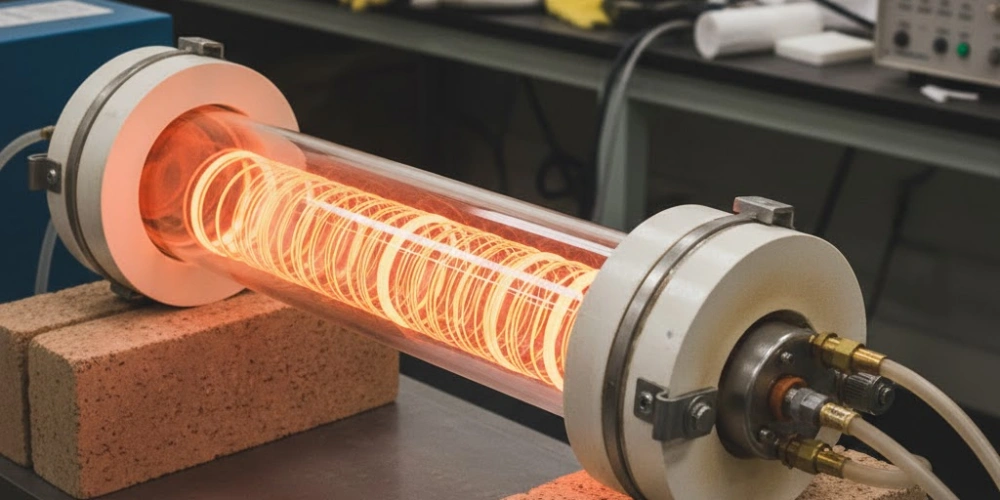
Высокотемпературная изоляция с использованием прозрачных кварцевых трубок в промышленных печах
Помимо чистых помещений для производства полупроводников, трубчатые печи, используемые в исследованиях материалов, обработке керамики и металлургических испытаниях, представляют собой одну из сфер применения кварцевых труб с наибольшим объемом использования, где срок службы и совместимость с рабочей средой определяют периодичность замены и надежность технологического процесса.
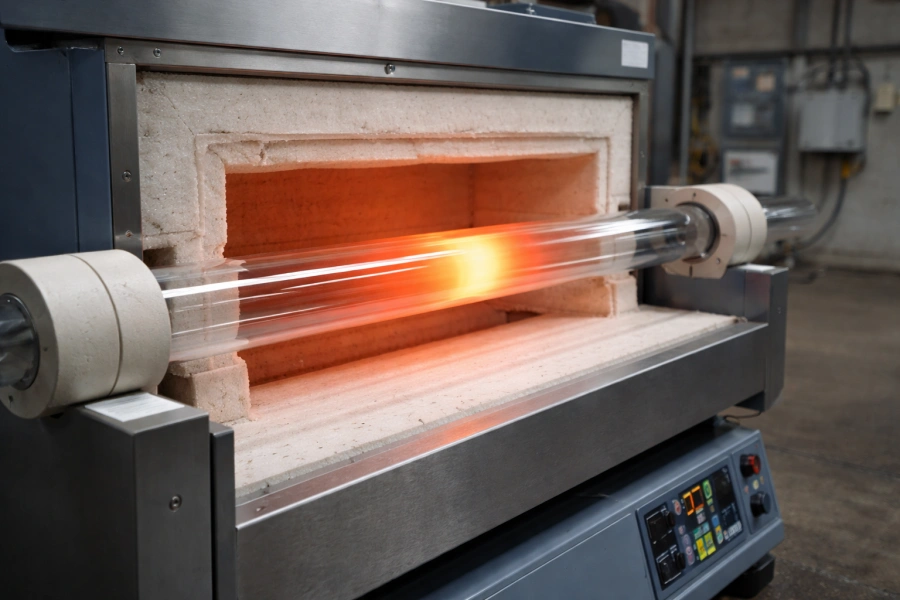
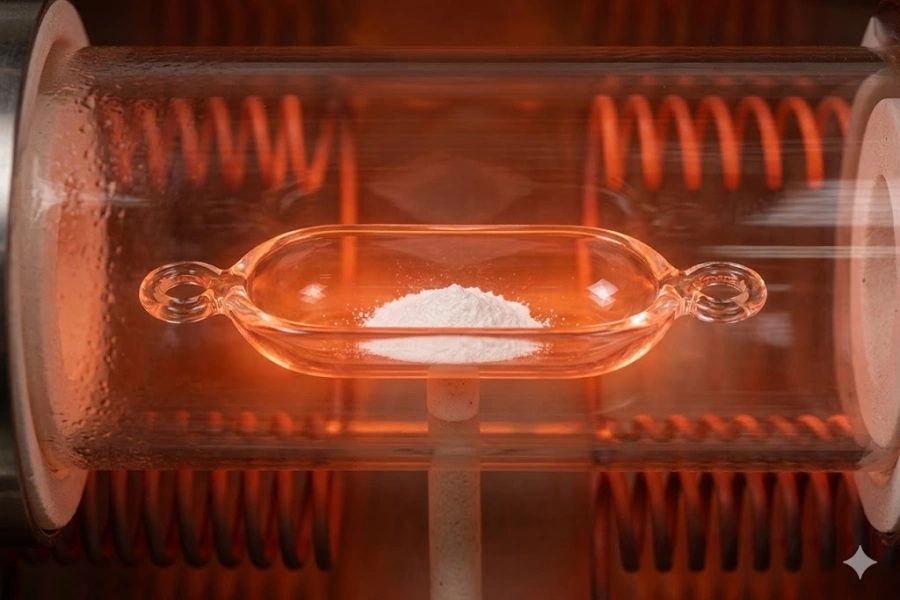
Прозрачные кварцевые трубки, используемые в промышленных печах, выполняют двойную функцию: обеспечивают термическую изоляцию технологической среды и позволяют визуально наблюдать за зоной нагрева образца — сочетание, которое не могут обеспечить ни металлические, ни керамические футеровки. Прозрачность стенок трубки позволяет осуществлять оптический мониторинг изменений цвета образца, визуализацию потока газа и наблюдение за фронтом горения в режиме реального времени без необходимости установки интрузивных датчиков внутри печи.
Предельные значения рабочей температуры и пороги девитрификации
Максимальная температура непрерывной эксплуатации прозрачных трубок из плавленого кварца составляет 1 100 °C в сухой и чистой атмосфере. Кратковременное воздействие пиковых температур до 1 250 °C технически допустимо при продолжительности, не превышающей 30 минут, при условии, что труба охлаждается равномерно и ни один из локальных температурных градиентов не превышает 200 °C/см вдоль оси трубы.
Критическим механизмом деградации при температуре выше 1 050 °C является девитрификация — постепенная кристаллизация аморфного SiO₂ с образованием кристобалита, кристаллического полиморфа с плотностью 2,33 г/см³ по сравнению с 2,20 г/см³ у аморфного плавленого кварца. Эта разница в плотности приводит к возникновению внутреннего сжимающего напряжения на границе раздела между кристаллитами и стеклом в процессе зарождения и роста кристобалитовой фазы, что в конечном итоге приводит к образованию микротрещин, которые распространяются по стенке трубки при последующих циклах термической обработки. Визуально девитрификация проявляется в виде непрозрачного белого налёта на поверхности, который начинается в местах дефектов и постепенно расширяется по мере увеличения времени термического воздействия.
Загрязнение щелочными металлами резко ускоряет кинетику девитрификации. Пары калия в концентрации свыше 0,1 ppm в атмосфере печи снижают начальную температуру кристаллизации с ~1 050 °C до 850 °C за счет нарушения углов связи Si-O-Si и создания мест зародышеобразования для формирования кристаллитов кристобалита. Именно поэтому технологические газы, используемые в печах с кварцевой футеровкой, перед подачей в рабочий объем печи должны проходить фильтрацию через молекулярные сита, рассчитанные на удаление щелочей.
Совместимость с атмосферой в окислительных и восстановительных печных средах
Кварцевые трубки обладают превосходной химической стойкостью в окисляющих средах — чистом кислороде, воздухе и парах воды — во всём рабочем диапазоне температур до 1 100 °C. В этих средах на поверхности кремнезема сохраняется пассивирующая пленка SiO₂, которая предотвращает разрушение основного материала.
В восстановительной среде возникают более сложные ограничения по совместимости. В чистом водороде при температурах выше 1 000 °C молекулярный водород диффундирует через кварцевую стенку со скоростью примерно 1,2 × 10⁻⁸ см²/с, вступая в реакцию с решетчатым кислородом с образованием воды и выделяя немостиковые центры с кислородными дырками (NBOHC)1 в пределах кремнеземной решетки. При температуре выше 1150 °C в среде высокочистого водорода поверхностная реакция SiO₂ + H₂ → SiO(g) + H₂O становится термодинамически благоприятной, что приводит к заметной потере веса и образованию точечных коррозионных язв на поверхности со скоростью 0,01–0,05 мг/см²·ч. Аналогичные проблемы возникают в средах с содержанием окиси углерода при температурах выше 1 000 °C, где аналогичная реакция SiO₂ + CO → SiO(g) + CO₂ протекает с сопоставимой кинетикой.
Инертные атмосферы — аргон, азот и гелий — полностью совместимы с кварцевыми трубками во всём диапазоне рабочих температур при условии, что содержание следовых примесей кислорода в потоке инертного газа не превышает 5 ppm, что позволяет предотвратить каталитическое окисление поверхности при повышенных температурах. При температурах выше 1 200 °C азот может вступать в реакцию с кремнием на открытых вершинах трещин с образованием Si₃N₄, однако эта реакция требует прямого контакта кремния с азотом и не имеет отношения к неповреждённым поверхностям кварцевых трубок.
Преимущества прозрачной стенки для визуального и оптического контроля технологического процесса
Прозрачность стенок кварцевой трубы обеспечивает возможность непосредственного наблюдения за процессом, что принципиально отличает печи с кварцевой футеровкой от систем с керамическими или металлическими трубами. В исследовательских печах для изучения процессов горения положение фронта пламени, градиент цветовой температуры и характер образования сажи можно непосредственно наблюдать через стенку кварцевой трубки с использованием высокоскоростных камер или оптических пирометров, не требующих наличия какого-либо отверстия для физического доступа в корпусе печи.
В исследованиях по регенерации катализаторов изменение цвета гранул катализатора с черного (коксованного) на белый (регенерированный) служит визуальным индикатором конечной точки, который инженеры-технологи наблюдают напрямую через стенку трубки в режиме реального времени, сопоставляя местоположение изменения цвета с показаниями термопары для определения скорости продвижения фронта реакции. Такой оптический доступ устраняет необходимость в зондах для отбора проб газа, которые нарушали бы поле течения внутри трубки — это методологическое преимущество, которое систематически используется в исследованиях реакторов с неподвижным слоем с 1960-х годов.
При измерении температуры с помощью радиационного термометра через стенки кварцевой трубки необходимо учитывать небольшой поправочный коэффициент. Коэффициент излучаемости прозрачного плавленого кварца в инфракрасном диапазоне 1–3 мкм, используемом в большинстве оптических пирометров, составляет примерно 0,93, что означает: при пирометрических измерениях через стенку трубки необходимо применять специфический для данного прибора поправочный коэффициент, учитывающий частичное поглощение ИК-излучения самой кварцевой стенкой — эту систематическую поправку опытные операторы печей применяют в качестве калибровочного смещения при первоначальной характеристике печи.
Совместимость промышленной трубчатой печи с различными средами
| Атмосфера | Максимальная безопасная температура (°C) | Основной механизм разложения | Уровень риска |
|---|---|---|---|
| Сухой кислород / воздух | 1 100 (непрерывно) | Девитрификация при температуре выше 1 050 °C | Низкий |
| Водяной пар (пар) | 1,000 | Гидроксилирование поверхности, снижение вязкости | Умеренный |
| Чистый H₂ | 1,000 | Выделение SiO при температуре выше 1 150 °C | Более 1 000 °C |
| CO | 1,000 | Восстановление SiO₂ при температуре выше 1 000 °C | Более 1 000 °C |
| Ar / He / N₂ (< 5 ppm O₂) | 1,100 | Ничего существенного | Очень низкий |
| Атмосфера, загрязнённая щелочами | 850 | Ускоренная девитрификация | Очень высокий |
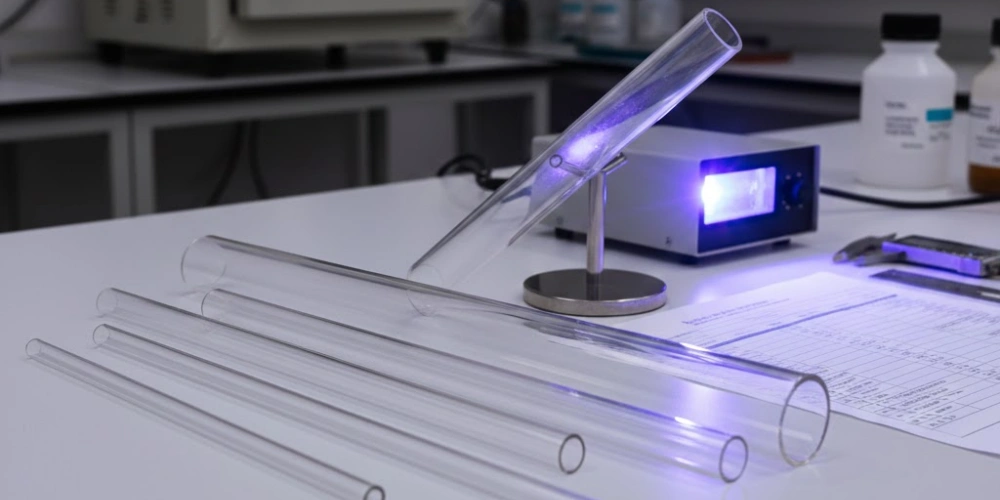
Лабораторное и аналитическое оборудование на основе прозрачных кварцевых трубок
Аналитическое оборудование предъявляет требования к допускам на размеры и уровню чистоты, которые в ряде аспектов являются более строгими, чем те, что применяются в промышленных печах, поскольку рабочие характеристики приборов — пределы обнаружения, точность измерений и стабильность калибровки — напрямую зависят от физической целостности кварцевых компонентов.
Условия работы аналитической лаборатории отличаются от условий промышленной переработки в одном важнейшем аспекте: кварцевая трубка является не просто защитной оболочкой, а активным оптическим и плазменным интерфейсом, геометрия, состояние поверхности и чистота материала которого напрямую определяют качество результатов измерений. Прозрачные кварцевые трубки в данном контексте представляют собой прецизионные инженерные компоненты, а не обычные расходные материалы для технологических процессов.
Кварцевые плазменные трубки в спектрометрах ICP-OES и ICP-MS
Сайт плазма с индуктивной связью2 Горелка является аналитическим «сердцем» приборов ICP-OES и ICP-MS и состоит из трёх концентрических прозрачных кварцевых трубок, соотношения размеров которых соблюдаются с точностью до долей миллиметра.
Внешняя трубка — как правило, с наружным диаметром 19–22 мм и толщиной стенки 1,0–1,5 мм — обеспечивает поток аргона, впрыскиваемого тангенциально, со скоростью 12–18 л/мин, которая одновременно поддерживает плазму и защищает кварцевую стенку от прямого контакта с ядром плазмы температурой 6 000–10 000 K. Промежуточная трубка (внешний диаметр 12–15 мм) обеспечивает подачу вспомогательного потока аргона со скоростью 0,5–1,5 л/мин, что позволяет расположить основание плазмы вертикально внутри корпуса горелки. Самая внутренняя инжекторная трубка (внутренний диаметр 1–2 мм) подает распыленный аэрозоль образца в ядро плазмы со скоростью 0,5–1,2 л/мин. Допуск на коаксиальное выравнивание этих трёх трубок должен поддерживаться в пределах ±0,1 мм для обеспечения азимутальной симметрии плазмы — асимметрия даже в 0,15 мм приводит к измеримому дрейфу сигнала при одновременном многоэлементном анализе.
РЧ-катушка, окружающая внешнюю кварцевую трубку, работает на частоте 27,12 МГц или 40,68 МГц. На этих частотах тангенс диэлектрических потерь плавленого кварца составляет примерно 1 × 10⁻⁴, настолько незначительным, что кварцевая стенка поглощает менее 0,11 TP3T радиочастотной энергии — это является необходимым условием для эффективной индуктивной связи с плазменным газом без локального нагрева кварца, который мог бы привести к деформации геометрии трубки во время работы.
Плазменная эрозия внутренней стенки горелки является основным фактором, ограничивающим срок её службы. В местах соприкосновения плазмы с кварцевой поверхностью во время переходных процессов при запуске или при недостаточном расходе охлаждающей жидкости локальные температуры поверхности могут превышать 1 400 °C, что приводит к образованию видимых отложений девитрификации и изменениям размеров, нарушающим стабильность плазмы. Стандартные горелки ICP рассчитаны на срок службы 200–500 часов время работы плазмы до того момента, когда отклонение размеров от технических характеристик потребует замены.
Трубчатые реакторы для исследований каталитического и термического разложения
Лабораторные кварцевые трубчатые реакторы, используемые в исследованиях в области гетерогенного катализа, изготавливаются со стандартными шагами внутреннего диаметра 4, 6, 8, 10, 12 и 16 мм, с толщиной стенок 1,0–2,5 мм. Они рассчитаны на длину слоя катализатора 20–100 мм и обеспечивают достаточную конструктивную жёсткость, позволяющую выдерживать перепад давления между подачей газа и атмосферным выпуском.
Химическая инертность кварца по отношению к промежуточным продуктам каталитических реакций является его основным преимуществом в данном контексте применения. В экспериментах по восстановлению с программируемой температурой (TPR) с использованием катализатора 5% H₂/Ar при постепенном повышении температуры до 900 °C катализаторы на основе оксидов металлов генерируют водяной пар, диоксид серы и галогеносодержащие продукты разложения — все эти вещества вступают в реакцию с трубками из оксида алюминия или загрязняют слой катализатора, попадая с металлических стенок реактора. Кварцевые трубки не участвуют ни в одной из этих реакций и не вносят фонового сигнала при анализе выходящих газов на масс-спектрометре.
В исследованиях в области катализа часто отмечается, что на внутренней стенке кварцевого реактора в ходе многократных циклов TPR/TPO образуется тонкий аморфный налет — в виде бледно-желто-коричневой пленки, которая по своему составу представляет собой восстановленные формы металла, мигрирующие с поверхности катализатора. Этот налет обычно удаляется путем обработки 10% HNO₃ при температуре 80 °C в течение 2 часов не повреждая кварцевую подложку, после чего лампа возвращается в эксплуатацию с характеристиками пропускания, неотличимыми от характеристик новой лампы.
Конфигурации реакторов для потоковой химии и фотохимии
Системы потоковой химии, в которых используются микрореакторы с кварцевыми трубками, предъявляют уникальное сочетание строгих требований: герметичность при давлении до 10 бар, совместимость растворителя с агрессивными органическими реагентами, прозрачность для УФ-излучения с целью фотохимической активации, а также точное определение внутреннего объема для контроля времени пребывания.
В фотохимических проточных реакторах внутренний диаметр кварцевой трубки напрямую определяет длину оптического пути и, следовательно, равномерность поглощения фотонов по всему поперечному сечению реактора. В реакциях, подчиняющихся закону поглощения Бера-Ламберта, с молярным коэффициентом экстинкции выше 100 л/моль·см, внутренний диаметр, превышающий 4 мм, приводит к образованию значительных радиальных градиентов потока фотонов — самый внешний слой жидкости получает флюенс, в 10 раз превышающий флюенс в осевой точке — что делает кварцевые капиллярные трубки с внутренним диаметром 1–2 мм предпочтительной геометрией для фотохимических субстратов с высокой экстинкцией.
Ультрафиолетовые реакторы непрерывного действия, используемые в фармацевтическом синтезе, обычно работают при дозах УФ-излучения 10–500 мДж/см², которые поступают через стенки кварцевых трубок от внешней ртутной лампы или светодиодных УФ-матриц. Расход через кварцевую капиллярную трубку с внутренним диаметром 2 мм при скорости 1 мл/мин соответствует линейной скорости 5,3 мм/с, что обеспечивает время пребывания около 19 секунд на каждые 100 мм длины реактора — этот параметр технологи-химики точно настраивают, изменяя длину трубки, а не ее внутренний диаметр, что позволяет сохранить оптимизацию длины оптического пути.
Технические характеристики кварцевых трубок для аналитических приборов
| Прибор / Применение | Функция трубки | Внешний диаметр (мм) | ID (мм) | Толщина стенок (мм) | Допуски по размерам (мм) |
|---|---|---|---|---|---|
| ICP-горелка — наружная трубка | Канал для охлаждающего газа | 19–22 | 16–19 | 1.0–1.5 | ± 0,1 |
| ICP-горелка — промежуточная трубка | Канал для вспомогательного газа | 12–15 | 10–13 | 1.0–1.2 | ± 0,1 |
| ICP-горелка — инжекторная трубка | Пример доставки аэрозоля | 2-4 | 1-2 | 0.5-1.0 | ± 0,05 |
| Каталитический трубчатый реактор | Корпус катализатора с неподвижным слоем | 6–20 | 4–16 | 1.0–2.5 | ± 0,2 |
| Фотохимический капилляр с потоком | Проточная реакция, активируемая ультрафиолетом | 3–6 | 1–4 | 0,8–1,5 | ± 0,05 |
Системы солнечной энергетики с использованием прозрачных кварцевых трубок
Сектор солнечной энергетики представляет собой уникальную область применения кварцевых трубок, в которой диапазон пропускания изменяется с ультрафиолетового на видимый и ближний инфракрасный диапазоны солнечного спектра, а механические размеры отдельных компонентов трубок значительно увеличиваются по сравнению с лабораторными или полупроводниковыми форматами.
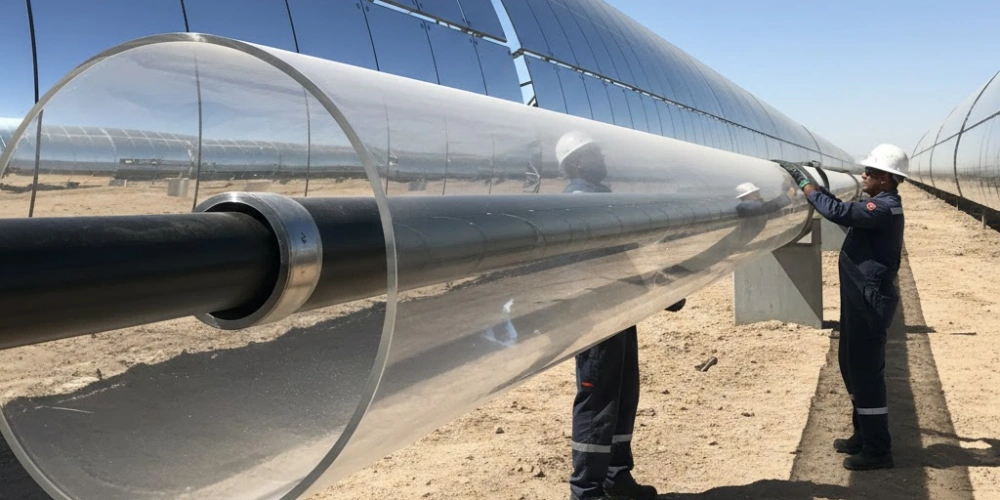
Большую часть потребления кварцевых труб в инфраструктуре солнечной энергетики приходится на две технически разные области применения: оптическая оболочка труб-приемников параболических лотков в системах концентрированной солнечной тепловой энергии (CSP) и технологические трубы высокой чистоты, используемые в производстве поликремния и выращивании кристаллов кремния. Оба направления предъявляют высокие требования к чистоте, но по принципиально разным физическим механизмам — в первом случае речь идет о пропускании солнечного света, а во втором — об исключении химического загрязнения.
Кварцевые трубки-оболочки в приемниках солнечных концентраторов
В системах солнечной тепловой энергетики с параболическими желобами элемент сбора тепла (HCE) состоит из стальной абсорберной трубки, покрытой селективным солнечным поглощающим слоем, концентрически окруженной прозрачной внешней оболочкой, в которой поддерживается вакуум, причем кольцевое вакуумное пространство изолирует абсорбер от конвективных теплопотерь.
Кварцевая оболочка должна пропускать весь солнечный спектр в диапазоне от 300 нм до 2 500 нм с минимальными потерями на поглощение, поскольку каждый процентный пункт потери коэффициента пропускания оболочки при рабочих уровнях освещенности 800–1 000 Вт/м² пропорционально снижает эффективность сбора тепловой энергии. Для стандартной параболической антенны с апертурой 4 м и длиной приемной трубки 12 м снижение коэффициента пропускания оболочки на 1% соответствует потере тепловой мощности примерно 38–48 Вт на каждый элемент приемника — эта потеря умножается на сотни элементов HCE в солнечной электростанции промышленного масштаба, приводя к снижению выработки на уровне мегаватт.
Наружный диаметр труб оболочки для параболических коллекторов промышленного масштаба стандартизирован на уровне 115–125 мм, толщина стенок составляет 2,5–3,5 мм, а длина отдельных труб — 4 060 мм, что соответствует фокальной линии стандартных модулей коллекторов. Сложность производства в таких масштабах заключается в обеспечении равномерности толщины стенок с погрешностью не более ±0,3 мм на протяжении 4 м. при этом обеспечивая качество поверхности, необходимое для минимизации оптического рассеяния — требование, которое предполагает использование процессов волочения с компьютерным управлением и непрерывным контролем диаметра на линии производства.
При эксплуатации на открытом воздухе кварцевая оболочка подвергается термическим циклам, при которых температура окружающей среды ночью опускается до −20 °C, а рабочая температура на внешней поверхности оболочки достигает 100–150 °C — суточный перепад температур (ΔT) составляет 120–170 °C, с которым материал из плавленого кварца с низким КТК справляется без накопления усталостных повреждений в течение 25-летнего расчётного срока службы солнечной электростанции. Антибликовые покрытия, нанесенные на внешнюю поверхность кварцевых оболочек HCE, могут увеличить солнечную пропускаемость с примерно 91% до 96% — это повышение напрямую увеличивает годовую выработку энергии станции на 4–5%.
Кварцевые трубки высокой чистоты для процессов выращивания поликремния и кристаллов кремния
В процессе производства поликремния, разработанном компанией Siemens, высокочистый кремний осаждается в результате разложения трихлорсилана (SiHCl₃) на тонких кремниевых стержнях при температуре 1 050–1 150 °C внутри реактора с колпаком. Кварцевые элементы, выстилающие газораспределительный коллектор и термочувствительные зоны реактора, не должны приводить к загрязнению кремниевого осадка металлами в концентрациях, превышающих 0,5 ppba (частей на миллиард атомов), поскольку технические требования к поликремнию фотоэлектрического качества ограничивают общее содержание металлов уровнем ниже 1 ppba для объёма материала и 5 ppba для поверхностной концентрации.
В Чохральски3 В процессе выращивания монокристаллов кварцевый тигель — крупнейший кварцевый компонент, производимый в промышленных масштабах, диаметром 300–800 мм — удерживает расплавленный кремний при температуре 1 412 °C, пока зародыш кристалла медленно извлекается. Кварцевые трубки выполняют вспомогательные функции в камере выращивания, служа каналами распределения газа и смотровыми окнами. Скорость растворения SiO₂ из стенок тигля и трубок в расплавленный кремний подчиняется кинетике Аррениуса с энергией активации примерно 310 кДж/моль, прогнозирование скоростей растворения в диапазоне 0,05–0,2 мм/ч при температуре 1 412 °C — показатели, которые определяют срок службы кварцевых компонентов в каждом цикле выращивания и устанавливают максимальную длину кристалла, достижимую до того момента, как загрязнение кислородом из растворенного SiO₂ превысит пределы, установленные техническими требованиями.
Концентрация кислорода в кристаллах кремния, полученных методом Чохральского, — что является прямым следствием растворения SiO₂ из кварцевых стенок — целенаправленно поддерживается в диапазоне 5–20 ppma (частей на миллион атомов), поскольку кислород в таких концентрациях образует тепловые доноры и кислородные осадки, которые выполняют важные функции при проектировании устройств как в производстве логических, так и силовых полупроводников.
Технические характеристики кварцевых трубок для солнечных систем
| Приложение | Внешний диаметр (мм) | Длина (мм) | Толщина стенок (мм) | Основные требования к чистоте | Рабочая температура (°C) |
|---|---|---|---|---|---|
| Оболочка параболического желоба CSP | 115–125 | 4,060 | 2.5–3.5 | Без пузырьков, содержание металлов < 5 ppm | 100–150 (наружная стена) |
| Газораспределительный коллектор реактора Siemens | 20-80 | 200–1,200 | 2.0–5.0 | < 0,5 ppba металлов | 200–600 |
| Камера для выращивания по методу Чохральского | 30-100 | 300–800 | 3.0–8.0 | < 1 ppba металлов, низкое содержание OH | 200-900 |
| Конверт CSP с антибликовым покрытием | 115–125 | 4,060 | 2.5–3.5 | Коэффициент пропускания ≥ 96% при 550 нм | 100–150 (наружная стена) |
Физические и химические свойства, обусловливающие возможность использования в этих областях
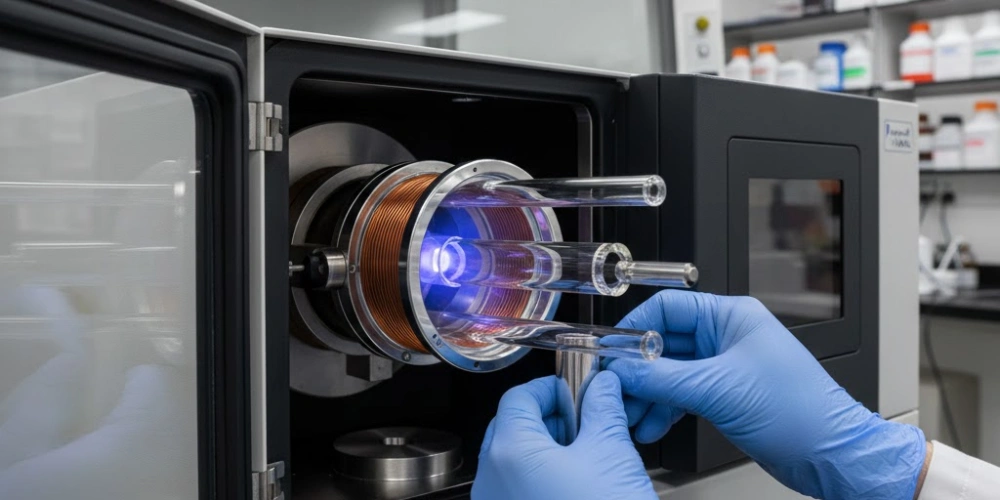
Если рассмотреть эти пять областей применения в совокупности, то прослеживается четкая закономерность: в каждой из них используется свой поднабор из одного и того же набора свойств материала, и именно пересечение этих поднаборов свойств — а не какое-то одно выдающееся свойство — делает кварцевые трубки практически незаменимыми.
-
Тепловые характеристики: Максимальная температура непрерывной эксплуатации, равная 1 100 °C, и показатель термоударопрочности, превышающий 1 000 °C, в совокупности позволяют использовать кварцевые трубки в полупроводниковых диффузионных печах, промышленных трубчатых печах, плазменных горелках ICP, реакторах Siemens и камерах выращивания по методу Чохральского — пяти независимых сложных термических средах. Ни один прозрачный материал не может сравниться с этим сочетанием: сапфир позволяет повысить предельную температуру, но его стоимость запредельно высока, а выбор диаметров трубок ограничен; боросиликатное стекло размягчается при температуре выше 600 °C и не подходит для использования в условиях высоких температур.
-
УФ-проницаемость и солнечная оптическая прозрачность: Диапазон пропускания от 150 нм до 3 500 нм охватывает как дълбоковольные УФ-бактерицидные длины волн, используемые в очистке воды, так и полный солнечный спектр, улавливаемый оболочкой труб CSP — спектральный диапазон, который ни один другой состав стекла, кроме плавленого кварца, не покрывает с коэффициентом пропускания выше 80%. Конкретное применение определяет, что именно — коротковолновый УФ-конец или длинноволновый солнечный инфракрасный конец этого диапазона — является определяющим ограничением при проектировании, однако один и тот же базовый материал подходит для обоих случаев.
-
Химическая пассивность при повышенных температурах: Устойчивость SiO₂ к воздействию минеральных кислот, потоков окисляющих газов, галогенированных технологических газов и промежуточных продуктов каталитических реакций при температурах от комнатной до 1 000 °C лежит в основе применения кварцевых трубок в горелках ИСП, каталитических реакторах, фотохимических проточных системах и средах полупроводниковых технологических процессов — четырёх химически агрессивных условиях, в которых металлические или полимерные альтернативы либо подверглись бы коррозии, либо загрязнили бы технологический поток, либо механически разрушились бы в течение рабочего цикла.
-
Точность размеров и технологичность изготовления: Кварцевое стекло можно вытягивать в трубки с допуском по внешнему диаметру ±0,1 мм при диаметрах от 1 мм до 150 мм — этот диапазон изготовления охватывает, с одной стороны, капилляры для инжекторов ICP, а с другой — оболочки солнечных коллекторов CSP. Вязкое поведение SiO₂ при температуре 1 800–2 000 °C во время волочения трубок обеспечивает равномерность толщины стенок, которой невозможно достичь при экструзии керамики и прокатке металлических труб при сопоставимых уровнях чистоты.
Эти четыре параметра свойств — тепловые, оптические, химические и размерные — в совокупности определяют материальные характеристики кварцевых трубок во всех пяти областях применения, и любой потенциальный материал-заменитель должен будет одновременно удовлетворять всем четырём параметрам, чтобы обеспечить эквивалентные функциональные характеристики.
Часто задаваемые вопросы о прозрачных кварцевых трубках
В чём заключается разница между прозрачными кварцевыми трубками и трубками из боросиликатного стекла?
Прозрачные кварцевые трубки изготавливаются либо из природного кристаллического кварца, либо из синтетического плавленого кремнезема (аморфного SiO₂), тогда как боросиликатное стекло, помимо кремнезема, содержит натрий, триоксид бора и оксид алюминия. Практические последствия этого различия в составе весьма существенны: кварцевые трубки выдерживают постоянные рабочие температуры до 1 100 °C, тогда как для боросиликатного стекла этот показатель составляет примерно 500 °C; кварц пропускает ультрафиолетовое излучение длиной волны менее 300 нм, тогда как боросиликат его поглощает; и коэффициент теплового расширения (CTE) кварца составляет 0,55 × 10⁻⁶/°C, тогда как у боросиликата — 3,3 × 10⁻⁶/°C, что обеспечивает кварцу примерно в 6 раз большую стойкость к термическим ударам. Для применений при температурах выше 600 °C или с использованием ультрафиолетовых волн длиной менее 300 нм боросиликатное стекло не является приемлемой заменой.
Какова максимальная рабочая температура прозрачных кварцевых трубок?
Предельная температура непрерывной эксплуатации прозрачных трубок из плавленого кварца составляет 1 100 °C в чистой и сухой атмосфере. Кратковременное пиковое воздействие температуры до 1 250 °C допустимо при продолжительности не более 30 минут при условии последующего равномерного охлаждения. Практический предел ещё более снижается в зависимости от состава атмосферы: загрязнение парами щелочных металлов ускоряет начало девитрификации до температур, достигающих всего 850 °C, а восстановительные атмосферы при температурах выше 1 000 °C вызывают испарение SiO с поверхности. Для применений, требующих непрерывной эксплуатации при температурах выше 1 100 °C, кварц необходимо заменить непрозрачными трубками из высокочистого оксида алюминия или рекристаллизованного оксида алюминия, смирившись с потерей оптической прозрачности.
Почему кварцевые трубки пропускают ультрафиолетовое излучение, а стеклянные — нет?
Способность плавленого кварца пропускать ультрафиолетовое излучение обусловлена его широкой электронной запрещенной зоной, составляющей примерно 9 эВ, что соответствует краю поглощения вблизи 150 нм. Фотоны с длинами волн выше 150 нм не обладают достаточной энергией для перехода электронов через эту ширину запрещенной зоны и, следовательно, проходят через материал без поглощения — при условии, что матрица кварца не содержит примесей переходных металлов и структурных дефектов, которые приводят к появлению состояний поглощения ниже уровня запрещенной зоны. Боросиликатное стекло содержит ионы Fe²⁺ в концентрации 10–100 ppm, а также полосы поглощения, связанные с гидроксильными группами, которые создают сильные пики поглощения в диапазоне от 200 до 300 нм, что делает его фактически непрозрачным в бактерицидном диапазоне УФ-С.
Каковы стандартные размерные характеристики кварцевых горелочных трубок для ICP-спектрометров?
В конструкции горелок для ИСП используются три концентрические кварцевые трубки со стандартизированными размерами, что обеспечивает совместимость приборов с основными платформами ИСП-ОЭС и ИСП-МС. Наружная трубка, как правило, имеет наружный диаметр 19–22 мм и толщину стенки 1,0–1,5 мм. Промежуточная трубка имеет внешний диаметр 12–15 мм и толщину стенки 1,0–1,2 мм. Инжекторная трубка, которая подает аэрозоль образца непосредственно в плазму, имеет внутренний диаметр 1–2 мм и внешний диаметр 2–4 мм. Требуются допуски по размерам ±0,1 мм для наружной и промежуточной трубок и ±0,05 мм для инжекторной трубки, чтобы обеспечить коаксиальную выровненность, необходимую для симметричного образования плазмы и стабильного многоэлементного аналитического сигнала.
Заключение
Прозрачные кварцевые трубки занимают стратегически важное место в пяти отраслях с высокими техническими требованиями именно потому, что ни один другой доступный на рынке трубчатый материал не обеспечивает одновременно оптическую прозрачность в диапазоне от ультрафиолета до инфракрасного излучения, термостойкость до 1 100 °C, химическую инертность в агрессивных технологических средах и возможность изготовления с высокой точностью размеров — от капилляров миллиметрового масштаба до оболочек солнечных коллекторов диаметром 125 мм. В каждой из пяти рассмотренных областей применения — термическая обработка полупроводников, УФ-оптические системы, эксплуатация промышленных печей, аналитическое оборудование и инфраструктура солнечной энергетики — используется своя уникальная комбинация этих свойств, что в совокупности подтверждает, что кварцевые трубки являются материалом, промышленное применение которого столь же широко, сколь и исключителен набор его физических свойств.
Ссылки:
-
В ней объясняется парамагнитная дефектная структура радиационно-индуцированных кислородных вакансий в плавленом кварце и их роль в постепенном ухудшении поглощения УФ-излучения.↩
-
В ней описываются физические процессы, лежащие в основе генерации аргоновой ИСП, включая механизмы радиочастотной индуктивной связи, распределение температуры плазмы, а также роль геометрии кварцевой горелки в поддержании стабильных условий плазмы.↩
-
В ней рассматривается метод выращивания монокристаллических кремниевых слитков из расплава, включая роль кварцевых тиглей, конвекцию расплава и механизмы включения кислорода.↩