يمكن أن تحدث صدمة حرارية في أنبوب الكوارتز التفاضلي للضغط عندما يتجاوز التغير في الضغط 2 ميجا باسكال في غضون 10 ثوانٍ أو عندما تتجاوز معدلات الانحدار 0.15 ميجا باسكال في الثانية. تتسبب التحولات السريعة في الضغط في تسخين الغاز داخل الأنبوب بسرعة، مما يؤدي إلى تدرجات حرارة حادة عبر جدار الكوارتز. تخلق هذه التدرجات ضغوطًا حرارية قد تتجاوز قوة الكوارتز، خاصةً في درجات الحرارة العالية أو مع الدورات المتكررة. يجب أن يتحكم المهندسون والفنيون في معدلات الانحدار ومقادير الضغط لمنع فشل الأنبوب.
الوجبات الرئيسية
تحكم في تغيرات الضغط لتبقى أقل من 2 ميجا باسكال لمنع حدوث صدمة حرارية.
راقب معدلات الانحدار؛ احتفظ بها أقل من 0.05 ميجا باسكال في الثانية للتشغيل الآمن.
فهم مناطق الضغط الأربعة لتقييم المخاطر وتطبيق الضوابط المناسبة.
استخدم التعلية متعددة المراحل مع تعليق التثبيت لتقليل التدرجات الحرارية.
افحص أنابيب الكوارتز بانتظام لاكتشاف علامات التلف المبكرة وإطالة عمر الخدمة.
ما هي مقادير الضغط التفاضلي التي تؤدي إلى اختلاف شدة الصدمات الحرارية؟
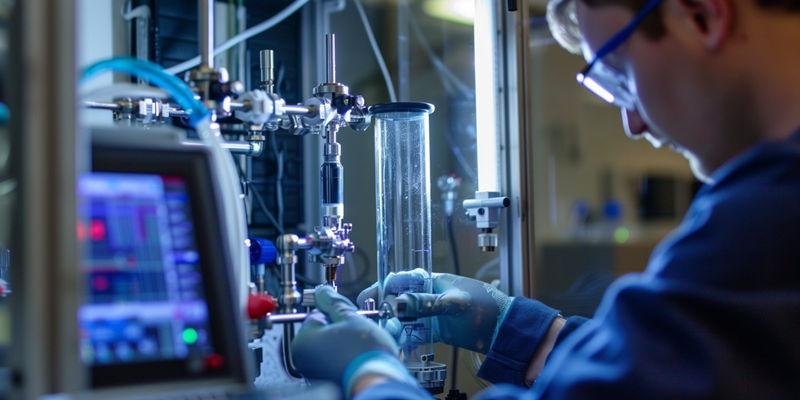
تعتمد شدة الصدمة الحرارية لأنبوب الكوارتز التفاضلي للضغط على مقدار وسرعة تغير الضغط داخل الأنبوب. يصنف المهندسون هذه الأحداث إلى أربع مناطق: خفيفة، ومعتدلة، وشديدة، وشديدة ومتطرفة. ولكل منطقة مخاطر وتدرجات درجة حرارة ومتطلبات تحكم فريدة من نوعها.
نظام تصنيف الضغط التفاضلي التفاضلي رباعي المناطق
يستخدم المهندسون نظامًا من أربع مناطق لوصف شدة الصدمة الحرارية في أنابيب الكوارتز.
تشمل المنطقة المعتدلة تغيرات الضغط التي تقل عن 0.5 ميجا باسكال، بينما تغطي المنطقة المعتدلة من 0.5 إلى 2 ميجا باسكال بمعدلات تصاعد قياسية. وتتراوح المنطقة الحادة بين 2 إلى 5 ميجا باسكال وتتطلب زيادة دقيقة في الضغط، وتتضمن المنطقة القصوى تغيرات أعلى من 5 ميجا باسكال، والتي يمكن أن تسبب فشلًا فوريًا إذا لم تتم إدارتها باستخدام بروتوكولات متعددة المراحل.
يساعد هذا التصنيف الفنيين على تقييم مستوى الخطر بسرعة واختيار استراتيجية التحكم المناسبة.
تشمل النقاط الرئيسية لكل منطقة ما يلي:
معتدل: أقل من 0.5 ميجا باسكال، أي معدل انحدار، مخاطر منخفضة للغاية.
معتدل: 0.5 - 2 ميجا باسكال، ومعدل ارتفاع أقل من 0.08 ميجا باسكال/ثانية، ومخاطر منخفضة.
شديدة: 2-5 ميجا باسكال، معدل ارتفاع أقل من 0.05 ميجا باسكال/ثانية، مخاطر معتدلة.
متطرف: أعلى من 5 ميجا باسكال، ومعدل الانحدار أقل من 0.03 ميجا باسكال/ثانية، مخاطرة عالية.
حسابات التغير في درجة الحرارة لكل منطقة ضغط
تخلق كل منطقة ضغط تدرجًا مختلفًا في درجة الحرارة داخل أنبوب الكوارتز.
يمكن أن تؤدي زيادة الضغط بمقدار 1 ميجا باسكال إلى رفع درجة حرارة الغاز بحوالي 40 درجة مئوية، مما ينقل الحرارة إلى جدار الأنبوب ويخلق تدرجًا حراريًا. في المنطقة المعتدلة، يبقى التدرج الحراري للجدار أقل من 30 درجة مئوية، ولكن في المنطقة القصوى، يمكن أن يتجاوز 140 درجة مئوية، مما يؤدي إلى مخاطر صدمة حرارية أعلى بكثير.
هذه الاختلافات في درجات الحرارة مهمة لأنه حتى الزيادة الطفيفة في درجة الحرارة يمكن أن تدفع الأنبوب إلى الاقتراب من حد مقاومة الصدمات الحرارية.
المنطقة | تغير الضغط (ميجا باسكال) | ارتفاع درجة حرارة الغاز (درجة مئوية) | تدرج الجدار (درجة مئوية) | مخاطر الصدمة الحرارية |
|---|---|---|---|---|
خفيف | <0.5 | <20 | <30 | منخفضة جداً |
معتدل | 0.5-2 | 20-80 | 30-70 | منخفضة |
شديدة | 2-5 | 80-200 | 70-140 | معتدل |
متطرف | >5 | >200 | >140 | عالية |
يوضح الجدول أعلاه كيف أن فروق الضغط الأعلى تؤدي إلى تدرجات حرارة أكبر وخطر أكبر من الصدمة الحرارية.
عتبات الإجهاد الحراري واحتمالات الفشل
يزداد الإجهاد الحراري في أنبوب الكوارتز مع ارتفاع تدرج درجة الحرارة.
عندما يبقى الإجهاد الحراري أقل من 6.8 ميجا باسكال، عادةً ما يقاوم الأنبوب التشقق، ولكن إذا ارتفع فوق 12 ميجا باسكال، يزداد خطر الفشل بسرعة. على سبيل المثال، يمكن أن يؤدي فرق الضغط الشديد إلى حدوث إجهادات حرارية بين 6.5 و12 ميجا باسكال، في حين أن الظروف القاسية يمكن أن تدفع الضغوطات إلى ما فوق 15 ميجا باسكال، مما يؤدي غالبًا إلى فشل الأنبوب بشكل فوري.
يفسر الارتباط المباشر بين تغير الضغط وارتفاع درجة حرارة الغاز والإجهاد الحراري سبب أهمية التحكم في كل من الحجم ومعدل الارتفاع.
ملخص النقاط الرئيسية:
يرتفع الإجهاد الحراري مع تدرج درجة الحرارة.
وغالبًا ما يتسبب الإجهاد الذي يزيد عن 12 ميجا باسكال في حدوث عطل.
يقلل التحكم في معدل الانحدار وتغير الضغط من المخاطر.
أوقات التثبيت الممتدة تقلل من معدلات فقدان الهيكل.
تزيد التدرجات الحرارية المنخفضة عند نقاط الفشل من فقدان الهيكل.
يمكن للفنيين استخدام هذه العتبات لتصميم أنظمة أكثر أمانًا ومنع حدوث صدمة حرارية لأنبوب الكوارتز التفاضلي للضغط.
ما هي معدلات منحدر الضغط التي تحول الفوارق الآمنة إلى ظروف صدمة؟
يلعب معدل منحدر الضغط دورًا حاسمًا في تحديد ما إذا كان سيحدث حدث صدمة حرارية لأنبوب الكوارتز التفاضلي للضغط. حتى تغيرات الضغط الآمنة يمكن أن تصبح خطيرة إذا تم تطبيقها بسرعة كبيرة، مما يؤدي إلى إرباك قدرة الأنبوب على تبديد الحرارة. يساعد فهم العلاقة بين معدل الانحدار ودرجة الحرارة ومقاومة الصدمات الحرارية المهندسين على منع التلف وإطالة عمر خدمة الأنبوب.
ثابت الزمن الحراري مقابل تنافسية معدل منحدر الضغط
يصف ثابت الزمن الحراري مدى سرعة أنبوب الكوارتز في معادلة درجة الحرارة عبر جداره. عندما يتجاوز معدل ارتفاع الضغط قدرة الأنبوب على نقل الحرارة، تتشكل تدرجات حرارية، مما يؤدي إلى إجهاد حراري مرتفع. تُظهر البيانات أنه بالنسبة لجدار 3 مم، يبلغ ثابت الزمن الحراري حوالي 2.5 ثانية، لذا فإن تغيرات الضغط الأسرع من 12 ثانية تخلق تدرجات حرارية مستمرة.
إذا ظل معدل الانحدار أقل من الثابت الزمني، يمكن للأنبوب التعامل بأمان حتى مع فروق الضغط المعتدلة. ومع ذلك، عندما يتجاوز معدل الانحدار هذا الحد، يزداد خطر حدوث صدمة حرارية بشكل حاد، خاصةً في درجات الحرارة العالية. يجب على المهندسين مطابقة معدلات الانحدار مع الحدود الحرارية للأنبوب لتجنب تجاوز الإجهاد المسموح به والتسبب في حدوث تشققات.
تعتمد مقاومة الأنبوب للصدمات الحرارية على كل من خصائص مادته وسرعة تغير الضغط.
يضبط ثابت الزمن الحراري معدل الانحدار الآمن.
تؤدي معدلات الانحدار الأسرع إلى تدرجات حرارة خطيرة.
مطابقة معدل الانحدار مع سُمك الأنبوب ودرجة الحرارة يمنع التلف.
حدود معدل الانحدار الآمن والتحذير ومعدل الفشل في منطقة الأمان
تحدد حدود معدل الانحدار الفرق بين التشغيل الآمن وفشل الصدمة الحرارية. بالنسبة لأنابيب الكوارتز القياسية، تكون معدلات الانحدار الآمنة أقل من 0.05 ميجا باسكال في الثانية، وتتراوح مناطق التحذير من 0.05 إلى 0.15 ميجا باسكال في الثانية، وتتجاوز مناطق الفشل 0.15 ميجا باسكال في الثانية. تُظهر بيانات الاختبار من أكثر من 5000 أنبوب أن معدلات الفشل تقفز من أقل من 1% في المنطقة الآمنة إلى أكثر من 40% في منطقة الفشل.
في منطقة التحذير، يرتفع خطر التلف مع كل دورة، خاصةً إذا كانت الأنبوبة تعمل بالقرب من حد قوتها أو في درجات حرارة عالية. تؤدي منطقة الفشل دائمًا تقريبًا إلى تشققات أو كسر مفاجئ، بغض النظر عن حجم الضغط. تساعد هذه الحدود الفنيين على ضبط ضوابط العملية وتجنب تجاوز مقاومة الأنبوب للصدمات الحرارية.
المنطقة | معدل الانحدار (ميجا باسكال/ثانية) | التدرج الحراري (درجة مئوية) | معدل الفشل |
|---|---|---|---|
الأمان | <0.05 | <50 | <1% |
تحذير | 0.05-0.15 | 50-100 | 2-8% |
الفشل | >0.15 | >100 | 15-45% |
يبرز هذا الجدول كيف يمكن أن يحدد معدل الانحدار وحده خطر حدوث صدمة حرارية، حتى لو ظلت تغيرات الضغط ثابتة.
تأثيرات التفاعل بين حجم الضغط ومعدل الانحدار
يتفاعل حجم الضغط ومعدل الانحدار لتحديد الخطر الحقيقي للصدمة الحرارية في أنابيب الكوارتز. قد يبقى فرق الضغط العالي المطبق ببطء ضمن الحدود الحرارية، في حين أن تغيير الضغط البسيط المطبق بسرعة يمكن أن يتجاوز الضغط المسموح به ويسبب الفشل. على سبيل المثال، تغيير 5 ميجا باسكال على مدار 60 ثانية أكثر أمانًا من تغيير 1 ميجا باسكال في 5 ثوانٍ فقط.
يجب على المهندسين مراعاة كلا العاملين معًا، وليس أحدهما فقط. تُظهر البيانات المستمدة من الاختبارات الميدانية أن معدل الانحدار غالباً ما يكون له تأثير أكبر على التلف من حجم الضغط وحده. من خلال التحكم في معدل الانحدار، يمكن للفنيين حماية قوة الأنبوب ومقاومته للصدمات الحرارية، حتى أثناء العمليات الشاقة.
يمكن أن يكون معدل الانحدار أكثر أهمية من مقدار الضغط.
يحمي التدرج البطيء أنابيب الكوارتز من الصدمة الحرارية.
يضمن التحكم المشترك في معدل الانحدار والضغط معاً التشغيل الآمن.
ما هي أنماط دورات الضغط التي تتراكم فيها أضرار الصدمة الحرارية؟
تلعب أنماط تدوير الضغط دورًا رئيسيًا في متانة أنابيب الكوارتز على المدى الطويل. تتسبب أنماط التدوير المختلفة - الضحلة والعميقة وغير المتماثلة - في حدوث أنواع فريدة من تلف الصدمات الحرارية. يساعد فهم هذه الأنماط المهندسين على تصميم أنظمة أكثر أمانًا وإطالة عمر خدمة الأنبوب.
التدوير السطحي السريع: ضرر عالي التردد، منخفض السعة
يعرّض التدوير السريع الضحل أنابيب الكوارتز لتغيرات ضغط صغيرة ومتكررة. وغالبًا ما يؤدي هذا النمط إلى تكوين شقوق سطحية دقيقة تتراكم على مدى آلاف الدورات. تُظهر الدراسات التجريبية أن يتسبب التدوير السطحي السريع في تكسر البلورات بسبب تمدد الفقاعة أثناء تخفيف الضغط، مع تجمع البلورات المكسورة على طول جدران الأنبوب.
يزداد الضرر الناتج عن نمط التدوير هذا مع عدد الدورات. تخلق كل دورة تدرجًا حراريًا صغيرًا، وبمرور الوقت، تشكل هذه الضغوط المتكررة شبكات من الشقوق الدقيقة. ومع زيادة كثافة الشقوق، تنخفض مقاومة الأنبوب للصدمات الحرارية، مما يجعله أكثر عرضة للفشل المفاجئ.
يلاحظ المهندسون أن الأنابيب التي تتعرض لأكثر من 100,000 دورة سطحية غالبًا ما تفشل عندما تتجاوز كثافة الشقوق 10 شقوق في السنتيمتر الواحد.
يؤدي التدوير عالي التردد إلى شبكات التشققات الدقيقة
يتراكم التلف السطحي حتى عند فروق الضغط المنخفضة
يرتبط التكسر البلوري بتخفيف الضغط السريع وتمدد الفقاعات
تدوير عميق معتدل: متوسط التردد، انتشار الشقوق
يتضمن التدوير العميق المعتدل تغيرات ضغط أكبر بتردد أقل. يتسبب هذا النمط في نمو الشقوق الموجودة في الكوارتز بشكل أعمق مع كل دورة. تُظهر البيانات المستمدة من التركيبات الميدانية أن تأرجح الضغط بمقدار 2-4 ميجا باسكال، مع تكرار ذلك من 500 إلى 2000 مرة، يمكن أن يؤدي إلى تقدم الشقوق بما يصل إلى 0.00001 متر في كل دورة.
يصبح انتشار الشقوق آلية التلف المهيمنة. تدفع كل دورة الشقوق أكثر في جدار الأنبوب، وبمجرد وصول الشق إلى طول حرج، يمكن أن ينكسر الأنبوب فجأة. ويزداد الخطر في درجات الحرارة المرتفعة، حيث تقل مقاومة الصدمات الحرارية ويتسارع نمو الشقوق.
يلخص الجدول التالي النقاط الرئيسية لركوب الدراجات العميقة المعتدلة:
تغير الضغط | الدورات | نمو الشقوق في كل دورة | وضع الفشل |
|---|---|---|---|
2-4 ميجا باسكال | 500-2,000 | 0.000001-0.00001 m | الكسر العابر للجدار |
ركوب الدراجات غير المتماثلة القصوى: آليات الفشل الكارثي
يتميز التدوير غير المتماثل الشديد بتغيرات ضغط كبيرة وسريعة للغاية، وغالبًا ما يكون ذلك مع انخفاض سريع في الضغط. يخلق هذا النمط إجهاد شد شديد على سطح الأنبوب الداخلي، والذي يمكن أن يتجاوز قوة الكوارتز. وعادة ما يحدث فشل كارثي في غضون بضع مئات من الدورات، خاصةً عندما تتجاوز فروق الضغط 5 ميجا باسكال ومعدلات الانحدار تتجاوز 0.15 ميجا باسكال في الثانية.
يؤدي الجمع بين الضغط العالي والتغير السريع في درجة الحرارة إلى إرباك مقاومة الأنبوب. وتؤدي تركيزات الإجهاد في العيوب السطحية إلى تضخيم الخطر، مما يؤدي إلى الكسر الفوري. وتكشف البيانات الميدانية أن أكثر من 75% من حالات فشل الأنبوب المفاجئ ناتجة عن هذا النمط من التدوير، خاصة في درجات الحرارة العالية.
تتضمن النقاط الرئيسية التي يجب تذكرها حول ركوب الدراجات غير المتماثلة المتطرفة ما يلي:
تتسبب تغيرات الضغط الكبيرة والسريعة في حدوث صدمة حرارية كارثية
يؤدي إجهاد الشد على السطح الداخلي إلى حدوث فشل فوري
تحدث معظم الكسور الأنبوبية المفاجئة في هذا النمط الدائري
ما هي ظروف تفاضل الضغط التي تتفاعل مع درجة الحرارة لتكثيف الصدمة الحرارية؟
يمكن أن تؤثر التغيرات في درجات الحرارة بشكل كبير على مقاومة الصدمات الحرارية لأنابيب الكوارتز. تقلل درجات الحرارة المرتفعة من قدرة الكوارتز على تحمل التغيرات السريعة في الضغط، مما يزيد من خطر التلف. يجب على المهندسين ضبط تفاضل الضغط وحدود معدل الانحدار للحفاظ على التشغيل الآمن في ظل هذه الظروف.
الحد من مقاومة الصدمات الحرارية المعتمدة على درجة الحرارة
يقلل ارتفاع درجة الحرارة من مقاومة أنابيب الكوارتز للصدمات الحرارية. فمع ارتفاع درجة الحرارة، تنخفض قدرة المادة على امتصاص التدرجات الحرارية دون تشقق. تظهر البيانات أنه مع كل زيادة 100 درجة مئوية، تنخفض مقاومة الصدمات الحرارية بحوالي 8 في المائة، مما يجعل الأنابيب أكثر عرضة للتلف.
يوصي المصنعون بتشغيل أنابيب الكوارتز بأقل من 70 في المائة من ضغطها المقدر عندما تتجاوز درجات الحرارة 800 درجة مئوية. يجب أن يظل معدل التسخين أقل من 50 درجة مئوية في الدقيقة، بينما يجب ألا يتجاوز التبريد 30 درجة مئوية في الدقيقة. وتساعد هذه الحدود على منع التدرجات الحرارية المفاجئة التي يمكن أن تسبب تشققات أو كسور.
يجب على المهندسين مراقبة كل من درجة الحرارة والضغط لتجنب تجاوز عتبة المقاومة المنخفضة.
النقاط الرئيسية التي يجب تذكرها:
تنخفض مقاومة الصدمات الحرارية مع ارتفاع درجة الحرارة
يجب تقليل ضغط التشغيل في درجات الحرارة العالية
معدلات التسخين والتبريد المتحكم بها تحمي أنابيب الكوارتز
تسارع التشقق الناتج عن التآكل الإجهادي في درجات الحرارة المرتفعة
يتسارع التشقق الناتج عن التآكل الإجهادي في أنابيب الكوارتز المعرضة لدرجات حرارة عالية. ويؤدي الجمع بين الإجهاد الحراري والعوامل البيئية، مثل الرطوبة أو الأكسجين، إلى زيادة معدلات نمو التشقق. عند درجة حرارة 1000 درجة مئوية، يمكن أن تصل سرعة التشقق إلى مستويات أعلى 100 مرة من درجة حرارة الغرفة، مما يؤدي إلى فشل الأنبوب بسرعة.
غالبًا ما تؤدي أحداث الصدمة الحرارية في درجات الحرارة المرتفعة إلى تآكل إجهادي، خاصةً عندما تحدث تغيرات الضغط بسرعة. تضعف هذه العملية بنية الكوارتز وتقلل من عمر الخدمة. ويلاحظ المهندسون أن الأنابيب التي تعمل في ظل هذه الظروف تتطلب جداول مراقبة وصيانة أكثر صرامة.
لا يزال التشقق الناتج عن التآكل الإجهادي سببًا رئيسيًا للتلف في تطبيقات أنابيب الكوارتز ذات درجة الحرارة العالية.
العامل | التأثير |
|---|---|
درجات الحرارة المرتفعة | تسريع نمو التشقق |
الرطوبة/الأكسجين | زيادة مخاطر التآكل |
التغير السريع في الضغط | يؤدي إلى حدوث صدمة حرارية |
مقاومة منخفضة | تقصير عمر الأنبوب |
الحدود التفاضلية للضغط المعدلة حسب درجة الحرارة
يضع المصنعون حدودًا محددة للضغط التفاضلي ومعدل الانحدار لأنابيب الكوارتز في درجات الحرارة المرتفعة. عندما تتجاوز درجة الحرارة 800 درجة مئوية، ينخفض تغير الضغط الموصى به إلى أقل من 1 ميجا باسكال في الدقيقة، ويجب إبطاء معدلات المنحدر لمنع حدوث صدمة حرارية. يجب ألا يتجاوز ضغط التشغيل 70 بالمائة من القيمة المقدرة للأنبوب للحفاظ على السلامة.
يلخص الجدول التالي هذه الحدود المعدلة حسب درجة الحرارة:
المعلمة | الحد |
|---|---|
قوة الانضغاط | 100-150 ميجا باسكال |
تأثير اقتران درجة الحرارة | انخفاض بنسبة 8% لكل 100 ℃ |
معدل التسخين | < 50 ℃/دقيقة |
معدل التبريد | < 30 ℃/دقيقة |
ضغط التشغيل | < 70% من القيمة المقدرة |
تغير الضغط المفاجئ | < 1 ميجا باسكال/دقيقة |
يمكن للمهندسين الذين يتبعون هذه الإرشادات تقليل مخاطر الصدمة الحرارية وإطالة عمر خدمة أنابيب الكوارتز.
ما هي استراتيجيات التحكم في تفاضل الضغط التي تمنع فشل الصدمة الحرارية؟
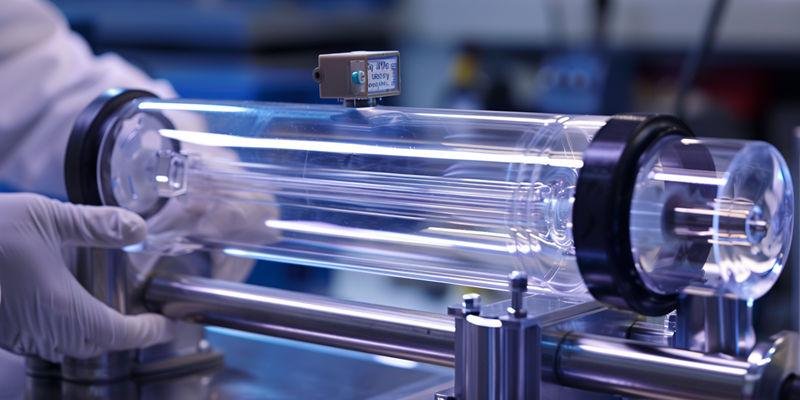
تتطلب أنظمة أنابيب الكوارتز استراتيجيات تحكم دقيقة لمنع الصدمة الحرارية وإطالة عمر الخدمة. يستخدم المهندسون نهجًا ثلاثي المستويات يحد من حجم الضغط، ويتحكم في معدلات المنحدرات، ويضبط درجة الحرارة. تساعد هذه الاستراتيجيات في الحفاظ على مقاومة الصدمات الحرارية وتقليل مخاطر الفشل.
إطار التحكم في تفاضل الضغط ثلاثي المستويات
يحمي إطار التحكم ثلاثي المستويات أنابيب الكوارتز من الصدمات الحرارية. ويضع المستوى الأول حدودًا آمنة لتغيرات الضغط بناءً على سُمك الجدار، مما يحافظ على الفروق أقل من 2 ميجا باسكال للأنابيب القياسية. يدير المستوى الثاني معدلات الارتفاع، مما يضمن حدوث تغيرات الضغط ببطء كافٍ للأنبوب لتبديد الحرارة، بينما يطبق المستوى الثالث الحد من درجة الحرارة، مما يقلل من الضغط المسموح به ومعدلات الارتفاع مع ارتفاع درجة الحرارة.
تُظهر البيانات الميدانية أن الأنابيب التي تتم إدارتها باستخدام هذا الإطار تدوم لفترة أطول بستة أضعاف من تلك التي لا تحتوي على ضوابط. على سبيل المثال، يمكن أن يؤدي التعلية متعددة المراحل مع تعليق التثبيت إلى إطالة عمر الخدمة من 2,000 إلى أكثر من 10,000 دورة. يعالج هذا النهج كلاً من المخاطر الفورية وطويلة الأجل من خلال الجمع بين الضغط ومعدل الانحدار وإدارة درجة الحرارة.
الفئة | تركيز التحكم | الحد النموذجي | التأثير على عمر الخدمة |
|---|---|---|---|
حجم الضغط | ≤2 ميجا باسكال (جدار 3 مم) | يمنع التحميل الزائد | 2× عمر أطول 2× |
معدل الانحدار | ≤0.05 ميجا باسكال/ثانية | يقلل من التدرج الحراري | 3× عمر أطول 3 مرات |
تكييف درجة الحرارة | تخفيض 50% فوق 800 درجة مئوية | يحافظ على المقاومة | 6× عمر أطول 6 مرات |
التثبيت متعدد المراحل مع تصميم تثبيت التثبيت
يقلل الانحدار متعدد المراحل مع تعليق التثبيت من التدرجات الحرارية أثناء تغيرات الضغط. تقسم هذه الطريقة التغيرات الكبيرة في الضغط إلى خطوات أصغر، مع فترات توقف مؤقتة بين كل خطوة للسماح للأنبوب بمساواة درجة الحرارة. ومن خلال الثبات لمدة 30-60 ثانية كل 1-2 ميجا باسكال، يمنع النظام ارتفاع الضغط الحراري المفاجئ.
يفيد المصنعون أن هذه التقنية تقلل من خطر فشل الصدمة الحرارية بنسبة تصل إلى 70%. تُظهر البيانات المأخوذة من أكثر من 8000 أنبوب أن التدرج متعدد المراحل يقلل من تكوين التشققات ويطيل عمر الأنبوب، خاصة في مناطق الضغط الشديد والقاسي. يوصي المهندسون بهذه الطريقة لأي عملية تنطوي على تغيرات ضغط سريعة أو كبيرة.
يمنع التزايد متعدد المراحل التدرجات الحرارية المفاجئة
تسمح حوامل التثبيت بتبديد الحرارة
يزيد عمر الأنبوب بشكل كبير مع هذا النهج
تعديلات بارامترات التحكم المعتمدة على درجة الحرارة
تعمل التعديلات المعتمدة على درجة الحرارة على حماية أنابيب الكوارتز من الصدمة الحرارية. يجب على المشغلين تجنب التغيرات المفاجئة في درجات الحرارة والتحكم في معدلات التسخين والتبريد لإدارة التدرجات الحرارية. تساعد التغيرات التدريجية في درجات الحرارة في الحفاظ على مقاومة الأنبوب ومنع التشققات.
توصي إرشادات الصناعة بإبقاء معدلات التسخين أقل من 50 درجة مئوية في الدقيقة ومعدلات التبريد أقل من 30 درجة مئوية في الدقيقة. تساعد المراقبة المنتظمة والصيانة التنبؤية، مثل الاختبار بالموجات فوق الصوتية وعمليات الفحص المجدولة، على اكتشاف علامات التآكل المبكرة. وتضمن هذه الممارسات، إلى جانب اعتماد الموردين وتحليل الشوائب، التشغيل الآمن وتقليل مخاطر الفشل.
المعلمة | الممارسة الموصى بها | المزايا |
|---|---|---|
معدل التسخين | <50 درجة مئوية/دقيقة | يقلل من مخاطر الصدمات الحرارية |
معدل التبريد | <30 درجة مئوية/دقيقة | يحافظ على المقاومة |
الصيانة التنبؤية | الفحص بالموجات فوق الصوتية والفحص بالموجات فوق الصوتية | الكشف المبكر عن الفشل |
التصديق | ISO 12123، تحليل الشوائب | يضمن جودة المواد |
تواجه أنابيب الكوارتز صدمة حرارية عندما تتجاوز فروق الضغط 2 ميجا باسكال في أقل من 10 ثوانٍ أو عندما تتجاوز معدلات الانحدار 0.15 ميجا باسكال في الثانية. يجب على المشغلين التحكم في معدلات المنحدرات، ومراقبة أنماط التدوير، وضبط درجة الحرارة للحفاظ على مقاومة الصدمة الحرارية.
تشمل أفضل الممارسات للتشغيل الآمن ما يلي:
اختر أنابيب كوارتز ذات سماكة جدار إضافية.
استخدم التدفئة والتبريد التدريجي.
الحفاظ على بيئات أفران مستقرة.
افحص الأنابيب بانتظام بحثاً عن علامات التلف المبكرة.
استخدم معدلات زيادة منحدرة مضبوطة.
حافظ على تدفق الغاز والضغط مستقرًا.
جدولة الصيانة الروتينية.
تساعد هذه الخطوات على زيادة المقاومة وإطالة عمر خدمة أنظمة أنابيب الكوارتز.
الأسئلة الشائعة
ما هو السبب الرئيسي لفشل الصدمة الحرارية في أنابيب الكوارتز؟
تخلق التغيرات السريعة في الضغط تدرجات حرارة شديدة الانحدار داخل الأنبوب. تولد هذه التدرجات إجهادًا حراريًا. وعندما يتجاوز الإجهاد قوة الكوارتز، تظهر تشققات أو كسور.
ما هو فرق الضغط الذي يعتبر آمنًا لمعظم أنابيب الكوارتز؟
يمكن لمعظم أنابيب الكوارتز القياسية التعامل بأمان مع فروق الضغط التي تقل عن 2 ميجا باسكال إذا ظل معدل الارتفاع أقل من 0.05 ميجا باسكال في الثانية. تدعم البيانات المأخوذة من أكثر من 5000 أنبوب هذا الحد.
ماذا يحدث إذا تجاوز معدل الانحدار الحدود الموصى بها؟
إذا زاد معدل الانحدار عن 0.15 ميجا باسكال في الثانية، يرتفع خطر حدوث فشل الصدمة الحرارية بشكل حاد. يمكن أن تصل معدلات الفشل إلى 45% في الأنابيب المختبرة في ظل هذه الظروف.
ما هو نمط التدوير الذي يسبب أسرع فشل للأنبوب؟
يتسبب التدوير غير المتماثل الشديد، مع تغيرات الضغط الكبيرة والسريعة، في حدوث أكثر حالات الفشل السريع. وينتج أكثر من 75% من الكسور الأنبوبية المفاجئة عن هذا النمط.
ما هي التعديلات التي يجب أن يقوم بها المهندسون في درجات الحرارة العالية؟
في درجات الحرارة التي تزيد عن 800 درجة مئوية، يجب على المهندسين تقليل فروق الضغط المسموح بها بمقدار 50%. كما يجب عليهم إبطاء معدلات الارتفاع للحفاظ على التشغيل الآمن ومنع التشقق الناتج عن التآكل الإجهادي.