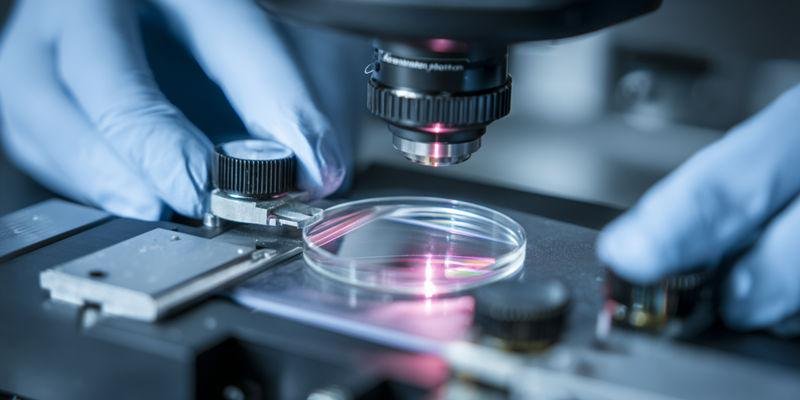
يعتبر المهندسون أن أنظمة توصيل شعاع الليزر على أقراص الكوارتز ذات خمسة تفاوتات في الأبعاد هي الأكثر أهمية: توحيد السماكة، والتوازي، وتسطيح السطح، وشطب الحافة، والقطر أو الفتحة الواضحة. تتحكم هذه التفاوتات في جودة شعاع الليزر وموثوقية النظام وأداء التطبيق من خلال تقليل خطأ واجهة الموجة وانحراف الحزمة ومخاطر التركيب. تصبح التفاوتات عالية الدقة ضرورية في اللحام بأشعة الليزر والتطبيقات الأخرى عالية الدقة حيث تؤثر الدقة والقياس والتسطيح بشكل مباشر على النتائج.
الوجبات الرئيسية
توحيد السماكة أمر بالغ الأهمية. يقلل التفاوت المسموح به ± 0.02 مم من خطأ واجهة الموجة، مما يضمن بقعة ليزر حادة ومركزة.
يؤثر تحمل التوازي على ثبات الشعاع. يحافظ التفاوت المسموح به البالغ 30 ثانية قوسية على انخفاض انحراف الشعاع، وهو أمر حيوي للدقة في تطبيقات الليزر.
يؤثر تسطيح السطح على جودة واجهة الموجة. تعمل مواصفات التسطيح λ/10 على الحد من التشوه، مما يحافظ على جودة الحزمة العالية للبصريات الدقيقة.
شطب الحواف يقلل من تركيز الضغط. شطب 0.5 مم × 45 درجة يمنع التشققات ويعزز المتانة أثناء التدوير الحراري.
تفاوت القطر يضمن التركيب المناسب. يسمح التفاوت المسموح به ± 0.1 مم بالتمدد الحراري والحفاظ على المحاذاة ودقة النظام.
تفاوت سماكة أقراص الكوارتز - لماذا يتحكم ± 0.02 مم في خطأ واجهة الموجة المنقولة
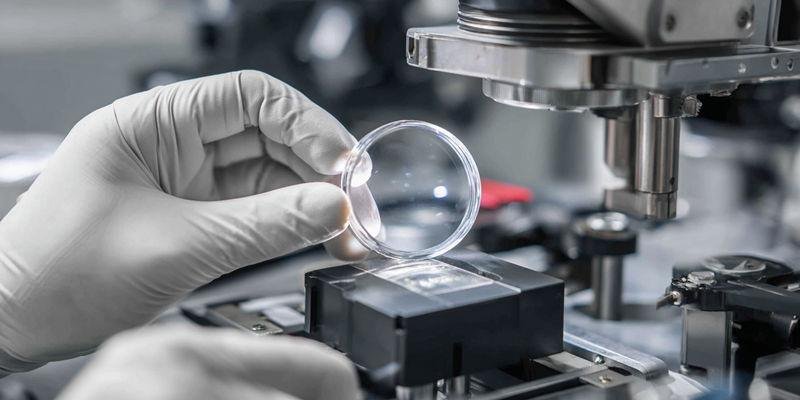
يمثل تفاوت السماكة المتماثلة عاملاً أساسيًا في أداء أقراص الكوارتز لأنظمة توصيل أشعة الليزر. يؤثر هذا التفاوت بشكل مباشر على خطأ واجهة الموجة المرسلة، والذي يؤثر بدوره على دقة وجودة بقعة الليزر المركزة. يعد فهم كيفية ترجمة تباين السماكة إلى اختلاف المسار البصري وأداء النظام أمرًا ضروريًا للمهندسين الذين يحددون تفاوتات الأبعاد لتوصيل أقراص الكوارتز بأشعة الليزر.
حساب فرق المسار البصري من انحراف السماكة الميكانيكية
يؤدي انحراف السُمك في أقراص الكوارتز إلى إنشاء المسار الضوئي الفرق الذي يغير طور شعاع الليزر المرسل. تستخدم العملية الحسابية المعادلة OPD = Δt × (n-1)، حيث Δt هو انحراف السُمك وn هو معامل انكسار الكوارتز المنصهر. بالنسبة للتفاوت المسموح به ± 0.02 مم، يمكن أن يصل OPD الناتج إلى ± 0.00916 مم، وهو ما يساوي حوالي ± 14.5 موجة عند الطول الموجي 632.8 نانومتر.
يقلل توحيد السُمك الأكثر إحكامًا، مثل ± 0.015 مم، من السُمك المتماثل، من العيوب في السُمك الخارجي ويحافظ على خطأ واجهة الموجة المرسلة أقل من λ/6، بما يتماشى مع معايير ISO 10110-5 للتفاوتات عالية الدقة. ويُعد هذا المستوى من التحكم أمرًا بالغ الأهمية لتطبيقات مثل اللحام بأشعة الليزر، حيث يتطلب كل من وضع الذوبان في ووضع ثقب المفتاح توصيل طاقة متناسقًا وأقل قدر من التشويه. يستخدم المهندسون تقنيات القياس مثل ماكينات قياس الإحداثيات ورسم خرائط التداخل للتحقق من هذه الأبعاد وضمان إمكانية التكرار.
السبب | التأثير |
|---|---|
انحراف السماكة | زيادة فرق المسار البصري (OPD) |
ارتفاع العيادة الخارجية الأعلى | خطأ أكبر في مقدمة الموجة المرسلة |
تفاوت أضيق (± 0.015 مم) | خطأ في واجهة الموجة أقل، دقة أعلى |
تأثير خطأ واجهة الموجة المرسلة على جودة البقعة المركزة
يؤدي خطأ واجهة الموجة المنقولة من عدم انتظام السُمك إلى تدهور جودة البقعة المركزة في أنظمة توصيل أشعة الليزر. عندما يتجاوز خطأ واجهة الموجة λ/4، تنخفض نسبة ستريهل، مما يتسبب في فقدان ما يصل إلى 18% في ذروة الشدة ويقلل من دقة لحام شعاع الليزر في كل من وضع الذوبان في ووضع ثقب المفتاح. كما تنخفض نسبة الإشارة إلى الضوضاء أيضًا، خاصةً في العينات الأكثر سمكًا، مما يؤدي إلى انخفاضات أسية في الأداء والدقة.
اللحام الهجين بالليزر والتطبيقات عالية الدقة تتطلب تفاوتات ضيقة للحفاظ على بقعة حادة وعالية الجودة بأقل قدر من التشويه. يجب على المهندسين مراعاة العلاقة بين السُمك وخطأ واجهة الموجة ودقة النظام عند تحديد التفاوتات المسموح بها لهذه الأنظمة. يضمن القياس والفحص المتسق أن تفي الأقراص بالتسطيح والتوازي المطلوبين لتحقيق الأداء الأمثل.
النقاط الرئيسية:
يقلل خطأ واجهة الموجة الناتج عن اختلاف السُمك من جودة البقعة المركزة.
انخفاض نسبة ستريهل يعني كثافة ودقة أقل.
التفاوتات عالية الدقة ضرورية لتطبيقات الليزر المتقدمة.
قدرة عملية التصنيع على تحقيق التوحيد المحكم للسماكة
يحقق المصنعون توحيدًا محكمًا للسماكة من خلال تقنيات الصقل والقياس المتقدمة. تصل عمليات الطحن والتلميع القياسية عادةً إلى ± 0.08 مم، ولكن يمكن أن تصل عمليات الصقل والتلميع القياسية التي يتم التحكم فيها باستخدام الحاسب الآلي والتلميع التكيفي مع التغذية المرتدة أثناء العملية إلى ± 0.018 مم، مما يدعم تفاوتات عالية الدقة للتطبيقات الصعبة. وتستخدم هذه الأساليب آلات قياس الإحداثيات والتحقق من صحة قياس التداخل للتأكد من أن الأبعاد تفي بالمتطلبات الصارمة.
مؤشرات القدرة على المعالجة (Cpk) أن التلميع التكيفي يوفر أعلى قابلية للتكرار وأقل معدلات رفض، وهو أمر حيوي للحام بأشعة الليزر عالية الدقة في كل من وضع الذوبان في ووضع ثقب المفتاح. وتتطلب بروتوكولات الفحص، مثل ISO 10360، القياس في نقاط متعددة لضمان التوحيد عبر القرص. ويضمن هذا النهج أن التسطيح والتوازي وتركيز الأقراص يدعم الدقة وقابلية التكرار اللازمة للحام الهجين بالليزر والأنظمة المتقدمة الأخرى.
ملخص قدرة العملية:
الصقل القياسي: ± 0.08 مم (Cpk = 0.7)
الصقل باستخدام الحاسب الآلي: ± 0.035 مم (Cpk = 1.2)
الصقل التكيفي: ± 0.018 مم (Cpk = 1.8)
تضمن تقنيات القياس المتقدمة تفاوتات الأبعاد وقابلية التكرار.
أقراص الكوارتز المتوازية للأقراص الكوارتز - كيف تضمن 30 ثانية قوسية - ثانية ثبات توجيه الشعاع
يلعب تفاوت التوازي دورًا حاسمًا في الحفاظ على ثبات توجيه الحزمة في أنظمة الليزر. ويعتمد المهندسون على التوازي الدقيق للتحكم في انحراف الشعاع وضمان دقة متسقة في اللحام بأشعة الليزر واللحام الهجين بالليزر. تؤثر التفاوتات عالية الدقة للتوازي بشكل مباشر على موثوقية النظام، خاصةً في التطبيقات التي تتطلب التكرار والتفاوتات الضيقة الأبعاد.
حساب الانحراف الهندسي للشعاع الهندسي من خطأ التوازي
يتسبب خطأ التوازي في انحراف شعاع الليزر المرسل عن مساره المقصود. ويعتمد هذا الانحراف على الفرق الزاوي بين أسطح الأقراص ومعامل انكسار الكوارتز. بالنسبة للكوارتز المصهور، ينتج عن خطأ توازٍ بمقدار 30 ثانية قوسية انحراف شعاع يبلغ حوالي 13.7 ثانية قوسية، وهو ما يساوي إزاحة جانبية بمقدار 0.67 مم على مسافة 10 أمتار.
ويستخدم المهندسون هذا الحساب لضبط التفاوتات للتطبيقات عالية الدقة، مثل اللحام بأشعة الليزر في كل من وضع الذوبان في ووضع ثقب المفتاح. ويضمن التوازي الدقيق بقاء البقعة المركزة مستقرة، وهو أمر ضروري للحفاظ على الدقة وقابلية التكرار في اللحام الهجين بالليزر. تُظهر البيانات الداعمة أن التفاوت المسموح به بمقدار 3 دقائق قوسية يمكن أن يتسبب في حدوث إزاحة بمقدار 1.5 مم، وهو أمر غير مقبول للتفاوتات عالية الدقة.
النقاط الرئيسية:
يؤدي خطأ التوازي إلى انحراف الشعاع وانخفاض الدقة.
تحافظ التفاوتات عالية الدقة على الشعاع على الهدف للحام بأشعة الليزر.
القياس الدقيق والفحص الدقيق أمران حيويان لقابلية التكرار.
خطأ تحديد المواقع التراكمي في مسارات الحزمة متعددة العناصر
يحدث خطأ تحديد الموضع التراكمي عند استخدام عدة أقراص كوارتز ذات أخطاء توازي صغيرة في مسار شعاع واحد. يضيف كل قرص انحرافًا زاويًا صغيرًا، وتتراكم هذه الأخطاء، مما يتسبب في انحراف شعاع الليزر عن موضعه المقصود. ويصبح هذا التأثير حرجًا في الأنظمة التي تتطلب دقة عالية، مثل اللحام الهجين بالليزر وإعدادات القياس المتقدمة.
يجب على المهندسين حساب إجمالي الانحراف المتوقع من خلال جمع الأخطاء الفردية من كل قرص. على سبيل المثال، يمكن أن يؤدي استخدام ثلاثة أقراص مع تفاوت توازٍ بمقدار 30 ثانية قوسية إلى إزاحة إجمالية للحزمة تزيد عن 2 مم على مسافة 10 أمتار. يمكن أن يؤدي هذا المستوى من الخطأ إلى إضعاف الدقة في كل من وضع الذوبان في ووضع ثقب المفتاح، مما يجعل التفاوتات الضيقة الأبعاد ضرورية.
السبب | التأثير |
|---|---|
أقراص متعددة مع خطأ في التوازي | زيادة الانحراف الشعاع التراكمي المتزايد |
خطأ تراكمي أعلى | انخفاض دقة النظام وقابلية التكرار |
التفاوتات الضيقة | تحسين تحديد المواقع والموثوقية |
طرق القياس: جهاز القياس التلقائي مقابل آلة قياس الإحداثيات
تتضمن تقنيات قياس التوازي استخدام أجهزة القياس التلقائي وماكينات قياس الإحداثيات. توفر أجهزة المعايرة التلقائية قياسات زاويّة عالية الدقة، مما يسمح للمهندسين باكتشاف حتى الانحرافات الصغيرة في التوازي. توفر ماكينات قياس الإحداثيات بيانات الأبعاد، ولكنها قد لا تلتقط الأخطاء الزاويّة بنفس فعالية أجهزة القياس التلقائي.
غالبًا ما يختار المهندسون أجهزة الفحص التلقائي للتفاوتات عالية الدقة، خاصةً عندما تكون الدقة وقابلية التكرار أمرًا بالغ الأهمية في اللحام بأشعة الليزر واللحام الهجين بالليزر. تتطلب بروتوكولات الفحص قياسات متعددة حول القرص لضمان التوازي والتركيز المتسق. ويدعم هذا النهج نتائج موثوقة في كل من وضع الذوبان في ووضع ثقب المفتاح.
الملخص:
توفر أجهزة القياس التلقائي قياسًا زاويًا عالي الدقة.
توفر ماكينات قياس الإحداثيات بيانات الأبعاد.
تعمل تقنيات القياس المتعددة على تحسين دقة الفحص وقابلية التكرار.
تحمل تسطيح سطح أقراص الكوارتز - كيف تحافظ مواصفات λ/10 على جودة الشعاع
تُعد درجة تحمل تسطيح السطح عاملاً رئيسيًا في أداء أقراص الكوارتز المستخدمة في أنظمة توصيل أشعة الليزر. ويعتمد المهندسون على تفاوتات التسطيح الصارمة للحفاظ على جودة الحزمة ودقة النظام. تساعد التفاوتات عالية الدقة للتسطيح على منع تشويه واجهة الموجة وضمان نتائج موثوقة في لحام شعاع الليزر ووضع الذوبان ووضع ثقب المفتاح.
حساب واجهة الموجة المرسلة من عدم انتظام السطح
يؤثر عدم انتظام السطح بشكل مباشر على واجهة الموجة المرسلة في أنظمة الليزر. وتسمح مواصفات التسطيح λ/10 بحد أقصى للانحراف يبلغ 55 نانومترًا للضوء المرئي، مما يحافظ على انخفاض خطأ واجهة الموجة المرسلة ويدعم تفاوتات عالية الدقة. هذا المستوى من الدقة ضروري في تطبيقات الليزر عالية الطاقة، حيث يمكن أن تتسبب الأخطاء السطحية الصغيرة في خسارة كبيرة في الأداء.
ويستخدم المهندسون تقنيات قياس متقدمة، مثل قياس التداخل، للتحقق من التسطيح والتأكد من أن الأقراص تفي بتفاوتات الأبعاد التي تتطلبها أنظمة توصيل أشعة الليزر لأقراص الكوارتز. وتساعد تقنيات القياس هذه في الحفاظ على الدقة وقابلية التكرار في كل من وضع الذوبان في وضع ثقب المفتاح. يدعم قياس التسطيح الموثوق به تفاوتات الأبعاد الكلية وأداء النظام.
النقاط الرئيسية:
λ/10 التسطيح يقلل من خطأ واجهة الموجة المرسلة.
تُعد التفاوتات عالية الدقة أمرًا بالغ الأهمية في اللحام بأشعة الليزر.
تضمن تقنيات القياس الدقيقة إمكانية التكرار والدقة.
الطاقة مقابل عدم الانتظام: التأثير على تطبيقات الليزر المختلفة
تؤثر قوة السطح وعدم الانتظام على جودة شعاع الليزر بطرق مختلفة. تشير قوة السطح إلى الانحناء منخفض التردد، بينما يصف عدم الانتظام الانحرافات عالية التردد التي تؤثر على الأداء البصري. في تطبيقات الليزر عالية الطاقة، يكون لعدم الانتظام تأثير أكبر على جودة الشعاع، حيث يمكن أن يؤدي إلى امتصاص الطاقة والتلف البصري.
يتطلب كل من اللحام الهجين بالليزر ووضع الذوبان ووضع ثقب المفتاح تفاوتات عالية الدقة للتسطيح والتوازي للحفاظ على الدقة ومنع تدهور النظام. يجب على المهندسين مراعاة كل من القوة وعدم الانتظام عند تحديد التفاوتات المسموح بها للتطبيقات المختلفة. يضمن الفحص والقياس المناسبين أن تفي الأقراص بالأبعاد المطلوبة وتدعم إمكانية التكرار.
العامل | التأثير على تطبيق الليزر |
|---|---|
الطاقة السطحية | يؤثر على التركيز، ويمكن تعويضه |
عدم انتظام السطح | يسبب تشويه الشعاع، ويصعب تصحيحه |
تفاوتات تحمل عالية الدقة | ضروري للتطبيقات المتقدمة |
إنتاجية التصنيع المعتمدة على القطر وتوسيع نطاق التكلفة
يؤثر قطر القرص على القدرة على تحقيق تفاوتات عالية الدقة للتسطيح. تزيد الأقطار الأكبر حجمًا من صعوبة الحفاظ على التسطيح λ/10، مما قد يقلل من إنتاجية التصنيع ويزيد من التكاليف. مع زيادة حجم القرص، يزداد التحدي المتمثل في التحكم في الأبعاد والتركيز والتسطيح.
يستخدم المصنعون تقنيات صقل وقياس متقدمة لتحقيق التفاوتات المطلوبة، ولكن الأقراص الأكبر حجمًا تتطلب في الغالب المزيد من الوقت والموارد. يجب أن يوازن المهندسون بين الحاجة إلى تفاوتات عالية الدقة وواقع التصنيع والفحص. وتساعد بروتوكولات القياس والفحص الدقيق، مثل معايير ISO 10110 ومعايير ASTM، على ضمان أن كل قرص يفي بالتفاوتات المسموح بها في الأبعاد اللازمة.
الملخص:
تزيد الأقطار الأكبر من صعوبة تحقيق التسطيح.
ينخفض إنتاجية التصنيع مع زيادة حجم القرص.
الفحص والقياس أمران حيويان للحفاظ على الدقة والتكرار.
أقراص الكوارتز ذات الحواف المشطوفة الحافة - لماذا يمنع 0.5 مم × 45 درجة تركيز الإجهاد
يلعب تفاوت شطب الحواف دورًا حيويًا في متانة وموثوقية أقراص الكوارتز في أنظمة توصيل أشعة الليزر. يختار المهندسون أبعاد شطب الحواف لتقليل تركيز الضغط ومنع تقطيع الحواف أثناء التشغيل. وتدعم المواصفات المناسبة لهذا التفاوت المسموح به الدقة العالية والدقة وقابلية التكرار في التطبيقات الصعبة مثل اللحام بأشعة الليزر.
حساب عامل تركيز الإجهاد: الحواف الحادة مقابل الحواف المشطوفة
تخلق الحواف الحادة على أقراص الكوارتز تركيزًا عاليًا للإجهاد، مما يزيد من خطر التشققات والأعطال. تعمل الحافة المشطوفة، مثل 0.5 مم × 45 درجة، على تقليل عامل تركيز الإجهاد من 3-5 مرات إلى 1.5-2 مرات، وفقًا لميكانيكا الكسر. الحد الأدنى لشطب الحافة الموصى به لأقراص الكوارتز هو 0.020 بوصة على جميع الحواف، مما يساعد على تقليل الإجهاد ومنع التشقق.
توزع الشطب المحدد جيدًا الأحمال الميكانيكية والحرارية بشكل متساوٍ عبر محيط القرص. ويعزز هذا التحسن في توزيع الضغط من الدقة الإجمالية للنظام وقابلية التكرار، خاصةً في التفاوتات عالية الدقة. ويعتمد المهندسون على تقنيات القياس وبروتوكولات الفحص للتحقق من أن الشطب يفي بتفاوتات الأبعاد ويدعم موثوقية النظام.
تسلط النقاط التالية الضوء على أهمية شطب الحافة بشكل صحيح:
تزيد الحواف الحادة من الضغط وخطر الفشل
حواف مشطوفة تقلل من تركيز الضغط وتحسن المتانة
شطب متناسق يدعم الدقة والدقة العالية
تحليل توزيع الإجهاد الحراري في هندسة الأقراص
يمكن أن يتسبب التدوير الحراري في أنظمة توصيل أشعة الليزر في حدوث إجهاد كبير عند حواف أقراص الكوارتز. وتقلل الحافة المشطوفة من التضخيم المحلي للإجهاد الحراري، مما يحافظ على الإجهاد أقل من قوة انثناء المادة. يصبح هذا التأثير حاسمًا في التطبيقات ذات التغيرات السريعة في درجات الحرارة، مثل اللحام بأشعة الليزر أو أنظمة عدم الانحناء العالية.
يقوم المهندسون بتحليل توزيع الإجهاد الحراري باستخدام تقنيات المحاكاة والقياس لضمان أن تحافظ الحافة المشطوفة على دقة النظام وقابلية التكرار. وتوفر مواصفات الشطب 0.5 مم × 45 درجة هامش أمان يمنع بدء التشقق أثناء التدوير الحراري. ويدعم هذا النهج التفاوتات في الأبعاد التي تتطلبها أنظمة توصيل أشعة الليزر لأقراص الكوارتز ذات الأقراص الكوارتز لتحقيق أداء عالي الدقة.
السبب | التأثير |
|---|---|
حافة حادة تحت الحمل الحراري | إجهاد موضعي مرتفع، خطر التشقق |
حافة مشطوفة تحت الحمل الحراري | انخفاض الضغط، وتحسين المتانة |
الشطب والفحص المناسب | الحفاظ على الدقة والتكرار |
الأدلة الكسرية التي تربط بين جودة الحافة والفشل الميداني
غالبًا ما يكشف التحليل الكسروغرافي لأقراص الكوارتز الفاشلة عن تشققات تنشأ عند الحواف سيئة الإعداد. تحدث معظم الأعطال الميدانية في المواقع التي تكون فيها شطب الحواف غير كافية أو غير متناسقة، مما يؤدي إلى تركيز الإجهاد والكسر في نهاية المطاف. يقلل الإعداد السليم للحافة، الذي يتم التحقق منه عن طريق القياس والفحص، بشكل كبير من خطر حدوث مثل هذه الإخفاقات.
ويستخدم المهندسون الفحص المجهري البصري وتقنيات القياس الأخرى لفحص الشطب والتأكد من مطابقته لتفاوتات الأبعاد. تضمن التفاوتات العالية الدقة لشطب الحافة، بالإضافة إلى القياس الدقيق وقابلية التكرار، أن يحافظ القرص على التسطيح والتوازي والتركيز طوال فترة خدمته. تدعم جودة الحواف الموثوقة بشكل مباشر دقة ومتانة أنظمة اللحام بأشعة الليزر.
ملخص النتائج الرئيسية:
تبدأ معظم حالات الفشل عند الحواف المشطوفة بشكل سيء
الشطب المتسق يقلل من معدلات الفشل الميداني
يضمن الفحص والقياس الموثوقية على المدى الطويل
قطر أقراص الكوارتز وتفاوت الفتحة الواضحة - كيف يضمن ± 0.1 مم التركيب المناسب
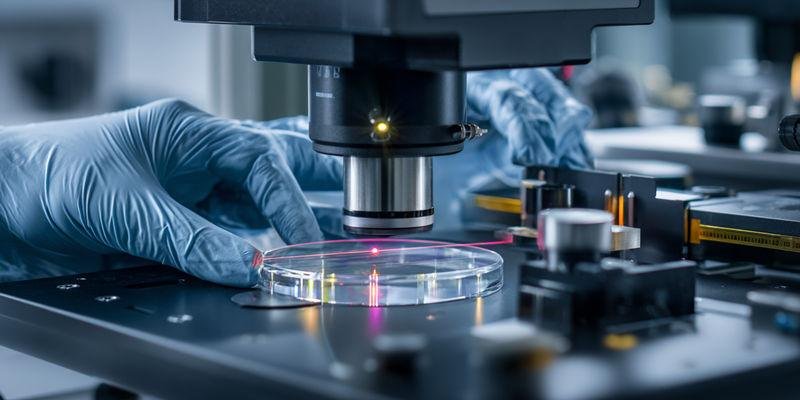
يلعب تحمل القطر والفتحة الواضحة دورًا حيويًا في تركيب ومحاذاة أقراص الكوارتز في أنظمة توصيل أشعة الليزر. يجب أن يتحكم المهندسون في هذه التفاوتات لتحقيق دقة عالية والحفاظ على الدقة وضمان التكرار في التطبيقات الصعبة. تدعم المواصفات المناسبة لهذه الأبعاد الأداء الموثوق في لحام أشعة الليزر والأنظمة البصرية المتقدمة الأخرى.
حساب التمدد الحراري ومتطلبات خلوص التركيب
يؤثر التمدد الحراري على ملاءمة واستقرار أقراص الكوارتز أثناء التشغيل. يجب أن تأخذ التصميمات في الاعتبار التغيرات في الأبعاد الناتجة عن تقلبات درجات الحرارة للحفاظ على الدقة ومنع الضغط على القرص. يقوم المهندسون بحساب التمدد الحراري باستخدام معامل الكوارتز وتحديد خلوص التركيب المطلوب لتجنب الارتباط أو المحاذاة الخاطئة.
يسمح الحد الأدنى من الخلوص الذي يبلغ 1/8 بوصة بين القرص والهياكل المحيطة به بالتمدد والانكماش الآمن. يضمن هذا النهج أن يحافظ القرص على تسطيحه وتوازيه وتركيزه حتى أثناء التغيرات السريعة في درجات الحرارة. كما يدعم خلوص التركيب المناسب أيضًا الدقة العالية وقابلية التكرار في القياس والفحص.
يجب أن يتذكر المهندسون هذه النقاط الرئيسية عند التفكير في التمدد الحراري والتركيب:
يمكن للتمدد الحراري أن يغير أبعاد القرص ويؤثر على الدقة
الحد الأدنى من الخلوص يمنع الإجهاد ويحافظ على التسطيح
يدعم التركيب المناسب إمكانية التكرار والدقة العالية
تحسين فتحة العدسة الواضحة: الموازنة بين المساحة القابلة للاستخدام مقابل هامش أمان الحافة
تحدد الفتحة الواضحة المنطقة البصرية القابلة للاستخدام في قرص الكوارتز، باستثناء منطقة الحافة التي قد تحتوي على عيوب أو شطب. يجب أن يوازن المهندسون بين الحاجة إلى أقصى مساحة قابلة للاستخدام ومتطلبات هامش أمان الحافة للحماية من التقطيع والحفاظ على التسطيح. يضمن هذا التوازن أن يقدم القرص الأداء الأمثل في التطبيقات عالية الدقة.
تؤدي زيادة الفتحة الواضحة إلى زيادة انتقال شعاع الليزر إلى أقصى حد، ولكن تقليل هامش الحافة يمكن أن يزيد من خطر التلف ويقلل من الدقة. يستخدم المهندسون تقنيات القياس للتحقق من أن الفتحة الواضحة تفي بتفاوتات الأبعاد وتدعم الأداء المطلوب. تؤكد بروتوكولات الفحص أن القرص يحافظ على تسطيحه وتوازيه وتركيزه عبر المنطقة القابلة للاستخدام.
العامل | التأثير |
|---|---|
فتحة عدسة شفافة أكبر | مساحة أكثر قابلية للاستخدام، انتقال أعلى |
هامش حافة أصغر | زيادة خطر التقطيع، وانخفاض المتانة |
التوازن السليم | يحافظ على الدقة والتسطيح والتكرار |
تأثير تفاوت القطر على تركيز التجميع متعدد العناصر
يؤثر تفاوت القطر بشكل مباشر على تركيز أقراص الكوارتز في التجميعات متعددة العناصر. يضمن الحفاظ على تفاوت ± 0.1 مم أن يستقر كل قرص بشكل صحيح في الحامل الخاص به، مما يؤدي إلى محاذاة المحور البصري مع المحور الميكانيكي والحفاظ على الدقة. يمكن أن تتسبب الانحرافات عن هذا التفاوت في حدوث انحراف أو إمالة مما يؤدي إلى اختلال المحاذاة وانخفاض أداء النظام.
تتطلب التجميعات عالية الدقة تحكمًا صارمًا في القطر للحفاظ على التسطيح والتوازي والتركيز في جميع أنحاء المسار البصري. ويعتمد المهندسون على تقنيات القياس والفحص للتحقق من أن كل قرص يفي بالتفاوتات المحددة. يدعم التحكم في القطر المتسق إمكانية التكرار والدقة في اللحام بأشعة الليزر والتطبيقات المتقدمة الأخرى.
النقاط الرئيسية لتحمل القطر والتجميع:
يضمن التفاوت المناسب دقة التثبيت والمحاذاة الدقيقة
يحافظ على التركيز ودقة النظام
يدعم الدقة العالية وقابلية التكرار في الأنظمة متعددة العناصر
يضمن تحديد التفاوتات الصحيحة لأقراص الكوارتز والحفاظ عليها أن تحقق أنظمة توصيل أشعة الليزر الدقة والتسطيح والدقة المطلوبة. يؤثر كل تفاوت - السماكة والتوازي والتسطيح وشطب الحواف والقطر - بشكل مباشر على أداء النظام وموثوقيته وتكلفته، خاصة في تطبيقات اللحام بأشعة الليزر عالية الدقة واللحام بأشعة الليزر. يساعد القياس الدقيق وضمان الجودة المهندسين على الحفاظ على التسطيح والدقة، مما يدعم الدقة والتكرار على المدى الطويل.
العواقب | التأثير على أداء النظام وموثوقيته |
|---|---|
زيادة الضغط على النظام | يؤدي إلى أعطال محتملة وتقليل العمر الافتراضي |
صعوبات في التجميع | يؤدي إلى ارتفاع تكاليف الإنتاج وانخفاض معدلات العائد |
انخفاض الوظائف | يضعف التشغيل الكلي للنظام |
الإخفاقات في الموثوقية الكلية | يسبب أعطالاً غير متوقعة ومشاكل في الصيانة |
تمنع التفاوتات الصحيحة للأبعاد حدوث أعطال بسبب المكونات المعيبة.
فهي تعزز أداء المعدات وتقلل من البلى والتلف.
تساهم التفاوتات الدقيقة في إطالة العمر التشغيلي.
يجب على المهندسين دائمًا اختيار التفاوتات المسموح بها بناءً على احتياجات التطبيق، واستخدام القياس الدقيق، واتباع بروتوكولات الفحص الصارمة لضمان الحصول على أفضل النتائج.
الأسئلة الشائعة
ما هو التفاوت الأكثر أهمية لجودة شعاع الليزر؟
يؤثر توحيد السُمك بشكل مباشر على جودة شعاع الليزر.
يقلل تفاوت السماكة الضيق من اختلاف المسار البصري، مما يحافظ على انخفاض خطأ واجهة الموجة المرسلة.
يضمن ذلك بقاء بقعة الليزر حادة ومركزة.
نصيحة: بالنسبة للأعمال عالية الدقة، حدد ± 0.02 مم لتوحيد السماكة.
كيف يؤثر تحمل التوازي على دقة النظام؟
يتحكم تحمل التوازي في ثبات توجيه الشعاع.
يحافظ توازي القوس بمقدار 30 ثانية على انحراف الشعاع أقل من 0.7 مم عند 10 أمتار، وهو أمر حيوي لدقة المسح واللحام.
يقلل التوازي الأكثر إحكامًا من الأخطاء التراكمية في الأنظمة متعددة الأقراص.
النقاط الرئيسية:
توازٍ أفضل = انحراف شعاع أقل
ضروري للتركيبات متعددة العناصر
ما أهمية تسطيح السطح في تطبيقات الليزر؟
يحدد تسطيح السطح جودة واجهة الموجة المرسلة.
تحدّ مواصفات التسطيح λ/10 من تشوه واجهة الموجة، مما يحافظ على جودة الشعاع والتركيز العاليين.
وهذا مهم بشكل خاص للتطبيقات التي تحتاج إلى أداء محدود الحيود.
مواصفات التسطيح | خطأ في واجهة الموجة | تأثير التطبيق |
|---|---|---|
λ/4 | أعلى | الاستخدام القياسي |
λ/10 | أقل | بصريات دقيقة |
ما الدور الذي تلعبه شطب الحافة في موثوقية القرص؟
تقلل شطب الحافة من تركيز الضغط في محيط القرص.
شطب 0.5 مم × 45 درجة يمنع التشققات أثناء التدوير الحراري والتركيب.
وهذا يحسن المتانة على المدى الطويل ويقلل من مخاطر الأعطال الميدانية.
ملاحظة: تبدأ معظم حالات فشل الأقراص عند الحواف المشطوفة بشكل سيء.
كيف يؤثر تفاوت القطر على التركيب والمحاذاة؟
يضمن التفاوت في القطر الملاءمة والمحاذاة المناسبة في الحوامل.
يسمح التفاوت المسموح به ± 0.1 مم بالتمدد الحراري ويحافظ على توسيط القرص.
يحافظ ذلك على دقة النظام ويمنع التظليل أو المحاذاة الخاطئة.
الملخص:
القطر الصحيح = التركيب الآمن
يمنع انزياح المحور البصري