Experimental accuracy in high-temperature laboratory work is directly contingent on the chemical and thermal performance of the containment vessel. Mismatched crucible material selection introduces sample contamination, measurement error, and irreversible data loss as predictable consequences.
The material purity, thermal resilience, and purpose-built geometry of quartz boat crucibles address each of these failure modes simultaneously. No single alternative crucible material replicates this combination in full.
Construction principles, material properties, laboratory and industrial applications, comparative performance against alternative crucible materials, handling protocols, and standard size specifications are all covered in the sections that follow. Every dimension of this vessel's scientific utility is treated with technical completeness.
Across analytical chemistry, materials science, catalysis research, and industrial quality control, a uniquely versatile position is occupied by the quartz boat crucible. Reliable performance from routine calcination to precision elemental analysis is consistently delivered by its transparent, chemically inert, high-purity fused quartz body — establishing it as one of the most widely specified sample-containment vessels in high-temperature laboratory environments worldwide.
What a Quartz Boat Crucible Is and How It Is Constructed
Few laboratory vessels combine structural simplicity with functional precision as effectively as the quartz boat crucible. Understanding its geometry, component architecture, and raw material origin is essential to appreciating why it performs so consistently across demanding thermal and chemical environments.
The Defining Geometry of a Boat-Shaped Crucible
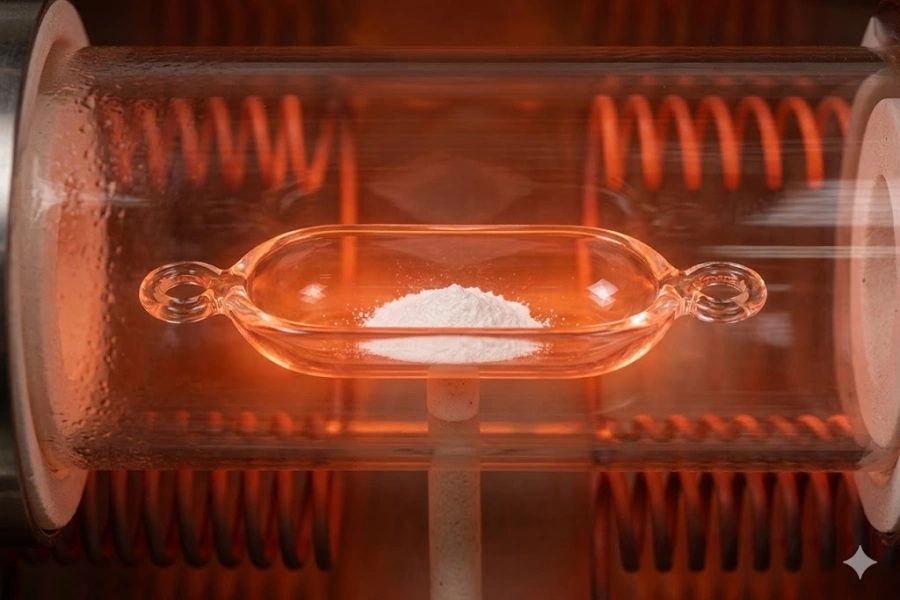
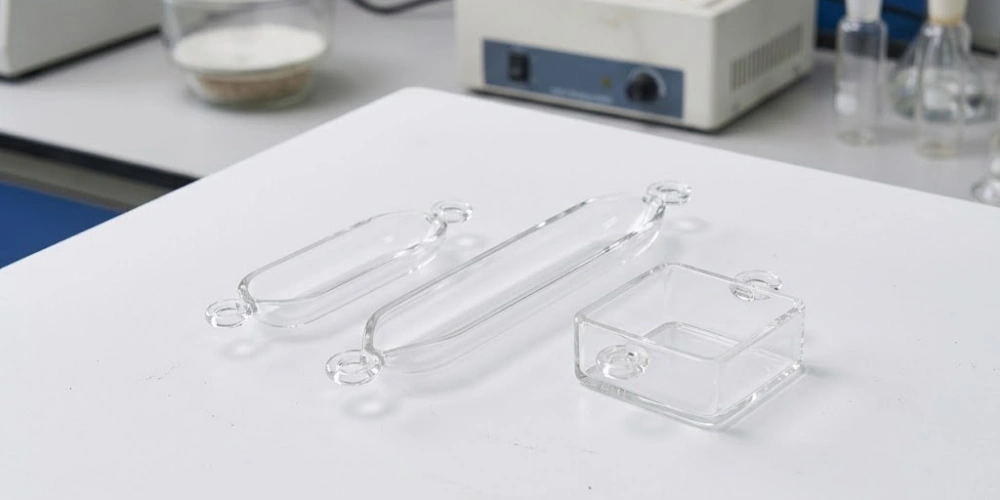
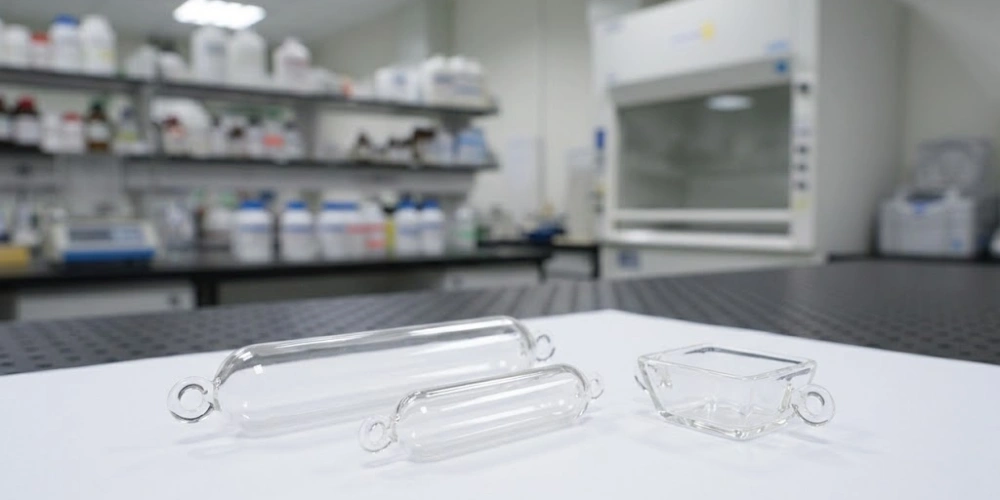
The quartz boat crucible takes its name from its unmistakable silhouette — an elongated, shallow vessel with a curved or flat base, gently upswept ends, and an open top that closely resembles the hull profile of a small watercraft. This geometry is not decorative; every dimension serves a functional purpose tied to heat distribution, sample containment, and operational safety.
In its most common round-ended form, the crucible presents an elliptical floor plan with smoothly curved interior walls that transition continuously from base to rim. The flat-bottomed square variant, by contrast, offers a rectangular interior cavity with defined corners and straight side walls, making it particularly suited to block-form or sheet-form samples that benefit from planar support.
Standard dimensions across commercially available quartz boat crucibles span a considerable range. Length typically runs from 50 mm to 300 mm, width from 15 mm to 80 mm, and interior depth from 10 mm to 35 mm. Wall thickness generally falls between 2 mm and 4 mm. This breadth of sizing means the vessel can be matched to sample volumes ranging from sub-gram analytical quantities to multi-gram industrial-scale batch preparations.
Structural Components and Their Functional Roles
A quartz boat crucible, while visually simple, integrates several discrete structural elements — each contributing to safe, reproducible laboratory operation. Recognizing the function of each component helps operators select the correct variant and handle it correctly under high-temperature conditions.
The main body cavity forms the primary sample-containment zone. Its interior volume is sized to hold a measured quantity of powder, granular material, or consolidated solid while allowing adequate gas circulation above the sample surface — a critical requirement in calcination, oxidation, and reduction experiments conducted inside tube furnaces.
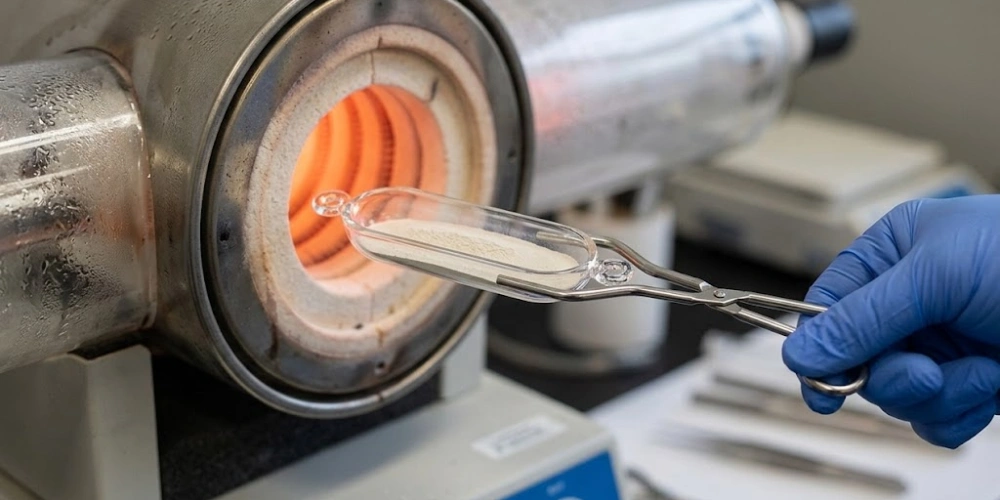
The ring handles, also termed lifting lugs or bail rings, are fused to both ends of the crucible body. Fabricated from the same high-purity fused quartz as the main vessel, these small circular loops serve as the mechanical interface between crucible and handling tools. Standard crucible tongs grip these rings securely at temperatures exceeding 1000°C, allowing controlled transfer without direct contact with the sample-bearing body. The wall thickness of 2–4 mm balances two competing requirements: sufficient mechanical rigidity to resist deformation under load, and low thermal mass to allow rapid, uniform temperature equilibration between the furnace environment and the crucible interior.
Taken together, these components form a structurally coherent vessel whose every feature reflects the demands of precision thermal laboratory work. The absence of seams, joints, or composite materials in a well-fabricated quartz boat crucible eliminates potential failure points that could compromise sample integrity or vessel longevity.
Fused Quartz versus Fused Silica in Crucible Fabrication
The terms "fused quartz" and "fused silica" are frequently used interchangeably in laboratory supply catalogues, yet they describe materials with distinct manufacturing origins and subtly different purity profiles. Clarifying this distinction is important for researchers specifying crucible materials for high-sensitivity analytical work.
Fused quartz is produced by melting naturally occurring crystalline quartz (α-SiO₂) at temperatures above 1650°C, either through flame fusion or electric arc fusion. The resulting amorphous glass retains the silicon dioxide chemistry of its mineral precursor but inherits trace impurity levels characteristic of the natural ore source — typically including parts-per-million concentrations of Al, Fe, Ca, and alkali metals. Fused silica, by contrast, is synthesized from high-purity chemical precursors such as silicon tetrachloride (SiCl₄) through chemical vapor deposition or sol-gel processes, yielding SiO₂ purities that can exceed 99.999%.
For the quartz boat crucibles specified in most laboratory and industrial applications, SiO₂ content of ≥99.99% is the standard minimum purity threshold. At this purity level, the concentration of metallic impurities — particularly alkali metals, alkaline earth metals, and transition metals — is reduced to levels where their contribution to analytical blank values and sample contamination is negligible for the vast majority of applications. This purity specification is what distinguishes a laboratory-grade quartz boat crucible from general-purpose quartz glassware.
Material Properties of High-Purity Quartz Boat Crucibles
The material performance of a high-purity quartz boat crucible is rooted in the exceptional physical and chemical properties of amorphous SiO₂ at elevated temperatures. These properties collectively explain why this material is specified for demanding laboratory applications where ceramic or metallic alternatives are inadequate.
Thermal Stability and Maximum Operating Temperature
The thermal performance of fused quartz is governed by its uniquely low coefficient of thermal expansion and its exceptionally high softening point relative to common laboratory glassware. These two characteristics work in combination to make the quartz boat crucible one of the most thermally reliable vessels available for tube furnace and muffle furnace applications.
The softening point of fused quartz lies at approximately 1665°C, while the annealing point is near 1140°C. In continuous laboratory operation, the recommended maximum service temperature for a fused quartz boat crucible is 1200°C, with short-duration exposures tolerable up to approximately 1300°C before viscous deformation becomes a practical concern. The Erimiş kuvarsın ısıl genleşme katsayısı (CTE) yaklaşık 0,55 × 10-⁶/°C'dir, compared to 7–9 × 10⁻⁶/°C for borosilicate glass and 6–8 × 10⁻⁶/°C for alumina ceramics.
This exceptionally low CTE is the physical basis for the material's outstanding thermal shock resistance. When a quartz boat crucible is transferred from a furnace operating at 1000°C into ambient air, the temperature differential that develops across the vessel wall generates internal stress proportional to the product of CTE, elastic modulus, and temperature change. Because the CTE of fused quartz is roughly 12–15 times lower than that of borosilicate glass, the induced stress remains well below the fracture threshold under most normal operating conditions, allowing controlled rapid cooling without the cracking that would destroy a glass or ceramic vessel under identical thermal cycling.
The practical implication for laboratory operations is significant: quartz boat crucibles can be moved directly from high-temperature furnaces to room-temperature surfaces using appropriate tongs, without requiring the controlled cooling schedules that alumina or porcelain crucibles demand.
Chemical Inertness and Resistance to Acids and Alkalis
The chemical durability of high-purity fused quartz arises from the three-dimensional covalent Si–O network structure of amorphous SiO₂, which presents no exposed reactive sites to most chemical reagents under laboratory conditions. This structural stability makes the quartz boat crucible one of the least reactive vessel materials available for wet and dry chemical work.
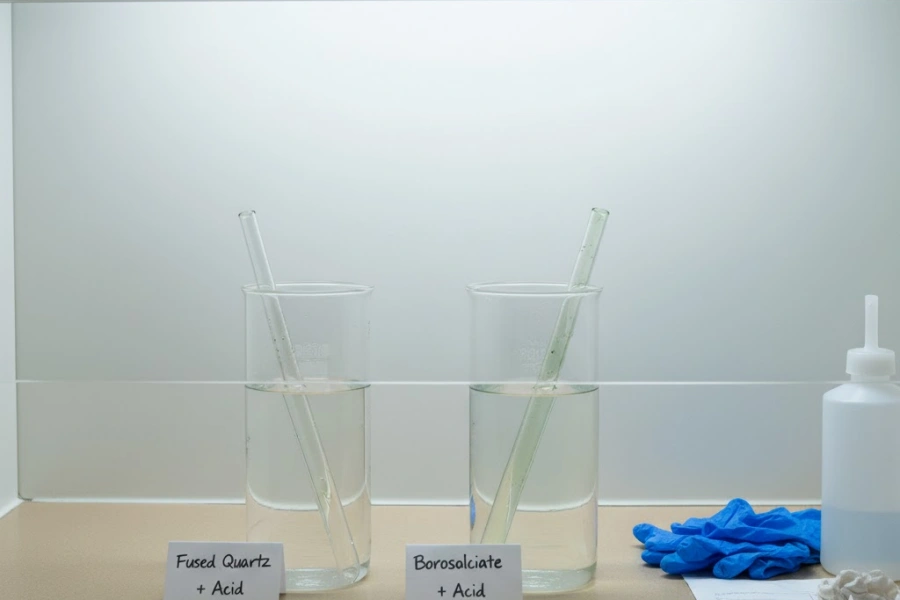
Against mineral acids, including hydrochloric acid (HCl), sulfuric acid (H₂SO₄), nitric acid (HNO₃), and perchloric acid (HClO₄) at concentrations up to their concentrated forms and at temperatures up to 300°C, fused quartz exhibits negligible dissolution rates. The SiO₂ network does not protonate under acidic conditions, and Si–O bonds resist hydrolytic cleavage in the presence of H⁺ ions at standard laboratory acid concentrations. This resistance is quantitatively expressed as a dissolution rate of less than 0.01 mg/cm² per day in boiling concentrated HCl at atmospheric pressure, making acid-induced contamination of samples from the vessel walls effectively immeasurable in routine analytical work.
Two important exceptions must be explicitly acknowledged. Hydrofluoric acid (HF) attacks fused quartz through the reaction SiO₂ + 4HF → SiF₄↑ + 2H₂O, dissolving the vessel material rapidly and irreversibly. Quartz boat crucibles must never be exposed to HF or to fluoride-containing flux materials above mild temperatures. Similarly, concentrated alkali solutions (NaOH, KOH) and alkali carbonate melts attack the SiO₂ network through nucleophilic mechanisms at elevated temperatures, forming soluble silicates. Operations requiring fusion with sodium carbonate or potassium hydroxide should be conducted in platinum or nickel crucibles rather than quartz.
Optical Transparency and Its Experimental Significance
Among all commonly used crucible materials, fused quartz is uniquely distinguished by its optical transparency across an exceptionally wide spectral range. This property has direct and practical consequences for experimental monitoring during high-temperature laboratory procedures.
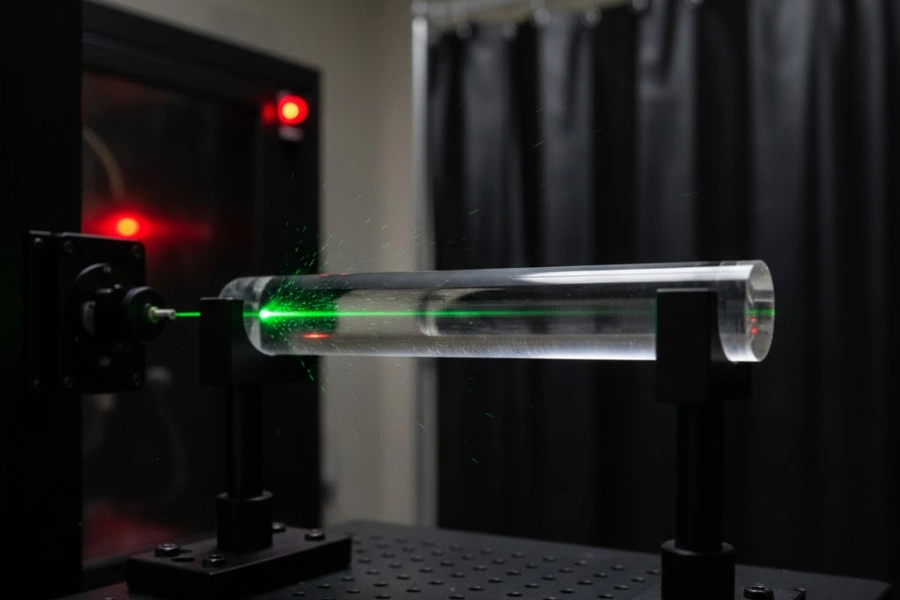
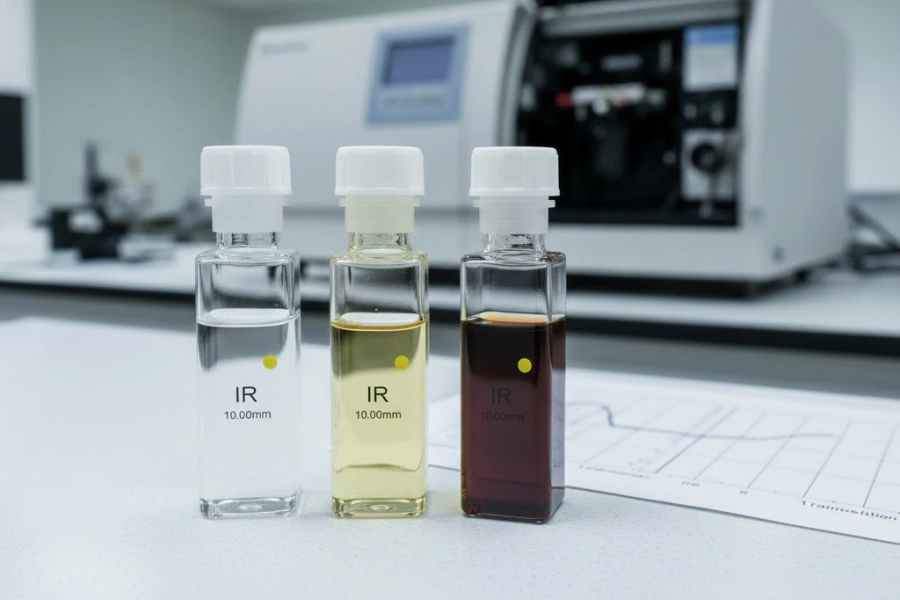
High-purity fused quartz transmits radiation from approximately 170 nm in the deep ultraviolet through to 3500 nm in the near-infrared, with transmission exceeding 85% across the visible spectrum for a standard 2 mm wall thickness. This broad optical window means that a quartz boat crucible placed inside a tube furnace with a transparent end cap allows unobstructed visual and spectroscopic monitoring of the sample throughout the thermal process.
In practice, this transparency enables researchers to observe color changes in powder samples that indicate phase transitions or chemical reactions — for example, the reduction of copper oxide (black CuO → red Cu₂O → metallic Cu) during temperature-programmed reduction, or the progressive loss of carbon char during combustion analysis. These real-time visual cues are entirely absent when opaque alumina or ceramic crucibles are used, forcing reliance on post-experiment characterization alone. Furthermore, the transparency of quartz permits in-situ optical pyrometry and radiation thermometry to measure sample surface temperature without contact, a capability of growing importance in materials research where thermocouple contamination of reactive samples is unacceptable.
Electrical Insulation and Ultra-Low Contamination Potential
The electrical and contamination-related properties of high-purity fused quartz address two distinct but equally important concerns in precision laboratory work: the need for electrically inert vessel materials in electrothermal experiments, and the requirement for vanishingly low impurity contributions in trace and ultra-trace analytical chemistry.
The volume resistivity of fused quartz exceeds 10¹⁸ Ω·cm at room temperature, classifying it among the most effective solid electrical insulators known. This property ensures that quartz boat crucibles introduce no conductive pathway between sample and furnace hardware in experiments where electrical isolation of the sample is required — including electrothermal atomization studies and experiments involving in-situ impedance measurement of sample materials during sintering.
On the contamination question, the distinction between high-purity (≥99.99% SiO₂) and standard-grade quartz is analytically consequential. Common laboratory glass contains 10,000–70,000 ppm of network modifier oxides (Na₂O, K₂O, CaO, Al₂O₃) that progressively leach into samples at elevated temperatures. Even standard-grade quartz can contain 50–200 ppm of Al, 10–50 ppm of Fe, and 5–30 ppm of alkali metals. In contrast, a certified high-purity quartz boat crucible with ≥99.99% SiO₂ specification typically contains less than 1 ppm total metallic impurities, reducing blank contributions in ICP-MS analysis of trace metals to levels that are insignificant relative to typical sample analyte concentrations.
Key Material Properties of High-Purity Fused Quartz
| Mülkiyet | Değer | Önem |
|---|---|---|
| SiO₂ Saflığı (%) | ≥ 99.99 | Ultra-low metallic contamination |
| Yumuşama Noktası (°C) | ~1665 | High upper thermal limit |
| Maksimum Sürekli Kullanım Sıcaklığı (°C) | ~1200 | Safe operational ceiling |
| Coefficient of Thermal Expansion (×10⁻⁶/°C) | ~0.55 | Olağanüstü termal şok direnci |
| Volume Resistivity (Ω·cm) | > 10¹⁸ | Full electrical insulation |
| UV-NIR Transmission Range (nm) | 170–3500 | Broad optical transparency |
| Dissolution Rate in Boiling HCl (mg/cm²/day) | < 0.01 | Acid chemical inertness |
| Toplam Metalik Safsızlıklar (ppm) | < 1 | Trace-analysis compatible purity |
Laboratory Uses of Quartz Boat Crucibles across Scientific Disciplines
Spanning analytical chemistry, materials science, catalysis, and elemental analysis, the quartz boat crucible serves as a unifying vessel across disciplines that rarely share equipment. Its combination of chemical inertness, thermal stability, and optical transparency makes it the default choice wherever sample purity and process observability are simultaneously required.
Calcination and Loss-on-Ignition Analysis in Analytical Chemistry
Loss-on-ignition (LOI)1 determination is one of the most widely performed quantitative procedures in analytical laboratories, applied routinely to geological samples, cement, ceramics, food products, and environmental matrices. The quartz boat crucible is ideally suited to this procedure across all sample types.
The LOI method involves heating a pre-dried sample to a specified ignition temperature — typically 550°C for organic matter combustion or 1000°C for carbonate decomposition — and calculating mass loss as a percentage of the original dry weight. The accuracy of this measurement depends critically on two factors: the crucible contributing zero mass change itself through volatilization or reaction, and the sample heating uniformly to ensure complete combustion or decomposition.
High-purity quartz boat crucibles address both requirements directly. The fused quartz body exhibits no measurable mass loss below 1200°C under normal calcination conditions, and the broad, flat boat geometry distributes powdered samples in a uniform thin layer across the full floor area — typically 2–5 mm deep — that equilibrates rapidly with the furnace atmosphere. In collaborative analytical studies comparing crucible materials for LOI work, quartz crucibles consistently demonstrate blank LOI values below 0.01% by mass, compared to 0.03–0.08% for standard porcelain crucibles, a difference that becomes analytically significant when reporting LOI values for low-loss materials such as high-purity oxides or calcined ceramics.
The transparency of the quartz vessel also allows the analyst to confirm complete combustion of organic residues visually — the disappearance of dark carbonaceous material is directly observable without interrupting the furnace cycle.
High-Temperature Solid-State Synthesis and Thermal Reactions
Solid-state synthesis routes — in which two or more solid reactants are intimately mixed and heated to high temperatures to drive diffusion-mediated reaction — represent one of the most productive areas of inorganic and materials chemistry, and the quartz boat crucible is the standard sample vessel for such reactions at temperatures below 1200°C.
Typical solid-state reactions conducted in quartz boat crucibles include mixed metal oxide synthesis (e.g., preparation of perovskite-structure ABO₃ oxides from binary oxide precursors), thermal decomposition of metal salts to their oxide forms, carbothermal reduction of oxide precursors, and synthesis of phosphor and luminescent materials through high-temperature solid-state doping reactions. In each case, the chemically inert quartz walls ensure that no silicon contamination is introduced into the reacting mixture below 1200°C, preserving the stoichiometric integrity of the intended product.
The transparency of the quartz boat crucible contributes a monitoring capability that is particularly valuable during first-run syntheses of new compositions. Color changes in the sample — such as the transition from pale yellow to orange-red in iron-doped oxide systems, or the appearance of metallic luster in partial reduction products — are observable in real time through the tube furnace viewport. This visual feedback allows researchers to identify unexpected reaction intermediates or incomplete reactions without the delay of post-synthesis characterization.
Temperature-Programmed Experiments in Catalysis Research
Temperature-programmed techniques — specifically TPR (temperature-programmed reduction), TPO (temperature-programmed oxidation), and TPD (temperature-programmed desorption) — are foundational characterization methods in heterogeneous catalysis research. The quartz boat crucible is the standard sample holder for these experiments when conducted in tube furnace configurations.
In TPR experiments, a catalyst sample of typically 50–200 mg is loaded into the quartz boat and placed in the isothermal zone of a tube furnace through which a reducing gas mixture (commonly 5–10% H₂ in Ar or N₂) flows at a controlled rate. The furnace temperature is ramped at a programmed rate — typically 5–15°C/min — from ambient to the maximum reduction temperature, often between 500°C and 900°C, while a thermal conductivity detector or mass spectrometer monitors H₂ consumption. The quartz boat crucible must contribute no hydrogen consumption or generation of its own, and high-purity fused quartz is entirely inert toward H₂, O₂, and inert carrier gases across the full TPR/TPO temperature range.
Equally important is the absence of catalytically active surface sites on the quartz vessel. Impurities such as Fe, Ni, and Co — present at ppm levels in lower-grade quartz — can catalyze undesired side reactions in gas-phase catalyst testing, generating spurious TPR peaks that obscure the true catalyst reduction profile. High-purity quartz boat crucibles with total metallic impurities below 1 ppm eliminate this source of systematic error, a concern documented in multiple published catalysis characterization studies where crucible material selection was identified as a variable affecting reproducibility.
The ring handles on the quartz boat are operationally significant in this context: after a TPR or TPO experiment conducted under flowing reactive gas, the crucible and its spent catalyst sample can be removed from the furnace under inert gas purge without breaking the gas-tight seal of the reactor tube, preserving the sample's surface chemical state for subsequent characterization.
Sintering and Heat Treatment in Materials Science Research
The preparation of functional ceramic materials, metal oxide powders, and composite material precursors by high-temperature sintering is among the most demanding applications for any laboratory vessel — and the quartz boat crucible is routinely specified for this work in tube furnace environments up to 1200°C.
Sintering in a quartz boat crucible typically involves loading a compacted powder body — pressed pellet, loose powder bed, or tape-cast green sheet — onto the flat floor of the vessel and programming a multi-step temperature profile: a slow ramp to binder burnout temperature (300–500°C), a hold for organic removal, a second ramp to sintering temperature (800–1200°C), a dwell period for densification, and a controlled cooling ramp. The broad floor geometry of the boat crucible ensures that heat is applied uniformly to the entire sample footprint, minimizing thermal gradients across the sample that would result in differential sintering density.
Materials routinely processed in quartz boat crucibles include functional ceramic precursor powders (BaTiO₃, ZnO, TiO₂ phase assemblages), mixed rare earth oxide compositions for phosphor synthesis, spinel ferrite powders for magnetic applications, and sol-gel derived oxide thin films deposited on substrate wafers. The chemical inertness of quartz below 1200°C ensures that no silica contamination is introduced into these often highly stoichiometry-sensitive compositions — a contamination risk that is non-trivial when using lower-purity or reactive vessel materials at sintering temperatures where solid-state diffusion across the sample-vessel interface becomes kinetically active.
The boat geometry confers a specific practical advantage in sintering work: the open top and shallow walls allow uniform access of the furnace atmosphere — whether oxidizing, reducing, or inert — to the sample surface throughout the thermal cycle, enabling controlled atmosphere sintering that produces reproducible phase compositions and microstructures.
Sample Fusion and Digestion for Elemental Analysis
Preparation of homogeneous fused beads for X-ray fluorescence (XRF) analysis and dissolution of refractory sample matrices for ICP-OES or ICP-MS analysis represents one of the analytically most demanding applications for laboratory crucibles — and the material requirements for crucible purity are correspondingly stringent.
XRF flux fusion involves mixing a finely ground sample with a lithium tetraborate (Li₂B₄O₇) or lithium metaborate (LiBO₂) flux at a typical sample-to-flux ratio of 1:5 to 1:10, heating the mixture to 950–1100°C in a furnace until complete dissolution of the sample into the molten flux occurs, and then casting the melt into a flat disc for XRF measurement. Quartz boat crucibles are used in the pre-fusion preparation stage — drying, pre-ignition, and mixing of sample and flux — where their chemical inertness toward the alkali borate flux at sub-fusion temperatures (below 600°C) and their easy cleanability after use make them the preferred holding vessel.
For acid digestion pre-treatment of geological, metallurgical, and environmental samples ahead of ICP-OES/MS analysis, the quartz boat crucible serves as the sample-loading and pre-concentration vessel during open-vessel evaporation stages. The total Si blank contribution from a high-purity quartz boat crucible in a standard acid digestion protocol — involving HCl/HNO₃ aqua regia dissolution at 120°C — has been measured at less than 0.5 μg Si per digestion in controlled laboratory conditions, a level that is analytically negligible in all but the most sensitive silicon-specific determinations.
Quartz Boat Crucible Applications by Scientific Discipline
| Uygulama | Tipik Sıcaklık (°C) | Key Quartz Property Utilized | Sample Type |
|---|---|---|---|
| Loss-on-Ignition (LOI) | 550–1000 | Zero blank mass loss | Geological, ceramic, food |
| Solid-State Synthesis | 800–1200 | Chemical inertness, Si-free contamination | Mixed oxide powders |
| TPR / TPO / TPD | 100–900 | Inert to H₂, O₂, carrier gases | Catalyst powders (50–200 mg) |
| Sintering / Heat Treatment | 600-1200 | Uniform heat distribution, open atmosphere access | Ceramic pellets, oxide films |
| XRF Pre-Fusion Preparation | 200–600 | Acid resistance, easy cleaning | Geological, metallurgical |
| ICP Acid Digestion Pre-treatment | 100–150 | Ultra-low Si blank (< 0.5 μg) | Environmental, metallurgical |
Advantages of a Quartz Boat Crucible over Alternative Crucible Materials
Selecting a crucible material for a given application requires systematic comparison across thermal, chemical, optical, and contamination-related performance dimensions. The quartz boat crucible occupies a distinct performance profile in this landscape — one that makes it the optimal choice across a wide range of conditions, and the following comparisons establish precisely where those boundaries lie.
Quartz versus Porcelain and Ceramic Crucibles
Porcelain and unglazed ceramic crucibles are among the most historically common laboratory vessels for thermal work, yet their performance limitations become apparent when evaluated against the demands of modern quantitative analytical chemistry.
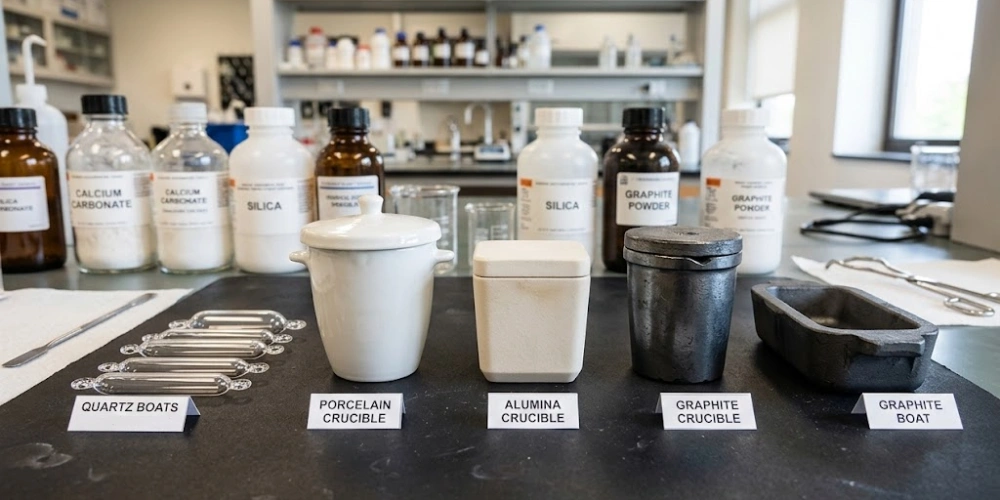
Standard porcelain crucibles are fabricated from kaolin-based ceramic bodies with maximum service temperatures of approximately 1150°C — comparable in range to quartz but inferior in thermal shock resistance, with CTE values of 3–5 × 10⁻⁶/°C that demand slow cooling protocols to avoid cracking. Glazed porcelain crucibles present an additional contamination risk: glaze compositions typically contain 5–15% PbO or up to 3% CdO as colorants and flux materials, and at temperatures above 800°C, diffusion of these heavy metal oxides through the glaze into acidic or reactive sample matrices is a documented contamination mechanism in trace metal analysis.
Unglazed ceramic crucibles avoid the glaze contamination issue but introduce a different problem: their inherently porous microstructure (typical open porosity 5–15%) absorbs sample material into the vessel walls, creating a persistent contamination source that transfers between experiments even after thorough cleaning. High-purity quartz, being a fully dense amorphous glass with zero open porosity, eliminates this cross-contamination pathway entirely. Furthermore, the complete opacity of ceramic materials denies the visual monitoring capability that quartz provides during reactive thermal processes — a capability that, as documented in sintering and reduction experiments, provides early warning of unexpected process deviations.
Quartz versus Alumina and Corundum Crucibles
Alumina (Al₂O₃) crucibles represent the most direct performance competitor to quartz boat crucibles in high-temperature laboratory applications, offering superior maximum operating temperature but trading away several properties that quartz uniquely provides.
Dense sintered alumina crucibles can operate continuously at temperatures up to 1750°C, significantly extending the useful temperature range beyond the 1200°C ceiling of fused quartz. This advantage is unambiguous and decisive in applications requiring temperatures above 1300°C. However, below 1200°C — which encompasses the majority of laboratory thermal analysis, calcination, and sintering work — alumina's higher temperature ceiling provides no practical benefit while its disadvantages become relevant.
Bu CTE of alumina is approximately 8 × 10⁻⁶/°C, roughly 14 times higher than that of fused quartz, making alumina crucibles significantly more susceptible to thermal shock cracking when subjected to rapid temperature changes. Additionally, alumina dissolves measurably in acidic media: Al³⁺ leaching from alumina crucibles in boiling dilute HNO₃ at 0.1 mol/L produces 0.5–2 mg/L Al in solution within one hour, introducing aluminum contamination into acid-washed samples — a serious interference in ICP analysis of aluminum-containing matrices. The complete opacity of alumina eliminates the visual process monitoring that transparent quartz provides. For applications below 1200°C where optical monitoring and acid cleaning are required, quartz boat crucibles outperform alumina on every relevant metric.
Quartz versus Platinum and Graphite Crucibles
Platinum and graphite crucibles each occupy specific application niches where their unique properties are irreplaceable, yet both present limitations that make quartz the preferred choice across the broad middle ground of laboratory thermal work.
Platinum crucibles are indispensable for operations requiring HF resistance — specifically, silicate dissolution by HF acid attack and alkali carbonate/hydroxide flux fusions — where neither quartz nor alumina can be used. Platinum's resistance to HF is complete, and its upper operating temperature in air exceeds 1600°C. However, platinum crucibles are incompatible with carbon-containing samples, reducing atmospheres, and many metal salts that alloy with or dissolve platinum at elevated temperatures, requiring rigorous sample screening before use. The high material density and manufacturing complexity of platinum also place it in a cost category that restricts its use to specific high-value applications.
Graphite crucibles are the material of choice for metal melting and reduction reactions in inert or reducing atmospheres at temperatures above 1200°C, particularly for carbon-tolerant metal systems. However, graphite oxidizes rapidly in air above approximately 500°C, restricting its use to non-oxidizing environments; any trace oxygen in the furnace atmosphere initiates combustion of the crucible body. More importantly, graphite transfers carbon contamination to oxide samples at high temperatures through solid-state diffusion and CO/CO₂ gas-phase mechanisms — a disqualifying characteristic for oxide synthesis, catalyst preparation, and all oxidation-state-sensitive analyses. Quartz boat crucibles, by contrast, operate freely in air, oxygen, inert gas, and reducing gas atmospheres below 1200°C without contributing carbon, metallic, or reactive contamination to the sample.
Performance Comparison across Crucible Materials
| Mülkiyet | Quartz Boat Crucible | Porcelain Crucible | Alumina Crucible | Platinum Crucible | Graphite Crucible |
|---|---|---|---|---|---|
| Max Operating Temperature (°C) | 1200 | 1150 | 1750 | 1600 | 2500 (inert) |
| Termal Şok Direnci | Mükemmel | Zayıf-Orta | Orta düzeyde | İyi | İyi |
| CTE (×10-⁶/°C) | 0.55 | 3-5 | ~8 | 9 | 6-8 |
| Chemical Inertness (Acids) | Mükemmel (HF hariç) | Orta düzeyde | Good (no HF, limited HNO₃) | Mükemmel | Poor (oxidizing) |
| Resistance to Alkalis | Limited above 600°C | Sınırlı | Sınırlı | Mükemmel | Zayıf |
| HF Direnci | Hiçbiri | Hiçbiri | Hiçbiri | Full | Hiçbiri |
| Optik Şeffaflık | Full (UV-NIR) | Hiçbiri | Hiçbiri | Hiçbiri | Hiçbiri |
| Open Porosity | Zero | 5–15% | Near zero | Zero | Düşük |
| Contamination Risk (Trace Analysis) | Very Low (< 1 ppm metals) | Moderate (glaze metals) | Low–Moderate (Al³⁺) | Çok Düşük | High (carbon) |
| Atmosphere Compatibility | Air, O₂, inert, H₂ | Hava | Air, inert | Air, inert | Inert, reducing only |
The Functional Value of Boat-Shaped Geometry in Experimental Operations
Beyond material composition, the physical geometry of the quartz boat crucible is itself a source of experimental advantage — one that distinguishes it from cylindrical, round-bottom, and conical crucible forms in ways that directly affect measurement accuracy and operational safety.
-
Uniform sample distribution across a large floor area. The elongated, flat or gently curved base of the boat geometry spreads powdered samples in a thin, continuous layer — typically 2–5 mm deep — across a surface area that can reach 15–40 cm² in larger formats. This distribution geometry exposes the maximum sample surface area to the furnace atmosphere simultaneously, ensuring uniform heat transfer and uniform gas-solid contact throughout the sample bed. In contrast, a round-bottom cylindrical crucible concentrates sample material at the vessel center, creating a temperature and atmosphere gradient from the exterior to the interior of the powder mass that compromises the homogeneity of thermal treatments.
-
Open-top access for gas-phase reactions and real-time observation. The shallow walls and wide open top of the boat crucible allow unrestricted flow of reactive gases — H₂, O₂, NH₃, or inert carrier gases — across the entire sample surface with minimal diffusion limitation. This geometry is functionally superior to deep cylindrical crucibles in any application where gas-solid reaction kinetics2 depend on surface renewal, including TPR, TPO, calcination, and reduction experiments. Simultaneously, the wide open aperture combined with the transparent quartz walls provides a clear optical path from outside the furnace tube to the sample surface when end-cap viewports are used.
-
Ring handle safety and handling precision at operating temperature. The fused quartz ring handles at both ends of the crucible body are engineered to provide a secure, clearly defined grip point for crucible tongs at temperatures where the vessel body and its contents may be above 1000°C. Standard spring-action crucible tongs grip these rings with a positive mechanical engagement that prevents accidental dropping — a hazard that is non-trivial when transferring crucibles containing reactive metal oxide powders or molten flux materials. The placement of handles at the vessel ends, rather than the sides, also allows the crucible to be inserted and withdrawn from tube furnace bores with handles remaining accessible outside the furnace tube.
-
Round-ended versus square-bottomed variants for different sample geometries. The round-ended boat form optimizes uniform coverage for granular and fine powder samples, whose natural angle of repose produces an even bed profile across the curved floor. The square boat variant, with its flat rectangular floor and defined corners, accommodates substrate wafers, thin film deposition samples, flat ceramic green sheets, and block-form materials that require planar support contact without rocking or tilting during the thermal cycle. Selecting the appropriate geometry for the sample form is as important a specification decision as selecting the correct crucible size.
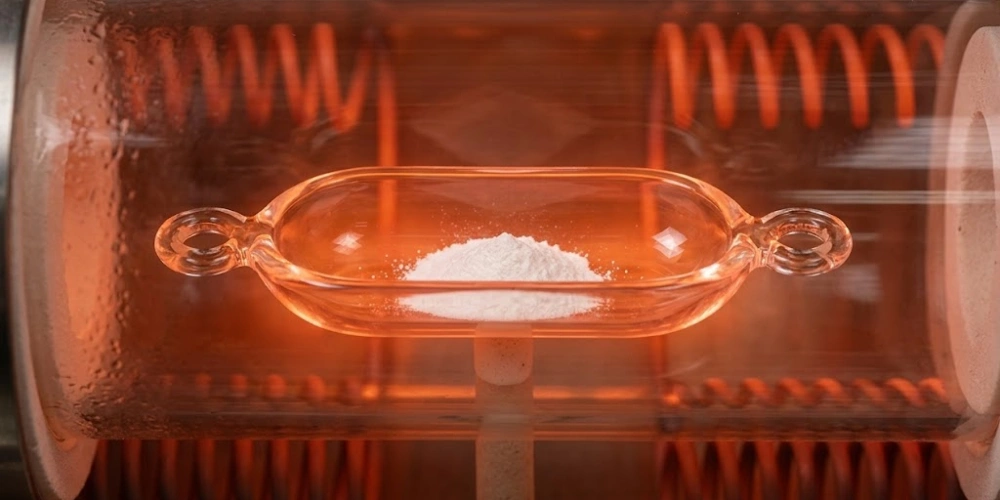
Industrial Applications of Quartz Boat Crucibles in High-Temperature Processing
Beyond academic and analytical laboratories, the quartz boat crucible occupies an equally important role in industrial-scale thermal processing, where the same combination of chemical inertness, thermal stability, and contamination control that drives laboratory adoption translates directly into product quality requirements.
-
Cathode material calcination in lithium-ion battery manufacturing. The synthesis of lithium-ion battery cathode materials — including LiCoO₂, LiFePO₄, and NCM (LiNixCoyMnzO₂) ternary compositions — requires calcination of mixed precursor powders at temperatures of 700–1000°C under controlled oxygen partial pressure. Quartz boat crucibles in industrial tube furnaces serve as the primary sample-containment vessel during this calcination step. The chemical inertness of quartz toward lithium compounds and transition metal oxides at these temperatures prevents crucible-derived contamination of the cathode material, while the boat geometry ensures uniform powder bed depth and consistent gas atmosphere contact across the full batch — both critical process control parameters affecting electrochemical performance of the final product.
-
Rare earth oxide powder calcination and phase conversion. High-purity rare earth oxide powders (CeO₂, La₂O₃, Y₂O₃, and mixed rare earth oxides) used in catalysis, optical coatings, and electronic ceramics require calcination at 800–1200°C to achieve specific phase compositions, surface area targets, and trace impurity specifications. Quartz boat crucibles provide a non-reactive containment environment that introduces no extraneous metallic contamination into rare earth oxide products whose purity specifications frequently require total metallic impurities below 10 ppm. The large floor area of the boat form also allows thin-bed loading that promotes uniform phase conversion across the entire powder mass.
-
Semiconductor precursor powder pre-treatment calcination. Prior to introduction into primary deposition or crystal growth processes, chemical precursor powders used in semiconductor manufacturing undergo pre-calcination to remove hydroxide groups, residual organic ligands, and adsorbed moisture that would disrupt downstream process chemistry. This pre-treatment calcination — conducted at 400–900°C in air or inert atmosphere — is a standard application for quartz boat crucibles in semiconductor materials preparation laboratories and pilot lines.
-
Metallurgical and chemical quality control by loss-on-ignition. Industrial quality control laboratories in steel, cement, glass, and ceramic manufacturing perform high-volume LOI and ash content determinations on incoming raw materials and in-process samples. Quartz boat crucibles in muffle furnaces and tube furnaces handle these routine but analytically critical determinations, where the combination of zero crucible blank, acid cleanability between samples, and resistance to repeated thermal cycling supports the high throughput and low systematic error required for production process control.
-
Phosphor and luminescent material synthesis. The synthesis of inorganic phosphor powders — including rare earth activated aluminate phosphors (YAG:Ce3, BaMgAl₁₀O₁₇:Eu) and sulfide-based phosphors for LED and display applications — involves solid-state calcination at 1000–1200°C under controlled reducing or inert atmospheres. Quartz boat crucibles loaded into horizontal tube furnaces are the standard vessel for these syntheses at batch scales of 1–100 g, combining the required thermal and chemical stability with the optical transparency that allows color development in the phosphor powder to be observed as a qualitative process indicator during the firing cycle.
Proper Usage and Handling of Quartz Boat Crucibles
Correct handling and maintenance practices extend the service life of quartz boat crucibles substantially while preserving the analytical performance that justifies their specification. Procedural errors — particularly thermal shock and inappropriate cleaning chemistry — account for the majority of premature crucible failures in laboratory environments.
-
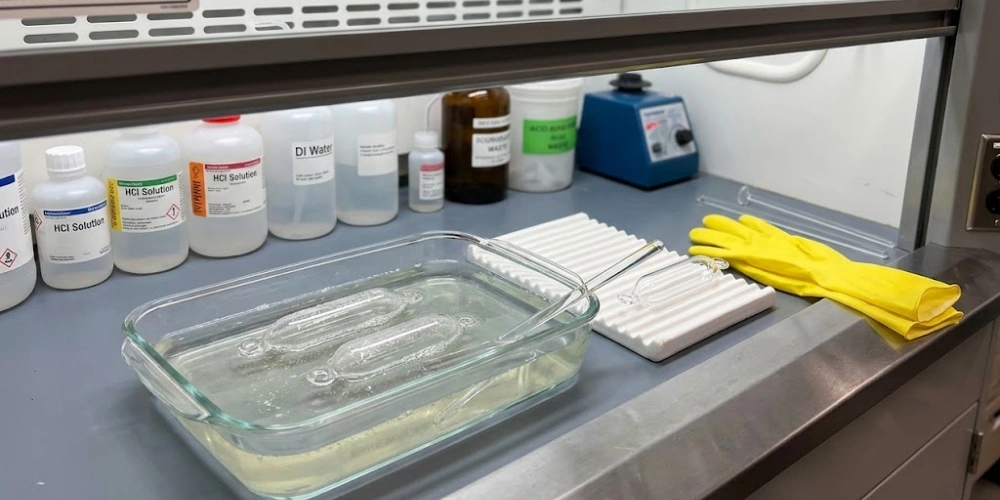
Pre-use acid washing for new crucibles. New quartz boat crucibles should be immersed in 10–20% HCl solution for a minimum of 12–24 hours before first use, followed by thorough rinsing with ultrapure water and drying at 120°C. This pre-treatment dissolves surface-adsorbed metallic contaminants introduced during manufacturing and packaging, reducing the initial metallic blank contribution of the vessel to analytical-grade levels. Skipping this step can introduce 5–50 ng/mL of Fe, Al, and Ca into the first sample processed, compromising trace metal analyses performed on that batch.
-
Controlled preheating before furnace insertion. Direct insertion of a room-temperature quartz boat crucible into a furnace operating above 600°C subjects the vessel walls to a thermal gradient that, while typically within the fracture tolerance of fused quartz, cumulatively weakens the material through micro-crack propagation over repeated cycles. Best practice involves placing the crucible at the cool furnace entrance and advancing it gradually into the hot zone over 5–10 minutes, allowing the vessel temperature to equilibrate progressively. This staged insertion protocol effectively eliminates thermally induced cracking even in crucibles subjected to hundreds of thermal cycles.
-
Natural cooling — never forced quenching. After removal from the furnace, quartz boat crucibles should be placed on a refractory ceramic or insulating pad and allowed to cool in still air to below 200°C before any contact with metal surfaces or liquid cleaning media. Forced cooling by immersion in water or exposure to compressed air jets — even taking into account the superior thermal shock resistance of fused quartz — introduces unnecessary thermal stress and can cause immediate catastrophic fracture in vessels already carrying microscopic surface flaws from prior use.
-
Cleaning with HCl or HNO₃ acid wash. Post-experiment cleaning of quartz boat crucibles that have held inorganic oxide or salt samples is most effectively performed by immersion in 10–30% HCl or 20% HNO₃ for 30–120 minutes, dissolving metallic residues from the vessel interior, followed by ultrapure water rinsing and oven drying. HF must never be used for cleaning, as it dissolves the quartz body irreversibly. Alkaline cleaning agents (NaOH solutions, commercial alkaline detergents) should similarly be avoided, as alkali attack on the SiO₂ surface at concentrations above 0.1 mol/L at elevated temperature causes measurable etching and roughening of the vessel interior.
-
Storage and mechanical protection. Quartz boat crucibles should be stored individually or separated by soft packaging materials — paper tissue, foam, or cotton wool — to prevent contact damage between vessels. Hard contact between quartz surfaces, or between quartz and metal storage racks, generates surface scratches that act as stress concentration sites and reduce fracture resistance. A crucible showing visible surface crazing, devitrification (a milky, crystalline opacity indicating partial crystallization of the amorphous quartz), or confirmed crack propagation should be withdrawn from service immediately, as these conditions reduce fracture resistance unpredictably and increase the risk of catastrophic failure during furnace operation.
Available Sizes and Specifications for Quartz Boat Crucibles
Selecting the correct quartz boat crucible for a given application requires matching vessel dimensions to three interdependent parameters: the internal diameter of the furnace tube, the required sample loading capacity, and the physical form of the sample material.
-
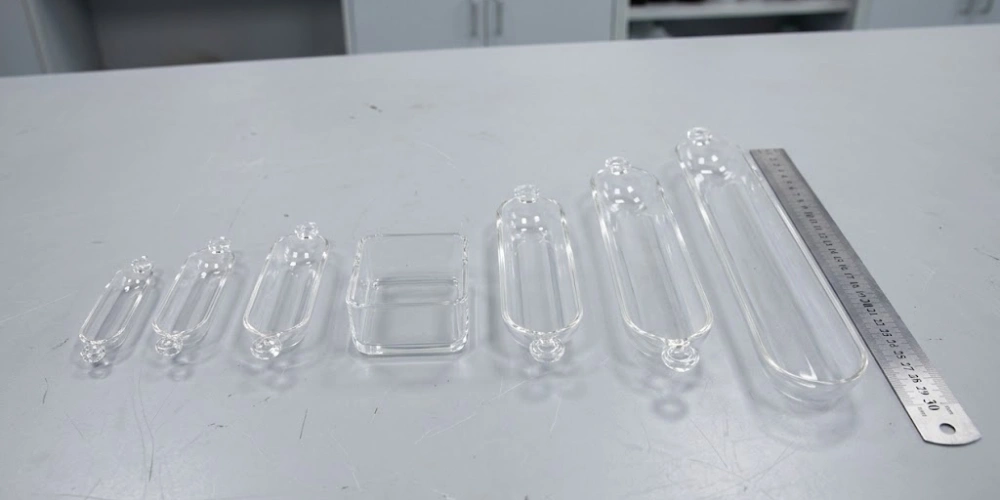
Round-ended quartz boat crucibles are available in standard lengths from 50 mm to 300 mm, with corresponding widths from 15 mm to 55 mm and internal depths from 10 mm to 30 mm. The 100 mm × 20 mm × 15 mm format is the most widely used general-purpose size in academic laboratory tube furnaces with 25–50 mm bore diameters, accommodating sample loads of 0.5–5 g of powder material in a bed depth of 3–8 mm.
-
Square-bottomed quartz boat crucibles follow a comparable length progression from 60 mm to 250 mm, with rectangular internal cavity widths from 20 mm to 60 mm and depths from 12 mm to 25 mm. The defined flat floor of these vessels accommodates substrate wafers up to 2 inches in the 70 mm × 50 mm format, making them standard equipment in research-scale thin film and semiconductor material heat treatment setups.
-
Wall thickness specifications of 2–4 mm represent a standardized design compromise: below 2 mm, the mechanical fragility of the vessel increases substantially for handling in industrial settings; above 4 mm, the thermal mass of the vessel walls extends the time required for the sample-vessel system to reach temperature equilibrium with the furnace set-point, increasing process cycle times and reducing temperature programming accuracy.
Standard Dimensions for Round-Ended Quartz Boat Crucibles
| Uzunluk (mm) | Genişlik (mm) | Internal Depth (mm) | Duvar Kalınlığı (mm) | Approximate Sample Capacity (g powder) |
|---|---|---|---|---|
| 50 | 15 | 10 | 2 | 0.2–0.8 |
| 100 | 20 | 15 | 2–3 | 0.5–3 |
| 150 | 30 | 18 | 2–3 | 2-8 |
| 200 | 40 | 22 | 3 | 5-20 |
| 250 | 50 | 28 | 3–4 | 10–40 |
| 300 | 55 | 30 | 4 | 20–60 |
Standard Dimensions for Square-Bottomed Quartz Boat Crucibles
| Uzunluk (mm) | Genişlik (mm) | Internal Depth (mm) | Duvar Kalınlığı (mm) | Birincil Uygulama |
|---|---|---|---|---|
| 60 | 20 | 12 | 2 | Micro-batch oxide synthesis |
| 100 | 35 | 18 | 2–3 | Thin film substrate heat treatment |
| 150 | 45 | 20 | 3 | Ceramic green sheet sintering |
| 200 | 55 | 25 | 3–4 | Industrial batch calcination |
| 250 | 60 | 28 | 4 | Pilot-scale material processing |
Furnace tube inner diameter sets the maximum allowable crucible width as the primary geometric constraint. For a 25 mm bore tube furnace, round-ended boats up to 20 mm wide fit with adequate clearance for gas flow; a 50 mm bore accommodates boats up to 40 mm wide; and 100 mm bore industrial tube furnaces accept vessels up to 80 mm wide. Sample mass loading should be calculated to produce a bed depth no greater than 30–40% of the vessel interior depth, ensuring adequate gas-sample contact throughout the powder mass. Custom fabrication of quartz boat crucibles outside standard size ranges — including non-standard lengths, modified wall thicknesses, alternative handle configurations, and square boats with specific aspect ratios — is available from specialist fused quartz fabricators to accommodate purpose-built furnace systems and proprietary experimental geometries.
Sonuç
The quartz boat crucible earns its position as a laboratory and industrial standard through the convergence of material purity, thermal properties, chemical resistance, and functional geometry into a single, purpose-built vessel. Its SiO₂ purity of ≥99.99%, CTE of 0.55 × 10⁻⁶/°C, continuous operating ceiling of 1200°C, and full optical transparency across 170–3500 nm collectively define a performance profile that no single alternative material replicates completely. Across calcination, solid-state synthesis, catalysis characterization, sintering, elemental analysis, and industrial thermal processing, the vessel consistently delivers the combination of chemical inertness and measurement reliability that precision scientific work demands. Proper pre-treatment, controlled thermal cycling, and acid-based maintenance protocols preserve these performance characteristics through extended service lifetimes, making the quartz boat crucible a reliable long-term investment for any high-temperature laboratory operation.
SSS
What temperature can a quartz boat crucible withstand in continuous laboratory use?
High-purity fused quartz boat crucibles are rated for continuous use up to approximately 1200°C, with short-duration peak exposure tolerable to around 1300°C. Above 1200°C in prolonged use, the amorphous quartz body begins to devitrify and soften, reducing mechanical integrity. The low coefficient of thermal expansion (0.55 × 10⁻⁶/°C) provides excellent thermal shock resistance across this full operating range.
Why is a quartz boat crucible preferred over alumina for trace metal analysis below 1200°C?
Alumina crucibles release measurable Al³⁺ into acidic cleaning solutions and can introduce aluminum contamination into samples processed at elevated temperatures. High-purity quartz boat crucibles, with total metallic impurities below 1 ppm, contribute negligible blank values in ICP-OES and ICP-MS analyses, and their full optical transparency allows visual process monitoring that alumina's opacity precludes entirely.
Can a quartz boat crucible be used with hydrofluoric acid or strong alkali fusions?
No. Hydrofluoric acid dissolves fused quartz through the reaction SiO₂ + 4HF → SiF₄ + 2H₂O, causing rapid and irreversible destruction of the vessel. Strong alkali melts (NaOH, KOH, Na₂CO₃) attack the SiO₂ network at elevated temperatures through silicate formation. Applications requiring HF resistance or alkali fusion should use platinum crucibles; quartz boat crucibles are incompatible with both reagent classes.
How should quartz boat crucibles be cleaned between experiments to prevent cross-contamination?
Post-experiment cleaning should involve immersion in 10–30% HCl or 20% HNO₃ for 30–120 minutes to dissolve inorganic residues, followed by thorough rinsing with ultrapure water and drying at 120°C. HF, alkaline detergents, and abrasive scrubbing must be avoided. For crucibles that have held organic samples, a preliminary oxidative burn-off at 600°C in air before acid cleaning removes carbonaceous residues that would otherwise partially block acid dissolution of inorganic deposits.
Referanslar:
-
It describes the Loss-on-Ignition analytical procedure in detail, including its standard temperature protocols, applicable sample matrices, and sources of systematic error in quantitative gravimetric analysis. ↩
-
It covers the fundamental principles of gas-solid reaction kinetics, including diffusion-limited versus reaction-rate-limited regimes, and explains how external mass transfer resistance at the gas-solid interface governs overall conversion rates in heterogeneous thermal processes. ↩
-
It covers cerium-doped yttrium aluminum garnet as the primary phosphor material in white LED technology, including its garnet crystal structure, Ce³⁺ luminescence mechanism, and the high-temperature solid-state synthesis conditions required for efficient phosphor production. ↩