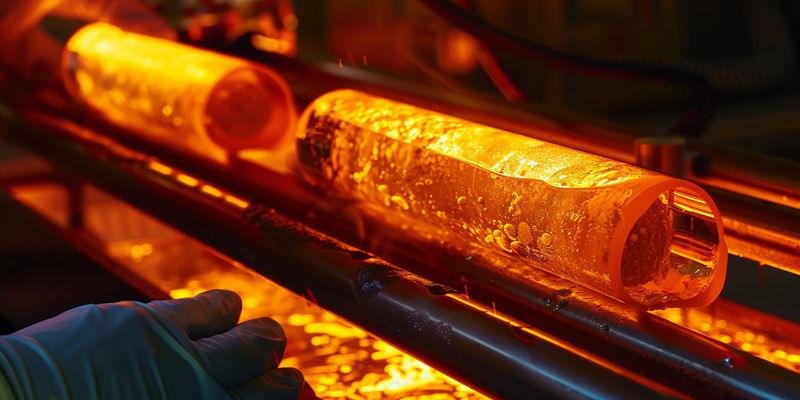
Kuvars tüp deformasyonu yüksek sıcaklık, fiziksel ve kimyasal faktörlerin bir kombinasyonundan kaynaklanır. Yüksek sıcaklıklara maruz kaldığında, kuvars camı yumuşama noktasına yaklaşır ve viskozitesi düşer, bu da onu boyutsal değişikliklere karşı savunmasız hale getirir.
Kuvars camının erime noktası 1650°C'yi aşar.
Yumuşama noktası 1630°C ila 1670°C arasında değişmektedir.
Kuvars tüp malzemeleri yüksek sıcaklık direnci sağlar ve olağanüstü boyutsal kararlılığı korur.
Ancak viskozite azaldıkça kuvars gibi güçlü malzemeler bile stres altında deforme olabilir.
Önemli Çıkarımlar
Kuvars tüpler, viskozitedeki önemli düşüş nedeniyle sıcaklıklar 1200°C'yi aştığında deforme olmaya başlar.
Boyutsal toleransların korunması çok önemlidir; ±0,1 mm'nin üzerindeki deformasyon operasyonel arızalara yol açabilir.
Boru tasarımında daha kalın duvarlar ve daha kısa açıklıklar sarkmayı büyük ölçüde azaltır ve hizmet ömrünü uzatır.
Kuvarsın hidroksil içeriği mukavemetini etkiler; düşük OH seviyeleri yüksek sıcaklıklarda daha iyi performans sağlar.
Kuvars tüplerin düzenli olarak izlenmesi, beklenmedik arızaların ve maliyetli onarımların önlenmesine yardımcı olur.
Erimiş Kuvars Tüplerde Ölçülebilir Deformasyon Ne Zaman Başlar?
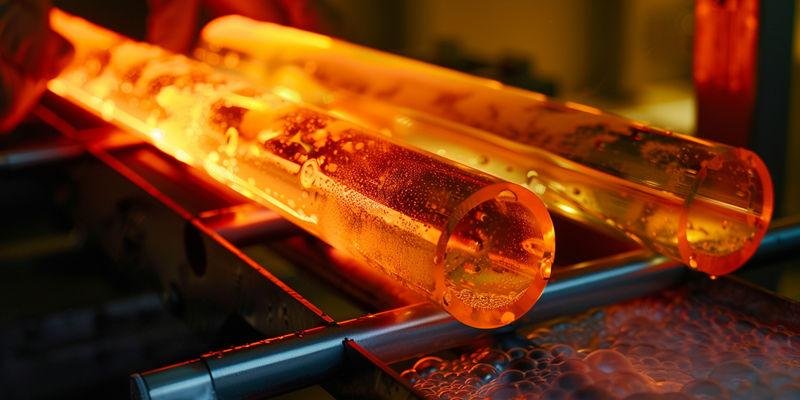
Kuvars tüp deformasyonu yüksek sıcaklıkta, malzemenin viskozitesi kritik bir eşiğin altına düştüğünde başlar. Mühendisler bu değişikliği izler çünkü ölçülebilir sarkma veya sürünmenin başladığını gösterir. Endüstriyel uygulamalar, güvenli ve güvenilir çalışmayı sürdürmek için katı tolerans sınırlarına dayanır.
Ölçülebilir Deformasyonun Tanımlanması: Endüstriyel Uygulamalar için Tolerans Sınırları
Kuvars tüplerdeki ölçülebilir deformasyon, belirli bir uygulama için izin verilen toleransı aşan herhangi bir boyutsal değişikliği ifade eder. Yarı iletken ve aydınlatma endüstrileri, tüp arızalarını önlemek ve ürün kalitesini korumak için bu sınırları belirler. Çoğu üretici, 0,01 mm kadar küçük değişiklikleri izlemek için hassas aletler kullanır.
Saha verileri, kuvars tüplerin endüstri standartlarını karşılamak için orijinal çaplarının ±0,1 mm içinde kalması gerektiğini göstermektedir. Deformasyon 0,2 mm'yi aşarsa, tüp artık amaçlanan fikstürüne uymayabilir veya uygun sızdırmazlığı koruyamayabilir. Mühendisler, bir tüpün ne zaman değiştirilmesi veya ek desteğe ihtiyaç duyduğuna karar vermek için bu standartları kullanır.
İpucu: Düzenli izleme, beklenmedik arıza sürelerini ve maliyetli onarımları önlemeye yardımcı olur.
Tablo: Kuvars Tüpler için Endüstriyel Tolerans Sınırları
Tolerans Tipi
Değer
Boyutsal Tolerans
±0,1 mm
Uygulama
0,2 mm'den az boşluk
Viskozite Eşikleri: Kritik Sınır olarak 10^10 poise
Viskozite, yüksek sıcaklıkta kuvars tüp deformasyonuna karşı ana bariyer görevi görür. Viskozite 10^10 poise civarına düştüğünde, kuvars tüpler kendi ağırlıkları altında ölçülebilir bir sarkma göstermeye başlar. Bu eşik, malzemenin elastikten viskoelastik davranışa geçtiği noktayı işaret eder.
1200°C'nin üzerindeki yüksek sıcaklıklarda erimiş kuvarsın viskozitesi hızla azalır. Bu koşullara uzun süre maruz kalan tüpler zamana bağlı olarak gerilir ve bu da birikerek kalıcı deformasyona yol açar. ASTM ve ISO standartları, viskozitesi 10^10 poise'nin altında olan tüplerin tipik endüstriyel yükler altında şekillerini koruyamayacağını doğrulamaktadır.
Önemli Noktalar:
10^10 poise viskozite, ölçülebilir deformasyonun başlangıcına işaret eder.
1200°C'nin üzerindeki kuvars tüpler artan sarkma oranları gösterir.
Viskozitenin bu eşiğin üzerinde tutulması tüp hizmet ömrünü uzatır.
Sıcaklığa Bağlı Deformasyon Oranları: Saha Performans Verileri
Sıcaklık, yüksek sıcaklıkta kuvars tüp deformasyon oranını doğrudan etkiler. Saha performans verileri, 1200°C'de çalışan tüplerin 1000 saatte 0,08 mm oranında sarktığını, 1250°C'dekilerin ise aynı süre içinde 1,2 mm'ye kadar deforme olabileceğini ortaya koymaktadır. Bu üstel artış, sıcaklık kontrolünün önemini vurgulamaktadır.
Mühendisler deformasyon oranlarını ölçmek ve servis aralıklarını tahmin etmek için ASTM C1525 ve ISO 7884 standartlarını kullanmaktadır. Daha kalın duvarlı veya dikey yönelimli borular sarkmaya daha iyi direnç gösterir, ancak bu tasarımlar bile sıcaklıklar yumuşama noktasına yaklaştığında zorlanır. Düzenli denetim ve veri takibi, tolerans sınırlarını aşma riski taşıyan boruların belirlenmesine yardımcı olur.
Sıcaklık (°C) | Viskozite (poise) | Sarkma Oranı (mm/1,000 saat) |
|---|---|---|
1200 | 1.0 × 10^10 | 0.08 |
1220 | 3.2 × 10^9 | 0.25 |
1250 | 8.5 × 10^8 | 1.2 |
Viskozite Azalması Neden Sabit Yük Altında Plastik Deformasyona Neden Olur?
Viskozite, kuvars camın yüksek sıcaklıklarda gerilime nasıl tepki vereceğini kontrol eder. Viskozite düştüğünde, malzeme artık sabit kuvvet altında yavaş, kalıcı şekil değişikliklerine direnemez. Bu bölümde bu sürecin arkasındaki bilim ve yüksek sıcaklıkta kuvars tüp deformasyonu için neden önemli olduğu açıklanmaktadır.
Viskoelastik Davranış: Elastik ve Viskoz Tepki Bileşenleri
Erimiş kuvars, özellikle yüksek sıcaklıklarda hem elastik hem de viskoz davranış gösterir. Elastik fazda, gerilim kaldırıldıktan sonra malzeme orijinal şekline geri döner, ancak sıcaklık arttıkça ve viskozite düştükçe viskoz tepki baskın hale gelir. Bu değişim, uygulanan yük sabit kalsa bile tüpün zaman içinde yavaşça deforme olmasını sağlar.
Sürünme ve stres gevşemesi erimiş kuvars gibi viskoelastik malzemelerin iki temel özelliğidir. Sünme, tüpün sabit bir yük altında kademeli olarak nasıl gerildiğini veya sarktığını tanımlarken, gerilme gevşemesi, şekil sabit tutulduğunda malzeme içindeki kuvvetin azalması anlamına gelir. Araştırmalar gösteriyor ki yüksek sıcaklıklarda, mezoskopik gevşeme mekanizmaları Kesme bandı gibi mekanizmalar bu zamana bağlı gerilmeye katkıda bulunur. Bu mekanizmalar tek tek atomlardan daha büyük ölçeklerde çalışarak malzemenin yavaşça akmasına ve kalıcı deformasyon biriktirmesine neden olur.
Mühendisler, hizmet ömrünü tahmin etmek ve arızaları önlemek için bu viskoelastik davranışı anlamalıdır.
Önemli Noktalar:
Düşük sıcaklıklarda ve yüksek viskozitede elastik tepki baskındır.
Viskoz akış, sıcaklık arttıkça ve viskozite düştükçe artar.
Sürünme ve gerilme gevşemesi zaman içinde kalıcı şekil değişikliklerine yol açar.
Moleküler Mekanizma: Stres Altında Si-O Bağının Kopması ve Yeniden Oluşumu
Moleküler düzeyde, erimiş kuvarsın plastik deformasyonu, silikon-oksijen (Si-O) bağları stres altında kırılıp yeniden oluştuğunda meydana gelir. Yüksek sıcaklıklar atomlara hareket etmeleri için yeterli enerjiyi vererek bu bağların yeniden düzenlenmesini kolaylaştırır. Bu süreç, cam ağın yavaşça kaymasını sağlayarak kalıcı şekil değişikliklerine yol açar.
Yüksek sıcaklıklardaki termal enerji, yaklaşık 4,7 elektron volt olan Si-O bağlarının bağ ayrışma enerjisine yaklaşır. Stres uygulandığında, bazı bağlar kırılır ve daha sonra biraz farklı pozisyonlarda yeniden oluşur, bu da tüpün gerilmesine veya sarkmasına neden olur. Bu bağın yeniden düzenlenme oranı sıcaklık arttıkça artar, bu da deformasyonun yumuşama noktası yakınında neden hızlandığını açıklar. Çalışmalar, 1200°C'de kopan bir Si-O bağının ortalama ömrünün 10^-6 ila 10^-8 saniye arasında olduğunu ve bunun saatler veya günler boyunca önemli moleküler hareketlere izin verdiğini göstermektedir.
Bu moleküler mekanizma, kuvars tüplerin neden düşük sıcaklıklarda şekillerini koruyabildiklerini ancak ısıtıldıklarında sabit yük altında deforme olduklarını açıklar.
Süreç | Tüp Üzerindeki Etkisi |
|---|---|
Si-O bağ kırılması | Atomik hareketi etkinleştirir |
Tahvil reformu | Kalıcı gerilmeye neden olur |
Daha yüksek sıcaklık | Daha hızlı deformasyon |
Arrhenius İlişkisi: Viskozite-Sıcaklık Bağımlılığının Ölçülmesi
Erimiş kuvarsın viskozitesi, Arrhenius ilişkisini takip ederek sıcaklıkla birlikte öngörülebilir bir şekilde değişir. Bu, sıcaklık arttıkça viskozitenin katlanarak düşeceği ve malzemenin stres altında deforme olma olasılığının artacağı anlamına gelir. Bilim insanları bu ilişkiyi, bir kuvars tüpün farklı sıcaklıklarda ne kadar hızlı sarkacağını veya süneceğini hesaplamak için kullanır.
Viskozite için Arrhenius denklemi log(viskozite) = A + B/T şeklindedir; burada A ve B sabitler, T ise Kelvin cinsinden sıcaklıktır. Yüksek saflıkta erimiş kuvars için aktivasyon enerjisi (B) yaklaşık 72.000 K'dir. Veriler viskozitenin 1120°C'de 10^14,5 poise'den 1200°C'de 10^10 poise'ye ve ardından 1270°C'de 10^7,6 poise'ye düştüğünü göstermektedir. 1200°C yakınındaki her 20°C'lik artış viskoziteyi 2,5 ila 3,2 kat azaltabilir ve bu da çok daha hızlı deformasyon oranlarına yol açar.
Bu ilişkinin anlaşılması, mühendislerin güvenli çalışma sıcaklıklarını belirlemelerine ve servis aralıklarını tahmin etmelerine yardımcı olur.
Özet Tablo:
Sıcaklık Aralığı | Viskozite Davranışı |
|---|---|
Erime noktasının üzerinde (Tm) | Arrhenius tipi davranış |
Kritik sıcaklığın altında (Tc) | Arrhenius tipi davranış |
Tm ve Tc arasında | Süper-Arrhenius tipi davranış |
Tüp Geometrisi ve Yönü Deformasyon Oranlarını Neden Etkiler?
Tüp geometrisi ve montaj yönü, kuvars tüplerin yüksek sıcaklıklarda nasıl deforme olduğu konusunda önemli bir rol oynar. Bir tüpün şekillendirilme ve konumlandırılma şekli, maruz kaldığı stres miktarını ve türünü değiştirir. Bu faktörlerin anlaşılması, mühendislerin daha uzun ömürlü ve sarkmaya dirençli tüpler tasarlamasına yardımcı olur.
Yatay Borularda Eğilme Gerilmesi Dağılımı: Kiriş Teorisi Uygulaması
Yatay borular, yerçekiminin desteklenmeyen açıklığı aşağı çekmesi nedeniyle eğilme stresiyle karşı karşıyadır. Bu gerilim, özellikle malzeme yüksek sıcaklıklarda yumuşadığında, borunun zamanla sarkmasına neden olur. Kiriş teorisi, açıklık ne kadar uzun ve duvar ne kadar ince olursa eğilme geriliminin de o kadar büyük olacağını açıklar.
Mühendisler yatay bir borudaki maksimum eğilme gerilimini hesaplamak için σ = (3FL²)/(2πDt²) formülünü kullanırlar; burada F borunun ağırlığı, L desteklenmeyen uzunluk, D çap ve t duvar kalınlığıdır. Saha verileri, 1200°C'de 1.000 mm açıklığa ve 3 mm et kalınlığına sahip 50 mm çaplı bir tüpün yaklaşık 150 Pa eğilme stresi yaşadığını göstermektedir. Bu stres, yüksek sıcaklıklarda daha düşük viskozite ile birleştiğinde ölçülebilir sarkma oranlarına yol açar. Desteklenmeyen açıklığın azaltılması veya tüpün çapının artırılması gerilimi düşürebilir ve deformasyonu yavaşlatabilir.
Anahtar Çıkarımlar:
Daha uzun açıklıklar ve daha ince duvarlar eğilme gerilimini artırır.
Eğilme gerilimi yatay borularda sarkmaya neden olur.
Daha kısa açıklıklar ve daha büyük çaplar deformasyonu azaltmaya yardımcı olur.
Duvar Kalınlığının Sapma Direnci ile Kübik İlişkisi
Et kalınlığı, bir borunun bükülmeye ve sarkmaya karşı koyma kabiliyeti üzerinde güçlü bir etkiye sahiptir. Sapmaya karşı direnç duvar kalınlığının küpü ile artar, yani kalınlıktaki küçük artışlar bile büyük bir fark yaratabilir. Örneğin, et kalınlığının 2 mm'den 4 mm'ye iki katına çıkarılması sarkmayı sekiz kat azaltır.
Bu kübik ilişki, yük altında ne kadar büküleceğini belirleyen tüpün atalet momentinden kaynaklanır. Saha çalışmaları, daha kalın duvarlı boruların aynı sıcaklık ve açıklıkta çok daha düşük sarkma oranları gösterdiğini doğrulamaktadır. Örneğin, 2 mm duvarlı bir boru 1220°C'de 1.000 saatte 1,5 mm sarkabilirken, aynı koşullar altında 4 mm duvarlı bir boru sadece 0,19 mm sarkar. Mühendisler genellikle boru ömrünü uzatmak için yüksek sıcaklık veya uzun açıklıklı uygulamalar için daha kalın duvarlar belirler.
Parametre | Önerilen Değer | Tüp Ömrü Üzerindeki Etkisi |
|---|---|---|
L/OD Oranı | ≤ 50 | Bükülme ve sarkmaları azaltır |
Tüp Uzunluğu | Mümkün olduğunca kısa | Sapma ve kırılmayı en aza indirir |
Tüp Çapı | Daha büyük tercih edilir | Sertliği ve mukavemeti artırır |
Karşılaştırmalı Analiz: Yatay ve Dikey Yönlendirme Performansı
Yönlendirme, yerçekiminin boruyu nasıl etkilediğini değiştirir. Yatay kurulumlarda, yerçekimi açıklık boyunca etki ederek bükülmeye ve sarkmaya neden olur. Dikey kurulumlarda, yerçekimi borunun uzunluğu boyunca çeker, bu nedenle ana stres bükülme değil, iç veya dış basınçtan kaynaklanan kasnak stresidir.
Saha verileri, yatay boruların aynı sıcaklık ve geometride dikey borulardan 5 ila 15 kat daha hızlı deforme olduğunu göstermektedir. Örneğin, 1200°C'de 50 mm çapında, 3 mm etli bir boru yatay olduğunda 1.000 saatte 0,12 mm sarkarken, dikey olduğunda 0,02 mm'den daha az sarkar. Bu fark, mümkün olduğunda yüksek sıcaklık uygulamaları için dikey yönlendirmenin tercih edilmesi anlamına gelir.
Özet Noktalar:
Yatay borular bükülme nedeniyle çok daha yüksek sarkma oranlarına maruz kalır.
Dikey borular aynı koşullar altında deformasyona daha iyi direnç gösterir.
Dikey yönlendirmenin seçilmesi boru hizmet ömrünü birkaç kat uzatabilir.
Hidroksil İçeriği Neden Yüksek Sıcaklık Deformasyonunu Hızlandırır?
Hidroksil içeriği, yüksek sıcaklıklarda servis sırasında kuvars tüplerin deformasyonunda kritik bir rol oynar. OH gruplarının varlığı camın iç yapısını değiştirerek camı sarkma ve sünmeye karşı daha duyarlı hale getirir. Hidroksil içeriğinin sıcaklık ve üretim yöntemleriyle nasıl etkileşime girdiğini anlamak, mühendislerin zorlu uygulamalar için doğru kuvars tüpü seçmelerine yardımcı olur.
Si-OH ve Si-O-Si Bağ Enerji Farklılıkları ve Termal Aktivasyon
Hidroksil grupları, güçlü Si-O-Si bağlarını daha zayıf Si-OH bağlarıyla değiştirerek kuvars ağını zayıflatır. Bu ikame, bağ hareketi için gereken enerjiyi düşürerek kuvars tüplerin deformasyon oranını artırır. Yüksek sıcaklıklarda, Si-O bağlarının hidrolizi hidrolitik zayıflamaya yol açarak malzemeyi sarkmaya daha yatkın hale getirir.
Si-OH bağı, Si-O-Si bağından daha düşük bir ayrışma enerjisine sahiptir. Isıya maruz kaldığında, bu zayıf bağlar daha kolay kırılır ve yeniden oluşur, bu da cam yapının stres altında kaymasına izin verir. Hidroksil içeriği arttıkça devitrifikasyon oranı yükselir, viskozite düşer ve kuvars tüp kalıcı şekil değişikliklerine karşı daha savunmasız hale gelir. Hidroksil grupları ağ sonlandırıcı olarak hareket ederek sürekli cam ağını bozar ve kuvars tüplerin deformasyonunu hızlandırır.
Önemli Noktalar:
Si-OH bağlarının kırılması için Si-O-Si bağlarından daha az enerji gerekir.
Hidroksil içeriği devitrifikasyon oranını artırır ve viskoziteyi düşürür.
Hidrolitik zayıflama, kuvars tüpleri yüksek sıcaklıklarda deformasyona karşı daha hassas hale getirir.
Üretim Yöntemi Etkisi: Elektrikli Füzyon vs Alevli Füzyon OH İçerik
Bir kuvars tüpü üretmek için kullanılan yöntem hidroksil içeriğini belirler. Elektrik füzyonu düşük OH seviyelerine sahip kuvars tüpler üretirken, alev füzyonu cama daha fazla hidroksil grubu katar. Üretimdeki bu farklılık, deformasyon direncinde önemli değişikliklere yol açar.
Elektrik füzyonu kuru, kontrollü bir ortamda gerçekleşir, bu da su katılımını sınırlar ve OH içeriğini 30 ppm'in altında tutar. Alev füzyonu, su buharı ekleyen ve OH içeriğini 150-200 ppm'ye yükselten bir hidrojen-oksijen alevi kullanır. Alev füzyonu ile yapılan kuvars tüplerde daha yüksek deformasyon oranları görülür çünkü artan hidroksil içeriği viskoziteyi düşürür ve sarkmayı hızlandırır. Saha performans verileri, düşük OH'li kuvars tüplerin aynı termal yükler altında şekillerini daha uzun süre koruduğunu doğrulamaktadır.
Üretim Yöntemi | OH İçeriği (ppm) | Deformasyon Direnci |
|---|---|---|
Elektrik Füzyonu | <30 | Yüksek |
Alev Füzyonu | 150-200 | Daha düşük |
OH Etkisinin Ölçülmesi: Sıcaklık Aralığında Viskozite Ölçümleri
Araştırmacılar hidroksil içeriğinin farklı sıcaklıklarda viskozite üzerindeki etkisini ölçtüler. Sonuçlar, OH içeriği arttıkça viskozitenin azaldığını ve kuvars tüplerin deformasyonunun daha belirgin hale geldiğini göstermektedir. Bununla birlikte, bazı çalışmalarda OH gruplarının dağılımındaki homojensizlik viskozite ölçümlerinin doğruluğunu etkileyebilmektedir.
1500°C'nin üzerindeki sıcaklıklarda, cam ağdaki suyun varlığı viskozitede belirgin bir azalmaya yol açar. Bu da kuvars tüpün uzun süre ısıya maruz kaldığında deforme olma olasılığını artırır. Bazı veri setleri homojen olmama nedeniyle OH içeriği ile viskozite arasında doğrudan bir korelasyon göstermese de genel eğilim nettir: daha yüksek hidroksil içeriği deformasyon riskini artırır.
Gözlem | Bulma |
|---|---|
Viskozite Ölçümleri | OH gruplarının içeriği ile net bir eğilim veya doğrudan korelasyon gözlenmemiştir. |
OH Grupları Dağılımı | Çalışılan tüplerde OH gruplarının dağılımında iki farklı eğilim bulunmuştur. |
Homojen Olmayan | Tüpler viskozite ölçümlerini etkileyen homojensizlik sergilemiştir. |
Safsızlıklar Neden Etkili Yumuşama Sıcaklığını Düşürür ve Sarkmayı Artırır?
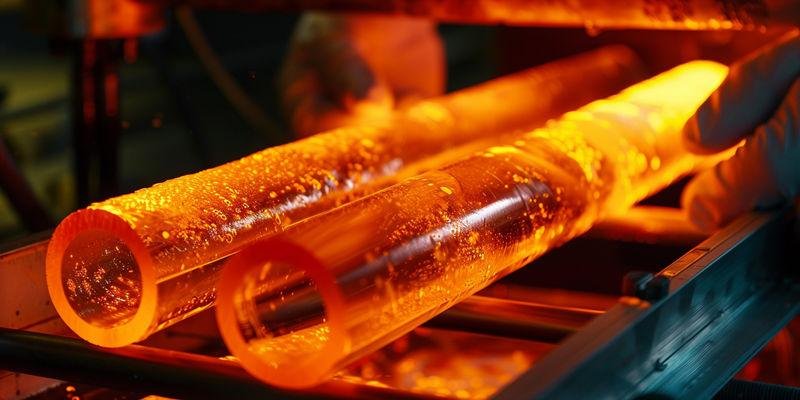
Kuvars tüp malzemelerindeki safsızlıklar, etkili yumuşama sıcaklığını azaltmada ve sarkma oranlarını artırmada önemli bir rol oynar. Bu safsızlıklar camın iç yapısını bozarak kuvars tüpleri yüksek sıcaklıklarda deformasyona karşı daha savunmasız hale getirir. Farklı safsızlıkların nasıl etki ettiğini anlamak, mühendislerin daha iyi malzemeler seçmesine ve kuvars tüp ürünlerinin hizmet ömrünü uzatmasına yardımcı olur.
Ağ Değiştirici Teorisi: Safsızlıklar Si-O-Si Bağını Nasıl Bozar?
Ağ değiştirici teorisi, safsızlıkların silika ağı içinde bozucu olarak hareket ettiğini açıklar. Safsızlıklar yapıya girdiğinde, kuvars tüpe gücünü veren güçlü Si-O-Si bağlarını kırar veya zayıflatır. Bu bozulma, özellikle yüksek sıcaklıklarda malzemenin deforme olması için gereken enerjiyi düşürür.
Çözünme tercihli olarak gerçekleşir ve yüksek enerjili bölgelerden kaynaklanır yüzeylerde (yapısal kusurlar ve safsızlıklar), aşındırma çukurlarının oluşumunu destekler. Safsızlıkların, mevcut olduğunda, moleküller arası bağları bozduğu/zayıflattığı, kristal (kuvars) veya amorf (silika) bir katının dengesini bozduğu düşünülmektedir. Bu tür bir zayıflama, serbest enerji bariyerini aşmak için daha küçük bir itici gücün yeterli olmasını sağlar; böylece hem kuvars hem de silikayı çözünmeye daha duyarlı hale getirir.
Sonuç olarak, safsızlık seviyeleri yükseldiğinde kuvars tüplerin deformasyonu hızlanır. Cam, özellikle uzun süreli yüksek sıcaklık kullanımı sırasında sarkmaya ve kalıcı şekil değişikliklerine daha yatkın hale gelir.
Önemli Noktalar:
Safsızlıklar Si-O-Si bağlarını kırar veya zayıflatır.
Daha düşük bağ mukavemeti daha kolay deformasyon anlamına gelir.
Daha yüksek safsızlık içeriği, kuvars tüp uygulamalarında daha hızlı sarkmaya neden olur.
Alüminyum ve Titanyum Safsızlığının Viskozite Üzerindeki Etkileri
Alüminyum ve titanyum safsızlıkları kuvars tüpün viskozitesi üzerinde doğrudan bir etkiye sahiptir. Küçük miktarlar bile malzemenin akış şeklini değiştirebilir ve kuvars tüplerin deformasyonuna direnç gösterebilir. Bu elementler, oksijen atomlarıyla etkileşime girerek ve boşlukları yakalayan veya hidroksil gruplarını stabilize eden bölgeler oluşturarak yapıyı değiştirir.
Alüminyum safsızlıkları erimiş kuvarsın viskozitesini artırır hidroksil grubu kararlılığı ve oksijen boşluğu hapsetme üzerindeki etkileri nedeniyle.
Alüminyumun varlığı daha yüksek bir akış aktivasyon enerjisine yol açarak yapısal alanların daha yavaş yeniden yönlenmesine neden olur ve bu da viskoziteyi artırır.
Düşük alüminyum konsantrasyonları bile viskoziteyi önemli ölçüde değiştirebilir, bu da yapısal değişikliklerin minimum doping ile meydana geldiğini gösterir.
Saha çalışmaları, daha yüksek alüminyum veya titanyum içeriğine sahip kuvars tüp numunelerinin genellikle yüksek saflıktaki malzemelere kıyasla farklı deformasyon oranları sergilediğini göstermektedir. Bu etki, safsızlıkların dengesine ve çalışma sıcaklığına bağlı olarak sarkmayı yavaşlatabilir veya hızlandırabilir.
Safsızlık | Viskozite Üzerindeki Etkisi | Deformasyon Üzerindeki Etkisi |
|---|---|---|
Alüminyum | Viskoziteyi artırır | Deformasyonu yavaşlatabilir |
Titanyum | Yapıyı değiştirir | Sarkma oranını değiştirebilir |
Yüzey Sodyum Kontaminasyonu: Lokalize Viskozite Azaltma Mekanizması
Yüzeydeki sodyum kontaminasyonu kuvars tüpte zayıf noktalar oluşturarak viskozitede lokal azalmalara yol açar. Sodyum iyonları yüzeydeki silika ağını bozarak camın stres altında akmasını ve deforme olmasını kolaylaştırır. Bu etki, az miktarda sodyumun bile hızlı sarkmayı tetikleyebildiği yüksek sıcaklıklarda daha belirgin hale gelir.
Kuvars tüpler için izin verilen gerilim hem sıcaklığa hem de basınca bağlıdır. Kuvars tüpler 1100°C'ye kadar olan sıcaklıklara uzun süre dayanabilir, ancak 1200°C'nin aşılması kuvars tüplerin deforme olma riskini artırır. Doğru kurulum ve dikkatli kullanım, sodyum kontaminasyonunu önlemeye ve tüpün yapısal bütünlüğünü korumaya yardımcı olur.
Durum | Uzun Süreli Kullanım | Kısa Süreli Kullanım | Deformasyon için Maksimum Sıcaklık |
|---|---|---|---|
Atmosferik | 1100°C | 1200°C | 1200°C'nin aşılması deformasyona neden olabilir |
Vakum | N/A | N/A | 1000°C |
Özet Tablo:
Bu tablo, kuvars tüp uygulamalarında sarkma riskini azaltmak için yüzey kontaminasyonunu ve çalışma koşullarını kontrol etmenin önemini vurgulamaktadır.
Yüksek sıcaklıkta kuvars tüp deformasyonu, birbiriyle etkileşim halinde olan çeşitli faktörlerden kaynaklanır. 1200°C'nin üzerindeki sıcaklık, düşük viskozite, tüp geometrisi, hidroksil içeriği ve safsızlıkların hepsi bir rol oynar. Bu faktörler kuvars tüpün yapısal bütünlüğünü ve işlevselliğini tehlikeye atabilir.
1200°C'nin aşılması deformasyona neden olabilir ve boru ömrünü kısaltabilir.
Kuvars tüp performansı viskozite, hidroksil içeriği ve safsızlık seviyelerinin kontrolüne bağlıdır.
Bu sınırlamaların anlaşılması, yüksek sıcaklıklarda boru bütünlüğünün korunmasına yardımcı olur.
Bu viskozite ve hidroksil içeriği kuvars tüp stabilitesi için gerekli olan kabarcık oluşumunu ve kristobalit oluşumunu etkiler. Safsızlıklar devitrifikasyonu hızlandırabilir ve sarkma riskini artırabilir. Uzun vadeli performans için mühendisler teknik standartları takip etmelidir:
Kullanım Örneği | Maksimum Sıcaklık | Süre |
|---|---|---|
Uzun Süreli Kullanım | 1100°C | Uzatılmış dönemler |
Kısa Süreli Kullanım | 1200°C | Kısa süreli maruz kalma |
Vakum Koşulları | 1000°C | Vakum altında |
Alternatif Malzeme | Korundum Tüpler | 1200°C'nin üzerinde |
Bu stratejilerin ve danışmanlık standartlarının uygulanması güvenilir çalışma sağlar ve hizmet ömrünü uzatır.
SSS
Kuvars tüp deformasyonu 1200°C'nin üzerinde neden bu kadar hızlı artar?
Kuvars tüpler 1200°C'nin üzerinde daha hızlı deforme olur çünkü viskozite keskin bir şekilde düşer. Düşük viskozite, yerçekimi ve stresin kalıcı şekil değişikliklerine neden olmasını sağlar. Saha verileri, bu eşiğin üzerinde sadece 20°C'lik bir artışla sarkma oranlarının üç katına çıkabileceğini göstermektedir.
Mühendisler neden yüksek sıcaklıkta kullanım için düşük OH'li kuvars tüpleri tercih ediyor?
Düşük OH'li kuvars tüpler yüksek sıcaklıklarda deformasyona daha iyi direnç gösterir. Daha az hidroksil grubu, daha güçlü Si-O-Si bağları anlamına gelir. Bu, tüp için daha yüksek viskozite ve daha uzun hizmet ömrü ile sonuçlanır.
Boru yönelimi deformasyon oranları için neden önemlidir?
Yatay borular yerçekiminden dolayı daha fazla eğilme stresine maruz kalır. Bu gerilim, dikey borulara kıyasla daha hızlı sarkmaya neden olur. Dikey yönlendirme deformasyonu azaltır ve boru ömrünü uzatır.
Alüminyum ve sodyum gibi safsızlıklar kuvars tüp performansını neden etkiler?
Safsızlıklar silika ağını bozar ve viskoziteyi düşürür. Alüminyum ve sodyum zayıf noktalar oluşturarak tüpün ısı altında deforme olma olasılığını artırır. Yüksek saflıkta kuvars tüpler sarkmaya karşı çok daha iyi direnç gösterir.
Operatörler servis sırasında boru boyutlarını neden izlemelidir?
Düzenli izleme, deformasyonun erken belirtilerinin tespit edilmesine yardımcı olur. Erken tespit, ekipmanın arızalanmasını ve maliyetli duruş sürelerini önleyerek zamanında değiştirme veya destek sağlar.