Selecting the wrong tube material in high-temperature or high-precision industrial systems causes energy loss, contamination, and premature equipment failure. Opaque quartz tubes solve these problems across five demanding sectors.
Manufactured from fused silicon dioxide (SiO₂ ≥ 99.9%), opaque quartz tubes deliver thermal uniformity, chemical inertness, and controlled infrared emission that transparent alternatives cannot replicate. This article examines each major application domain in full technical depth, covering operating parameters, material compatibility, and equipment configurations across semiconductor processing, industrial heating, UV curing, medical therapy, and food manufacturing.
Across all five sectors discussed below, the defining advantage of opaque quartz tubes lies not in a single property but in the convergence of several mutually reinforcing characteristics — a convergence that becomes apparent only when each application environment is examined on its own technical terms.
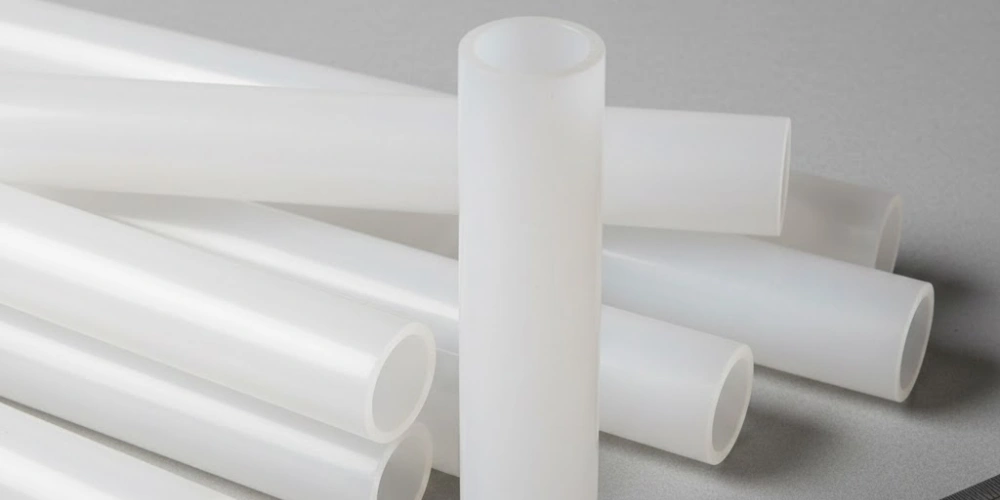
What is Opaque Quartz Tube
Among the various forms of fused silica products available to industrial engineers, the opaque variant occupies a distinct and often misunderstood position; understanding its true material nature is essential before evaluating its suitability for any specific process environment.
-
Material composition: Opak kuvars tüpler are manufactured from high-purity fused silicon dioxide, with SiO₂ content typically at or above 99.9%. The base material is chemically identical to transparent quartz glass; the structural difference arises entirely from the fabrication process, not from the addition of pigments, coatings, or impurities of any kind.
-
Origin of opacity: The milky-white, non-transmissive appearance results from a controlled distribution of microscopic gas-filled voids — typically air or CO₂ bubbles — uniformly embedded within the fused silica matrix during the flame-fusion or electric-fusion melting stage. These internal voids scatter incident light across the full visible spectrum, producing the characteristic opaque appearance. Because the voids are sealed within the glass network, they do not compromise mechanical integrity or introduce chemical contamination pathways.
-
Distinction from transparent quartz: In transparent quartz tubes, the fused silica matrix is bubble-free and optically clear, transmitting a broad electromagnetic spectrum1 from deep UV through near-infrared. Opaque tubes, by contrast, block visible and UV transmission while exhibiting substantially higher emissivity in the infrared range — a characteristic with direct engineering consequences for every application discussed in this article.
The practical implication of this structural difference is that opaque and transparent quartz tubes are not interchangeable: each is optimized for a fundamentally different electromagnetic interaction with its operating environment. Substituting one for the other without accounting for radiative behavior, spectral response, and thermal uniformity requirements will produce measurable performance deficits in any precision process.
The Physical Properties That Dictate Industrial Suitability
Before examining individual application domains, establishing a unified reference framework for the key physical parameters of opaque quartz tubes allows each subsequent section to be evaluated against a consistent technical baseline rather than repeating material fundamentals in isolation.
-
Infrared emissivity: Opaque quartz tubes exhibit a surface emissivity (ε) of approximately 0.90 to 0.95 across the mid-infrared spectrum (2.5 µm to 25 µm), approaching blackbody radiator behavior. This high emissivity is a direct consequence of the internal void structure, which increases phonon scattering and enhances radiative emission efficiency compared to transparent quartz (ε ≈ 0.6–0.75 in the same range).
-
Thermal operating limits: The continuous service temperature for opaque fused silica tubes is approximately 1,050°C to 1,100°C, with short-term excursions permissible up to 1,200°C. The annealing point lies near 1,120°C, and the softening point is approximately 1,650°C — significantly higher than borosilicate glass (820°C) and comparable to dense alumina only when considering short exposure durations.
-
Thermal shock resistance: The coefficient of thermal expansion (CTE) of fused silica is approximately 0.55 × 10-⁶/°C, among the lowest of any commercially available tube material. This near-zero expansion behavior allows opaque quartz tubes to withstand rapid thermal cycling — from room temperature to 1,000°C and back — without fracture, a property routinely exploited in furnace loading and unloading sequences.
-
Chemical inertness: Fused silica is resistant to attack by most mineral acids (HCl, H₂SO₄, HNO₃) at elevated temperatures, and shows negligible reactivity with oxidizing atmospheres (O₂, H₂O vapor) up to its service temperature limit. Hydrofluoric acid (HF) and hot concentrated phosphoric acid (H₃PO₄) are the primary chemical exceptions. In reducing atmospheres containing hydrogen or carbon monoxide above 1,000°C, surface devitrification may accelerate, a factor relevant to CVD process tube selection.
-
Hydroxyl (OH) content: The concentration of structural hydroxyl groups within the fused silica network critically affects high-temperature performance. Low-OH grades (< 30 ppm) exhibit superior resistance to devitrification (crystallization) above 1,000°C and are preferred for semiconductor-grade applications. High-OH grades (> 150 ppm) offer better UV transmission but degrade more rapidly at sustained elevated temperatures — a trade-off that governs material grade selection across the five application domains examined below.
Together, these parameters constitute the engineering foundation upon which each industrial application of opaque quartz tubes is built. No single property operates in isolation; rather, it is the combination of high emissivity, ultra-low thermal expansion, chemical stability, and controlled OH content that makes this material category uniquely suited to environments where precision, durability, and contamination control are simultaneously non-negotiable.
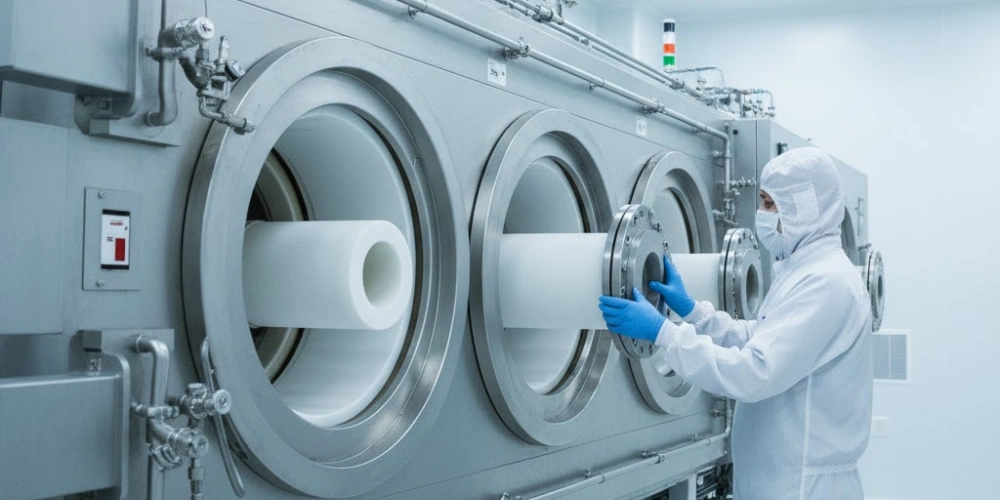
Semiconductor Diffusion Furnaces Relying on Opaque Quartz Tubes
Thermal processing in semiconductor fabrication is among the most unforgiving application environments for any tubular component, where temperature deviations measured in fractions of a degree and metallic contamination at the parts-per-billion level can render entire silicon wafer batches defective. Opaque quartz tubes have become the standard material choice for diffusion furnace process tubes precisely because their physical properties address these two failure modes simultaneously. The following sections dissect the specific technical requirements of each processing sub-environment.
Thermal Uniformity Requirements inside Diffusion Furnace Tubes
Temperature uniformity across the wafer zone of a diffusion or oxidation furnace is the single most critical process parameter in front-end semiconductor manufacturing.
Horizontal and vertical diffusion furnaces used in oxidation, annealing, and LPCVD2 processes require wafer-zone temperature uniformity within ±1°C to ±2°C over a flat zone length of 400 mm to 800 mm. When transparent quartz process tubes are used, the partial transmission of near-infrared radiation from the furnace heating elements creates localized hot spots at positions corresponding to the element pitch — a well-documented phenomenon in furnace qualification reports. Opaque tubes eliminate this radiative non-uniformity by scattering incoming infrared radiation before it can penetrate the tube wall and create differential heating at the wafer surface.
Process tubes for 200 mm wafer furnaces typically have an outer diameter of 220 mm to 240 mm, while 300 mm wafer furnaces require tubes with outer diameters of 320 mm to 360 mm, with lengths ranging from 1,200 mm to 2,000 mm depending on boat capacity. Wall thickness is typically 5 mm ile 8 mm arası, a dimension balanced against thermal mass and mechanical load-bearing requirements at temperature.
The consequence of inadequate thermal uniformity extends beyond individual process steps: in gate oxide growth, for example, a 1°C temperature gradient across a 300 mm wafer can produce oxide thickness variations of 0.3 Å to 0.8 Å, which translates directly into threshold voltage dispersion in MOSFET arrays. Opaque tube geometry therefore functions as a passive thermal homogenizer, reducing the engineering burden placed on active zone control algorithms in the furnace temperature controller.
Purity Standards Specific to Semiconductor-Grade Tubes
Metallic contamination introduced by the process tube is a persistent and often underestimated failure mode in diffusion furnace operations.
Semiconductor-grade opaque quartz tubes must meet total metallic impurity specifications that are substantially tighter than those applicable to industrial or lamp-grade fused silica. Individual alkali metal concentrations — particularly sodium (Na), potassium (K), and lithium (Li) — must be controlled below 20 ppb by weight, as these ions diffuse readily through SiO₂ at process temperatures and introduce mobile charge into gate oxide layers. Transition metals including iron (Fe), chromium (Cr), and nickel (Ni) must each remain below 10 ppb, since even trace concentrations create deep-level traps within the silicon band gap that degrade minority carrier lifetime and junction leakage characteristics.
Low-OH fused silica (OH < 30 ppm) is mandatory for tubes intended for use above 1,000°C in sustained thermal processing. At temperatures exceeding 900°C, high-OH fused silica undergoes accelerated structural relaxation accompanied by surface devitrification — the conversion of amorphous SiO₂ to crystalline cristobalite — which generates particulate contamination that deposits on wafer surfaces and introduces crystal defect nucleation sites. Tubes with OH content below 30 ppm exhibit devitrification onset temperatures approximately 150°C higher than standard-grade materials, extending service life from approximately 50 ila 80 termal döngü (standard grade) to 200 ila 400 döngü (low-OH semiconductor grade) before surface degradation requires tube replacement.
The verification of purity compliance is typically performed by the tube manufacturer using inductively coupled plasma mass spectrometry (ICP-MS), with certificate of conformance documentation provided with each tube shipment. Semiconductor fabs routinely conduct incoming quality inspection using total reflection X-ray fluorescence (TXRF) on tube surface samples before the component is introduced to the cleanroom environment.
Atmospheric Compatibility in CVD and Oxidation Processes
The chemical stability of opaque quartz tubes under the specific gas atmospheres present in diffusion and CVD furnaces is as important as their thermal and purity characteristics.
Thermal oxidation processes expose the tube interior to dry O₂, wet O₂ (pyrogenic steam at 900°C–1,100°C), or combinations with HCl (1%–3% by volume) used for furnace tube gettering. Fused silica is thermodynamically stable against oxidation by definition — it is already fully oxidized silicon — and shows no measurable reactivity with any of these oxidizing species at process temperatures. HCl cleaning cycles, in particular, actively passivate trace metallic contamination on the tube inner wall by forming volatile metal chlorides that are swept out with the exhaust gas flow, a purification mechanism that opaque quartz tubes support without structural degradation.
In LPCVD environments, process gases include silane (SiH₄), dichlorosilane (SiH₂Cl₂), ammonia (NH₃), and organometallic precursors such as TEOS (tetraethyl orthosilicate). At LPCVD operating pressures of 0.1 Torr to 2 Torr and temperatures of 550°C to 900°C, fused silica tube walls are exposed to both reactive precursor gases and their deposition by-products. The chemical inertness of opaque fused silica ensures that no tube material participates in parasitic deposition reactions or introduces catalytic decomposition pathways that would alter deposition rate uniformity.
An important practical consideration in CVD tube management is the accumulation of deposited film on the tube inner wall over successive process runs. Polysilicon, silicon nitride, and TEOS oxide films deposited on the tube wall create thermal stress during cooling due to coefficient of thermal expansion mismatch. Opaque quartz tubes, with their near-zero CTE of 0.55 × 10-⁶/°C, minimize stress concentration at the film-tube interface, reducing the risk of film spallation events that generate particles during wafer processing. Scheduled wet cleaning (HF-based etching) of accumulated films is performed at intervals determined by film thickness monitoring, typically every 20 to 50 process runs depending on deposition rate and film type.
Semiconductor Application Parameter Summary
| Parametre | Şartname |
|---|---|
| Wafer zone temperature uniformity | ±1°C to ±2°C |
| Tube outer diameter — 300 mm wafer | 320 mm to 360 mm |
| Tube length | 1,200 mm to 2,000 mm |
| SiO₂ purity (semiconductor grade) | ≥ 99,99% |
| OH content (low-OH grade) | < 30 ppm |
| Na, K, Li contamination limit | < 20 ppb each |
| Fe, Cr, Ni contamination limit | < 10 ppb each |
| Service life — standard OH grade | 50 ila 80 termal döngü |
| Service life — low-OH grade | 200 to 400 thermal cycles |
| HCl gettering concentration | 1% to 3% by volume |

Infrared Industrial Heating Systems with Opaque Quartz Tubes
Industrial infrared heating represents the broadest commercial deployment of opaque quartz tubes by installed unit volume, spanning automotive, textile, wood processing, glass forming, and packaging industries that collectively operate tens of thousands of infrared heating modules globally. The engineering case for opaque tubes in this context rests on radiative physics that distinguish them categorically from transparent quartz alternatives, and from resistive metal heating elements operating in the same temperature range. Each of the following subsections addresses a distinct technical dimension of this application.
Infrared Emission Spectrum and Heating Efficiency
The electromagnetic output of a heated opaque quartz tube determines both the efficiency of energy transfer to the workpiece and the depth of thermal penetration into the material being processed.
An opaque quartz tube operating at a surface temperature of 800°C to 1,100°C emits radiation primarily in the short-wave infrared (SWIR: 1.0–2.5 µm) and medium-wave infrared (MWIR: 2.5–5.0 µm) spectral ranges, with peak emission wavelength shifting from approximately 2.0 µm at 900°C için 1.6 µm at 1,100°C in accordance with Wien's displacement law. This spectral output is well-matched to the absorption bands of many industrial materials: water (strong absorption at 1.9 µm and 2.7 µm), organic polymer coatings (absorption bands at 3.0–3.5 µm), and carbon-based films all absorb efficiently in the MWIR band, enabling direct and rapid energy coupling without intermediate convective heat transfer.
Şeffaf kuvars tüpler housing the same internal heating element transmit a substantial fraction of SWIR radiation without absorption, effectively allowing radiative energy to pass through the tube wall and propagate beyond the intended heating zone. Opaque tubes, by contrast, absorb this radiation within the tube wall and re-emit it with the high emissivity (ε ≈ 0.90–0.95) characteristic of the tube outer surface, creating a uniform cylindrical radiating surface that produces a spatially homogeneous irradiance field around the tube circumference.
The practical consequence of this distinction is measurable in production environments: replacement of transparent quartz heating tubes with opaque equivalents in a continuous web-drying application has been shown to reduce energy consumption by 12% to 18% while maintaining equivalent throughput, owing to the elimination of transmitted radiation that bypasses the product web and is absorbed wastefully by the equipment enclosure.
Structural Configurations in Industrial Heating Equipment
The physical arrangement of opaque quartz tubes within heating equipment enclosures follows several established configurations, each optimized for a specific process geometry and power density requirement.
Single-ended quartz infrared heaters (also designated T3 or R7s lamp format) consist of a tungsten coil element sealed within a single-ended opaque quartz tube, with both electrical connections at one end. This format is standard in panel heaters and cassette modules with rated outputs of 1 kW to 4 kW per tube at tube surface temperatures of 800°C to 950°C. Double-ended tube heaters (linear format with connections at both ends) are used for high-power applications requiring outputs of 4 kW to 15 kW per tube, at surface temperatures reaching 1,050°C to 1,150°C, and are the dominant format in wide-web drying and automotive paint curing ovens.
Opaque quartz tubes are mounted in heating modules with polished aluminum or gold-coated stainless steel reflectors positioned behind each tube, focusing radiated energy toward the product surface and recovering radiation emitted from the tube's rear quadrant that would otherwise be lost to the module housing. The geometry of the reflector — parabolic, elliptical, or flat — determines the irradiance distribution at the product plane, with parabolic reflectors producing collimated beam output and flat reflectors providing diffuse wide-angle coverage.
Mounting orientation — horizontal versus vertical — affects tube service life through differential thermal stress. In horizontal mounting, gravity induces sagging in long tubes (> 600 mm) operating above 1,000°C, with deflection increasing with operating temperature and tube length. Maximum allowable unsupported span at 1,050°C is approximately 400 mm to 500 mm for a tube with an outer diameter of 25 mm and wall thickness of 2 mm; longer spans require intermediate ceramic support saddles to prevent plastic deformation during sustained operation.
Typical Industrial Sectors Using Quartz Infrared Heaters
The deployment of opaque quartz tube infrared heaters spans a range of manufacturing industries, each exploiting a specific aspect of the material's radiative behavior.
Automotive coating lines use high-power double-ended opaque tube heaters rated at 6 kW to 12 kW per tube in paint curing ovens operating at product surface temperatures of 140°C to 180°C. Rapid thermal response — from cold to full operating temperature in 8 to 15 seconds — allows zone-by-zone activation synchronized to vehicle body movement on the line, reducing energy consumption during gaps between bodies compared to continuously energized convection ovens.
Wood and engineered board drying (MDF, particleboard, laminate flooring substrates) relies on MWIR emission from opaque tubes to evaporate surface and near-surface moisture preferentially, without overheating the wood fiber core — a result of the selective absorption of water molecules at 1.9 µm and 2.7 µm that concentrates energy at the moisture-rich surface layer. Typical tube arrays in board drying tunnels operate at 3 kW to 6 kW per tube, with inter-tube spacing of 80 mm to 120 mm to achieve uniform irradiance across board widths of 1,200 mm to 2,400 mm.
Glass forming and tempering operations use opaque quartz tube heaters for pre-heating glass blanks prior to press forming, and for maintaining glass at forming temperature during multi-stage pressing sequences. Glass absorbs strongly in the MWIR range (above 3 µm), making opaque tube emission spectra particularly efficient for glass thermal processing compared to near-infrared sources that partially transmit through thin glass sections.
Industrial Infrared Heating Parameter Summary
| Parametre | Şartname |
|---|---|
| Tube surface operating temperature | 800°C to 1,150°C |
| Single-ended heater rated output | 1 kW to 4 kW |
| Double-ended heater rated output | 4 kW to 15 kW |
| Tube emissivity (ε) | 0.90 to 0.95 |
| Peak emission wavelength at 900°C | ~2,0 µm |
| Thermal response time (cold to operating) | 8 to 15 seconds |
| Maximum unsupported horizontal span (25 mm OD, 1,050°C) | 400 mm ile 500 mm arası |
| Energy savings vs. transparent tube | 12% to 18% |
| Automotive curing product surface temperature | 140°C to 180°C |
| Board drying inter-tube spacing | 80 mm to 120 mm |
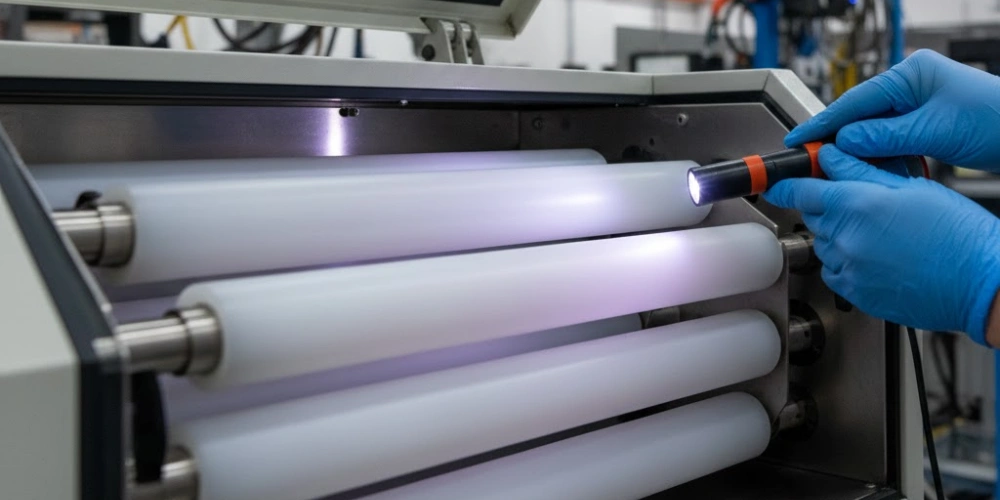
UV Curing Systems Incorporating Opaque Quartz Tube Components
UV curing technology depends on the precise directional delivery of photon flux at specific wavelengths to photoinitiator3 molecules embedded in coatings, adhesives, and inks — a requirement that imposes demands on lamp housing materials that go beyond simple thermal resistance. Opaque quartz tubes perform a fundamentally different function in UV curing systems than in thermal heating applications: rather than acting as primary emitters, they serve as optical and thermal control components that shape the radiation field and protect the lamp assembly from process-generated heat.
The Function of Opaque Tubes as Reflective Housings in UV Lamps
Within medium-pressure mercury UV lamp assemblies used for industrial curing, opaque quartz tube sleeves are positioned coaxially around the primary lamp tube as outer reflective enclosures.
The inner surface of an opaque quartz sleeve reflects UV radiation originating from the mercury plasma arc back toward the lamp axis and forward toward the substrate, functioning as a cylindrical diffuse reflector with reflectance values of approximately 60% – 75% in the UV-A and UV-B spectral bands. This reflection geometry collects backward-directed UV flux — which in an open lamp assembly would be absorbed by the lamp housing or dissipated laterally — and redirects it toward the curing zone, increasing effective UV irradiance at the substrate surface by 15%'den 25%'ye compared to bare lamp operation in a non-reflective enclosure.
The opaque sleeve simultaneously protects the elliptical or parabolic primary reflector (typically electroformed aluminum or dichroic-coated glass) from direct exposure to the plasma arc, which operates at temperatures of 600°C to 900°C at the lamp wall. Without the protective sleeve, thermal degradation of the primary reflector surface reduces its UV reflectance over time, producing a gradual and often undetected decline in process UV dose that manifests as incomplete cure in coatings and adhesives.
Spectral Filtration Characteristics Relevant to Curing Wavelengths
Not all UV radiation produced by a mercury arc plasma contributes beneficially to photopolymerization, and opaque quartz tubes provide passive spectral management that complements active lamp power control.
Medium-pressure mercury lamps emit across a broad spectrum from 200 nm (UV-C) through 450 nm (visible violet), with principal emission lines at 254 nm, 313 nm, 365 nm, and 405 nm. For most coating cure applications, the 365 nm (UV-A) line is the primary photoinitiator activation wavelength, while 254 nm (UV-C) radiation contributes to surface cure of thin coatings but also generates ozone (O₃) from atmospheric oxygen if not filtered. Opaque quartz tubes with wall thicknesses of 2 mm to 3 mm attenuate transmission below 240 nm to near-zero levels while maintaining adequate transmission in the UV-A and UV-B bands, effectively creating an entegre ozon önleyici filtre without additional optical components.
Selective wavelength filtration is exploited in UV curing of pressure-sensitive adhesives (PSA) and thick clear coatings, where deep UV (< 280 nm) causes surface yellowing in transparent substrates (polycarbonate, acrylic) without contributing to through-cure of the bulk adhesive. Specifying an opaque quartz sleeve with controlled UV-C attenuation allows the lamp system to deliver effective bulk-cure doses in the 320–400 nm band while limiting surface degradation of UV-sensitive substrates — a spectral management function that would otherwise require expensive dichroic bandpass filters.
Thermal Management of UV Lamp Systems
High-power UV curing lamps generate substantial thermal output that must be managed to prevent premature lamp failure and protect temperature-sensitive substrates passing through the curing zone.
Medium-pressure UV curing lamps rated at 3 kW to 30 kW per lamp dissipate approximately 30% to 40% of input power as infrared and convective heat, with the lamp wall temperature reaching 600°C to 900°C during operation. Opaque quartz tube sleeves positioned 5 mm ila 15 mm coaxially outside the lamp tube create an air gap that serves as a thermal break, reducing heat flux conducted toward the primary reflector and lamp housing by approximately 40% to 60% relative to direct contact configurations. This thermal isolation effect extends the service life of primary reflector coatings from approximately 500 hours (unprotected) to 1,500 hours or more in properly designed sleeve configurations.
Forced air cooling — delivered through the annular gap between the lamp tube and the opaque quartz sleeve — is the standard thermal management approach in high-power UV systems. Cooling air flows of 20 to 80 m³/hour per lamp are typical for lamps in the 6 kW to 15 kW range, with the air entering at one end of the annular gap and exiting at the opposite end, carrying heat away from both the lamp and the sleeve outer surface. Maintaining the opaque quartz sleeve below 900°C during operation prevents the onset of surface devitrification and ensures dimensional stability of the sleeve bore, which must remain circular to maintain the coaxial gap geometry critical to uniform UV flux distribution.
UV Curing System Parameter Summary
| Parametre | Şartname |
|---|---|
| Lamp wall temperature during operation | 600°C to 900°C |
| Opaque sleeve reflectance (UV-A/UV-B bands) | 60% – 75% |
| UV irradiance gain vs. bare lamp | +15% to +25% |
| UV-C attenuation onset (2–3 mm wall) | < 240 nm |
| Lamp rated power range | 3 kW to 30 kW |
| Thermal break heat flux reduction | 40% to 60% |
| Cooling air flow (6–15 kW lamps) | 20 to 80 m³/hour |
| Primary reflector service life — unprotected | ~500 hours |
| Primary reflector service life — sleeve protected | ≥ 1,500 hours |
| Coaxial gap between lamp and sleeve | 5 mm ila 15 mm |
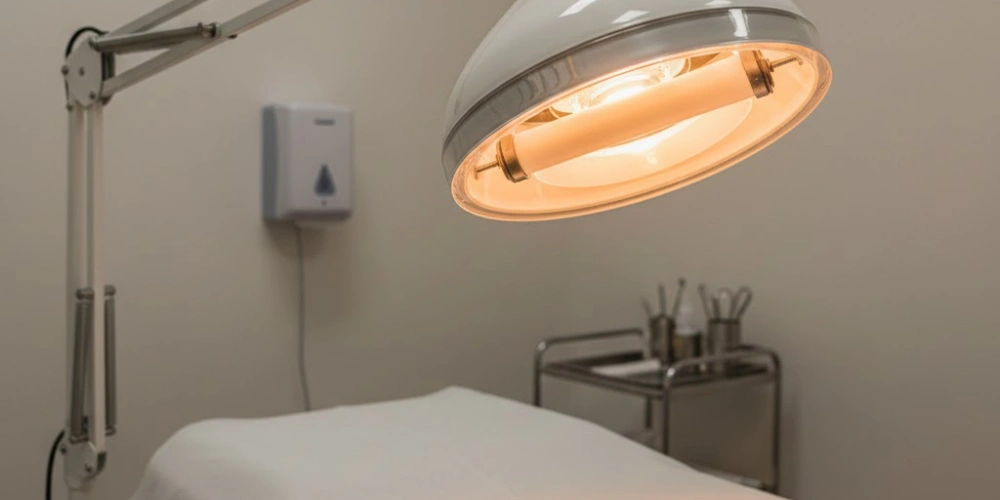
Medical and Therapeutic Devices Built Around Opaque Quartz Tubes
Medical and therapeutic equipment imposes a distinct combination of performance requirements on heating and irradiation components — among them, controlled radiation output, surface temperature safety, chemical purity at the point of patient proximity, and long-term stability under repeated thermal cycling. Opaque quartz tubes address this combination of requirements in two separate medical application categories: infrared therapy heating and UV germicidal irradiation, each exploiting different aspects of the material's physical behavior.
Infrared Therapy Lamps and Tissue Penetration Depth
The therapeutic mechanism of infrared radiation depends on the depth to which photon energy penetrates biological tissue, a parameter directly governed by the emission wavelength of the infrared source.
Near-infrared radiation in the 780 nm to 1,400 nm band penetrates human skin to depths of 5 mm to 10 mm below the dermal surface, reaching the subcutaneous tissue layer, small blood vessels, and superficial muscle. This penetration depth is sufficient to produce localized vasodilation, increased local circulation, and reduction of muscle tension — therapeutic effects documented in clinical physical therapy practice. Medium-wave infrared (1,400 nm to 3,000 nm) is absorbed primarily within the superficial dermis (< 1 mm), producing surface warming with minimal deep tissue effect. Opaque quartz tubes operating at surface temperatures of 500°C to 750°C emit radiation distributed across both NIR and MWIR bands, providing a combined surface warming and moderate deep-tissue stimulation effect appropriate for musculoskeletal therapy applications.
The spatial uniformity of irradiance at the treatment area surface is a critical safety and efficacy parameter in therapy lamp design. Lokalize sıcak noktalar, produced by the uneven emission of poorly positioned or partially devitrified quartz tube surfaces, can cause superficial burns if the lamp-to-skin distance is reduced below recommended minimums — typically 30 cm ile 50 cm arası for therapy lamps rated at 150 W ila 500 W. The scattering-induced emission uniformity of opaque tubes reduces peak-to-average irradiance ratio at the treatment plane, providing a more homogeneous dose distribution than transparent tube equivalents at equivalent lamp power.
Therapy lamps in clinical and home use settings typically operate for 15 to 30 minutes per treatment session, with tube surface temperatures stabilizing within 60 to 120 seconds of switch-on. The low thermal mass of thin-wall opaque quartz tubes (wall thickness 1.5 mm to 2.5 mm, typical OD 15 mm to 30 mm) contributes to rapid thermal equilibration, ensuring consistent irradiance output throughout the treatment duration without extended warm-up delay.
Sterilization Equipment Using Opaque Quartz Enclosures
UV-C germicidal lamp systems used in medical environments exploit a different functional role for opaque quartz tube components than infrared therapy applications — one focused on radiation directionality and biological safety rather than therapeutic delivery.
Low-pressure mercury germicidal lamps emit primarily at 253.7 nm (UV-C), a wavelength at which nucleic acid absorption is near maximum, producing pyrimidine dimer formation in bacterial and viral DNA that inactivates replication. In sterilization chamber and air purification unit designs, opaque quartz tube enclosures are fitted coaxially around germicidal lamp tubes to direct UV-C output toward the intended sterilization target zone while blocking stray UV-C radiation from reaching adjacent surfaces, personnel, or material components that would degrade under UV-C exposure. Polymer components, adhesive seals, and painted metal surfaces all undergo accelerated UV-C photodegradation at 253.7 nm, and enclosure designs that rely on open-frame lamp mounting without opaque shielding experience measurable material aging within 500 ila 1.000 saat of cumulative lamp-on time.
Ozone-generating versus ozone-free germicidal lamp selection is directly linked to the quartz tube material used for the lamp envelope, and by extension influences the material selection for any associated opaque enclosure or sleeve. Standard fused quartz lamp envelopes transmit UV radiation below 200 nm, allowing photodissociation of atmospheric O₂ to atomic oxygen and subsequent O₃ formation — useful in applications where ozone itself contributes to surface sterilization, but hazardous in occupied spaces. Ozone-free germicidal lamps use titanium-doped quartz envelopes that attenuate transmission below 240 nm; opaque quartz sleeves fitted to these lamps perform consistent UV-C directional control without modifying the lamp's inherent ozone-free characteristic.
The chemical purity requirements for fused silica components in medical sterilization environments align closely with those for semiconductor applications: total metallic impurity levels below 50 ppm are standard, and the absence of any surface contamination that could be mobilized by UV-C photon energy and deposited on the sterilization chamber walls is verified through pre-installation cleaning and passivation procedures.
Heat Lamp Standards and Safety Specifications in Medical Contexts
Compliance with internationally recognized safety standards governs the design parameters of opaque quartz tube heating components used in medical equipment.
IEC 60601-1 (Medical Electrical Equipment — General Requirements for Basic Safety) and its collateral standards impose surface temperature limits on accessible parts of medical devices, and these limits directly constrain the design of infrared therapy lamps. Accessible external surfaces of patient-applied medical equipment must not exceed 41°C under normal operating conditions at patient contact points — a requirement satisfied in infrared lamp designs by maintaining prescribed lamp-to-skin distances rather than by reducing lamp power to sub-therapeutic levels.
The low coefficient of thermal expansion of fused silica (0.55 × 10-⁶/°C) provides a measurable safety advantage in medical lamp applications: the resistance of opaque quartz tubes to thermal shock fracture from rapid temperature changes — such as contact with moisture or sudden air current exposure during clinical use — reduces the risk of lamp breakage events that could expose patients to glass fragments or uncontrolled UV-C radiation. Service life ratings for medical-grade opaque quartz therapy lamp tubes typically range from 2,000 to 5,000 hours of cumulative operating time, with devitrification-induced performance degradation defining the end-of-life criterion rather than catastrophic failure.
Medical Device Parameter Summary
| Parametre | Şartname |
|---|---|
| NIR tissue penetration depth | 5 mm to 10 mm |
| Therapy lamp rated power | 150 W ila 500 W |
| Lamp-to-skin minimum distance | 30 cm ile 50 cm arası |
| Treatment session duration | 15 to 30 minutes |
| Warm-up time to stable output | 60 to 120 seconds |
| Tube OD (therapy lamps) | 15 mm to 30 mm |
| Wall thickness (therapy lamps) | 1.5 mm to 2.5 mm |
| Germicidal UV-C emission wavelength | 253.7 nm |
| UV-C-induced material aging threshold | 500 ila 1.000 saat |
| Medical-grade tube service life | 2,000 to 5,000 hours |
Food Processing and Packaging Lines Utilizing Opaque Quartz Tubes
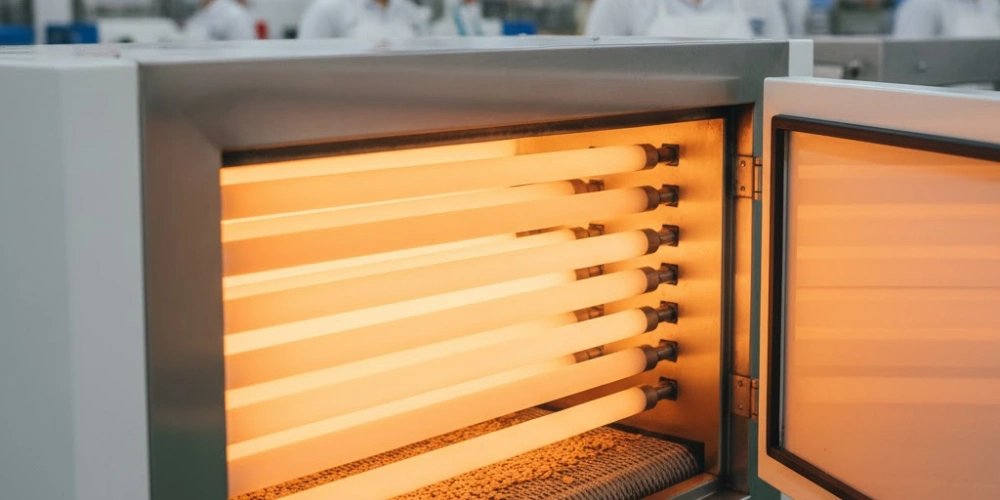
Food manufacturing environments place constraints on heating system components that extend beyond thermal performance into food safety, hygienic design, and regulatory compliance — a combination that significantly narrows the field of viable tube materials for infrared heating applications. Opaque quartz tubes satisfy food industry requirements through a convergence of radiative efficiency, chemical inertness, and cleanability that positions them as the standard choice for infrared heating in continuous food production lines.
Infrared Drying and Roasting in Food Production Lines
The spectral match between MWIR infrared emission and the absorption characteristics of water and organic food matrices is the fundamental physical basis for the efficiency advantage of opaque quartz tube infrared heating in food drying and roasting processes.
Water molecules exhibit strong vibrational absorption at 1.94 µm, 2.73 µm, and 6.27 µm, all within the MWIR emission envelope of opaque quartz tubes operating at surface temperatures of 700°C to 950°C. This spectral overlap allows infrared energy to couple directly to the moisture-bearing surface layers of food products — grain kernels, cracker dough, nut surfaces — without the intermediate heat transfer step required by convective hot-air drying. In comparative production trials with wheat grain drying, infrared drying using opaque tube emitter arrays has been demonstrated to reduce moisture content from 18% to 12% in 40 to 60 seconds of exposure at an irradiance of 15 kW/m², a drying rate approximately 3 to 4 times faster than equivalent-area convective tunnel dryers at the same product outlet moisture specification.
Surface roasting and color development in baked products and nuts depends on Maillard reaction kinetics, which are strongly temperature-dependent. Opaque tube infrared arrays deliver surface heating rates of 10°C to 30°C per second at product surface irradiances of 20 kW/m² to 50 kW/m², enabling controlled surface browning without conductive or convective heat penetration that would over-cook the product interior. This surface-selective heating characteristic is exploited in cracker and flatbread glazing lines, where a 2 to 5 second exposure under a multi-tube opaque quartz array produces the desired surface color and crunch without measurable increase in core temperature.
Continuous food production lines using opaque quartz tube infrared heaters are configured as tunnel ovens with multiple independently controlled heating zones, each zone containing an array of 4 to 12 parallel tubes spaced 80 mm to 150 mm apart across the conveyor width. Zone independence allows the thermal profile along the product travel direction to be shaped — typically a high-intensity entry zone for rapid surface heating, a moderate mid-zone for moisture equilibration, and a lower-intensity exit zone for surface setting — in a manner that fixed-profile convective ovens cannot replicate.
Heat-Shrink Packaging and Sealing Applications
Infrared heat-shrink packaging represents a high-throughput application of opaque quartz tube heating where rapid thermal response and spectral specificity are more critical than absolute maximum temperature.
Polyolefin (POF), polyethylene (PE), and polyvinyl chloride (PVC) shrink films absorb strongly in the 1.7 µm to 2.5 µm NIR range, with each polymer exhibiting characteristic absorption peaks corresponding to C–H stretch overtone and combination bands. Opaque quartz tubes operating at surface temperatures of 700°C to 850°C emit a spectrum with significant NIR content overlapping these polymer absorption bands, enabling efficient energy coupling to the film without heating the packaged product to temperatures that would damage heat-sensitive foods — fresh produce, chocolate-coated confectionery, or refrigerated products.
Shrink tunnel configurations for food packaging typically use opaque quartz tube arrays mounted above and below the conveyor belt, with tubes oriented perpendicular to product travel. Tunnel lengths of 500 mm to 1,500 mm and conveyor speeds of 15 to 60 m/min define the product residence time within the heating zone — typically 0.5 to 3 seconds for full circumferential shrink of standard POF film thicknesses of 15 µm to 25 µm. The rapid cold-to-operating response time of opaque quartz tubes (< 2 seconds) is essential for maintaining uniform film shrink quality at high line speeds, where delayed heater response during product gaps would create temperature transients that produce inconsistent shrink quality on the leading and trailing faces of the subsequent package.
Thermal output density in shrink tunnel applications ranges from 15 kW/m² to 35 kW/m² at the film plane, with the precise value determined by film type, thickness, and conveyor speed. Independent zone control of tube power — using phase-angle or zero-cross switching thyristor controllers — allows real-time adjustment of tunnel thermal profile to accommodate product size and film specification changes without mechanical reconfiguration of the tunnel geometry.
Hygienic Material Requirements in Food-Grade Environments
The regulatory and hygienic requirements of food manufacturing environments impose material selection criteria on heating components that are qualitatively different from those applied in semiconductor or UV curing applications.
Fused silica (SiO₂) is chemically inert under all food processing conditions and does not release extractable chemical species — volatile organic compounds, metallic ions, or decomposition products — at temperatures encountered during normal infrared heating operation. This chemical inertness places opaque quartz tubes in a favorable position relative to metal-sheath heating elements (Inconel, stainless steel), which can release trace nickel, chromium, or iron at elevated temperatures in oxidizing food atmospheres, and relative to ceramic infrared emitters (cordierite, mullite), which may contain intentional or adventitious flux components that are mobilized at high firing temperatures.
In European Union food processing environments, materials in contact with or in proximity to food must comply with EU Regulation No. 10/2011 (plastic materials) and its broader framework under the EU Food Contact Materials Regulation (EC) No. 1935/2004. Fused quartz, as an inorganic glass of defined composition, is generally recognized as compliant with the inertness requirements of these frameworks when no surface coatings or binding agents are present — a condition met by standard unfused tube products without any additional processing. In the United States, compliance with FDA 21 CFR regulations for indirect food additives governs material suitability, and high-purity fused silica is consistently evaluated as non-reactive and non-contributing to food composition under normal use conditions.
Cleaning and sanitization protocols in food factories include alkaline CIP (clean-in-place) solutions (NaOH, 1%–3%, 70°C–80°C) and acidic rinse cycles (HNO₃, 0.5%–1.5%) applied to food contact surfaces. While opaque quartz tube outer surfaces are not typically direct food contact surfaces in enclosed infrared tunnel configurations, splash and condensate exposure is routine. The resistance of fused silica to alkaline and dilute acid cleaning agents at the concentrations used in food plant sanitation is well-established, with no measurable surface etching or contamination leaching occurring at the chemical concentrations and temperatures described.
Food Processing Parameter Summary
| Parametre | Şartname |
|---|---|
| Tube operating surface temperature | 700°C to 950°C |
| Water absorption wavelengths matched | 1.94 µm, 2.73 µm, 6.27 µm |
| Grain moisture reduction (infrared) | 18% to 12% in 40–60 seconds |
| Infrared vs. convective drying speed | 3× to 4× faster |
| Surface heating rate | 10°C to 30°C per second |
| Product surface irradiance (roasting) | 20 kW/m² to 50 kW/m² |
| Shrink tunnel irradiance | 15 kW/m² to 35 kW/m² |
| Shrink tunnel conveyor speed | 15 to 60 m/min |
| Film residence time in tunnel | 0.5 to 3 seconds |
| POF/PE film thickness range | 15 µm to 25 µm |
Performance Comparison with Alternative High-Temperature Tube Materials
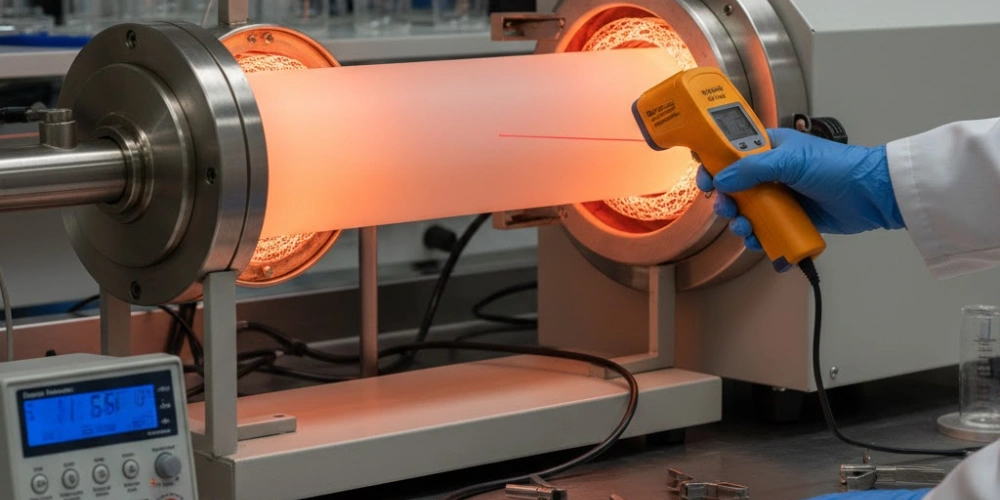
Across the five application domains examined in this article, the selection of opaque quartz tubes over competing tube materials follows from measurable performance differentials rather than convention. A structured comparison across the most commonly considered alternatives clarifies the specific engineering dimensions in which fused silica opaque tubes hold decisive advantages.
-
Transparent quartz tubes: The most direct alternative shares identical base chemistry with opaque fused silica but differs fundamentally in radiative behavior. Transparent quartz transmits 80% to 90% of incident NIR and visible radiation rather than absorbing and re-emitting it, which produces heating non-uniformity and directional radiation leakage in all five applications examined. Where uniform circumferential irradiance, spatial homogeneity, or UV-C directionality is required, transparent quartz tubes are functionally unsuitable regardless of purity or dimensional equivalence. In UV curing applications, the reflective and filtering roles performed by opaque sleeves cannot be replicated by transparent alternatives without entirely different component geometries.
-
Alumina ceramic tubes (Al₂O₃): High-density alumina (99.5% Al₂O₃) supports continuous service temperatures of 1,400°C to 1,600°C — substantially higher than opaque fused silica — and is the preferred choice for applications exceeding 1,200°C. However, alumina has a CTE of 7.4 × 10⁻⁶/°C, approximately 13 times higher than fused silica, making it highly susceptible to thermal shock fracture in rapid-cycling applications such as semiconductor furnace loading and infrared heating zone activation. Alumina also exhibits lower chemical purity than semiconductor-grade fused silica, with metallic impurity concentrations in standard grades typically in the 50 ppm to 500 ppm range — two to three orders of magnitude above the ppb-level specifications of diffusion furnace process tubes. Machining tolerance control for alumina tubes is also considerably less precise than for fused silica, making close-tolerance bore applications (such as wafer-loaded furnace tubes) more difficult to specify.
-
Borosilicate glass tubes: Borosilicate (Pyrex-type) offers a practical upper service temperature of approximately 500°C to 550°C (annealing point ~560°C), restricting its use to low-temperature laboratory and process applications. In infrared heating, UV curing, and semiconductor processing contexts — all of which involve tube wall temperatures of 600°C or above — borosilicate glass is outside its safe operating range. Its CTE of approximately 3.3 × 10-⁶/°C is six times higher than fused silica, and its UV transmission is significantly attenuated below 300 nm due to boron oxide absorption — eliminating it from UV-C sterilization and curing applications where sub-300 nm flux control is required.
-
Stainless steel tubes: Metal tubes (316L, 310S, Inconel 600) offer mechanical robustness and high-temperature capability to 900°C to 1,100°C in oxidizing atmospheres, but are opaque to both infrared and UV radiation by absorption rather than by scattering — emitting infrared as thermal radiation with emissivity values of 0.2 to 0.5 (polished to oxidized surface states respectively), substantially below the 0.90 to 0.95 characteristic of opaque quartz. In semiconductor applications, the metallic contamination risk of stainless steel tubes in process atmospheres is prohibitive; even passivated 316L steel releases iron and chromium under HCl or hydrogen atmospheres at temperatures above 700°C, creating unacceptable wafer contamination. In UV curing and medical sterilization applications, metal tube walls offer no UV transparency whatsoever, eliminating them from any application requiring UV transmission or spectral filtration.
Tube Material Property Comparison
| Mülkiyet | Opak Kuvars | Şeffaf Kuvars | Alümina (99,5%) | Borosilikat | 316L Steel |
|---|---|---|---|---|---|
| Maksimum sürekli çalışma sıcaklığı (°C) | 1,100 | 1,100 | 1,600 | 500 | 900 |
| CTE (×10-⁶/°C) | 0.55 | 0.55 | 7.4 | 3.3 | 16.0 |
| IR emissivity (ε) | 0.90-0.95 | 0.60–0.75 | 0.85–0.95 | 0.90-0.95 | 0.20–0.50 |
| NIR/visible transmission | < 5% | 80–90% | < 5% | 70–85% | 0% |
| UV-C transmission (254 nm) | Low (< 10%) | High (> 70%) | Hiçbiri | Hiçbiri | Hiçbiri |
| SiO₂ or metal purity (semi-grade) | ≥ 99,99% | ≥ 99,99% | 99.5% | N/A | N/A |
| Termal şok direnci | Mükemmel | Mükemmel | Zayıf | Orta düzeyde | İyi |
| Chemical inertness (HCl/O₂ atm.) | Mükemmel | Mükemmel | İyi | Orta düzeyde | Zayıf |
| Machining tolerance control | Yüksek | Yüksek | Orta düzeyde | Yüksek | Yüksek |
Sonuç
Across semiconductor diffusion furnaces, industrial infrared heating, UV curing systems, medical therapy devices, and food processing lines, opaque quartz tubes deliver a combination of high infrared emissivity, ultra-low thermal expansion, chemical inertness, and controlled spectral behavior that no single alternative material replicates across all five domains simultaneously. Each application exploits a specific subset of these properties — thermal uniformity in semiconductor processing, radiative efficiency in industrial heating, spectral filtration in UV curing, emission homogeneity in medical therapy, and chemical safety in food manufacturing — but the underlying material platform remains consistent. Understanding which property dominates in a given process environment is the essential starting point for any tube selection decision, and the technical parameters documented in this article provide the reference framework for making that determination with engineering precision.
SSS
What is the maximum operating temperature of an opaque quartz tube?
The continuous service temperature for opaque fused silica tubes is approximately 1,050°C to 1,100°C, with short-term excursions permissible up to 1,200°C. The softening point is approximately 1,650°C. For applications requiring sustained temperatures above 1,200°C, alumina ceramic tubes are the appropriate alternative, though they sacrifice the thermal shock resistance and ultra-low CTE of fused silica.
How does an opaque quartz tube differ from a transparent quartz tube in infrared heating performance?
Transparent quartz tubes transmit 80% to 90% of near-infrared radiation rather than absorbing and re-emitting it, which produces localized hot spots and directional radiation leakage in heating applications. Opaque quartz tubes absorb incoming radiation within the tube wall and re-emit it uniformly from the outer surface with an emissivity of 0.90 to 0.95, creating a spatially homogeneous irradiance field that improves heating uniformity by 12% to 18% in energy efficiency terms in comparable production environments.
What OH content specification is required for semiconductor-grade opaque quartz tubes?
Semiconductor-grade opaque quartz tubes require OH content below 30 ppm (low-OH grade) to prevent accelerated devitrification above 1,000°C. High-OH tubes (> 150 ppm) undergo structural relaxation and cristobalite crystallization at sustained process temperatures, generating particulate contamination and reducing service life from 200 to 400 thermal cycles (low-OH) to 50 to 80 cycles (standard OH), making OH content specification one of the most critical material parameters in diffusion furnace tube selection.
Can opaque quartz tubes be used in direct food contact applications?
Opaque quartz tubes are not typically configured as direct food contact surfaces in industrial infrared heating installations — they are mounted above or around conveyor belts within enclosed tunnel structures. As an inorganic fused silica glass, the material is chemically inert under all food processing conditions and does not release extractable substances under applicable regulatory frameworks including EU Regulation EC No. 1935/2004 and FDA 21 CFR indirect food additive provisions. Outer surface exposure to food plant cleaning agents — alkaline CIP solutions and dilute acid rinses — produces no measurable surface degradation or contaminant leaching at standard sanitation concentrations.
Referanslar:
-
The electromagnetic spectrum describes the full range of frequencies of electromagnetic radiation, from radio waves through visible light to gamma rays, providing the physical context for understanding infrared and UV transmission behavior. ↩
-
Low-pressure chemical vapor deposition (LPCVD) is a thin-film deposition technique widely used in semiconductor manufacturing, in which gaseous precursors react at reduced pressure inside a heated furnace tube to deposit uniform films on silicon wafers. ↩
-
A photoinitiator is a chemical compound that absorbs UV radiation and generates reactive species — typically free radicals or cations — that initiate polymerization in UV-curable coatings, inks, and adhesives. ↩