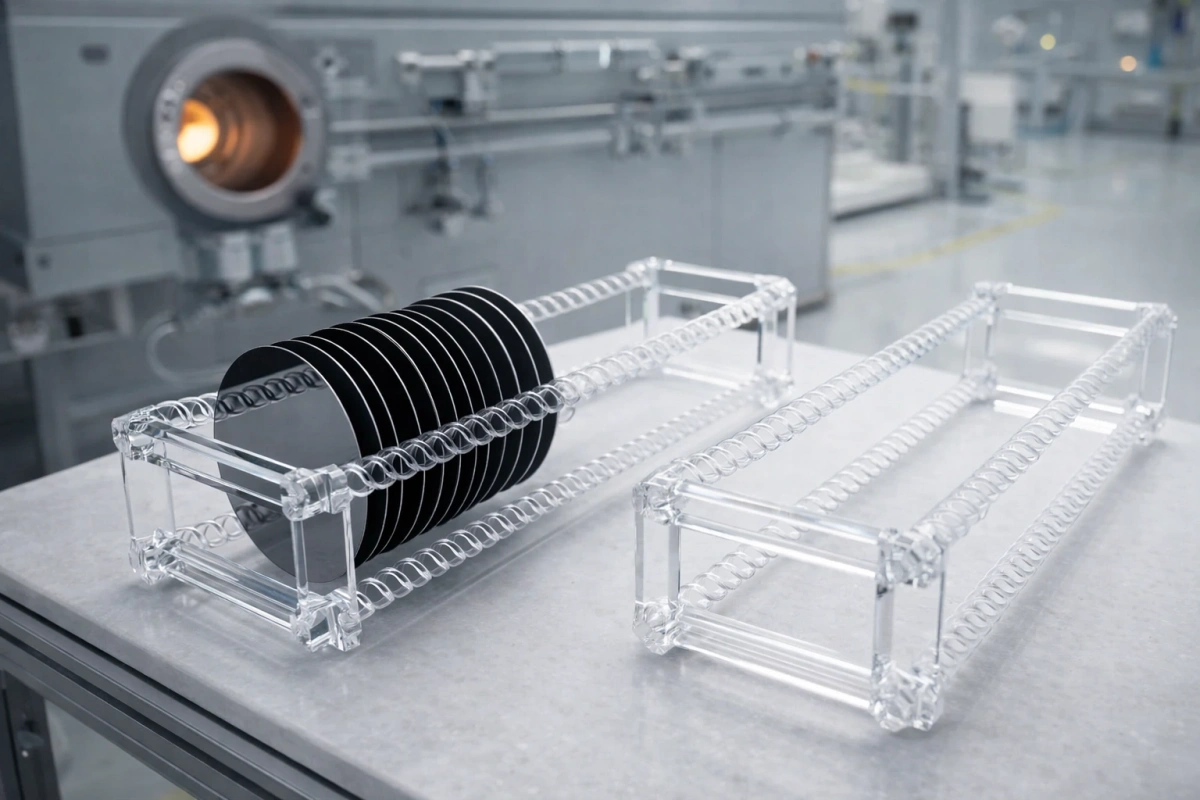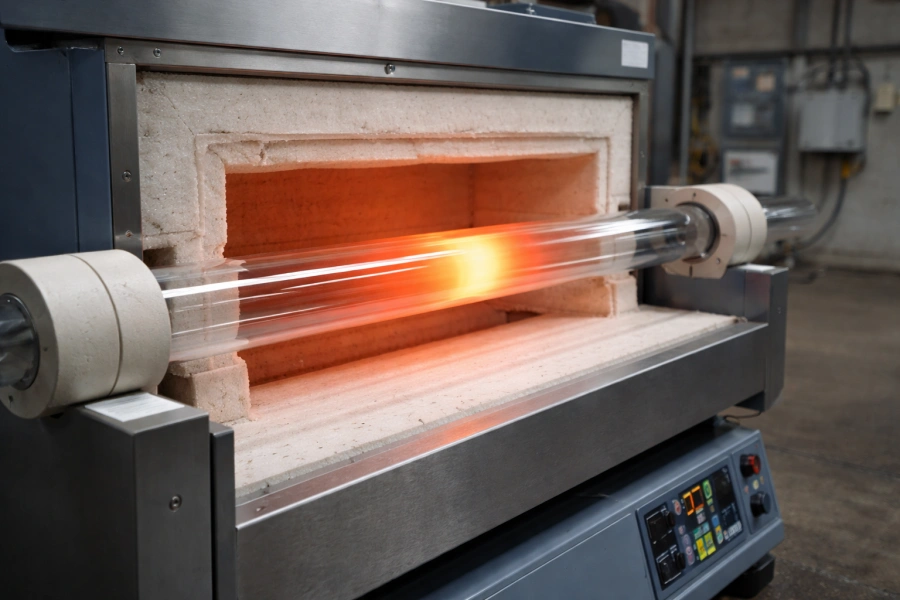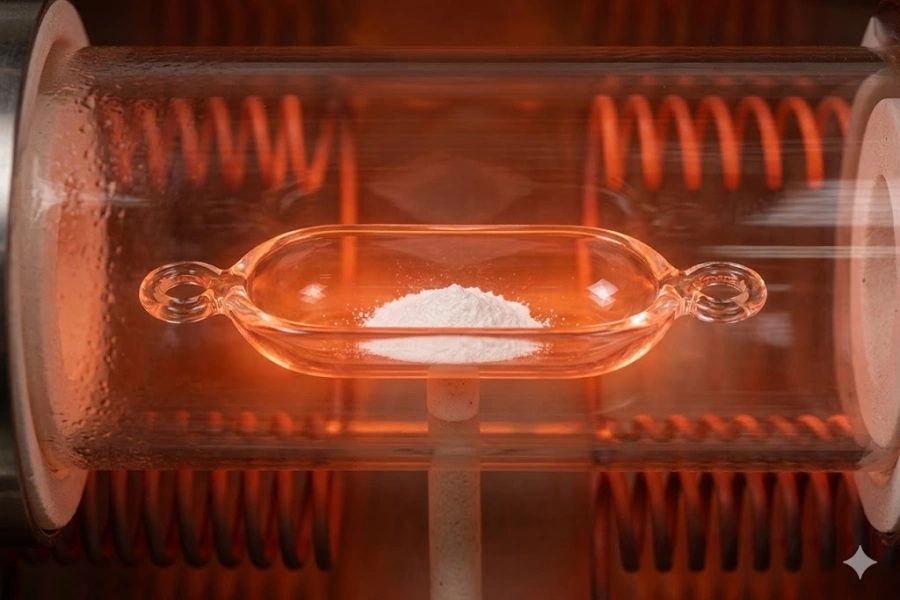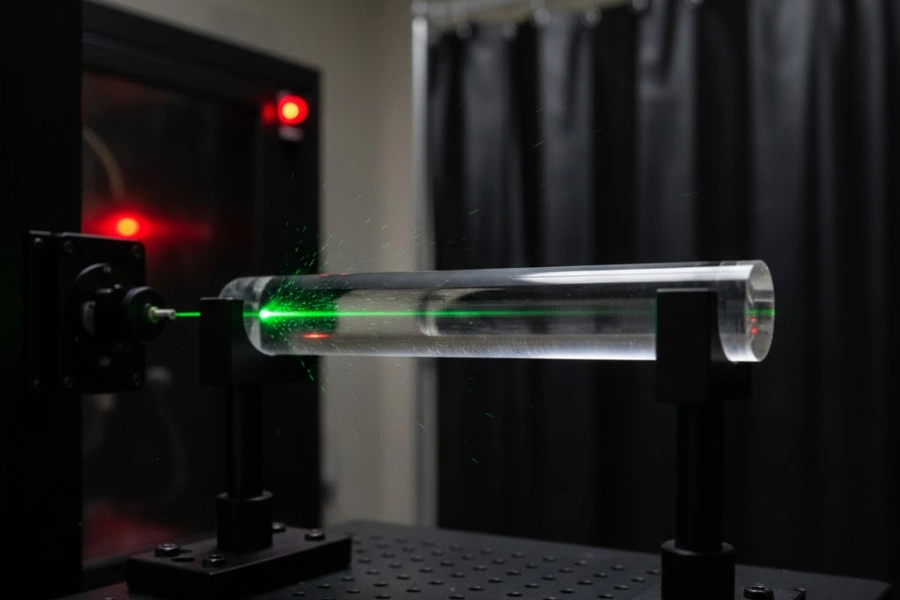
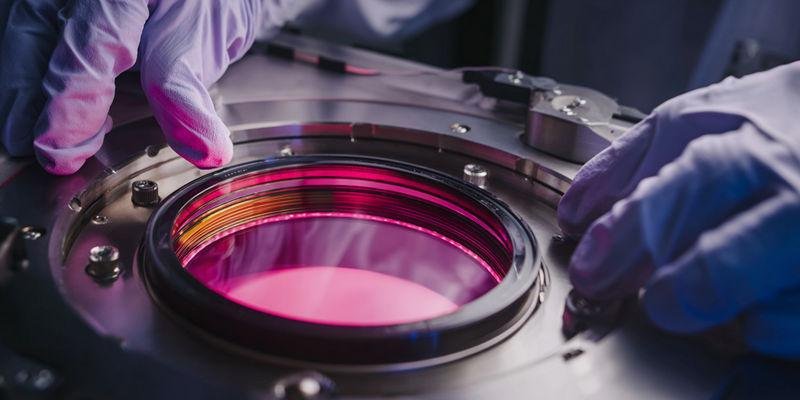
Инженеры доверяют окнам из кварцевых пластин в высокотемпературных условиях, поскольку особые тепловые свойства напрямую определяют надежность конструкции. Высокая устойчивость к тепловым ударам, низкое тепловое расширение и высокая температура размягчения позволяют этим стеклам выдерживать резкие перепады температур и экстремальные условия эксплуатации без сбоев. В таблице ниже приведены ключевые характеристики, которые отличают свойства кварцевого стекла в сложных условиях его применения:
Недвижимость | Описание |
|---|---|
Устойчивость к тепловому удару | Высокотемпературный кварц выдерживает резкие перепады температур, не трескаясь и не ломаясь. |
Низкий коэффициент теплового расширения | Обладает сверхнизким коэффициентом теплового расширения (5,5×10-⁷/°C), что повышает стабильность структуры. |
Высокая температура размягчения | Сохраняет целостность при температурах до 1200°C, что очень важно для высокотемпературных применений. |
Оптическая стабильность | Сохраняет стабильность в экстремальных условиях, обеспечивая безопасность и пропускную способность в динамичных средах. |
Эти тепловые свойства кварцевых окон обеспечивают надежность конструкции, гарантируя надежную и долговременную работу в самых сложных условиях.
Основные выводы
Окна из кварцевых пластин отлично подходят для использования в высокотемпературных средах благодаря высокой устойчивости к термоударам, предотвращающей появление трещин при резких перепадах температуры.
Низкое тепловое расширение и высокая температура размягчения позволяют кварцевому стеклу сохранять целостность структуры при температурах до 1200°C, обеспечивая длительный срок службы.
Инженеры должны тщательно контролировать скорость охлаждения; поддержание температуры ниже 100°C в минуту может продлить срок службы кварцевых окон до более чем 5 000 термических циклов.
Сохранение высокого качества кромок благодаря передовым методам обработки снижает концентрацию напряжений, что значительно уменьшает риск разрушения от теплового удара.
Выбор высокочистого кварца с низким содержанием щелочных металлов имеет решающее значение для сохранения оптической чистоты и предотвращения девитрификации в высокотемпературных приложениях.
Какие характеристики устойчивости кварцевой плиты к термоударам предотвращают катастрофическое разрушение окна?
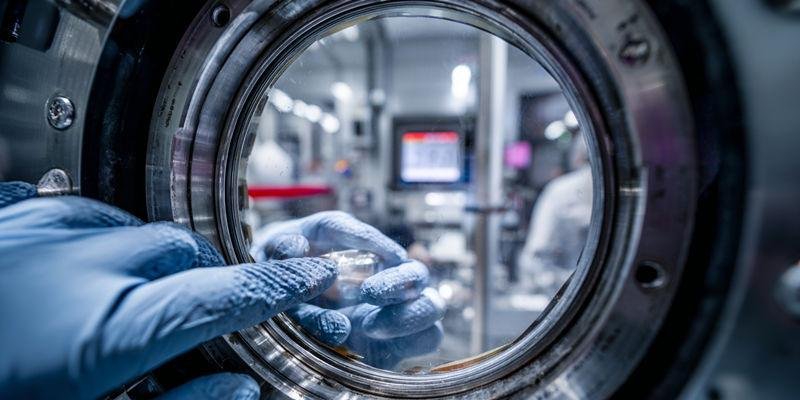
Устойчивость к тепловому удару является важнейшим фактором надежности конструкции окон из кварцевого стекла, используемых в высокотемпературных средах. Инженеры полагаются на это свойство, чтобы предотвратить внезапные разрушения при резких перепадах температуры. В следующих разделах объясняется, как термические свойства окна из кварцевых пластин надежности конструкции, уделяя особое внимание прогнозирующим расчетам, стратегиям охлаждения и важности качества кромок.
Расчет параметра термоудара RST: Прогнозирование сопротивления разрушению
Расчет параметра RST (параметра теплового удара) помогает инженерам предсказать, как кварцевая пластина полупроводникового класса отреагирует на резкие перепады температуры. Этот параметр объединяет прочность материала на разрыв, тепловое расширение и теплопроводность, чтобы оценить максимальный перепад температур, который может выдержать стекло без разрушения. ASTM C1525-18 представляет собой стандартный метод для этого испытания, гарантируя, что каждая кварцевая пластина полупроводникового класса соответствует строгим требованиям к высокотемпературной стойкости.
Кварцевая пластина полупроводникового класса обычно выдерживает тепловой удар свыше 1000°C, что значительно превосходит характеристики боросиликатного стекла и сапфира. Свойства кварцевого стекла, такие как сверхнизкое тепловое расширение и умеренная проводимость, способствуют такой исключительной стойкости. Инженеры используют эти расчеты, чтобы выбрать правильную толщину и крепление для каждого случая применения, гарантируя, что окно не разрушится при быстром нагреве или охлаждении.
В следующей таблице приведено сравнение скорости разрушения и устойчивости распространенных оконных материалов к тепловому удару:
Материал | Предельная прочность на разрыв (МПа) | Устойчивость к тепловому удару | Вероятность поломки под воздействием стресса |
|---|---|---|---|
Кварц | 50 | Превосходно | Вероятность поломки в 5 раз выше |
Боросиликатное стекло | 280 | Умеренный | Меньше вероятность поломки |
Сапфир | Н/Д | Высокий | Н/Д |
Из этой таблицы видно, что, хотя боросиликатное стекло имеет более высокую прочность на разрыв, кварцевая пластина полупроводникового класса обладает более высокой устойчивостью к тепловому удару, что делает ее предпочтительным выбором для применения кварцевого стекла в экстремальных условиях.
Управление скоростью охлаждения для продления срока службы термоцикла
Инженеры управляют скоростью охлаждения, чтобы продлить срок службы окон из кварцевых пластин полупроводникового класса. Быстрое охлаждение может создавать высокие тепловые градиенты, приводящие к напряжению, которое может вызвать трещины или катастрофический отказ. Контролируя скорость охлаждения, они снижают риск повреждения и обеспечивают структурную надежность тепловых свойств кварцевых пластинчатых окон в течение тысяч циклов.
Кварцевая пластина полупроводникового класса может выдержать более 5 000 термоциклов, если скорость охлаждения не превышает 100°C в минуту, даже при температуре поверхности выше 800°C. Если скорость охлаждения превышает 200°C в минуту, частота отказов резко возрастает: до 25% окон выходят из строя в течение первых 500 циклов. Эти данные подчеркивают важность точного контроля температуры в высокотемпературных процессах с использованием кварцевого стекла.
Основные стратегии управления скоростью охлаждения включают в себя:
Постепенное снижение температуры: Предотвращает резкие тепловые градиенты.
Автоматизированный контроль процессов: Поддерживает постоянный профиль охлаждения.
Регулярный мониторинг: Заблаговременно обнаруживает аномальное снижение температуры.
Эти методы помогают сохранить целостность каждой кварцевой пластины полупроводникового класса, обеспечивая долговременную надежность в сложных условиях.
Влияние качества кромки на зарождение термоударного разрушения
Качество краев играет важную роль в долговечности окон из кварцевых пластин полупроводникового класса при тепловом ударе. Небольшие дефекты, такие как сколы или царапины на кромке окна, могут увеличить концентрацию напряжений в пять раз, что повышает вероятность растрескивания окна при резких перепадах температуры. Производители используют передовые технологии шлифовки и полировки, чтобы минимизировать эти дефекты и повысить высокотемпературную стойкость кварцевого стекла.
Кварцевая пластина полупроводникового класса с тонко обработанными краями противостоит возникновению трещин гораздо лучше, чем пластина с грубыми или поврежденными краями. Эксплуатационные данные показывают, что большинство разрушений при тепловом ударе начинается с монтажной кромки, особенно там, где ограничивающие напряжения сочетаются с тепловыми градиентами. Инженеры устанавливают строгие стандарты качества кромок для каждой кварцевой пластины полупроводникового класса, чтобы предотвратить раннее разрушение.
Чтобы подытожить влияние качества краев, рассмотрим следующие ключевые моменты:
Тонкая обработка кромок снижает концентрацию напряжений.
Строгие протоколы проверки позволяют выявить недостатки до установки.
Правильный монтаж предотвращает дополнительные нагрузки на края.
Уделяя особое внимание качеству кромок, инженеры гарантируют, что кварцевая пластина полупроводникового класса сохранит свою структурную целостность даже в самых сложных высокотемпературных приложениях.
Какие характеристики кварцевой плиты, устойчивой к высокотемпературной девитрификации, обеспечивают долговременную прозрачность окон?
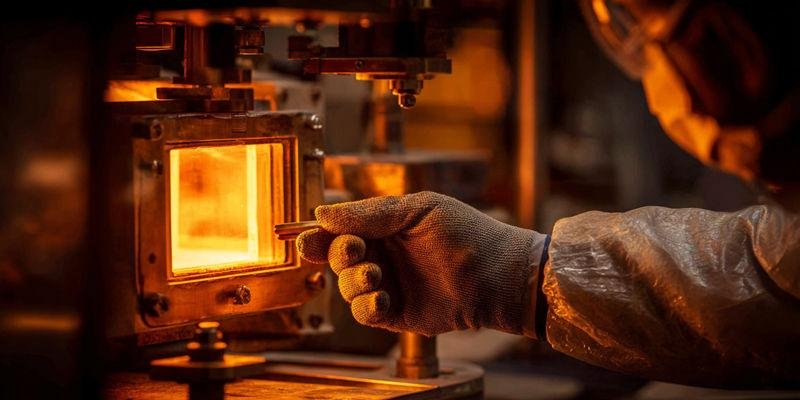
Окна из кварцевого стекла должны сохранять прозрачность при длительном воздействии высоких температур. Инженеры полагаются на устойчивость полупроводниковых кварцевых пластин к девитрификации, чтобы предотвратить помутнение и потерю оптической прозрачности. Тепловые свойства кварцевых окон зависят от контроля уровня кристаллизации и примесей.
Механизмы девитрификации: Катализ кристаллизации щелочными металлами
Девитрификация происходит, когда кварцевое стекло переходит из аморфного в кристаллическое состояние при высоких температурах. Щелочные металлы, такие как натрий и калий, выступают в качестве катализаторов этого процесса в кварцевых пластинах полупроводникового класса. Эти примеси скапливаются на поверхности и границах зерен, ускоряя образование кристобалитовых кристаллов.
Эксплуатационные данные показывают, что кварцевые пластины полупроводникового класса с содержанием щелочных металлов менее 2 ppm противостоят девитрификации при температуре до 1200°C. Окна с более высоким содержанием примесей теряют пропускание до 20% после 2000 часов работы при температуре 1150°C. Инженеры выбирают кварцевое стекло высокой чистоты, чтобы минимизировать кристаллизацию и сохранить прозрачность.
Ключевые моменты:
Щелочные металлы катализируют девитрификацию в кварцевом стекле.
Кварцевая пластина полупроводникового класса с низким содержанием примесей сохраняет прозрачность при высоких температурах.
Выбор высокочистого материала предотвращает потери при передаче данных.
Температурно-временные профили для прогнозирования срока службы
Инженеры используют температурно-временные профили для прогнозирования срока службы окон из кварцевых пластин полупроводникового класса. Эти профили позволяют определить, как долго окно может работать при заданной температуре, прежде чем девитрификация повлияет на прозрачность. Данные TOQUARTZ показывают, что поддержание температуры поверхности ниже 1100°C продлевает срок службы до более чем 10 000 часов.
В следующей таблице приведена зависимость между температурой, временем экспозиции и потерей пропускания для кварцевых пластин полупроводникового класса:
Температура поверхности (°C) | Время воздействия (часы) | Потери при передаче (%) |
|---|---|---|
1080 | 10,000 | <10 |
1150 | 2,000 | 10-20 |
1200 | 1,000 | >20 |
Инженеры полагаются на эти профили, чтобы установить пределы безопасной эксплуатации и составить график замены окон.
Требования к чистоте материалов для длительной эксплуатации при высоких температурах
Чистота материала определяет, насколько хорошо кварцевая пластина полупроводникового класса противостоит девитрификации при длительном высокотемпературном использовании. Окна, изготовленные из кварцевого стекла с содержанием SiO₂ выше 99,98% и щелочных металлов менее 1 ppm, демонстрируют наилучшие характеристики. Для достижения таких уровней чистоты производители используют электроплавку и строгий контроль загрязнения.
Высокочистая полупроводниковая кварцевая пластина сохраняет базовую прозрачность более 90% после 5 000 часов работы при температуре 1100°C. Кварцевое стекло более низкой чистоты начинает терять прозрачность гораздо раньше. Инженеры устанавливают требования к чистоте и совместимые монтажные конструкции, такие как инварные фланцы, для обеспечения долгосрочной надежности.
Краткое описание влияния чистоты материала:
Тип кварцевого стекла | SiO₂ Чистота (%) | Щелочной металл (ppm) | Срок службы при 1100°C (часы) |
|---|---|---|---|
Кварцевая пластина полупроводникового класса с ультрафиолетовым излучением | 99.995 | <1 | >5,000 |
Кварцевая пластина оптического класса для полупроводников | 99.98 | <2 | 2,000-3,000 |
Правильный выбор кварцевой пластины полупроводникового класса и системы крепления обеспечивает прозрачность и структурную целостность окон в сложных условиях.
Какие характеристики усталостной прочности кварцевой плиты при термоциклировании обеспечивают целостность окна давления?
Целостность окна давления зависит от того, насколько хорошо материал окна противостоит повреждениям при многократных циклах нагрева и охлаждения. Инженеры выбирают кварцевую пластину полупроводникового класса за ее способность выдерживать тысячи термических циклов без растрескивания или потери прочности. Структурная надежность окон из кварцевой пластины с тепловыми свойствами играет важную роль в обеспечении безопасности и работоспособности в средах высокого давления.
Модели кумулятивного усталостного разрушения для применения в термоциклировании
Модели кумулятивного усталостного повреждения помогают инженерам предсказать, как долго прослужит кварцевая пластина полупроводникового класса при многократных изменениях температуры. Эти модели используют данные лабораторных испытаний для оценки количества циклов до образования трещин в кварцевом стекле. Инженеры полагаются на эти прогнозы при составлении графиков технического обслуживания и интервалов замены.
Усталостное повреждение увеличивается, когда амплитуда напряжения во время каждого цикла превышает безопасные пределы. Например, в кварцевой пластине полупроводникового класса, подвергающейся циклическому напряжению свыше 15 МПа, после 3 000 циклов могут появиться микротрещины, в то время как более низкие уровни напряжения позволяют выдержать более 10 000 циклов без повреждений. Данные, полученные компанией TOQUARTZ, свидетельствуют о том, что соответствующий монтаж и контролируемая скорость охлаждения продлевают срок службы окон из кварцевого стекла в системах, работающих под давлением.
Ключевые моменты моделирования усталостных повреждений включают:
Количество циклов и амплитуда напряжения определяют срок службы.
Соответствующее крепление уменьшает кумулятивные повреждения.
Контролируемая скорость охлаждения предотвращает раннее образование трещин.
Комбинированный анализ напряжений: Давление + тепло при проектировании окон
Комбинированный анализ напряжений изучает, как давление и температура влияют на характеристики окон из кварцевых пластин полупроводникового класса. Инженеры рассчитывают общее напряжение путем сложения сил, вызванных давлением и температурой. Этот анализ гарантирует, что окна из кварцевого стекла остаются безопасными в реальных условиях эксплуатации.
Когда общее напряжение не превышает 35 МПа, окна из кварцевых пластин полупроводникового класса сохраняют целостность в течение тысяч циклов. Инженеры используют эти расчеты для выбора правильной толщины и монтажной конструкции для каждого приложения.
Методы неразрушающего контроля (NDT) для обнаружения трещин в процессе эксплуатации
Неразрушающий контроль (NDT) методы позволяют инженерам обнаруживать трещины в окнах из кварцевых пластин полупроводникового класса, не выводя их из эксплуатации. К распространенным методам относятся контроль с помощью красящего пенетранта и ультразвуковой контроль. Эти методы помогают выявить ранние признаки усталостного повреждения кварцевого стекла до того, как произойдет катастрофический отказ.
Регулярные проверки неразрушающим методом позволяют получить ценные данные о состоянии окон. Инженеры используют эту информацию для планирования своевременной замены и предотвращения утечек или потери давления. Полевые исследования показывают, что у окон, проверяемых каждые 500 циклов, 90% ниже риск неожиданного отказа.
Краткое описание преимуществ неразрушающего контроля:
Раннее обнаружение трещин повышает безопасность.
Регулярные проверки продлевают срок службы.
Своевременная замена предотвращает потерю давления.
Какой показатель устойчивости к тепловому градиенту предотвращает разрушение окна под воздействием напряжения?
Тепловые градиенты в кварцевой пластине полупроводникового класса могут создавать опасные уровни напряжения. Инженеры должны понимать, как эти градиенты влияют на надежность окон в высокотемпературных средах. Правильная конструкция и стратегии охлаждения помогают предотвратить разрушение кварцевого стекла под воздействием напряжения.
Расчеты теплового градиента в стационарном состоянии в многослойных оконных сборках
Во время работы кварцевая пластина полупроводникового класса часто имеет разную температуру с каждой стороны. Эта разница температур создает тепловой градиент, который инженеры рассчитывают, используя теплопроводность материала и его толщину. Например, кварцевая пластина полупроводникового класса толщиной 25 мм с внутренней стороной 1200°C и внешней стороной 200°C может создать градиент 200°C, что приведет к поверхностным напряжениям до 35 МПа.
Инженеры используют эти расчеты, чтобы выбрать правильную толщину и метод охлаждения для каждого приложения. Они полагаются на умеренную теплопроводность кварцевого стекла, чтобы управлять тепловым потоком и ограничивать напряжение. Данные, полученные в результате установки более 180 печей, показывают, что оптимизация толщины и градиента позволяет продлить срок службы более 10 000 часов.
В таблице ниже приведены данные о влиянии тепловых градиентов на производительность кварцевых пластин полупроводникового класса:
Градиент (°C) | Толщина (мм) | Максимальное напряжение (МПа) | Прогнозируемый срок службы (часы) |
|---|---|---|---|
100 | 15 | 10 | >15,000 |
200 | 25 | 35 | >10,000 |
300 | 35 | 50 | <5,000 |
Дизайн активного охлаждения: Принудительная конвекция против жидкостного охлаждения
Системы активного охлаждения помогают контролировать градиент температуры на кварцевой пластине полупроводникового класса. Принудительная конвекция использует воздух для отвода тепла, а жидкостное охлаждение - воду или другие жидкости для повышения эффективности. Инженеры выбирают оптимальный метод в зависимости от теплового потока и требуемой температуры поверхности окна из кварцевого стекла.
Жидкостное охлаждение обеспечивает гораздо более высокий уровень теплопередачи, чем принудительное воздушное. Например, медные пластины с водяным охлаждением могут поддерживать температуру внешней поверхности кварцевой пластины полупроводникового класса ниже 150°C, даже когда температура внутри печи достигает 1300°C. Такой подход ограничивает тепловое напряжение до менее чем 15 МПа, снижая риск образования трещин, вызванных напряжением.
Ключевыми моментами при выборе метода охлаждения являются:
Жидкостное охлаждение обеспечивает превосходный отвод тепла в экстремальных условиях.
Принудительная конвекция хорошо работает при умеренных тепловых нагрузках.
Правильная конструкция охлаждения продлевает срок службы окон из кварцевого стекла.
Механизмы стресс-коррозионного растрескивания в высокотемпературных окнах
Коррозионное растрескивание под напряжением может угрожать целостности кварцевых пластин полупроводникового класса во влажной и высокотемпературной среде. Этот вид разрушения возникает, когда длительное растягивающее напряжение и факторы окружающей среды в совокупности ослабляют структуру кварцевого стекла. Инженеры следят за уровнем напряжения и условиями окружающей среды, чтобы предотвратить этот тип повреждения.
Устойчивое напряжение свыше 25 МПа в присутствии влаги может привести к образованию микротрещин в кварцевой пластине полупроводникового класса. Эксплуатационные данные показывают, что системы с водяным охлаждением, которые поддерживают низкую температуру поверхности, помогают предотвратить коррозионное растрескивание под напряжением. Регулярный осмотр и анализ напряжений обеспечивают постоянную надежность.
Ниже приводится краткое описание основных стратегий профилактики:
Следите за уровнем стресса и влажностью окружающей среды.
Используйте активное охлаждение для поддержания низкой температуры поверхности.
Регулярно проводите осмотр на предмет ранних признаков растрескивания.
Какие характеристики совместимости кварцевой плиты с тепловым расширением позволяют сохранить целостность уплотнения в монтируемых окнах?
Инженеры должны учитывать совместимость температурных расширений, чтобы сохранить целостность уплотнений в высокотемпературных оконных сборках. Когда кварцевая пластина полупроводникового класса монтируется в металлический фланец, разница в скоростях расширения может создать напряжение и привести к утечкам или трещинам. Тщательная разработка и выбор материала обеспечивают надежную работу окна и его монтажной системы при многократных циклах нагрева и охлаждения.
Расчеты дифференциального расширения: Проектирование интерфейса окно/фланец
Разница в тепловом расширении между кварцевой пластиной полупроводникового класса и ее металлическим монтажным фланцем может вызвать значительное радиальное смещение. Например, нержавеющая сталь расширяется гораздо сильнее, чем кварцевое стекло, что приводит к несоответствию до 400 микрометров в окне диаметром 200 мм при нагреве от 20°C до 600°C. Такое смещение может вызвать сжимающие напряжения на краю окна, иногда достигающие 60 МПа, что может привести к отколу края или радиальному растрескиванию.
Инженеры используют точные расчеты, чтобы предсказать эти движения и спроектировать интерфейс соответствующим образом. Они часто выбирают геометрию монтажа и зазоры, которые позволяют кварцевой пластине полупроводникового класса свободно расширяться, снижая риск возникновения напряжения. Данные более 500 протестированных сборок показывают, что соблюдение радиального зазора 0,5-1,0 мм позволяет снизить тепловое напряжение до 75%.
Ключевые моменты:
Дифференциальное расширение может вызвать высокое напряжение на краях.
Правильная конструкция зазора снижает риск образования трещин.
Расчеты обеспечивают долговременную целостность уплотнения.
Соответствующие механизмы уплотнения: Удержание пружины и выбор эластомера
Соответствующие механизмы уплотнения помогают сохранить герметичность даже при различной скорости расширения полупроводниковой кварцевой пластины и фланца. Пружинные удерживающие системы, такие как шайбы Бельвиля, обеспечивают постоянную предварительную нагрузку, которая позволяет регулировать перемещение без защемления краев окна. Эластомерные уплотнения, например, из высокотемпературного силикона или PTFE, изгибаются, поглощая расширение и сжатие, предотвращая утечки.
Согласование теплового расширения: инвар и сплавы с низким СТЭ для монтажа окон
Выбор монтажных материалов с коэффициентом теплового расширения, близким к коэффициенту теплового расширения кварцевого стекла, может значительно повысить надежность уплотнения. Инвар, сплав никеля и железа, имеет коэффициент теплового расширения, почти совпадающий с коэффициентом теплового расширения кварцевой пластины полупроводникового класса. Такое сходство сводит к минимуму дифференциальные перемещения, позволяя осуществлять жесткий монтаж без риска возникновения высоких краевых напряжений.
Инженеры часто выбирают инвар или другие сплавы с низким КТЭ для критически важных применений, где недопустимы даже небольшие утечки или трещины. Данные испытаний окон под давлением показывают, что фланцы из инвара в паре с окнами из кварцевых пластин полупроводникового класса сохраняют скорость утечки гелия ниже 1×10-⁷ стд-куб/с на протяжении более 500 термических циклов. Эти показатели демонстрируют ценность тщательного подбора материалов в высокотемпературных узлах.
Чтобы обобщить преимущества согласования теплового расширения, рассмотрим следующие моменты:
Фланцы из инвара снижают нагрузку и упрощают монтаж.
Сплавы с низким КТЭ предотвращают разрушение уплотнений при термоциклировании.
Подбор материала продлевает срок службы окон из кварцевого стекла.
Какие стандарты качества подтверждают тепловые характеристики высокотемпературных оконных сборок?
Инженеры полагаются на строгие стандарты качества, подтверждающие, что окна из высокотемпературных кварцевых пластин будут надежно работать в сложных условиях. Эти стандарты лежат в основе тестирования, проверки и сертификации каждой оконной сборки. Следуя признанным протоколам, производители гарантируют, что каждый продукт соответствует необходимым стандартам безопасности и производительности.
Многостандартные протоколы тепловых испытаний для квалификации окон
Производители используют комбинацию международных и отраслевых стандартов, чтобы квалифицировать окна из кварцевых пластин для работы при высоких температурах. ASTM C1525 проверяет устойчивость к тепловому удару, ISO 7991 измеряет тепловое расширение, а ISO 720 оценивает гидролитическую стабильность. Каждый тест нацелен на определенное свойство, влияющее на надежность окна.
Инженеры выбирают соответствующие стандарты в зависимости от области применения и ожидаемых условий эксплуатации. Например, окно, используемое в химическом реакторе, должно пройти испытания на давление и термоциклирование, а смотровое окно для печи - на девитрификацию и тепловой удар. Эти протоколы помогают выявить слабые места до того, как окно поступит в эксплуатацию.
Ключевыми моментами при проведении многостандартного тестирования являются:
В каждом стандарте рассматривается уникальный вид отказа.
Комбинированное тестирование позволяет получить полный профиль производительности.
Квалификация снижает риск непредвиденных сбоев в работе.
Испытания на ускоренный срок службы: Корреляция между лабораторными испытаниями и эксплуатацией в полевых условиях
Ускоренное испытание на срок службы имитирует годы реальной эксплуатации в лабораторных условиях. Инженеры подвергают окна из кварцевых пластин быстрым термическим циклам, высоким температурам и комбинированным нагрузкам, чтобы предсказать долгосрочные характеристики. Этот подход помогает производителям оценить срок службы и интервалы технического обслуживания.
Результаты лабораторных исследований часто совпадают с данными, полученными в полевых условиях, когда условия испытаний в точности соответствуют реальным условиям эксплуатации. Например, компания TOQUARTZ обнаружила, что стекла, прошедшие 5 000 циклов при 100°C/мин в лаборатории, прослужили более 10 000 часов в стекловаренных печах. Такая корреляция укрепляет уверенность в надежности ускоренных испытаний.
Проверка результатов анализа методом конечных элементов (FEA) с помощью экспериментальных измерений напряжений
Анализ методом конечных элементов (FEA) позволяет инженерам моделировать тепловые и механические напряжения в окнах из кварцевых пластин до начала производства. Это цифровое моделирование позволяет предсказать, где могут возникнуть трещины или разрушения при различных сценариях нагружения. Затем инженеры подтверждают эти прогнозы экспериментальными измерениями напряжений, такими как тензометрические датчики или фотоупругий анализ.
Сравнивая результаты FEA с реальными данными, производители совершенствуют свои конструкции и повышают надежность. Например, FEA может показать высокое напряжение на краю окна, что побуждает изменить геометрию крепления. Этот процесс гарантирует, что каждое окно соответствует установленным стандартам безопасности.
Краткое описание процесса валидации FEA:
FEA прогнозирует распределение напряжений и точки разрушения.
Экспериментальные измерения подтверждают точность моделирования.
Улучшения в дизайне следуют из анализа данных.
Как инженеры должны определять требования к тепловым характеристикам высокотемпературных кварцевых окон?
Инженеры должны определить четкие и измеримые требования при закупке кварцевых окон для высокотемпературных применений. Эти спецификации помогают производителям поставлять продукцию, отвечающую требованиям безопасности, надежности и производительности. Хорошо структурированный подход гарантирует, что каждое окно выдержит сложные условия, характерные для промышленной среды.
Создание комплексных термоструктурных спецификаций для закупок окон
Комплексная спецификация направляет процесс закупок и гарантирует, что каждое кварцевое окно будет соответствовать эксплуатационным требованиям. Инженеры должны включить такие критические параметры, как максимальная непрерывная температура, пределы кратковременного использования, оптическое пропускание, химическая стабильность и коэффициент теплового расширения. Эти детали позволяют производителям разрабатывать и тестировать окна, которые надежно работают в реальных условиях.
Инженеры также должны ссылаться на отраслевые стандарты, такие как SEMI, ASTM и ISO, чтобы обеспечить соответствие и последовательность. Система технических требований к прозрачным кварцевым тиглям включает такие параметры, как толщина стенок, рабочая температура, концентрация гидроксила, классификация пузырьков и устойчивость к тепловым ударам. Эта система помогает инженерам принимать обоснованные решения и обеспечивает долгосрочную надежность в эксплуатации.
Подводя итог, можно сказать, что надежная спецификация закупок должна учитывать следующие ключевые моменты:
Определите максимальные и кратковременные пределы температуры.
Укажите минимальный уровень светопропускания и химической устойчивости.
Укажите толщину стенок, чистоту и устойчивость к тепловому удару.
Для проверки используйте соответствующие отраслевые стандарты.
Следуя этим рекомендациям, инженеры могут с уверенностью выбирать кварцевые окна, обеспечивающие надежность конструкции и оптимальные эксплуатационные характеристики в условиях высоких температур.
Окна из кварцевых пластин обеспечивают надежность конструкции в высокотемпературных средах, поскольку их низкое тепловое расширение и устойчивость к термоударам предотвращают растрескивание даже при температурах до 1100°C. Эти свойства в сочетании с высокой температурой размягчения обеспечивают длительный срок службы в сложных условиях эксплуатации. Лучшие отраслевые практики еще больше повышают надежность:
Категория | Лучшие практики |
|---|---|
Контрольные показатели производительности | Пропускание >90% УФ, >92% видимое; Термическая стойкость 1 050°C; Номинальное давление 10 бар |
Обеспечение качества | Сертификация материалов, плоскостность поверхности, оценка пузырьков/включений, аудит производителя |
Возможности интеграции | Совместимость с уплотнениями, фланцами, кромками, изготовленными на заказ |
Факторы экономической эффективности | Оптовые цены, общая стоимость владения, обработка нестандартных форм |
Понимание и применение этих принципов обеспечивает безопасную, надежную и экономически эффективную конструкцию окон.
ЧАСТО ЗАДАВАЕМЫЕ ВОПРОСЫ
Почему окна из кварцевых плит лучше других материалов противостоят тепловому удару?
Окна из кварцевых пластин имеют сверхнизкое тепловое расширение и умеренную теплопроводность. Эти свойства позволяют им выдерживать резкие перепады температур, превосходя боросиликатное стекло и сапфир в 3-20 раз по результатам испытаний ASTM C1525.
Почему кварц высокой чистоты важен для долгосрочной прозрачности?
Высокочистый кварц содержит менее 2 ppm щелочных металлов. Такая чистота предотвращает девитрификацию, сохраняя светопропускание более 90% после 5 000 часов работы при 1100°C. Более низкая чистота увеличивает риск помутнения и потери светопропускания.
Почему инженеры используют совместимые уплотнители с кварцевыми окнами?
Соответствующие уплотнения, например, пружинные или эластомерные, поглощают дифференциальное расширение между кварцевыми и металлическими фланцами. Эти уплотнения предотвращают краевое напряжение, снижая риск растрескивания и утечки при термоциклировании.
Почему для кварцевых окон необходим регулярный неразрушающий контроль?
Неразрушающий контроль, включающий ультразвуковой метод и метод красящего пенетранта, позволяет обнаружить ранние трещины. Регулярные проверки помогают инженерам заменять окна до выхода их из строя, повышая безопасность и продлевая срок службы до 90%.
Почему такие монтажные материалы, как Invar, повышают надежность окон?
Инвар точно соответствует тепловому расширению кварца. Использование фланцев из инвара минимизирует напряжение на краю окна, сохраняя целостность уплотнения и снижая скорость утечки гелия ниже 1×10-⁷ стд-куб/с через сотни термических циклов.