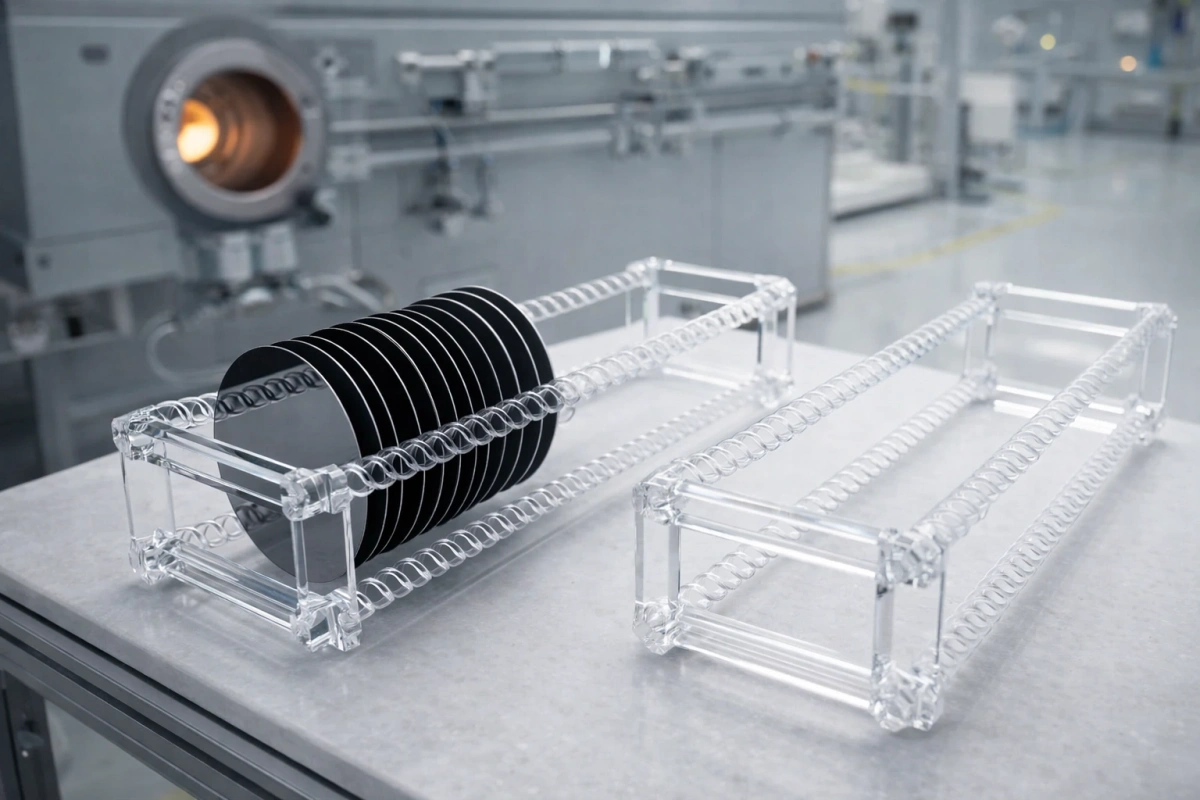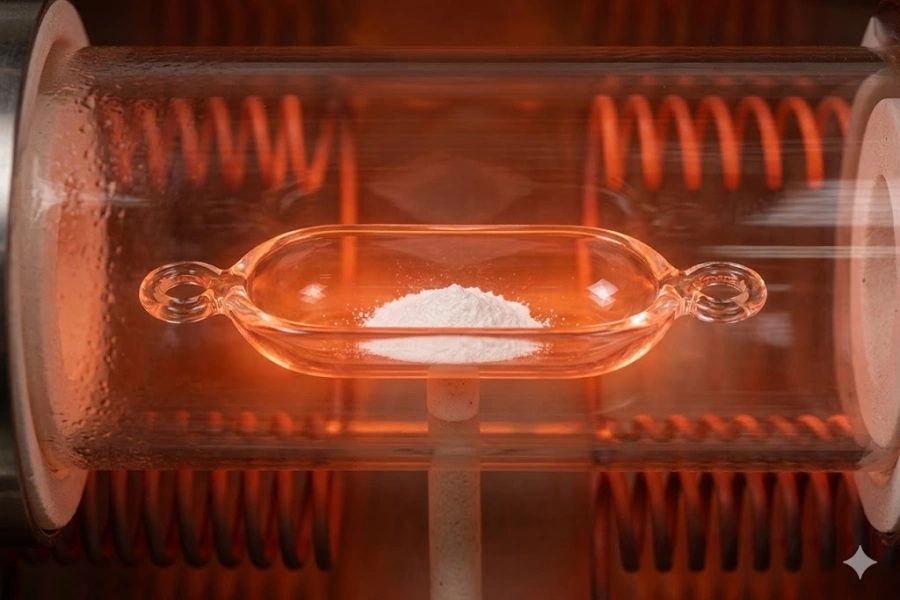

Для достижения высокой точности допусков при производстве кварцевых пластин требуется ряд строго контролируемых этапов, в частности, контроль толщины шлифовки кварцевых пластин. Каждый процесс - резка, шлифовка, притирка и полировка - непосредственно формирует допуски, шероховатость поверхности и плоскостность пластины. Операторы используют измерительные приборы и технологии для отслеживания толщины, поверхности и точности. В таблице ниже показано, какой вклад вносит каждый этап к жестким допускам, операциям по обработке поверхности и высококачественным заготовкам. Последовательные измерения, контроль качества и измерение размеров обеспечивают повторяемость, параллельность и плоскостность для высокоточных применений.
Тип процесса | Вклад в допуск по толщине | Улучшение качества поверхности |
|---|---|---|
Резка | Первоначальное формирование кварцевых пластин | Н/Д |
Шлифование | Уменьшает толщину и подготавливает к притирке | Н/Д |
Притирка | Шероховатость поверхности нанометрового уровня | Уменьшает повреждения подповерхностного слоя |
Полировка | Значительно улучшает качество поверхности | Достижение высокого оптического качества |
Основные выводы
Производство кварцевых пластин требует точного контроля на каждом этапе, от резки до полировки, для достижения жестких допусков по толщине.
Операторы должны контролировать и регулировать такие параметры резки, как скорость и натяжение, чтобы обеспечить высокое качество поверхности и минимизировать дефекты.
Регулярная правка круга во время шлифования необходима для поддержания точности и уменьшения разброса толщины, поддерживая высокую точность.
Автоматизированные системы контроля толщины повышают воспроизводимость и качество, обеспечивая обратную связь в режиме реального времени в процессе шлифования.
Контроль температуры во время притирки и полировки предотвращает ошибки измерения и обеспечивает постоянное качество поверхности и допуски.
Как с помощью алмазной резки устанавливаются начальные допуски толщины для кварцевых пластин?
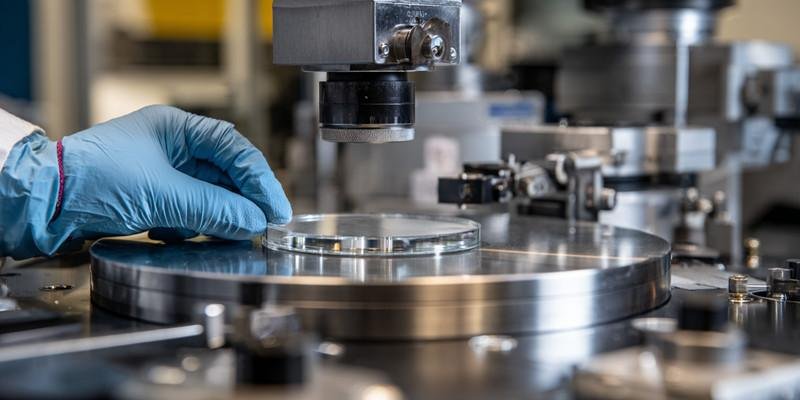
Алмазная резка играет решающую роль в определении начального диапазона толщины для кварцевые пластины. В этом процессе используется тонкая проволока с абразивными частицами для нарезки кварцевых блоков, что напрямую влияет на качество поверхности и допуски по толщине. Выбор, сделанный на этом этапе, закладывает основу для последующих этапов шлифовки и полировки, влияя как на точность, так и на повторяемость.
Изменение диаметра проволочной пилы и его распространение по глубине пропила
Диаметр проволочной пилы может меняться в процессе резки, что приводит к изменению толщины кварцевой пластины. По мере износа абразивной проволоки ее диаметр может уменьшаться на 10-20 микрон, в результате чего пропил становится более узким и затрагивает поверхность с обеих сторон пластины. Это изменение может привести к изменению толщины одной пластины до ±0,5 мм, особенно при глубокой резке кварцевого блока.
Операторы контролируют диаметр и натяжение проволоки, чтобы поддерживать точность и параллельность на протяжении всего процесса. Для проверки проволоки и обеспечения стабильности результатов они используют такие измерительные методы, как лазерные микрометры. Эти проверки помогают контролировать начальную шероховатость поверхности и задают надежную основу для контроля толщины шлифования кварцевых пластин.
Фактор | Влияние на толщину | Влияние на поверхность |
|---|---|---|
Диаметр проволоки | Разброс ±0,5 мм | Влияет на шероховатость |
Стабильность натяжения | Поддерживает параллельность | Уменьшает волнистость |
Износ проволоки | Увеличивает вариативность | Снижает качество |
Количественная оценка глубины подповерхностного поврежденного слоя и требования к его удалению
Резка алмазной проволокой создает подповерхностный слой повреждений под поверхностью кварцевой пластины. Этот слой может достигать глубины от 50 до 150 микрон, в зависимости от скорости резки и качества абразива. Удаление этого слоя необходимо для достижения высокого качества поверхности и подготовки пластины к дальнейшей шлифовке.
Инженеры используют контрольные инструменты, чтобы измерить глубину поврежденного слоя и спланировать дальнейшие действия. На первом этапе шлифования они часто удаляют 200-300 микрон материала, чтобы устранить все микротрещины и обеспечить гладкую поверхность. Такой тщательный процесс удаления материала улучшает шероховатость поверхности и поддерживает точность, необходимую для последующих этапов.
Ключевые моменты:
Глубина подповерхностного повреждения зависит от параметров резки и типа абразива.
Полное удаление необходимо для обеспечения высокого качества поверхности и повторяемости.
Правильные методы контроля и измерений направляют процесс шлифования.
Такое внимание к устранению повреждений гарантирует, что пластина соответствует строгим допускам и поддерживает будущие точные работы.
Оптимизация параметров резания (скорость, натяжение, охлаждающая жидкость) для различных сортов кварца
Для достижения наилучших результатов параметры резки, такие как скорость, натяжение и расход охлаждающей жидкости, должны быть оптимизированы для каждого сорта кварца. Высокочистый оптический кварц требует более низкой скорости резки и стабильного натяжения для минимизации дефектов поверхности, в то время как промышленные сорта могут работать на более высоких скоростях для повышения производительности. Поток охлаждающей жидкости помогает контролировать температуру и предотвращает термическое повреждение поверхности.
Операторы регулируют эти параметры в зависимости от желаемого качества поверхности и специфических требований к кварцевой пластине. Например, более низкая скорость 15-20 см² в час и стабильность натяжения ±2 Н позволяют уменьшить количество микротрещин в кварце оптического качества. Эти регулировки улучшают шероховатость поверхности и помогают поддерживать жесткие допуски с самого начала.
Ключевые моменты:
Скорость, натяжение и охлаждающая жидкость должны соответствовать классу кварца.
Правильные настройки улучшают качество поверхности и уменьшают количество дефектов.
Оптимизированные параметры обеспечивают точность и повторяемость при последующем шлифовании.
Тщательно контролируя эти факторы, производители закладывают прочный фундамент для всех последующих этапов обработки.
Почему этап грубого шлифования определяет практические пределы окончательного контроля толщины?
Этап грубой шлифовки играет важную роль в контроле толщины шлифования кварцевых пластин. Этот процесс сужает диапазон толщины, заданный резкой, и подготавливает пластину к тонкой шлифовке и притирке. Операторы полагаются на тщательные измерения и оптимизацию процесса для достижения требуемой точности, плоскостности и качества поверхности.
Стратегии компенсации износа колес и оптимизация частоты правки
Износ круга напрямую влияет на стабильность результатов шлифования. По мере того как абразивный круг шлифует кварцевую пластину, он теряет материал и меняет форму, что может привести к смещению толщины и снижению качества поверхности. Операторы должны компенсировать этот износ, регулярно подправляя круг и регулируя параметры процесса.
Частая правка восстанавливает режущую способность круга и помогает сохранить параллельность и плоскостность по всей пластине. Данные, полученные при обработке более 22 000 пластин, показывают, что сокращение интервала между правками со 100 до 40 пластин позволяет снизить стандартное отклонение толщины с 0,08 мм до 0,04 мм. Такое улучшение воспроизводимости обеспечивает более жесткие допуски и лучшую шероховатость поверхности.
Ключевые моменты:
Регулярная правка круга обеспечивает точность шлифования и качество поверхности.
Более короткие интервалы между правками уменьшают разброс толщины и улучшают воспроизводимость.
Оптимизированные стратегии компенсации обеспечивают высокоточный контроль толщины шлифования кварцевых пластин.
Эти стратегии обеспечивают стабильность процесса шлифования и соответствие каждой плиты строгим стандартам контроля качества.
Тепловые эффекты при грубом шлифовании и их снижение с помощью управления охлаждающей жидкостью
Тепловые эффекты могут повлиять на процесс шлифовки и конечную толщину кварцевых пластин. Трение между абразивным кругом и пластиной приводит к выделению тепла, что может вызвать расширение пластины и повлиять на точность измерений. Операторы используют охлаждающую жидкость для контроля температуры и защиты поверхности и шлифовального оборудования.
Постоянный поток охлаждающей жидкости объемом 15-20 литров в минуту поддерживает температуру в зоне шлифования на уровне 25-28°C, сводя к минимуму тепловое расширение. Несмотря на то что кварц имеет низкий коэффициент теплового расширения, 200-миллиметровая плита может расшириться на 0,015 мм при повышении температуры на 25°C. Поддержание стабильной температуры помогает сохранить плоскостность и качество поверхности на протяжении всего процесса.
Фактор | Воздействие | Метод контроля |
|---|---|---|
Теплота трения | Расширение пластин | Поток охлаждающей жидкости |
Повышение температуры | Неточность измерения | Контроль температуры |
Расход охлаждающей жидкости | Защита поверхности | Регулировка расхода воздуха |
Эффективное управление охлаждающей жидкостью обеспечивает стабильность результатов шлифования и высокую точность, необходимую для контроля толщины кварцевых пластин.
Анализ прогиба заготовки для крупноформатных плит при шлифовании
Крупноформатные кварцевые пластины могут прогибаться или отклоняться во время шлифования. Такой прогиб происходит при неравномерном зажиме пластины или при слишком высоком давлении шлифования, что может привести к неравномерной толщине и снижению плоскостности. Операторы анализируют прогиб и регулируют зажим и давление, чтобы минимизировать эти эффекты.
Для пластин размером более 200 мм неравномерное давление может вызвать прогиб от 0,05 до 0,1 мм, что влияет как на качество поверхности, так и на параллельность. Оптимизируя зажим и используя автоматизированные методы измерения, операторы могут обнаружить и устранить прогиб в режиме реального времени. Такой подход повышает точность и гарантирует, что каждая пластина соответствует строгим стандартам контроля.
Ключевые моменты:
Анализ прогиба предотвращает неравномерную толщину и потерю плоскостности.
Правильный зажим и контроль давления обеспечивают качество и параллельность поверхности.
Автоматизированные методы измерения повышают точность и поддерживают контроль качества.
Тщательное управление отклонением помогает поддерживать воспроизводимость и качество, необходимые для передовых применений кварцевых пластин.
Как при тонком шлифовании с прогрессивной зернистостью достигаются целевые допуски по толщине?
Тонкое шлифование с прогрессивной зернистостью приближает кварцевые пластины к их окончательной толщине и качеству поверхности. На этом этапе используется последовательность абразивных кругов для уменьшения разброса толщины и улучшения плоскостности. Операторы полагаются на измерительные и автоматические системы для достижения высокой точности и повторяемости.
Стратегия изменения зернистости и оптимизация скорости съема материала
Операторы выбирают последовательность абразивных кругов с возрастающей зернистостью, чтобы контролировать съем материала и качество поверхности. Они начинают с более грубого круга, чтобы удалить больше материала, затем переходят к более мелкому зерну, чтобы улучшить поверхность и приблизиться к заданным допускам. Каждый шаг в этой последовательности снижает риск появления новых подповерхностных повреждений и помогает сохранить параллельность.
Шлифование кругами с зернистостью 600, 800 и 1200 позволяет контролировать скорость съема, обычно 0,02-0,05 мм за проход. Более мелкие зерна снижают скорость удаления, но улучшают плоскостность и качество поверхности. Такая тщательная постепенная обработка позволяет контролировать толщину шлифования кварцевых пластин и подготавливать пластины к притирке.
Зернистость | Скорость удаления материала | Качество поверхности |
|---|---|---|
600 | 0,05 мм/проход | Ra 200 нм |
800 | 0,03 мм/проход | Ra 100 нм |
1200 | 0,02 мм/проход | Ra 50 нм |
Такая стратегия обеспечивает достижение требуемой толщины листа с высокой точностью и минимальной шероховатостью.
Эволюция целостности поверхности на этапах тонкого шлифования (шероховатость, подповерхностные повреждения)
Целостность поверхности улучшается по мере прохождения пластины через каждый этап тонкого шлифования. Операторы наблюдают постоянное уменьшение шероховатости поверхности и подповерхностных повреждений, что необходимо для достижения высокого качества и плоскостности. Методы измерения отслеживают эти изменения для корректировки процесса.
Например, полировка со сдвиговым утолщением позволяет получить шероховатость поверхности около 120 нм. В процессе также образуется слой трещин, который операторы измеряют с помощью методов косой полировки. Эти измерения помогают обеспечить соответствие пластины строгим стандартам контроля качества и поддерживают повторяемость.
Техника шлифования | Шероховатость поверхности (S*a) | Характеристики подповерхностных повреждений |
|---|---|---|
Полировка со сдвигом | ~120 нм | Образовался слой трещин, глубина измерена косой полировкой |
Операторы используют эти данные для подтверждения того, что каждая пластина готова к притирке и дальнейшему контролю.
Автоматизированный контроль толщины с интеграцией в параметры шлифования с ЧПУ
Автоматизированные системы контроля толщины играют ключевую роль в поддержании заданных допусков при тонком шлифовании. Эти системы используют датчики и контуры обратной связи для настройки параметров шлифования с ЧПУ в режиме реального времени. Такая интеграция обеспечивает постоянную толщину, плоскостность и качество поверхности каждой пластины.
Полностью автоматический станок непрерывного действия для калибровки толщины камня демонстрирует этот подход. В нем используются высокоскоростные алмазные фрезы и передовые системы управления, обеспечивающие равномерную толщину и гладкую поверхность. Непрерывная работа и измерения в режиме реального времени обеспечивают высокую эффективность и точность производства.
Ключевые моменты:
Автоматизированный контроль поддерживает целевые допуски и параллельность.
Обратная связь в реальном времени повышает повторяемость и качество.
Передовые станки повышают эффективность и качество поверхности.
Эта технология позволяет операторам добиваться точных результатов и соответствовать высоким требованиям к контролю толщины шлифования кварцевых плит.
Какие передовые технологии позволяют осуществлять сверхточный контроль толщины, превосходящий стандартное шлифование?
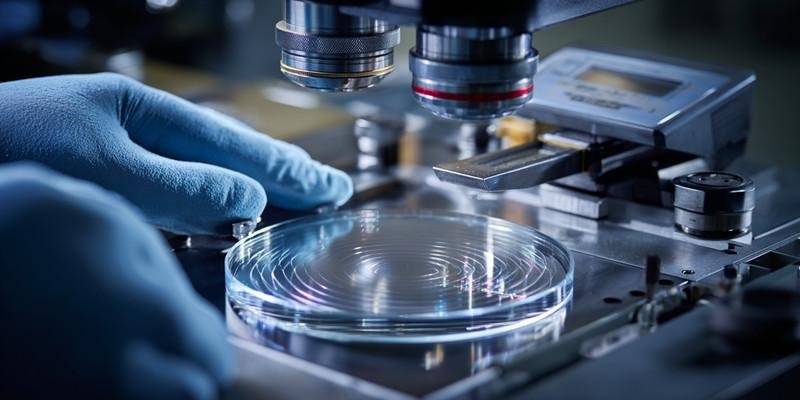
Производители используют передовые методы для достижения сверхточности при контроле толщины шлифования кварцевых пластин. Эти методы выходят за рамки стандартного шлифования и направлены на притирку, полировку и измерение, чтобы достичь суб-5-микронных допусков. Операторы полагаются на специализированное оборудование и строгий контроль качества, чтобы получить пластины с высокой плоскостностью, параллельностью и повторяемостью.
Механика двусторонней притирки и принципы адаптивного уплощения
Двусторонние притирочные станки обрабатывают обе поверхности кварцевой пластины одновременно. Такой подход повышает точность и улучшает плоскостность, позволяя абразиву равномерно удалять материал с обеих сторон. Операторы следят за данными измерений, чтобы регулировать давление и вращение, что помогает поддерживать параллельность и точность на протяжении всего процесса.
Принципы адаптивного сплющивания направляют процесс притирки, ориентируясь на высокие точки на пластине. Гибкие притирочные пластины автоматически компенсируют колебания поверхности, что приводит к улучшению повторяемости и качества поверхности. Измерительные технологии, такие как лазерные датчики смещения, обеспечивают обратную связь в режиме реального времени, поддерживая жесткие допуски и стабильные результаты.
Техника | Описание |
|---|---|
Двухсторонняя притирка | Станки ламинируют обе стороны одновременно, повышая точность и плоскостность. |
Прецизионная притирка | Обеспечивает жесткие допуски и высокое качество поверхности кварцевых пластин. |
Полировочные услуги | Обеспечивает оптическую чистоту, что очень важно для допусков на толщину менее 5 микрон. |
Операторы переходят к оптимизации химического состава шлама после создания однородной поверхности с помощью двухсторонней притирки.
Оптимизация химического состава и концентрации шлама при переработке плавленого кварца
Химический состав шликерной смеси играет ключевую роль при притирке кварцевых пластин из плавленого кварца. Состав и концентрация абразивных частиц, таких как SiO2, влияют на скорость съема материала и шероховатость поверхности. Операторы регулируют состав шликерной смеси, добавляя такие компоненты, как K2CO3 и KH550, чтобы повысить эффективность полировки и улучшить качество поверхности.
Измерение шероховатости поверхности и скорости съема помогает операторам оптимизировать суспензию для каждой партии. Более высокая концентрация абразива увеличивает скорость съема, но может снизить качество поверхности, в то время как более низкая концентрация улучшает качество поверхности, но замедляет процесс. Операторы балансируют между этими факторами для достижения наилучших результатов как по допуску на толщину, так и по качеству поверхности.
Ключевые моменты:
Состав шлама контролирует съем материала и шероховатость поверхности.
K2CO3 и KH550 повышают эффективность и качество полировки.
Измерения направляют регулировки суспензии, обеспечивая повторяемость и точность.
Системы притирки с контролем температуры еще более совершенствуют процесс, стабилизируя среду и поддерживая сверхточные допуски.
Притирочные системы с температурным контролем для достижения допусков до 5 микрон
Контроль температуры при притирке обеспечивает стабильное качество поверхности и жесткие допуски. Операторы используют системы охлаждения для поддержания стабильной температуры притирочной пластины и раствора, что предотвращает тепловое расширение и ошибки измерения. Такая стабильность обеспечивает высокую точность и повторяемость при контроле толщины шлифования кварцевых пластин.
Методы измерения отслеживают изменения температуры и их влияние на плоскостность поверхности. Данные показывают, что колебание температуры всего на 3°C может привести к расширению 200-миллиметровой притирочной пластины на 0,015 мм, что влияет как на параллельность, так и на точность. Операторы полагаются на измерения в реальном времени и обратную связь, чтобы держать процесс в строгих рамках контроля качества.
Компонент | Влияние на MRR и шероховатость поверхности |
|---|---|
Абразивная частица SiO2 | Влияет на скорость съема материала и шероховатость поверхности. |
K2CO3 | Повышает эффективность полировки, регулируя уровень pH. |
KH550 | Повышает общую эффективность и качество навозной жижи. |
Операторы переходят к окончательной полировке после достижения допусков ниже 5 микрон с помощью притирки с контролем температуры.
Как при окончательной полировке сбалансировать качество поверхности и соблюдение требований к толщине?
Окончательная полировка представляет собой последний шаг в достижении исключительного качества поверхности и строгих допусков по толщине кварцевых пластин. Этот этап основывается на фундаменте, заложенном при резке, шлифовке и притирке, с использованием передовых химико-механических методов для улучшения поверхности и поддержания точности размеров. Операторы полагаются на точные системы измерения и обратной связи, чтобы гарантировать, что каждая пластина соответствует самым высоким стандартам плоскостности, параллельности и повторяемости.
Механизмы химико-механической полировки, характерные для материала из плавленого кварца
Химико-механическая полировка использует сочетание химических реакций и механического истирания для удаления материала с поверхности плавленого кварца. Процесс зависит от нескольких факторов, включая твердость и размер абразивных наночастиц, прилагаемое давление и химический состав полировальной суспензии. Операторы регулируют эти параметры, чтобы контролировать скорость съема материала, которая напрямую влияет на шероховатость поверхности и равномерность толщины.
Присутствие воды в суспензии обеспечивает образование силикагеля на поверхности, который размягчает материал и обеспечивает контролируемое удаление. pH суспензии и изоэлектрическая точка абразива влияют на то, как быстро растворяется поверхность и насколько гладким получается финишное покрытие. Химические реакции играют решающую роль, поскольку они определяют, насколько эффективно процесс удаляет материал без образования новых дефектов.
Операторы тщательно следят за работой этих механизмов, чтобы достичь желаемого баланса между качеством поверхности и контролем толщины.
Ключевые моменты:
Размер и твердость абразива влияют на скорость съема и качество обработки поверхности.
Химический состав суспензии и pH влияют на эффективность полировки и планаризацию.
Наличие воды необходим для эффективного химико-механического воздействия.
Благодаря такому тщательному контролю полировка обеспечивает высокое качество поверхности и надежные допуски по толщине.
Выбор полирующего состава (оксид церия против коллоидного кремнезема) и контроль процесса
Операторы выбирают полировальные составы в зависимости от конкретных требований, предъявляемых к кварцевым пластинам. Наиболее распространенными вариантами являются оксид церия и коллоидный диоксид кремния, каждый из которых обеспечивает уникальные преимущества для качества поверхности и контроля толщины. Оксид церия обеспечивает более быстрое удаление материала и часто используется для начальной полировки, в то время как коллоидный диоксид кремния обеспечивает более тонкую обработку и идеально подходит для заключительных этапов.
Управление процессом включает в себя регулировку давления, скорости вращения и концентрации шлама в соответствии с выбранным составом. Чрезмерное давление или высокая скорость вращения могут увеличить скорость съема, но также могут привести к дефектам поверхности или неравномерной толщине. Тщательная настройка этих параметров гарантирует, что пластина достигнет требуемой плоскостности и сохранит жесткие допуски в течение всего процесса полировки.
Операторы используют методы измерения в реальном времени для контроля шероховатости и толщины поверхности во время полировки.
Полировочный состав | Скорость удаления материала | Качество поверхности |
|---|---|---|
Оксид церия | Высокий | Хорошо (первоначально) |
Коллоидный диоксид кремния | Умеренный | Превосходно (окончательно) |
Такой подход позволяет точно контролировать как поверхность, так и размерные характеристики кварцевой пластины.
Оптические измерения в процессе производства для предотвращения чрезмерного полирования за пределами допустимых пределов
Оптические измерения в процессе производства играют важную роль в соблюдении допусков по толщине при окончательной полировке. Операторы используют передовые методы измерения, такие как интерферометрия и лазерные датчики смещения, для отслеживания толщины и плоскостности в режиме реального времени. Эти системы обеспечивают мгновенную обратную связь, позволяя быстро вносить коррективы для предотвращения чрезмерной полировки и обеспечения повторяемости.
Непрерывное измерение помогает операторам обнаружить даже незначительные отклонения от заданной толщины, что очень важно для приложений, требующих высокой точности и аккуратности. Интегрируя данные измерений в рабочий процесс полировки, операторы могут остановить процесс в нужный момент, сохраняя качество поверхности и допуски на размеры. Такой уровень контроля поддерживает строгие стандарты контроля и максимизирует производительность процесса.
Операторы полагаются на эти системы обратной связи для поддержания параллельности и выпуска кварцевых пластин, отвечающих высоким промышленным требованиям.
Ключевые моменты:
Измерение в реальном времени предотвращает чрезмерное полирование и сохраняет допуски.
Оптические системы обеспечивают плоскостность и качество поверхности.
Интеграция обратной связи поддерживает высокие технологические возможности и производительность.
Такая интеграция измерений и управления процессом гарантирует, что каждая пластина будет соответствовать требуемым характеристикам.
При производстве кварцевых пластин достигаются строгие допуски по толщине за счет последовательности специализированных этапов. Резка, шлифовка, притирка и полировка улучшают качество поверхности и уменьшают отклонения. Исследования показывают, что Шлифовка и притирка необходимы для планаризации и удаления грубых пиков, что подготавливает пластину к окончательной полировке. Надежность измерений на каждом этапе обеспечивает точность, а передовые измерительные технологии обеспечивают стабильность и точность нанометрового уровня. В таблице ниже показано, как интегрированный контроль процесса и измерения поддерживают отраслевые стандарты для высокоточных кварцевых пластин.
Шаг процесса | Роль в точности | Важность измерения |
|---|---|---|
Резка | Устанавливает базовый уровень | Начальная толщина направляющих |
Шлифование | Улучшает плоскостность | Отслеживает прогресс |
Притирка | Достижение единообразия | Обеспечивает согласованность |
Полировка | Финальная отделка | Подтверждение допусков |
Непрерывные измерения и оптимизация процесса позволяют производителям соблюдать допуск по толщине ±0,01 мм, необходимый для современных приложений.
ЧАСТО ЗАДАВАЕМЫЕ ВОПРОСЫ
Почему производители используют несколько этапов шлифовки и полировки кварцевых пластин?
Производители используют несколько этапов для контроля толщины и улучшения качества поверхности. На каждом этапе устраняются дефекты, возникшие на предыдущем. Этот процесс обеспечивает соответствие конечной пластины строгим допускам и высоким оптическим стандартам.
Ключевые причины:
Устраняет подповерхностные повреждения
Достижение плоскостности
Обеспечивает оптическую чистоту
Почему при обработке кварцевых пластин важен контроль температуры?
Изменение температуры может привести к расширению или сжатию кварцевых пластин. Это влияет на толщину и плоскостность. Стабильная температура помогает поддерживать точные допуски и предотвращать ошибки измерений.
Фактор | Эффект |
|---|---|
Тепло | Расширение пластин |
Охлаждающая жидкость | Контролирует температуру |
Стабильность | Обеспечивает точность |
Почему операторы контролируют толщину на протяжении всего производственного процесса?
Операторы отслеживают толщину, чтобы выявить отклонения на ранней стадии. Это позволяет быстро вносить коррективы и предотвращать дорогостоящую доработку. Контроль в реальном времени обеспечивает высокую производительность и стабильное качество.
Раннее обнаружение ошибок
Соблюдение жестких допусков
Сокращает количество отходов
Почему состав шлама имеет значение при притирке и полировке?
Состав шлама влияет на скорость удаления материала и гладкость поверхности. Правильное сочетание абразивов и химикатов обеспечивает эффективную обработку и высококачественную отделку.
Преимущества оптимизированной суспензии:
Более быстрое удаление материала
Более гладкие поверхности
Меньше дефектов
Почему для сверхплоских кварцевых пластин предпочтительна двусторонняя притирка?
При двухсторонней притирке обрабатываются сразу обе стороны. Этот метод улучшает параллельность и плоскостность. Он также снижает риск коробления во время финишной обработки.
Метод | Преимущество |
|---|---|
Двухсторонний | Лучшая плоскостность |
Односторонний | Повышенный риск деформации |