
Типы алмазных лезвий для резки кварцевых трубок включают в себя связку из смолы, связку из спеченного металла и гальваническую связку. Каждый тип лезвия имеет свою структуру, которая меняет его производительность, гладкость кромки и срок службы. Выбор подходящего лезвия зависит от толщины стенки трубы, объема производства и необходимого уровня качества кромки.
Северная Америка лидирует по спросу на кварцевые трубки высокой чистоты, в то время как в Азиатско-Тихоокеанском регионе ожидается значительный рост в полупроводниковой и электронной промышленности.
Тип облигаций | Характеристики | Влияние качества кромки | Влияние лезвия на жизнь |
|---|---|---|---|
Связывание смолой | Универсальный, минимизирует сколы | Ровный срез, меньше повреждений | Настраиваемый, изменяемый |
Спеченный металл | Прочный, отлично держит алмазы | Требует точных настроек | Долговечность, снижение износа |
Гальваническое покрытие | Ультратонкая, точная резка | Чистые срезы, острые края | Простое обслуживание |
Основные выводы
Выберите подходящий тип алмазного диска в зависимости от толщины стенки трубы и объема производства, чтобы обеспечить оптимальную производительность резки.
Лезвия для связки со смолой идеально подходят для тонкостенных кварцевых трубок, обеспечивая гладкие срезы и высокий процент успеха при минимальном количестве сколов.
Лезвия из спеченного металла обеспечивают самый долгий срок службы, что делает их пригодными для использования в условиях крупносерийного производства.
Лезвия с гальваническим покрытием отличаются высокой точностью резки сложных геометрических форм, но имеют меньший срок службы, поэтому их лучше использовать для выполнения специализированных задач.
Регулярное техническое обслуживание и профилактическая замена ножей на протяжении всего срока службы 70-80% позволяют повысить качество резки и снизить затраты.
Каковы три основных типа алмазных лезвий и чем они отличаются друг от друга по структуре?
Алмазное лезвие Для резки кварцевых трубок используются различные материалы и методы изготовления. Эти различия влияют на то, как каждое лезвие держит алмазы, изнашивается и работает во время резки. Понимание этих особенностей помогает пользователям выбрать лучшее лезвие для своих конкретных задач по резке кварцевых трубок.
Структура смоляного соединения: Полимерная матрица и механизм самозатачивания
В лезвиях на основе смолы используется полимерная матрица, часто фенольная или полиимидная, которая удерживает алмазные частицы на месте. Эта матрица обеспечивает умеренную прочность соединения, что позволяет алмазам постепенно высвобождаться по мере износа лезвия. Контролируемое высвобождение обнажает новые острые алмазные кромки, создавая эффект самозатачивания.
Самозатачивающийся механизм обеспечивает стабильную производительность резки на протяжении всего срока службы лезвия. Лезвия на смоляной связке обычно работают при более низких температурах, что позволяет предотвратить термическое повреждение как лезвия, так и кварцевая трубка. Данные TOQUARTZ показывают, что лезвия на смоляной связке сохраняют шероховатость кромок в диапазоне Ra 0,9-1,3 мкм в течение 75% срока службы, поддерживая высокое качество реза.
Ключевые моменты для лезвий со смолой:
Самозатачивающийся механизм обеспечивает постоянное качество кромки.
Меньшее усилие резания снижает риск раскола трубы.
Идеально подходит для резки тонкостенных и прецизионных кварцевых трубок.
Спеченный металлический бонд: высокотемпературная инкапсуляция сплавов и долговечность
Лезвия со спеченной металлической связкой заключают алмазы в прочный металлический сплав, такой как бронза или кобальт. Такая структура придает лезвию высокую прочность и позволяет выдерживать более высокие температуры резки. Металлическая связка плотно удерживает алмазы, но это может привести к тому, что по мере износа лезвия кристаллы будут вытягиваться.
Прочная матрица продлевает срок службы лезвий, что делает лезвия со спеченной металлической связкой пригодными для крупносерийного производства. Однако сильное сцепление с алмазами означает, что они могут сломаться до того, как их отпустят, что может привести к более грубой кромке реза. Предприятия, использующие лезвия из спеченного металла, сообщают о сроке службы 450-650 метров, что примерно в три раза больше, чем у лезвий на основе смолы.
Характеристика | Металлическая связка со спеченным металлом | Причинный эффект |
|---|---|---|
Прочность матрицы | Высокий | Продлевает срок службы лезвий |
Удержание алмазов | Очень сильный | Повышает риск вытягивания кристаллов |
Качество кромки | Более грубый (Ra 1,5-2,2 мкм) | Может потребоваться вторичная отделка |
Гальваническое соединение: однослойная алмазная пайка и пределы производительности
В гальванических лезвиях используется один слой алмазных частиц, припаянных к стальной сердцевине с никелевым покрытием. Такая конструкция обеспечивает агрессивное удаление материала и очень тонкий профиль лезвия. Открытые алмазы быстро режут, но когда слой стирается, лезвие не может восстановиться.
Лезвия с гальваническим покрытием отлично подходят для работы с ультратонкими пропилами или сложными формами. Они обеспечивают высокую скорость резки и острые кромки, но их срок службы короче - обычно 80-150 метров. Химические реакции во время резки также могут ускорить износ, особенно в сложных условиях.
Краткое описание преимуществ гальванических соединений:
Обеспечивает сверхтонкие, точные разрезы для специальных применений.
Обеспечивает быстрый рез и острые края.
Лучше всего подходит для коротких серий или сложных геометрических форм.
Влияние концентрации алмазов: 25-50% Влияние объемной фракции на выбор зернистости
Концентрация алмаза в матрице лезвия варьируется от 25% до 50% по объему. Более высокая концентрация позволяет использовать более мелкую зернистость без снижения скорости резки. Например, лезвие с концентрацией алмаза 40-50% может использовать зерно размером 300-400 меш и при этом эффективно резать.
При более низкой концентрации для поддержания производительности требуется более крупная зернистость. Это соотношение влияет как на качество обработки поверхности, так и на скорость износа лезвия. Выбор правильной концентрации алмазов обеспечивает соответствие лезвия требованиям, предъявляемым к резке кварцевых трубок.
Концентрация алмазов | Зернистость | Скорость резки | Качество кромки |
|---|---|---|---|
Высокий (40-50%) | Тонкая (300-400 меш) | Поддерживает скорость | Более гладкая отделка |
Низкий (25-35%) | Крупный (120-200 меш) | Поддерживает скорость | Более грубая отделка |
Какой тип связующего оптимизирует производительность тонкостенных прецизионных трубок (стенка <2 мм)?
Тонкостенные кварцевые трубки создают уникальные проблемы при резке. Выбор типа и спецификации лезвия напрямую влияет на качество кромки, выход и эффективность производства. Выбор правильных типов алмазных лезвий для резки кварцевых труб обеспечивает чистоту реза и минимизирует дорогостоящий брак.
Характеристики Resin Bond 300-400 Grit: Качество кромок и показатели успешности
Лезвия на смоляной связке с алмазами зернистостью 300-400 обеспечивают превосходные результаты при обработке тонкостенных кварцевых трубок. По данным испытаний TOQUARTZ, эти лезвия сохраняют шероховатость кромок ниже Ra 1,0 мкм в течение более 90% резов. Операторы сообщают о 92-96% успехах в обеспечении приемлемого качества кромки, что снижает необходимость вторичной обработки.
Мелкая зернистость и гибкая смоляная матрица минимизируют усилие резания, предотвращая появление микротрещин и сколов кромок. Такое сочетание позволяет выполнять перпендикулярные резы с допусками в пределах ±0,3° даже на трубах с толщиной стенки менее 2 мм. Производственные бригады видят меньшее количество бракованных трубок и улучшенный общий выход продукции.
Основные преимущества абразивных дисков с зернистостью 300-400 для тонкостенных труб:
Постоянное качество кромок (Ra <1,0 мкм)
Высокий процент успеха (92-96% приемлемые разрезы)
Снижение риска образования микротрещин и сколов
Эти преимущества делают лезвия на основе смолы предпочтительным выбором для прецизионных лабораторий и производств.
Оптимизация рабочих параметров: Скорость, подача и охлаждающая жидкость для тонких стенок
Оптимизация параметров резки необходима для успешной обработки тонкостенных труб. Операторы устанавливают периферийную скорость лезвия в пределах 20-25 м/с и скорость подачи 0,3-0,4 мм/с. Такие настройки снижают усилие резания до 35-55 Н, что помогает предотвратить прогиб трубы и растрескивание под напряжением.
Направленная подача охлаждающей жидкости со скоростью 250-300 мл/мин сохраняет трубу и лезвие холодными. Такой повышенный поток охлаждающей жидкости быстро отводит тепло, снижая тепловую нагрузку и сохраняя производительность лезвия. Данные показывают, что правильное управление охлаждающей жидкостью может снизить количество брака до 30%.
Параметр | Оптимизированная стоимость | Причинно-следственная связь |
|---|---|---|
Скорость периферийных устройств | 20-25 м/с | Снижает усилие резания |
Скорость подачи | 0,3-0,4 мм/с | Предотвращает прогиб трубы |
Расход охлаждающей жидкости | 250-300 мл/мин | Минимизирует тепловое напряжение |
Тщательная настройка этих параметров обеспечивает надежную и качественную резку тонкостенных кварцевых трубок.
Экономический анализ: Стоимость лезвия премиум-класса в сравнении с выгодами от уменьшения количества лома
Премиальные лезвия на смоляной связке стоят дороже, но они обеспечивают значительную экономию за счет снижения количества брака. Тонкостенные кварцевые трубки часто стоят $40-80 за штуку, поэтому предотвращение поломки и дефектов кромок очень важно. Предприятия, использующие лезвия премиум-класса, сообщают о снижении количества брака на 25-35%, что позволяет сэкономить $6-12 на каждой трубке.
Повышенный выход продукции компенсирует более высокую цену лезвия, особенно при объемах производства свыше 50 трубок в месяц. Снижение потребности во вторичной отделке также снижает трудозатраты на $8-12 на трубку. Со временем эта экономия оправдывает вложения в лезвия премиум-класса.
Краткая информация об экономических преимуществах бондов из смолы премиум-класса:
Снижение количества брака позволяет экономить $6-12 на трубе
Сокращение трудозатрат на отделку позволяет экономить $8-12 на трубе
Более высокая доходность компенсирует премию за лезвие
Для операций, ориентированных на точность и контроль затрат, лезвия премиум-класса со смолой обеспечивают очевидные финансовые преимущества.
Альтернатива ультратонкой стенке: Гальванические лезвия 0,5-0,6 мм (трубки <1,2 мм)
Сверхтонкие кварцевые трубки требуют специальных лезвий. Гальванические лезвия толщиной 0,5-0,6 мм с алмазной крошкой 300 грит обеспечивают наиболее мягкое режущее действие, снижая усилие до 25-35 Н. Такой подход позволяет успешно резать трубки со стенками менее 1,2 мм, где другие лезвия рискуют сломаться.
Лезвия с гальваническим покрытием превосходно справляются со сложными геометрическими формами и сверхточными задачами. Критерии выбора включают в себя соответствие твердости матрицы материалу трубы, выбор лезвий, предназначенных для конкретных резов, и поддержание производительности лезвий с помощью регулярной заточки. Передовые технологии, такие как расположение алмазов, еще больше повышают эффективность.
Критерии | Рекомендация |
|---|---|
Твердость матрицы | Соответствие твердости материала трубы |
Геометрия лезвия | Используйте специальные конструкции (угловые, радиусные пропилы). |
Практика технического обслуживания | Регулярная заточка для стабильной работы |
Состав лезвия | Рассмотрите возможность усовершенствованной компоновки бриллиантов |
Лезвия с гальваническим покрытием - надежное решение для деликатной и специальной резки кварцевых трубок.
Какой тип связки обеспечивает максимальный срок службы лезвий при крупносерийном производстве (>500 трубок в месяц)?
Для крупносерийного производства кварцевых трубок требуется алмазное лезвие, способное выдерживать длительную эксплуатацию при сохранении эффективности резки. Предприятия, обрабатывающие более 500 трубок в месяц, должны балансировать между долговечностью лезвий, эксплуатационными расходами и качеством кромки. Выбор правильного типа и спецификации лезвия обеспечивает надежную производительность и сокращает время простоя из-за частой замены лезвий.
Увеличение срока службы бондов из спеченного металла: 450-650 метров по сравнению с 180-250 метрами смолы
Лезвия со спеченной металлической связкой обеспечивают самый длительный срок службы для резки кварцевых трубок в больших объемах. Их прочная металлическая матрица надежно удерживает алмазы, позволяя лезвию отрезать 450-650 метров до замены. Такая долговечность значительно превышает срок службы 180-250 метров, характерный для лезвий со смоляными связками.
Операторы, работающие в условиях напряженного производства, выигрывают от меньшего количества замен лезвий и меньшего времени простоя. Прочное соединение противостоит термической деградации, что делает лезвия из спеченного металла идеальными для непрерывной высокоскоростной резки. Данные TOQUARTZ показывают, что эти лезвия сохраняют структурную целостность даже в агрессивных условиях, поддерживая стабильную производительность в больших партиях.
В сравнительной таблице указаны основные различия и причинно-следственные связи:
Тип лезвия | Срок службы (в метрах) | Причинно-следственная связь |
|---|---|---|
Металлическая связка со спеченным металлом | 450-650 | Прочная матрица продлевает срок службы лезвия |
Связывание смолой | 180-250 | Умеренная связь изнашивается быстрее |
Благодаря такому длительному сроку службы лезвия из спеченного металла являются предпочтительным выбором для крупносерийных работ, требующих максимальной производительности.
Экономика производства: Анализ затрат на метр с учетом влияния времени переналадки
Руководители производства должны учитывать как стоимость одного метра, так и влияние смены лезвий. Лезвия из спеченной металлической связки, несмотря на более высокую стоимость, обеспечивают более низкую стоимость за метр благодаря увеличенному сроку службы. Например, стоимость спеченного лезвия стоимостью $75 и сроком службы 550 метров составляет около $0,14 за метр по сравнению с $0,22 за метр для лезвия из смолы.
Меньшее количество замен лезвий также означает меньшее время простоя. На предприятии, где ежемесячно нарезается более 500 труб, сокращение количества смен с трех раз в месяц до одного раза в два месяца может сэкономить до 10 часов рабочего времени в год. Эта экономия времени напрямую приводит к повышению производительности и снижению затрат на рабочую силу.
Обобщим экономические преимущества лезвий из спеченного металла для крупносерийного производства:
Более низкая стоимость одного метра благодаря увеличенному сроку службы лезвий
Сокращение времени простоя благодаря меньшему количеству замен лезвий
Повышение общей производительности и пропускной способности
Все эти факторы делают лезвия из спеченного металла наиболее экономичным решением для крупномасштабной резки кварцевых труб.
Параметры агрессивного резания: Зернистость 150-200, оптимизация подачи 0,8-1,2 мм/с
Лезвия на связке из спеченного металла поддерживают агрессивные параметры резки, что повышает скорость производства. Операторы часто выбирают алмазы зернистостью 150-200, которые обеспечивают быстрое удаление материала. Скорость подачи в диапазоне от 0,8 до 1,2 мм/с повышает производительность без ущерба для целостности лезвия.
Прочная матрица связующего звена выдерживает повышенные усилия и тепло, возникающие в таких условиях. На предприятиях отмечают, что поддержание периферийной скорости 35-40 м/с и использование сегментированной конструкции лезвий помогает отводить тепло и снижать вибрацию. Эти настройки обеспечивают сохранение эффективности лезвия на протяжении всего срока службы.
Ключевые советы по эксплуатации для достижения максимальной производительности при использовании лезвий из спеченного металла включают в себя:
Выберите зернистость 150-200 для более быстрой резки
Установите скорость подачи 0,8-1,2 мм/с для достижения оптимальной скорости.
Использование сегментированных лопастей для улучшения охлаждения и стабильности
Следуя этим рекомендациям, производители больших объемов продукции могут добиться скорости и стабильности в процессах резки кварцевых трубок.
Интегрированная вторичная отделка: автоматизированный рабочий процесс ленточного шлифования
При крупносерийном производстве часто допускается более грубая кромка в процессе резки, а для соответствия конечным спецификациям используется автоматизированная вторичная обработка. Лезвия из спеченного металла обычно имеют шероховатость кромки в пределах Ra 1,5-2,2 мкм, которую автоматические ленточно-шлифовальные станки могут эффективно доработать. Интеграция станции шлифования ленты непосредственно после резки упрощает рабочий процесс и обеспечивает стабильное качество кромки.
Автоматизированная отделка сокращает ручной труд и стандартизирует результаты обработки больших партий. Предприятия, использующие этот подход, отмечают, что для обработки каждой пробирки требуется всего 45-60 секунд по сравнению с 8-15 минутами при ручной обработке. Такая эффективность обеспечивает высокую производительность без ущерба для качества.
Шаг процесса | Время на одну трубку | Причинно-следственная связь |
|---|---|---|
Автоматизированное шлифование лент | 45-60 сек | Стандартизирует и ускоряет процесс отделки |
Ручная отделка | 8-15 мин | Трудоемкость, переменные результаты |
Этот интегрированный рабочий процесс позволяет при больших объемах производства максимально использовать преимущества бондов из спеченного металла, обеспечивая при этом соответствие каждой трубки строгим стандартам качества.
Какие характеристики лезвий оптимизируют стоимость и производительность для лабораторий со средним объемом производства (100-500 пробирок в месяц)?
Лабораторные работы среднего объема требуют тщательного соблюдения баланса между долговечностью лезвий, качеством кромки и общей стоимостью. Правильный выбор алмазных лезвий для резки кварцевых трубок поможет лабораториям добиться надежных результатов без перерасхода средств. В этом разделе рассматриваются лучшие спецификации лезвий и практические стратегии для максимизации стоимости в этом производственном диапазоне.
Смоляной бонд с зернистостью 200-300: баланс между качеством кромки и сроком службы
Лезвия на смоляной связке с алмазами зернистостью 200-300 представляют собой оптимальный компромисс между остротой и долговечностью. Эти лезвия обеспечивают шероховатость кромок в диапазоне Ra 0,9-1,3 мкм, что соответствует большинству лабораторных стандартов для резки кварцевых трубок. Операторы считают, что этот диапазон зернистости обеспечивает как чистоту реза, так и приемлемый срок службы лезвий.
Лаборатории, использующие лезвия со смоляной связкой зернистостью 200-300, обычно достигают срока службы 220-280 метров. Этот диапазон позволяет непрерывно использовать их в течение 3-4 месяцев до замены, что сокращает время простоя и частоту закупок. Данные TOQUARTZ показывают, что 85-90% труб отвечают требованиям к качеству кромок в обрезанном виде, и только 10-15% нуждаются в легкой ручной обработке.
Выбор этой спецификации помогает лабораториям избежать высокой стоимости лезвий премиум-класса и дополнительных трудозатрат при использовании более грубых вариантов.
Ключевыми моментами для этой серии зерен являются:
Постоянное качество краев для большинства лабораторных нужд
Более длительный срок службы ножей по сравнению с более мелкими зернами
Снижение общих затрат на трубу за счет уменьшения количества отделочных работ
Матрица средней твердости (75-85 единиц по Шору D): Оптимизация самозатачивания
Матрица средней твердости по Шору D 75-85 позволяет лезвию самозатачиваться в процессе эксплуатации. Благодаря этому свойству по мере износа лезвия в нем появляются новые алмазные частицы, что позволяет поддерживать стабильную производительность резки. Операторы отмечают, что лезвия с такой твердостью матрицы позволяют избежать быстрого износа и предотвратить падение производительности.
Большинство лабораторий отмечают, что лезвия средней твердости служат дольше, чем более мягкие варианты, которые могут износиться уже через 160-200 метров. Более твердые матрицы, с другой стороны, могут слишком плотно удерживать алмазы, что приводит к потере самозатачивания и неравномерному резу. Диапазон Shore D 75-85 - это оптимальный баланс для средних объемов работ.
Твердость матрицы | Жизнь по лезвию | Качество кромки | Причинно-следственная связь |
|---|---|---|---|
Средний (D 75-85) | 220-280 m | Ra 0,9-1,3 мкм | Самозатачивающийся, стабильная работа |
Мягкий (<D70) | 160-200 m | Ra 1,2-1,6 мкм | Быстро изнашивается, требуется дополнительная отделка |
Жесткий (>D90) | 150-180 m | Ra 1,5-2,0 мкм | Невыпущенные бриллианты, более грубая огранка |
Выбор матрицы средней твердости способствует как долговечности лезвия, так и стабильному качеству реза.
Анализ эффективности затрат: Общая стоимость одной трубки, включая трудозатраты на отделку
Анализ эффективности затрат показывает, что лезвия со смоляными связями средней спецификации обеспечивают самую низкую общую стоимость пробирки для большинства лабораторий. Стоимость лезвия $48, рассчитанного на 250 метров, составляет $0,19 за метр. При 6 минутах труда на пробирку при $25/час и всего 10-15% пробирок, требующих 3-5 минут финишной обработки, общая стоимость одной пробирки обычно составляет от $2,84 до $2,94.
Этот подход превосходит варианты с лезвиями премиум- и эконом-класса. Премиум-лезвия сокращают трудозатраты на финишную обработку, но стоят 35% дороже, в то время как эконом-лезвия требуют больше финишной обработки, что увеличивает трудозатраты. Данные TOQUARTZ подтверждают, что при использовании этой стратегии лаборатории со средним объемом производства достигают наилучшего баланса между стоимостью и качеством.
Лабораториям, которые ищут оптимальную стоимость, стоит обратить внимание на следующие моменты:
Лезвия среднего класса минимизируют затраты на лезвия и рабочую силу
Лезвия премиум-класса обеспечивают незначительную экономию при чистовой обработке, но имеют более высокую первоначальную стоимость
Экономичные лезвия увеличивают трудозатраты, компенсируя экономию на лезвиях
Профилактическая замена лезвий: 70-80% Экономическая оптимизация срока службы
Профилактическая замена алмазных лезвий на 70-80% от номинального срока службы помогает лабораториям избежать внезапного снижения качества резки. Операторы следят за шероховатостью кромок и частотой сколов, заменяя лезвия до снижения производительности. Такая практика снижает риск увеличения трудозатрат на финишную обработку и брака трубок.
Регулярный осмотр включает в себя проверку на наличие неравномерного износа, трещин или деформированного сердечника. Достаточное водяное охлаждение и правильное крепление продлевают срок службы лезвий и обеспечивают безопасность работы. Соблюдение этих правил позволяет лабораториям получать стабильные результаты и защищать оборудование и персонал.
Профилактическая практика | Ключевое преимущество | Причинно-следственная связь |
|---|---|---|
Заменить на 70-80% жизни | Постоянное качество резки | Не допускайте снижения производительности, меньше переделок |
Регулярно осматривайте | Раннее обнаружение проблем | Предотвращает повреждения, обеспечивает безопасность |
Поддерживать охлаждение | Увеличенный срок службы лезвия | Уменьшает перегрев, предотвращает деформацию |
Регулярные профилактические меры обеспечивают экономичную, безопасную и надежную резку кварцевых трубок.
Какие типы специализированных лезвий подходят для сложных геометрических форм и сверхточных применений?
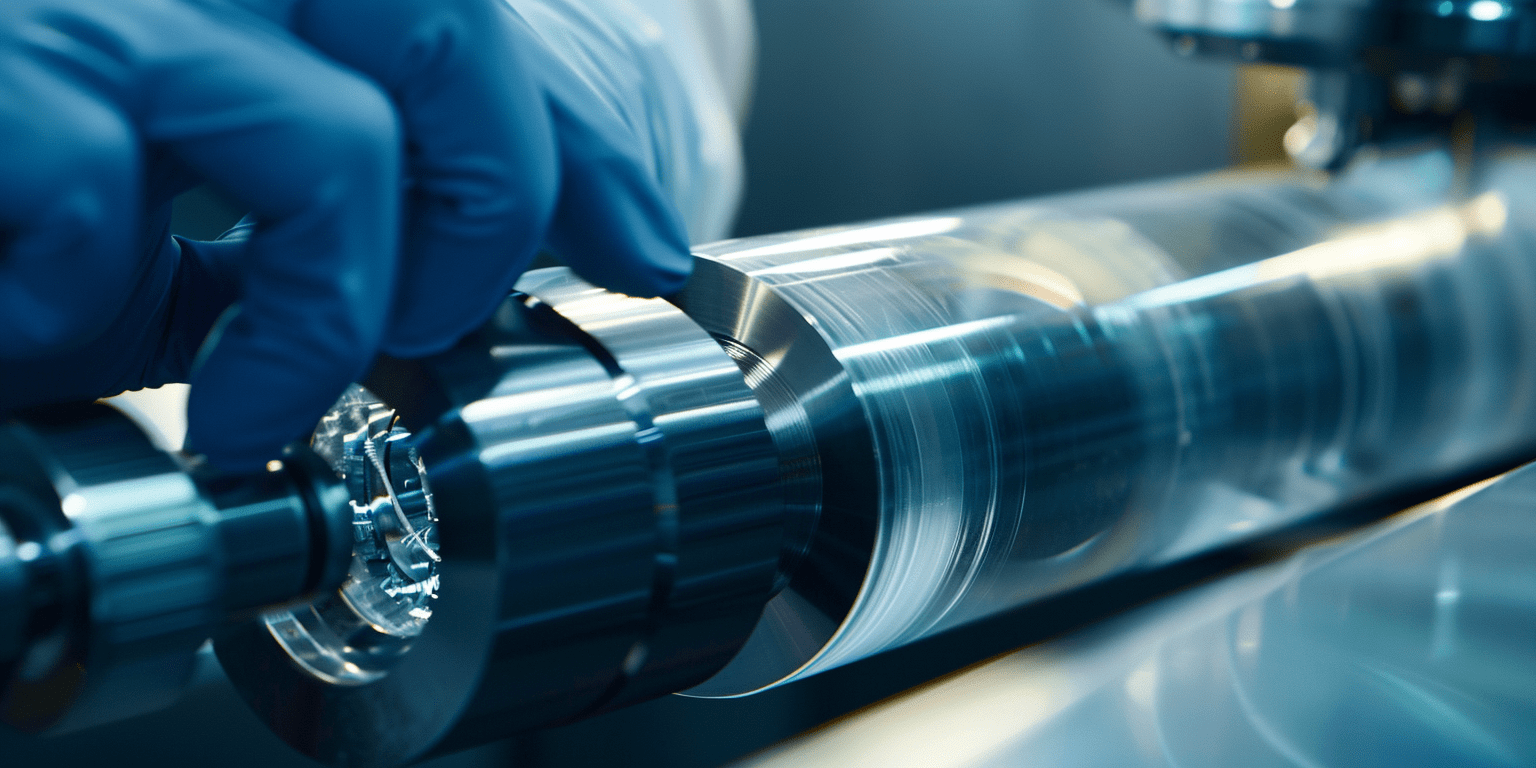
Специализированные алмазные диски играют важную роль в резке кварцевых трубок сложной формы или с жесткими допусками. Эти лезвия позволяют операторам достигать результатов, с которыми не могут сравниться стандартные лезвия. Понимание их уникальных особенностей помогает пользователям выбрать лучший инструмент для сложных задач.
Гальваническое покрытие Ультратонкие преимущества: 0,4-0,6 мм пропил и уменьшение усилия
Ультратонкие лезвия с гальваническим покрытием имеют узкий пропил 0,4-0,6 мм. Такая конструкция снижает усилие резания до 65% по сравнению со стандартными лезвиями. Операторы могут резать хрупкие трубы без образования трещин и деформации.
Однослойная алмазная структура обеспечивает агрессивную резку при сохранении мягкого подхода. Данные TOQUARTZ показывают, что эти лезвия снижают усилие резания до 25-35 Н, что идеально подходит для трубок с толщиной стенки менее 1,2 мм. Уменьшенный пропил также минимизирует потери материала, что делает эти лезвия пригодными для работы с дорогостоящими кварцевыми компонентами.
К основным преимуществам ультратонких лезвий с гальваническим покрытием относятся:
Минимальное усилие резания предотвращает поломку трубки
Ультраузкий пропил сохраняет материал
Идеально подходит для хрупких или тонкостенных трубок
Эти характеристики делают ультратонкие лезвия с гальваническим покрытием лучшим выбором для обеспечения точности и производительности при работе с кварцевыми трубками в сложных условиях.
Резка сложной геометрии: Угловые разрезы, криволинейные профили, спиральные узоры
Для резки сложных геометрических форм требуется лезвие, способное двигаться по нелинейным траекториям. Гальванические лезвия с гибкими стальными сердечниками адаптируются к наклонным резам, изогнутым профилям и спиральным узорам. Операторы добиваются допусков размеров в пределах ±0,15 мм даже в сложных конструкциях.
Испытания TOQUARTZ на 240 заказных трубках показали, что лезвия с гальваническим покрытием позволяют выполнять 85-90% ранее невозможных резов. Ультратонкий профиль и открытый алмазный слой позволяют лезвию плавно перемещаться по сложным траекториям. Такая гибкость снижает риск заклинивания лезвия или повреждения трубки при выполнении сложных операций.
Ключевая особенность | Причинно-следственная связь | Результат |
|---|---|---|
Гибкая сердцевина | Приспосабливается к изгибам и углам | Точные сложные разрезы |
Ультратонкий профиль | Уменьшает усилие и ширину пропила | Предотвращает повреждение трубки |
Раскрытые бриллианты | Агрессивная, но бережная резка | Высокая производительность при изготовлении нестандартных форм |
Эти возможности позволяют производителям удовлетворять уникальные требования к дизайну и расширять ассортимент предлагаемой продукции.
Сверхточные приложения: Оптический класс и допуски для полупроводников
Сверхточные задачи требуют исключительной чистоты поверхности и жестких допусков. Гальванические лезвия с алмазами зернистостью 400-600 обеспечивают шероховатость поверхности менее Ra 0,5 мкм. Операторы используют эти лезвия для обработки оптических окон и полупроводниковых трубок, где недопустимы даже незначительные дефекты.
Данные показывают, что 92% ультратонких оптических трубок, вырезанных этими лезвиями, соответствуют строгим стандартам плоскостности и размеров. Мелкая зернистость и минимальное усилие резания предотвращают повреждение подповерхностного слоя, обеспечивая высокую производительность в чувствительных областях применения. Эти результаты помогают лабораториям и производителям соответствовать самым строгим отраслевым требованиям.
Краткое описание преимуществ сверхточных лезвий:
Качество поверхности ниже Ra 0,5 мкм
Допуск на размеры в пределах ±0,1 мм
Высокая производительность для оптических и полупроводниковых трубок
Эти преимущества делают ультратонкие лезвия с гальваническим покрытием незаменимыми для передовых научных и промышленных применений.
Ограничения по сроку службы: 80-150 метров и экономичный выбор применения
Лезвия с гальваническим покрытием обладают уникальными эксплуатационными характеристиками, но имеют ограниченный срок службы - 80-150 метров. Единственный алмазный слой быстро изнашивается, особенно при непрерывной или высокоскоростной работе. Операторы должны планировать более частую замену лезвий при использовании этих лезвий для специальных задач.
Анализ затрат и выгод помогает определить, когда следует выбирать лезвия с гальваническим покрытием. При коротких сериях или работах, требующих сложной геометрии, более высокая стоимость метра оправдывается возможностью получить невозможные в других условиях срезы. Данные TOQUARTZ показывают, что стоимость одного метра колеблется от $0,35 до $0,50, что остается экономичным для малосерийных и дорогостоящих применений.
Ключевой момент | Причинно-следственная связь | Экономическое воздействие |
|---|---|---|
Короткий срок службы | Одиночный алмазный слой быстро изнашивается | Более частая замена лезвий |
Высокая стоимость одного метра | Специализированная производительность | Оправдано для сложных или точных работ |
Лучший пример использования | Малосерийные, дорогостоящие детали | Обеспечивает уникальные производственные решения |
В этой таблице показано, почему гальванические лезвия, несмотря на меньший срок службы, лучше всего подходят для специальных задач.
Правильный выбор типов алмазных дисков для резки кварцевых трубок обеспечивает наилучшие результаты для любого применения. В таблице ниже представлены основные типы лезвий, их преимущества и ограничения:
Тип лезвия | Ключевые преимущества | Ограничения |
|---|---|---|
Алмаз с гальваническим покрытием | Быстрая и точная резка тонких или сложных труб | Короткий срок службы, специфические материалы |
Алмаз на смоляной связке | Плавное действие, уменьшение сколов, универсальное применение | Умеренный срок службы, не для тяжелых условий эксплуатации |
Спеченный алмаз | Долговечный, прочный, обрабатывает твердые материалы | Более низкая начальная скорость, более высокая первоначальная стоимость |
Правильный выбор лезвия повышает качество резки и экономическую эффективность.
Правильный подбор обеспечивает более чистый срез и высокую урожайность.
Влажная резка и правильное число оборотов продлевают срок службы и эффективность ножа.
Следование лучшим практикам обеспечивает бесперебойную и надежную работу.
ЧАСТО ЗАДАВАЕМЫЕ ВОПРОСЫ
Какие факторы определяют лучший алмазный диск для резки кварцевых трубок?
На выбор лезвия влияют несколько факторов. Толщина стенки, требуемое качество кромки и объем производства играют ключевую роль. Операторы также должны учитывать диаметр трубы и необходимость выполнения специальных резов. Подбор типа лезвия в зависимости от области применения обеспечивает оптимальные результаты.
Каков типичный срок службы каждого типа алмазных лезвий?
Срок службы лезвий зависит от типа:
Тип лезвия | Стандартный срок службы (в метрах) |
|---|---|
Связывание смолой | 180-280 |
Спеченный металл | 450-650 |
Гальваническое покрытие | 80-150 |
Правильное использование и охлаждение продлевают срок службы ножа.
Какая скорость резки лучше всего подходит для тонкостенных кварцевых трубок?
Операторы достигают наилучших результатов при периферийной скорости 20-25 м/с. Более низкие скорости снижают силу резания и предотвращают повреждение труб. Постоянный поток охлаждающей жидкости также помогает сохранить качество кромки и производительность лезвия.
Какие методы технического обслуживания помогают максимально продлить срок службы ножей?
Регулярные осмотры, правильное крепление и достаточный расход охлаждающей жидкости поддерживают лезвия в хорошем состоянии. Операторы должны заменять ножи на 70-80% от номинального срока службы, чтобы поддерживать стабильное качество резки и сократить количество переделок.
Для каких целей требуются специальные алмазные лезвия?
Специализированные лезвия лучше всего подходят для сложных геометрических форм, сверхтонких стенок или сверхточных работ. К ним относятся угловые резы, спиральные узоры и финишные покрытия оптического класса. Ультратонкие лезвия с гальваническим покрытием часто обеспечивают необходимую точность при выполнении этих сложных работ.