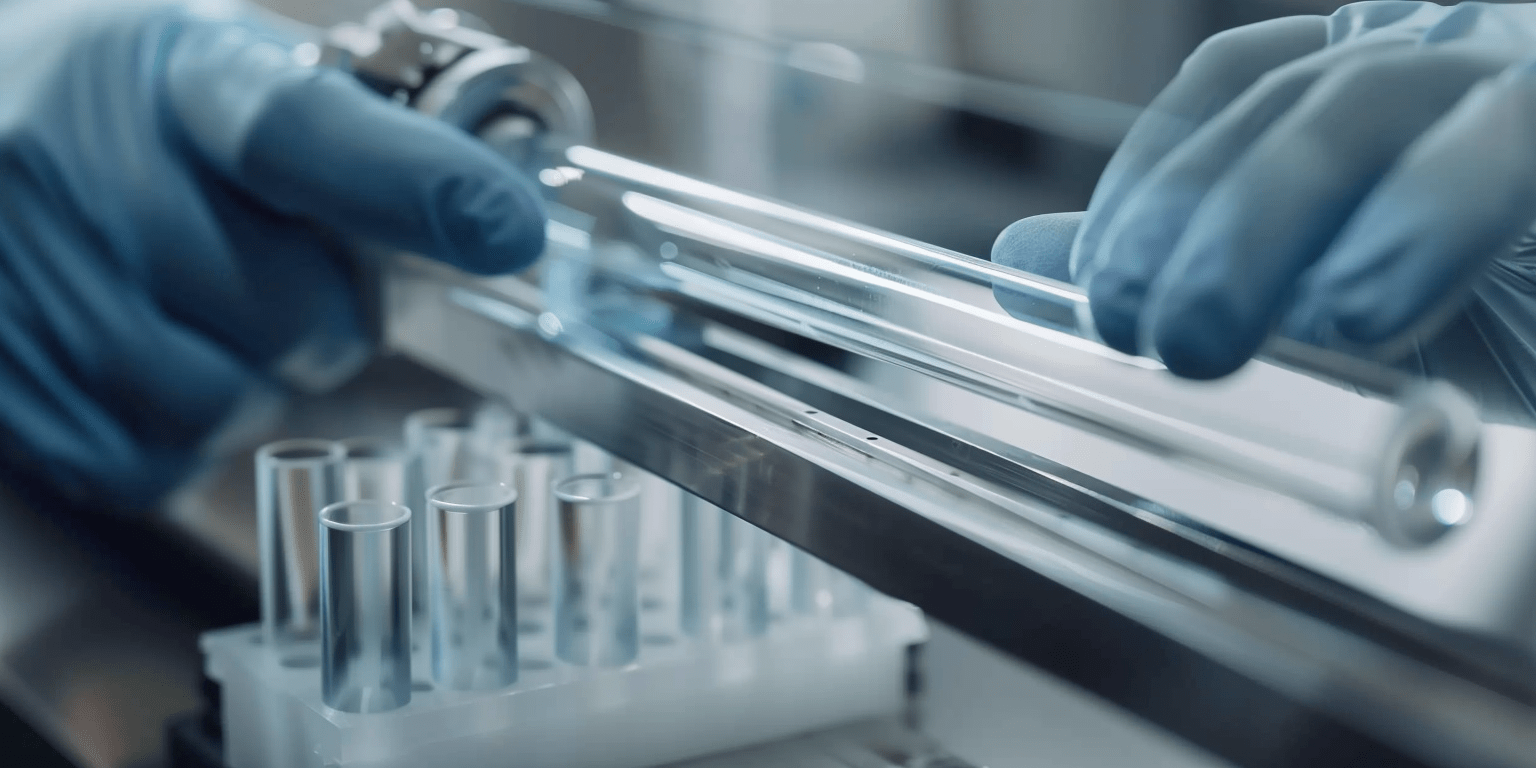
Les types de disques diamantés pour la coupe des tubes à quartz comprennent les disques à liant résine, à liant métal fritté et à liant galvanique. Chaque type de lame utilise une structure différente qui modifie ses performances, l'aspect lisse de l'arête de coupe et la durée de vie de la lame. Le choix de la bonne lame dépend de l'épaisseur de la paroi du tube, du volume de production et du niveau de qualité de l'arête requis.
L'Amérique du Nord est en tête de la demande de tubes de quartz de haute pureté, tandis que l'Asie-Pacifique s'attend à une croissance substantielle dans les industries des semi-conducteurs et de l'électronique.
Type d'obligation | Caractéristiques | Qualité des bords Impact | Impact de la lame sur la vie |
|---|---|---|---|
Liaison avec la résine | Polyvalent, minimise l'écaillage | Coupe lisse, moins de dégâts | Personnalisable, variable |
Métal fritté | Durable, excellente tenue du diamant | Nécessite des réglages précis | Usure plus longue et réduite |
Galvanisé | Coupe de précision ultrafine | Coupes nettes, bords tranchants | Entretien simple |
Principaux enseignements
Choisissez le bon type de disque diamanté en fonction de l'épaisseur de la paroi du tube et du volume de production pour garantir une performance de coupe optimale.
Les lames à liant résine sont idéales pour les tubes en quartz à paroi fine, offrant des coupes lisses et un taux de réussite élevé tout en minimisant l'écaillage.
Les lames en métal fritté offrent la plus longue durée de vie, ce qui les rend adaptées aux environnements de production en grande quantité.
Les lames galvanisées excellent dans la coupe de précision de géométries complexes, mais elles ont une durée de vie plus courte, ce qui les destine à des tâches spécialisées.
Un entretien régulier et un remplacement préventif des lames à 70-80% leur durée de vie permettent d'améliorer la qualité de coupe et de réduire les coûts.
Quels sont les trois principaux types de disques diamantés et quelles sont leurs différences structurelles ?
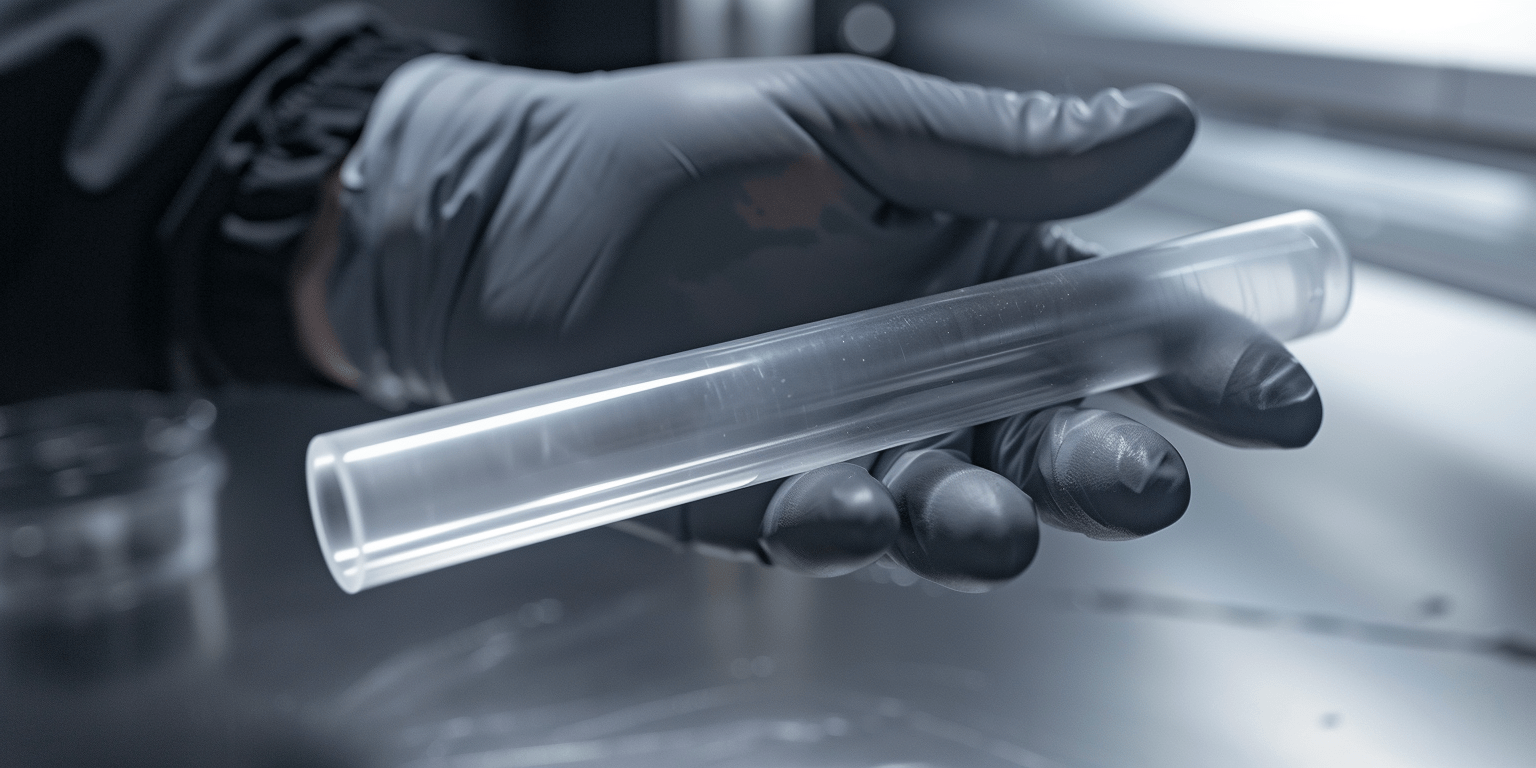
Lame diamantée Les différents types de coupe de tubes en quartz utilisent des matériaux et des méthodes de construction différents. Ces différences influencent la façon dont chaque lame tient les diamants, s'use et se comporte pendant la coupe. La compréhension de ces structures aide les utilisateurs à choisir la meilleure lame pour leurs besoins spécifiques en matière de coupe de tubes de quartz.
Structure de liaison de la résine : Matrice polymère et mécanisme d'auto-affûtage
Les lames à liant résine utilisent une matrice polymère, souvent phénolique ou polyimide, pour maintenir les particules de diamant en place. Cette matrice fournit une force d'adhérence modérée, qui permet aux diamants de se détacher progressivement au fur et à mesure de l'usure de la lame. Cette libération contrôlée expose de nouvelles arêtes diamantées, créant ainsi un effet d'auto-affûtage.
Le mécanisme d'auto-affûtage permet de maintenir des performances de coupe constantes pendant toute la durée de vie de la lame. Les lames à liant résine fonctionnent généralement à des températures plus basses, ce qui permet d'éviter les dommages thermiques à la fois de la lame et de l'outil. tube de quartz. Les données de TOQUARTZ montrent que les lames à liant résineux conservent une rugosité d'arête comprise entre Ra 0,9 et 1,3μm jusqu'à 75% de leur durée de vie, ce qui favorise les coupes de haute qualité.
Points clés pour les lames à liant résineux :
L'auto-affûtage permet de conserver une qualité de tranchant constante.
La force de coupe plus faible réduit le risque d'écaillage du tube.
Idéal pour la coupe de tubes en quartz à parois minces et de précision.
Métal fritté : encapsulation et durabilité des alliages à haute température
Les lames en métal fritté encapsulent les diamants dans un alliage métallique solide, tel que le bronze ou le cobalt. Cette structure confère à la lame une grande durabilité et lui permet de supporter des températures de coupe plus élevées. La liaison métallique maintient fermement les diamants, mais cela peut entraîner un arrachement plus important des cristaux au fur et à mesure de l'usure de la lame.
La matrice résistante prolonge la durée de vie de la lame, ce qui rend les lames à liant métallique fritté adaptées à la production en grande série. Toutefois, la forte adhérence des diamants signifie qu'ils peuvent se fracturer avant de se détacher, ce qui peut donner un bord de coupe plus rugueux. Les installations qui utilisent des lames en métal fritté font état d'une durée de vie de 450 à 650 mètres, soit environ trois fois plus longue que les lames en résine.
Fonctionnalité | Liaison avec le métal fritté | Effet de causalité |
|---|---|---|
Force de la matrice | Haut | Prolonge la durée de vie de la lame |
Rétention du diamant | Très forte | Augmente le risque d'arrachement du cristal |
Qualité des bords | Plus grossier (Ra 1,5-2,2μm) | Peut nécessiter une finition secondaire |
Liaison électrodéposée : brasage diamant monocouche et limites de performance
Les lames électrodéposées utilisent une seule couche de particules de diamant brasées sur un noyau d'acier avec un revêtement de nickel. Cette conception permet un enlèvement de matière agressif et des profils de lame très fins. Les diamants exposés coupent rapidement, mais une fois la couche usée, la lame ne peut pas se renouveler.
Les lames électrodéposées excellent dans les applications qui requièrent des kerfs ultra-minces ou des formes complexes. Elles offrent des vitesses de coupe rapides et des arêtes vives, mais leur durée de vie est plus courte - généralement de 80 à 150 mètres. Les réactions chimiques pendant la coupe peuvent également accélérer l'usure, en particulier dans les environnements exigeants.
Résumé des avantages de la liaison galvanique :
Permet des coupes ultra-minces et précises pour des applications spéciales.
Permet une coupe rapide et des bords tranchants.
Idéal pour les petites séries ou les géométries complexes.
Effets de la concentration de diamants : 25-50% Impact de la fraction volumique sur la sélection des grains
La concentration de diamant dans la matrice de la lame varie de 25% à 50% en volume. Des concentrations plus élevées permettent d'utiliser des grains plus fins sans sacrifier la vitesse de coupe. Par exemple, une lame dont la concentration en diamant est comprise entre 40 et 50% peut utiliser un grain de 300 à 400 mesh tout en continuant à couper efficacement.
Les concentrations plus faibles nécessitent des grains plus grossiers pour maintenir les performances. Cette relation affecte à la fois la finition de la surface et la vitesse d'usure de la lame. La sélection de la bonne concentration de diamant garantit que le disque répond aux exigences de l'application de coupe de tubes en quartz.
Concentration de diamants | Taille du grain | Vitesse de coupe | Qualité des bords |
|---|---|---|---|
Haut (40-50%) | Fine (300-400 mesh) | Maintien de la vitesse | Finition plus lisse |
Faible (25-35%) | Grossière (120-200 mesh) | Maintien de la vitesse | Finition plus rugueuse |
Quel type de liant optimise les performances des tubes de précision à paroi mince (<2 mm) ?
Tubes de quartz à paroi mince présentent des défis uniques lors de la coupe. Le choix du type et de la spécification de la lame affecte directement la qualité de l'arête, le rendement et l'efficacité de la production. La sélection des bons types de disques diamantés pour la coupe de tubes en quartz permet d'obtenir des coupes nettes et de minimiser les rebuts coûteux.
Données de performance de Resin Bond 300-400 Grit : Qualité des bords et taux de réussite
Les lames à liant résine avec diamants de 300 à 400 grains offrent des résultats exceptionnels pour les tubes en quartz à paroi mince. Ces lames maintiennent une rugosité de bord inférieure à Ra 1,0μm pour plus de 90% de coupes, selon les tests de TOQUARTZ. Les opérateurs signalent un taux de réussite de 92-96% pour une qualité d'arête acceptable, ce qui réduit la nécessité d'une finition secondaire.
Le grain fin et la matrice de résine flexible minimisent la force de coupe, évitant les micro-fissures et l'écaillage des arêtes. Cette combinaison permet des coupes perpendiculaires avec des tolérances de ±0,3°, même sur des tubes dont l'épaisseur de paroi est inférieure à 2 mm. Les équipes de production constatent une diminution du nombre de tubes rejetés et une amélioration du rendement global.
Principaux avantages des lames à liant résine 300-400 pour les tubes à parois minces :
Qualité constante des bords (Ra <1.0μm)
Taux de réussite élevé (92-96% coupes acceptables)
Réduction du risque de micro-fissuration et d'écaillage
Ces avantages font des lames à liant résineux le choix privilégié pour les laboratoires de précision et les environnements de fabrication.
Optimisation des paramètres de fonctionnement : Vitesse, alimentation et liquide de refroidissement pour les parois minces
L'optimisation des paramètres de coupe est essentielle pour la réussite des tubes à paroi mince. Les opérateurs règlent la vitesse périphérique de la lame entre 20 et 25 m/s et les vitesses d'avance entre 0,3 et 0,4 mm/s. Ces paramètres réduisent la force de coupe à 35-55 N, ce qui permet d'éviter la déflexion du tube et la fissuration sous contrainte.
Un débit de liquide de refroidissement dirigé de 250 à 300 ml/min permet de maintenir le tube et la lame au frais. Ce débit élevé de liquide de refroidissement dissipe rapidement la chaleur, ce qui réduit les contraintes thermiques et maintient les performances de la lame. Les données montrent qu'une bonne gestion du liquide de refroidissement peut réduire les taux de rebut jusqu'à 30%.
Paramètres | Valeur optimisée | Relation de cause à effet |
|---|---|---|
Vitesse périphérique | 20-25 m/s | Réduction de la force de coupe |
Vitesse d'alimentation | 0,3-0,4 mm/s | Prévient la déformation du tube |
Débit du liquide de refroidissement | 250-300 ml/min | Minimise le stress thermique |
Un réglage minutieux de ces paramètres garantit des coupes fiables et de haute qualité pour les tubes de quartz à paroi mince.
Analyse économique : Coût des lames de première qualité et avantages de la réduction de la ferraille
Les lames à liant résineux de qualité supérieure coûtent plus cher au départ, mais elles permettent de réaliser d'importantes économies grâce à la réduction des rebuts. Les tubes de quartz à paroi fine coûtent souvent $40-80 pièce, il est donc essentiel d'éviter les ruptures et les défauts de bord. Les installations qui utilisent des lames de qualité supérieure signalent une diminution de 25 à 35% des taux de rebut, ce qui représente une économie de $6-12 par tube.
L'amélioration du rendement compense l'augmentation du prix de la lame, en particulier pour les volumes de production supérieurs à 50 tubes par mois. La réduction du besoin de finition secondaire permet également de réduire les coûts de main-d'œuvre de $8-12 par tube. Au fil du temps, ces économies justifient l'investissement dans des lames de qualité supérieure.
Résumé des avantages économiques des lames en résine de première qualité :
Des taux de rebut inférieurs permettent d'économiser $6-12 par tube
La réduction du travail de finition permet d'économiser $8-12 par tube
Un rendement plus élevé compense la prime de lame
Pour les opérations axées sur la précision et le contrôle des coûts, les lames à liant résineux de qualité supérieure offrent des avantages financiers évidents.
Alternative à la paroi ultra-mince : Lames électrodéposées de 0,5-0,6 mm (tubes <1,2 mm)
Les tubes de quartz ultra-minces nécessitent des lames spécialisées. Les lames électrodéposées d'une épaisseur de 0,5 à 0,6 mm et diamantées à 300 grains produisent l'action de coupe la plus douce, réduisant la force à 25-35N. Cette approche permet de couper avec succès des tubes dont les parois sont inférieures à 1,2 mm, là où d'autres lames risquent de se fracturer.
Les lames électrodéposées excellent dans les géométries complexes et les tâches de haute précision. Les critères de sélection comprennent l'adaptation de la dureté de la matrice au matériau du tube, le choix de lames conçues pour des coupes spécifiques et le maintien des performances de la lame grâce à un affûtage régulier. Des technologies avancées, telles que la disposition des diamants, améliorent encore l'efficacité.
Critères | Recommandation |
|---|---|
Dureté de la matrice | Adaptation à la dureté du matériau du tube |
Géométrie de la lame | Utiliser des conceptions spécifiques à la tâche (coupes angulaires, coupes radiales) |
Pratiques d'entretien | Affûtage régulier pour des performances constantes |
Composition de la lame | Envisager une disposition avancée des diamants |
Les lames électrodéposées offrent une solution fiable pour les besoins de coupe de tubes de quartz délicats et spécialisés.
Quel type de liant maximise la durée de vie des lames pour une production à haut volume (>500 tubes par mois) ?
La production de tubes de quartz en grande quantité exige un disque diamanté capable de résister à une utilisation continue tout en maintenant l'efficacité de la coupe. Les installations qui traitent plus de 500 tubes par mois doivent trouver un équilibre entre la longévité de la lame, les coûts d'exploitation et la qualité du tranchant. Le choix du bon type de lame et des bonnes spécifications garantit une production fiable et réduit les temps d'arrêt dus aux changements fréquents de lames.
Prolongation de la durée de vie de l'adhérence du métal fritté : 450-650 mètres contre 180-250 mètres pour la résine
Les lames à liant métallique fritté offrent la durée de vie la plus longue pour la coupe de tubes de quartz en grand volume. Leur matrice métallique robuste retient solidement les diamants, ce qui permet à la lame de couper 450 à 650 mètres avant d'être remplacée. Cette durabilité dépasse de loin la durée de vie de 180 à 250 mètres des lames à liant en résine.
Les opérateurs travaillant dans des environnements de production intensifs bénéficient d'un nombre réduit de changements de lames et d'une diminution des temps d'arrêt. Le lien solide résiste à la dégradation thermique, ce qui rend les lames en métal fritté idéales pour la coupe continue à grande vitesse. Les données fournies par TOQUARTZ montrent que ces lames conservent leur intégrité structurelle même dans des conditions agressives, ce qui permet d'obtenir des performances constantes sur de grandes séries.
Un tableau comparatif met en évidence les principales différences et les relations de cause à effet :
Type de lame | Durée de vie (mètres) | Relation de cause à effet |
|---|---|---|
Liaison avec le métal fritté | 450-650 | La matrice solide prolonge la durée de vie de la lame |
Liaison avec la résine | 180-250 | L'adhérence modérée s'use plus rapidement |
Cette durée de vie prolongée fait des lames à liant en métal fritté le choix privilégié pour les opérations à haut volume recherchant une productivité maximale.
Économie de la production : Analyse du coût au mètre avec impact sur le temps de changement de série
Les responsables de la production doivent tenir compte à la fois du coût par mètre et de l'impact des changements de lames. Les lames à liant métallique fritté, bien que plus chères au départ, offrent un coût au mètre inférieur en raison de leur durée de vie prolongée. Par exemple, une lame frittée coûtant $75 et ayant une durée de vie de 550 mètres revient à un coût d'environ $0,14 par mètre, contre $0,22 par mètre pour une lame à liant résine.
Moins de changements de lames signifie également moins de temps d'arrêt. Dans une installation qui coupe plus de 500 tubes par mois, la réduction des changements de trois fois par mois à une fois tous les deux mois peut permettre d'économiser jusqu'à 10 heures de temps productif par an. Ce gain de temps se traduit directement par une augmentation de la production et une réduction des coûts de main-d'œuvre.
Résumer les avantages économiques des lames en métal fritté pour la production en grande série :
Coût au mètre inférieur grâce à la durée de vie prolongée des lames
Réduction des temps d'arrêt grâce à la diminution du nombre de changements de lames
Augmentation de la productivité globale et du rendement
Ces facteurs se combinent pour faire des lames à liant en métal fritté la solution la plus rentable pour la coupe de tubes en quartz à grande échelle.
Paramètres de coupe agressifs : 150-200 grains, 0,8-1,2 mm/s Optimisation de l'alimentation
Les lames à liant métallique fritté permettent des paramètres de coupe agressifs qui augmentent la vitesse de production. Les opérateurs choisissent souvent des diamants de 150 à 200 grains, qui permettent un enlèvement de matière rapide. Les vitesses d'avance comprises entre 0,8 et 1,2 mm/s améliorent encore le rendement sans sacrifier l'intégrité de la lame.
La matrice de liaison robuste résiste aux forces et à la chaleur accrues générées par ces paramètres. Les installations signalent que le maintien d'une vitesse périphérique de 35-40 m/s et l'utilisation de lames segmentées contribuent à dissiper la chaleur et à réduire les vibrations. Ces ajustements garantissent l'efficacité de la lame tout au long de sa durée de vie.
Les principaux conseils opérationnels pour maximiser les performances des lames en métal fritté sont les suivants :
Sélectionnez le grain 150-200 pour une coupe plus rapide
Régler les vitesses d'avance entre 0,8 et 1,2 mm/s pour une vitesse optimale.
Utiliser des lames segmentées pour améliorer le refroidissement et la stabilité
En suivant ces lignes directrices, les producteurs de gros volumes peuvent obtenir à la fois rapidité et cohérence dans leurs processus de coupe de tubes en quartz.
Finition secondaire intégrée : flux de travail automatisé pour le ponçage à bande
La production en grande quantité accepte souvent un bord de coupe plus grossier, en s'appuyant sur une finition secondaire automatisée pour répondre aux spécifications finales. Les lames en métal fritté produisent généralement une rugosité de bord comprise entre Ra 1,5 et 2,2μm, que les ponceuses à bande automatisées peuvent affiner efficacement. L'intégration d'une station de ponçage à bande directement après la coupe rationalise le flux de travail et garantit une qualité de bord constante.
La finition automatisée permet de réduire le travail manuel et de normaliser les résultats pour les grands lots. Les installations qui utilisent cette approche signalent que chaque tube ne nécessite que 45 à 60 secondes de finition, contre 8 à 15 minutes pour le traitement manuel. Cette efficacité permet d'obtenir un rendement élevé sans compromettre la qualité.
Étape du processus | Durée par tube | Relation de cause à effet |
|---|---|---|
Ponceuse à bande automatisée | 45-60 sec | Standardisation et accélération de la finition |
Finition manuelle | 8-15 min | Travail intensif, résultats variables |
Ce flux de travail intégré permet aux opérations à haut volume de maximiser les avantages des lames de liaison en métal fritté tout en garantissant que chaque tube répond à des normes de qualité strictes.
Quelles sont les spécifications des lames qui optimisent le rapport coût/performance pour les opérations de laboratoire de volume moyen (100-500 tubes par mois) ?
Les opérations de laboratoire de volume moyen nécessitent un équilibre minutieux entre la longévité des lames, la qualité des arêtes et le coût global. Le choix des bons types de disques diamantés pour la coupe des tubes de quartz peut aider les laboratoires à obtenir des résultats fiables sans dépenser trop. Cette section explore les meilleures spécifications de lames et les stratégies pratiques pour maximiser la valeur dans cette gamme de production.
200-300 Grit Resin Bond : Equilibre entre la qualité des bords et la durée de vie
Les lames à liant résine avec des diamants de 200 à 300 grains offrent un bon compromis entre le tranchant et la durabilité. Ces lames produisent une rugosité d'arête comprise entre Ra 0,9-1,3μm, ce qui répond à la plupart des normes de laboratoire pour la coupe de tubes de quartz. Les opérateurs estiment que cette gamme de grains permet des coupes nettes et une durée de vie raisonnable des lames.
Les laboratoires qui utilisent des lames à liant résineux de 200 à 300 grains obtiennent généralement des durées de vie de 220 à 280 mètres. Cette fourchette permet une utilisation continue de 3 à 4 mois avant le remplacement, ce qui réduit les temps d'arrêt et la fréquence des achats. Les données de TOQUARTZ montrent que 85-90% des tubes répondent aux exigences de qualité des bords tels qu'ils sont coupés, et que seuls 10-15% nécessitent une légère finition à la main.
Le choix de cette spécification permet aux laboratoires d'éviter le coût élevé des lames de qualité supérieure et le surcroît de travail lié aux options plus grossières.
Les principaux enseignements à tirer de cette gamme de grains sont les suivants :
Qualité constante des bords pour la plupart des besoins des laboratoires
Durée de vie plus longue de la lame par rapport aux grains plus fins
Diminution du coût total par tube grâce à la réduction de la finition
Matrice de dureté moyenne (Shore D 75-85) : Optimisation de l'auto-affûtage
Une matrice de dureté moyenne, classée Shore D 75-85, permet à la lame de s'auto-affûter pendant l'utilisation. Cette propriété garantit que de nouvelles particules de diamant sont exposées au fur et à mesure que la lame s'use, ce qui permet de maintenir des performances de coupe régulières. Les opérateurs remarquent que les lames dotées de cette matrice de dureté évitent l'usure rapide et préviennent les baisses de performance.
La plupart des laboratoires indiquent que les lames de dureté moyenne durent plus longtemps que les lames plus douces, qui peuvent s'user au bout de 160 à 200 mètres seulement. Les matrices plus dures, en revanche, peuvent retenir les diamants trop fermement, entraînant une perte d'auto-affûtage et des coupes irrégulières. La gamme Shore D 75-85 offre un bon équilibre pour les opérations de volume moyen.
Dureté de la matrice | La vie en lame | Qualité des bords | Relation de cause à effet |
|---|---|---|---|
Moyen (D 75-85) | 220-280 m | Ra 0,9-1,3μm | Auto-affûtage, performances régulières |
Souple (<D70) | 160-200 m | Ra 1.2-1.6μm | S'use rapidement, plus de finition nécessaire |
Dur (>D90) | 150-180 m | Ra 1,5-2,0μm | Diamants non libérés, coupes plus grossières |
Le choix d'une matrice de dureté moyenne favorise à la fois la longévité de la lame et une qualité de coupe constante.
Analyse coût-performance : Coût total par tube, y compris la main-d'œuvre de finition
L'analyse coût-performance révèle que les lames à liant résineux de spécifications moyennes présentent le coût total par tube le plus bas pour la plupart des laboratoires. Une lame de $48 d'une durée de 250 mètres revient à un coût de $0,19 par mètre. Avec 6 minutes de travail par tube à $25/heure et seulement 10-15% de tubes nécessitant 3-5 minutes de finition, le coût total par tube se situe généralement entre $2,84 et $2,94.
Cette approche est plus performante que les options de lames de qualité supérieure et de lames économiques. Les lames premium réduisent le travail de finition mais coûtent 35% plus cher, tandis que les lames économiques nécessitent plus de finition, ce qui augmente les coûts de main-d'œuvre. Les données de TOQUARTZ confirment que les laboratoires de taille moyenne obtiennent le meilleur équilibre entre coût et qualité avec cette stratégie.
Les laboratoires qui recherchent une valeur optimale doivent tenir compte des points suivants :
Les lames de qualité moyenne réduisent les coûts de lame et de main-d'œuvre.
Les lames haut de gamme offrent des économies marginales en termes de finition, mais leur coût initial est plus élevé.
Les lames économiques augmentent la main d'œuvre, ce qui annule les économies réalisées sur les lames.
Remplacement préventif des lames : 70-80% Optimisation économique de la durée de vie
Le remplacement préventif des lames diamantées à 70-80% de la durée de vie nominale permet aux laboratoires d'éviter les baisses soudaines de la qualité de coupe. Les opérateurs surveillent la rugosité des bords et la fréquence des copeaux, et remplacent les lames avant que les performances ne diminuent. Cette pratique réduit le risque d'augmentation du travail de finition et de rejet des tubes.
Des inspections régulières permettent de vérifier l'absence d'usure irrégulière, de fissures ou de déformation du noyau. Un refroidissement à l'eau adéquat et un montage approprié prolongent la durée de vie des lames et garantissent un fonctionnement sûr. En suivant ces étapes, les laboratoires obtiennent des résultats cohérents et protègent à la fois l'équipement et le personnel.
Pratique préventive | Principaux avantages | Relation de cause à effet |
|---|---|---|
Remplacer à 70-80% life | Qualité de coupe constante | Évite les baisses de performance et réduit les retouches |
Inspecter régulièrement | Détection précoce des problèmes | Prévient les dommages et assure la sécurité |
Maintenir le refroidissement | Durée de vie plus longue de la lame | Réduit la surchauffe, évite les déformations |
Des mesures préventives de routine permettent de couper les tubes de quartz de manière rentable, sûre et fiable.
Quels sont les types de lames spécialisées qui répondent aux besoins des géométries complexes et des applications de haute précision ?
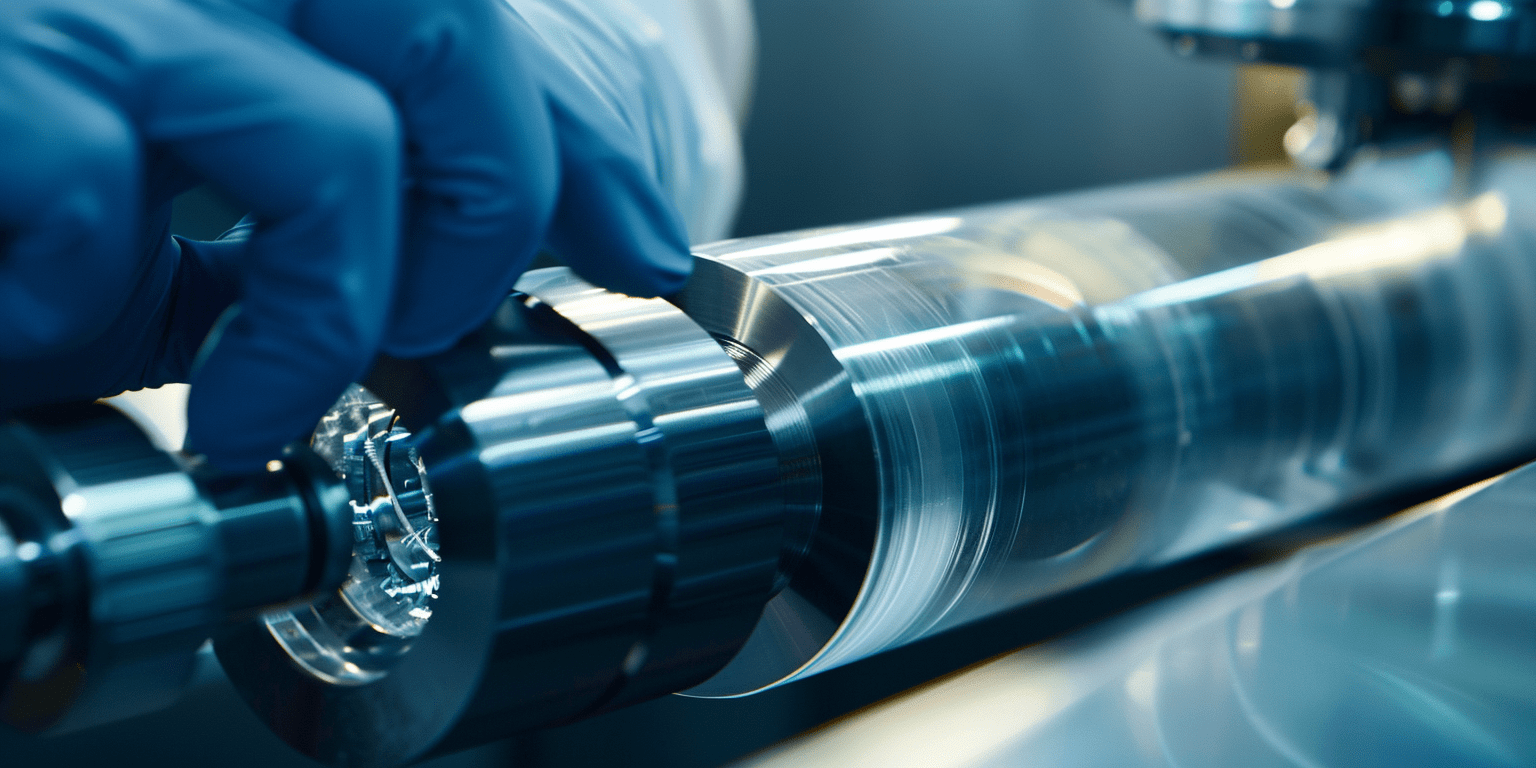
Les lames diamantées spécialisées jouent un rôle essentiel dans la découpe des tubes de quartz de forme complexe ou présentant des tolérances exigeantes. Ces lames permettent aux opérateurs d'obtenir des résultats que les lames standard ne peuvent égaler. La compréhension de leurs caractéristiques uniques aide les utilisateurs à choisir le meilleur outil pour les applications avancées.
Avantages de l'électrodéposition ultra-mince : 0.4-0.6mm Kerf et réduction de la force
Les lames ultra-minces électrodéposées présentent un trait de scie aussi étroit que 0,4-0,6 mm. Cette conception réduit la force de coupe jusqu'à 65% par rapport aux lames standard. Les opérateurs peuvent couper des tubes délicats sans provoquer de fissures ou de déformations.
La structure diamantée monocouche permet une coupe agressive tout en conservant une approche douce. Les données de TOQUARTZ montrent que ces lames réduisent la force de coupe à 25-35 N, ce qui est idéal pour les tubes dont l'épaisseur de paroi est inférieure à 1,2 mm. Le trait de scie réduit minimise également la perte de matière, ce qui rend ces lames adaptées aux composants en quartz de grande valeur.
Les principaux avantages des lames ultra-minces électrodéposées sont les suivants :
La force de coupe minimale évite la rupture du tube
Le trait de scie ultra étroit préserve le matériau
Idéal pour les tubes fragiles ou à parois minces
Ces caractéristiques font des lames ultra-minces électrodéposées le meilleur choix pour la précision et le rendement dans les applications difficiles de tubes de quartz.
Coupe à géométrie complexe : Coupes angulaires, profils courbes, motifs en spirale
La coupe de géométries complexes nécessite une lame capable de suivre des trajectoires non linéaires. Les lames galvanisées avec des noyaux en acier flexible s'adaptent aux coupes angulaires, aux profils courbes et aux motifs en spirale. Les opérateurs obtiennent des tolérances dimensionnelles de ±0,15 mm, même sur des dessins complexes.
Les essais TOQUARTZ sur 240 spécifications de tubes personnalisés ont montré que les lames électrodéposées permettaient 85-90% de réaliser des coupes auparavant irréalisables. Le profil ultra-mince et la couche de diamant exposée permettent à la lame de se déplacer en douceur dans les trajectoires difficiles. Cette flexibilité réduit le risque de grippage de la lame ou d'endommagement du tube lors d'opérations complexes.
Caractéristiques principales | Relation de cause à effet | Résultat |
|---|---|---|
Noyau flexible | S'adapte aux courbes et aux angles | Coupes complexes précises |
Profil ultra-mince | Réduction de la force et de la largeur du trait de scie | Prévient l'endommagement des tubes |
Diamants exposés | Une coupe agressive mais douce | Rendement élevé pour les formes personnalisées |
Ces capacités permettent aux fabricants de répondre à des exigences de conception uniques et d'élargir leur gamme de produits.
Applications d'ultra-précision : Qualité optique et tolérances des semi-conducteurs
Les applications d'ultra-précision exigent un état de surface exceptionnel et des tolérances serrées. Les lames électrodéposées avec des diamants de 400 à 600 grains permettent d'obtenir une rugosité de surface inférieure à Ra 0,5μm. Les opérateurs utilisent ces lames pour les fenêtres optiques et les tubes à semi-conducteurs où les défauts, même mineurs, sont inacceptables.
Les données montrent que 92% des tubes optiques ultraminces coupés avec ces lames répondent à des normes strictes en matière de planéité et de dimensions. Le grain fin et la force de coupe minimale évitent les dommages sous la surface, ce qui permet d'obtenir des rendements élevés dans les applications sensibles. Ces résultats aident les laboratoires et les fabricants à répondre aux exigences les plus strictes de l'industrie.
Résumé des avantages des lames de précision :
Finition de surface inférieure à Ra 0,5μm
Tolérance dimensionnelle de ±0,1 mm
Rendement élevé pour les tubes optiques et semi-conducteurs
Ces avantages font que les lames ultra-minces électrodéposées sont essentielles pour les utilisations scientifiques et industrielles de pointe.
Limites de la durée de vie : 80-150 mètres et choix d'une application économique
Les lames électrodéposées offrent des performances uniques, mais leur durée de vie est limitée à 80-150 mètres. La couche de diamant unique s'use rapidement, en particulier dans les opérations en continu ou à grande vitesse. Les opérateurs doivent prévoir des changements de lame plus fréquents lorsqu'ils utilisent ces lames pour des tâches spécialisées.
Une analyse coût-bénéfice permet de déterminer quand choisir des lames électrodéposées. Pour les petites séries ou les travaux nécessitant une géométrie complexe, le coût au mètre plus élevé est justifié par la possibilité de réaliser des coupes autrement impossibles. Les données de TOQUARTZ montrent que le coût au mètre se situe entre $0,35 et $0,50, ce qui reste économique pour les applications de faible volume et de grande valeur.
Point clé | Relation de cause à effet | Impact économique |
|---|---|---|
Durée de vie courte | Une seule couche de diamant s'use rapidement | Changements de lame plus fréquents |
Coût élevé par mètre | Performance spécialisée | Justifié pour les travaux complexes ou de précision |
Meilleur cas d'utilisation | Pièces de faible volume et de grande valeur | Permet des solutions de fabrication uniques |
Ce tableau montre pourquoi les lames galvanisées excellent dans les rôles spécialisés, malgré leur durée de vie plus courte.
Le choix du bon type de disque diamanté pour la coupe des tubes en quartz permet d'obtenir les meilleurs résultats pour chaque application. Le tableau ci-dessous résume les principaux types de disques, leurs avantages et leurs limites :
Type de lame | Principaux avantages | Limites |
|---|---|---|
Diamant électrodéposé | Coupes rapides et précises pour les tubes délicats ou complexes | Durée de vie plus courte, matériaux spécifiques |
Diamant lié à la résine | Action douce, réduction de l'écaillage, utilisation polyvalente | Durée de vie modérée, pas pour les travaux lourds |
Diamant fritté | Longue durée de vie, durable, supporte les matériaux durs | Vitesse initiale plus lente, coût initial plus élevé |
Le choix de la bonne lame améliore la qualité de la coupe et la rentabilité.
La bonne adéquation permet d'obtenir des coupes plus nettes et des rendements plus élevés.
Une coupe humide et une vitesse de rotation appropriée prolongent la durée de vie et l'efficacité de la lame.
Le respect des meilleures pratiques permet d'obtenir des résultats fluides et fiables.
FAQ
Quels sont les facteurs qui déterminent le meilleur disque diamanté pour la coupe de tubes de quartz ?
Plusieurs facteurs influencent le choix de la lame. L'épaisseur de la paroi, la qualité requise du tranchant et le volume de production jouent un rôle clé. Les opérateurs doivent également tenir compte du diamètre du tube et de la nécessité de réaliser des coupes spéciales. L'adaptation du type de lame à l'application permet d'obtenir des résultats optimaux.
Quelle est la durée de vie typique de chaque type de disque diamanté ?
La durée de vie des lames varie selon le type :
Type de lame | Durée de vie typique (mètres) |
|---|---|
Liaison avec la résine | 180-280 |
Métal fritté | 450-650 |
Galvanisé | 80-150 |
Une utilisation et un refroidissement adéquats prolongent la durée de vie des lames.
Quelle est la vitesse de coupe la plus efficace pour les tubes en quartz à paroi mince ?
Les opérateurs obtiennent les meilleurs résultats avec une vitesse périphérique de 20-25 m/s. Des vitesses inférieures réduisent la force de coupe et évitent d'endommager les tubes. Un débit constant de liquide de refroidissement permet également de préserver la qualité des arêtes et les performances de la lame.
Quelles sont les pratiques d'entretien qui permettent de maximiser la durée de vie des lames ?
Des inspections régulières, un montage correct et un débit de liquide de refroidissement suffisant permettent de maintenir les lames en bon état. Les opérateurs doivent remplacer les lames à 70-80% de leur durée de vie nominale pour maintenir une qualité de coupe constante et réduire les reprises.
Quelles sont les applications qui nécessitent des disques diamantés spéciaux ?
Les lames spécialisées conviennent mieux aux géométries complexes, aux parois ultra-minces ou aux besoins d'ultra-précision. Il s'agit notamment des coupes angulaires, des motifs en spirale et des finitions de qualité optique. Les lames ultra-minces électrodéposées offrent souvent la précision requise pour ces travaux difficiles.