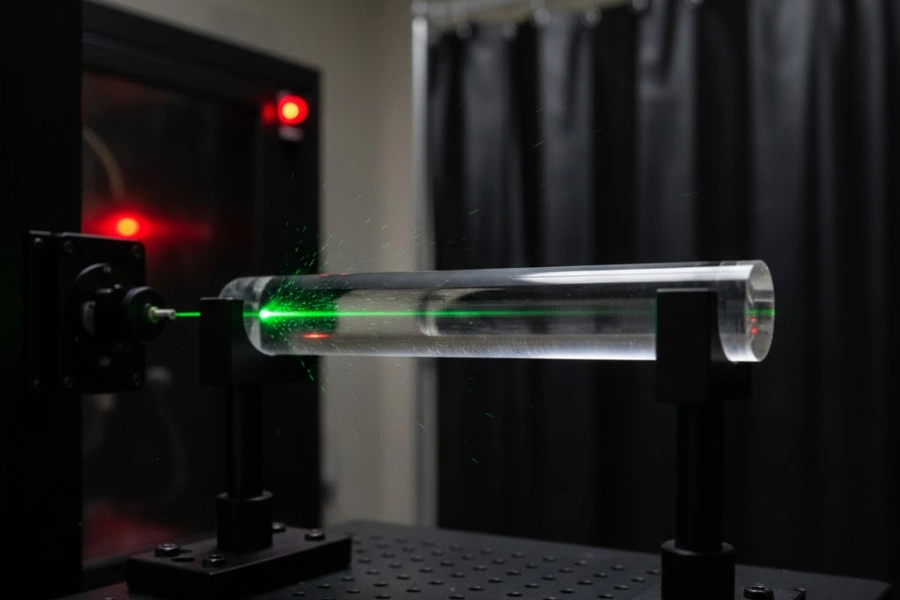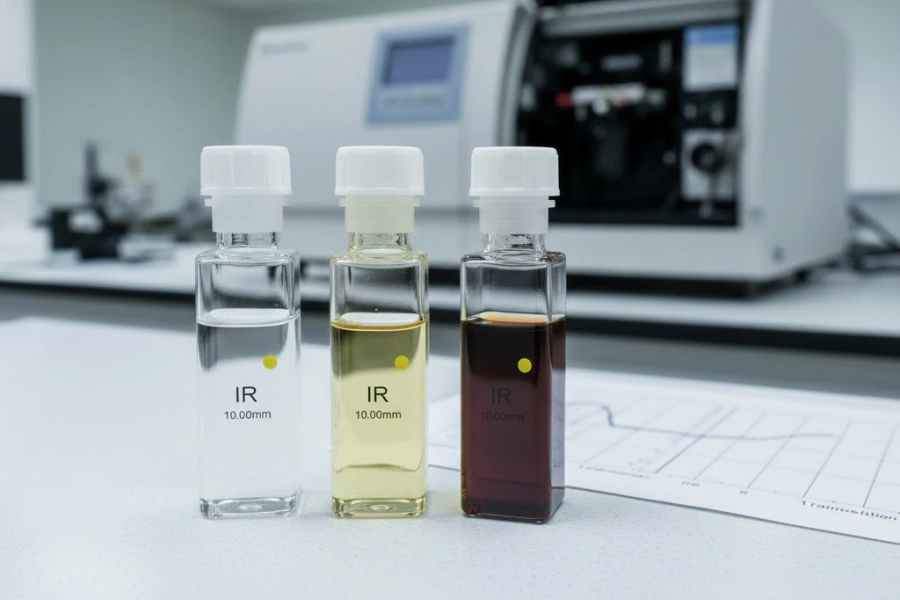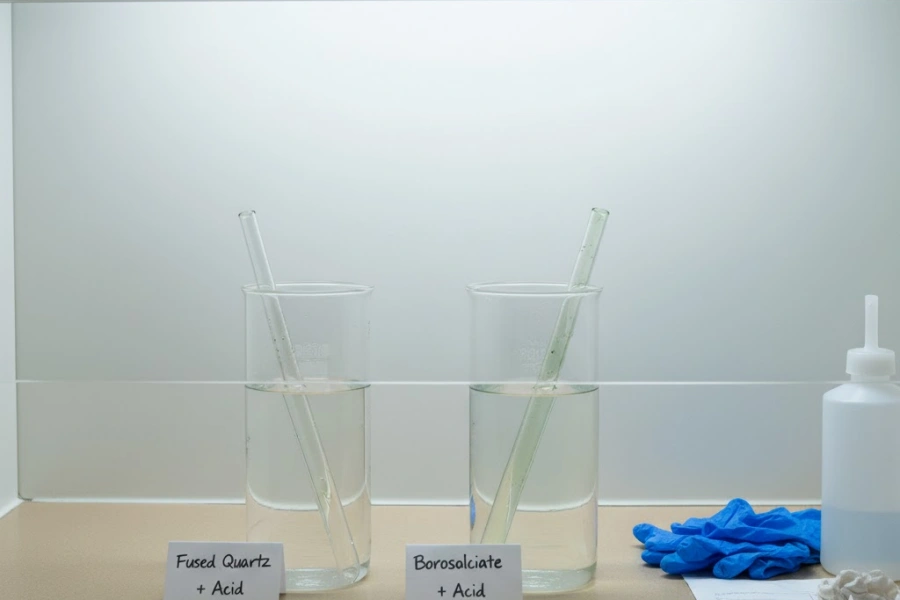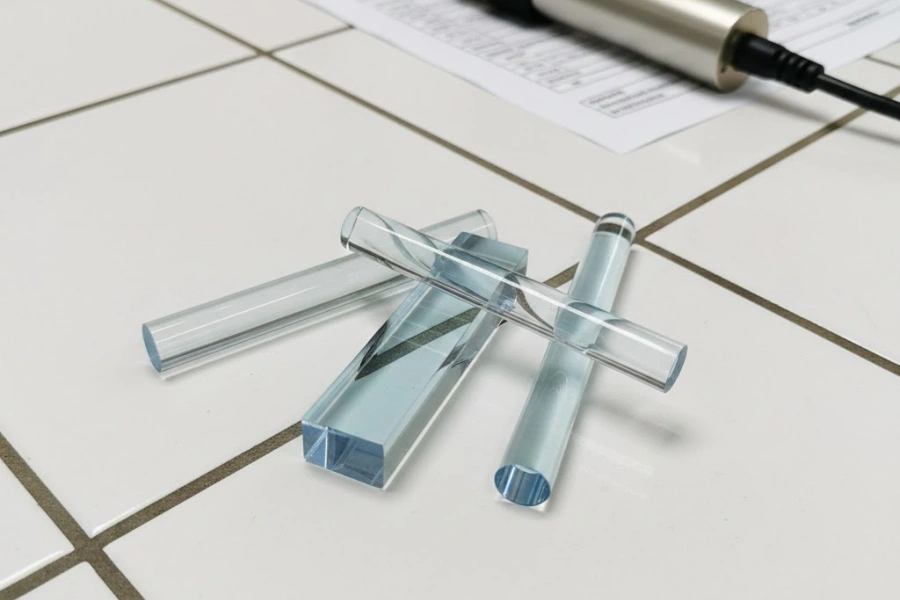
Optical material selection carries consequences that extend well beyond initial system performance — an ill-matched component can render an entire laser assembly permanently non-functional. Fused quartz rods, when correctly specified, provide a reliable transmission medium across the ultraviolet, visible, and infrared regimes without compromise.
A complete technical profile is presented here, covering transmission spectra, purity grades, laser damage thresholds, surface roughness parameters, dimensional tolerances, thermal behavior, birefringence characteristics, and handling protocols. Every parameter is addressed within a single consolidated reference.
Each subject is sequenced from fundamental material properties through to applied optical and laser performance variables. This progression ensures that each technical characteristic is fully contextualized before quantitative data is introduced.
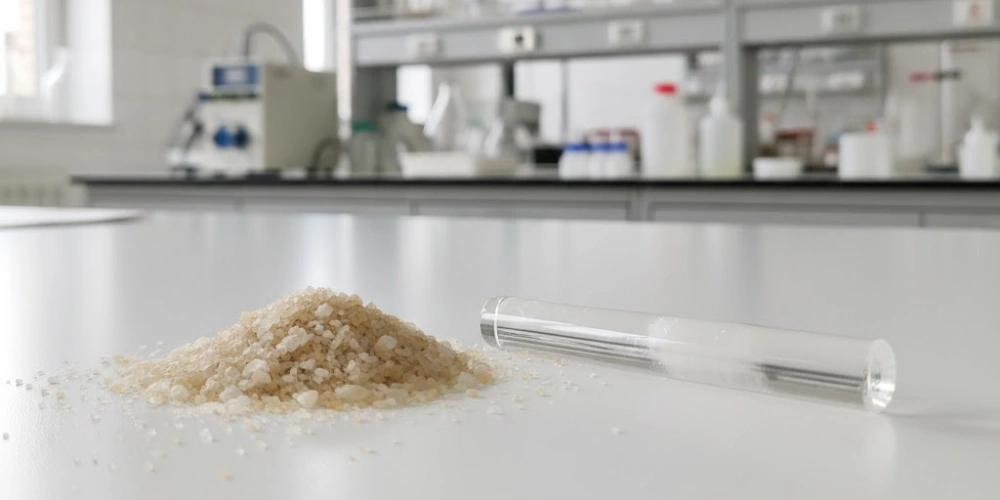
What Fused Quartz Rods Are Made From
Among all amorphous silica materials, fused quartz occupies a unique position because its optical and thermal properties originate directly from the structural homogeneity of its SiO₂ network — a characteristic that distinguishes it sharply from both crystalline quartz and synthetic fused silica.
Fused quartz is produced by melting natural quartz sand (SiO₂ purity typically ≥99.5%) at temperatures exceeding 1,700 °C, after which the melt is formed into rod geometry through drawing or pressing processes. The resulting material is amorphous, meaning it lacks the long-range crystalline order of natural quartz, which eliminates optical birefringence arising from crystal lattice anisotropy. This structural randomness is precisely what gives fused quartz its isotropic optical behavior.
A frequent source of confusion in optical engineering is the distinction between geschmolzener Quarz und Quarzglas. Although both are amorphous SiO₂, fused silica is synthesized from ultra-pure silicon-containing precursors such as SiCl₄ via chemical vapor deposition, yielding SiO₂ purity levels above 99.999% and tightly controlled OH content. Fused quartz, derived from natural sand, contains higher metallic impurity concentrations and variable OH content depending on the manufacturing atmosphere. Consequently, fused silica offers superior deep-UV transmission and lower intrinsic absorption, while fused quartz provides a more cost-accessible option for applications where the UV range below 200 nm is not critical.
The rod geometry itself is achieved through precision drawing of the molten blank, which produces a cylindrical form with consistent cross-section. Diameter tolerances of ±0.1 mm to ±0.5 mm are standard depending on optical-grade classification, and the drawing axis alignment directly influences the straightness specifications of the finished rod.
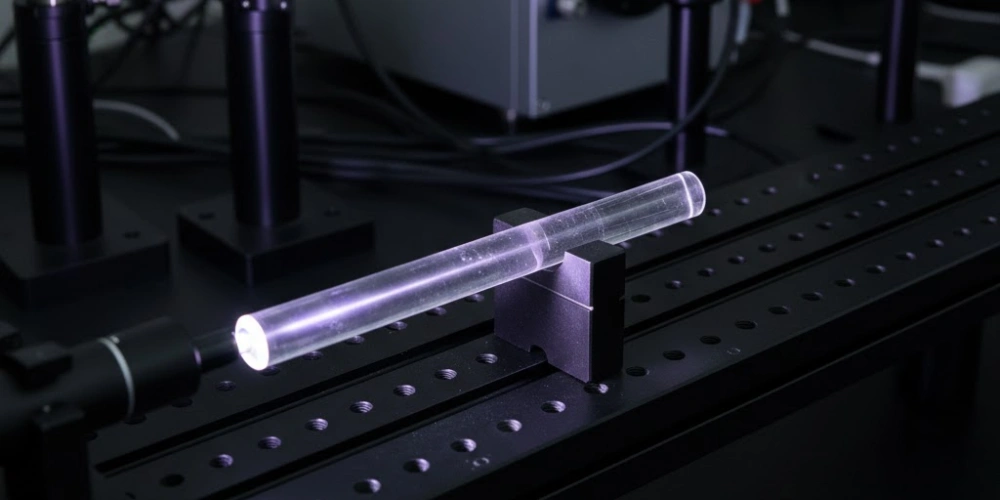
The Full-Spectrum Optical Transmission of Fused Quartz Rods
Optical transmission range is the single most consulted parameter when engineers evaluate geschmolzene Quarzstangen for light-guiding, beam-shaping, or spectral filtering functions. Furthermore, understanding how transmission behaves across the UV, visible, NIR, and mid-IR ranges enables precise material selection before any system is assembled.
Ultraviolet Transmission and the 185 nm Threshold
The ultraviolet transmission capability of fused quartz is one of its most practically significant attributes, particularly for excimer laser systems and UV spectroscopy assemblies.
Fused quartz rods transmit efficiently from approximately 185 nm in the deep ultraviolet through to roughly 3,500 nm in the mid-infrared, a range that common borosilicate glass cannot approach. The 185 nm lower bound is governed by the onset of intrinsic absorption in the SiO₂ network, specifically by electronic transitions in the Si–O bond system. Below this threshold, photon energies begin to excite valence electrons, causing absorption to rise sharply.
For UV laser applications — particularly at 193 nm (ArF excimer), 248 nm (KrF excimer), and 266 nm (Nd:YAG fourth harmonic) — fused quartz rods exhibit internal transmittance values typically between 85% and 92% per centimeter of optical path, depending on purity grade and OH content. Metallic impurities such as Fe²⁺ and Ti⁴⁺ introduce absorption bands in the UV that can reduce transmittance by 3–8% per cm at concentrations above 10 ppm. Consequently, optical-grade fused quartz destined for UV service is specified with total metallic impurities below 5 ppm.
The practical consequence for system designers is that a fused quartz rod used as a UV beam homogenizer must be sourced with verified spectral transmittance data at the operating wavelength, rather than relying on nominal catalogue values alone.
Ultraviolet Transmission Reference
| Wellenlänge (nm) | Typical Internal Transmittance (% per cm) | Primary Absorption Mechanism |
|---|---|---|
| 185 | 60-70 | Si–O electronic absorption onset |
| 193 | 82–88 | Residual metallic impurity absorption |
| 248 | 88–93 | Low-level OH and impurity bands |
| 266 | 90–94 | Minimal intrinsic absorption |
| 355 | 93–96 | Near-zero intrinsic absorption |
Visible and Near-Infrared Transmission Characteristics
Across the visible spectrum from 400 nm to 700 nm, fused quartz rods achieve internal transmittance values consistently above 93%, making them effectively transparent to the human eye and suitable for white-light optical systems including illumination homogenizers and integrating rods.
Extending into the near-infrared from 700 nm to approximately 2,500 nm, transmission remains high — typically above 90% per cm — with one important exception. A characteristic absorption band centered near 2.730 nm arises from the fundamental O–H stretching vibration, the magnitude of which scales directly with the hydroxyl (OH) content of the glass. At wavelengths below 2,000 nm, OH content influences transmission through overtone absorption bands at approximately 1,380 nm and 2,210 nm, which are weaker but measurable in rods exceeding 50 mm in length. For NIR laser systems operating at 1,064 nm (Nd:YAG fundamental) or 1,550 nm (Er:fiber), the overtone absorption at 1,380 nm is generally negligible in high-OH material but becomes the primary loss mechanism at extended path lengths.
The refractive index of fused quartz at 589 nm (sodium D-line) is 1.4584, decreasing smoothly toward longer wavelengths following normal dispersion. This dispersion behavior is well-characterized by the Sellmeier equation, enabling precise calculation of group velocity dispersion1 for ultrafast laser pulse propagation through fused quartz rod waveguides.
Visible to Near-Infrared Transmission Reference
| Wellenlänge (nm) | Internal Transmittance (% per cm) | Dispersion Note |
|---|---|---|
| 400 | 92–95 | Normal dispersion regime |
| 589 | 93–96 | n = 1.4584 |
| 1,064 | 91–95 | Nd:YAG fundamental |
| 1,380 | 88–93 | OH overtone absorption present |
| 1,550 | 90–94 | Er:fiber wavelength |
| 2,000 | 85–91 | Approaching OH fundamental band |
How OH Content Shifts Near-Infrared Transmission
Hydroxyl group concentration is a material variable that exerts disproportionate influence on NIR optical performance, and its effects are frequently underestimated during the specification process.
Low-OH fused quartz, typically defined as containing less than 30 ppm OH by weight, exhibits suppressed absorption at the 2,730 nm fundamental and its overtone positions. Conversely, high-OH material (150–1,000 ppm OH) shows pronounced absorption at 1,380 nm and 2,210 nm, with the 1,380 nm overtone reaching absorption coefficients of approximately 0.04–0.12 cm⁻¹ depending on exact OH concentration. For a 100 mm fused quartz rod, this translates to an additional transmission loss of 4–12% at 1,380 nm compared to low-OH equivalents.
The manufacturing atmosphere is the primary determinant of OH content. Flame fusion processes using hydrogen–oxygen flames introduce large quantities of OH into the glass network (producing high-OH material), whereas electric fusion in a dry atmosphere yields low-OH product. This distinction means that fused quartz rods for NIR laser applications — including Nd:YAG second-harmonic generation assemblies or 1,550 nm telecommunications test optics — must be explicitly sourced as low-OH grades, with certificate-verified OH content below 30 ppm.
A particularly important scenario arises in pulsed NIR systems where the rod serves a dual function as both a waveguide and a thermal buffer. In this configuration, residual OH absorption converts laser energy into localized heating, creating a thermal gradient along the rod axis that degrades beam quality through thermally induced wavefront distortion. This effect becomes measurable at average power levels above 5 W when OH content exceeds 100 ppm.
OH Content versus NIR Absorption
| OH-Gehalt (ppm) | Absorption at 1,380 nm (cm⁻¹) | Absorption at 2,730 nm (cm⁻¹) | Recommended Application |
|---|---|---|---|
| < 10 | < 0.005 | < 0.10 | High-power NIR laser rods |
| 10-30 | 0.005–0.015 | 0,10–0,30 | General NIR optics |
| 30–150 | 0.015–0.06 | 0.30–1.20 | Visible and UV systems |
| 150–1.000 | 0.06–0.12 | 1.20–5.00 | UV excimer, non-NIR use |
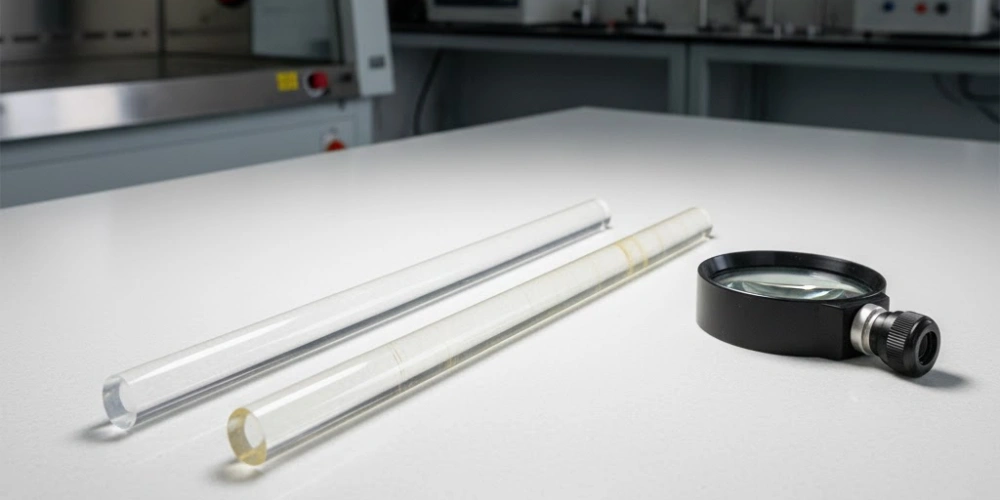
Purity Grades and Their Impact on Fused Quartz Rods Used in Optics
Material purity is not merely a quality specification on a datasheet — it is the upstream variable that simultaneously governs optical absorption, scattering loss, and laser-induced damage susceptibility. Accordingly, purity grade selection must precede all other optical system design decisions when fused quartz rods are involved.
SiO₂ Purity Levels and Metallic Impurity Thresholds
The SiO₂ purity of fused quartz rods is the foundational metric from which all optical performance downstream flows, and its specification must be matched to the wavelength regime and power density of the intended application.
Standard-grade fused quartz typically achieves SiO₂ purity of 99.9% (3N), with metallic impurity concentrations (Fe, Al, Na, K, Ca, Mg, Ti combined) in the range of 50–200 ppm by weight. At these impurity levels, optical absorption in the visible range is low enough for general illumination and non-precision applications. However, in the ultraviolet below 300 nm, Fe²⁺ contributes an absorption band centered near 220 nm with a molar absorption coefficient of approximately 3.0 × 10³ L·mol⁻¹·cm⁻¹, making even sub-ppm Fe concentrations consequential.
Optical-grade fused quartz is specified at SiO₂ ≥ 99.995% (4N5), with total metallic impurities below 5 ppm and individual transition metal concentrations (particularly Fe and Ti) below 0.5 ppm. At this purity level, UV absorption from metallic impurities at 248 nm is reduced to below 0.003 cm⁻¹, which is negligible for path lengths under 100 mm. For precision UV laser applications and high-finesse optical cavities, this grade is the minimum acceptable specification.
The practical consequence of impurity-driven absorption extends beyond transmission loss. Absorbed photon energy converts to localized thermal energy, creating micro-scale temperature gradients within the rod. In high-repetition-rate laser systems, these gradients accumulate over time, inducing thermally driven refractive index inhomogeneities that degrade wavefront quality. At repetition rates above 10 kHz with pulse energies above 1 mJ, even a 1 ppm increase in Fe concentration can produce a measurable increase in beam divergence after 500 mm of propagation.
Metallic Impurity Thresholds by Purity Grade
| Reinheitsgrad | SiO₂ (%) | Total Metals (ppm) | Fe (ppm) | Ti (ppm) | UV Application Suitability |
|---|---|---|---|---|---|
| Standard (3N) | 99.9 | 50-200 | 5-20 | 2-10 | Visible only |
| High-purity (4N) | 99.99 | 10-50 | 0.5-5 | 0.2-2 | Near-UV (300–400 nm) |
| Optical (4N5) | 99.995 | < 5 | < 0.5 | < 0.2 | Deep-UV (< 300 nm) |
| Semiconductor (5N) | 99.999 | < 1 | < 0.1 | < 0.05 | Excimer, DUV lithography |
Inclusion Density and Bubble Content in Optical-Grade Material
Structural inhomogeneities within fused quartz rods — specifically gas-filled bubbles and solid particulate inclusions — represent a distinct category of optical degradation that is independent of chemical purity yet equally consequential for laser and precision optical applications.
Bubbles in fused quartz arise from trapped atmospheric gases during the melting process. Their optical effect is twofold: each bubble acts as a Mie scattering center, with scattering cross-sections proportional to the sixth power of bubble diameter for sub-wavelength inclusions. A single bubble of 50 µm diameter in the optical path of a 10 mm beam creates a local scattering loss of approximately 0.01–0.05%, which is negligible in isolation but cumulative across multipl]e inclusions. More critically, bubbles act as stress concentrators under laser irradiation, initiating subsurface fractures at power densities far below the nominal bulk damage threshold of pristine material.
Optical-grade fused quartz rods are classified according to ISO 10110-32 (or the equivalent MIL-PRF-13830B standard) for bubble and inclusion content. Grade B0 permits zero bubbles of diameter ≥ 0.16 mm per cm³, while Grade B1 allows a total cross-sectional area of bubbles not exceeding 0.029 mm² per 100 cm³ of material. For high-peak-power pulsed laser applications — particularly Q-switched Nd:YAG or excimer systems — B0 or B1 grade material is mandatory, as a single undisclosed bubble of 100 µm diameter in a focused beam of 0.5 mm diameter can cause catastrophic localized damage at fluences as low as 1 J/cm².
The inspection method for inclusion density involves dark-field illumination microscopy of the rod volume, with the rod immersed in an index-matching fluid to eliminate surface reflection artifacts. Certification reports from reputable manufacturers include both bubble count maps and maximum single-inclusion dimensions, providing the traceability required for aerospace and defense optical system qualification.
Bubble and Inclusion Classification
| Grade (ISO 10110-3) | Maximaler Blasendurchmesser (mm) | Total Bubble Area per 100 cm³ (mm²) | Empfohlener Anwendungsfall |
|---|---|---|---|
| B0 | 0 (zero permitted) | 0 | High-peak-power pulsed lasers |
| B1 | 0.16 | 0.029 | CW laser optics, UV systems |
| B2 | 0.25 | 0.12 | General precision optics |
| B3 | 0.40 | 0.50 | Industrial illumination |
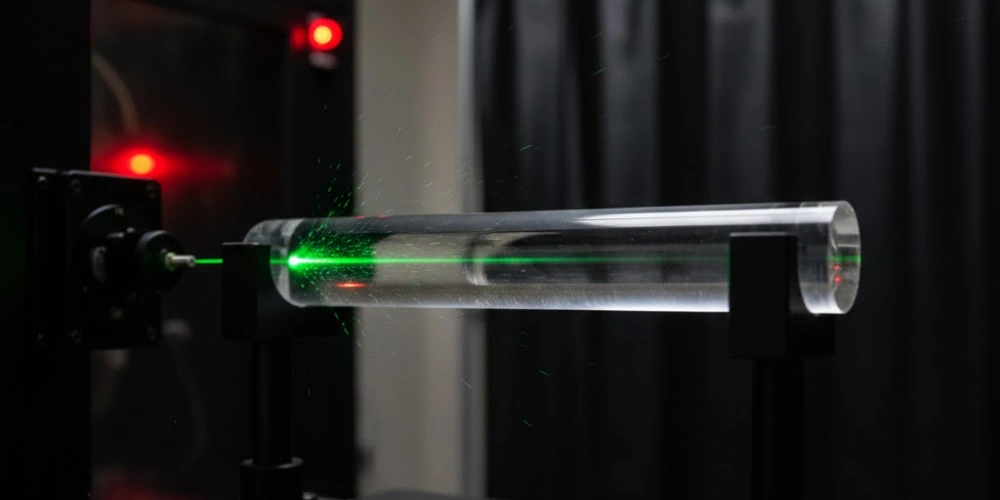
Laser Damage Threshold in Fused Quartz Rods
Beyond passive optical transmission, the laser damage threshold (LDT, also referred to as LIDT — laser-induced damage threshold) is the performance ceiling that defines the safe operational envelope of any fused quartz rod in an active laser system. Its value is not a single fixed material constant but a function of surface condition, pulse parameters, wavelength, and bulk purity simultaneously.
Bulk vs Surface Damage Threshold Mechanisms
The distinction between bulk and surface damage mechanisms is fundamental to understanding why two rods with identical material composition can exhibit dramatically different damage behavior under identical laser conditions.
Bulk damage in fused quartz originates from multiphoton absorption or avalanche ionization within the glass volume. In high-purity material under nanosecond pulsed irradiation at 1,064 nm, bulk damage thresholds of 40–80 J/cm² are routinely reported for rods with SiO₂ purity ≥ 99.995% and bubble grade B0. The bulk threshold scales with pulse duration τ approximately as τ^0.5, meaning that for 10 ns pulses, the bulk threshold is roughly 3.16× higher than for 1 ns pulses of identical wavelength. Under femtosecond pulses (τ < 1 ps), the threshold drops dramatically — typically to 1–5 J/cm² — because multiphoton ionization dominates over thermal diffusion.
Surface damage consistently occurs at lower fluences than bulk damage, typically at 20–50% of the bulk threshold value for the same pulse parameters. The mechanism involves enhanced local electric field at surface discontinuities, subsurface mechanical damage from grinding processes, and contamination-driven absorption. A fused quartz rod with a fire-polished surface (Ra < 1 nm) exhibits surface damage thresholds approximately 2–3× higher than an equivalently pure rod with a ground surface (Ra 5–20 nm) under identical 10 ns, 1,064 nm irradiation.
The practical implication is that surface preparation is not a cosmetic specification — it is a laser damage prevention strategy. In high-energy Nd:YAG systems delivering 100 mJ pulses through a 5 mm diameter beam (fluence ≈ 0.51 J/cm²), a ground-surface rod may survive indefinitely, whereas at 1 J/cm² the same rod may develop surface pitting within several thousand shots, progressively increasing scatter and ultimately failing catastrophically.
Bulk vs Surface Damage Threshold Comparison
| Pulse Duration | Wellenlänge (nm) | Bulk LDT (J/cm²) | Surface LDT — Ground (J/cm²) | Surface LDT — Polished (J/cm²) |
|---|---|---|---|---|
| 10 ns | 1,064 | 40–80 | 10-20 | 25-50 |
| 10 ns | 532 | 20-40 | 8-15 | 18-35 |
| 10 ns | 266 | 5–12 | 2-5 | 6–11 |
| 1 ns | 1,064 | 12-25 | 4–8 | 10-20 |
| 100 fs | 800 | 1-3 | 0.5–1.5 | 1.5–3.5 |
Pulse Duration and Wavelength Dependence of Laser Damage
Laser damage behavior in fused quartz is not uniform across the parameter space of pulsed laser systems, and the dependence on both pulse duration and wavelength follows well-established physical relationships that enable engineers to extrapolate damage thresholds across operating conditions.
The pulse duration dependence follows the thermal diffusion scaling law in the nanosecond to microsecond regime: LDT ∝ τ^0.5. For a fused quartz rod with a measured 10 ns LDT of 50 J/cm² at 1,064 nm, the predicted threshold at 100 ns extends to approximately 158 J/cm², while at 1 ns it decreases to approximately 16 J/cm². This scaling breaks down below approximately 10 ps, where the mechanism transitions from thermally mediated damage to direct photoionization — a regime in which the τ^0.5 law underestimates damage susceptibility, and measured thresholds for femtosecond pulses are often 5–10× lower than the nanosecond scaling law predicts.
Wavelength dependence is governed by the photon energy relative to the optical bandgap of fused quartz (~8.3 eV, corresponding to ~150 nm). At longer wavelengths such as 1,064 nm (photon energy 1.17 eV), bulk damage requires 7–8 photons for multiphoton absorption to bridge the bandgap, making the process highly nonlinear and the threshold relatively high. At 266 nm (photon energy 4.66 eV), only 2 photons are required, reducing the bulk damage threshold by approximately a factor of 3–5 compared to 1,064 nm under identical pulse durations. Surface contamination further amplifies UV sensitivity: a hydrocarbon monolayer on the rod entry surface can reduce the effective UV damage threshold by 30–50% through single-photon absorption in the contaminant layer.
In practice, thermal accumulation at high repetition rates introduces a further complication. At repetition rates above 1 kHz with average powers exceeding 10 W, thermal lensing within fused quartz rods becomes measurable, and the cumulative thermal load can pre-heat the glass between pulses, lowering the instantaneous damage threshold relative to the single-shot value by as much as 15–25% at sustained operation above 10 W average power.
Pulse Duration Scaling of LDT at 1,064 nm
| Pulse Duration | LDT Scaling Factor (vs 10 ns) | Typical LDT Range (J/cm²) | Dominant Damage Mechanism |
|---|---|---|---|
| 100 µs | 31.6× | 1,000–2,500 | Thermal diffusion |
| 1 µs | 10× | 400–800 | Thermal diffusion |
| 100 ns | 3.16× | 130–250 | Thermal–mechanical |
| 10 ns | 1× | 40–80 | Avalanche ionization |
| 1 ns | 0.32× | 12-25 | Mixed ionization |
| 100 fs | ~0.03–0.06× | 1-3 | Direct photoionization |
Surface Finish Quality and Its Effect on Damage Resistance
Surface finish quality represents the most accessible engineering lever for improving the practical laser damage resistance of fused quartz rods without changing material grade or purity.
The root cause of surface-initiated damage is the presence of residual mechanical stress and subsurface cracks introduced during grinding and lapping processes. These micro-defects act as electric field enhancement sites under laser irradiation, locally elevating the field intensity by factors of 2–5× relative to the nominal beam intensity. Since optical damage is a threshold phenomenon driven by local field intensity rather than average fluence, even a single subsurface crack of 1–5 µm depth can initiate damage at fluences well below the polished-surface threshold.
Fire polishing — a process in which the rod surface is briefly exposed to a hydrogen–oxygen flame — achieves surface temperatures sufficient to viscously flow the outer glass layer, healing subsurface cracks and reducing surface Ra values to below 0.5 nm. Rods subjected to fire polishing consistently demonstrate surface damage thresholds 40–60% higher than ground surfaces of equivalent purity, as confirmed by ISO 21254 single-shot damage testing protocols. Importantly, fire polishing also reduces the density of surface OH groups by dehydrating the outermost glass layer, which provides a secondary benefit of reduced UV absorption at the air–glass interface.
Chemical etching with dilute HF solution offers an alternative surface improvement route, dissolving the mechanically damaged subsurface layer to a depth of 5–20 µm and exposing pristine bulk material. HF-etched surfaces exhibit Ra values of 1–5 nm — higher than fire-polished surfaces — but with significantly reduced subsurface crack density. For cost-sensitive applications where fire polishing is not feasible, HF etching provides an intermediate improvement of approximately 20–35% in surface damage threshold compared to as-ground surfaces.
Surface Finish versus Laser Damage Threshold
| Oberflächenbehandlung | Ra (nm) | Subsurface Crack Depth (µm) | Relative Surface LDT (%) | Applicable Standard |
|---|---|---|---|---|
| As-ground | 5-20 | 5–30 | 100 (baseline) | - |
| Lapped | 1-5 | 1-10 | 115–130 | MIL-PRF-13830B |
| HF-etched | 1-5 | < 1 | 120–135 | ISO 21254 |
| Feuerpoliert | < 0.5 | ~0 | 140–160 | ISO 21254 |
| CMP-polished | < 0.3 | ~0 | 150–170 | ISO 10110-8 |
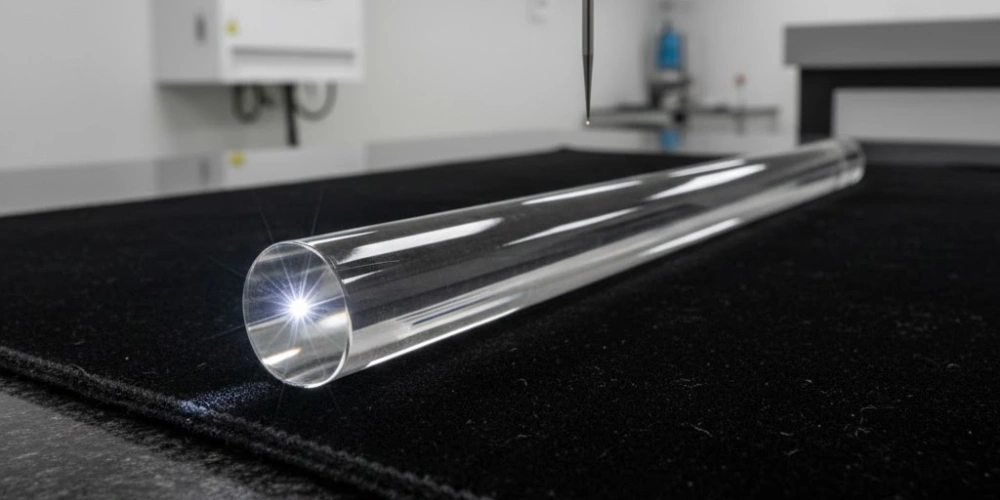
Surface Roughness Parameters for Fused Quartz Rods in Optical Systems
Surface finish specifications on fused quartz rods are among the most directly actionable parameters available to optical engineers, as they translate directly into measurable scatter loss, wavefront degradation, and damage resistance within any assembled optical system.
Ra Values and Scatter Loss Quantification
Surface roughness expressed as the arithmetic mean deviation Ra is the most widely used single-number descriptor for optical surface quality, and its relationship to scatter loss is quantifiable through established electromagnetic scattering theory.
For fused quartz rods used at 532 nm, the total integrated scatter (TIS) can be approximated by the expression TIS ≈ (4πRa/λ)², valid for Ra values much smaller than the wavelength. At Ra = 1 nm and λ = 532 nm, TIS ≈ 0.056% — negligible for most applications. At Ra = 5 nm, TIS rises to 1.39%, which becomes significant in optical cavities or multi-pass configurations. At Ra = 20 nm, TIS reaches 22%, rendering the surface functionally opaque for precision optical purposes.
These numbers become particularly critical when fused quartz rods are used as light homogenizer bars in illumination systems, where the rod's cylindrical surface serves as the reflective waveguide boundary. In this application, each internal reflection encounter between the propagating beam and the cylindrical wall contributes scatter loss equal to the surface TIS value. A 100 mm homogenizer rod experiencing 400 internal reflections with Ra = 5 nm at 532 nm accumulates a total scatter loss of approximately 5.6%im Vergleich zu 0.22% for Ra = 1 nm material. Over the lifetime of a projection system operating at high duty cycles, this difference translates to a measurable divergence in luminous efficiency.
The measurement standard for Ra on optical components is ISO 4287 / ISO 4288, with profilometer stylus radii of 2 µm or less required for accurate measurement of nanometer-scale roughness on fused quartz rods. White-light interferometry (WLI) is preferred over stylus profilometry for Ra values below 2 nm, as stylus contact introduces risk of surface scratching on polished optical-grade material.
Ra Value and Scatter Loss at Selected Wavelengths
| Ra (nm) | TIS at 266 nm (%) | TIS at 532 nm (%) | TIS at 1,064 nm (%) | Surface Category |
|---|---|---|---|---|
| 0.3 | 0.050 | 0.013 | 0.003 | Superpolished |
| 0.5 | 0.139 | 0.035 | 0.009 | CMP-polished |
| 1.0 | 0.556 | 0.139 | 0.035 | Fine-polished |
| 5.0 | 13.9 | 3.47 | 0.87 | Standard ground |
| 20.0 | - | 55.6 | 13.9 | Coarse ground |
Fire-Polished versus Ground Surface Specifications
The choice between fire-polished and ground surface finish on fused quartz rods is not merely a matter of optical smoothness — it reflects a fundamental difference in surface microstructure that affects scatter, damage resistance, and chemical stability simultaneously.
Ground surfaces are produced by abrasive machining of drawn quartz blanks, resulting in Ra values in the range of 5–20 nm for standard grinding and 1–5 nm for precision lapping. While these values are adequate for non-optical cylindrical surfaces in structural or thermal applications, the associated subsurface damage layer — typically 5–30 µm deep — contains microcracks, residual abrasive particles, and mechanically induced stress fields. Under UV laser irradiation, this subsurface damage layer acts as a preferential absorption and scatter site. A ground-surface fused quartz rod used as a UV light pipe in a 248 nm excimer laser system will exhibit measurable throughput degradation within 10⁶–10⁷ pulses at fluences above 50 mJ/cm², driven primarily by progressive surface pitting at pre-existing crack sites.
Fire-polished surfaces achieve Ra values consistently below 0,5 nm through viscous flow of the surface glass layer at temperatures of approximately 1,600–1,700 °C. The critical advantage beyond roughness reduction is the complete healing of subsurface cracks and the restoration of a compressive surface stress state, which inhibits crack propagation under both mechanical and laser-induced loading. Fire-polished cylindrical surfaces on fused quartz rods maintain their optical quality over extended UV laser exposures exceeding 10⁸ pulses at 50 mJ/cm², a lifespan improvement of roughly one order of magnitude compared to ground alternatives.
In applications where the rod's cylindrical surface does not participate in beam transmission — for example, a rod used purely as a structural alignment spacer in a lens barrel — ground finish is fully acceptable and avoids the cost premium of fire polishing. The specification decision should therefore be driven by whether the cylindrical surface intersects the optical path.
Fire-Polished vs Ground Surface Comparison
| Parameter | Ground Surface | Fire-Polished Surface |
|---|---|---|
| Ra (nm) | 5-20 | < 0.5 |
| Subsurface crack depth (µm) | 5–30 | ~0 |
| TIS at 532 nm (%) | 3.5–22 | < 0.04 |
| UV lifetime (pulses at 50 mJ/cm²) | 10⁶–10⁷ | > 10⁸ |
| Surface compressive stress | Tensile (damaged) | Compressive (restored) |
| Typische Anwendungen | Structural, thermal | Laser light guides, UV systems |
End-Face Polishing Standards λ/4 and λ/10
The end faces of fused quartz rods in laser systems serve as the primary optical interfaces through which coherent radiation enters and exits the component, and their surface figure error directly determines the wavefront quality of the transmitted or coupled beam.
Surface figure error is expressed in units of the test wavelength λ (typically 632.8 nm He-Ne), with λ/4 and λ/10 representing peak-to-valley (PV) wavefront deformation values of 158 nm and 63 nm respectively. The λ/4 specification (PV ≤ 158 nm) is the baseline requirement for most Nd:YAG and diode-pumped solid-state laser applications, where beam quality factors (M²) of 1.2–2.0 are acceptable. The λ/10 specification (PV ≤ 63 nm) is required in applications demanding near-diffraction-limited performance, including single-mode fiber coupling, interferometric measurement systems, and high-finesse optical cavities.
Measurement of end-face figure is performed interferometrically, typically with a Fizeau interferometer using a reference flat of λ/20 or better. The measurement is sensitive to both large-scale figure errors (power, astigmatism) and mid-spatial-frequency ripple (dig and scratch residuals). MIL-PRF-13830B scratch-dig specifications of 10-5 (scratch width ≤ 10 µm, dig diameter ≤ 50 µm) are typically paired with λ/10 figure requirements for precision laser rod end faces, while 40-20 scratch-dig is paired with λ/4 for industrial-grade applications.
The parallelism of the two end faces relative to each other — expressed in arc-seconds — is a companion specification. For polarization-sensitive applications such as Pockels cell beam-shaping assemblies, end-face parallelism better than 30 arc-seconds is required to prevent beam walk-off during multiple traversals of the rod. For single-pass applications, 3 arc-minute parallelism is generally adequate.
End-Face Polish Specification Summary
| Spezifikation | PV Figure Error (nm) | Scratch-Dig | Parallelität | Typische Anwendung |
|---|---|---|---|---|
| λ/4 | ≤ 158 | 40-20 | 3 arc-min | Industrial Nd:YAG, homogenizers |
| λ/10 | ≤ 63 | 20-10 | 1 arc-min | Fiber coupling, CW precision lasers |
| λ/20 | ≤ 32 | 10-5 | 30 arc-sec | Interferometry, high-finesse cavities |
| λ/40 | ≤ 16 | 10-5 | 10 arc-sec | Metrology, wavefront sensing systems |
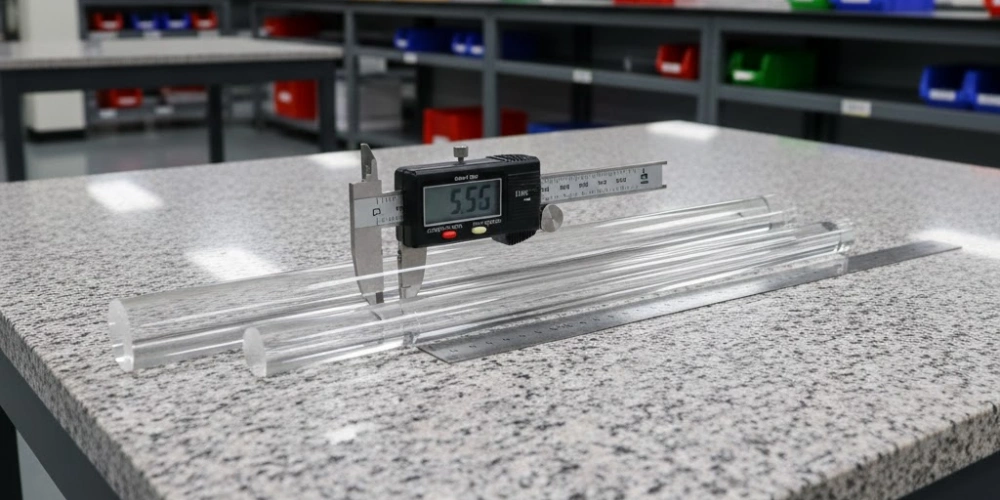
Dimensional Tolerances and Geometry of Optical Fused Quartz Rods
Dimensional accuracy in fused quartz rods is a specification tier that bridges material properties and system integration, ensuring that optical alignment, beam geometry, and mechanical fit are all maintained within design bounds.
-
Diameter tolerance is the most frequently specified geometric parameter. Standard commercial fused quartz rods are available with diameter tolerances of ±0,5 mm, while precision optical grades are held to ±0,1 mm or tighter. For rods used as light guides in tightly toleranced lens barrels, diametric clearance of less than 0.05 mm is required to prevent beam vignetting at the cylindrical boundary. Achieving ±0.05 mm diameter tolerance requires centerless grinding followed by lapping, with in-process measurement using air-gauge or laser-micrometer systems accurate to ±0.002 mm.
-
Length tolerance for cut fused quartz rods is typically ±0.5 mm for saw-cut ends, tightening to ±0.1 mm when end faces are precision-ground. In optical pulse compression assemblies and beam expander configurations, length accuracy affects optical path length matching; a 0.1 mm length error in a fused quartz rod of refractive index 1.458 introduces an optical path difference of 0.046 mm (46 µm), which is consequential in interferometric and coherence-sensitive applications.
-
Cylindricity and straightness define the geometric perfection of the rod's longitudinal axis and cross-sectional roundness. Optical-grade fused quartz rods hold cylindricity values of < 0.01 mm over 100 mm length and straightness deviations below 0.05 mm/m. In contrast, standard commercial rods may exhibit straightness deviations up to 0.2 mm/m, which causes progressive beam steering in waveguide applications through gradient-index effects arising from thickness variation of the evanescent coupling zone.
A natural consequence of tight cylindricity requirements is the need for non-contact dimensional verification using structured-light scanning or air-bearing roundness testers rather than conventional contact CMM probes, which risk scratching fire-polished surfaces. Precision-grade fused quartz rods are typically shipped with dimensional certification reports traceable to NIST or PTB standards.
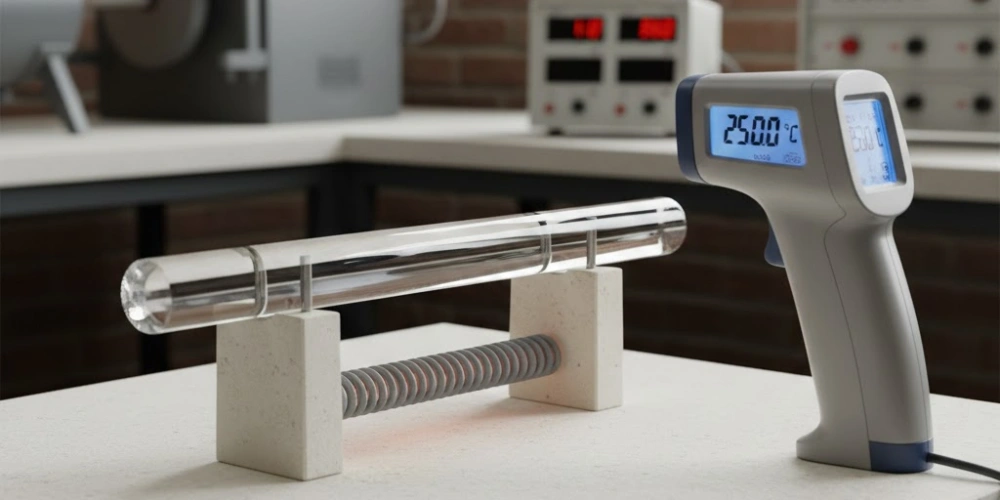
Thermal Properties Relevant to Fused Quartz Rods under Laser Irradiation
Under sustained or high-repetition-rate laser irradiation, the thermal properties of fused quartz become active engineering variables rather than passive material constants, and their values directly influence beam quality, mechanical integrity, and long-term component reliability.
-
Coefficient of thermal expansion (CTE) is the most cited thermal property of fused quartz, valued at approximately 0.55 × 10-⁶ /°C across the range 0–1,000 °C. This exceptionally low CTE means that a 100 mm fused quartz rod subjected to a 100 °C temperature rise expands by only 5.5 µm along its axis — negligible in most optomechanical assemblies. By contrast, BK7 glass (CTE ≈ 7.1 × 10⁻⁶ /°C) would expand by 71 µm under identical conditions, a 13× difference with direct consequences for focus stability in high-power laser systems. The low CTE is the primary reason fused quartz rods are preferred over borosilicate alternatives in thermally loaded beam-shaping assemblies.
-
Wärmeleitfähigkeit of fused quartz is 1.38 W/(m·K) at room temperature, rising modestly to approximately 1.6 W/(m·K) at 500 °C. This relatively low conductivity means that absorbed laser energy dissipates slowly, creating radial thermal gradients within the rod cross-section during high-power illumination. For a 10 mm diameter rod absorbing 1 W uniformly along its 100 mm length, the steady-state center-to-surface temperature difference is approximately 0.36 °C — small but sufficient to produce a thermally induced refractive index variation (dn/dT ≈ 1.1 × 10⁻⁵ /°C for fused quartz) of 4 × 10⁻⁶, which generates weak thermal lensing3 detectable by Hartmann-Shack wavefront sensors at beam powers above 5 W.
-
Softening point and maximum use temperature define the upper thermal boundary of fused quartz rod applications. The softening point is approximately 1.665 °C, and the practical maximum continuous use temperature is conservatively set at 1,000 °C to maintain dimensional stability and avoid viscous deformation over extended service periods. For pulsed laser applications involving nanosecond pulses, the peak surface temperature during the pulse can transiently exceed 500 °C at fluences near the damage threshold without causing macroscopic deformation, owing to the extremely short thermal diffusion length during the pulse.
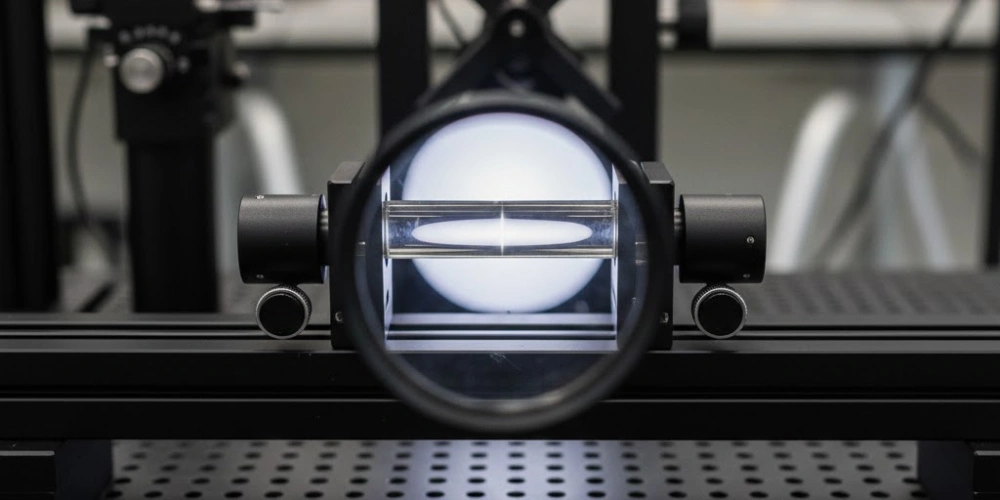
Birefringence and Refractive Index Homogeneity in Fused Quartz Rods
For polarization-sensitive laser systems and high-precision interferometric assemblies, the birefringence and refractive index homogeneity of optical components are among the most demanding specifications to satisfy, and fused quartz rods offer exceptional performance in both dimensions.
-
Doppelbrechung in fused quartz arises not from crystal symmetry — the material is amorphous and intrinsically isotropic — but from residual mechanical stress introduced during cooling of the molten blank. Stress birefringence is expressed as the optical path difference per unit thickness (nm/cm), with optical-grade fused quartz rods typically achieving values below 5 nm/cm and premium stress-relieved material reaching < 2 nm/cm. For context, a birefringence of 5 nm/cm in a 50 mm rod introduces an optical path difference of 25 nm between the fast and slow polarization axes, equivalent to approximately λ/25 at 632 nm. In Pockels cell assemblies and polarization-maintaining beam expanders, birefringence values above 10 nm/cm cause measurable polarization state degradation that cannot be compensated downstream.
-
Homogenität des Brechungsindexes (Δn) describes the spatial uniformity of refractive index across the rod cross-section and along its length. For optical-grade fused quartz, Δn values of < 1 × 10⁻⁵ are achievable across apertures up to 50 mm diameter. Premium homogeneity grades reach Δn < 5 × 10⁻⁶, which are required for wavefront-sensitive applications such as beam expanders in UV lithography systems or metrology-grade interferometer components. Index inhomogeneity introduces wavefront error proportional to the product of Δn and the optical path length through the rod; for a 100 mm rod with Δn = 1 × 10⁻⁵, the wavefront contribution is 1,000 nm (≈ 1.6λ at 632 nm), which would be unacceptable in any diffraction-limited application. Achieving Δn < 1 × 10⁻⁵ requires controlled annealing cycles extending over 48–96 hours to relieve thermal gradients frozen into the blank during the initial melt and forming process.
-
Stress annealing is the primary manufacturing process for achieving both low birefringence and high index homogeneity. Rods are held at approximately 1.100 °C — above the strain point (~1,075 °C) but below the annealing point (~1,140 °C) — and cooled at rates typically below 2 °C per hour through the strain-relief temperature range. Faster cooling rates freeze in larger stress fields; empirically, doubling the cooling rate increases residual birefringence by approximately 30–50%, underscoring the sensitivity of this process to thermal management precision.
Storage and Handling Protocols for Fused Quartz Rods in Optical Environments
Even a perfectly specified and manufactured fused quartz rod can be rendered non-functional by inadequate handling — a fact that experienced optical engineers encounter most acutely when investigating premature field failures of laser components. Proper protocols preserve the optical integrity that the manufacturing process worked to establish.
Preventing OH Contamination and Hydroxyl Group Absorption
Contamination of fused quartz rod surfaces with hydroxyl-bearing compounds is among the most common and least visible degradation mechanisms encountered in optical laboratory practice.
Human skin oils contain a complex mixture of fatty acids, squalene, and triglycerides, all of which adsorb strongly onto fused quartz surfaces. A single fingerprint deposits a contamination layer approximately 2–10 nm thick that absorbs at UV wavelengths with extinction coefficients in the range of 0.05–0.3 cm⁻¹ at 248 nm. This absorption layer heats locally under pulsed UV laser irradiation, creating a thermal gradient that initiates surface micro-cracking and permanently lowers the effective damage threshold of the affected surface region. In controlled testing, a fingerprint-contaminated fused quartz surface shows UV damage onset at fluences 40–60% lower than a clean surface of identical specification.
Atmospheric water vapor represents a subtler but cumulative contamination source. Fused quartz surfaces exposed to ambient laboratory air (relative humidity 40–60%) adsorb a monolayer to several monolayers of physisorbed water within minutes of unprotected exposure. At NIR wavelengths near 1,380 nm, this adsorbed water contributes measurable excess absorption for rod lengths exceeding 200 mm, particularly in low-OH-grade material where the rod bulk provides no competing OH absorption for reference. Protective storage in sealed polyethylene bags with desiccant (silica gel, indicating type) at relative humidity below 20% suppresses adsorbed water accumulation and preserves NIR transmission specifications over storage periods exceeding 12 months.
Cleaning procedures for contaminated surfaces require solvent-based protocols rather than aqueous detergent washing, as residual detergent films introduce their own absorption bands. The accepted practice for optical-grade fused quartz rods uses sequential wiping with spectroscopic-grade isopropanol (IPA, ≥ 99.8% purity) followed by methanol (≥ 99.9% purity), with each wipe performed using a clean, lint-free lens tissue in a single-pass drag motion. Circular wiping motions are contraindicated because they redistribute particulate contamination rather than removing it.
Contamination Sources and Mitigation
| Verunreinigung Quelle | Surface Layer Thickness | UV Absorption at 248 nm (cm⁻¹) | Mitigation Protocol |
|---|---|---|---|
| Fingerprint oils | 2–10 nm | 0.05–0.30 | Nitrile gloves, IPA/methanol clean |
| Adsorbed water vapor | 0.3–2 nm | 0.01–0.05 (NIR) | Desiccant storage, < 20% RH |
| Airborne hydrocarbons | 0.1–1 nm | 0.005–0.02 | Cleanroom storage, sealed packaging |
| Residual cleaning agents | 1–5 nm | 0.02–0.10 | Spectroscopic-grade solvents only |
Mechanical Handling Precautions to Preserve Surface Integrity
Mechanical damage to fused quartz rod surfaces introduces permanent scatter centers, stress concentration sites, and — in laser applications — the initiation points for catastrophic damage cascades that propagate through the material with each subsequent laser shot.
Surface scratches result from contact with hard particulate matter, metallic tools, or other fused quartz components during handling. A scratch of 1 µm width and 0.1 µm depth introduces a local scatter contribution at 532 nm of approximately 0.1–0.5% per scratch event, which compounds rapidly in multi-scratch scenarios. More critically, scratches in fire-polished surfaces penetrate the compressive stress layer created during polishing, creating a tensile stress zone at the crack tip that lowers the local fatigue threshold. Under cyclic thermal loading from a pulsed laser, scratch tips propagate at stress intensity factors above 0.74 MPa·m^0.5 (the threshold stress intensity for static fatigue in fused quartz in humid air), leading to slow crack growth and eventual mechanical fracture.
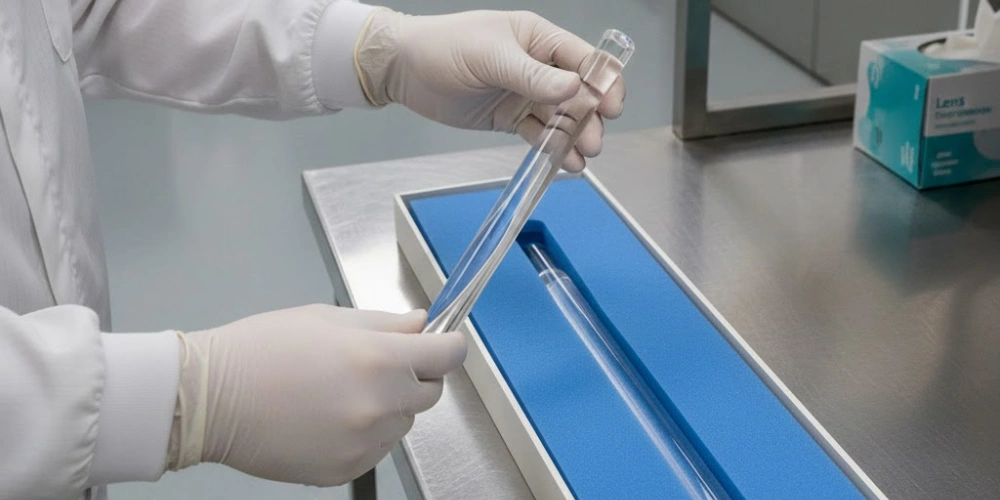
Proper handling fixtures for fused quartz rods use soft polymer end caps (PTFE or silicone) over the polished end faces and foam-padded lateral support cradles for the cylindrical body. Metal V-groove mounts, while dimensionally precise, must be lined with compliant polymer inserts of Shore A hardness 40–60 to prevent hard contact between the metal and the glass surface. In quality-controlled production environments, rods are handled exclusively with nitrile gloves of 0.1 mm thickness — thin enough to maintain tactile feedback for secure grip while preventing skin oil transfer. Latex gloves are avoided because latex contains sulfur-bearing accelerators that can leave trace contamination on fused quartz surfaces with measurable UV absorption consequences.
Packaging for transport uses individual foam-lined boxes with cutouts matched to the rod diameter to within ±1 mm, preventing lateral rolling during transit. Multi-rod shipments use interleaved tissue paper layers between individual foam cradles, ensuring no glass-to-glass contact. For rods with end-face polish specifications of λ/10 or better, protective end caps are maintained in place until the moment of installation in the optical assembly, and the end face is inspected under dark-field illumination at 50× magnification immediately prior to use.
Handling Risk Assessment
| Handling Risk | Damage Type | Onset Condition | Prevention Method |
|---|---|---|---|
| Direct finger contact | Contamination + micro-scratch | Any bare-skin contact | Nitrile gloves always |
| Metal V-groove contact | Surface scratch | Unlined metal contact | Polymer-lined mounts |
| Glass-to-glass contact | Chipping, scratch | Any mutual contact | Individual packaging |
| Solvent residue | UV absorption film | Incorrect solvent grade | Spectroscopic IPA/methanol |
| Transport vibration | End-face chipping | Unsecured rod motion | Snug foam cutout boxes |
| Ambient humidity | OH adsorption | RH > 40%, unpackaged | Desiccant sealed storage |
Typical Applications of Fused Quartz Rods across Laser and Optical Systems
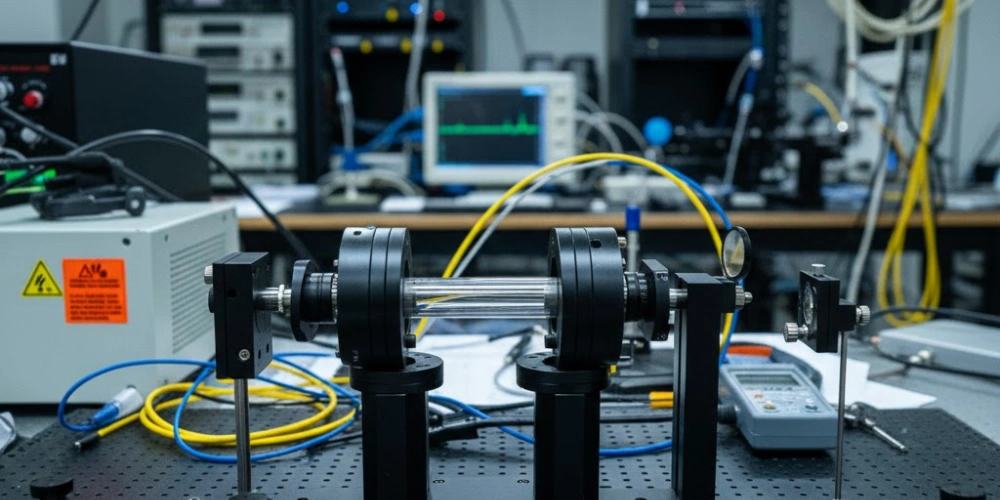
The accumulated technical properties discussed throughout this article — broadband transmission, high purity, superior damage threshold, precise surface finish, dimensional stability, minimal thermal expansion, negligible birefringence, and reliable handling behavior — converge in a well-defined set of practical applications where fused quartz rods deliver performance that no substitute material can replicate.
-
Light homogenizer rods (integrating rods) in high-power illumination and projection systems exploit the total internal reflection geometry of the cylindrical rod to spatially homogenize non-uniform input beams. A fused quartz rod of diameter 3–10 mm and length 50–150 mm with fire-polished cylindrical surface and λ/4 end faces achieves output beam uniformity of ±2–5% across the exit aperture when the input NA matches the rod acceptance cone. This application accounts for a substantial fraction of fused quartz rod consumption in the display and semiconductor lithography illumination markets.
-
Nd:YAG laser light guides and pump chamber components use fused quartz rods to couple flashlamp or diode pump radiation into the active gain medium. The rod's UV-to-NIR transparency and damage-resistant fire-polished surface allow sustained operation at pump fluences exceeding 20 J/cm² per pulse. In this configuration, the rod typically operates in a reflective jacket (gold-lined or diffuse ceramic) that redirects multiply reflected pump photons toward the gain medium.
-
UV excimer laser beam delivery components represent one of the most demanding applications for fused quartz rods. At 193 nm and 248 nm, fused quartz is one of only two commercially viable optical materials (the other being CaF₂), and its rod form is used as a spatial filter, beam shaper, and coupling element. Operating lifetimes of 5 × 10⁸ pulses at 50 mJ/cm² have been demonstrated with optical-grade, fire-polished fused quartz rods of purity ≥ 99.995%.
-
Optical fiber preform rods serve as the starting material for fused quartz-based optical fiber production, where the rod's exceptional purity, low OH content (for single-mode telecom fiber), and dimensional uniformity are prerequisites for achieving sub-0.2 dB/km attenuation in drawn fiber. The rod is consolidated, overcladded, and drawn in a sequence of high-temperature processes that preserve the material's homogeneity from rod to fiber form.
-
High-temperature optical windows and pyrometry components leverage fused quartz's thermal stability to 1,000 °C continuous service, allowing the rod to function as both a thermal barrier and an optical transmission element in furnace observation ports, plasma diagnostic systems, and flame emission spectrometers operating above the service temperature of borosilicate glass.
Schlussfolgerung
Fused quartz rods deliver a uniquely balanced combination of broadband optical transmission, high purity, superior laser damage resistance, precise surface finish capability, ultra-low thermal expansion, negligible birefringence, and dimensional stability — properties that collectively justify their position as the material of choice across UV laser systems, NIR beam shaping assemblies, and precision optical instruments. Every performance parameter discussed in this article — from the 185 nm UV transmission onset and OH-dependent NIR behavior, through to end-face polish standards and storage humidity thresholds — is a specifiable, verifiable engineering variable. Matching these variables precisely to application requirements is the central task of optical material selection, and fused quartz rods provide the specification depth to fulfill it.
FAQ
What is the difference between fused quartz rods and fused silica rods for laser applications?
Fused quartz is derived from natural quartz sand and contains higher metallic impurity levels (typically 10–200 ppm total metals) compared to synthetic fused silica (< 1 ppm). Fused silica offers superior deep-UV transmission below 200 nm and tighter OH content control, making it preferred for 193 nm excimer laser systems and high-finesse optical cavities. Fused quartz provides adequate performance for most visible, NIR, and near-UV applications at a lower material cost.
What OH content should fused quartz rods have for Nd:YAG laser applications at 1,064 nm?
For 1,064 nm Nd:YAG applications, OH content below 30 ppm is recommended to minimize overtone absorption at 1,380 nm. At OH concentrations above 100 ppm, absorption at 1,380 nm reaches 0.06–0.12 cm⁻¹, causing thermal lensing at average powers above 5 W in rods longer than 50 mm. Low-OH fused quartz (< 10 ppm OH) reduces this absorption to below 0.005 cm⁻¹.
What surface finish specification is required for fused quartz rods in pulsed UV laser systems?
For pulsed UV laser applications at 248 nm or 266 nm, fire-polished cylindrical surfaces with Ra < 0.5 nm and end faces polished to λ/10 figure error with 20-10 scratch-dig are the minimum recommended specifications. Ground surfaces with Ra 5–20 nm exhibit surface damage thresholds approximately 40–60% lower than fire-polished equivalents and show measurable throughput degradation within 10⁶–10⁷ pulses at fluences above 50 mJ/cm².
How should fused quartz rods be stored to preserve their optical performance?
Fused quartz rods should be stored in sealed polyethylene bags with indicating silica gel desiccant maintaining relative humidity below 20%. Individual foam-lined boxes with diameter-matched cutouts prevent glass-to-glass contact. End-face caps must remain installed until the moment of optical assembly. Handling requires nitrile gloves of 0.1 mm thickness, and cleaning uses spectroscopic-grade IPA followed by methanol in single-pass lens tissue wipes.
Referenzen:
-
The group velocity dispersion article explains how pulse broadening occurs when ultrafast laser pulses propagate through dispersive optical media. ↩
-
The ISO 10110 standard specifies the documentation and notation system used to define optical element tolerances including bubble and inclusion grades. ↩
-
The thermal lensing article explains how refractive index gradients caused by absorbed laser power create an effective lens that distorts beam quality in optical rods. ↩