يتميز الكوارتز المصهور بالشفافية للأشعة فوق البنفسجية، والمرونة الحرارية، والخلو من التفاعل الكيميائي، مما يجعله المادة الأساسية في هندسة أنظمة الأشعة فوق البنفسجية المتطورة. يتناول هذا المقال جميع الأبعاد المهمة للمواصفات — بدءًا من محتوى الهيدروكسيل وسماكة الجدران وصولًا إلى التكوينات النهائية والتفاوتات المسموح بها الخاصة بكل تطبيق — مما يوفر للمهندسين والباحثين ومتخصصي تكامل الأنظمة مرجعًا تقنيًّا شاملاً لتقييم وتشغيل أنابيب الكوارتز المخصصة للأشعة فوق البنفسجية.
سواء في مجال التعقيم بالأشعة فوق البنفسجية، أو التخليق الكيميائي الضوئي، أو معالجة أشباه الموصلات، فإن الحد الأقصى لأداء أي نظام يعمل بالأشعة فوق البنفسجية يتحدد في نهاية المطاف بجودة مكونات الكوارتز من الناحية البصرية والأبعاد. إن فهم العوامل التي تؤثر على النفاذية، وكيفية فرض نطاقات الأطوال الموجية متطلبات مادية محددة، والمجالات التي تقصر فيها الأنابيب العامة باستمرار، يزود المُصممين بالدقة اللازمة لتجنب الأداء الضعيف للنظام الذي قد يكلف الكثير.
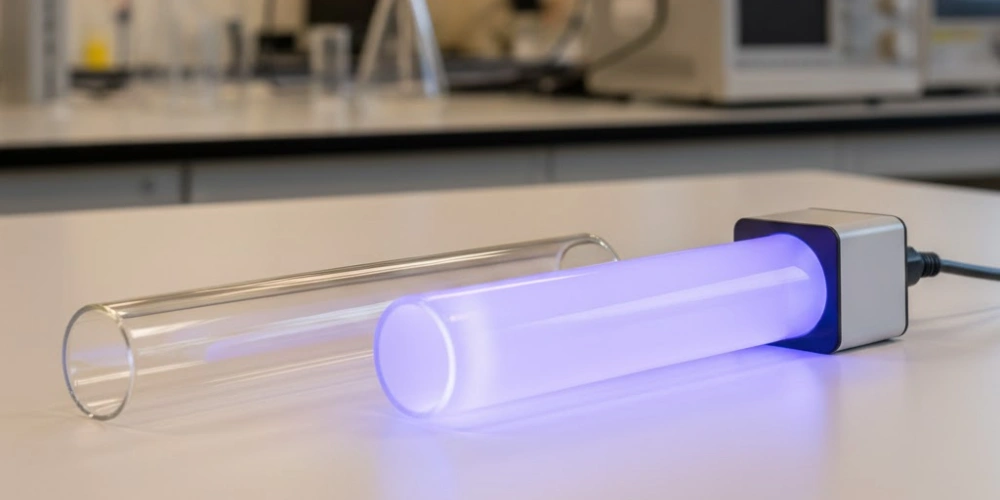
لماذا يتفوق الكوارتز على الزجاج التقليدي في أنظمة الأشعة فوق البنفسجية
من بين جميع المواد غير العضوية الشفافة المتاحة للمكونات البصرية التي تعمل بالأشعة فوق البنفسجية، يحتل الكوارتز المصهور مكانة فريدة لا يمكن لأي زجاج بوروسيليكاتي أو زجاج صودا-كلس أن يضاهيها عبر الطيف الكامل للأشعة فوق البنفسجية.
يُظهر زجاج البورسليكات — وهو المادة القياسية المستخدمة في معظم الأواني الزجاجية المختبرية — حدًا فاصلًا حادًا للأشعة فوق البنفسجية عند حوالي 300 نانومتر. وتحت هذا الحد، تمتص شبكة أكسيد السيليكا والبورون فوتونات الأشعة فوق البنفسجية بقوة، مما يجعل المادة معتمة فعليًّا أمام إشعاع UVC المبيد للجراثيم عند 254 نانومتر، وأمام أطوال موجات الأشعة فوق البنفسجية العميقة التي تعتبر حاسمة في الطباعة الضوئية لأشباه الموصلات. على النقيض من ذلك، فإن الكوارتز المصهور ينقل طاقة الأشعة فوق البنفسجية القابلة للاستخدام بدءًا من 150 نانومتر وصولاً إلى الأشعة تحت الحمراء القريبة، وهي نافذة طيفية أوسع بنحو أربعة أضعاف من تلك الخاصة بالزجاج البورسليكاتي. وتعود هذه الميزة إلى البنية الذرية لثاني أكسيد السيليكون النقي: حيث إن طاقة الرابطة بين السيليكون والأكسجين (Si–O) عالية بما يكفي لجعل امتصاص الفوتونات في النطاق فوق البنفسجي ضئيلًا للغاية، شريطة أن يتم التحكم في الشوائب المعدنية والعيوب الهيكلية بحيث لا تتجاوز مستويات أقل من جزء في المليون.
بالإضافة إلى خصائص النفاذية الطيفية، يتميز الكوارتز المدمج بخاصيتين إضافيتين لا يمكن للزجاج أن يضاهيهما في التركيبات التي تتطلب مقاومة للأشعة فوق البنفسجية. أولاً، إنه يبلغ معامل التمدد الحراري حوالي 0.55 × 10⁻⁶/درجة مئوية، مقارنةً بقيمة 3.3 × 10⁻⁶/°C للزجاج البورسليكاتي، مما يمنحه مقاومة استثنائية للصدمات الحرارية عند تشغيل مصابيح الأشعة فوق البنفسجية وإيقافها بشكل متكرر. ثانيًا، إن خموله الكيميائي تجاه الأحماض (باستثناء حمض الهيدروفلوريك) وعوامل الأكسدة والبيئات المائية يمنع تدهور السطح الذي يؤدي تدريجيًا إلى تعكر الأكمام الزجاجية التقليدية في تطبيقات معالجة المياه والمفاعلات الضوئية. هذه المزايا الثلاث المتداخلة — النطاق الطيفي، والاستقرار الحراري، والمتانة الكيميائية — تجعل الكوارتز المصهور المادة الوحيدة التي يمكن الدفاع عنها تقنيًا لأنظمة الأشعة فوق البنفسجية حيث الأداء والعمر الافتراضي أمران غير قابلين للتفاوض.
العوامل الحاسمة التي تؤثر على نفاذية الأشعة فوق البنفسجية في أنابيب الكوارتز المصنوعة حسب الطلب
النفاذية في الكوارتز المصهور ليست خاصية ثابتة — بل هي نتيجة مركبة تتشكل من أربعة متغيرات على الأقل تتعلق بالمواد والهندسة وتتفاعل فيما بينها، ويمكن التحكم في كل منها بشكل مستقل من خلال التحديد الدقيق لـ أنابيب كوارتز مخصصة.
إن التعامل مع نفاذية الأشعة فوق البنفسجية على أنها مواصفة مكونة من رقم واحد يتجاهل الآليات التي يحدث من خلالها توهين الفوتونات فعليًّا داخل جدار أنبوب الكوارتز. فكل من تركيز أيون الهيدروكسيل، وسماكة الجدار، وجودة تشطيب السطح، والتراكز الهندسي، يساهم بشكل مستقل — وبشكل مشترك — في تحديد نسبة طاقة الأشعة فوق البنفسجية التي تخرج في النهاية من الأنبوب وتصل إلى هدفها. ولأن هذه المتغيرات تتفاعل مع بعضها بالضبط، فإن الأنبوب الذي يستوفي معيارًا واحدًا بمفرده قد يظل أداؤه دون المستوى المطلوب إذا تُركت المعلمات المجاورة غير محددة.
محتوى الهيدروكسيل وتبعاته الطيفية
يُعد تركيز مجموعة الهيدروكسيل (OH) في الكوارتز المصهور المتغير المادي الأكثر تأثيرًا على نفاذية الأشعة فوق البنفسجية التي تقل طول موجتها عن 300 نانومتر.
الكوارتز الصناعي عالي المحتوى من الهيدروكسيل، الذي يحتوي عادةً على 100–1,000 جزء في المليون من OH، ينقل الضوء بكفاءة في نطاق الأشعة فوق البنفسجية الفراغية (VUV) الذي يتراوح بين 150 و200 نانومتر، لكنه يُظهر نطاقات امتصاص تتركز بالقرب من 2,730 نانومتر في نطاق الأشعة تحت الحمراء — وهي مقايضة ذات أهمية بالنسبة للأنظمة التي تجمع بين المعالجة بالأشعة فوق البنفسجية والمعالجة الحرارية. الكوارتز الطبيعي أو الاصطناعي منخفض المحتوى من الهيدروكسيل (OH)، الذي يقل محتوى الهيدروكسيل (OH) فيه عن 10 جزء في المليون، تم تحسينه لتمكين نفاذية الأشعة فوق البنفسجية العميقة والمتوسطة في النطاق 200–300 نانومتر مع الحد الأدنى من الخسارة الامتصاصية. عند 254 نانومتر — وهو الطول الموجي الرئيسي المبيد للجراثيم — يمكن لأنبوب منخفض المحتوى من الهيدروكسيل بسماكة جدار تبلغ 1 مم أن يحقق قيم نفاذية تتجاوز 90%، في حين أن أنبوبًا عالي المحتوى من الهيدروكسيل بنفس الشكل الهندسي قد لا ينقل سوى 75–80% عند نفس الطول الموجي بسبب التداخلات الامتصاصية المرتبطة بالهيدروكسيل التي تمتد إلى نطاق الأشعة فوق البنفسجية.
يُحدد نظام التصنيف التجاري الذي وضعته منظمة SEMI ويُستخدم على نطاق واسع في صناعة الكوارتز النوع الأول إلى الكوارتز المصهور المستخرج من مصادر طبيعية والذي يحتوي على نسبة منخفضة من مجموعات الهيدروكسيل (OH)، النوع الثاني إلى الكوارتز الطبيعي المدمج بالحرارة والذي يحتوي على نسبة معتدلة من مجموعات الهيدروكسيل (OH)، النوع الثالث إلى الكوارتز عالي المحتوى من مجموعات الهيدروكسيل (OH) المُنتج صناعيًّا، و النوع الرابع إلى الكوارتز الصناعي المُصهر بالبلازما الذي يتميز بمستويات منخفضة للغاية من مجموعات OH وشوائب معدنية أقل من 0.1 جزء في المليون. وبالنسبة لتطبيقات التعقيم بالأشعة فوق البنفسجية (UVC) على وجه التحديد، تمثل المواد من النوع الأول والنوع الرابع الخيارين السائدين، حيث يتحدد الاختيار وفقًا لقيود الميزانية وحساسية التطبيق للطول الموجي المحدد.
لذلك، فإن تحديد محتوى الأكسيد الهيدروكسيلي (OH) عدديًّا في مخطط الشراء — بدلاً من الاعتماد على عبارة عامة مثل «كوارتز من فئة الأشعة فوق البنفسجية» — ليس مجرد إجراء شكلي، بل هو مطلب وظيفي يحدد بشكل مباشر ما إذا كان الأنبوب سيحقق النفاذية المقصودة طوال عمره التشغيلي الكامل.
سمك الجدار وتأثيره على توهين الفوتونات
فيما يلي توضيح لتوهين الفوتونات عبر جدار أنبوب الكوارتز بير-لامبرت1 السلوك: تنخفض النفاذية بشكل أسي مع زيادة طول المسار عبر الوسط الممتص.
بالنسبة لمادة لها معامل امتصاص α عند طول موجي معين، النفاذية T = e^(−α·d)، حيث يمثل الحرف «d» سماكة الجدار. وحتى في حالة الكوارتز المصهور عالي النقاء الذي تصل قيم α فيه إلى 0.002 سم⁻¹ عند 254 نانومتر، فإن مضاعفة سماكة الجدار من 1.5 مم إلى 3.0 مم تقلل من النفاذية عند ذلك الطول الموجي بنحو 8–12 نقطة مئوية — وهو فرق يُترجم مباشرةً إلى انخفاض جرعة مبيد الجراثيم أو معدل التفاعل الكيميائي الضوئي. وعلى العكس من ذلك، فإن الجدران التي يقل سمكها عن 1.0 مم، على الرغم من أنها توفر أقصى درجة من النفاذية، إلا أنها تنطوي على هشاشة هيكلية تجعلها غير مناسبة للتركيبات المعرضة للضغط أو للدورات الحرارية.
في التصميم العملي لأنظمة الأشعة فوق البنفسجية، تتراوح سماكة الجدران بين 1.5 مم و2.5 مم، وهو النطاق الهندسي القياسي في معظم تطبيقات معالجة المياه والمفاعلات الضوئية، يتم تحقيق التوازن بين النفاذية والسلامة الميكانيكية وقابلية التصنيع. وعلى النقيض من ذلك، قد تتطلب أنظمة فحص أشباه الموصلات جدرانًا رقيقة تصل سماكتها إلى 0.8 مم، حيث تكون النفاذية عند 193 نانومتر أو 248 نانومتر أمرًا بالغ الأهمية وتكون الأحمال الهيكلية ضئيلة. يجب أن تكون مواصفات سماكة الجدار في رسم أنبوب الكوارتز المخصص مصحوبة دائمًا بنطاق تفاوت — يتراوح عادةً بين ±0.1 مم و±0.3 مم حسب قطر الأنبوب — لأن تباين سماكة الجدار على طول الأنبوب يؤدي إلى عدم انتظام النفاذية، مما يقلل من تجانس الإشعاع في التطبيقات الحساسة من الناحية المكانية.
يُعد مواءمة سماكة الجدار مع ميزانية التوهين المحددة لنظام الأشعة فوق البنفسجية — بدلاً من الاعتماد على السماكة القياسية — أحد أكثر العوامل المباشرة المتاحة عند تحديد مواصفات أنابيب الكوارتز المخصصة للتركيبات التي تتطلب أداءً عاليًا.
معايير تشطيب الأسطح والتشتت البصري
تحدد حالة السطح الخارجي والداخلي لأنبوب الكوارتز نسبة فوتونات الأشعة فوق البنفسجية الساقطة التي تتشتت بدلاً من أن تمر عبره، وهي آلية فقدان تختلف تمامًا عن الامتصاص الكلي.
تؤدي خشونة السطح، التي تُعبَّر عنها بـ «Ra» (المتوسط الحسابي للخشونة)، إلى ظهور أسطح فرعية مجهرية تعمل على إعادة توجيه الفوتونات بعيدًا عن المسار البصري المقصود. يبلغ ناعم السطح المصقول بالنار قيم Ra تتراوح بين 0.1 و0.5 ميكرومتر، مما ينتج عنه خسارة تشتت ضئيلة للغاية عند أطوال الموجات فوق البنفسجية التي تزيد عن 200 نانومتر. أما الأسطح المصقولة، التي تتراوح قيم Ra فيها بين 0.5 و2.5 ميكرومتر، فتتسبب في تشتت أكبر بشكل ملحوظ، وهي غير مناسبة عمومًا للتطبيقات التي يُعد فيها توحيد شدة الإشعاع أمرًا بالغ الأهمية. أما الأسطح المصقولة بصريًا، التي تصل قيم Ra فيها إلى أقل من 0.05 ميكرومتر، فهي مخصصة لتطبيقات أشباه الموصلات في نطاق الأشعة فوق البنفسجية العميقة، حيث تُعتبر خسائر التشتت التي تقل عن 1% غير مقبولة.
كما أن تشطيب السطح الأمامي لا يقل أهمية. أ طرف ذو قطع مربع دون صقل بالنار يتميز بوجود شقوق دقيقة على طول حافة القطع، مما يؤدي إلى حدوث تشتت موضعي ومواقع محتملة لتركيز الإجهاد. وتعمل الأوجه الطرفية المصقولة بالحرارة أو المصقولة بصريًّا على التخلص من هذه العيوب، كما أنها تحسّن التوافق مع أنظمة الختم التي تستخدم حلقات مطاطية أو حلقات من مادة PTFE، حيث يتطلب الأمر هندسة سطح طرفي ناعمة لتحقيق ختم ضغط خالٍ من التسرب. في المفاعلات الضوئية من النوع الغاطس — حيث يكون أنبوب الكوارتز على اتصال مباشر بوسط التفاعل — يجب تحديد معامل خشونة السطح الداخلي (Ra) بقيمة ≤0.4 ميكرومتر لمنع التصاق الجسيمات وتكوين الأغشية الحيوية التي من شأنها أن تضعف إخراج الأشعة فوق البنفسجية تدريجيًا بمرور الوقت.
التفاوتات الهندسية والتراكز في الأداء البصري
تعد تجانس سماكة الجدار — الذي يُقاس بمدى التراكز أو الانحراف عن المركز — معلمة هندسية لها آثار بصرية وحرارية مباشرة، وغالبًا ما يتم إغفالها في مواصفات أنابيب الكوارتز.
الانحراف المركزي، الذي يُعرَّف بأنه الفارق بين مركز القطر الخارجي ومركز القطر الداخلي، مما يؤدي إلى تباين سماكة الجدار بشكل مستمر حول محيط الأنبوب. في أنبوب ذي انحراف مركزي يبلغ 10% بالنسبة لسمك الجدار — على سبيل المثال، انحراف مركزي يبلغ 0.2 مم في أنبوب بسمك جدار 2.0 مم — ينقل الجزء الأرق كمية أكبر قابلة للقياس من الأشعة فوق البنفسجية مقارنة بالجزء الأكثر سمكًا، مما يؤدي إلى ظهور نمط إشعاع غير متجانس حول قوس المصباح. ويشكل هذا مشكلة كبيرة بشكل خاص في مفاعلات الأشعة فوق البنفسجية الحلقية حيث يُعد توحيد الجرعة المحيطية أحد معلمات العملية المعتمدة. وبصرف النظر عن التأثيرات البصرية، فإن الجزء الأرق من الجدار في الأنبوب غير المركزي يركز الإجهاد الحراري خلال دورات تسخين المصباح، مما يزيد من الاحتمال الإحصائي لحدوث تشققات تحت تأثير الدورات الحرارية المتكررة.
معايير تفاوت التراكز لأنابيب الكوارتز المستخدمة في الأشعة فوق البنفسجية
| التطبيق | القطر الخارجي (مم) | سُمك الجدار (مم) | الانحراف الأقصى (مم) | معيار التراكز |
|---|---|---|---|---|
| معالجة المياه بالأشعة فوق البنفسجية (قياسية) | 20-80 | 1.5-2.5 | ±0.3 | درجة تجارية |
| معالجة المياه بالأشعة فوق البنفسجية (بجرعات عالية) | 20-80 | 1.5-2.5 | ±0.15 | درجة الدقة |
| مفاعل ضوئي مختبري | 10-50 | 1.0–2.0 | ±0.10 | درجة الدقة |
| فحص أشباه الموصلات | 5–30 | 0.8–1.5 | ±0.05 | الدرجة البصرية |
| الطباعة الضوئية لأشباه الموصلات | 5-20 | 0.8–1.2 | ±0.02 | درجة الدقة الفائقة |
ملخص العوامل المؤثرة على نفاذية الأشعة فوق البنفسجية
| المعلمة | نطاق المتغيرات | التأثير الرئيسي | المتطلبات النموذجية لمواصفات الأشعة فوق البنفسجية |
|---|---|---|---|
| محتوى OH | 1,000 جزء في المليون | منحنى الامتصاص الطيفي | أقل من 30 جزء في المليون للأشعة فوق البنفسجية من النوع UVC؛ النوع الثالث/الرابع للأشعة فوق البنفسجية من النوع VUV |
| سُمك الجدار | 0.8 ملم – 5.0 ملم | التوهين الحجمي (قانون بير-لامبرت) | 1.5–2.5 ملم لأنظمة الأشعة فوق البنفسجية القياسية |
| خشونة السطح (Ra) | 0.05–2.5 ميكرومتر | خسارة تشتت الفوتونات | ≤0.5 ميكرومتر (صقل بالنار) للدرجة المخصصة للأشعة فوق البنفسجية |
| الانحراف المركزي | ±0.02–±0.3 ملم | تجانس الإشعاع؛ الإجهاد الحراري | دقة ±0.1 مم؛ دقة بصرية ±0.02 مم |
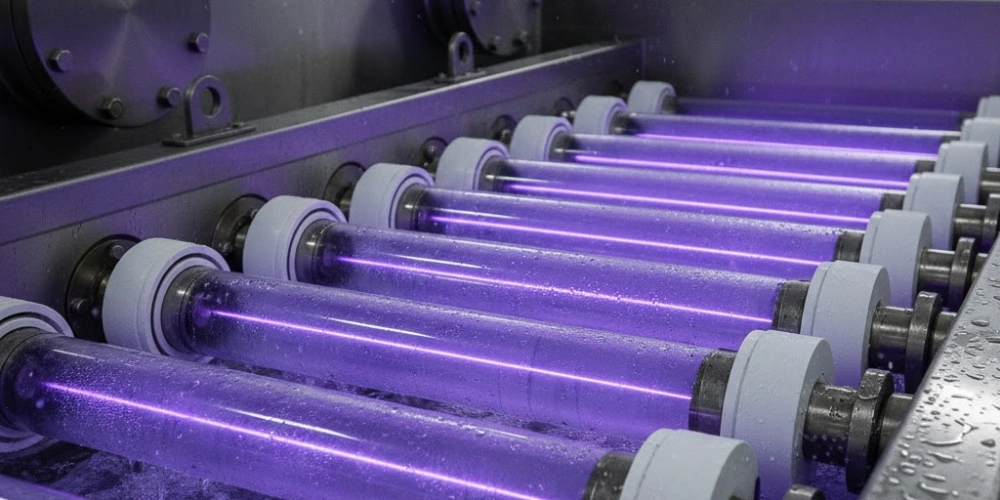
المتطلبات الطيفية عبر نطاقات الأطوال الموجية للأشعة فوق البنفسجية من النوع UVC و UVB و UVA
تفرض نطاقات الأطوال الموجية المختلفة للأشعة فوق البنفسجية متطلبات مختلفة جوهريًّا فيما يتعلق بنقاء مادة أنابيب الكوارتز، وسلامة سطحها، ودقة أبعادها — مما يجعل المواصفة العامة الواحدة غير كافية لجميع تطبيقات الأشعة فوق البنفسجية.
لا يُعد الطيف فوق البنفسجي الذي يتراوح من 100 نانومتر إلى 400 نانومتر بيئة بصرية متجانسة. يتفاعل كل نطاق فرعي مع الكوارتز المدمج بشكل مختلف على المستوى الذري، وتتناسب عواقب الخطأ في تحديد المواصفات المادية مع مدى انحدار الطول الموجي المستهدف إلى نطاق الأشعة فوق البنفسجية العميقة. ولذلك، يستفيد المهندسون العاملون في مجالات التطبيقات المبيدة للجراثيم والعلاج الضوئي والكيمياء الضوئية من الإرشادات الخاصة بالمواد وفقًا للطول الموجي بدلاً من التصنيفات الموحدة الخاصة بالأشعة فوق البنفسجية.
مواصفات الكوارتز في نطاق الأشعة فوق البنفسجية (UVC) من حيث كفاءة القضاء على الجراثيم
يمثل نطاق الأشعة فوق البنفسجية من النوع UVC، الذي يمتد من 100 إلى 280 نانومتر مع ذروة فعالية مبيدة للجراثيم عند 254 نانومتر وأهمية ثانوية عند 185 نانومتر، البيئة الطيفية الأكثر تطلبًا لأداء الكوارتز المصهور.
عند 254 نانومتر، عادةً ما يتم تحديد الحد الأدنى المقبول للنفاذية في تطبيقات معالجة المياه بالأشعة فوق البنفسجية بقيمة ≥85% لسمك جدار يبلغ 1.5 مم، على النحو المنصوص عليه في معيار NSF/ANSI 55 وبما يتوافق مع بروتوكولات التحقق DVGW W294. يتطلب تحقيق هذا الحد بشكل موثوق استخدام الكوارتز الصناعي أو الطبيعي منخفض OH الذي يقل فيه محتوى الشوائب المعدنية الإجمالية عن 20 جزء في المليون، خاصةً بالنسبة للحديد (Fe) والتيتانيوم (Ti)، حيث تمتد نطاقات امتصاص إلكترونات d الخاصة بهما إلى نطاق الأشعة فوق البنفسجية ويمكن أن تقلل من النفاذية بمقدار 3–8 نقاط مئوية لكل جزء في المليون من التلوث. عند 185 نانومتر — الطول الموجي المسؤول عن توليد الأوزون في أنظمة الأشعة فوق البنفسجية في الهواء الطلق — تتزايد متطلبات المواد بشكل أكبر: يقتصر الأمر على الكوارتز الصناعي من النوع الثالث أو النوع الرابع الذي يتجاوز محتوى المركبات الكحولية فيه 150 جزء في المليون ينقل الضوء بكفاءة عند هذا الطول الموجي، لأن الكوارتز منخفض المحتوى من الهيدروكسيل يُظهر امتصاصًا متزايدًا عند الطول الموجي الأقل من 200 نانومتر بسبب عيوب هيكلية ناتجة عن نقص الأكسجين.
وبالتالي، فإن تحديد أنبوب كوارتز للأشعة فوق البنفسجية (UVC) دون التمييز بين الطولين الموجيين المستهدفين 254 نانومتر و185 نانومتر يُعد إغفالًا ذا عواقب، حيث إن المواصفات المثلى لـ OH لأحد الطولين الموجيين تؤدي فعليًّا إلى تدهور الأداء عند الطول الموجي الآخر. وتعد هذه العلاقة بين الطول الموجي وقطبية OH أحد الجوانب التي غالبًا ما يُساء فهمها عند شراء أنابيب الكوارتز فوق البنفسجية في صناعة معالجة المياه.
تطبيقات نطاق الأشعة فوق البنفسجية من النوع UVB وتحمل المواد لها
يمتد نطاق الأشعة فوق البنفسجية من النوع ب (UVB) بين 280 و315 نانومتر، ويوفر بيئة بصرية أكثر تساهلاً نسبيًا بالنسبة للكوارتز المدمج، على الرغم من أن متطلبات التوحيد الخاصة بكل تطبيق تفرض متطلبات دقة خاصة بها.
عند أطوال موجات الأشعة فوق البنفسجية من النوع ب (UVB)، تتراوح قيم النفاذية للكوارتز المصهور الطبيعي من الدرجة القياسية (النوع الأول أو النوع الثاني) عادةً بين 88% و93% عند سماكة جدار تبلغ 1.5 مم — وهو مستوى أداء كافٍ لمعظم تطبيقات العلاج بالضوء، والإشعاع المستخدم في نمو النباتات، والتجفيف بالأشعة فوق البنفسجية، حيث تكون كفاءة الجرعة المطلقة أقل أهمية من التوحيد المكاني. وتضيق فجوة الامتصاص بين الكوارتز الطبيعي والاصطناعي بشكل كبير في نطاق الأشعة فوق البنفسجية من النوع B (UVB)، لأن خصائص الامتصاص المرتبطة بجذور الهيدروكسيل (OH) التي تهيمن على أداء الأشعة فوق البنفسجية من النوع C (UVC) تكون أقل وضوحًا عند الطول الموجي الذي يتجاوز 280 نانومتر. وبالتالي، غالبًا ما يُعد الكوارتز الطبيعي المدمج من النوع الأول هو الخيار المفضل في تطبيقات الأشعة فوق البنفسجية من النوع UVB، مما يوفر نفاذية كافية بتكلفة مواد أقل مقارنة بالبدائل الاصطناعية.
التحدي الرئيسي في الأداء بالنسبة لأنظمة الأشعة فوق البنفسجية من النوع UVB لا يكمن في ذروة النفاذية، بل في تجانس شد الإشعاع على طول الأنبوب ومحيطه. في خزانات العلاج الضوئي وغرف نمو النباتات، يُعد عدم انتظام الجرعة بما يزيد عن ±5% عبر السطح المعرض للإشعاع أمرًا ذا أهمية سريرية أو زراعية. وهذا يضع مواصفات التفاوت في سماكة الجدار والتراكز في صميم عملية شراء أنابيب الأشعة فوق البنفسجية من النوع UVB — وهي معايير يجب تشديدها مقارنة بالتفاوتات القياسية للدرجة التجارية لتحقيق التوحيد المكاني المطلوب.
كما تكتسب دقة طول الأنابيب أهمية في تركيبات مصفوفات الأشعة فوق البنفسجية (UVB)؛ حيث يؤدي تفاوت الطول بمقدار ±1.0 مم عبر مصفوفة مكونة من 20 أنبوبًا إلى حدوث اختلال في محاذاة أطراف المصابيح، مما يؤدي إلى تشويه خريطة الجرعة المكانية، الأمر الذي يتطلب تفاوتات طولية تبلغ ±0.3 مم أو أقل في تركيبات العلاج الضوئي الدقيقة.
أنابيب الكوارتز ذات الشريط UVA في المفاعلات الكيميائية الضوئية
في الطرف العلوي من الطيف فوق البنفسجي، يُفرض نطاق الأشعة فوق البنفسجية من النوع أ (UVA) (315–400 نانومتر) أقل متطلبات صرامةً فيما يتعلق بنقاء الكوارتز المصهور، بينما يتطلب في الوقت نفسه أعلى درجات الدقة الهندسية في تصميمات المفاعلات.
تتجاوز نسبة النفاذية للكوارتز المصهور القياسي عند طول الموجة 365 نانومتر — وهو خط الأشعة فوق البنفسجية الطويلة (UVA) السائد في مصابيح الزئبق — 92% حتى بالنسبة للمواد من النوع الأول ذات النقاء الأقل والتي تحتوي على مستويات معتدلة من الشوائب المعدنية، مما يجعل اختيار درجة المادة في هذا النطاق قرارًا يتعلق في المقام الأول بالتكلفة والتوافر، وليس قرارًا حاسمًا من حيث الأداء. أما التحدي البصري في المفاعلات الكيميائية الضوئية التي تعمل بالأشعة فوق البنفسجية (UVA) فيكمن في التوحيد الهندسي: ففي تصميمات المفاعلات الحلقية، حيث يفصل أنبوب الكوارتز مصباح الأشعة فوق البنفسجية المركزي عن حجم التفاعل المحيط به، يجب التحكم في التراكز بين القطر الخارجي والقطر الداخلي بحيث لا يتجاوز ±0.1 مم أو أفضل من ذلك لضمان بقاء الفجوة الحلقية بين الأنبوب وجدار المفاعل ثابتة، مما يمنع حدوث تجمعات في التدفق التي من شأنها أن تؤدي إلى توزيع غير متجانس لجرعة الفوتونات عبر حجم التفاعل.
غالبًا ما تتطلب المفاعلات الكيميائية الضوئية المختبرية — بما في ذلك المفاعلات الدوارة من نوع «رايونيت» ووحدات آبار الغمر المصممة حسب الطلب — تكوينات أنابيب غير قياسية لا تتوفر في كتالوجات المخزون: أنابيب أحادية الطرف المغلق، أو أنابيب مزودة بفتحات جانبية مدمجة، أو أنابيب مزودة بوصلات زجاجية مصقولة في أحد طرفيها أو كليهما. يجب أن تحافظ أنابيب الكوارتز المصنعة حسب الطلب بهذه التكوينات على نفس معايير توحيد سماكة الجدران وتشطيب السطح التي تتسم بها الأشكال الأسطوانية ذات الأطراف المفتوحة، مع وجود قيد إضافي يتمثل في أن الشكل الهندسي ذي الأطراف المغلقة يتسبب في إجهاد حراري متبقي أثناء التصنيع، والذي يجب معالجته بالتلدين حتى يصل التأخر البصري إلى أقل من 5 نانومتر/سم قبل أن يصبح الأنبوب مؤهلاً للاستخدام الكيميائي الضوئي.
مقارنة نطاقات الأشعة فوق البنفسجية لاختيار مادة الكوارتز
| نطاق الأشعة فوق البنفسجية | نطاق الطول الموجي (نانومتر) | أطوال الموجات الرئيسية (نانومتر) | درجة المادة الموصى بها | الحد الأدنى للنفاذية عند سمك الجدار 1.5 مم | الشاغل الهندسي الأساسي |
|---|---|---|---|---|---|
| UVC | 100–280 | 185, 254 | النوع الثالث/الرابع (185 نانومتر)؛ النوع الأول/الرابع (254 نانومتر) | ≥85% عند 254 نانومتر | تشطيب السطح؛ دقة مواصفات OH |
| الأشعة فوق البنفسجية فوق البنفسجية | 280-315 | 295, 308 | النوع الأول أو النوع الثاني | ≥88% عند 308 نانومتر | تجانس الجدار؛ التراكز |
| جامعة فيرجينيا | 315-400 | 340, 365 | النوع الأول (القياسي) | ≥92% عند 365 نانومتر | التراكز؛ تفاوت الفجوة الحلقية |
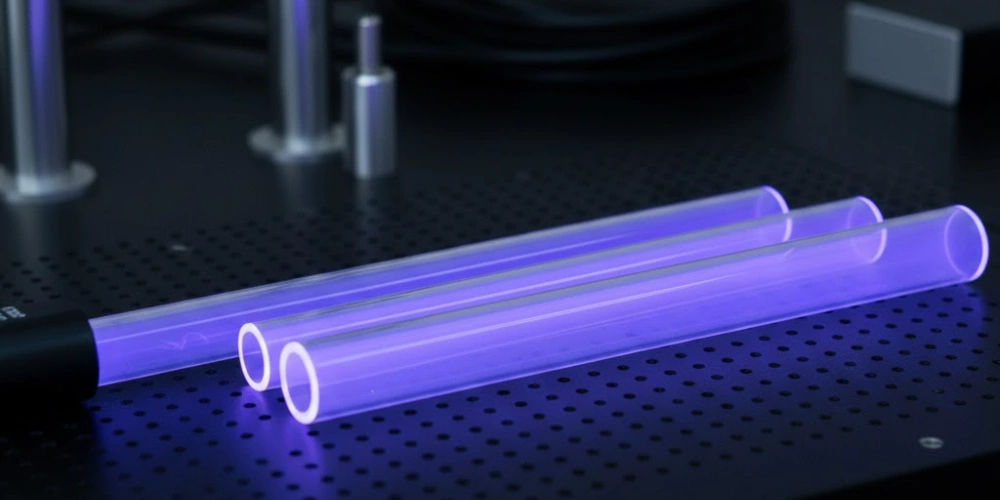
المعلمات الكاملة للمواصفات الفنية لأنابيب الكوارتز المصنوعة حسب الطلب
بالإضافة إلى الطول الموجي ودرجة جودة المادة، تشمل المواصفات الكاملة لأنابيب الكوارتز المصنعة حسب الطلب المخصصة لتطبيقات الأشعة فوق البنفسجية الشكل الهندسي للأبعاد، وتصميم الأطراف، ومعدلات المقاومة الحرارية والكيميائية التي تم التحقق منها — حيث يؤثر كل عنصر من هذه العناصر على الأداء على مستوى النظام بطرق لا يمكن أن تراعيها البيانات العامة الواردة في الكتالوجات.
تحدد المعلمات الأبعادية والتكوينية كيفية اندماج أنبوب الكوارتز ماديًّا في نظام الأشعة فوق البنفسجية، ويؤدي عدم الدقة في أي معلمة واحدة إلى حدوث اختلال في محاذاة التجميع، أو فشل في الإحكام، أو عدم انتظام الجرعة. إن التحديد المنهجي لجميع المعلمات ذات الصلة في مرحلة التصميم يزيل الحاجة إلى إجراء تصحيحات لاحقة ويقضي على أوجه القصور في الأداء التي تنشأ عندما تُعامل هندسة الأنبوب كعامل ثانوي.
المعلمات الأبعادية — القطر الخارجي، القطر الداخلي، والطول
الأبعاد الهندسية الثلاثة الأساسية لأنبوب الكوارتز — القطر الخارجي (OD)، والقطر الداخلي (ID)، والطول — مترابطة فيما بينها، وتؤثر تفاوتاتها المسموح بها بشكل متسلسل على كل عملية تجميع لاحقة.
يحدد القطر الخارجي والقطر الداخلي معًا سماكة الجدار، ويجب تحديد التفاوتات المسموح بها لكل منها بحيث يضمن أن أسوأ تركيبة ممكنة بين القطر الخارجي الأقصى والقطر الداخلي الأقصى لا تزال تنتج سماكة جدار تفوق الحد الأدنى الهيكلي المطلوب للتطبيق. وفي تطبيقات الأكمام المستخدمة في معالجة المياه بالأشعة فوق البنفسجية، تتراوح الأقطار الخارجية بين 18 ملم و120 ملم، مع النطاق الأكثر شيوعًا الذي يتراوح بين يبلغ القطر الخارجي 30–70 ملم، وهو ما يمثل حوالي 70% من تكوينات مفاعلات الأشعة فوق البنفسجية المركبة على الصعيد العالمي. تعتبر تفاوتات الطول الخاصة بأغلفة مصابيح الأشعة فوق البنفسجية ذات أهمية خاصة: يجب أن يمتد أنبوب الكوارتز إلى ما وراء قوس المصباح بمسافة لا تقل عن 10 مم من كل طرف لضمان عدم تعرض منطقة الإحكام — حيث يتلامس الأنبوب مع الحلقة الدائرية أو الحلقة المعدنية — لتدفق الأشعة فوق البنفسجية الشديد عند طرفي المصباح، مما قد يؤدي إلى تسريع تدهور مادة الإيلاستومر.
تبلغ التفاوتات القياسية في القطر الخارجي (OD) للأنابيب المصنوعة من الكوارتز المصهور، وفقًا للمعايير التجارية، عادةً ±0.5 مم، وهو ما يعتبر كافيًا للتركيبات ذات الدقة المنخفضة، لكنه غير كافٍ لأغلفة مصابيح الأشعة فوق البنفسجية المخصصة للاستبدال المباشر، حيث تكون أبعاد أخدود الإحكام ثابتة. تفاوتات دقيقة تبلغ ±0.1 مم على القطر الخارجي السماح للأنبوب بالاستقرار بشكل صحيح في الغطاء الطرفي للمفاعل دون الحاجة إلى استخدام حشوات تعويضية أو مواد مانعة للتسرب في موقع التركيب لتعويض التباين في القطر.
وتتبع تفاوتات الطول نفس التدرج: ±1.0 مم للتطبيقات القياسية، و±0.3 مم لقطع غيار أكمام المصابيح الدقيقة، و±0.1 مم لتركيبات المصفوفات متعددة الأنابيب حيث تؤثر استواء أطراف الأنابيب عبر المصفوفة على إحكام إغلاق المشعب.
اختيار درجة جودة المادة — الكوارتز الطبيعي مقابل الكوارتز المدمج الصناعي
يُعد اختيار درجة جودة المادة هو القرار المتعلق بالمواصفات الذي له أكبر تأثير على نفاذية الأشعة فوق البنفسجية، وعمر الخدمة، والتكلفة الإجمالية للنظام — ولا يمكن اختزاله إلى خيار ثنائي بين «الطبيعي» و«الاصطناعي» دون الإشارة إلى متطلبات الطول الموجي والنقاء المحددة للتطبيق.
يوفر نظام التصنيف المكون من أربعة أنواع إطارًا منظمًا: يحتوي النوع الأول (الكوارتز الطبيعي المدمج كهربائيًا) على نسبة من مجموعات OH أقل من 5 جزء في المليون، وشوائب معدنية يتراوح مجموعها بين 5 و30 جزء في المليون؛ أما النوع الثاني (الكوارتز الطبيعي المدمج باللهب) فيحتوي على نسبة مماثلة من مجموعات الهيدروكسيل، لكن نسبة الشوائب المعدنية فيه أعلى قليلاً بسبب التلوث الناتج عن اللهب؛ أما النوع الثالث (الكوارتز المترسب صناعياً من رباعي كلوريد السيليكون2) يحقق مستويات OH تتراوح بين 150 و1,000 جزء في المليون مع شوائب معدنية أقل من 1 جزء في المليون؛ النوع الرابع (الكوارتز الصناعي المدمج بالبلازما) يحقق المواصفات الإجمالية الأكثر صرامة — حيث تقل نسبة OH عن 1 جزء في المليون في الدرجات فائقة الجفاف، وتقل الشوائب المعدنية عن 0.1 جزء في المليون، ويقل عدد الفقاعات والشوائب عن الفئة 0 وفقًا لمعيار ISO 10110-3. إن وجود الحديد حتى بتركيز 1 جزء في المليون يؤدي إلى امتصاص قابل للقياس عند 254 نانومتر؛ ويؤثر التيتانيوم بتركيزات مماثلة على النفاذية عبر النطاق 250–350 نانومتر؛ يجب أن يتم التحكم في كلا الشوائب بحيث تقل نسبتهما عن 0.5 جزء في المليون للحصول على شهادة المواد المخصصة للأشعة فوق البنفسجية في تطبيقات معالجة المياه الخاضعة للوائح التنظيمية.
يتميز الكوارتز الصناعي بسعر أعلى بكثير مقارنةً بالكوارتز الطبيعي، ولكن بالنسبة للتطبيقات التي تستخدم أطوال موجية أقل من 220 نانومتر، أو في الحالات التي تشترط فيها الهيئات التنظيمية الحصول على شهادة نفاذية وفقًا لمعايير قياس الطيف الضوئي القابلة للتتبع، فإن الفارق في الأداء يبرر تمامًا هذا الفارق في التكلفة.
تصنيف أنواع الكوارتز المدمج المستخدم في تطبيقات الأشعة فوق البنفسجية
| النوع | المصدر | محتوى OH (جزء في المليون) | إجمالي الشوائب الفلزية (جزء في المليون) | نفاذية الأشعة فوق البنفسجية عند 254 نانومتر (1.5 ملم) | التطبيق الأساسي للأشعة فوق البنفسجية |
|---|---|---|---|---|---|
| النوع الأول | طبيعي (الاندماج الكهربائي) | <5 | 5–30 | 88–91% | الأشعة فوق البنفسجية من النوع UVB؛ المعالجة القياسية للمياه بالأشعة فوق البنفسجية من النوع UVC |
| النوع الثاني | طبيعي (الانصهار باللهب) | <5 | 15–50 | 84–88% | الأشعة فوق البنفسجية من النوع ب (UVB)؛ الأشعة فوق البنفسجية من النوع ج (UVC) ذات الدقة المنخفضة |
| النوع الثالث | اصطناعي (CVD/SiCl₄) | 150–1,000 | <1 | 85-90% | الأشعة فوق البنفسجية الفائقة (185 نانومتر)؛ الكيمياء الضوئية عالية النقاء |
| النوع الرابع | الطاقة الاصطناعية (الاندماج البلازمي) | <1 (جاف جدًا) | <0.1 | 91–95% | أشباه الموصلات التي تعمل بالأشعة فوق البنفسجية العميقة؛ الأشعة فوق البنفسجية من النوع UVC عالية الدقة |
تكوينات الأطراف وتوافق المواد المانعة للتسرب
يُعد الشكل النهائي لأنبوب الكوارتز البعد الأكثر ارتباطًا بالنظام من بين جميع مواصفات المنتج — فهو يحدد طريقة التجميع، وموثوقية الإحكام، وما إذا كان من الممكن استبدال الأنبوب ميدانيًّا دون تفكيك غلاف المفاعل.
أطراف مقطوعة بشكل مربع (مقطوعة بالمنشار دون تشطيب ثانوي) هي التكوين الأساسي: فهي الخيار الأقل تكلفة ومناسبة للأنظمة التي تُثبَّت فيها أطراف الأنابيب في تركيبات ميكانيكية حرة الحركة لا تعتمد على السطح النهائي للأنبوب لتحقيق الإحكام. نهايات مصقولة بالنار القضاء على منطقة التلف الناتجة عن الشظايا الدقيقة التي ينتجها عملية النشر، وتقليل معامل خشونة السطح (Ra) للوجه الطرفي إلى أقل من 0.4 ميكرومتر، وتحسين التوافق مع موانع التسرب ذات الأخدود الدائري (O-ring) من خلال توفير سطح تلامس أملس وخالٍ من العيوب. أطراف مصقولة بصريًّا، ويجب أن تكون هذه الأسطح مصقولة ومُصقولة باللف حتى تصل دقة Ra إلى أقل من 0.05 ميكرومتر، وأن تكون درجة استواءها في حدود حافة واحدة (λ/2 عند 633 نانومتر)، وذلك من أجل الختم بالاتصال البصري، وكذلك في الحالات التي قد يؤثر فيها التشتت من السطح الطرفي سلبًا على دقة قياس جرعة الأشعة فوق البنفسجية.
بالإضافة إلى التصميمات ذات الأطراف المسطحة، هناك العديد من الأشكال الهندسية المتخصصة الشائعة في تطبيقات أنابيب الكوارتز المصممة حسب الطلب. أطراف ذات حواف — التي يتم تشكيلها عن طريق إعادة تسخين طرف الأنبوب وتوسيعه على مغزل — تتيح تثبيت الأنبوب محوريًّا داخل المفاعل دون الحاجة إلى مشابك خارجية، وهي ميزة مهمة في المفاعلات فوق البنفسجية المضغوطة التي تعمل عند ضغط يزيد عن 6 بار. أطراف الوصلة الزجاجية الأرضية (كروية أو مدببة)، والمتوافقة مع الوصلات القياسية للأواني الزجاجية المختبرية، تُستخدم في تكوينات المفاعلات الضوئية المختبرية التي يتعين فيها ربط الأنبوب الكوارتزي بأوعية التفاعل المصنوعة من البورسليكات. أطراف متوافقة مع حلقات التفلون تتطلب نطاق تفاوت محدد في القطر الخارجي (عادةً +0.0/−0.1 مم) وخلو منطقة تثبيت الحلقة من أي خدوش سطحية أعمق من 0.5 ميكرومتر، مما يجعل الفحص السطحي خطوة إلزامية في عملية التشطيب لهذه التكوينات.
توافق التكوين النهائي مع طرق الختم في أنظمة الأشعة فوق البنفسجية
| إنهاء التكوين | Ra السطحي (ميكرومتر) | نوع الختم المتوافق | مستوى الضغط النموذجي | نموذج التقديم الموحد |
|---|---|---|---|---|
| القطع المربع | 0.5–2.5 | مشبك ميكانيكي فقط | منخفض (<1 بار) | أنظمة الأشعة فوق البنفسجية ذات الخزان المفتوح |
| مصقول بالنار | 0.1–0.4 | حلقة دائرية؛ حلقة تثبيت من مادة PTFE | متوسط (1–6 بار) | أكمام معالجة المياه بالأشعة فوق البنفسجية |
| مصقول بصريًّا | <0.05 | الوصلة البصرية؛ حلقة تثبيت دقيقة | منخفض – متوسط | البصريات فوق البنفسجية لأشباه الموصلات |
| ذو حواف | 0.1-0.5 | الشفة + الحشية | مرتفع (>6 بار) | مفاعلات الأشعة فوق البنفسجية المضغوطة |
| وصلة زجاجية مصقولة | 0.4–1.0 | زجاج إلى زجاج؛ غلاف من مادة PTFE | منخفضة | المفاعلات الضوئية المختبرية |
معدلات المقاومة الحرارية والكيميائية
تفرض بيئة تشغيل نظام الأشعة فوق البنفسجية ضغوطًا حرارية وكيميائية على أنبوب الكوارتز، وهي ضغوط تؤثر على العمر التشغيلي بنفس القدر الذي تؤثر به المواصفات البصرية على الأداء.
يتحمل الكوارتز المصهور درجات حرارة تشغيل مستمرة تصل إلى 1,100 درجة مئوية ويمكنه تحمل التعرض لفترات قصيرة لدرجة حرارة تصل إلى 1,650 درجة مئوية دون حدوث عطل هيكلي — وهو احتياطي حراري يتجاوز بكثير متطلبات أي تطبيق لمصابيح الأشعة فوق البنفسجية، حيث نادرًا ما تتجاوز درجات حرارة سطح أنبوب الكوارتز 750 درجة مئوية في ظل ظروف التشغيل العادية. والمعلمة الحرارية الأكثر صلة بتطبيقات الأشعة فوق البنفسجية هي مقاومة الصدمات الحرارية، ويُقاس ذلك بالفارق الأقصى الآمن في درجة الحرارة (ΔT) الذي يمكن للأنبوب تحمله أثناء الأحداث الحرارية المفاجئة. وبالنسبة للكوارتز المصهور الذي يبلغ معامل تمدده الحراري 0.55 × 10⁻⁶/°C، يبلغ عتبة ΔT الآمنة حوالي 1,000°C — مقارنةً بحوالي 200°C للزجاج البورسليكاتي — مما يجعل دورات التشغيل السريع للمصابيح ورش الماء البارد أحداثًا غير مهددة للأكمام الكوارتزية ذات الأبعاد المناسبة.
من الناحية الكيميائية، يُعتبر الكوارتز المصهور مادة خاملة تجاه جميع الأحماض تقريبًا بالتركيزات المستخدمة في معالجة المياه بالأشعة فوق البنفسجية والمعالجة الكيميائية الضوئية، بما في ذلك أحماض الهيدروكلوريك والكبريتيك والنيتريك والفوسفوريك عند درجات حرارة مرتفعة. والاستثناء الملحوظ هو حمض الهيدروفلوريك (HF) والمركبات المحتوية على الفلوريد، والتي تهاجم شبكة Si–O بمعدلات قابلة للقياس حتى في درجة حرارة الغرفة وبتراكيزات تصل إلى مستوى أجزاء في المليون. وفي التطبيقات الكيميائية الضوئية التي تنطوي على مذيبات مفلورة أو تفاعلات ضوئية مولدة لغاز الهيدروفلوريك (HF)، يجب النظر في استخدام مواد بديلة مثل الطلاءات الكوارتزية الاصطناعية المفلورة أو الأنابيب الياقوتية. تؤدي البيئات القلوية المائية التي يزيد الرقم الهيدروجيني فيها عن 10 إلى تآكل بطيء لسطح الكوارتز بمعدلات تتراوح بين 0.01 و0.1 ميكرومتر في الساعة عند 25 درجة مئوية — وهو معدل لا يكاد يُذكر في معظم حالات معالجة المياه بالأشعة فوق البنفسجية التي تتراوح مدة خدمتها بين 8,000 و12,000 ساعة، ولكنه قابل للقياس في تجارب المفاعلات الضوئية المختبرية طويلة الأمد حيث يُعد الحفاظ على جودة السطح أمرًا بالغ الأهمية.
بيانات مرجعية حول المقاومة الحرارية والكيميائية
| الممتلكات | قيمة الكوارتز المصهور | قيمة زجاج البورسليكات | أهميتها بالنسبة لأنظمة الأشعة فوق البنفسجية |
|---|---|---|---|
| درجة الحرارة المسموح بها للاستخدام المستمر (درجة مئوية) | 1,100 | 500 | هامش الأمان لدرجة حرارة سطح مصباح الأشعة فوق البنفسجية |
| درجة الحرارة القصوى قصيرة الأجل (درجة مئوية) | 1,650 | 600 | تحمل الارتفاعات المفاجئة في التيار عند إشعال المصباح |
| معامل التمدد الحراري (×10⁻⁶/°C) | 0.55 | 3.3 | مقاومة الصدمات الحرارية |
| ΔT الآمن (درجة مئوية) | ~1,000 | ~200 | رذاذ الماء البارد؛ التبديل السريع |
| مقاومة التردد العالي جداً | سيئة (النقوش) | سيئة (النقوش) | عدم توافق عملية الفلوريد |
| مقاومة القلويات (pH >10) | معتدل | فقير | جودة السطح على المدى الطويل في المياه ذات درجة الحموضة العالية |
| مقاومة الأحماض (باستثناء حمض الهيدروفلوريك) | ممتاز | جيد | التوافق مع التنظيف الكيميائي |
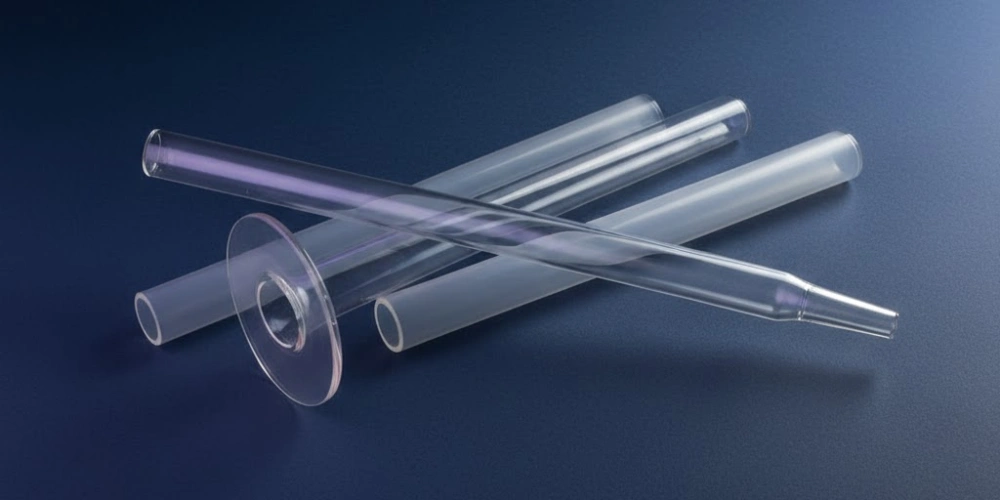
متطلبات أنابيب الكوارتز المخصصة للاستخدامات المحددة في مختلف صناعات الأشعة فوق البنفسجية
يفرض كل قطاع من قطاعات تطبيقات الأشعة فوق البنفسجية تسلسلاً هرمياً متميزاً من متطلبات الأداء، وتتغير أولويات مواصفات أنابيب الكوارتز المصممة خصيصاً وفقاً لذلك — بدءاً من شهادات النفاذية في معالجة المياه وصولاً إلى الدقة الهندسية الفائقة في معالجة أشباه الموصلات.
إن تحديد العوامل الرئيسية التي تحدد المواصفات لكل نوع من أنواع التطبيقات يتيح للفرق الهندسية توجيه الدقة في تحديد المواصفات إلى الجوانب التي سيكون لها أكبر تأثير على أداء النظام، بدلاً من تطبيق مواصفات مفرطة وموحدة على جميع المعلمات.
أكمام الكوارتز في أنظمة تنقية المياه بالأشعة فوق البنفسجية
في أنظمة تنقية المياه بالأشعة فوق البنفسجية، يؤدي غلاف الكوارتز وظيفة مزدوجة تعرضه لضغوط بصرية وميكانيكية في آن واحد: فهو يجب أن ينقل طاقة الأشعة فوق البنفسجية من المصباح إلى عمود الماء بأقل قدر ممكن من التوهين، مع الحفاظ في الوقت نفسه على حاجز مانع للتسرب الهيدروليكي بين المصباح والماء.
يُعد متطلب النفاذية عند 254 نانومتر المعلمة الأساسية للتحقق من الصحة بالنسبة لأغلفة معالجة المياه بالأشعة فوق البنفسجية، حيث تحدد الأطر التنظيمية في الولايات المتحدة (دليل إرشادات التطهير بالأشعة فوق البنفسجية الصادر عن وكالة حماية البيئة الأمريكية)، وأوروبا (معيار DVGW W294)، وأستراليا (إرشادات WSAA) جميعها الحدود الدنيا لنسبة النفاذية التي يجب التحقق منها من خلال القياس الطيفي الضوئي3 في دفعات الإنتاج — وليس مجرد افتراض مستمد من شهادات درجة جودة المواد. إن انخفاض نفاذية الغلاف بمقدار 5 نقاط مئوية عند 254 نانومتر — من 90% إلى 85% — يقلل جرعة الأشعة فوق البنفسجية الموجهة إلى مسببات الأمراض بنحو 6%، وهو انخفاض يمكن أن يحوّل مفاعلًا معتمدًا من حالة الامتثال إلى حالة عدم الامتثال في ظل ظروف المصابيح ذات الضغط المنخفض. وبالتالي، تعد شهادة القياس الطيفي للدفعة الإنتاجية بدقة قياس تبلغ ±1% ممارسة معتادة في تصنيع الأكمام المخصصة لمعالجة المياه بالأشعة فوق البنفسجية.
تفرض البيئة الهيدروليكية متطلبات ميكانيكية إضافية: يجب أن تتحمل الأكمام الموجودة في المفاعلات ذات الأوعية المغلقة المضغوطة ضغطًا داخليًا للمياه يتراوح بين 6 و10 بار بشكل مستمر، بالإضافة إلى التغيرات المؤقتة في الضغط أثناء تشغيل الصمامات. ولذلك، لا يتم تحديد سماكة الجدران في هذه التطبيقات بناءً على النفاذية فحسب، بل أيضًا من أجل هامش ضغط الانفجار الأدنى — عادةً ما يكون 3 أضعاف ضغط التشغيل — وهو ما يتطلب، بالنسبة لجلبة يبلغ قطرها الخارجي 50 ملم وعند ضغط تشغيل يبلغ 10 بار، سماكة جدار لا تقل عن 2.5 ملم في الكوارتز المصهور القياسي.
أنابيب الكوارتز المصنوعة حسب الطلب في المفاعلات الكيميائية الضوئية المختبرية
تمثل المفاعلات الكيميائية الضوئية المختبرية الفئة الأكثر تنوعًا من الناحية الهندسية بين تطبيقات أنابيب الكوارتز المصنوعة حسب الطلب، ويرجع ذلك إلى الأشكال غير القياسية للمصابيح، وتصميمات أوعية التفاعل، ومتطلبات المسار البصري التي تميز الكيمياء الضوئية على نطاق الأبحاث.
تتطلب مفاعلات البئر الغاطسة — وهي الشكل الأكثر شيوعًا للمفاعلات الضوئية المختبرية — أنبوب كوارتز ذو طرف مغلق واحد، وفجوة حلقية يتم التحكم فيها بدقة بين الجدار الخارجي للأنبوب والجدار الداخلي لحاوية المفاعل، وطرف مفتوح متوافق مع تجهيزات مدخل ومخرج الغاز التي تزود غلاف المصباح بهواء التبريد أو الغلاف الجوي الخامل. ويجب أن يكون عرض الفجوة الحلقية — الذي يتراوح عادةً بين 5 و15 ملم — متجانسًا بدقة تصل إلى ±0.5 ملم على طول الأنبوب بالكامل لضمان أن يكون تدفق الفوتونات الذي يصل إلى محلول التفاعل متجانسًا مكانيًّا. تتطلب المفاعلات من النوع الدوار، مثل المفاعل الضوئي Rayonet المستخدم على نطاق واسع في الكيمياء الضوئية التخليقية، مصفوفات من 8 إلى 16 أنبوبًا كوارتزيًا متطابقًا مع تفاوتات طولية تبلغ ±0.2 مم للحفاظ على تناسق مصفوفة المصابيح. يجب أن يكون التباطؤ البصري لكل أنبوب — وهو مقياس للإجهاد الداخلي المتبقي من التصنيع — أقل من 10 نانومتر/سم، ويتم تأكيد ذلك عن طريق الفحص الاستقطابي، وذلك لمنع الانكسار المزدوج الناتج عن الإجهاد من تشويه التجارب الكيميائية الضوئية التي تستخدم الضوء المستقطب.
غالبًا ما تتطلب أنابيب الكوارتز المصنوعة حسب الطلب والمخصصة لمفاعلات الضوء المختبرية ما يلي: فتحات جانبية، أو وصلات طرفية متوافقة مع الصمامات، أو أغطية تبريد مدمجة، وهي تكوينات يتم تصنيعها من خلال عمليات متتالية من الخراطة والربط باللهب على أنابيب الكوارتز الجاهزة الشكل. ويجب التحكم في السجل الحراري لكل عملية ربط لمنع تركيز الإجهاد عند حدود الوصلات — وهو نمط من أنماط الفشل الذي يتجلى في شكل تشققات أثناء الدورات الحرارية وليس أثناء الفحص الأولي للتصنيع.
أنابيب الكوارتز المستخدمة في التصوير الضوئي لأشباه الموصلات وفحصها
تمثل تطبيقات الأشعة فوق البنفسجية في مجال أشباه الموصلات الحد الأقصى لمواصفات أنابيب الكوارتز، حيث تتجاوز متطلبات نقاء المادة والدقة الهندسية وجودة السطح تلك المطبقة في أي صناعة أخرى للأشعة فوق البنفسجية بفارق كبير.
تعمل تقنية الطباعة الضوئية باستخدام ليزر إكسيمر ArF على طول موجي يبلغ 193 نانومتر، بينما تعمل تقنية الطباعة الضوئية باستخدام ليزر إكسيمر KrF على طول موجي يبلغ 248 نانومتر — وهما طولان موجيان فقط الكوارتز الاصطناعي من النوع الرابع الذي يقل محتوى الشوائب المعدنية فيه عن 0.05 جزء في المليون ويقل محتوى OH فيه عن 0.5 جزء في المليون يحقق قيم النفاذية (≥95% لكل سنتيمتر من المسار البصري) المطلوبة لتأهيل شبكات التصويب وعناصر العدسات. عند هذه الأطوال الموجية، يُشكل أي خدش سطحي واحد يزيد عرضه عن 0.1 ميكرومتر أو أي شوائب تحت السطح أكبر من 50 ميكرومتر عيبًا يؤدي إلى الاستبعاد، حيث يتسبب في حدوث تشتت مترابط في مجال الإضاءة، مما يؤدي إلى تشويه الصورة الهوائية وتقليل دقة الطباعة الحجرية. فحص السطح باستخدام تقنية قياس التشتت بالليزر عند مستويات حساسية الكشف التي تعادل المقطع العرضي للتشتت البالغ 0.1 ميكرومتر مربع وهي خطوة تأهيل إلزامية للمكونات البصرية الكوارتزية في أنظمة الطباعة الضوئية.
تصل التفاوتات الهندسية في مكونات الكوارتز المستخدمة في أشعة فوق البنفسجية لأشباه الموصلات إلى مستويات تشكل تحديًا لعمليات تشكيل الأنابيب التقليدية: فالتفاوتات في الاستقامة التي تبلغ ±0.01 مم لكل 100 مم من طول الأنبوب، والتراكز في حدود ±0.02 مم، واستدارة القطر الخارجي في حدود ±0.01 مم، هي متطلبات نموذجية لأنابيب توصيل الحزم الضوئية في أنظمة فحص الرقائق. تتطلب هذه التفاوتات إجراء عمليات طحن أسطواني وصقل بعد التشكيل، مما يضيف وقتًا إضافيًا كبيرًا مقارنةً بإنتاج أنابيب الكوارتز القياسية، كما تتطلب التحقق من الأبعاد باستخدام آلات القياس الإحداثي (CMM) بدلاً من القياس البسيط بالمقياس.
مصفوفة أولويات المواصفات الخاصة بالتطبيقات
| التطبيق | المسؤول الرئيسي عن المواصفات | برنامج التشغيل الخاص بالمواصفات الثانوية | درجة المادة | شهادة النفاذية مطلوبة |
|---|---|---|---|---|
| معالجة المياه بالأشعة فوق البنفسجية | نفاذية 254 نانومتر | سماكة الجدار؛ تفاوت القطر الخارجي | النوع الأول أو النوع الرابع | نعم — وفقًا للمعايير التنظيمية |
| مفاعل ضوئي مختبري | التجانس الهندسي | التأخر البصري؛ التكوين النهائي | النوع الأول أو النوع الثاني | موصى به |
| العلاج الضوئي بالأشعة فوق البنفسجية | تجانس الإشعاع | تفاوت الطول؛ نفاذية الأشعة فوق البنفسجية من النوع ب (UVB) | النوع الأول | لا (على مستوى الجهاز) |
| الليثوغرافيا في مجال أشباه الموصلات | نفاذية الأشعة فوق البنفسجية العميقة | كثافة عيوب السطح؛ الاستقامة | النوع الرابع فقط | نعم — القياس الطيفي القابل للتتبع |
| فحص أشباه الموصلات | الدقة الهندسية | التشتت السطحي؛ التراكز | النوع الرابع | نعم |
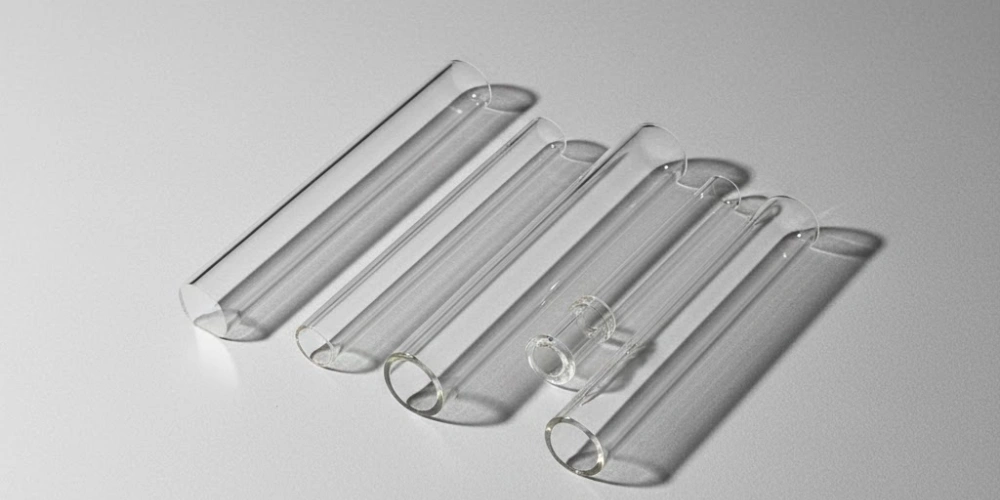
ثلاثة مفاهيم خاطئة شائعة تتعلق بشراء أنابيب الكوارتز التي تعمل بالأشعة فوق البنفسجية
حتى بين فرق المشتريات ذات الخبرة الفنية، تتكرر ثلاثة مفاهيم خاطئة محددة بشأن أنابيب الكوارتز فوق البنفسجية بوتيرة كافية تستدعي تصحيحها بشكل مباشر — حيث يمثل كل منها فجوة بين المعرفة العامة بالمواد والدقة الخاصة بالتطبيق التي يتطلبها أداء أنظمة الأشعة فوق البنفسجية.
-
اعتبار جميع أنابيب الكوارتز متكافئة من الناحية البصرية بغض النظر عن محتوى الهيدروكسيل. إن الافتراض القائل بأن أي أنبوب من «الكوارتز المخصص للأشعة فوق البنفسجية» سيقدم أداءً متطابقًا عبر جميع أطوال موجات الأشعة فوق البنفسجية يتجاهل القطبية الطيفية الأساسية بين المواد ذات القيمة المنخفضة لـ OH والمواد ذات القيمة العالية لـ OH. في حالات موثقة خلال تشغيل منشآت معالجة المياه بالأشعة فوق البنفسجية، أدى استبدال أنبوب منخفض OH بأنبوب عالي OH عند طول الموجة 254 نانومتر إلى خفض جرعة الأشعة فوق البنفسجية المُقدَّمة بنسبة 8–12% — وهو ما يكفي لإثارة عدم امتثال المفاعل الذي تم التحقق من صلاحيته. يجب تحديد محتوى الأكسجين (OH) عدديًّا، ولا يُستنتج من تصنيفات الموردين، لا سيما عندما تكون الشهادة التنظيمية أحد متطلبات النظام.
-
تحديد القطر الخارجي والقطر الداخلي فقط مع إغفال التراكز، ونوعية تشطيب الأطراف، وتفاوت الطول. إن مخطط الأنبوب الذي يحدد القطرين الخارجي والداخلي فقط يترك المعلمات الثلاث الأكثر تأثيرًا على ملاءمة التجميع وتوحيد الإشعاع دون أي تحكم على الإطلاق. في تركيبات مفاعلات الأشعة فوق البنفسجية الحلقية، أدى تباين التراكز بمقدار ±0.3 مم — وهو ضمن حدود التفاوت المسموح به في المنتجات التجارية — إلى عدم توحيد الإشعاع المقاس بمقدار ±15% حول محيط المصباح في الدراسات المنشورة لتوصيف مفاعلات الأشعة فوق البنفسجية، مما أدى مباشرةً إلى تدهور توحيد توزيع الجرعة. تُزيل المواصفات الأبعاد الكاملة هذه المتغيرات الخفية في الأداء قبل بدء التصنيع.
-
بافتراض أن أنابيب الكتالوج القياسية يمكن أن تحل محل أنابيب الكوارتز المصنوعة حسب الطلب في أنظمة الأشعة فوق البنفسجية المخصصة لتطبيقات معينة. يتم تصنيع أنابيب الكوارتز القياسية وفقًا لنطاقات تفاوت واسعة مُحسَّنة للاستخدام المختبري العام، وليس لتلبية متطلبات الأشكال الهندسية للختم، ومواصفات سماكة الجدران، ومتطلبات شهادات النفاذية الخاصة بأنظمة الأشعة فوق البنفسجية المصممة هندسيًّا. ويُعد التباين في الأبعاد بين الأنبوب القياسي الموجود في الكتالوج والأخدود المصمم هندسيًا في الغطاء الطرفي لمفاعل الأشعة فوق البنفسجية أحد أكثر الأسباب شيوعًا لفشل مانع التسرب الدائري (O-ring) المُبلغ عنه في سجلات صيانة أنظمة الأشعة فوق البنفسجية — وهو نوع من الفشل يمكن تجنبه تمامًا من خلال استخدام مواصفات أنابيب مخصصة تتناسب مع الاستخدام المطلوب.
أنابيب الكوارتز المخصصة من TOQUARTZ للبيئات التي تتطلب مقاومة للأشعة فوق البنفسجية
بالنسبة لمهندسي أنظمة الأشعة فوق البنفسجية والباحثين العلميين الذين يحتاجون إلى مكونات أنابيب الكوارتز التي تتوافق مع المعايير الدقيقة للأبعاد والمواد والخصائص البصرية الموضحة في هذه المقالة، توفر شركة TOQUARTZ أنابيب كوارتز مخصصة ومناسبة للتطبيقات المختلفة، والتي تغطي كامل نطاق متطلبات صناعة الأشعة فوق البنفسجية.
تمتد قدرات شركة TOQUARTZ التصنيعية لتشمل مواد الكوارتز المصهور من النوع الأول وحتى النوع الرابع، مع إجراء قياس النفاذية الطيفية داخليًّا عند 185 نانومتر و254 نانومتر وعبر النطاق الكامل للأشعة فوق البنفسجية من 200 إلى 400 نانومتر، مما يتيح إصدار شهادات على مستوى كل دفعة وفقًا لعتبات النفاذية المحددة لكل تطبيق. وتشمل قدرات المعالجة الهندسية تشكيل الأنابيب باستخدام التحكم الرقمي (CNC) بتفاوتات في القطر الخارجي والداخلي تصل إلى ±0.1 مم، والتلميع بالنار والتلميع البصري للأوجه الطرفية، وتشكيل الحواف، وتصنيع التكوينات ذات الأطراف المغلقة، والفتحات الجانبية، ووصلات الزجاج المصقول، التي تتطلبها تصميمات المفاعلات الضوئية المختبرية وأنظمة الأشعة فوق البنفسجية الصناعية.
لأغلفة معالجة المياه بالأشعة فوق البنفسجية، وأنابيب المفاعلات الضوئية المختبرية، والمكونات البصرية للأشعة فوق البنفسجية المستخدمة في صناعة أشباه الموصلات، تقبل شركة «توكوارتز» الرسومات الأبعاد، ومواصفات النفاذية الطيفية، ومتطلبات التكوين النهائي كأساس لتقديم عروض الأسعار الخاصة بالأنابيب المخصصة وإنتاجها. ويُعد تقديم الاستفسارات الفنية التي تتضمن طول الموجة المطلوب، ومتطلبات الأبعاد، والكمية، الطريق الأكثر مباشرةً للحصول على توصيات بشأن درجة جودة المواد وتأكيد جدوى الإنتاج من فريق هندسة التطبيقات في شركة «توكوارتز».
الخاتمة
يقتصر أداء أنظمة الأشعة فوق البنفسجية في نهاية المطاف على الدقة البصرية والأبعاد لمكونات أنابيب الكوارتز الخاصة بها. بدءًا من محتوى الهيدروكسيل وسماكة الجدران التي تحدد توهين الفوتونات، وصولاً إلى التراكز وتشطيب الأطراف الذي يتحكم في انتظام الإشعاع وسلامة الختم، فإن كل معلمة تم تناولها في هذه المقالة تمثل متغيرًا قابلًا للقياس في الأداء — وليست مجرد إجراء شكلي في المواصفات. سواء في أنظمة التعقيم بالأشعة فوق البنفسجية من النوع UVC، أو العلاج الضوئي بالأشعة فوق البنفسجية من النوع UVB، أو المفاعلات الكيميائية الضوئية للأشعة فوق البنفسجية من النوع UVA، أو معالجة أشباه الموصلات بالأشعة فوق البنفسجية العميقة، يظل إطار المواصفات ثابتًا: تحديد العامل الرئيسي المؤثر على الأداء للتطبيق، وتحديد جميع المعلمات المتفاعلة بشكل كامل، والتحقق من المطابقة من خلال قياسات قابلة للتتبع. توفر أنابيب الكوارتز المخصصة، المحددة بهذا المستوى من الاكتمال التقني، اتساق الأداء الذي لا يمكن للأنابيب العامة الموجودة في الكتالوجات توفيره من الناحية الهيكلية.
الأسئلة الشائعة
ما الفرق بين الكوارتز المصهور والسيليكا المصهورة في تطبيقات أنابيب الأشعة فوق البنفسجية؟
في الممارسة التجارية، يشير مصطلح «الكوارتز المصهور» عادةً إلى المادة المنتجة من مادة أولية من بلورات الكوارتز الطبيعي، بينما يشير مصطلح «السيليكا المصهورة» إلى المادة المنتجة صناعيًّا من سلائف كيميائية مثل رابع كلوريد السيليكون. وكلاهما عبارة عن ثاني أكسيد السيليكون غير المتبلور، لكن السيليكا المنصهرة الاصطناعية (النوعان الثالث والرابع) تتميز بمستويات أقل من الشوائب المعدنية ومحتوى OH أكثر تحكمًا، مما يجعلها المادة المفضلة لتطبيقات الأشعة فوق البنفسجية العميقة التي تقل عن 220 نانومتر، حيث تكون نفاذية الكوارتز الطبيعي غير كافية.
كم مرة يجب استبدال الأكمام الكوارتزية في أنظمة معالجة المياه بالأشعة فوق البنفسجية؟
عادةً ما يتم استبدال الأكمام المصنوعة من الكوارتز المصهور في أنظمة معالجة المياه بالأشعة فوق البنفسجية كل 8,000–12,000 ساعة تشغيل، وهو ما يتوافق مع العمر التشغيلي المحدد لمصباح الأشعة فوق البنفسجية. ومع ذلك، قد يستلزم تدهور النفاذية الناتج عن ترسب الترسبات الكلسية، أو تآكل السطح في المياه ذات درجة الحموضة العالية، أو التبييض الناتج عن الأشعة فوق البنفسجية (في الأنظمة التي تعمل بشكل مستمر عند طول موجي أقل من 200 نانومتر) الاستبدال في وقت أبكر. وتوفر المراقبة الدورية للنفاذية باستخدام مستشعرات الأشعة فوق البنفسجية المثبتة في الموقع المؤشر الأكثر موثوقية لحالة الأكمام.
هل يمكن تصنيع أنابيب كوارتز مخصصة ذات مقاطع عرضية غير دائرية لتناسب أشكال هندسية متخصصة للمفاعلات الضوئية؟
يمكن إنتاج مقاطع عرضية لأنابيب الكوارتز المستطيلة والبيضاوية من خلال عمليات تشكيل بالحرارة متخصصة، على الرغم من أن التفاوتات الهندسية التي يمكن تحقيقها في الأشكال غير الدائرية تكون أوسع نطاقًا من تلك الخاصة بالأنابيب الأسطوانية. وبالنسبة لمعظم تطبيقات المفاعلات الضوئية التي تتطلب أشكالًا هندسية غير قياسية، توفر الأنابيب الكوارتزية الأسطوانية المصنوعة حسب الطلب والمزودة بفتحات جانبية أو محولات مدمجة حلاً يمكن التحكم في أبعاده بشكل أفضل مقارنةً بالأنابيب غير الدائرية المصنوعة بالبثق.
ما هي مصادر التلوث السطحي التي تؤدي إلى انخفاض نفاذية الأشعة فوق البنفسجية بأسرع ما يمكن في الأكمام الكوارتزية المركبة؟
تعد ترسبات كربونات الكالسيوم (CaCO₃) الناتجة عن المياه العسرة أكثر الملوثات انتشارًا التي تؤدي إلى انخفاض النفاذية في الأكمام المستخدمة في معالجة المياه بالأشعة فوق البنفسجية، حيث تؤدي الترسبات التي يصل سمكها إلى 0.1 مم إلى انخفاض النفاذية عند 254 نانومتر بنسبة تتراوح بين 15 و30%. كما تساهم رواسب أكسيد الحديد، وتراكم الأغشية الحيوية، ورواسب السيليكات الناتجة عن المياه الخام عالية المحتوى من السيليكا في فقدان النفاذية. ويؤدي التنظيف الكيميائي المنتظم باستخدام محاليل حمض الستريك أو حمض الهيدروكلوريك المخففة (عند درجة حموضة تتراوح بين 2 و3) إلى إزالة رواسب الكالسيوم والحديد بفعالية دون الإضرار بسطح الكوارتز.
المراجع:
-
قانون بير-لامبرت هو العلاقة البصرية الأساسية التي تصف كيفية تضاؤل شدة الفوتون بشكل أسي أثناء مروره عبر وسط ممتص يتزايد سمكه.↩
-
رباعي كلوريد السيليكون هو مادة أولية كيميائية عالية النقاء تُستخدم في عمليات الترسيب الكيميائي للبخار لإنتاج الكوارتز المدمج الاصطناعي، مما ينتج عنه مادة تحتوي على مستويات شوائب معدنية أقل من 1 جزء في المليون، وهو ما لا يمكن تحقيقه من مادة الكوارتز الطبيعية.↩
-
القياس الطيفي الضوئي هو التقنية التحليلية المستخدمة لتحديد قيمة النفاذية أو الامتصاصية لمادة ما عند أطوال موجية محددة، مما يوفر البيانات البصرية القابلة للتتبع اللازمة للحصول على الشهادات التنظيمية لأكمام الكوارتز المقاومة للأشعة فوق البنفسجية المستخدمة في تطبيقات معالجة المياه.↩