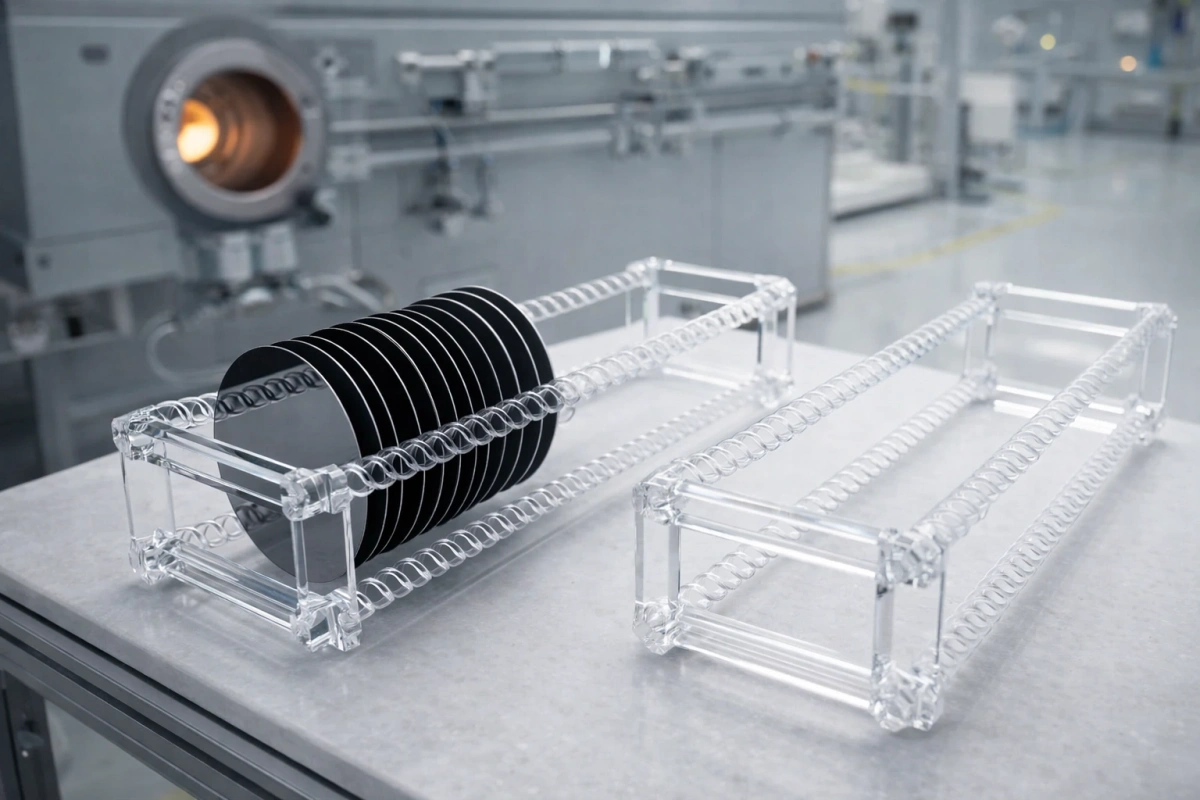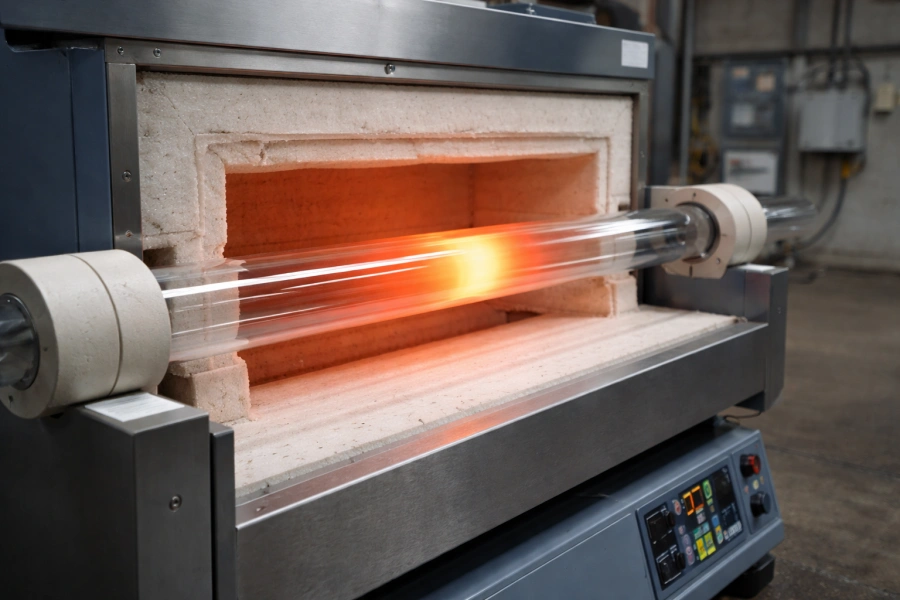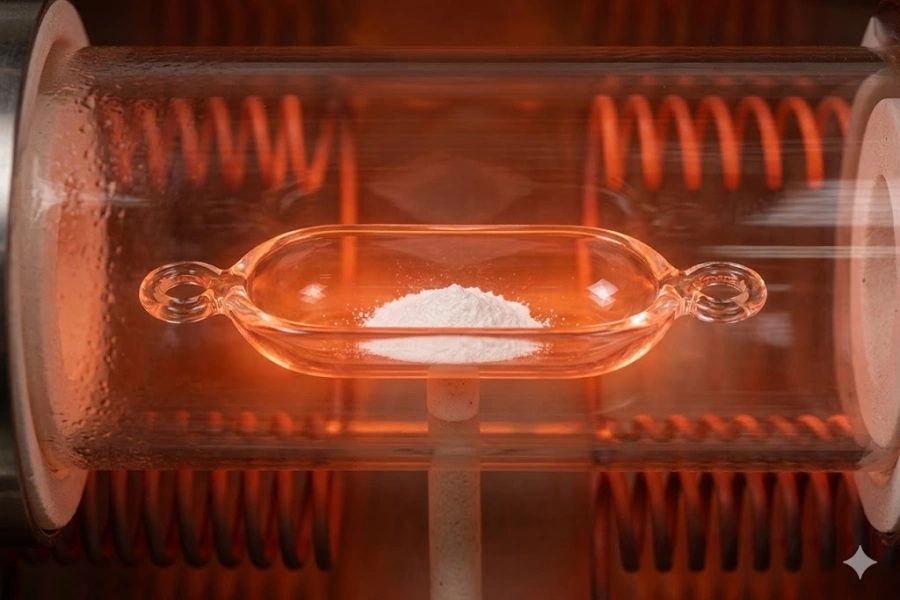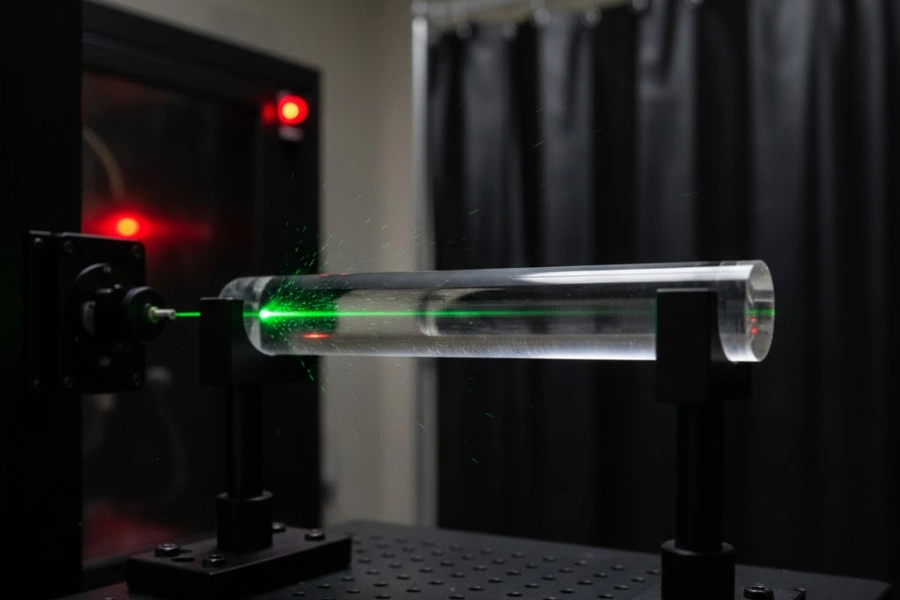

Las placas de cuarzo se enfrentan a muchos retos en los entornos de laboratorio. Los principales factores de compatibilidad química de las placas de cuarzo en el laboratorio incluyen el pH de la solución, la temperatura, la concentración química, la tensión mecánica y la exposición al ácido fluorhídrico. Los ingenieros deben tener en cuenta la aplicación prevista, las propiedades ópticas y las propiedades térmicas antes de seleccionar el cuarzo o los tubos de cuarzo. La calidad del proveedor influye en la consistencia y el rendimiento de cada producto de cuarzo. Los análisis químicos ayudan a confirmar la pureza del material y a detectar posibles problemas de seguridad. Los laboratorios eligen el cuarzo por su durabilidad, pero la seguridad depende de la comprensión de estos factores.
Principales conclusiones
Vigile de cerca el pH de la solución. Las condiciones alcalinas por encima de pH 10 pueden reducir drásticamente la vida útil del cuarzo debido a la rápida corrosión.
La temperatura afecta significativamente a la durabilidad del cuarzo. Cada aumento de 25 °C puede duplicar o triplicar la tasa de corrosión, así que mantén temperaturas moderadas.
La concentración química es importante. Evite utilizar ácidos por encima de 40% y álcalis por encima de 3% para prolongar la vida útil de las placas de cuarzo.
La tensión mecánica puede provocar un fallo prematuro. Mantenga la tensión por debajo de 20 MPa, especialmente en entornos con pH elevado, para evitar la propagación de grietas.
El ácido fluorhídrico es incompatible con el cuarzo. Utilice alternativas de fluoropolímero como PTFE o PVDF para garantizar la seguridad al manipular HF.
¿Cómo afecta el pH de la solución (intervalo 1-14) a la velocidad de corrosión de las placas de cuarzo y a su vida útil?

El pH de las soluciones es uno de los factores más placa de cuarzo factores de compatibilidad química vida útil en laboratorio. El pH de una solución influye directamente en la velocidad de corrosión y la vida útil del cuarzo y los tubos de cuarzo en entornos de laboratorio. Comprender cómo interactúa el pH con otros factores ayuda a los laboratorios a maximizar la durabilidad de sus equipos de cuarzo.
¿Qué mecanismos de ataque nucleofílico rigen la corrosión alcalina a pH >10?
Las soluciones alcalinas con valores de pH superiores a 10 provocan una rápida corrosión del cuarzo. Los iones hidróxido atacan los enlaces Si-O-Si del cuarzo, rompiendo la estructura de red y formando especies de silicatos solubles. Este proceso provoca una pérdida de material mucho más rápida que en condiciones ácidas o neutras.
El mecanismo de ataque nucleofílico se vuelve dominante a medida que aumenta el pH. En pruebas de laboratorio, el NaOH 5% a 95°C provocó una pérdida de peso de 1,2 mg/cm² después de 1.000 horas, lo que es entre 50 y 100 veces superior que en entornos ácidos. La menor energía de activación en condiciones alcalinas permite que la reacción se produzca rápidamente, lo que reduce la vida útil de los tubos y placas de cuarzo a sólo 2-4 años en entornos alcalinos agresivos.
Los laboratorios deben evitar exponer el cuarzo a soluciones con un pH superior a 12. Si es necesaria una limpieza alcalina, reducir el pH por debajo de 11 puede prolongar la vida útil de los factores de compatibilidad química de las placas de cuarzo.
Puntos clave que hay que recordar:
El ataque alcalino acelera la corrosión del cuarzo.
Los iones hidróxido rompen los enlaces Si-O-Si.
La vida útil disminuye bruscamente por encima de pH 10.
¿Cómo acelera la sinergia pH-temperatura la disolución superficial?
Un pH elevado y una temperatura elevada aumentan considerablemente la velocidad de disolución del cuarzo. Los iones monovalentes como el Na+ y el K+ potencian este efecto. mejorando las propiedades del disolvente, lo que provoca una corrosión aún más rápida. Sin embargo, los iones de aluminio pueden ralentizar el proceso formando fases secundarias que protegen la superficie de cuarzo.
Cuando aumenta la temperatura, la velocidad de disolución del cuarzo sigue la cinética de Arrhenius. Por ejemplo, un aumento de 25°C puede duplicar o triplicar la velocidad de corrosión. En estudios de campo, los tubos de cuarzo expuestos a pH 13 a 95°C necesitaron ser sustituidos al cabo de sólo 1 a 3 años debido a la grave pérdida de superficie.
Factor | Efecto sobre el cuarzo | Causa |
|---|---|---|
pH elevado (>10) | Corrosión rápida | Ataque nucleofílico OH- |
Alta temperatura (>80°C) | Disolución acelerada | Cinética de Arrhenius |
Iones Na⁺/K⁺ | Mayor ataque | Propiedades disolventes mejoradas |
Iones Al³⁺ | Ataque reducido | Enmascaramiento de superficies |
Comprensión de las pruebas de resistencia hidrolítica ISO 695 en distintos rangos de pH
La prueba ISO 695 proporciona una forma estandarizada de medir la resistencia del cuarzo al ataque químico en diferentes niveles de pH. En soluciones ácidas (pH 1-6), las placas de cuarzo muestran una pérdida de peso inferior a 0,01 mg/cm² tras 1.000 horas a 95 °C, lo que permite una vida útil de más de 10 años. En condiciones de pH neutro, los índices de corrosión son aún más bajos.
A medida que el pH aumenta por encima de 10, los resultados de la norma ISO 695 muestran un aumento espectacular de la pérdida de peso. Por ejemplo, a pH 13, los tubos de cuarzo pueden perder hasta 1,2 mg/cm² en el mismo periodo de prueba, lo que reduce la vida útil prevista a unos pocos años. Los laboratorios utilizan estos resultados para seleccionar el material adecuado y planificar los programas de mantenimiento.
Resumen de los puntos de vista de la norma ISO 695:
pH ácido y neutro: mínima pérdida de cuarzo, larga vida útil
pH alcalino: pérdida rápida de peso, vida útil corta
Las pruebas guían la selección de materiales y la planificación de sustituciones
¿Cómo afecta la variación de temperatura (25-200°C) a la velocidad de ataque químico y a la vida útil del material?
La temperatura desempeña un papel fundamental a la hora de determinar la durabilidad de las placas y los tubos de cuarzo en los laboratorios. A medida que aumenta la temperatura, las reacciones químicas se aceleran, provocando una pérdida de material más rápida. Comprender cómo interactúa la temperatura con otros factores ayuda a los laboratorios a predecir la vida útil y seleccionar el equipo adecuado para entornos exigentes.
¿Qué energías de activación de Arrhenius rigen la cinética de disolución del cuarzo?
El cuarzo se disuelve más rápidamente a medida que aumenta la temperatura, siguiendo un patrón predecible denominado cinética de Arrhenius. Los científicos miden la energía de activación necesaria para la disolución del cuarzo con el fin de comprender la velocidad a la que se produce la corrosión a diferentes temperaturas. La energía de activación media para la disolución del cuarzo es de 89 ± 5 kJ/mol, según los estudios realizados en una amplia gama de temperaturas.
Las temperaturas más altas reducen la barrera de energía para el ataque químico, lo que hace que el cuarzo sea más vulnerable en entornos calientes. Las pruebas de laboratorio demuestran que los tubos de cuarzo expuestos a ácidos a 150°C se corroen hasta 240 veces más rápido que a temperatura ambiente. Este rápido aumento de la tasa de ataque acorta la vida útil de las placas de cuarzo, especialmente en procesos que requieren mucho calor.
Puntos clave:
La disolución del cuarzo sigue la cinética de Arrhenius.
La energía de activación media es de 89 kJ/mol.
Las temperaturas más elevadas provocan una corrosión mucho más rápida.
Cómo calcular la aceleración de la vida útil a partir de los aumentos de temperatura
Los ingenieros utilizan la ecuación de Arrhenius para calcular cómo afectan los cambios de temperatura a la vida útil del cuarzo y los tubos de cuarzo. La ecuación muestra que cada aumento de 25°C puede duplicar o triplicar la velocidad de ataque químico. Por ejemplo, el ácido clorhídrico 5% provoca una pérdida de peso de 0,005 mg/cm² por cada 1.000 horas a 25°C, pero esta pérdida aumenta a 0,08 mg/cm² a 95°C y a 1,2 mg/cm² a 150°C.
Los laboratorios suelen utilizar los resultados de las pruebas ISO 695 para planificar los programas de mantenimiento. Los datos de campo de más de 5.500 instalaciones de placas de cuarzo confirman que la temperatura es el factor más importante para predecir la vida útil. Cuando las temperaturas superan los 120°C, puede ser necesario sustituir los tubos de cuarzo cada 4-6 años, mientras que las temperaturas más bajas permiten intervalos de servicio de 10-15 años.
Temperatura (°C) | Índice de corrosión (mg/cm²/1000h) | Vida útil prevista |
|---|---|---|
25 | 0.005 | Más de 20 años |
95 | 0.08 | 8-12 años |
150 | 1.2 | 3-5 años |
Comprensión de los efectos sinérgicos de la temperatura y la concentración en la corrosión
La temperatura y la concentración química actúan conjuntamente para acelerar la corrosión del cuarzo. Cuando aumentan ambos factores, la velocidad de ataque aumenta mucho más rápido que con cualquiera de ellos por separado. Por ejemplo, duplicar la concentración de ácido de 5% a 10% aumenta la corrosión entre 1,5 y 2 veces, pero aumentar la temperatura de 60°C a 120°C puede aumentar la velocidad de ataque entre 15 y 25 veces.
Los tubos de cuarzo expuestos a ácidos concentrados a altas temperaturas muestran una drástica pérdida de superficie, por lo que a menudo es necesario sustituirlos con frecuencia. Los laboratorios deben tener en cuenta tanto la concentración química como la temperatura a la hora de diseñar sistemas para proteger las placas de cuarzo. Elegir concentraciones más bajas y mantener temperaturas moderadas ayuda a prolongar la vida útil y preservar las propiedades térmicas del cuarzo.
Resumen de los puntos principales:
La temperatura y la concentración juntas aumentan enormemente la corrosión.
Los altos niveles de ácido y el calor acortan la vida útil del cuarzo.
La reducción de cualquiera de estos factores ayuda a proteger los tubos de cuarzo.
¿Cómo determina la concentración química (gama 1-100%) la gravedad del ataque y la vida útil?
La concentración química desempeña un papel fundamental en la durabilidad del cuarzo en entornos de laboratorio. La gravedad del ataque a las placas y los tubos de cuarzo depende tanto del tipo como de la concentración de los productos químicos utilizados. Comprender estas relaciones ayuda a los laboratorios a seleccionar el material adecuado para cada aplicación prevista y a prolongar la vida útil de los equipos.
Qué efectos del coeficiente de actividad provocan relaciones no lineales entre concentración y velocidad
Los coeficientes de actividad influyen en el modo en que la concentración química afecta a la corrosión del cuarzo. En soluciones diluidas, la velocidad de ataque del cuarzo aumenta casi linealmente con la concentración. A medida que aumenta la concentración, los coeficientes de actividad cambian, provocando aumentos no lineales de la velocidad de corrosión.
Los datos de laboratorio muestran que los ácidos concentrados por encima de 40% y los álcalis por encima de 5% aceleran el ataque del cuarzo entre 3 y 10 veces en comparación con las soluciones diluidas. Este efecto es el resultado de los cambios en la fuerza iónica y la reducción de la actividad del agua, que alteran el entorno químico alrededor de la superficie del cuarzo. Por ejemplo, el ácido sulfúrico 70% a 95°C provoca una pérdida de peso de 0,15 mg/cm² por 1000 horas, mientras que el ácido sulfúrico 5% sólo provoca 0,01 mg/cm² en el mismo periodo.
Intervalo de concentración | Efecto sobre el cuarzo | Causa |
|---|---|---|
1-20% (diluido) | Aumento lineal | Gran actividad acuática |
40-100% (concentrado) | Ataque no lineal y rápido | Aumento del coeficiente de actividad, aguas bajas |
Cómo aceleran el ataque los umbrales específicos de concentración química
Ciertos umbrales de concentración marcan un fuerte aumento de la corrosión del cuarzo. Por debajo de estos umbrales, los tubos de cuarzo mantienen una larga vida útil. Una vez que las concentraciones superan estos puntos, los índices de ataque aumentan rápidamente, reduciendo la vida útil de los equipos.
Los estudios de campo confirman que el ácido clorhídrico por encima de 30%, el ácido sulfúrico por encima de 50% y el hidróxido de sodio por encima de 5% provocan una pérdida de material mucho más rápida. Por ejemplo, el cuarzo expuesto a ácido clorhídrico 37% a 95°C pierde 0,08 mg/cm² por 1000 horas, frente a sólo 0,01 mg/cm² a 10%. Estos umbrales ayudan a los laboratorios a establecer límites operativos seguros para el nivel de pureza del cuarzo y a seleccionar materiales alternativos cuando sea necesario.
Puntos clave para la práctica de laboratorio:
Evite concentraciones de ácido superiores a 40% y de álcali superiores a 3% para prolongar la vida útil.
Controlar los datos de los análisis químicos para detectar concentraciones crecientes
Cambiar a PTFE o PFA cuando se superen los umbrales de seguridad
Equilibrios de precipitación de silicatos en soluciones concentradas
La precipitación de silicatos puede producirse en soluciones concentradas, afectando a los índices de ataque del cuarzo. En algunos casos, la sílice disuelta alcanza la saturación y forma una capa protectora en la superficie del cuarzo. Esta capa frena la corrosión posterior, pero sólo en condiciones químicas específicas.
Los datos de los análisis químicos muestran que este efecto aparece principalmente en soluciones alcalinas concentradas. Sin embargo, la capa protectora puede no formarse si la solución contiene agentes complejantes o si las propiedades ópticas del cuarzo son críticas para la aplicación prevista. Los laboratorios deben evaluar cada situación para determinar si la precipitación de silicatos ayudará o dificultará el rendimiento del equipo.
Condición | Resultado | Impacto en la vida útil |
|---|---|---|
Saturación de sílice | Se forma una capa protectora | Ataque más lento |
Agentes complejantes presentes | No se forman capas | Ataque más rápido |
¿Cómo reduce la vida útil la tensión mecánica (0-50 MPa) combinada con la exposición química?

El estrés mecánico desempeña un papel fundamental en la durabilidad del cuarzo en entornos de laboratorio. Cuando se combina con productos químicos agresivos, la tensión puede acortar drásticamente la vida útil de las placas y los tubos de cuarzo. Comprender estas interacciones ayuda a los ingenieros a diseñar sistemas de laboratorio más seguros y duraderos.
Qué umbrales de intensidad de tensión inician la propagación química de grietas
El cuarzo se mantiene estable a bajas tensiones, pero cuando la tensión de tracción supera los 20 MPa, el riesgo de crecimiento de grietas aumenta bruscamente. En entornos alcalinos, este umbral desciende aún más, lo que hace al cuarzo más vulnerable. Los datos de más de 1.200 fallos de laboratorio muestran que la mayoría de las grietas comienzan en los puntos de montaje o en los bordes, donde se concentra la tensión.
La propagación de grietas comienza cuando el factor de intensidad de la tensión local (K_I) supera los 0,5 MPa√m. En este punto, el ataque químico acelera el crecimiento de la grieta, especialmente en el cuarzo expuesto a pH superiores a 11. Por ejemplo, una placa de cuarzo sometida a menos de 30 MPa en una solución de pH 12 puede fallar en un plazo de 1 a 3 años, frente a más de 10 años en condiciones neutras.
Ideas clave para ingenieros de laboratorio:
Las grietas se inician por encima de 20 MPa, especialmente con pH alto.
Las concentraciones de tensión en bordes o agujeros aumentan el riesgo.
Reducir la tensión por debajo de 15 MPa prolonga la vida útil del cuarzo.
Cómo realizar análisis de elementos finitos para predecir el riesgo de tensión-corrosión
Los ingenieros utilizan el análisis de elementos finitos (AEF) para predecir dónde se concentrarán las tensiones en las placas y los tubos de cuarzo. Los modelos de AEF simulan la carga real y revelan las zonas de alto riesgo antes de la instalación. Este método permite introducir cambios en el diseño que reducen las tensiones y mejoran la seguridad.
Mediante la introducción de datos de exposición química y cargas mecánicas, el AEF puede estimar la probabilidad de que se produzcan grietas por corrosión bajo tensión. Por ejemplo, las simulaciones muestran que las esquinas afiladas pueden triplicar la tensión local, mientras que las transiciones suaves la reducen. Los datos de campo confirman que las placas diseñadas con modificaciones guiadas por el AEF duran entre 5 y 8 años más en entornos agresivos.
Característica de diseño | Efecto sobre el estrés | Impacto en la vida útil |
|---|---|---|
Esquinas afiladas | Alto estrés | Vida más corta |
Bordes lisos | Poco estrés | Mayor duración |
Carga uniforme | Tensión equilibrada | Mayor durabilidad |
Comprensión de la cinética de crecimiento de grietas de la ley de París en entornos acuosos
La cinética de la falla de París describe cómo crecen las grietas en el cuarzo cuando se expone tanto a la tensión como a los productos químicos. La velocidad de crecimiento de las grietas depende de la intensidad de la tensión aplicada y de la actividad química del entorno. En pruebas de laboratorio, las grietas en placas de cuarzo sometidas a 25 MPa en soluciones de pH 12 crecieron 100 veces más rápido que en agua neutra.
Los ingenieros utilizan ecuaciones de la ley de París para predecir cuándo una grieta alcanzará un tamaño crítico. Esto ayuda a establecer los intervalos de inspección y los calendarios de sustitución de los tubos y placas de cuarzo. Al controlar el crecimiento de las grietas, los laboratorios pueden evitar fallos repentinos y mantener la seguridad.
Resumen para la aplicación práctica:
La ley de París predice el crecimiento de grietas bajo tensión combinada y ataque químico.
Es esencial realizar inspecciones y controles periódicos.
La detección precoz evita fallos inesperados del cuarzo.
¿Cómo crea la concentración de ácido fluorhídrico (0,1-48% HF) una incompatibilidad absoluta?
El ácido fluorhídrico (HF) representa una amenaza única y grave para el cuarzo en entornos de laboratorio. Incluso a bajas concentraciones, el HF ataca rápidamente al cuarzo, haciéndolo inadecuado para cualquier aplicación en la que intervenga este ácido. Comprender la química que subyace a esta incompatibilidad y explorar materiales alternativos garantiza la seguridad del laboratorio y la longevidad del equipo.
Comprensión de la química de complejación del fluoruro de silicio en soluciones de HF
El ácido fluorhídrico reacciona con el cuarzo mediante un potente proceso químico denominado complejación silicio-fluoruro. Esta reacción forma iones de hexafluorosilicato altamente solubles, que disuelven la estructura del cuarzo a un ritmo mucho más rápido que otros ácidos. Incluso una solución de HF de 0,5% a temperatura ambiente puede eliminar una cantidad significativa de material del cuarzo en sólo unas horas.
La velocidad de disolución aumenta linealmente con la concentración de HF. A 10% HF, el cuarzo puede perder más de 200 mg/cm² en 100 horas, mientras que 48% HF puede destruir una placa de 5 mm de espesor en menos de dos días. Este rápido ataque se produce independientemente de la temperatura o de la presencia de inhibidores, lo que hace que el cuarzo y los tubos de cuarzo sean absolutamente incompatibles con el HF.
Puntos clave para la práctica de laboratorio:
El HF ataca al cuarzo por complejación silicio-flúor.
La pérdida de material se produce rápidamente en todas las concentraciones.
No existe ningún nivel de exposición seguro para el cuarzo en entornos HF.
¿Qué alternativas al fluoropolímero ofrecen resistencia a la HF?
Los laboratorios deben seleccionar materiales alternativos cuando manipulen ácido fluorhídrico. Los fluoropolímeros como el PTFE y el PVDF ofrecen una resistencia probada al HF, incluso a temperaturas elevadas. El PTFE sigue siendo muy compatible en una amplia gama de condiciones, mientras que el PVDF funciona bien con HF diluido a temperaturas moderadas.
La siguiente tabla resume la resistencia de los fluoropolímeros más comunes al ácido fluorhídrico:
Material | Resistencia al ácido fluorhídrico |
|---|---|
PTFE | Alta compatibilidad, incluso a temperaturas elevadas |
PVDF | Resistente al ácido fluorhídrico diluido a temperaturas moderadas |
El PTFE y el PVDF impiden que el HF ataque el recipiente de contención, garantizando la seguridad y manteniendo la pureza química. Los laboratorios suelen utilizar estos materiales para la recogida, almacenamiento y transferencia de muestras en presencia de HF.
Cómo diseñar un contenedor híbrido de fluoropolímero y cuarzo para aplicaciones de alta frecuencia
Los sistemas de contención híbridos combinan los puntos fuertes de los fluoropolímeros y el cuarzo para hacer frente a los procesos de laboratorio más exigentes. Los ingenieros utilizan revestimientos o botellas de fluoropolímero dentro de recipientes de cuarzo para conseguir tanto resistencia química como soporte estructural. Este enfoque permite a los laboratorios beneficiarse de la pureza y la estabilidad mecánica del cuarzo y, al mismo tiempo, protegerse de los ataques del HF.
La siguiente tabla muestra los diseños de sistemas híbridos más comunes y sus ventajas:
Tipo de material | Descripción | Beneficios |
|---|---|---|
Fluoropolímero | Metales de baja lixiviabilidad ácida, adecuados para la recogida de muestras | Minimiza la contaminación y es resistente al HF |
Cuarzo de gran pureza | Se utiliza en la destilación de ácidos | Proporciona gran pureza y minimiza la lixiviación |
Botellas PFA/FEP | Recipientes para ácidos de pureza ultra alta | Evita la contaminación del vidrio y mantiene la integridad del ácido |
Resumen de las mejores prácticas para la contención híbrida:
Utilizar revestimientos de fluoropolímero para resistir al HF.
Combínelo con cuarzo para obtener resistencia estructural y pureza.
Seleccione botellas de PFA o FEP para el almacenamiento de ácidos de pureza ultra alta.
¿Cómo deben aplicar los ingenieros químicos la modelización predictiva de la vida útil?
Los ingenieros químicos necesitan métodos fiables para predecir cuánto durarán las placas de cuarzo en entornos de laboratorio. Una modelización precisa ayuda a evitar fallos inesperados y a planificar mejor el mantenimiento y la sustitución. El modelado predictivo de la vida útil combina pruebas de laboratorio, análisis matemáticos y datos del mundo real para garantizar tanto el rendimiento como la seguridad.
Qué protocolos de pruebas aceleradas equilibran duración y precisión
Los ingenieros utilizan los ensayos acelerados para simular años de exposición del cuarzo en un tiempo mucho más corto. Al aumentar la temperatura o la concentración química, pueden observar cómo se degrada el cuarzo y recopilar datos rápidamente. Este enfoque permite tomar decisiones más rápidas a la hora de seleccionar materiales para su uso en laboratorio.
Los investigadores han descubierto que la combinación de varios métodos de ensayo mejora la precisión. Las pruebas de temperatura elevada revelan cómo responde el cuarzo al calor, mientras que el análisis de cambio de frecuencia utiliza el modelo de cadena de Markov para predecir los cambios a lo largo del tiempo. La superposición tiempo-temperatura ayuda a correlacionar los resultados de diferentes condiciones de ensayo, lo que hace más fiables las predicciones. El siguiente cuadro resume estas metodologías y sus principales conclusiones:
Metodología | Principales resultados |
|---|---|
Pruebas aceleradas | Las temperaturas elevadas simulan el envejecimiento, permitiendo que los datos a corto plazo predigan el comportamiento a largo plazo. |
Análisis de desplazamiento de frecuencia | El modelo de cadena de Markov proporciona un enfoque probabilístico para la predicción de la vida útil. |
Superposición tiempo-temperatura | Correlaciona los desplazamientos temporales bajo temperaturas variables, mejorando la precisión de la predicción. |
Estos protocolos ayudan a los ingenieros a equilibrar la necesidad de resultados rápidos con la demanda de predicciones precisas basadas en datos. Permiten mejorar la selección de materiales y la planificación del mantenimiento de cuarzos en entornos exigentes.
Cómo aplicar la desclasificación de Arrhenius para predecir la vida útil en el campo
La ecuación de Arrhenius proporciona una forma matemática de estimar cómo afectan los cambios de temperatura a la vida útil del cuarzo. Los ingenieros utilizan esta ecuación para calcular cuánto más rápido se degradará el cuarzo a temperaturas más altas. Este método ayuda a traducir los resultados de las pruebas aceleradas en predicciones para el mundo real.
Para aplicar la desclasificación de Arrhenius, los ingenieros determinan primero la energía de activación para la disolución del cuarzo. A continuación, utilizan la ecuación para ajustar los datos de laboratorio a las condiciones reales sobre el terreno. Por ejemplo, si una prueba a 120 °C predice una cierta pérdida de peso, la ecuación de Arrhenius puede estimar cuánto durará el cuarzo a 80 °C. Este enfoque garantiza que las predicciones sigan siendo realistas y útiles para la planificación del laboratorio.
Pasos clave para aplicar la desclasificación de Arrhenius:
Determinar la energía de activación para la disolución del cuarzo.
Utilice la ecuación de Arrhenius para ajustar los resultados de las pruebas a las condiciones del campo.
Planifique el mantenimiento y la sustitución en función de estas predicciones.
Este proceso permite a los ingenieros químicos tomar decisiones con conocimiento de causa, reducir los riesgos y mantener la seguridad de las operaciones de laboratorio en las que interviene el cuarzo.
Los factores de compatibilidad química de las placas de cuarzo determinan la vida útil y la seguridad en entornos de laboratorio. Los ingenieros deben controlar el pH de la solución, la temperatura, la concentración química, la tensión mecánica y la exposición al ácido fluorhídrico. La gestión proactiva y los modelos predictivos ayudan a resolver los problemas de seguridad y prolongar la vida útil de los equipos.
Química | Efecto sobre el cuarzo |
|---|---|
Ácido fluorhídrico (HF) | Disuelve el cuarzo, graba y corroe incluso a bajas concentraciones. |
Ácido fosfórico caliente | Daña la superficie por encima de 150°C. |
Álcalis fuertes | Graba lentamente la superficie durante una exposición prolongada. |
Cubetas adhesivas | El adhesivo puede fallar, provocando fugas. |
Una inspección periódica y una cuidadosa selección del material maximizan la seguridad y minimizan los riesgos.
PREGUNTAS FRECUENTES
¿Cuál es la principal causa de fallo rápido de las placas de cuarzo en los laboratorios?
Las soluciones alcalinas por encima de pH 10 provocan un rápido fallo de la placa de cuarzo. Los iones de hidróxido atacan los enlaces Si-O-Si, provocando una rápida pérdida de material. En estas condiciones, los laboratorios suelen ver cómo la vida útil se reduce de más de 10 años a solo 2-4 años.
¿Cómo afecta la temperatura a la resistencia química de las placas de cuarzo?
Los aumentos de temperatura aceleran el ataque químico al cuarzo. Cada aumento de 25°C puede duplicar o triplicar los índices de corrosión. Las altas temperaturas, especialmente por encima de 120 °C, acortan la vida útil y requieren una sustitución más frecuente de las placas de cuarzo.
¿Qué productos químicos son absolutamente incompatibles con las placas de cuarzo?
El ácido fluorhídrico (HF) disuelve el cuarzo en todas las concentraciones. Incluso cantidades ínfimas provocan una rápida pérdida de material. Los laboratorios deben utilizar alternativas de fluoropolímeros como PTFE o PVDF cuando manipulen HF para garantizar la seguridad y la longevidad del equipo.
¿Qué medidas ayudan a prolongar la vida útil de las placas de cuarzo en entornos agresivos?
Los ingenieros pueden prolongar la vida útil disminuyendo la concentración química, reduciendo la temperatura y minimizando la tensión mecánica. Las inspecciones periódicas y el control de la corrosión también ayudan. Se recomienda cambiar a materiales alternativos en caso de productos químicos muy agresivos o condiciones extremas.
¿Cómo influyen las tensiones mecánicas en la durabilidad de las placas de cuarzo?
Las tensiones mecánicas superiores a 20 MPa, especialmente combinadas con un pH o una temperatura elevados, aumentan el riesgo de crecimiento de grietas y fallo prematuro. Los ingenieros utilizan el análisis de elementos finitos para identificar los puntos de tensión y diseñar sistemas de laboratorio más seguros y duraderos.